7 Things That Make Paddle Cacti A Smart Pick For Arizona Yards
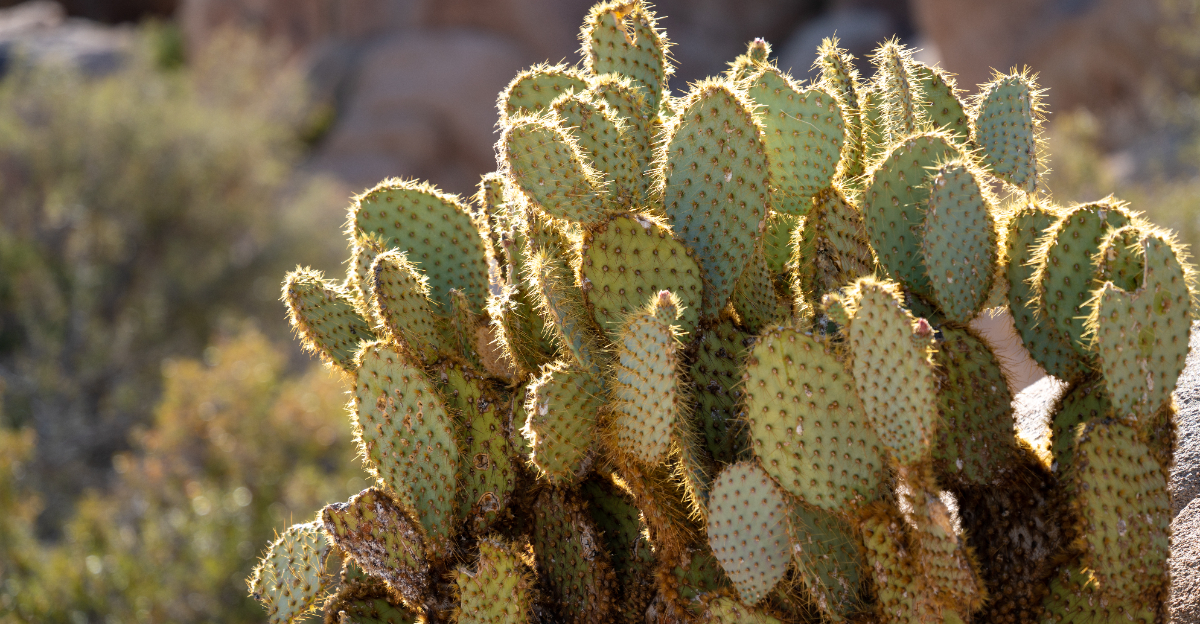
Paddle cacti are more than a classic desert icon and make an excellent choice for Arizona yards. If you’ve ever wanted a plant that stands out, thrives in intense sun, and demands very little care, these cacti fit perfectly.
Their flat pads and bold shapes give any landscape structure and personality.
These resilient plants grow well in dry soil, recover quickly from heat waves, and need minimal watering, making them ideal for busy homeowners or low-maintenance gardens.
Their sculptural forms create natural focal points while seasonal blooms add bright pops of color to patios, pathways, and front yards.
Planting paddle cacti combines style, durability, and ease in a single addition to your garden. The right placement brings visual impact, desert authenticity, and long-lasting appeal without constant work.
1. Paddle Cacti Thrive In Intense Arizona Sun
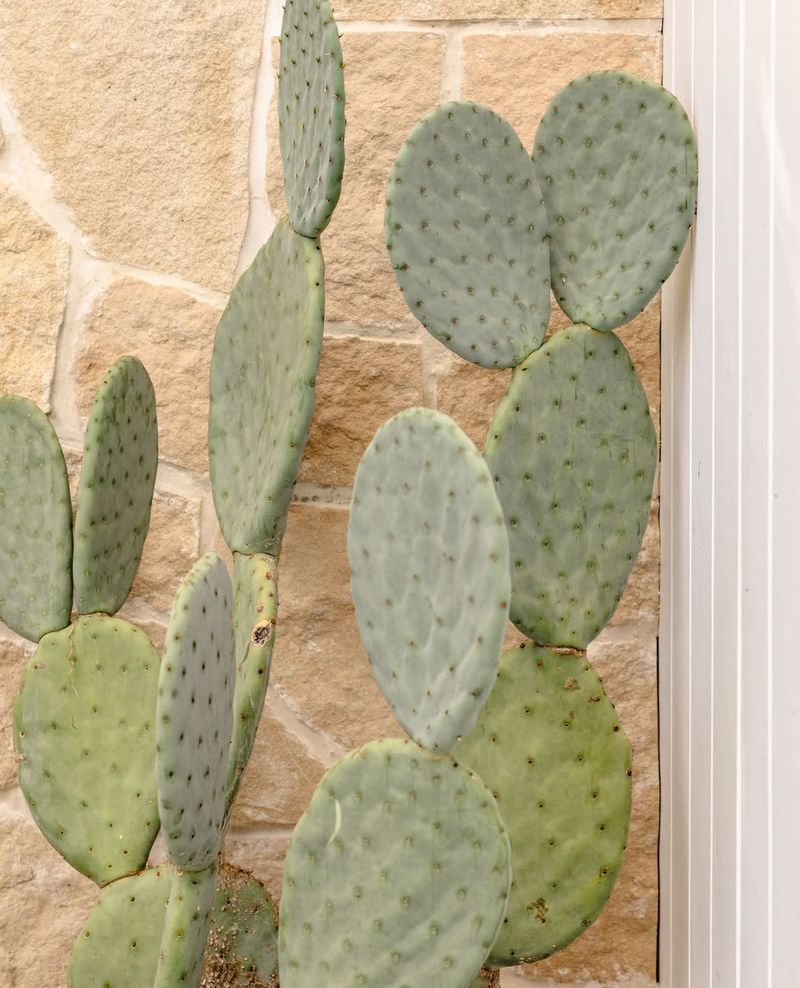
Full sun exposure that would scorch most garden plants actually fuels paddle cacti to their best growth. Arizona’s relentless summer rays provide exactly what these desert natives need to produce thick, healthy pads and vibrant blooms.
Unlike shade-loving species that wilt under direct light, paddle cacti have adapted their entire structure to maximize sun absorption while protecting internal tissues from damage.
The waxy coating on each pad acts like natural sunscreen, reflecting excess radiation while allowing just enough through for photosynthesis. This coating thickens during peak summer months, giving the pads a slightly bluish tint that signals optimal health.
Homeowners across Phoenix, Tucson, and smaller Arizona communities find that paddle cacti placed in the hottest, sunniest spots of their yards consistently outperform those given afternoon shade.
Most landscape plants require strategic placement to avoid sun stress, but paddle cacti eliminate that worry entirely. South-facing exposures, reflected heat from walls, and open spaces with zero shade all work perfectly.
This flexibility means you can fill problem areas where other plants struggle or create focal points in the most visible parts of your property.
Temperature extremes that accompany Arizona’s intense sun also pose no threat. Paddle cacti handle summer days above 110 degrees and winter nights that occasionally dip below freezing.
Their sun-adapted physiology keeps them productive and attractive through every season, making them one of the most reliable choices for Arizona yards that receive full, unfiltered sunlight from dawn to dusk.
2. Thick Pads Store Water For Long Dry Spells
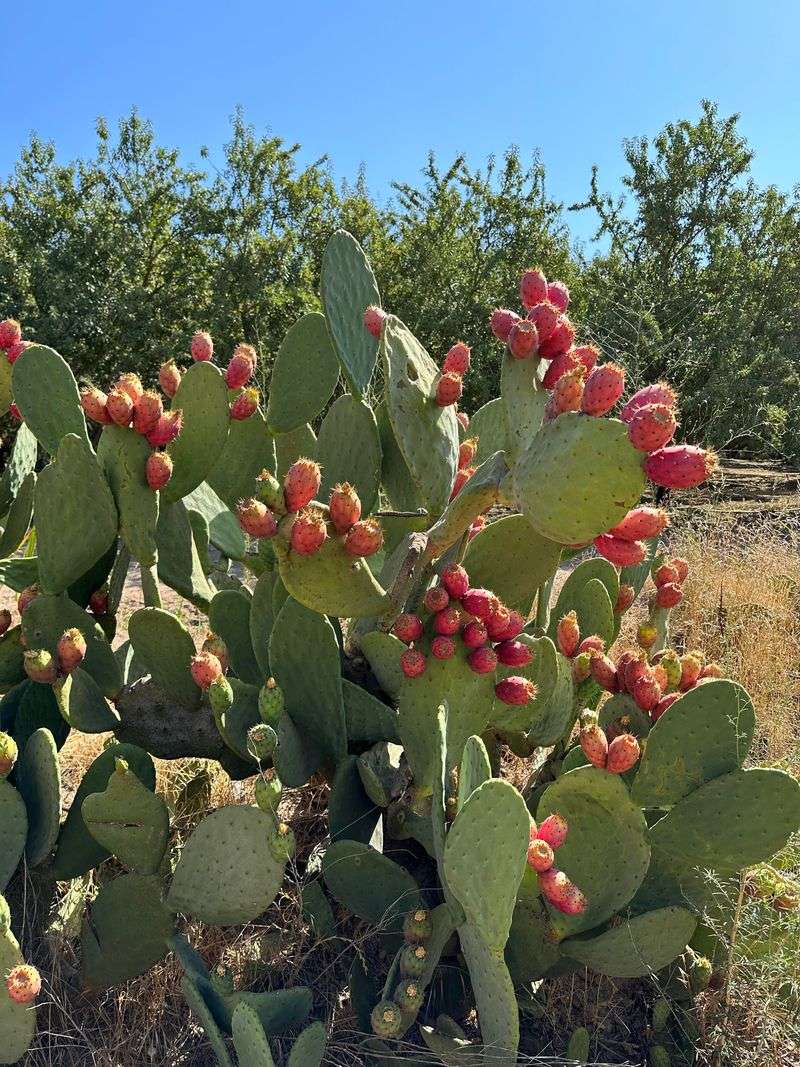
Each pad on a paddle cactus functions as a living water tank, storing moisture in specialized cells that expand and contract based on availability. This internal reservoir allows the plant to survive months without a single drop of rain or supplemental irrigation.
When water is plentiful, the pads plump up noticeably, creating a smooth, full appearance that signals healthy reserves.
During extended dry periods common throughout Arizona, the cactus slowly draws from these reserves while continuing to grow and maintain its structure. The pads may appear slightly wrinkled or less turgid, but the plant remains vigorous and ready to bounce back with the next watering.
This built-in drought insurance means you can travel, forget to water, or simply let nature take its course without watching your landscape suffer.
The water storage capacity varies with pad size and plant maturity, but even young paddle cacti establish impressive reserves within their first year.
Mature specimens with dozens of pads can hold enough moisture to sustain themselves through Arizona’s driest stretches, typically from April through June before monsoon rains arrive.
This self-sufficiency translates directly to lower maintenance demands and water costs for homeowners.
Root systems complement the pads’ storage ability by spreading wide rather than deep, capturing moisture from light rains that barely dampen the soil surface. Together, these adaptations create a plant that genuinely thrives on neglect.
Arizona gardeners appreciate this hands-off relationship, especially when managing larger properties or multiple landscape areas that would otherwise require constant irrigation attention during hot months.
That resilience makes paddle cactus one of the most dependable structural plants you can use in an Arizona landscape without worrying about daily care or rising water bills.
3. Bold Shape Creates Instant Desert Character
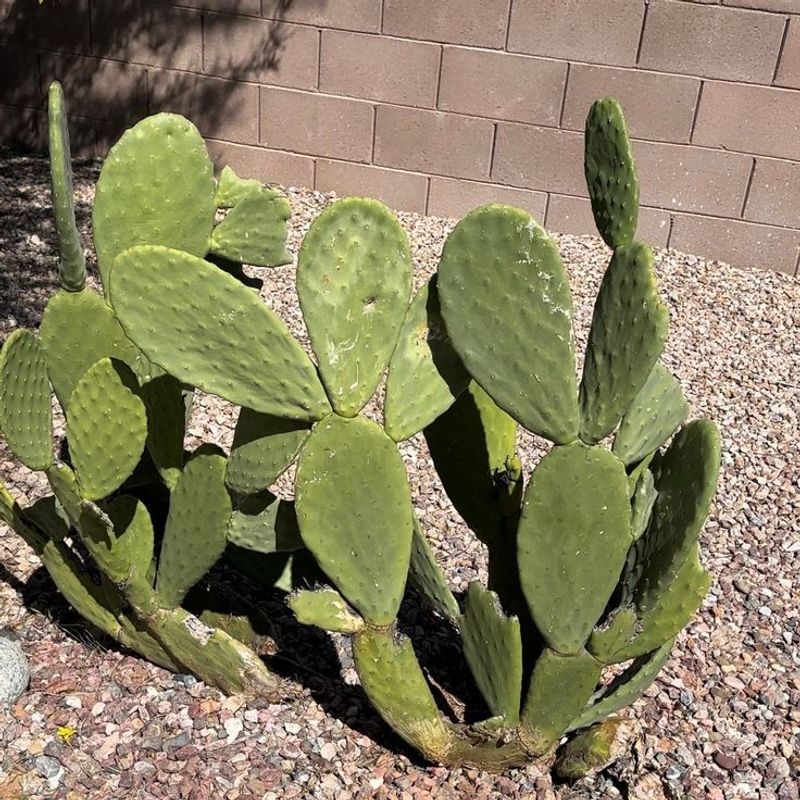
Architectural impact happens immediately when you add paddle cacti to Arizona yards. The distinctive flat pads stacked at various angles create visual interest that works as living sculpture, breaking up monotonous lawn areas or adding dimension to rock gardens.
Unlike rounded shrubs or standard trees, paddle cacti offer geometric forms that cast dramatic shadows and change appearance throughout the day as sunlight shifts.
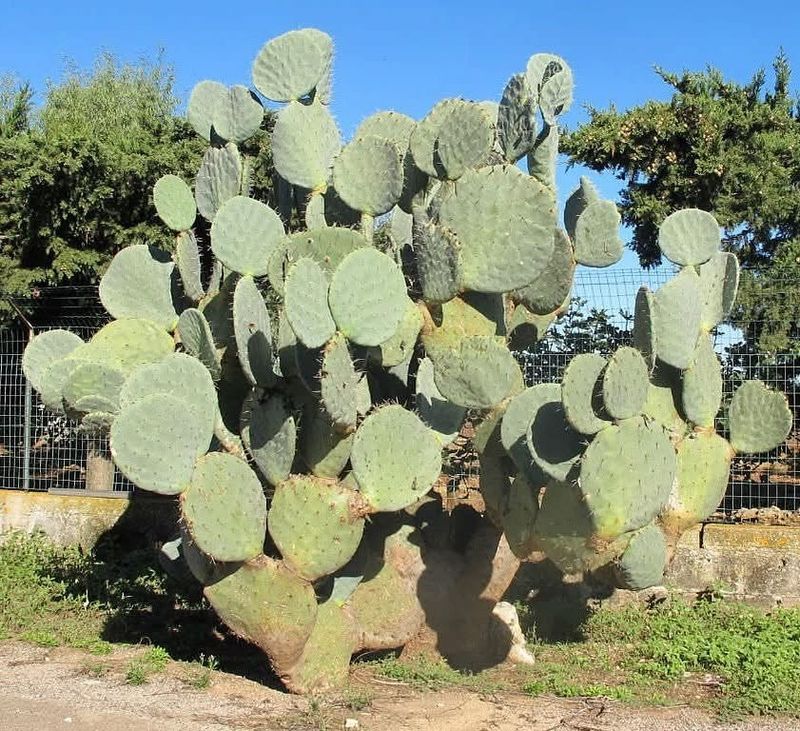
Size options range from compact varieties staying under three feet to towering specimens reaching eight feet or more, giving designers flexibility for different spaces.
Smaller types work beautifully in containers near entryways or as border plantings, while larger forms serve as focal points or natural property dividers.
The growth pattern allows you to shape the overall silhouette by removing select pads, creating custom forms that fit your specific aesthetic vision.
Color variations add another design layer beyond shape alone. Some paddle cacti display blue-green pads, others lean toward yellow-green, and certain varieties show purple or reddish tints during cooler months.
This palette diversity lets you coordinate with existing landscape colors or create intentional contrast. Homeowners throughout Arizona use these color shifts seasonally, enjoying plants that look different in January than they do in July without any extra effort.
The unmistakable Southwestern character paddle cacti provide cannot be replicated with non-native species.
Visitors immediately recognize the authentic desert aesthetic, and real estate professionals note that well-placed paddle cacti enhance property appeal for buyers seeking genuine Arizona landscaping.
The bold form makes design statements that require zero pruning, shaping, or maintenance to preserve their striking appearance year after year.
4. Minimal Irrigation Fits Low-Water Landscapes
Water conservation defines responsible Arizona landscaping, and paddle cacti rank among the lowest consumers available.
Established plants require supplemental irrigation only during the most extreme drought conditions, typically needing water just two to four times during peak summer months.
Compare this to traditional landscape plants demanding weekly or even daily watering, and the savings become substantial both financially and environmentally.
Young paddle cacti need slightly more frequent watering during their first growing season while establishing root systems, but even then, requirements stay modest. A deep soaking every two weeks during hot weather provides sufficient moisture for healthy growth.
Once roots spread through the surrounding soil, usually within 12 to 18 months, you can reduce watering to occasional deep drinks during prolonged dry spells.
Drip irrigation systems work exceptionally well with paddle cacti, delivering water directly to root zones without waste through evaporation or runoff.
Many Arizona homeowners set timers for monthly watering cycles from May through September, then turn systems off completely during cooler months when natural rainfall typically provides adequate moisture.
This set-and-forget approach aligns perfectly with modern water conservation goals while maintaining beautiful landscapes.
Municipal water restrictions increasingly affect Arizona communities, particularly during drought years. Paddle cacti allow you to comply with limitations while keeping your yard attractive and functional.
Properties featuring these low-water plants often qualify for rebates or incentives through local water conservation programs, adding financial benefits to the environmental advantages.
The minimal irrigation needs also mean lower utility bills month after month, year after year, making paddle cacti a smart economic choice for long-term landscape planning.
5. Bright Blooms Appear In Spring With Little Effort
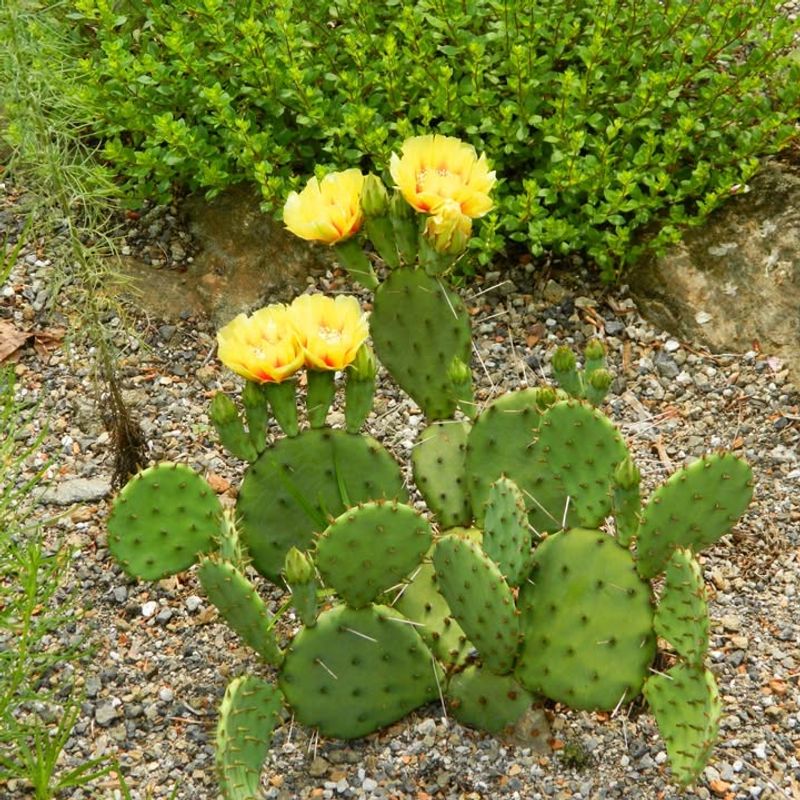
Spring transforms paddle cacti from sculptural green forms into spectacular flowering displays without any special care or fertilization.
Blooms emerge from the pad edges in shades of yellow, orange, pink, or red depending on variety, creating bursts of color that last several weeks.
Each flower measures three to four inches across, large enough to make a bold visual statement that attracts attention from both people and pollinators.
Flowering typically begins in April across most Arizona locations, with timing varying slightly based on elevation and local weather patterns.
Higher elevation areas around Flagstaff or Prescott may see blooms in May, while lower desert regions near Yuma often enjoy flowers by late March.
The blooms open during daylight hours and close at night, repeating this cycle for three to five days before fading and giving way to developing fruit.
No deadheading, special feeding, or intervention is required to encourage this annual show. Paddle cacti bloom naturally as part of their reproductive cycle, responding to lengthening days and warming temperatures that signal spring arrival.
Even neglected plants growing in forgotten corners of yards produce flowers reliably each year, demonstrating how effortless this seasonal color truly is for Arizona gardeners.
The flowers also serve important ecological functions, providing nectar and pollen for native bees, butterflies, and hummingbirds during a critical time when many desert plants have finished blooming.
This makes paddle cacti valuable additions to pollinator gardens and wildlife-friendly landscapes.
After flowers fade, edible fruits develop, adding another dimension of interest and potential use. The entire flowering cycle happens automatically, giving you maximum visual impact with zero input beyond basic plant establishment.
6. Drought Tolerance Makes Maintenance Simple
Forgetting to water actually benefits paddle cacti more than harming them, making these plants ideal for busy homeowners or vacation properties left unattended for weeks.
Their drought tolerance isn’t just about survival; it’s about genuine thriving under conditions that would devastate conventional landscape plants.
This fundamental characteristic eliminates the anxiety and schedule demands that come with maintaining less adapted species in Arizona’s challenging climate.
Overwatering poses a far greater threat than underwatering for paddle cacti. Soggy soil encourages root rot and fungal issues that rarely occur when plants receive minimal moisture.
This means you can err on the side of caution, watering less frequently without guilt or concern.
The natural rainfall patterns across Arizona, including summer monsoons and occasional winter storms, often provide all the moisture established paddle cacti need without any supplemental irrigation.
Maintenance tasks that consume hours with other plants simply don’t apply to paddle cacti. No deadheading spent flowers, no pruning to maintain shape, no fertilizing schedules, and no pest control spraying fill your weekends.
An occasional removal of damaged pads or shaping cuts every few years represents the extent of care required. This hands-off relationship frees your time while keeping your yard looking intentionally designed rather than neglected.
Properties with extensive paddle cactus plantings across Scottsdale, Mesa, and other Arizona cities demonstrate how drought tolerance translates to practical lifestyle benefits.
Homeowners report spending minutes per month on cactus care versus hours weekly on traditional landscapes.
The simplicity proves especially valuable for aging residents who want beautiful yards without physical demands, rental properties where absentee owners need low-maintenance solutions, and anyone prioritizing leisure time over yard work.
7. Strong Structure Holds Up In Wind And Heat
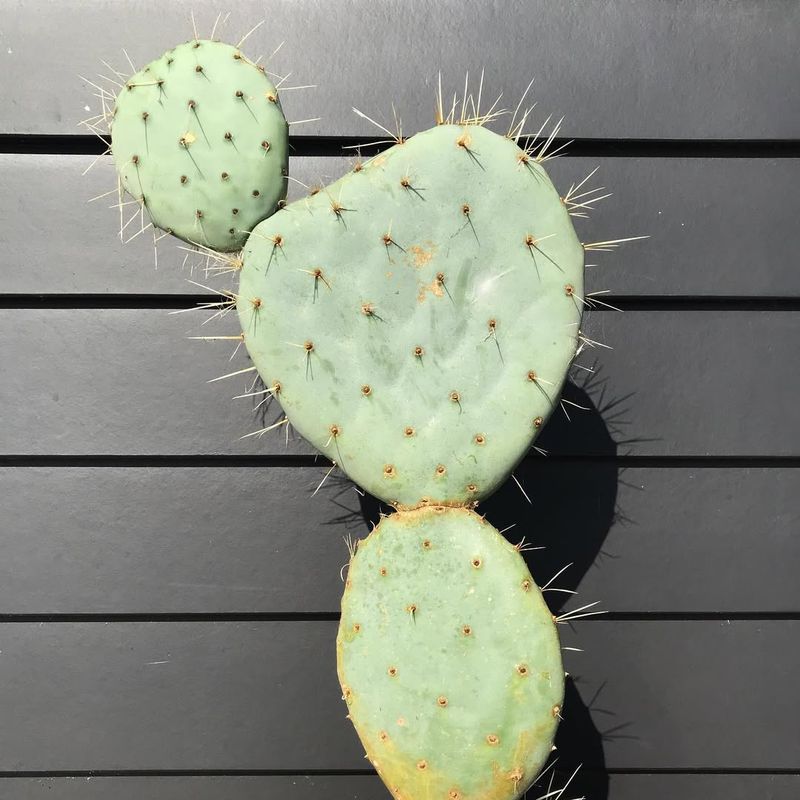
Wind storms that topple trees and shred delicate plants leave paddle cacti completely unfazed, thanks to their low center of gravity and flexible pad connections.
The segmented structure allows individual pads to sway independently, dissipating wind force rather than resisting it rigidly.
This natural engineering prevents the catastrophic failures that damage or destroy less adapted landscape plants during Arizona’s intense dust storms and monsoon winds.
Heat damage that leads to leaf scorch, branch loss, and overall decline in many species simply doesn’t affect paddle cacti.
Their cellular structure and metabolic processes evolved specifically for extreme temperature environments, allowing them to maintain full function when thermometers climb above 115 degrees.
The thick pads insulate internal tissues, while the waxy coating reflects excess heat radiation, keeping vital plant processes operating efficiently even during the hottest afternoons.
Structural integrity remains consistent year after year without the weakening, splitting, or deterioration common in woody plants exposed to Arizona’s harsh conditions.
Mature paddle cacti develop thick, sturdy pads that support impressive weight without sagging or breaking.
This durability means the architectural forms you establish in your landscape maintain their appearance and impact for decades, not just seasons.
Storm cleanup rarely affects paddle cactus, while nearby plants often need heavy pruning or replacement. This durability preserves appearance and reduces repeated repair costs.
Arizona residents living in areas prone to high winds or extreme heat exposure particularly value this dependable performance, knowing their paddle cacti will look exactly as intended regardless of weather extremes throughout the year.