11 Things That Require A Permit To Keep In A Massachusetts Yard
Living in Massachusetts means following specific rules about what you can keep in your yard, and some things surprisingly need official permission.
Many homeowners discover too late that certain additions to their property require permits from local authorities before installation or ownership begins.
Understanding these regulations helps you avoid fines, legal troubles, and the hassle of removing items you’ve already invested time and money into.
This guide walks you through eleven common yard features and items that Massachusetts residents must get permits for before bringing them home.
1. Backyard Chickens

Keeping chickens in your Massachusetts backyard isn’t as simple as buying a few hens and setting up a coop in the corner.
Most cities and towns across the state require residents to obtain a permit before they can legally house poultry on residential property.
The rules vary significantly depending on where you live, with some communities being more lenient than others about backyard farming.
Boston, for example, allows up to six hens but strictly prohibits roosters due to noise concerns that could disturb neighbors in densely populated areas.
You’ll need to submit an application to your local health department, which typically includes details about your coop’s location and construction plans.
Many municipalities require that coops be placed a certain distance from neighboring homes, often at least ten feet from property lines to minimize complaints.
The permit process usually involves an inspection to ensure your setup meets sanitation standards and doesn’t create health hazards for the community.
Some towns charge annual fees for chicken permits, while others require only a one-time application fee that covers initial approval and inspection.
Violating these ordinances can result in fines ranging from one hundred to several hundred dollars, plus you may be forced to remove your birds entirely from the property.
2. Swimming Pools
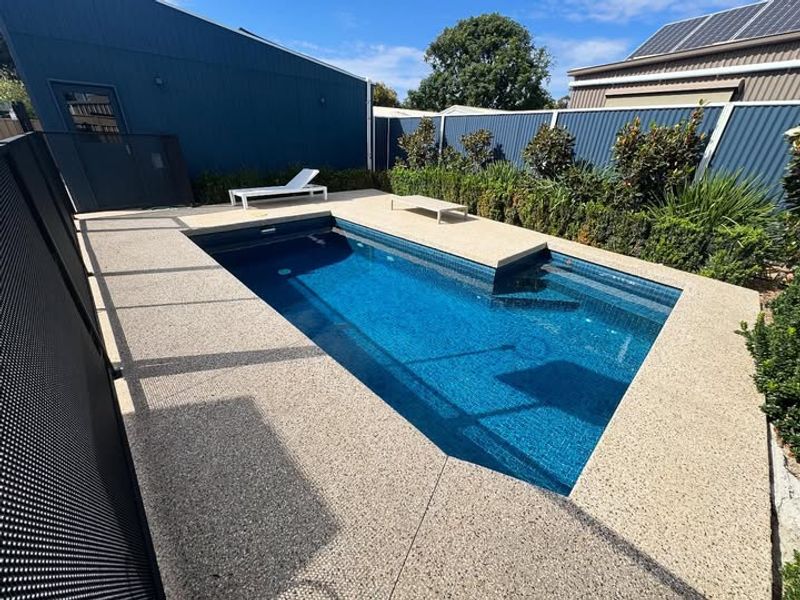
Installing a swimming pool in Massachusetts requires navigating a complex web of building codes, safety regulations, and permit requirements that vary by municipality.
Both in-ground and above-ground pools typically need permits, though some towns exempt small inflatable pools that hold less than a specific water volume.
The permitting process exists primarily to ensure pools meet safety standards designed to prevent accidental drownings, especially involving young children.
Massachusetts law mandates that all residential pools be surrounded by barriers at least four feet high with self-closing and self-latching gates.
Your permit application must include detailed plans showing the pool’s location, dimensions, fencing specifications, and electrical connections for pumps and filtration systems.
Local building departments review these plans to verify compliance with state building codes and specific town ordinances before issuing approval for construction.
The inspection process doesn’t end once you receive your initial permit, as officials will visit your property during construction and after completion.
Electrical work for pool equipment must be performed by licensed electricians and inspected separately to prevent shock hazards around water features.
Failing to obtain proper permits before installation can result in fines, mandatory removal of the pool, and difficulties selling your home later when unpermitted work is discovered during property transactions.
3. Sheds And Outbuildings
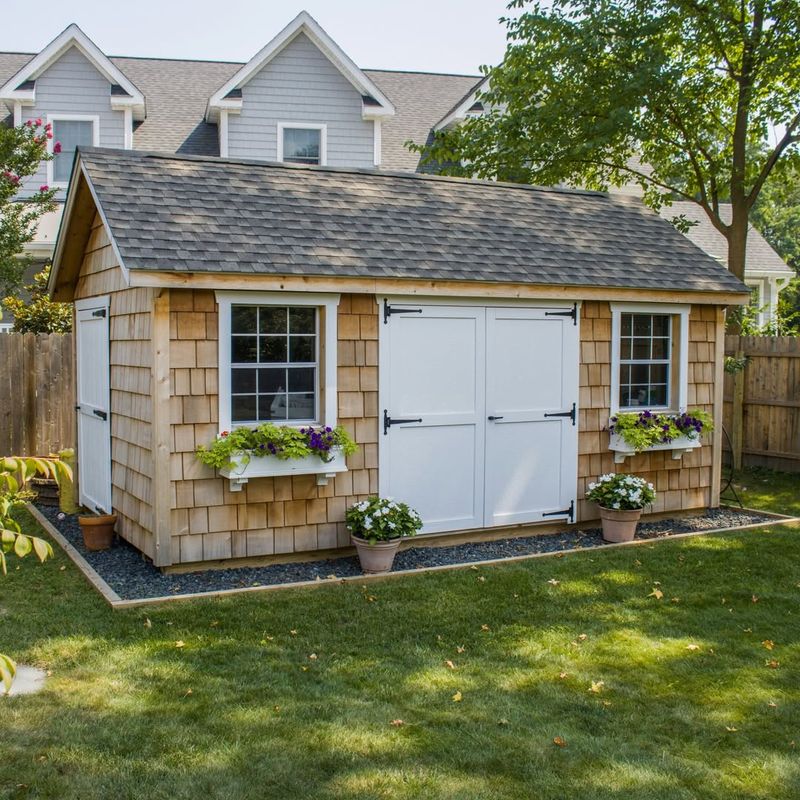
That convenient storage shed you’ve been eyeing for your yard tools might require more paperwork than you’d expect before construction begins.
Massachusetts towns generally require building permits for sheds and outbuildings that exceed certain size thresholds, commonly around one hundred square feet or structures with foundations.
Even prefabricated sheds purchased from home improvement stores often need permits before you can legally place them on your property permanently.
The permit application process typically requires submitting a site plan showing the shed’s proposed location relative to property lines and existing structures.
Most municipalities enforce setback requirements that dictate how far sheds must be positioned from lot boundaries, usually between five and ten feet.
These regulations prevent structures from encroaching on neighbors’ properties and ensure adequate space for maintenance, fire safety, and emergency access around buildings.
Building inspectors review shed permits to confirm compliance with zoning ordinances that limit the total coverage of accessory structures on residential lots.
Some towns restrict the combined square footage of all outbuildings to a percentage of your lot size or primary dwelling’s footprint.
Constructing a shed without proper permits can complicate future home sales, as buyers’ inspectors will flag unpermitted structures, potentially derailing transactions or reducing your property’s value significantly.
4. Fences Over Six Feet
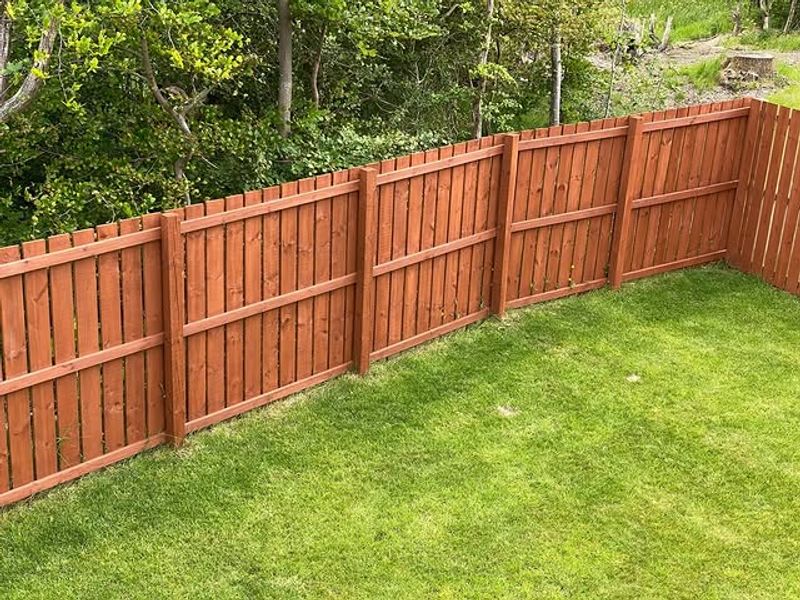
Privacy fences offer seclusion and security, but Massachusetts homeowners can’t simply build them to any height without consulting local regulations first.
Most municipalities across the state require permits for fences exceeding six feet in height, with some towns setting even lower thresholds.
These restrictions exist to balance homeowners’ privacy desires with community aesthetics, neighbor relations, and safety concerns about sight lines near streets and driveways.
Front yard fences face stricter regulations than those in backyards, often limited to just three or four feet to maintain neighborhood openness.
Corner lots present additional challenges because two sides of the property may be considered front yards under zoning codes, limiting fencing options.
Your permit application must include measurements, materials specifications, and a property survey showing the fence’s exact location relative to boundary lines.
Building a fence without required permits can trigger complaints from neighbors who feel the structure violates setback requirements or blocks their views.
Local code enforcement officers have authority to order unpermitted fences removed entirely or modified to meet regulations, wasting your investment in materials and labor.
Additionally, fence disputes between neighbors often escalate into legal battles that could have been avoided by following proper permitting procedures from the start.
5. Beehives

Urban beekeeping has surged in popularity as people recognize bees’ crucial role in pollinating gardens and supporting local ecosystems throughout Massachusetts.
However, keeping honeybees in residential yards requires obtaining permits from local authorities in most cities and towns across the Commonwealth.
These regulations help manage potential conflicts with neighbors who may have bee allergies or fear of stinging insects near their properties.
Cambridge allows residents to keep up to two hives per property after completing a registration process with the city’s health department.
Many municipalities require beekeepers to maintain hives at least ten feet from property lines and provide a water source to discourage bees from seeking water in neighbors’ pools or birdbaths.
Some towns mandate that hives face away from neighboring properties or be positioned behind six-foot barriers to direct flight paths upward.
The permit application often requires proof of liability insurance covering bee-related incidents and documentation of beekeeping education or experience to ensure proper hive management.
Regular inspections by local or state agricultural officials may be required to check for diseases that could spread to other colonies in the area.
Operating unpermitted beehives can result in removal orders, fines, and strained relationships with neighbors who feel their safety concerns weren’t properly addressed through official channels.
6. Detached Garages
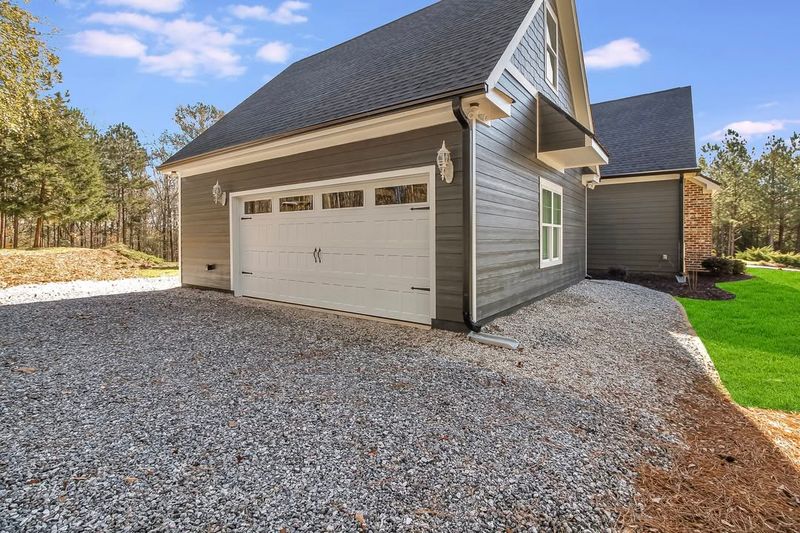
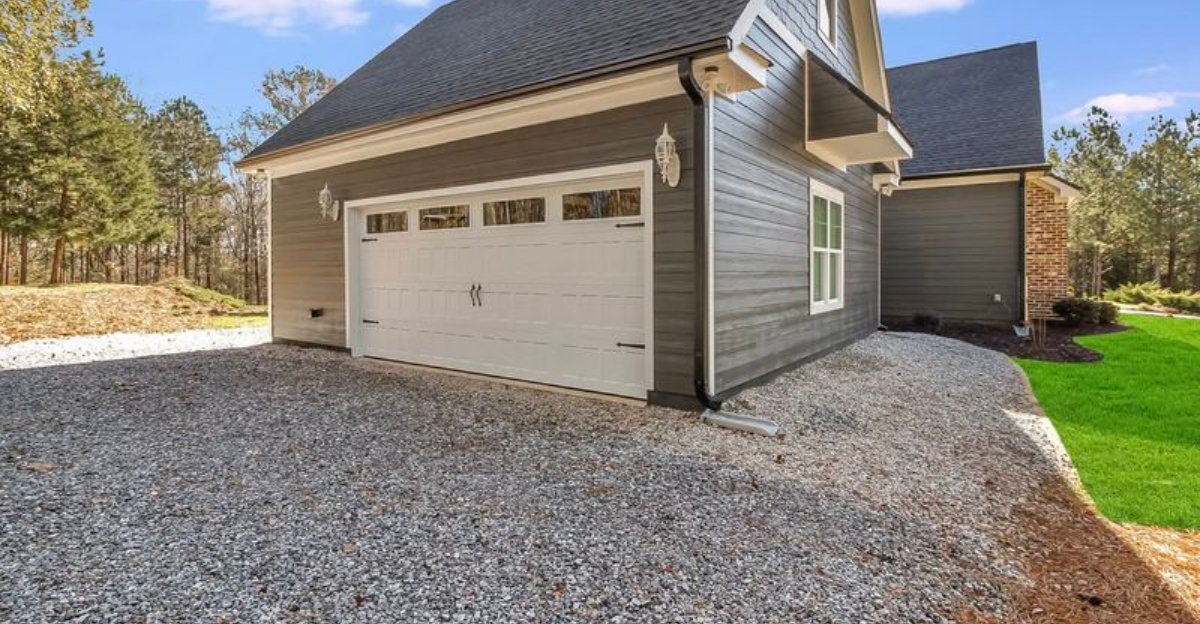
Adding a detached garage to your Massachusetts property provides valuable storage and workspace, but this construction project definitely requires navigating the permit process.
These structures are considered significant additions that impact property values, neighborhood character, and municipal tax assessments, making official approval mandatory regardless of size.
Building departments need to review plans to ensure garages comply with zoning setbacks, height restrictions, and lot coverage limitations before construction begins.
Your permit application must include detailed architectural drawings showing the garage’s dimensions, foundation type, roofing materials, and electrical specifications if you plan to install lighting or outlets.
Many towns limit detached garages to one story or specific height maximums to prevent structures from towering over neighboring properties.
Setback requirements typically mandate that garages be positioned at least five feet from side and rear property lines, with greater distances required from front lot boundaries.
The review process considers how the garage affects stormwater drainage, as large impervious surfaces can increase runoff that impacts neighboring properties and municipal systems.
Some municipalities require garages to match your home’s architectural style and exterior materials to maintain neighborhood aesthetic consistency and property values.
Constructing a detached garage without permits creates serious legal and financial problems, including stop-work orders, daily fines, mandatory demolition, and complications with homeowners insurance coverage.
7. Large Play Structures
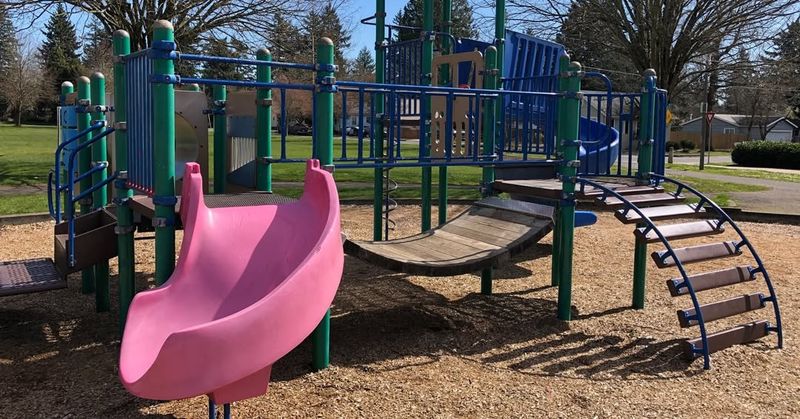
Those elaborate swing sets and climbing structures that promise hours of backyard fun for kids sometimes require permits before installation in Massachusetts yards.
While small, portable play equipment typically doesn’t need approval, permanently installed structures exceeding certain sizes or heights often fall under building code jurisdiction.
The regulations aim to ensure play structures are safely constructed and positioned to prevent injuries from falls onto hard surfaces or collisions with nearby obstacles.
Towns generally require permits for play structures with platforms higher than thirty inches or those permanently anchored to the ground with concrete footings.
Your application should include manufacturer specifications, installation instructions, and a site plan showing the structure’s location relative to property lines and other features.
Many municipalities require safety surfacing materials like rubber mulch or wood chips extending several feet beyond the structure to cushion potential falls.
Setback requirements often mandate that play structures be positioned away from property lines to prevent children from accidentally wandering onto neighbors’ properties during play.
Some towns include play structures in calculations of total accessory structure coverage, which could affect your ability to add other features later.
Installing elaborate play equipment without permits rarely results in enforcement action unless neighbors complain, but unpermitted structures can become issues during home sales when buyers’ inspectors discover non-compliant installations.
8. Permanent Generators
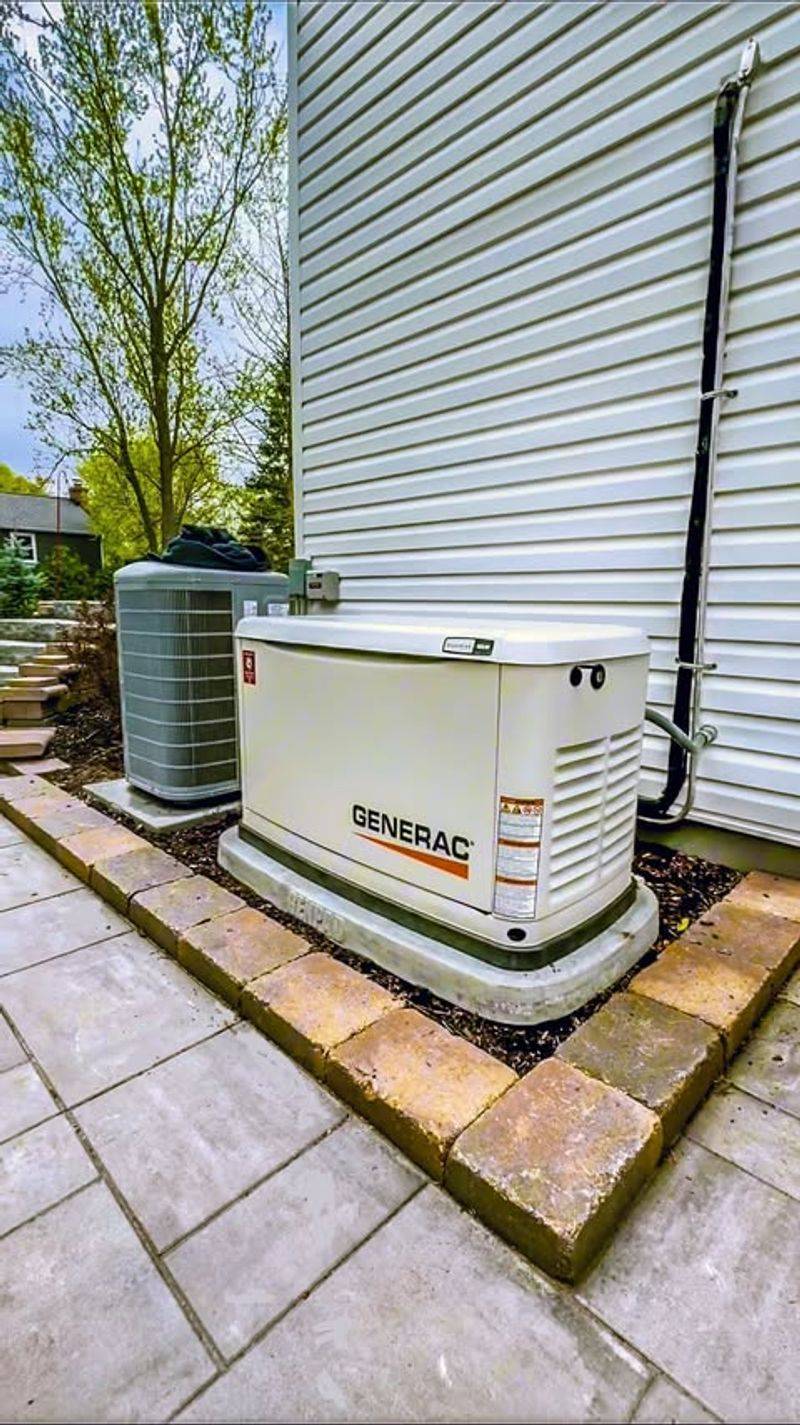
Standby generators provide peace of mind during power outages, but permanently installing these units on your Massachusetts property requires multiple permits and inspections.
These requirements exist because generators involve complex electrical connections to your home’s power system, natural gas or propane fuel lines, and potential noise impacts on surrounding neighbors.
Building departments need to verify that installations meet electrical codes, fire safety standards, and zoning regulations before you can legally operate a generator.
Your permit application must include electrical plans showing how the generator connects to your home’s circuit panel through a transfer switch.
Licensed electricians must perform all electrical work, and separate electrical permits are typically required in addition to building permits for the generator installation.
Natural gas connections require plumbing permits and inspections to ensure fuel lines are properly sized and safely installed according to state codes.
Zoning ordinances often specify setback requirements for generators, typically mandating placement at least five feet from property lines to minimize noise disturbances for neighbors.
Many towns require generators to be positioned on concrete pads and screened from view with landscaping or fencing to reduce visual and auditory impacts.
Operating an unpermitted generator can result in disconnection orders, fines, and liability issues if improper installation causes fires, carbon monoxide poisoning, or electrical problems that damage your home or neighbors’ properties.
9. Hot Tubs And Spas
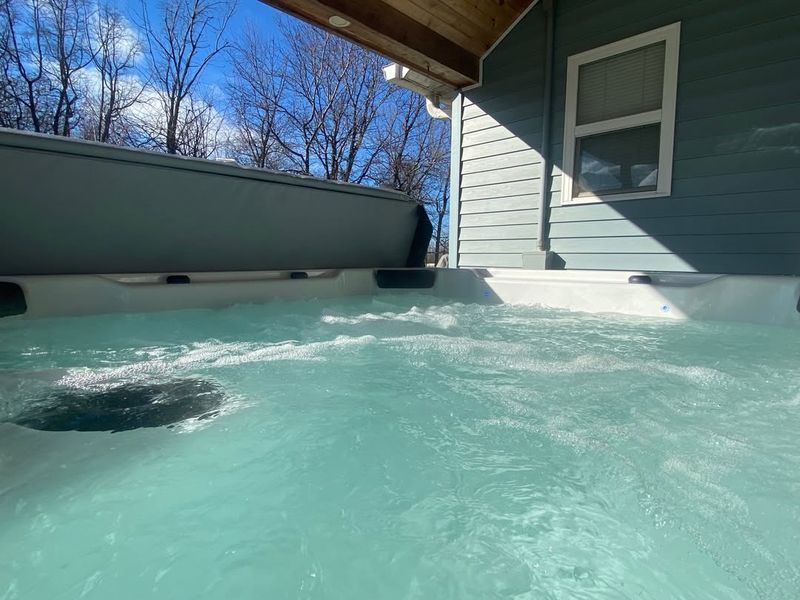
Relaxing in a backyard hot tub sounds wonderful until you discover that Massachusetts regulations often classify these features similarly to swimming pools.
Most municipalities require permits for permanently installed hot tubs and spas, particularly those requiring electrical hookups or plumbing connections to your home’s water supply.
The permitting process ensures installations meet electrical safety codes designed to prevent shock hazards when electricity and water are in close proximity.
Building departments review hot tub permit applications to verify proper electrical installation, including ground fault circuit interrupter protection that immediately cuts power if current leakage is detected.
Licensed electricians must perform all wiring work, and electrical inspections are mandatory before you can fill and use your hot tub safely.
Some towns also require barriers or lockable covers to prevent unsupervised access by young children, similar to pool safety regulations.
Portable hot tubs that simply plug into standard outlets may have fewer permitting requirements, but permanent installations with dedicated electrical circuits definitely need approval.
Your permit application should include specifications for the hot tub’s location, electrical requirements, and any deck or patio construction needed to support the unit’s weight.
Installing hot tubs without permits can void manufacturer warranties, create liability issues if injuries occur, and cause problems during home sales when unpermitted electrical work is discovered.
10. Retaining Walls Over Four Feet
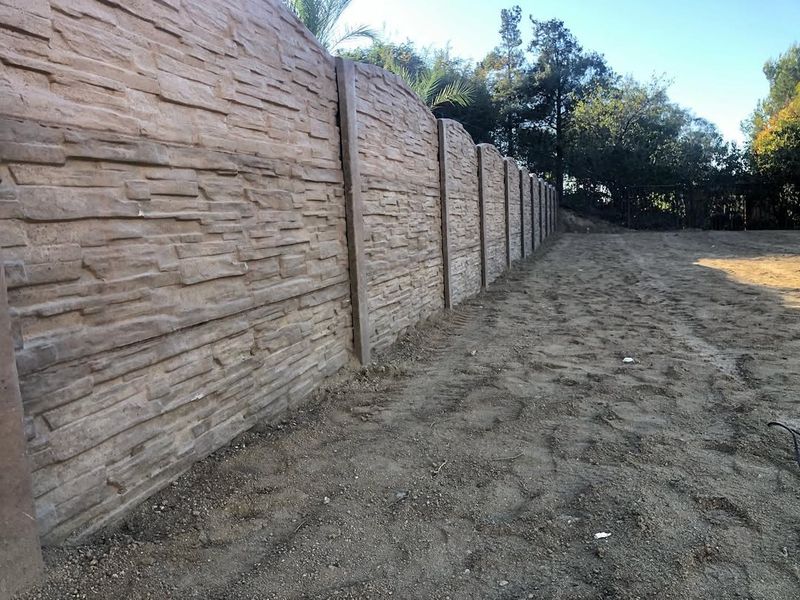
Retaining walls serve important functions in managing slopes and preventing erosion, but tall walls require engineering expertise and permits in Massachusetts communities.
Most towns require building permits for retaining walls exceeding four feet in height because structural failure could cause property damage or injuries.
These regulations ensure walls are properly designed to withstand soil pressure, water drainage, and frost heaving that occurs during New England’s harsh winters.
Your permit application must include engineering drawings stamped by a licensed professional engineer showing the wall’s design, materials, and drainage provisions.
Proper drainage behind retaining walls is crucial because water pressure can cause even well-built walls to fail catastrophically during heavy rains or spring thaws.
Building inspectors verify that installations include drainage pipes, gravel backfill, and other features that direct water away from the wall structure.
Walls located near property lines require careful attention to ensure they don’t alter drainage patterns that could flood neighboring properties or cause erosion.
Some municipalities require walls to be set back specific distances from lot boundaries to provide maintenance access and prevent encroachment disputes.
Building retaining walls without permits creates serious liability risks if structural failure causes property damage, and insurance companies may deny claims related to unpermitted construction work.
11. Large Dog Kennels
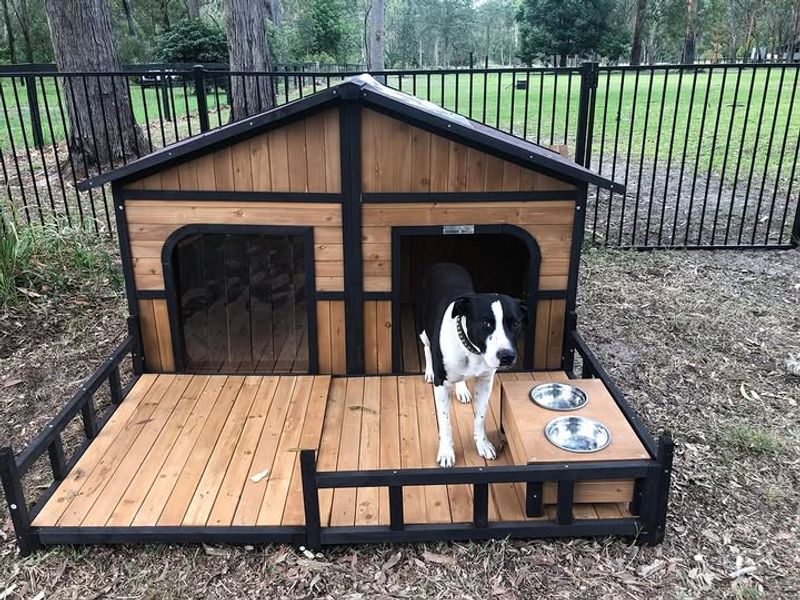
Dog owners who want to provide secure outdoor space for their pets sometimes build kennels that require permits under Massachusetts building codes.
While small, temporary dog runs typically don’t need approval, permanent kennel structures with roofs or those exceeding certain sizes often fall under regulatory oversight.
These requirements exist because large kennels can impact neighbors through noise, odors, and visual impacts that communities seek to manage through zoning regulations.
Many towns require building permits for kennels larger than one hundred square feet or any structure with a permanent foundation or roof covering.
Your application should include dimensions, construction materials, and a site plan showing the kennel’s location relative to property lines and existing buildings.
Zoning ordinances often mandate setback distances between kennels and neighboring homes to minimize noise disturbances from barking dogs that could disrupt neighbors’ peace.
Some municipalities limit the number of dogs residents can keep on residential properties, with larger numbers requiring special kennel licenses from animal control departments.
Health departments may inspect kennel facilities to ensure adequate sanitation, waste disposal, and living conditions that prevent disease and pest problems.
Maintaining unpermitted kennels can result in removal orders, animal control interventions, and neighborhood conflicts that escalate into legal disputes over noise ordinances and nuisance complaints.