7 Things To Check Before Fertilizing Plants In Phoenix, Arizona
You’re standing in your yard in Phoenix, Arizona, staring at a plant that looks a little off, and the fertilizer bag starts calling your name like it holds the quick fix.
When leaves fade, growth slows, or blooms feel underwhelming, feeding seems like the logical next move.
In a desert climate, though, that simple decision carries more weight than most gardeners expect.
In Phoenix, Arizona, intense sun, alkaline soil, and hidden salt buildup change how plants respond to nutrients. What helps in other states can easily stress roots here if timing, strength, or soil conditions are wrong.
A single application can either support steady growth or push a struggling plant further into trouble. Before adding anything to the soil, a few smart checks can make all the difference.
1. Check The Soil Moisture Before Adding Any Fertilizer
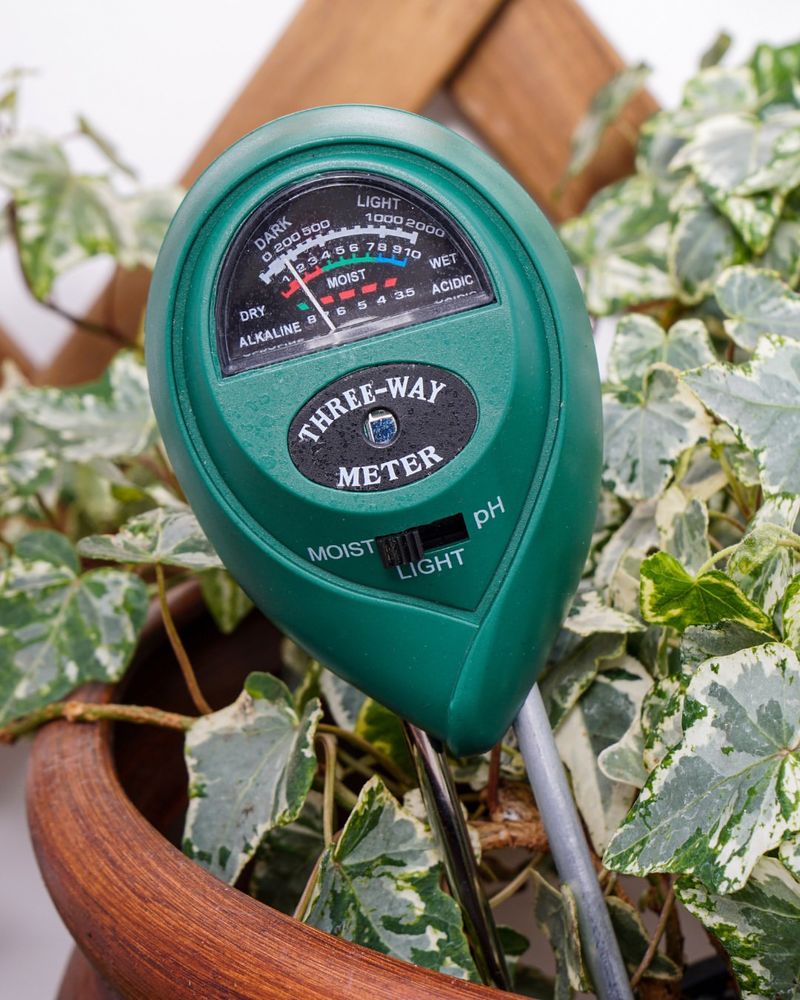
Dry soil and fertilizer make a dangerous combination in Phoenix gardens. When you apply nutrients to bone-dry ground, the concentrated salts in fertilizer can actually pull moisture out of plant roots instead of feeding them.
This creates a burning effect that damages delicate root hairs and stresses your plants at the worst possible time.
Before opening any fertilizer package, stick your finger about two inches into the soil around your plants. If it feels dusty and completely dry, hold off on feeding.
Water thoroughly first, then wait a day or two before applying any nutrients. This simple step ensures the fertilizer dissolves properly and moves through the soil without creating toxic hot spots.
Phoenix’s low humidity means soil dries out faster than most gardeners expect. Even if you watered recently, check again before fertilizing.
Desert winds and intense sun can suck moisture from the ground in just hours during summer months. Your timing matters tremendously in this climate.
Plants absorb nutrients through water, so moisture must be present for fertilizer to work effectively. When soil has adequate moisture content, dissolved nutrients flow easily to root zones where they’re needed.
Without that moisture, you’re essentially dumping concentrated salts onto struggling roots that can’t process them properly.
Always water first, fertilize second, and you’ll avoid one of the most common mistakes Phoenix gardeners make when trying to boost their plants’ health and vigor.
High salt levels are already common in many desert soils, so careless fertilizing can compound the problem over time. In much of Arizona, occasional deep watering helps flush excess salts below the root zone and protects long-term plant health.
Choosing slow-release or diluted liquid fertilizers also reduces the risk of root burn in extreme heat. Smaller, measured feedings are far safer in Phoenix conditions than heavy, one-time applications.
2. Make Sure Temperatures Are Not Climbing Into Extreme Heat
Fertilizing during Phoenix’s brutal summer heat is like asking someone to run a marathon while carrying extra weight. When temperatures push past 95 degrees, most plants shift into survival mode rather than active growth.
Their metabolic processes slow down dramatically, and they simply can’t process nutrients efficiently.
Watch your local weather forecast before planning any fertilizing sessions. If triple-digit heat is arriving within the next week, skip the feeding entirely.
Plants under heat stress lack the energy to uptake and utilize added nutrients, which then accumulate in the soil as salt buildup. This creates a secondary problem that’s even harder to fix than the original nutrient deficiency you were trying to address.
The ideal fertilizing window in Phoenix runs from late February through early May, then again from September through November. During these periods, temperatures stay moderate enough that plants actively grow and readily absorb nutrients.
Summer months from June through August are the worst possible time to fertilize anything except heat-loving desert natives that actually thrive in extreme conditions.
Even desert-adapted plants reduce their nutrient needs when temperatures soar. Their roots pull back from the soil surface, and their leaves develop protective coatings that limit transpiration.
Adding fertilizer during this dormant period wastes your money and potentially harms plants that are already working overtime just to survive the Phoenix summer.
Temperature awareness protects both your garden investment and your plants’ long-term health.
3. Confirm The Plant Is Actively Growing And Not Heat Stressed
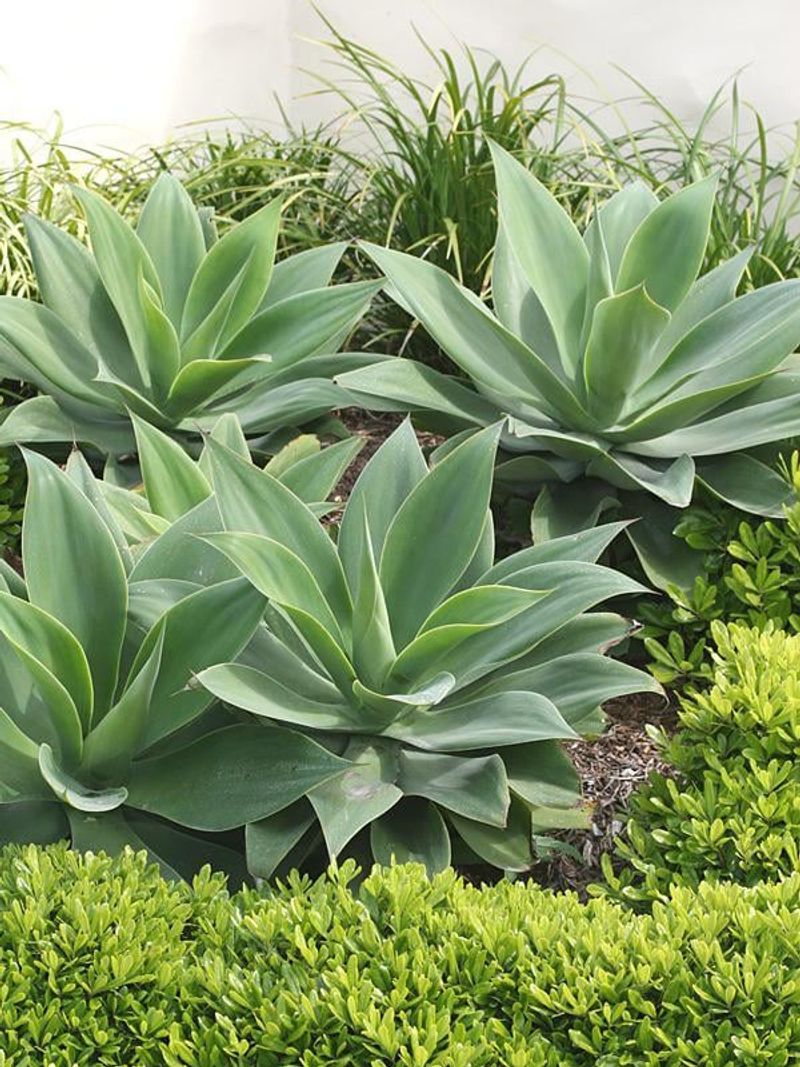
Active growth signals are your green light for fertilizing. Look for fresh shoots, new leaves, or flower buds emerging from your plants.
These visible signs tell you the plant is in growth mode and ready to use the nutrients you’re about to provide. Without these indicators, feeding becomes pointless and potentially harmful.
Heat stress shows up in ways that are hard to miss once you know what to look for. Leaves may curl inward, turn grayish, or develop crispy brown edges.
Some plants drop leaves entirely during extreme Phoenix heat as a protective measure. Others simply stop producing new growth and hunker down until conditions improve.
None of these stressed plants should receive fertilizer.
Desert plants have evolved clever survival strategies that include going semi-dormant during the hottest months. During this rest period, their root systems slow down, and they focus entirely on conserving moisture rather than expanding.
Applying fertilizer to a dormant plant is like force-feeding someone who isn’t hungry. The nutrients sit unused in the soil, building up salt concentrations that damage roots when growth eventually resumes.
Check multiple plants throughout your Phoenix landscape before making fertilizing decisions. Microclimates exist even in small yards, with some areas staying cooler or more protected than others.
A plant thriving in afternoon shade might be actively growing while its cousin in full sun is struggling. Fertilize only the plants showing clear signs of active, healthy growth for the best results and healthiest garden overall.
In much of Arizona, the safest fertilizing windows are early spring and early fall, when temperatures are warm but not extreme. Feeding during these moderate periods supports steady growth without adding extra stress during peak summer heat.
When in doubt, err on the side of waiting rather than rushing. Healthy plants can tolerate a short delay in nutrients, but stressed plants recover far better when given water and shade before any fertilizer is added.
4. Test Your Soil Instead Of Guessing What It Needs
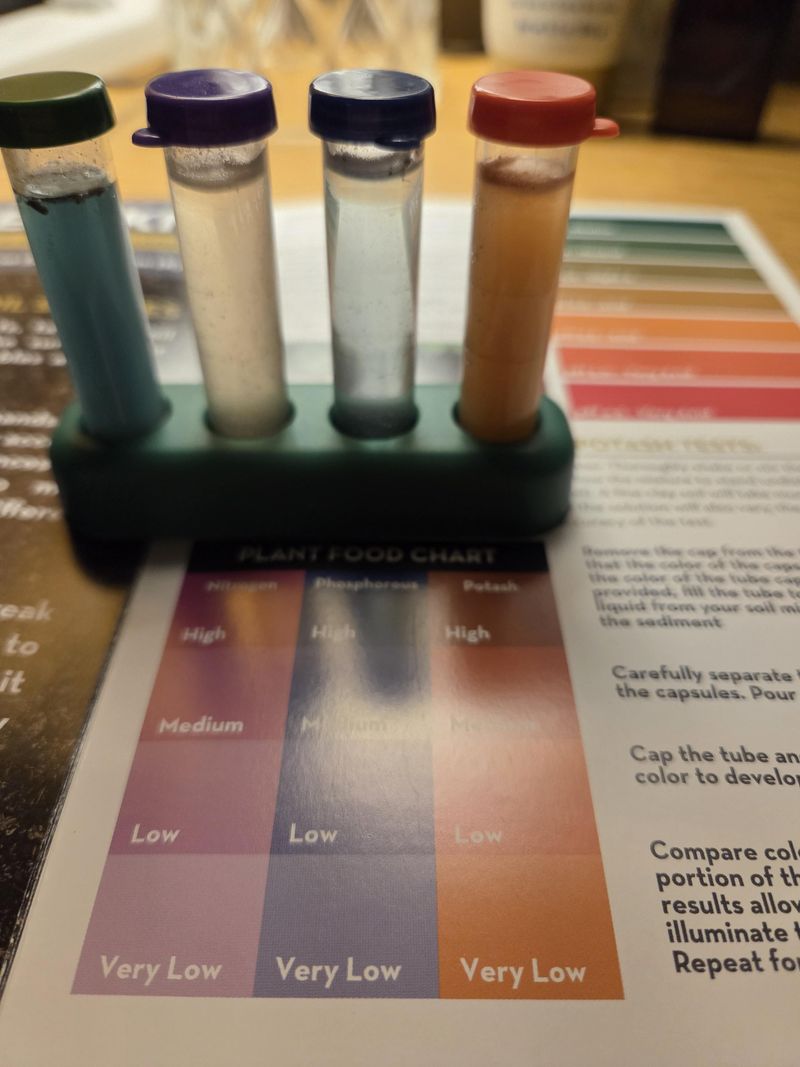
Guessing your soil’s nutrient levels is a gamble you’ll probably lose in Phoenix. Desert soils have unique characteristics that differ dramatically from the loamy garden soil found in other regions.
Most Phoenix yards contain highly alkaline soil with a pH between 7.5 and 8.5, which locks up certain nutrients even when they’re present in adequate amounts.
A basic soil test reveals pH levels, nitrogen content, phosphorus availability, and potassium concentrations.
You can pick up inexpensive test kits at local garden centers, or send samples to the University of Arizona Cooperative Extension for detailed analysis.
Either option beats the alternative of applying fertilizer blindly and hoping for improvement.
Phoenix soil often contains plenty of phosphorus but lacks nitrogen and iron. The high pH makes iron unavailable to plants even when it’s present in the ground.
Without testing, you might add a balanced fertilizer when your plants actually need a specialized iron supplement or nitrogen boost. This wastes money and potentially worsens existing imbalances.
Testing also reveals salt accumulation, a common problem in Arizona gardens caused by hard water and mineral-rich soil. High salt levels damage roots and prevent nutrient uptake regardless of how much fertilizer you apply.
If tests show elevated salts, you’ll need to flush the soil with water before adding any nutrients. This critical information only comes from testing, not guessing.
Spend a few dollars on a soil test and you’ll fertilize with confidence, giving your Phoenix plants exactly what they need rather than what you think they need.
5. Inspect Leaves For Salt Buildup Or Burn Signs
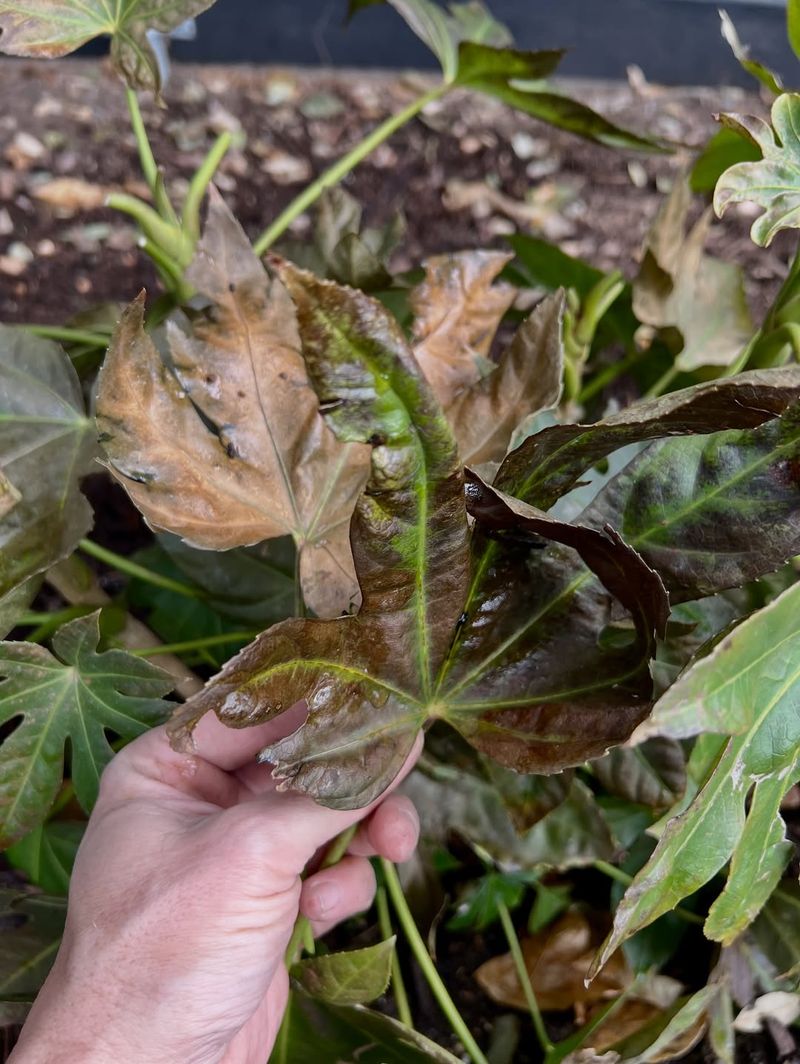
Leaf edges tell stories about what’s happening below ground. White crusty deposits on leaf surfaces, brown crispy tips, or yellowing between leaf veins all signal salt accumulation from previous fertilizing mistakes or mineral-heavy Phoenix water.
These warning signs mean your plants are already struggling with too many dissolved solids in their root zone.
Salt damage looks different from nutrient deficiency even though both cause discoloration. Burned leaf margins stay crispy and brown, progressing inward from edges toward the center.
The damage doesn’t spread to new growth if you stop fertilizing and flush the soil. Nutrient deficiencies typically show up as overall yellowing or pale color that affects entire leaves rather than just edges.
Before adding any fertilizer, examine leaves carefully on multiple plants throughout your Phoenix landscape. If more than a few show salt burn symptoms, postpone feeding entirely.
Instead, water deeply several times over the next two weeks to leach excess salts below the root zone. This flushing process restores balance and prepares plants to receive nutrients without additional stress.
Hard water in Phoenix contains dissolved minerals that contribute to salt buildup even without fertilizer. When you add nutrients on top of this existing mineral load, you can quickly push soil salt levels into the danger zone.
Regular leaf inspections catch problems early before they become severe. Healthy leaves with uniform green color and no crispy edges indicate plants are ready for careful fertilizing.
Damaged leaves mean stop, assess, and flush before proceeding with any feeding program in your Arizona garden.
6. Avoid Feeding Newly Planted Or Recently Transplanted Plants
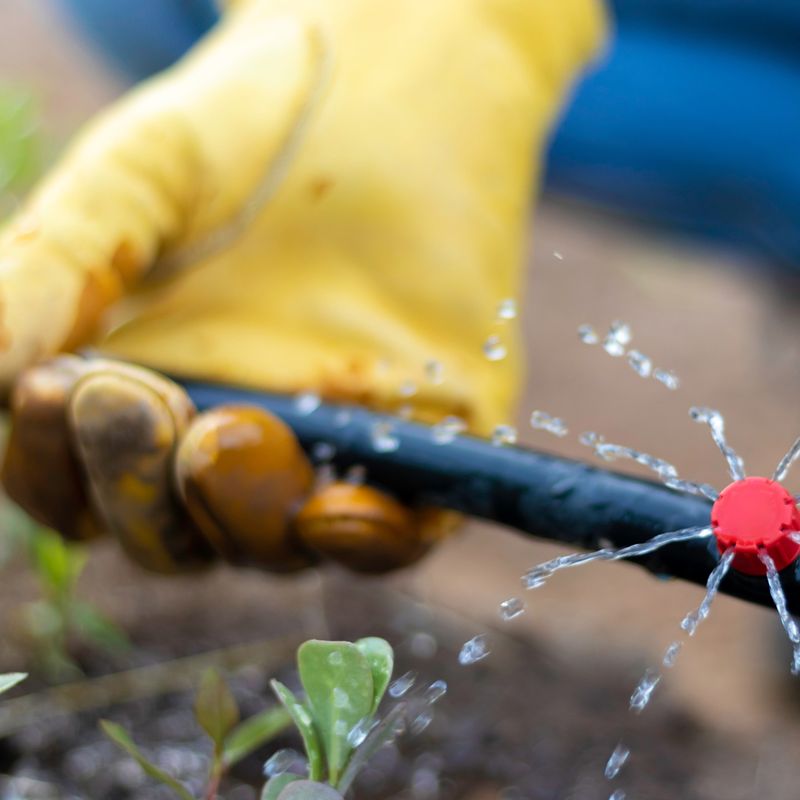
Transplant shock hits hard in Phoenix’s challenging climate. Newly planted specimens need time to establish roots and adjust to their new location before they can handle the additional stress of processing fertilizer.
Their damaged root systems are already working overtime to absorb water and anchor the plant, leaving little energy for nutrient uptake.
Wait at least six to eight weeks after planting before applying any fertilizer in Phoenix gardens. This grace period allows roots to grow into surrounding soil and develop the extensive network needed to support healthy growth.
Premature fertilizing can actually slow root development as plants focus energy on processing nutrients instead of expanding their root systems.
Recently transplanted plants are particularly vulnerable to fertilizer burn because their limited root systems can’t escape concentrated nutrients. In established plants, roots spread throughout a large soil volume, diluting any fertilizer you apply.
Newly planted specimens have roots confined to a small area where salt concentrations can quickly reach toxic levels. The result is additional stress piled onto an already struggling plant.
Focus on proper watering rather than feeding during those critical first weeks after planting. Consistent moisture helps new roots establish much more effectively than any fertilizer.
Phoenix’s dry air and intense sun make regular watering essential for transplant success. Once plants show obvious signs of new growth, indicating successful root establishment, you can begin a gentle feeding program using half-strength fertilizer.
Patience during this establishment period sets plants up for long-term success in Arizona’s demanding desert environment.
7. Review The Fertilizer Type And Strength For Desert Conditions
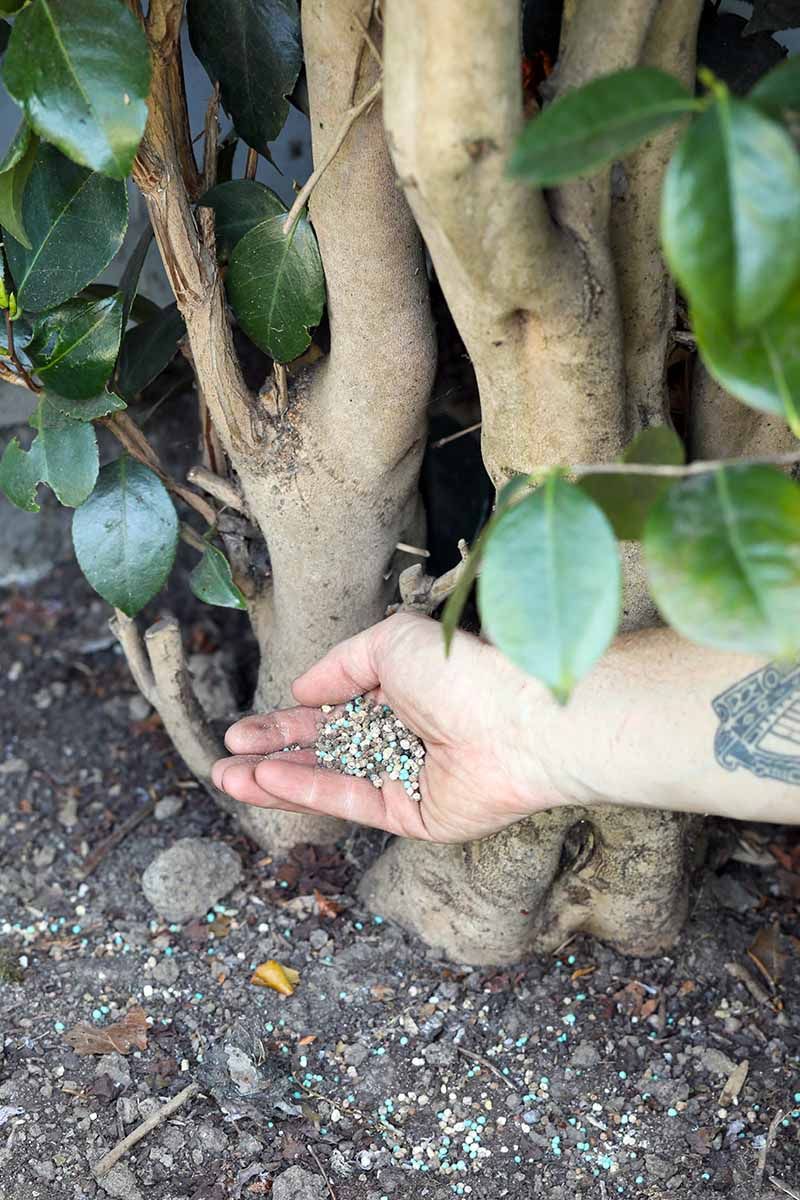
Not all fertilizers work equally well in Phoenix’s unique conditions. Products formulated for lush, humid climates often contain nutrient ratios completely wrong for desert plants and alkaline soil.
The fertilizer that works beautifully in Georgia or Oregon might cause serious problems in Arizona gardens.
Look for fertilizers with higher nitrogen content and lower phosphorus levels, since Phoenix soil typically contains adequate phosphorus already. A ratio like 3-1-2 or 4-1-2 works better than the common 10-10-10 balanced formula.
Slow-release formulations are safer than quick-release types because they reduce the risk of salt buildup and provide steady nutrition over several months.
Strength matters tremendously in desert gardens. Using full-strength fertilizer in Phoenix’s challenging conditions often overwhelms plants rather than helping them.
Start with half the recommended rate on the package label, especially during your first application. You can always add more later if plants show continued nutrient deficiency, but you can’t remove excess fertilizer once it’s in the soil.
Specialized desert plant fertilizers are available at Phoenix garden centers and are worth the extra cost. These products account for alkaline soil pH and include chelated iron and other micronutrients in forms plants can actually absorb.
They’re formulated specifically for cacti, succulents, and desert-adapted species that dominate Arizona landscapes. Reading labels carefully and choosing appropriate products prevents most fertilizing problems before they start.
When you match fertilizer type and strength to Phoenix’s specific conditions, your plants respond with healthy growth instead of stress and struggle.