6 Things To Consider Before Removing An Old Tree Stump In Pennsylvania
Old tree stumps can sit in your yard for years after a tree comes down, and many Pennsylvania homeowners wonder if they should just leave them alone or take action.
Removing a stump is not always a simple decision because there are several important factors that can affect your yard, your budget, and even your neighbors.
Before you call in a professional or rent equipment to tackle that weathered stump, taking time to think through your options can save you from costly mistakes and unexpected headaches.
Pennsylvania’s unique climate, soil conditions, and local regulations add extra layers to consider that might not apply in other states.
Whether you’re dealing with a stump from a recent storm or one that’s been sitting there for decades, understanding what you’re up against will help you make the smartest choice for your property and your peace of mind.
1. The Size And Location Of The Stump
An old tree stump in your Pennsylvania yard might seem harmless, but it can cause more problems than you might expect. From attracting pests to getting in the way of mowing, that leftover stump can slowly turn into a bigger headache.
That old stump could be costing you more than you realize. Before rushing to remove it, there are a few important things worth thinking through.
Soil conditions, local weather, and nearby roots can all affect how the job should be handled. Make the smart move before grabbing a shovel or calling a crew.
Some removal methods work better in Pennsylvania’s climate than others, and choosing the wrong one can damage your lawn or nearby plants. Avoid expensive mistakes that many homeowners make.
Turn a problem spot into usable yard space again. With the right planning, stump removal can be smoother, safer, and far more rewarding.
2. Cost Of Professional Removal Versus DIY Methods
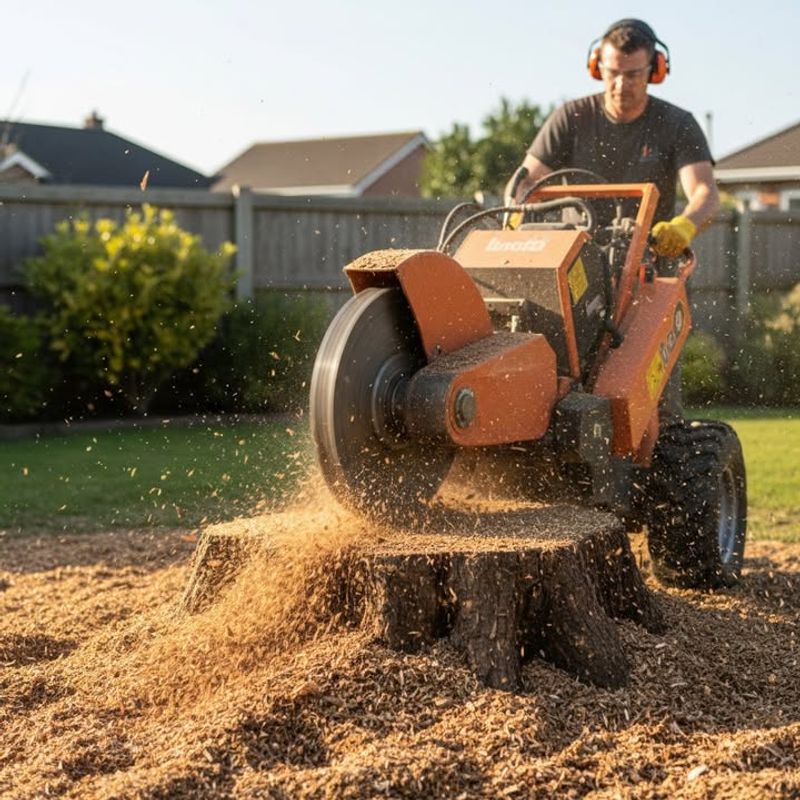
Hiring a professional stump removal service in Pennsylvania typically costs between $100 and $400 per stump, depending on size, location, and how many stumps you need removed.
Companies often charge by the diameter, with rates around $2 to $5 per inch, so a 20-inch stump could run you $40 to $100 just for grinding, plus additional fees for hauling away wood chips.
Multiple stumps on your property might qualify for bulk discounts, making professional help more affordable if you have several to remove.
DIY stump removal can save money upfront but requires significant time, physical effort, and sometimes rental equipment. Renting a stump grinder from a hardware store costs roughly $100 to $200 per day, and you’ll need a truck or trailer to transport it.
Operating a grinder safely requires protective gear, experience, and caution because these machines are powerful and can cause serious injuries if mishandled.
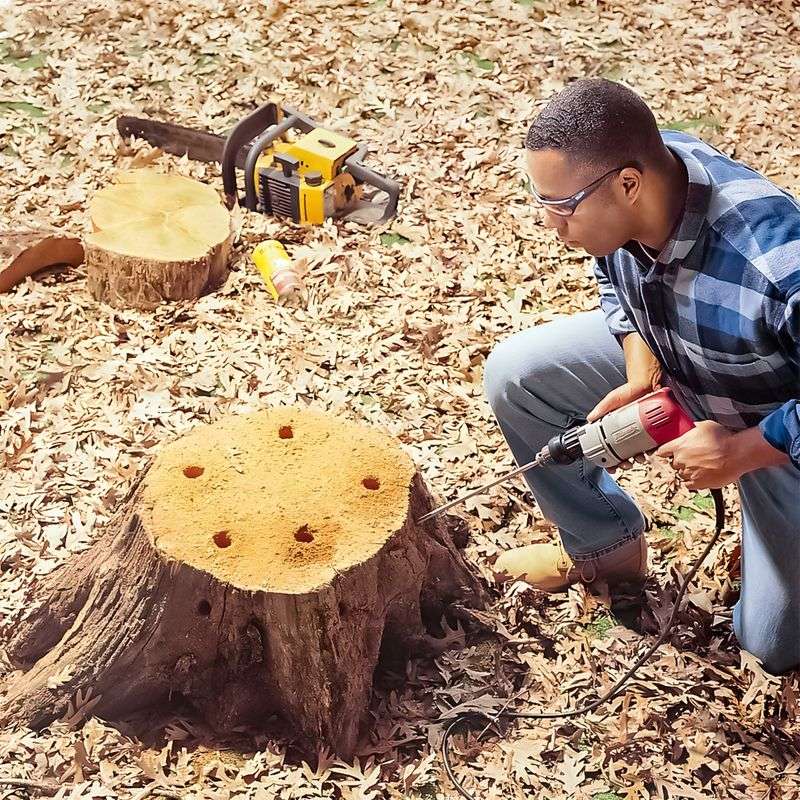
Chemical stump removers offer a cheaper DIY option, usually costing $10 to $30 per product, but they take weeks or even months to break down the wood. You’ll need to drill holes, apply chemicals, and wait patiently while the stump slowly rots.
Manual removal with shovels, axes, and chains is the least expensive method but demands serious muscle power and can take days of hard labor, especially with large stumps.
Pennsylvania’s rocky soil and tree species like oak and maple have tough, dense wood that makes DIY removal even harder.
Weigh the cost of your time, potential equipment rental, and physical strain against professional pricing to decide which route makes sense for your situation and budget.
3. Underground Utilities And Root Systems
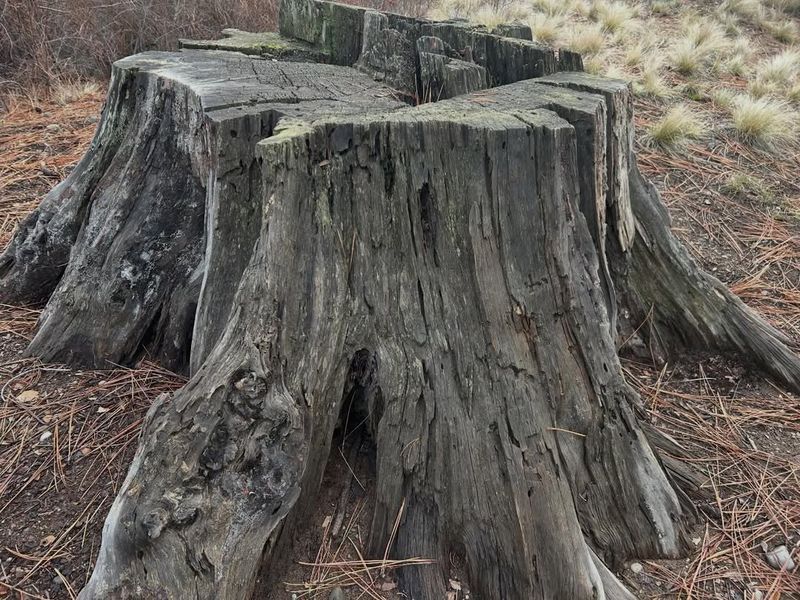
Pennsylvania properties often have underground utilities running through yards, including electric lines, gas pipes, water mains, and sewer systems. Before you start any stump removal project, calling 811 to request a utility locate is absolutely essential and required by law.
This free service sends professionals to mark where underground lines run on your property, helping you avoid accidentally hitting something that could cause injuries, service outages, or thousands of dollars in repair costs.
Tree roots can grow surprisingly far from the trunk, sometimes reaching distances two to three times the tree’s height. These roots can wrap around utility lines or grow so close that grinding or digging risks damaging pipes and cables.
Older neighborhoods in Pennsylvania cities like Philadelphia, Pittsburgh, and Harrisburg have aging infrastructure where roots and pipes have grown intertwined over decades, creating extra challenges during removal.
Ignoring utility locations can lead to serious consequences beyond just repair bills. Hitting a gas line could cause leaks or explosions, while cutting through electrical cables creates shock hazards and power outages for your neighborhood.
Water and sewer line damage can flood your yard and create unsanitary conditions that require emergency repairs.
Even after getting utilities marked, proceed carefully during removal and consider hiring professionals who have experience working around underground infrastructure. They carry insurance and know techniques to grind stumps safely without disturbing nearby lines.
If your stump sits directly over marked utilities, you might need to use chemical removal or leave the stump in place to avoid any risk of hitting critical infrastructure beneath your Pennsylvania property.
4. Impact On Surrounding Landscape And Soil
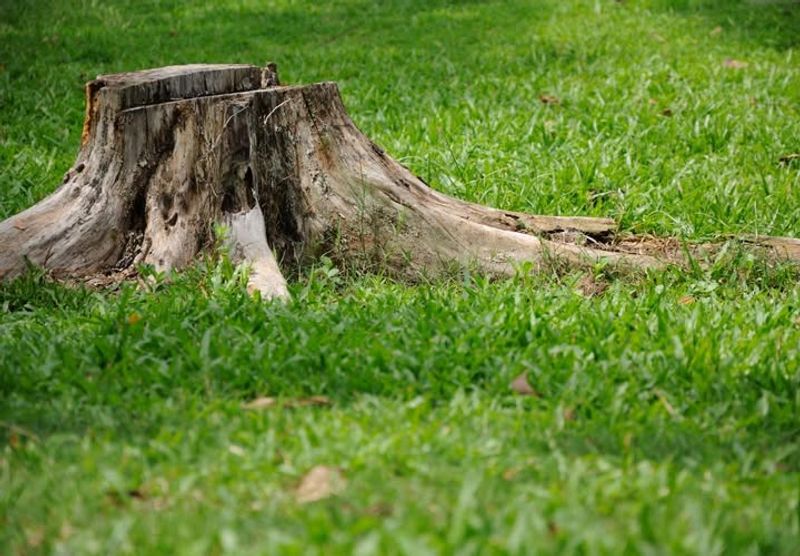
Removing a stump creates a significant hole in your yard that needs to be filled and leveled, which many homeowners forget to plan for until they’re staring at a crater.
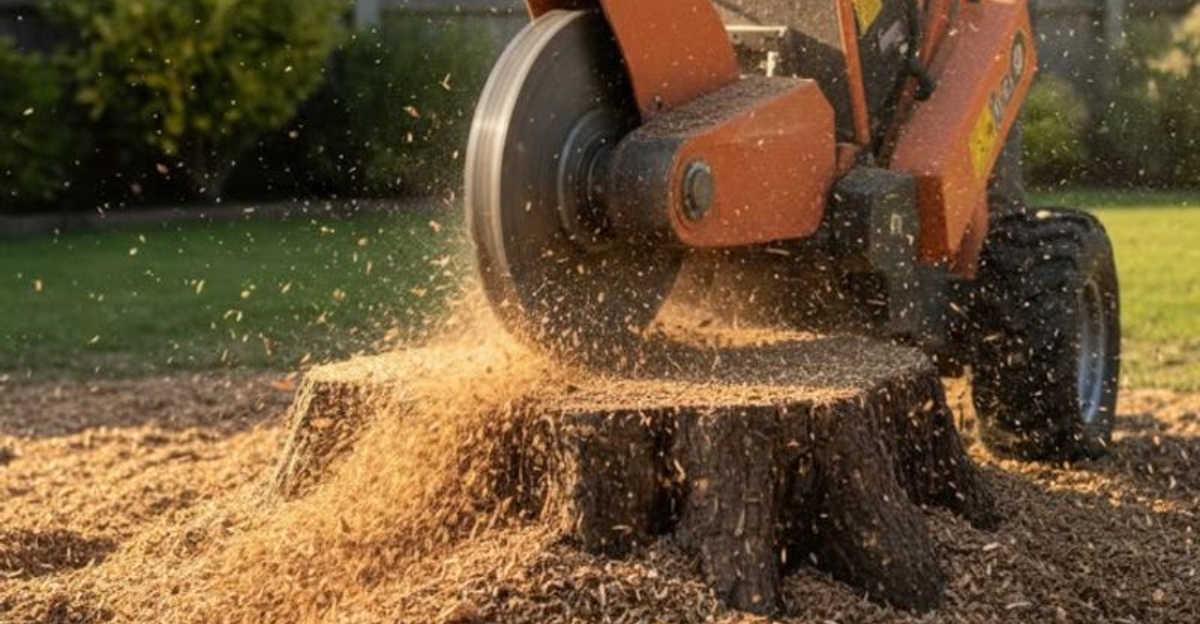
Stump grinding typically leaves behind a depression filled with wood chips and loose soil that will settle over time, sometimes requiring multiple loads of topsoil to properly level the area.
Pennsylvania’s clay-heavy soil in many regions can make this settling process slower and more noticeable.
The wood chips left behind from grinding contain tannins and other compounds that can temporarily affect soil chemistry and make it harder for new grass or plants to grow right away.
Some homeowners choose to mix these chips into the soil as mulch, while others prefer to remove them completely and start fresh with clean topsoil.
Leaving chips in place can attract termites and other wood-boring insects, though this risk is relatively low if you cover them with several inches of soil.
Root systems from large stumps extend far beyond the visible trunk and will continue to rot underground for years after removal. As these roots decay, they can create sunken areas across your lawn where the soil collapses into empty spaces left by decomposing wood.
This settling might not happen immediately but could appear months or years later, requiring additional filling and reseeding.
Pennsylvania’s freeze-thaw cycles during winter can accelerate soil settling and create uneven spots where stumps were removed. Plan to monitor the area for at least a full year after removal and be ready to add more soil as needed.
Consider what you want to plant or build in that spot because some plants prefer the slightly acidic conditions created by decomposing wood chips.
5. Local Regulations And Permit Requirements
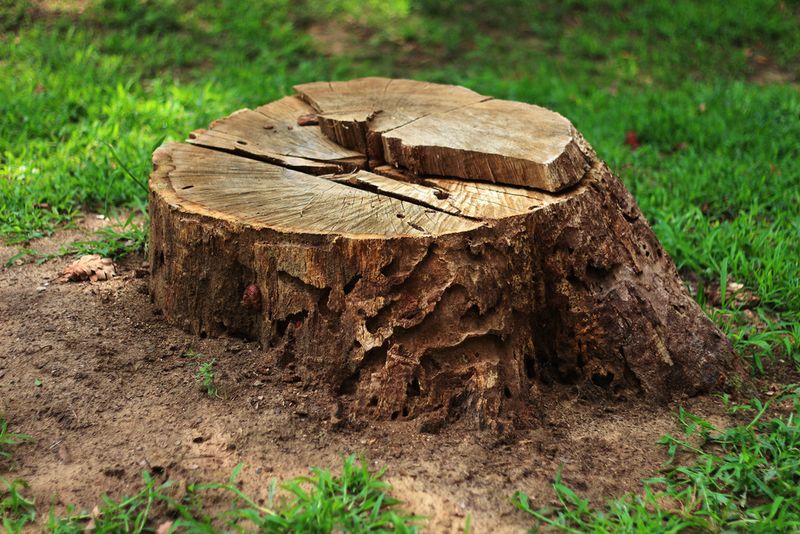
Many Pennsylvania municipalities have specific rules about tree and stump removal that homeowners must follow to avoid fines or legal issues.
Some townships require permits before removing stumps, especially if the tree was protected due to size, species, or historical significance.
Cities like Pittsburgh and Philadelphia have urban forestry programs that regulate tree removal on both public and private property, and violating these ordinances can result in penalties.
Homeowners associations (HOAs) in Pennsylvania suburbs often have their own rules about landscaping changes, including stump removal and what you can plant afterward.
Your HOA might require written approval before you hire a removal service or make changes to your front yard appearance.
Checking your HOA guidelines before starting work saves you from potential conflicts and ensures you won’t have to undo completed work.
If your stump sits near a property line, your neighbor might have legal rights regarding its removal, especially if roots extend onto their land or if the tree was shared between properties.
Pennsylvania property law can be complex when it comes to boundary trees, and consulting with your neighbor before removal prevents disputes and maintains good relationships.
Written agreements about who pays for removal and how to handle shared root systems can prevent future legal headaches.
Environmental regulations in Pennsylvania also protect certain tree species and habitats, particularly near waterways, wetlands, or conservation areas. Removing stumps in these protected zones might require environmental permits or assessments to ensure you’re not harming sensitive ecosystems.
Contact your local township office or Pennsylvania Department of Conservation and Natural Resources to understand what regulations apply to your specific property before you begin any stump removal project.
6. Future Plans For The Space
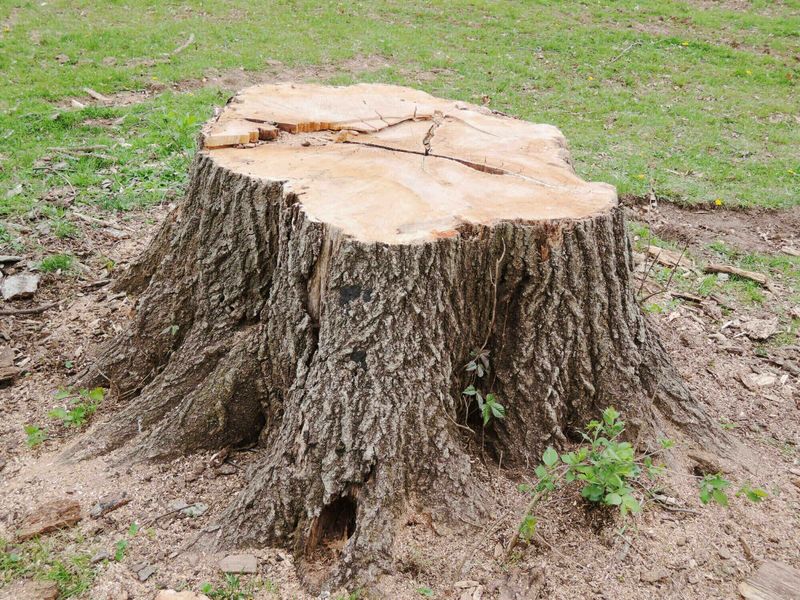
Thinking about what you want to do with the space after stump removal helps you choose the right removal method and save money on future landscaping projects.
If you plan to plant grass and want a smooth lawn, complete stump grinding that goes several inches below ground level gives you the best results.
Shallow grinding might leave roots that interfere with grass growth and create bumpy spots that make mowing difficult across your Pennsylvania yard.
Building structures like sheds, patios, or decks over former stump locations requires complete removal of the stump and major roots to create a stable foundation.
Leaving rotting wood underground can cause settling and structural problems years after construction, leading to expensive repairs.
Pennsylvania’s building codes might also require inspections showing proper site preparation before approving permits for new structures.
Some homeowners choose to plant new trees or create garden beds where old stumps stood, which can work well if you properly amend the soil. However, planting too soon after removal can be challenging because decomposing roots and wood chips alter soil nutrients and drainage.
Waiting at least one growing season and adding compost or quality topsoil gives new plants the best chance to thrive in Pennsylvania’s climate.
Leaving a stump in place and incorporating it into your landscape design is another valid option that costs nothing. Creative homeowners turn stumps into planters, garden art, or natural seating areas that add character to yards.
This works especially well for stumps in wooded areas or informal garden spaces where a rustic look fits your overall landscaping style. Consider your long-term vision for your property before deciding whether removal is truly necessary for your Pennsylvania home.