Things To Do Before Winter If You Want Your Coneflowers To Shine Next Spring In Michigan

Michigan winters have a way of testing both gardeners and plants, and coneflowers are no exception.
These tough, cheerful blooms may look carefree in summer, but they perform best when given a little help before the cold sets in.
What you do in fall can make all the difference between a so-so showing and a garden that bursts at the seams with color next spring.
As temperatures dip and days grow short, coneflowers start winding down.
This is the moment to set them up for success.
A bit of cleanup, smart pruning, and the right kind of protection can go a long way.
Think of it as tucking them in before a long nap.
Skip these steps, and you may find yourself playing catch-up when spring rolls around.
Michigan’s freeze-thaw cycles, heavy snow, and cold winds can be rough on roots and crowns.
Taking action now helps coneflowers store energy, avoid damage, and hit the ground running once warmer weather returns.
A little effort before winter pays off big time later, turning your garden into a colorful showstopper that proves preparation is half the battle.
1. Cut Back Spent Blooms But Leave Some Seed Heads
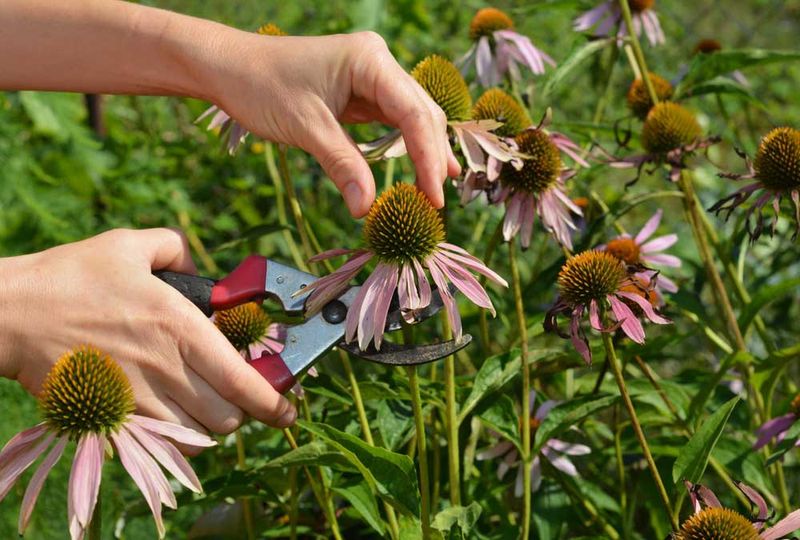
Many gardeners wonder whether they should trim off all the old flowers before winter sets in, and the answer is actually somewhere in the middle.
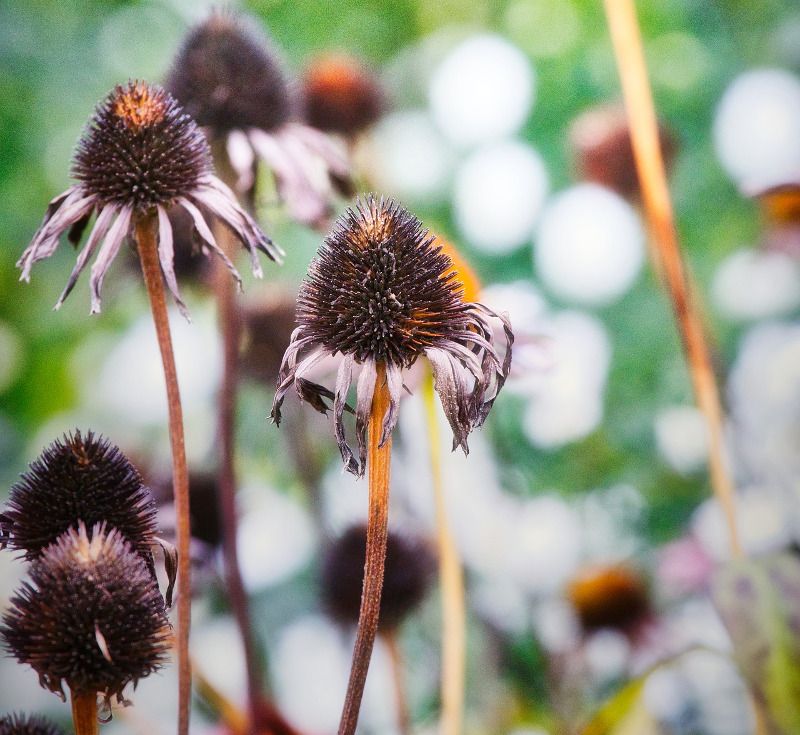
Leaving a few seed heads on your coneflowers can provide food for hungry birds during Michigan’s harsh winter months, which makes your garden a wildlife haven.
Goldfinches and chickadees absolutely love pecking at coneflower seeds, and watching them visit your yard can bring joy even on the coldest days.
However, cutting back most of the spent blooms helps prevent disease from spreading and keeps your garden looking tidy as the season winds down.
Old flower heads can harbor fungal spores and pests that might cause trouble when spring arrives.
By removing the majority of dry blooms while leaving a handful for the birds, you strike a perfect balance between garden health and supporting local wildlife.
Use clean, sharp pruning shears to snip off the faded flowers, cutting just above a leaf node or down to the base of the plant depending on your preference.
Make sure your tools are sanitized to avoid spreading any plant diseases.
This simple task takes only a few minutes but can make a noticeable difference in how your coneflowers perform next year.
Michigan gardeners who follow this practice often report healthier plants and more abundant blooms come springtime.
The key is not to go overboard with cutting everything down to the ground just yet.
A little strategic trimming now sets the stage for a garden that will truly explode with color when the warm weather returns, giving you the vibrant display you’ve been dreaming of all winter long.
2. Apply A Layer Of Mulch Around The Base
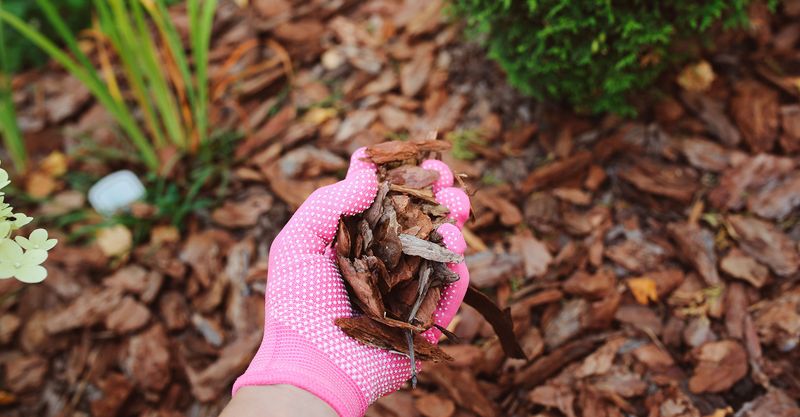
Adding mulch around your coneflowers before winter is like tucking them in with a warm blanket for the cold months ahead.
Michigan winters can bring freezing temperatures and unpredictable freeze-thaw cycles that stress plant roots, so a protective layer of organic mulch makes all the difference.
Shredded bark, wood chips, or compost work wonderfully and break down over time to enrich your soil.
Spread a layer about two to three inches thick around the base of each plant, being careful not to pile mulch directly against the stems.
When mulch touches the stems, it can trap moisture and create a cozy home for pests or fungal diseases.
Instead, leave a small gap around the crown of the plant while covering the surrounding soil generously.
This protective layer helps regulate soil temperature, preventing those damaging freeze-thaw cycles from heaving roots out of the ground.
It also keeps moisture levels more consistent and suppresses weeds that might try to compete with your coneflowers come spring.
Plus, as the mulch breaks down, it adds valuable nutrients back into the soil, feeding your plants naturally.
Many Michigan gardeners swear by this simple step, reporting stronger plants and more impressive blooms year after year.
The best time to apply mulch is after the ground has cooled but before the first hard freeze hits your area.
This timing gives your coneflowers maximum protection without encouraging new growth that could be damaged by sudden cold snaps.
Taking a few minutes to mulch now will pay off big time when spring rolls around and your garden comes alive with brilliant, healthy coneflowers.
3. Test And Amend Your Soil
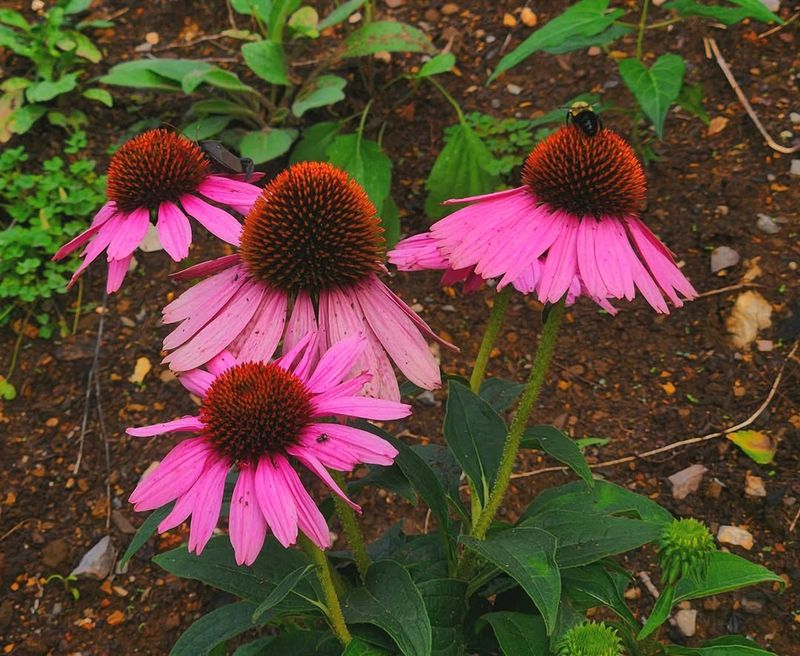
Soil health is the foundation of any successful garden, and fall is actually the perfect time to check what’s happening beneath the surface.
Coneflowers aren’t super fussy, but they do best in soil that’s slightly acidic to neutral with good drainage and decent fertility.
Testing your soil now gives you valuable information about pH levels and nutrient content, so you can make adjustments before spring planting season.
You can pick up an inexpensive soil test kit at any garden center, or send a sample to your local Michigan State University Extension office for a more detailed analysis.
The results will tell you if your soil needs lime to raise the pH, sulfur to lower it, or specific nutrients like phosphorus and potassium.
Making these amendments in fall gives them time to work into the soil over winter, so everything is ready when your coneflowers wake up in spring.
If your test shows low organic matter, work some compost into the top few inches of soil around your plants.
Compost improves soil structure, helps with drainage, and feeds beneficial microorganisms that keep your plants healthy.
Michigan’s clay-heavy soils especially benefit from regular compost additions, which lighten the texture and prevent waterlogging.
Coneflowers appreciate soil that drains well because sitting in soggy conditions over winter can damage their roots.
If drainage is an issue in your garden, consider mixing in some sand or perlite along with compost.
These simple soil improvements might seem like small steps, but they create the ideal environment for roots to stay healthy through winter and burst into vigorous growth when temperatures warm up again in spring.
4. Divide Overcrowded Clumps

Coneflowers are generous plants that spread and multiply over time, but when clumps get too crowded, they start to produce fewer and smaller blooms.
Fall is an excellent time to divide these overcrowded clumps because the cooler temperatures reduce stress on the plants while giving roots time to establish before winter.
If your coneflowers have been in the same spot for three or four years, they probably could use some dividing.
Start by digging up the entire clump carefully with a garden fork or spade, working in a circle around the plant to avoid damaging too many roots.
Once you’ve lifted the clump out of the ground, you’ll likely see that it’s made up of several individual crowns growing together.
Use your hands, a sharp knife, or two garden forks back-to-back to gently separate the clump into smaller sections, making sure each division has healthy roots and at least a few shoots.
Replant the divisions at the same depth they were growing before, spacing them about 18 to 24 inches apart to give them room to grow.
Water them in well and add a layer of mulch to protect the newly divided plants through their first winter.
You can share extra divisions with friends, plant them in other areas of your Michigan garden, or even pot them up to give as gifts.
Dividing your coneflowers not only prevents overcrowding but actually rejuvenates the plants, encouraging stronger growth and more abundant flowering.
Michigan gardeners who make this a regular practice enjoy gardens that stay vibrant and productive year after year, with coneflowers that truly explode with color each spring rather than slowly declining from neglect.
5. Check For And Remove Diseased Foliage
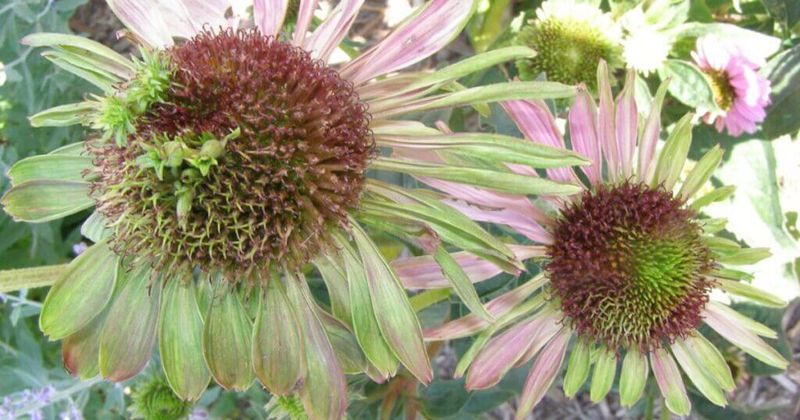
Before winter arrives, take some time to really look at your coneflower plants and check for any signs of disease or damage on the leaves and stems.
Fungal issues like powdery mildew and leaf spot are common on coneflowers, especially during Michigan’s humid summer months.
These diseases can overwinter on plant debris and infect new growth in spring, so removing affected foliage now is a smart preventive measure.
Look for leaves with spots, discoloration, white powdery coating, or any unusual markings that might indicate a problem.
If you find diseased foliage, cut it off and dispose of it in the trash rather than your compost pile.
Composting diseased plant material can spread problems throughout your garden when you use that compost later, so it’s better to be safe and throw it away.
After removing diseased leaves, clean your pruning tools with rubbing alcohol or a bleach solution to prevent spreading pathogens to other plants.
This extra step takes only a moment but can save you a lot of headaches down the road.
Healthy foliage can stay on the plant to provide some winter protection for the crown, but anything that looks questionable should go.
Michigan’s variable fall weather sometimes encourages disease to spread quickly, so catching problems early makes a real difference.
By cleaning up your coneflowers before winter, you’re giving them a fresh start for spring and reducing the likelihood of recurring issues.
Gardens that receive this kind of attention consistently produce healthier plants with more vibrant blooms, making the small effort of inspection and removal well worth your time.
6. Water Deeply Before The Ground Freezes

One of the most overlooked pre-winter tasks is giving your coneflowers a good, deep watering before the ground freezes solid.
Michigan winters are dry despite all the snow, and plants can actually suffer from dehydration when their roots can’t access moisture locked in frozen soil.
A thorough watering in late fall ensures that your coneflowers go into winter with adequate moisture reserves to sustain them through the cold months.
Wait until most of the leaves have fallen and temperatures are consistently cool but before the ground has frozen hard.
Water slowly and deeply, allowing moisture to penetrate down to the root zone rather than just wetting the surface.
This encourages roots to stay hydrated and healthy even when they’re dormant, setting them up for a strong start when spring arrives.
Use a soaker hose or let water trickle slowly from a regular hose for about 30 minutes around each plant area.
The goal is to moisten the soil to a depth of at least 12 inches, which is where most of the feeder roots live.
Check the soil moisture by sticking your finger or a trowel into the ground to see how far the water has penetrated.
This simple watering session might seem unnecessary when cold weather is approaching, but it’s actually one of the best things you can do for your coneflowers.
Well-hydrated plants are more resilient to winter stress and less likely to suffer damage from temperature fluctuations.
Michigan gardeners who make this a regular fall practice often notice that their perennials emerge in spring looking healthier and more vigorous, ready to put on an impressive show of colorful blooms.
7. Protect Plants From Deer And Rabbits
Winter can be a tough time for wildlife in Michigan, and hungry deer and rabbits often turn to gardens for food when other sources become scarce.
Coneflowers, with their tender crowns and remaining foliage, can become an attractive snack for these critters during the cold months.
Protecting your plants now prevents disappointing damage that could weaken them or reduce their spring blooming potential.
Physical barriers work best for keeping wildlife away from your coneflowers.
You can surround individual plants or entire beds with chicken wire or hardware cloth, creating a cage that’s tall enough to prevent deer from reaching over.
For rabbit protection, make sure the barrier extends a few inches below the soil surface since these animals sometimes dig under fencing.
Another option is to apply deer and rabbit repellents, which are available at most garden centers.
These products work by making plants taste or smell unpleasant to animals, though they need to be reapplied after rain or snow.
Some Michigan gardeners have success with homemade solutions like mixing eggs with water or using strongly scented soap shavings scattered around plants.
If deer are a major problem in your area, you might consider planting coneflowers closer to your house where human activity naturally deters wildlife.
Combining multiple protection strategies usually works better than relying on just one method.
Motion-activated sprinklers or lights can also startle animals away from your garden beds.
Taking steps to protect your coneflowers from hungry wildlife ensures that all your other pre-winter preparation work doesn’t go to waste.
Plants that make it through winter undamaged will reward you with the spectacular spring color display you’re hoping for, making these protective measures well worth the effort.