8 Things To Do If A Deer Shows Up In Your Yard In Pennsylvania (And 3 You Should Not Do)
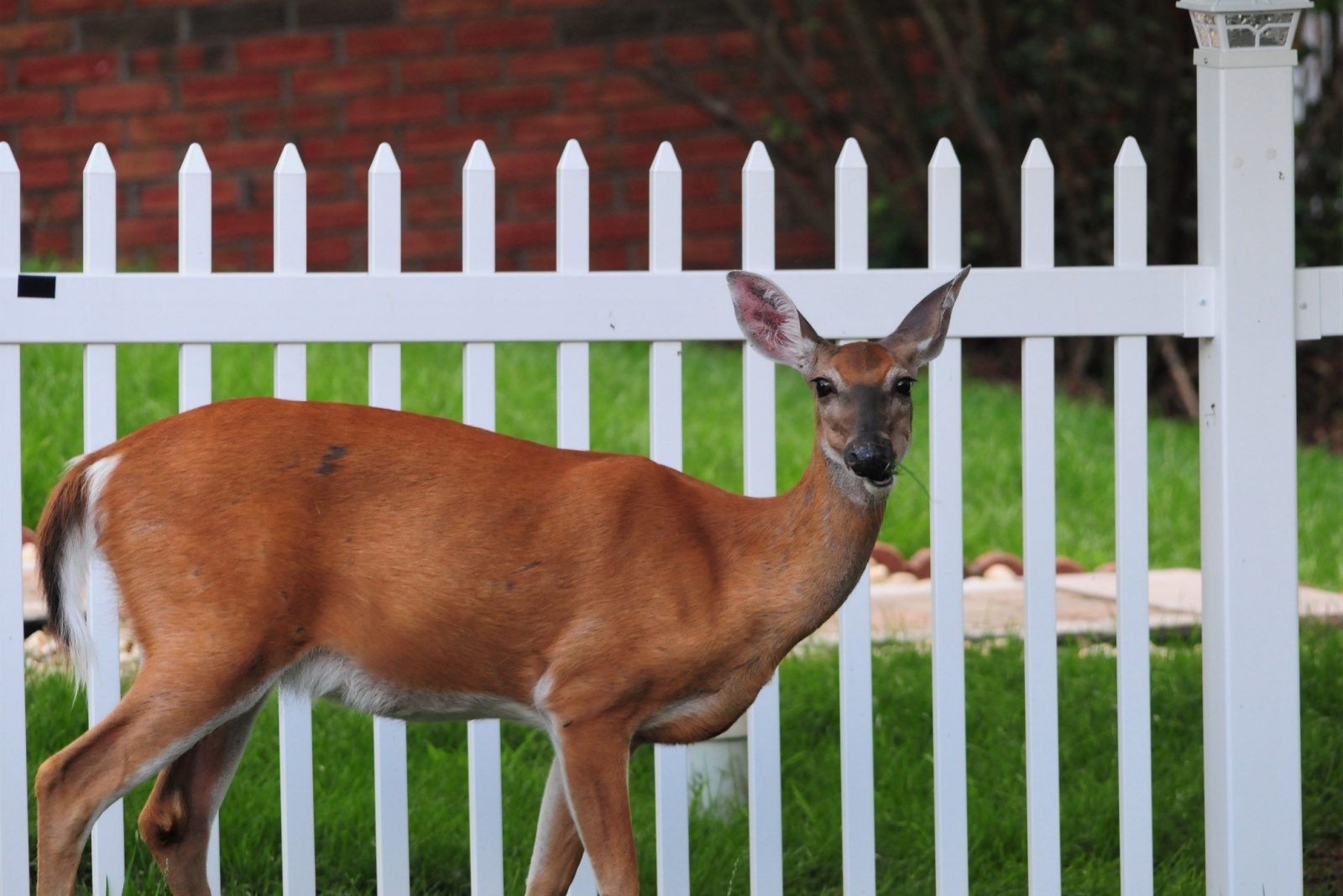
A quiet Pennsylvania morning can flip the script fast when a long-legged visitor strolls across your lawn like it owns the place.
One minute you’re sipping coffee, the next you’re locking eyes with a deer treating your yard as an all-you-can-eat buffet.
Cute at first glance, sure—but this isn’t a Disney scene.
It’s more like nature knocking without an invitation, and the stakes are higher than trampled tulips.
From safety concerns to state rules and neighborly headaches, a deer encounter can snowball if handled the wrong way.
Play your cards right, though, and you’ll stay on the right side of the law and common sense.
This guide separates smart moves from rookie mistakes, helping you keep calm, protect your space, and avoid turning a wild moment into a real mess.
1. Stay Calm And Keep Your Distance
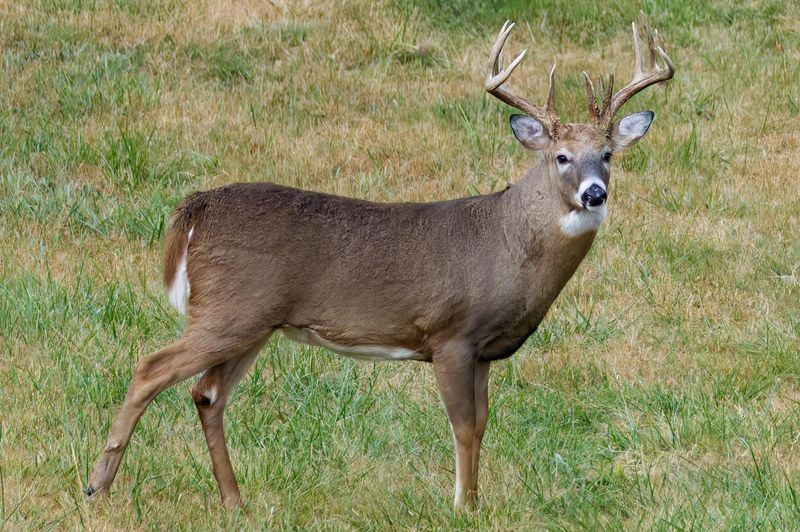
Remaining composed when a deer appears prevents panic reactions that might startle the animal or put you in danger unnecessarily.
Wild deer may seem gentle, but they can become unpredictable if they feel threatened, cornered, or surprised by sudden movements nearby.
Maintain at least fifty feet of space between yourself and the deer to give it enough room to retreat comfortably.
Avoid making loud noises, waving your arms frantically, or attempting to approach the animal for photos or closer observation attempts.
Children and pets should be kept indoors or closely supervised to prevent them from running toward the deer out of curiosity.
Pennsylvania law protects wildlife, so harassing or chasing deer can result in fines and legal consequences for homeowners who violate regulations.
Observe quietly from windows or porches, appreciating the natural beauty without interfering with the deer’s behavior or movement patterns.
Staying calm ensures the encounter remains peaceful, allowing the deer to leave your property safely when it feels ready to move on.
2. Do Not Feed The Deer
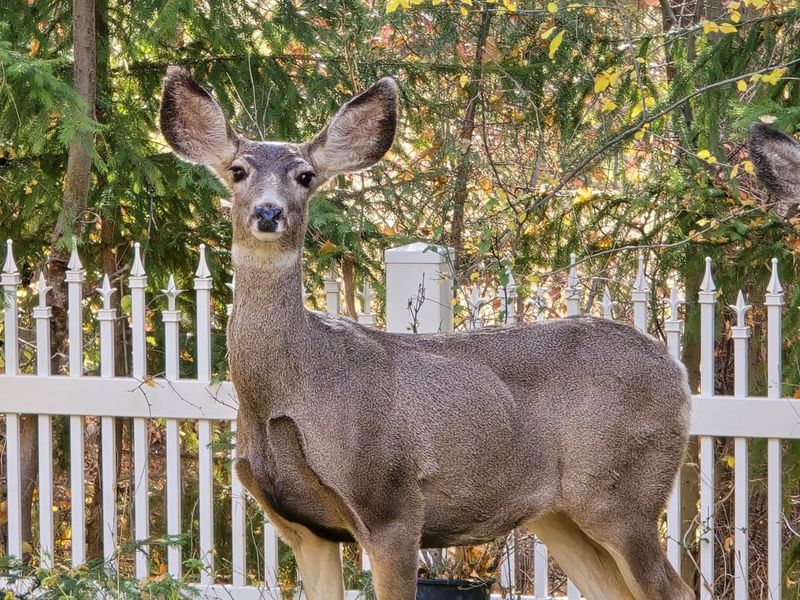
Feeding deer might seem kind, but this practice creates serious problems for both the animals and your community over time.
Deer that receive food from humans lose their natural fear, becoming bold and potentially aggressive when searching for more handouts regularly.
Artificial feeding disrupts their digestive systems because deer stomachs are designed for specific plants, not bread, corn, or other offerings.
Pennsylvania wildlife officials strongly discourage feeding because it concentrates deer populations, spreading diseases like chronic wasting disease more rapidly through herds.
Properties where deer are fed regularly attract more animals, increasing vehicle collisions, garden damage, and conflicts with neighbors who suffer consequences.
Deer should forage naturally on vegetation they find themselves, maintaining healthy instincts and behaviors that help them survive winter conditions successfully.
Local ordinances in many Pennsylvania townships prohibit deer feeding, with violators facing fines ranging from one hundred to several hundred dollars.
Resisting the temptation to feed protects deer populations, reduces nuisance problems, and helps maintain the natural balance that benefits everyone.
3. Secure Your Pets Immediately
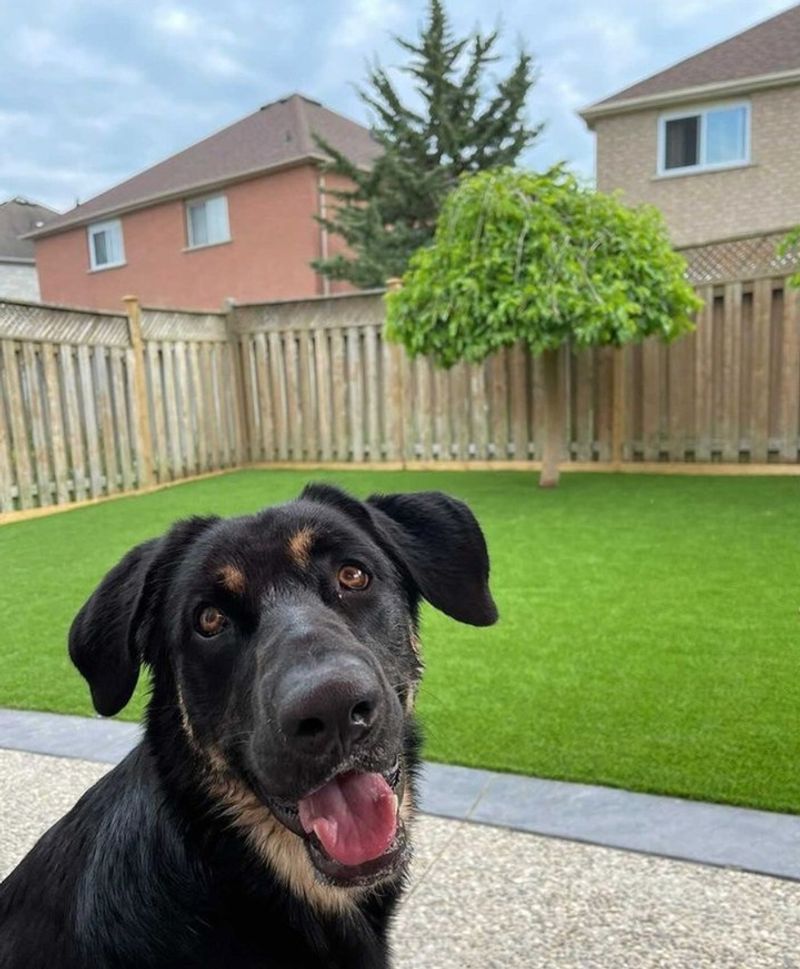
Dogs and cats should be brought inside or restrained the moment you spot a deer to prevent dangerous confrontations outdoors.
Even friendly dogs may chase deer instinctively, triggering defensive reactions from does protecting fawns or bucks during rutting season months.
Deer can seriously injure pets with powerful kicks from their sharp hooves or by goring with antlers if they feel threatened.
Pennsylvania’s dense deer population means encounters happen frequently, so pet owners must remain vigilant about supervising animals outside at all times.
Cats allowed outdoors face risks from startled deer, though dogs pose greater danger by actively pursuing wildlife across yards and streets.
Leashing dogs before letting them out prevents them from bolting toward deer, which could lead to injuries or getting lost chasing animals.
Small pets like rabbits or chickens in outdoor enclosures need secure housing because deer may accidentally damage structures while moving through yards.
Protecting pets requires quick action and awareness, ensuring all household animals stay safe when wildlife visits your Pennsylvania property unexpectedly.
4. Check For Fawns Before Taking Action
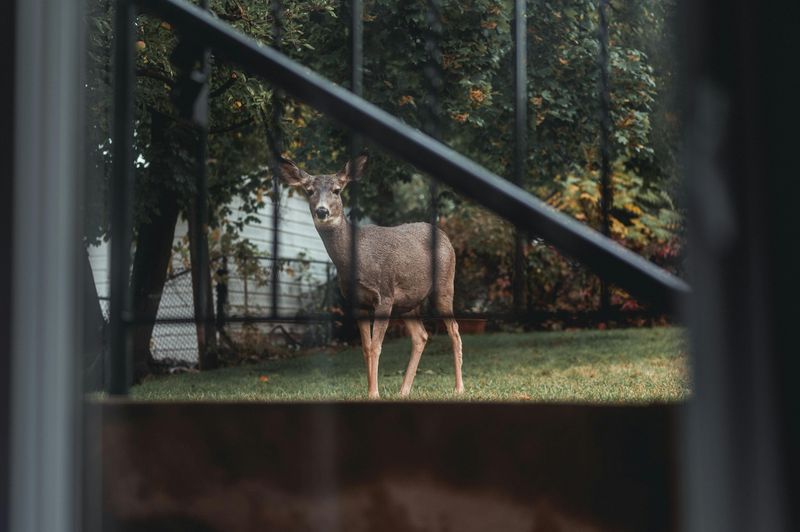
Mother deer often leave their spotted fawns hidden in yards while they forage nearby, returning periodically throughout the day.
Fawns lying motionless in tall grass or landscaping are not abandoned; this behavior helps them avoid predators during vulnerable early weeks.
Approaching or touching a fawn causes the mother to reject it due to human scent, leaving the baby truly orphaned afterward.
Pennsylvania wildlife rehabilitators receive countless unnecessary calls about healthy fawns that people mistakenly believe need rescuing from yards and gardens.
Observe from a distance for several hours before assuming a fawn needs help, as mothers often stay away until dusk.
If the fawn appears injured, covered in insects, or crying persistently for extended periods, contact a licensed wildlife rehabilitator immediately.
Never attempt to feed, handle, or move a fawn yourself because improper care causes more harm than good to these delicate animals.
Respecting the natural process allows mother deer to care for their young properly, giving fawns the best chance at survival.
5. Make Your Yard Less Attractive To Deer

Modifying your landscape discourages deer from treating your property like a regular feeding ground or comfortable resting spot each day.
Remove plants that deer find irresistible, such as hostas, roses, fruit trees, and vegetable gardens that draw them back repeatedly for meals.
Install motion-activated sprinklers or lights that startle deer when they approach, teaching them your yard is an uncomfortable place to visit.
Fencing at least eight feet tall provides the most effective barrier, though shorter fences work when angled or doubled up strategically.
Pennsylvania gardeners often use deer-resistant plants like lavender, boxwood, daffodils, and ornamental grasses that animals naturally avoid eating or damaging.
Eliminate water sources like birdbaths or pet bowls left outside, which attract thirsty deer during hot summer months especially in drought.
Remove fallen fruit from trees promptly because rotting apples, pears, and berries create irresistible buffets that concentrate deer populations in neighborhoods.
Consistent deterrent methods work better than sporadic efforts, training deer to seek food and shelter elsewhere rather than returning to your property.
6. Report Sick Or Injured Deer To Authorities
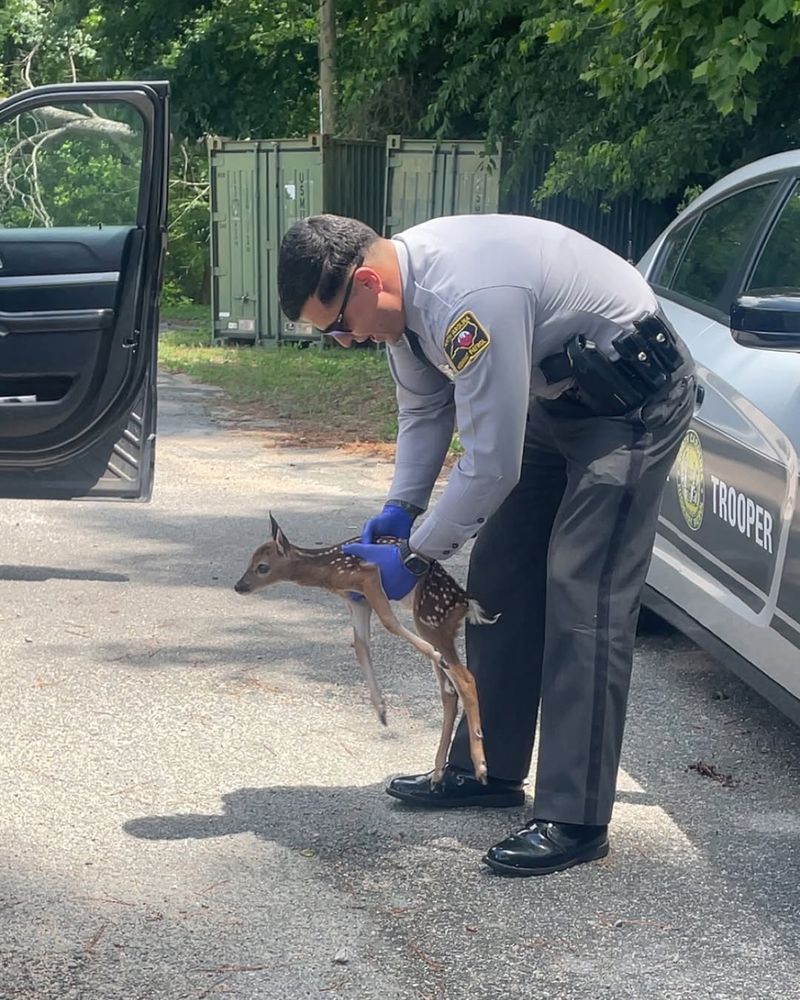
Deer exhibiting strange behaviors, visible injuries, or signs of illness require professional attention from trained wildlife management personnel immediately.
Chronic wasting disease affects Pennsylvania deer populations, causing weight loss, stumbling, drooling, and lack of fear toward humans in infected animals.
Injured deer from vehicle collisions may linger in yards, suffering from broken limbs or internal damage that prevents them from moving properly.
Never approach a sick or injured deer because pain and fear make them dangerous, capable of causing serious harm with thrashing movements.
Contact the Pennsylvania Game Commission regional office during business hours or local police dispatch after hours for guidance and assistance with situations.
Officers will assess whether the deer needs humane intervention or if it should be monitored as it recovers naturally from minor ailments.
Documenting the deer’s location, behavior, and symptoms helps authorities respond appropriately and track disease patterns across the state effectively over time.
Professional intervention ensures suffering animals receive proper care while protecting public health and maintaining wildlife population management standards throughout Pennsylvania communities.
7. Wait Patiently For The Deer To Leave
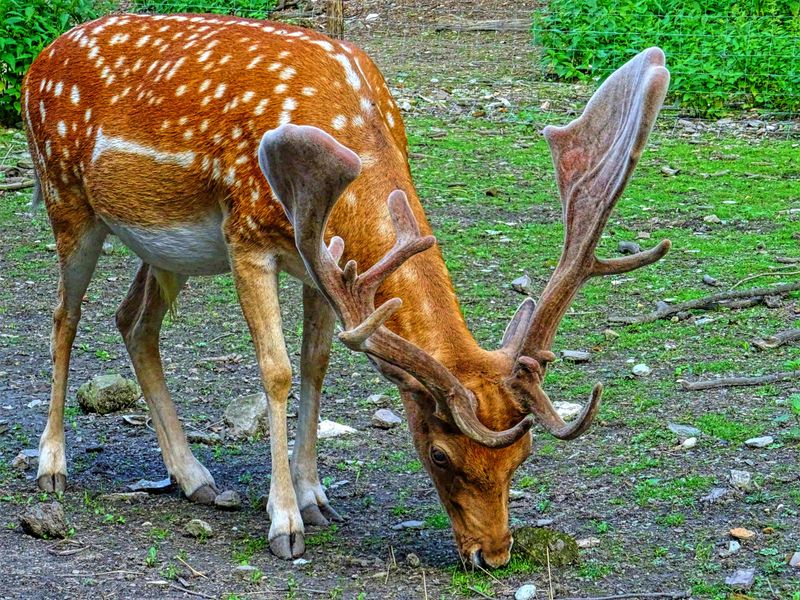
Most deer visiting yards are simply passing through and will depart on their own once they finish browsing or resting comfortably.
Pressuring deer to leave quickly causes stress and may force them into dangerous situations like running into roads or fences blindly.
Pennsylvania’s suburban expansion means deer travel through residential areas regularly while moving between feeding grounds, water sources, and bedding locations daily.
Patience allows the deer to exit calmly through the route it entered, minimizing property damage and reducing risks to everyone involved.
Watching from indoors provides entertainment and educational opportunities for children learning about local wildlife without disturbing the animal’s natural behavior patterns.
Deer typically spend fifteen minutes to an hour in yards before moving along, depending on available food and their comfort level.
Avoid blocking potential exit routes with vehicles, outdoor furniture, or other obstacles that might trap the deer in confined spaces accidentally.
Allowing natural departure demonstrates respect for wildlife, teaching family members valuable lessons about coexisting peacefully with Pennsylvania’s abundant deer populations effectively.
8. Educate Your Family And Neighbors About Deer Safety
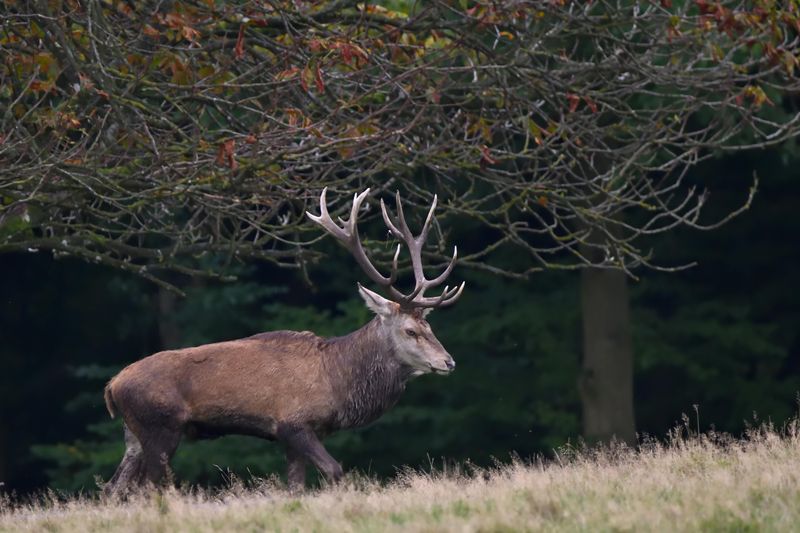
Sharing knowledge about proper deer interactions creates safer communities where everyone understands how to respond during wildlife encounters appropriately and calmly.
Children need clear instructions about maintaining distance, never chasing deer, and alerting adults immediately when animals appear in play areas outside.
Neighbors who coordinate deterrent efforts experience better results than isolated households because deer simply move to less-protected properties next door otherwise.
Pennsylvania’s hunting seasons, rutting periods, and fawning times bring different deer behaviors that residents should understand for safety and awareness throughout the year.
Community meetings or neighborhood social media groups provide excellent forums for discussing local deer issues, sharing successful strategies, and addressing concerns together.
Posting Pennsylvania Game Commission educational materials on community boards helps spread accurate information about wildlife laws, disease prevention, and coexistence practices widely.
Teaching respect for wildlife instills environmental stewardship values in younger generations, ensuring future Pennsylvanians continue protecting natural resources and animal populations responsibly.
Collective education reduces conflicts, prevents accidents, and fosters appreciation for the deer that have become permanent neighbors in many Pennsylvania townships statewide.
9. Do Not Approach Or Attempt To Touch The Deer
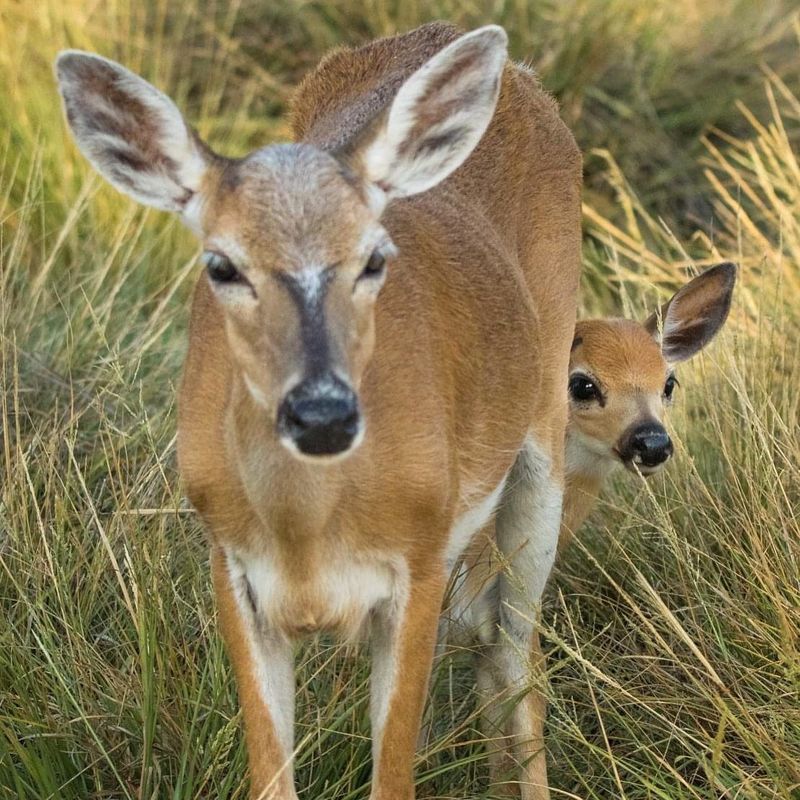
Wild deer might look gentle and harmless, but getting too close can be dangerous for everyone involved.
A frightened deer can kick with powerful legs or charge unexpectedly, causing serious injuries.
Even if the animal appears calm, it’s still a wild creature with unpredictable instincts.
Keeping a safe distance of at least fifty feet gives the deer space to feel secure.
If you’re watching from a window, that’s perfect.
Resist the urge to walk closer for a photo or to get a better view.
Remember, deer carry diseases like Lyme disease through ticks, so avoiding physical contact protects your health too.
Teach children to admire wildlife from afar and never try to pet or hand-feed any wild animal that visits your property.
10. Do Not Allow Dogs To Chase The Deer
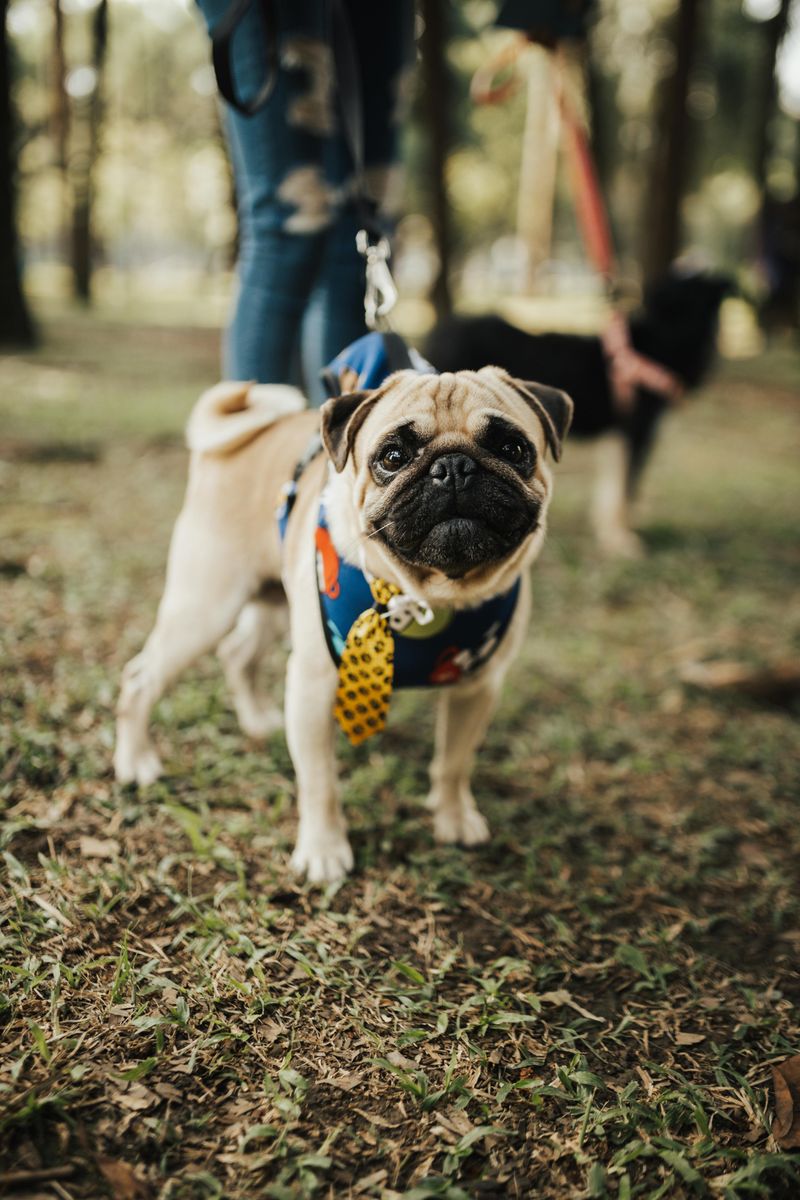
Your dog’s natural instinct might kick in when spotting a deer, but letting them chase is dangerous for both animals.
Deer can seriously injure dogs with their sharp hooves, especially if the deer feels cornered or is protecting a fawn.
Even large dogs can get hurt badly during these encounters.
Chasing also stresses deer tremendously, potentially causing them to run into roads, fences, or other hazards.
An exhausted deer might collapse from overexertion, particularly in hot weather or winter conditions.
Keep your dog leashed or inside until the deer leaves your property.
Training your dog to ignore wildlife takes patience but prevents dangerous situations.
If your dog is outside when a deer appears, call them inside immediately and keep them secured until the coast is clear.
11. Do Not Trap Or Corner The Deer In Your Yard
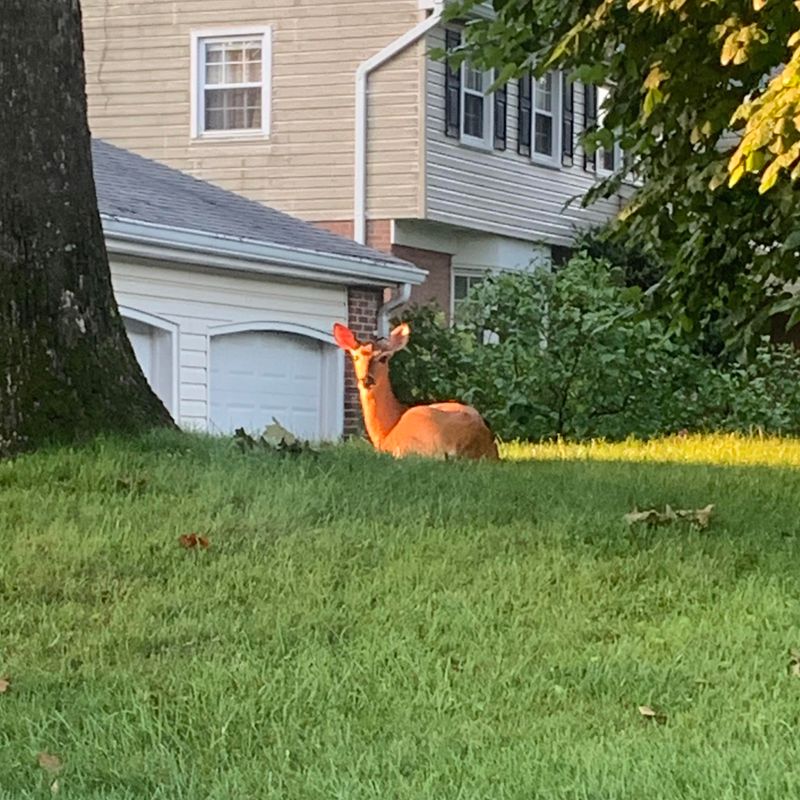
A trapped deer becomes extremely dangerous because panic overrides its usual caution.
Never block exit routes or try to herd the animal into a garage, shed, or fenced area.
Cornered deer will leap fences up to eight feet high or crash through barriers, potentially injuring themselves and damaging your property.
If a deer seems stuck in your yard, open gates and remove obstacles that might prevent its escape.
Turn off outdoor lights and reduce noise to make the deer feel safer about leaving.
Sometimes simply going inside for thirty minutes gives the animal confidence to find its way out.
When deer feel they have escape options, they usually leave peacefully on their own.
Creating a calm environment without blocking pathways helps the situation resolve naturally and safely for everyone involved in the encounter.