6 Things To Do If A Feral Hog Appears In Your North Carolina Yard (And 3 Mistakes To Skip)
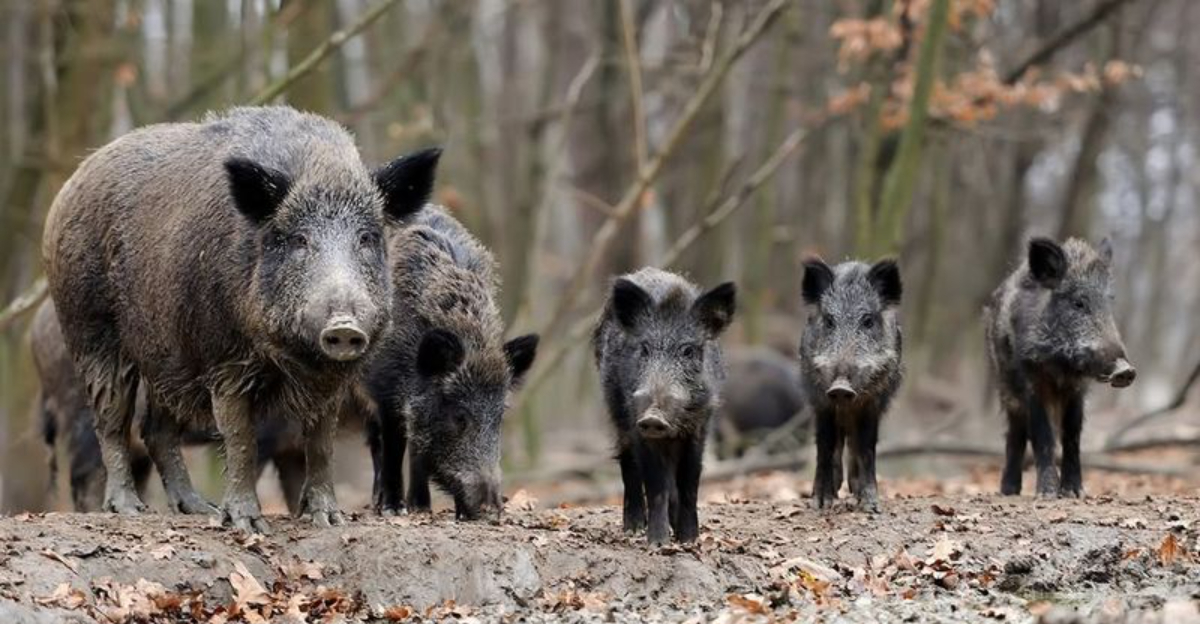
Seeing a feral hog in a North Carolina yard can be unsettling, especially when damage starts showing up overnight without warning.
These animals are strong, unpredictable, and capable of tearing up lawns, gardens, and fencing faster than most homeowners expect.
Knowing what to do right away, and which common reactions actually make things worse, can help protect property while keeping people and pets safer.
1. Stay Calm And Keep Your Distance
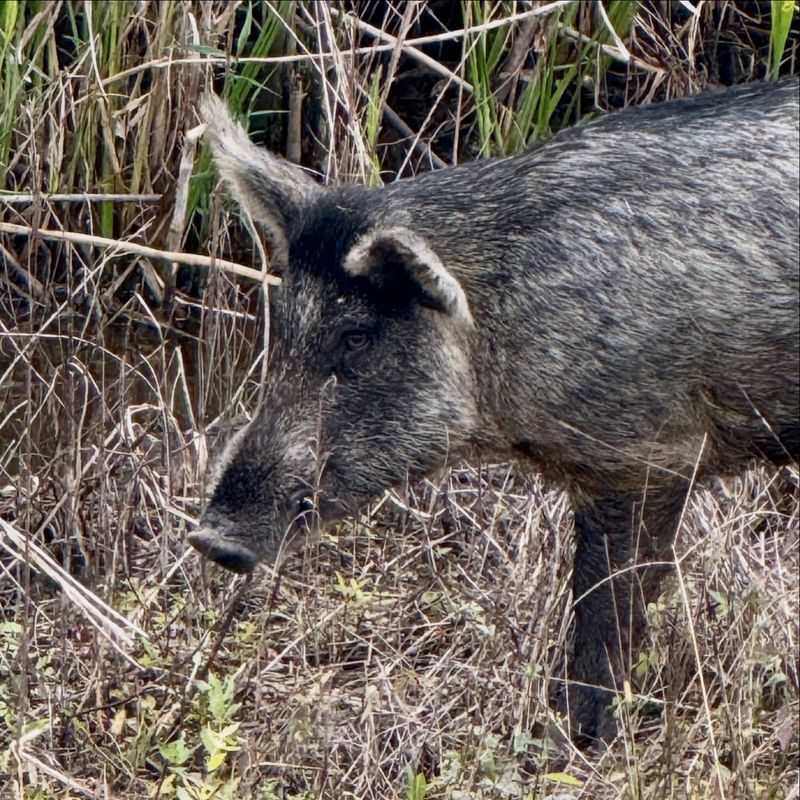
Panicking when you spot a feral hog in your North Carolina yard will only make things harder for you and everyone around you.
Wild hogs can sense fear and sudden movements, which might cause them to act unpredictably or even charge toward you or others.
Your first job is to stay as calm as possible and avoid making loud noises or quick gestures that could startle the animal.
Back away slowly while keeping your eyes on the hog, giving it plenty of space to move away from your property on its own.
Never turn your back on the animal or try to run, as this could trigger a chase response that puts you in danger.
Feral hogs are surprisingly fast and can easily outrun most people, so keeping a safe distance is absolutely essential for your safety.
If you are outside with children or pets, quietly call them inside without yelling or creating a scene that might alarm the hog.
Remember that these animals are not naturally aggressive toward humans unless they feel threatened, cornered, or provoked in some way.
Staying calm and respectful of the animal’s space is the smartest first step you can take in this situation.
2. Contact Local Wildlife Authorities Immediately
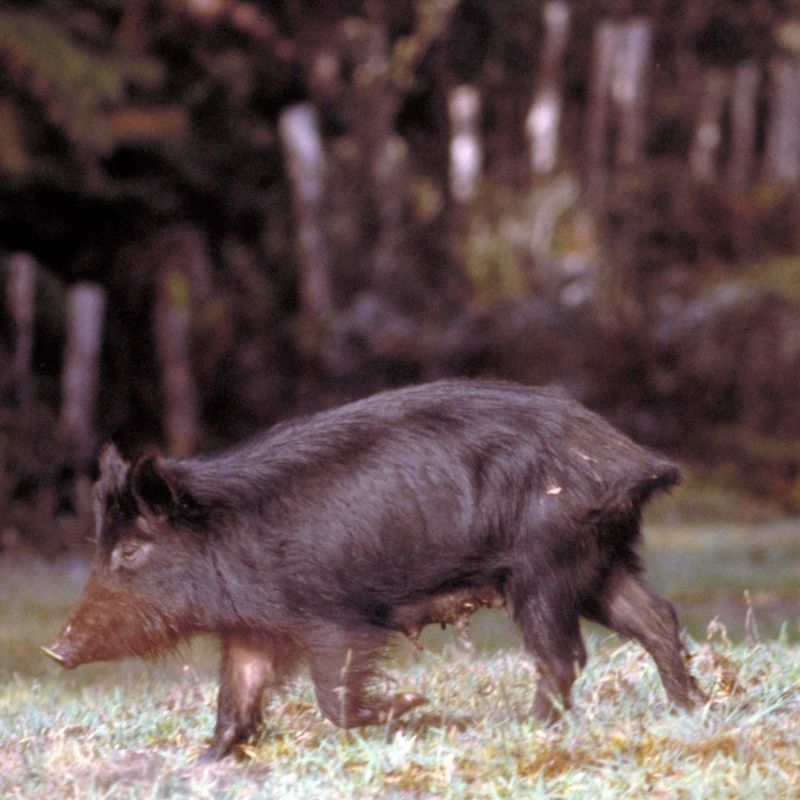
Once you are safely inside your home, the next step is to reach out to North Carolina wildlife officials who handle feral hog situations.
Local wildlife control teams have the training, equipment, and experience needed to safely remove wild hogs from residential areas without causing harm to anyone.
You can contact the North Carolina Wildlife Resources Commission or your county animal control office to report the sighting and request professional assistance quickly.
Provide them with details about the hog’s size, behavior, and exact location so they can respond appropriately and plan the best removal strategy.
Many counties in North Carolina have specific protocols for dealing with feral hogs because they are considered invasive and destructive to local ecosystems and property.
While you wait for help to arrive, keep everyone indoors and monitor the hog from a safe spot inside your home or vehicle.
Do not attempt to handle the situation yourself, as feral hogs can be dangerous and unpredictable, especially if they have young piglets nearby.
Professional wildlife officers know how to approach these animals safely and can also provide advice on preventing future visits from wild hogs.
Reporting the sighting helps authorities track feral hog populations and protect other families in your North Carolina neighborhood from similar encounters.
3. Secure Your Yard To Prevent Future Visits

After the immediate danger has passed, take steps to make your North Carolina property less attractive and accessible to feral hogs in the future.
Feral hogs are drawn to yards that offer easy food sources like unsecured garbage, pet food left outside, or gardens filled with vegetables and fruits.
Store all trash in heavy-duty bins with tight-fitting lids, and bring pet food bowls inside after your animals finish eating each day.
Consider installing sturdy fencing around your property, especially if you live near wooded areas or farmland where feral hogs are commonly found.
Fences should be at least four feet tall and buried several inches underground to prevent hogs from digging underneath and entering your yard.
Remove fallen fruit from trees, clean up bird seed spills, and avoid leaving any food scraps or compost piles exposed where hogs can smell them.
Motion-activated lights and sprinklers can also help deter feral hogs from entering your yard, as they prefer to forage in quiet, undisturbed areas.
Talk to your neighbors in North Carolina about securing their properties too, since feral hogs often travel in groups called sounders across multiple yards.
Taking these preventive measures will help protect your property and reduce the chances of another unwelcome visit from these wild animals.
4. Keep Children And Pets Safely Indoors
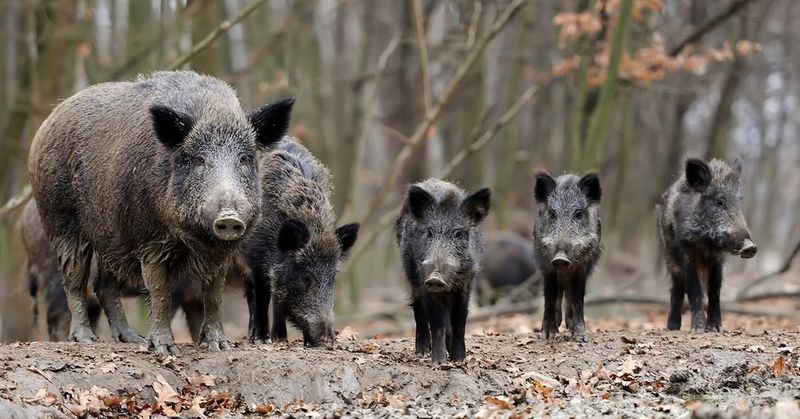
If a feral hog appears in your North Carolina yard, getting children and pets safely inside should be your immediate priority before the situation escalates.
Feral hogs can react unpredictably to noise, fast movement, or barking animals, which increases the risk of a sudden charge or defensive behavior.
Calmly call children and pets indoors without yelling, running, or creating panic that could draw the hog’s attention toward people.
Dogs are especially at risk because their barking or chasing instincts can provoke a hog that already feels stressed or cornered.
Once everyone is inside, secure doors and keep children away from windows or glass doors where movement could startle the animal.
Avoid letting pets back outside even if the hog seems calm, since these animals can move quickly and change behavior without warning.
Keeping family members indoors gives wildlife authorities time to respond while reducing the chance of injuries or dangerous encounters.
This simple step protects vulnerable family members and prevents a manageable situation from turning into a serious emergency.
5. Remove Food Sources That Attract Hogs

Feral hogs often enter North Carolina yards because food smells signal an easy meal that makes the area worth revisiting again and again.
Unsecured trash cans, pet food bowls left outside, bird seed, compost piles, and fallen fruit can all attract hogs from surprisingly long distances.
Even small food scraps or spilled feed can be enough to encourage a hog to linger or return later with others from its group.
Store garbage in sturdy containers with tight lids and avoid placing trash outside overnight when hogs are most active.
Bring pet food and water bowls indoors immediately after use so lingering smells do not draw wildlife toward your home.
Clean up fallen fruit, garden waste, and bird seed regularly, especially if you live near wooded areas or farmland in North Carolina.
Compost piles should be enclosed or secured, since rotting food produces strong odors that hogs can easily detect.
Removing food sources makes your property less appealing and helps discourage repeat visits from feral hogs in the future.
6. Give The Hog A Clear Exit From The Yard
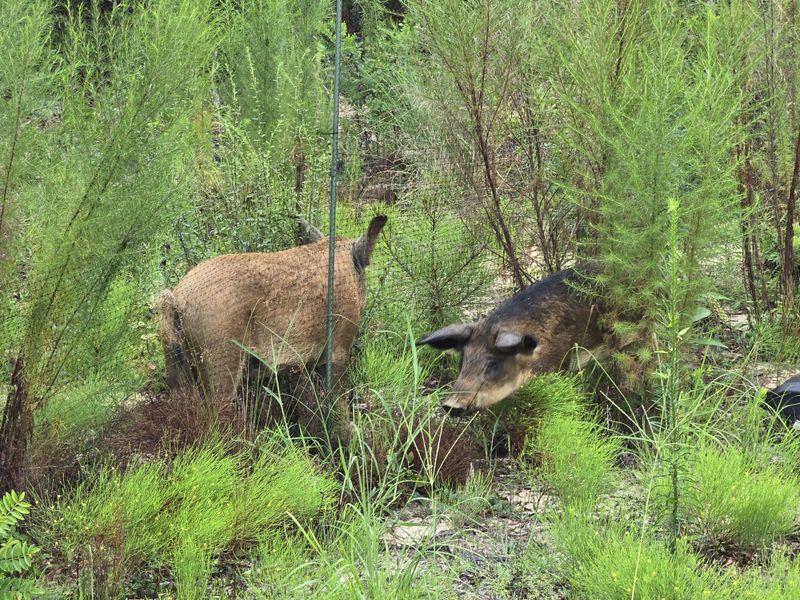
When a feral hog enters your North Carolina yard, allowing it a clear and obvious way to leave is critical to preventing panic and aggressive behavior.
Feral hogs are more likely to charge or act defensively when they feel boxed in by fences, buildings, vehicles, or people standing too close.
Blocking escape routes, even unintentionally, can make the hog believe it has no choice but to defend itself against a perceived threat.
You should stay at a safe distance and avoid standing in driveways, narrow walkways, or corners that limit the animal’s ability to move freely.
If it can be done safely, opening gates or creating a wide, unobstructed path helps the hog recognize an easy exit from the yard.
Never attempt to push, herd, or steer the hog, because applying pressure often causes sudden movement or aggressive reactions.
Most feral hogs want to leave human areas as quickly as possible once they realize they are not being chased or trapped.
Giving the animal space and time to retreat naturally reduces stress and lowers the risk of injury to people and property.
A calm, unobstructed exit is one of the safest ways to resolve a feral hog encounter without escalating the situation.
7. Trying To Chase Or Scare The Hog Away
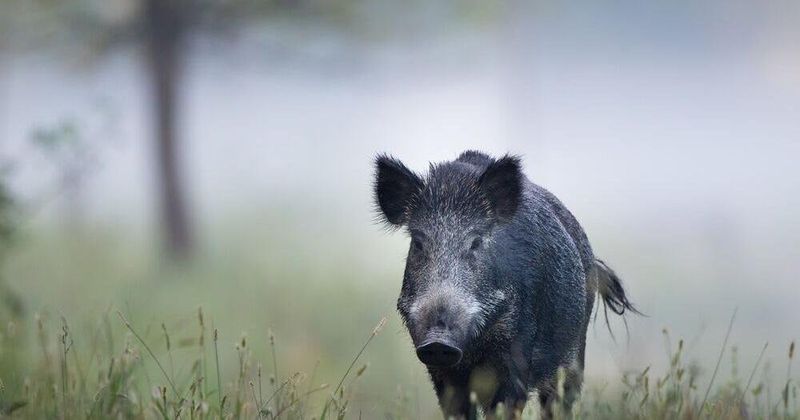
Trying to chase or scare a feral hog out of your North Carolina yard is extremely dangerous because sudden pressure often triggers fear, confusion, and aggressive defensive behavior.
Feral hogs may appear slow or hesitant, but they are capable of rapid bursts of speed and sharp directional changes that can catch people completely off guard.
Yelling, clapping, throwing objects, or running toward the animal increases stress and makes the hog feel threatened rather than encouraging it to leave calmly.
When a hog panics, it may charge forward or veer unexpectedly, placing people, pets, or nearby neighbors directly in harm’s way.
Chasing also raises the risk of cornering the hog against fences, vehicles, or buildings, which removes escape options and increases the likelihood of an attack.
Once a hog believes it cannot retreat safely, it may stand its ground and respond with force to protect itself.
Many serious injuries happen when people underestimate how powerful, fast, and unpredictable feral hogs can be during close encounters.
Wildlife experts consistently warn that intimidation tactics make these situations worse and harder for professionals to resolve safely.
Avoiding this mistake keeps people out of danger and allows the hog to leave the area without escalating the situation further.
8. Leaving Pet Food Or Trash Accessible Outdoors
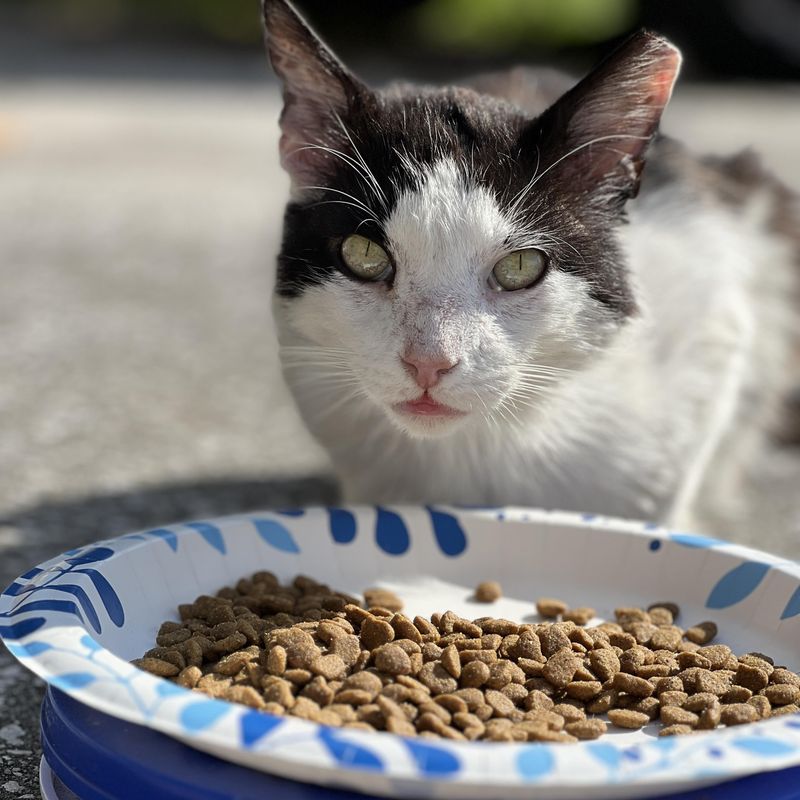
Leaving pet food or trash accessible outdoors in North Carolina is a serious mistake because strong food odors can attract feral hogs from long distances and encourage repeat visits.
Feral hogs have an exceptional sense of smell and quickly learn which yards offer easy meals with little effort or resistance.
Even small amounts of food, such as spilled kibble, open compost, bird seed, or loosely closed trash cans, can be enough to draw hogs into residential areas.
Once a hog finds a reliable food source, it is more likely to return repeatedly and may bring other hogs with it as part of a larger group.
Accessible food increases the chance that hogs will linger longer in yards, raising the risk of property damage and dangerous encounters with people or pets.
Trash left outside overnight is especially problematic because feral hogs are most active during evening and early morning hours.
Pet food bowls left on porches or patios send a clear signal that the area is safe and rewarding for wildlife to investigate.
Allowing food sources to remain outside can unintentionally train hogs to associate human spaces with easy feeding opportunities.
Securing trash, removing pet food promptly, and eliminating outdoor food sources reduces attraction and helps prevent future hog encounters.
9. Attempting To Handle The Hog Without Professional Help
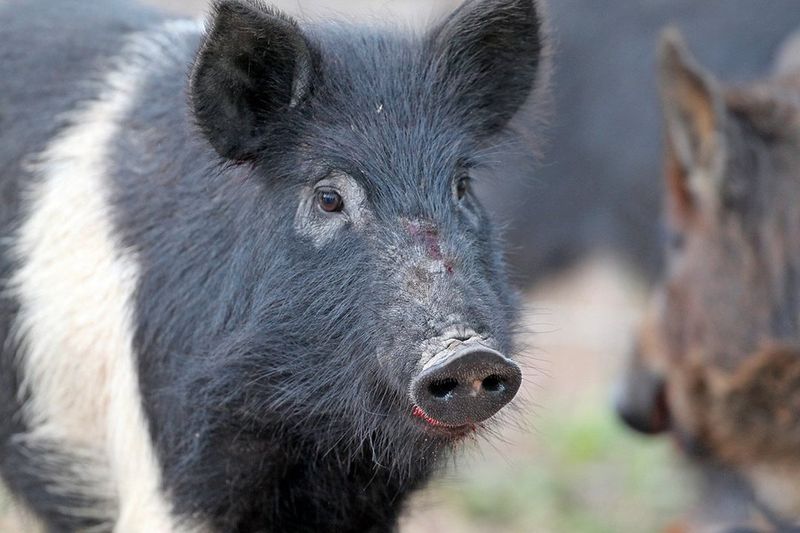
Attempting to handle a feral hog without professional help is extremely dangerous in North Carolina because these animals are strong, fast, and capable of causing serious injuries.
Feral hogs may seem manageable from a distance, but they can become highly aggressive when approached or restrained by untrained individuals.
Trying to corner, trap, or physically control a hog often leads to panic, which greatly increases the risk of charging or biting behavior.
Many people underestimate how powerful feral hogs are, especially when they feel threatened or are protecting nearby piglets.
Improvised tools, vehicles, or makeshift traps rarely work as intended and can fail suddenly, placing people directly in harm’s way.
Handling attempts can also push hogs into neighboring yards or public areas, creating danger for others in the community.
Wildlife professionals are trained to assess hog behavior and use proper equipment designed specifically for safe removal.
They also understand local regulations and procedures that apply to feral hogs in North Carolina residential areas.
Relying on professional help is the safest way to resolve the situation without risking serious injury or escalating the encounter.