7 Things To Do If A Feral Hog Enters Your Oklahoma Yard (And 4 Things You Shouldn’t)
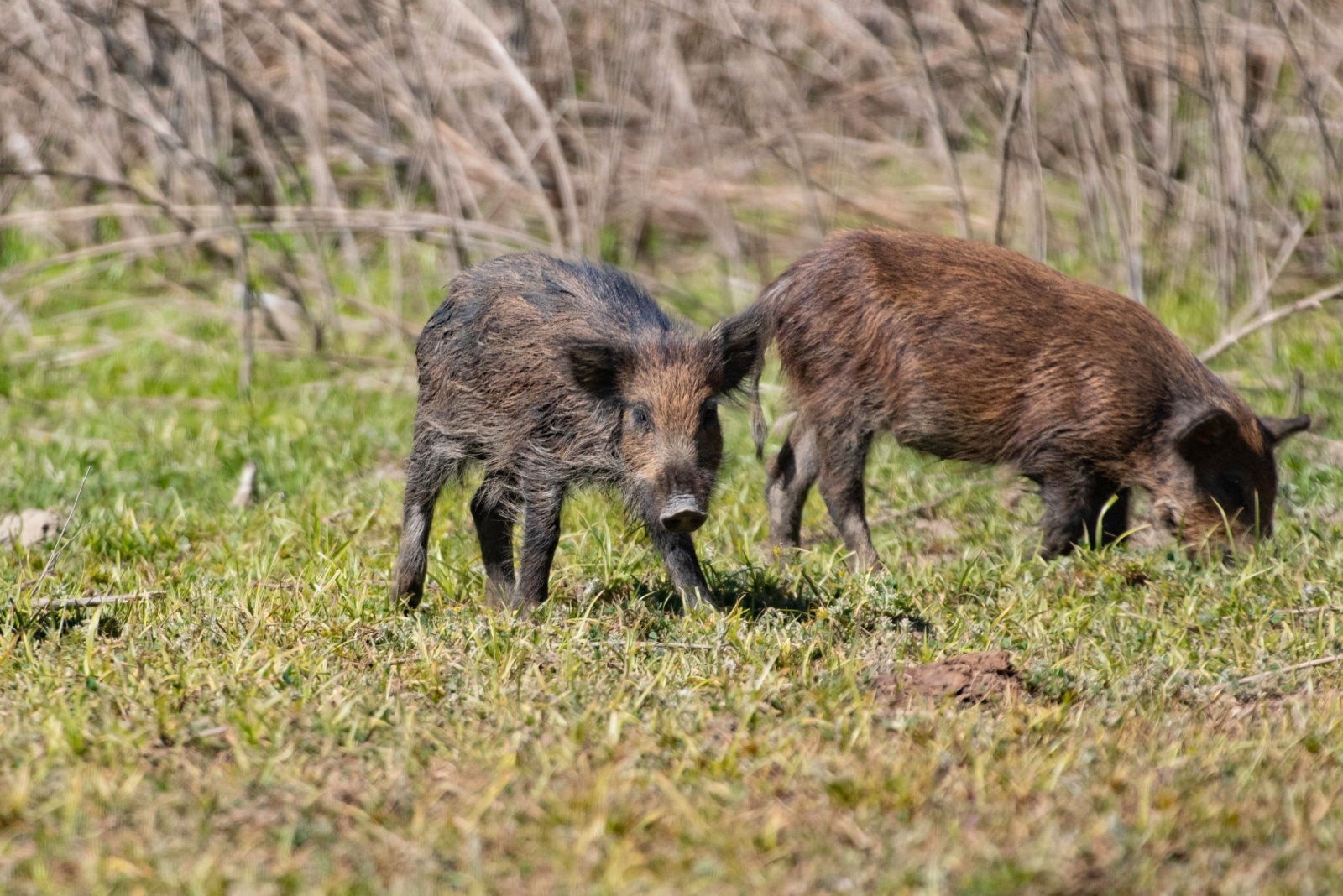
A feral hog in your Oklahoma yard isn’t just an odd wildlife sighting—it’s a serious situation.
These animals are fast, powerful, unpredictable, and capable of causing major property damage in minutes.
Many homeowners panic and make dangerous mistakes that can put people, pets, and neighbors at risk.
Knowing how to respond calmly and correctly is critical.
There are smart steps you can take to protect yourself and your property—and there are actions you should absolutely avoid.
If a feral hog shows up on your land, here are 7 things you should do right away, plus 4 common mistakes that can make the situation far worse.
1. Stay Indoors And Keep A Safe Distance
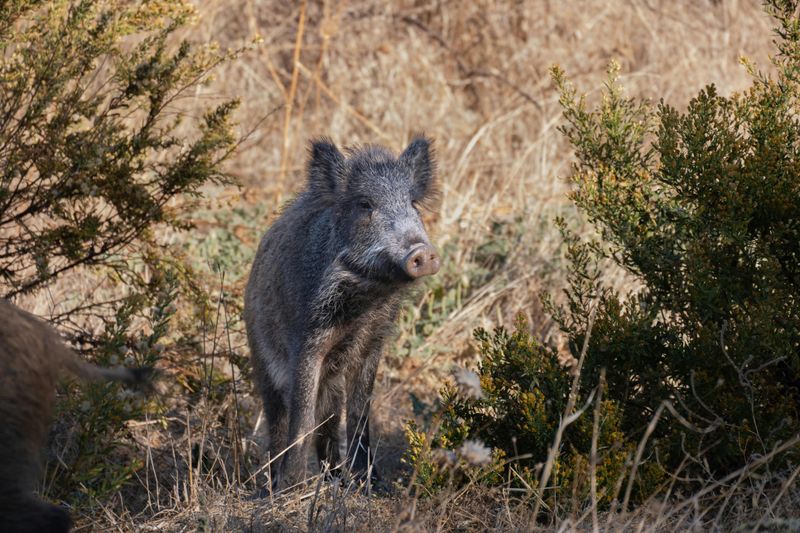
Your first priority when spotting a feral hog in your Oklahoma yard should be getting yourself and everyone else inside immediately without delay.
Wild hogs can become aggressive if they feel threatened or cornered, so maintaining distance is absolutely critical for your personal safety right now.
Most encounters happen suddenly, catching homeowners off guard while gardening, playing outside, or doing routine yard work during daylight hours or evenings.
Once inside, watch the animal through windows to monitor its movements without putting yourself at risk of an unexpected charge or attack.
Feral hogs possess sharp tusks and powerful bodies that can cause serious injuries, especially if they decide to defend themselves against perceived threats.
Children and elderly family members should stay away from doors and windows to avoid startling the animal with sudden movements or noise.
Remember that these creatures are unpredictable and may react differently depending on their stress level, hunger, or past experiences with humans nearby.
Patience is your best tool here, as most hogs will eventually leave on their own once they realize no food is available.
2. Secure Pets And Livestock Immediately
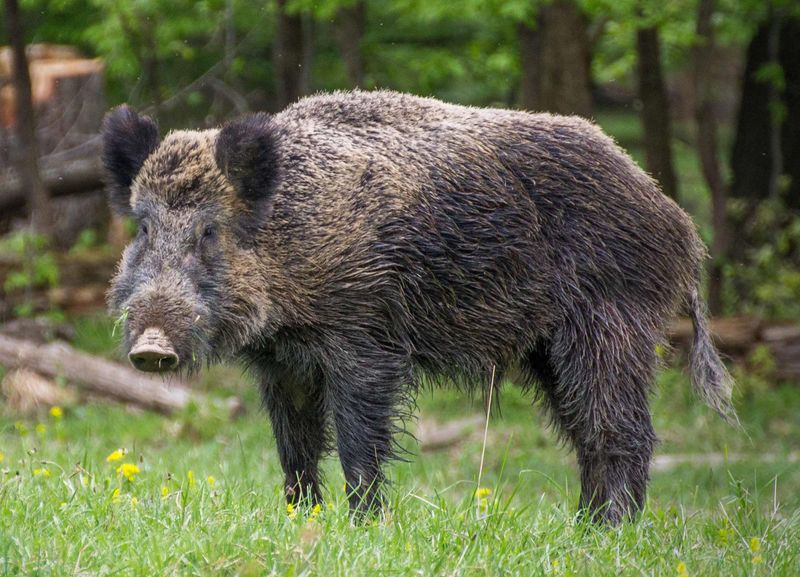
Bringing your pets inside quickly prevents dangerous confrontations between your animals and the wild hog that could result in serious injuries to everyone involved.
Dogs often bark at or chase unfamiliar animals in their territory, which can provoke an aggressive response from a feral hog defending itself.
Cats roaming outside may also attract unwanted attention, so call them in immediately and keep them contained until the situation resolves completely.
Livestock like chickens, goats, or rabbits need extra protection since feral hogs are known to attack small farm animals when hungry or territorial.
Move these vulnerable creatures into secure barns, coops, or indoor spaces where the hog cannot reach them no matter how persistent it becomes.
Check all fencing and gates to ensure they are properly latched and reinforced against potential breaching attempts by the determined intruder outside.
Oklahoma ranchers and hobby farmers know that feral hogs can cause thousands of dollars in damage and losses if given access to livestock areas.
Taking swift action to protect your animals shows responsible ownership and prevents heartbreaking losses that could have been easily avoided with quick thinking.
3. Make Noise From A Safe Location To Encourage It To Leave
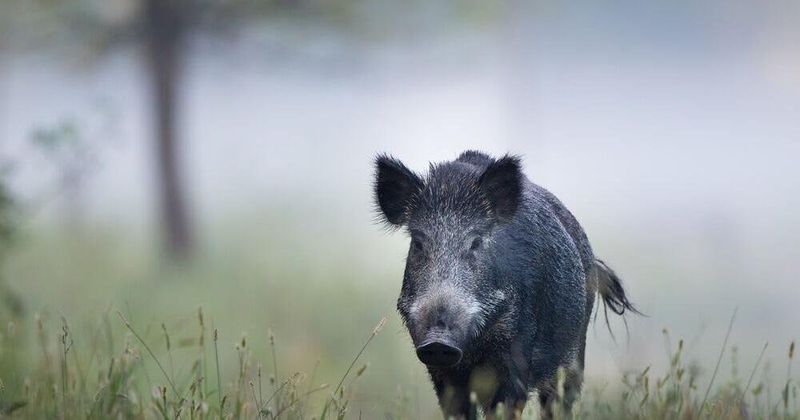
Creating loud sounds from the safety of your home or porch can sometimes persuade a feral hog to move along without requiring professional intervention.
Banging pots and pans together, shouting firmly, or using air horns may startle the animal enough to send it running back toward wooded areas.
This technique works best when the hog is still exploring and has not yet settled in or found a comfortable spot to rest.
However, never step outside to make noise if the animal is too close or appears agitated, as this could trigger a defensive charge.
Use windows, doorways, or elevated decks to maintain a physical barrier between you and the unpredictable creature while attempting to discourage its presence.
Some Oklahoma residents have found success with motion-activated sprinklers or lights that surprise the hog without requiring direct human involvement at all.
Keep in mind that older or more experienced feral hogs may have encountered humans before and might not respond to noise as effectively.
If the animal ignores your efforts after several minutes, stop trying and move to other strategies instead of escalating the situation unnecessarily.
4. Remove Food Sources From Your Yard

Feral hogs have an incredible sense of smell and can detect food from great distances, making unsecured garbage cans a major attraction for them.
Birdseed, pet food left outside, fallen fruit from trees, and vegetable gardens all serve as invitations for these hungry animals to visit regularly.
Eliminating these temptations reduces the likelihood that the hog will return to your property once it leaves the area for good today.
Store trash in heavy-duty containers with locking lids that cannot be knocked over or pried open by determined snouts and powerful legs.
Bring pet food bowls inside after feeding times rather than leaving them out overnight when nocturnal wildlife is most active and searching for meals.
Harvest ripe produce promptly and clean up any fallen items that could draw unwanted visitors back to your yard again and again.
Oklahoma wildlife experts emphasize that prevention is far more effective than dealing with repeated intrusions from the same animals over extended periods of time.
Once a feral hog learns your yard provides easy meals, breaking that pattern becomes significantly more difficult and may require professional assistance.
5. Document The Sighting If It’s Safe To Do So
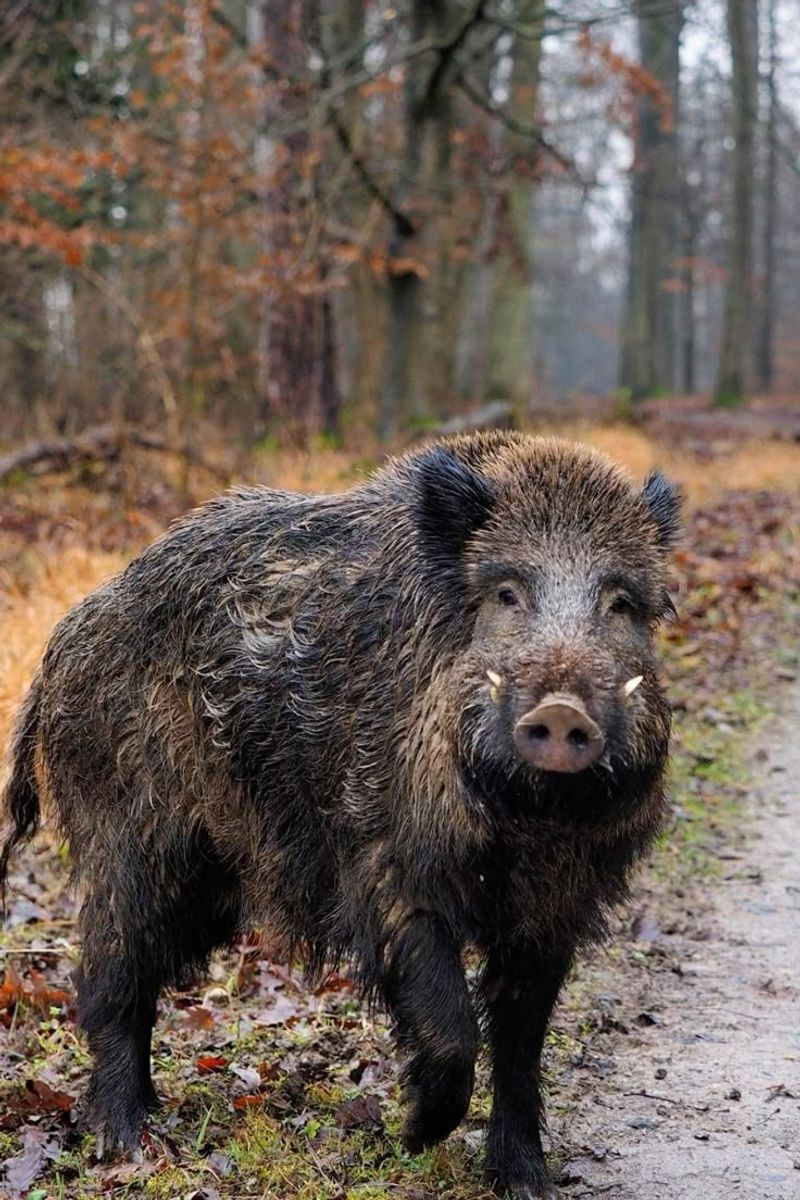
Taking photos or videos of the feral hog from inside your home provides valuable information for wildlife officials who may need to track patterns.
Clear documentation helps authorities identify the size, number, and behavior of hogs in your area, contributing to better management strategies for the community.
Your images could reveal whether this is a lone adult, a sow with piglets, or part of a larger group causing problems.
Only attempt to document the sighting if you can do so without putting yourself in danger or leaving the safety of your home.
Use your smartphone camera with zoom features or a telephoto lens to capture details from a distance without approaching the animal directly.
Note the time of day, the hog’s approximate size and color, and any distinctive markings that could help officials identify repeat visitors later.
Many Oklahoma counties are actively monitoring feral hog populations and appreciate citizen reports with photographic evidence to support management decisions and planning efforts.
Your contribution helps build a clearer picture of wildlife movements and problem areas that need immediate attention from trained professionals and resource managers.
6. Contact Local Wildlife Or Animal Control
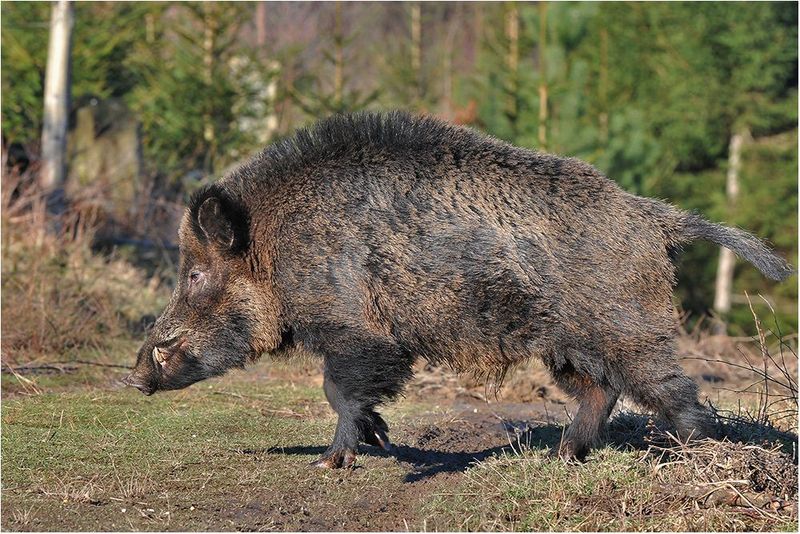
Reaching out to local wildlife management or animal control gives you access to trained professionals who understand how to handle feral hog situations safely.
Oklahoma has specific agencies and departments dedicated to managing invasive wildlife populations, and they can provide guidance tailored to your exact circumstances right now.
These experts know the laws, regulations, and best practices for dealing with aggressive or persistent animals on private property throughout the state.
When you call, provide clear details about the hog’s location, size, behavior, and how long it has been present in your yard.
Ask about response times, what to expect during the removal process, and whether there are any immediate actions you should take.
Some areas have faster response protocols than others, so understanding the timeline helps you plan accordingly and stay patient during the wait.
Building a relationship with local wildlife officials also helps if you experience future encounters or notice patterns of repeated visits from feral hogs.
They may offer additional resources, prevention tips, or even arrange for trapping programs in neighborhoods experiencing ongoing problems with these destructive animals regularly.
7. Alert Neighbors In The Area
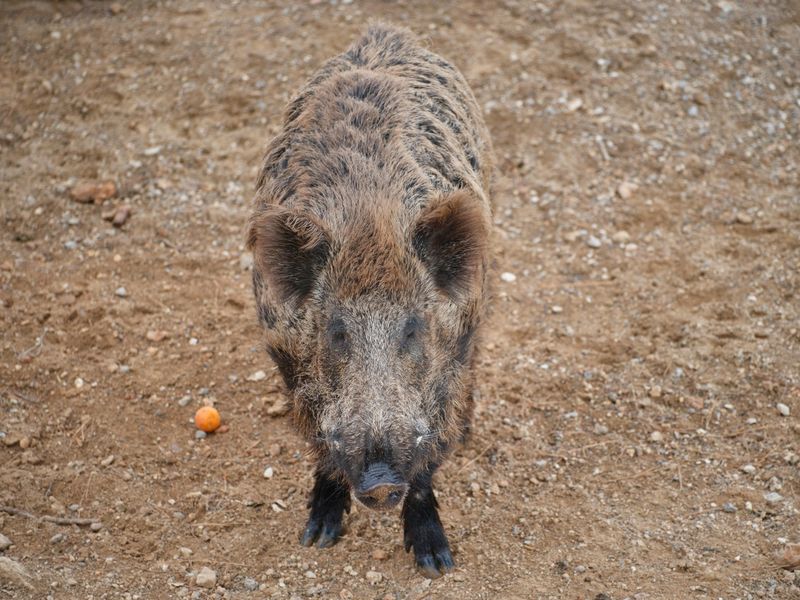
Informing nearby residents about the feral hog sighting helps everyone stay vigilant and take necessary precautions to protect their families and properties too.
Feral hogs rarely stay in one yard for long and often roam through entire neighborhoods searching for food and suitable habitat areas.
Your warning gives others time to secure pets, remove food sources, and monitor their own yards for signs of the animal’s presence.
Use neighborhood social media groups, text chains, or simply knock on doors to spread the word quickly and efficiently throughout your community.
Provide specific details about when and where you saw the hog, its size, and whether it appeared aggressive or calm during the encounter.
Collective awareness often leads to better tracking and faster response from authorities who benefit from multiple reports about the same animal’s movements.
Oklahoma communities that work together on wildlife issues tend to experience fewer repeated problems and develop stronger relationships with local management agencies over time.
Your initiative in communicating creates a safer environment for everyone and demonstrates responsible citizenship that others will likely appreciate and follow themselves.
8. Don’t Approach Or Attempt To Chase It

Getting close to a feral hog or trying to drive it away by running at it creates an extremely dangerous situation that could end badly.
Wild hogs can charge at surprising speeds and use their sharp tusks to defend themselves when they feel threatened by human aggression.
Many people underestimate how quickly these animals can move and how much damage they can cause in just a few seconds of contact.
Chasing the animal may also cause it to become disoriented and run toward other people, pets, or obstacles instead of leaving your property safely.
Panicked hogs sometimes crash through fences, windows, or other barriers when trying to escape, causing additional property damage and creating more problems.
Oklahoma emergency rooms have treated numerous injuries from people who thought they could intimidate or scare off feral hogs without consequences or risks.
Allowing the animal space and time to leave on its own terms is always the safer and smarter choice for everyone involved here.
Professional wildlife handlers have the training, equipment, and experience to manage these situations properly, so leave the difficult work to them instead of risking yourself.
9. Don’t Feed Or Corner The Animal
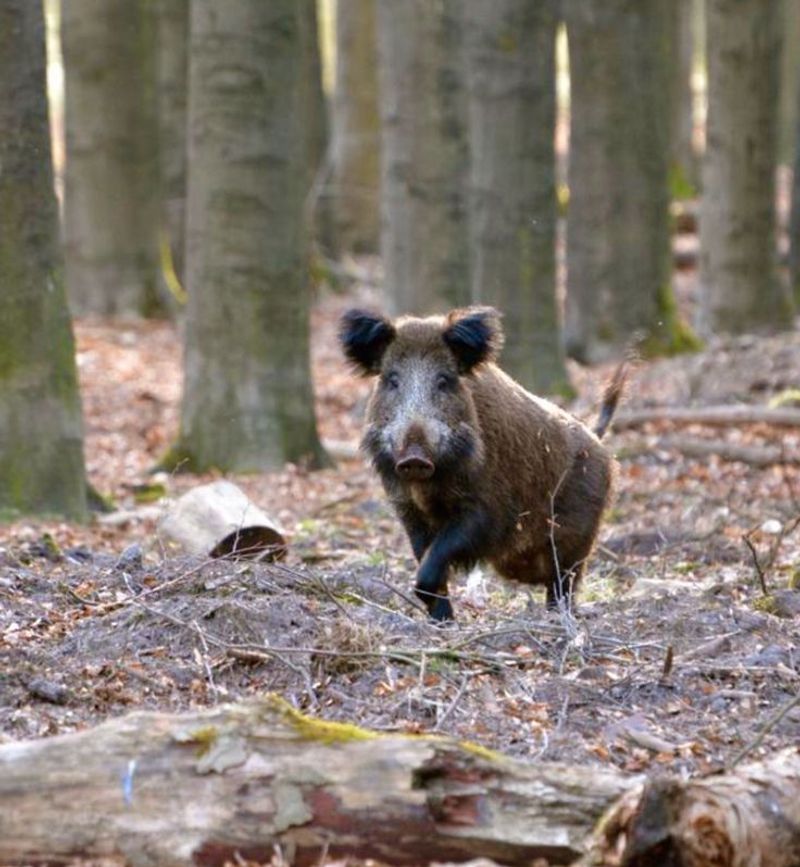
Offering food to a feral hog might seem like a kind gesture, but it actually encourages the animal to return repeatedly and become bolder.
Wild animals that associate humans with food lose their natural wariness and become nuisance visitors that are harder to manage over time.
This behavior puts your entire neighborhood at risk as the hog learns to expect handouts and may become aggressive when food is not provided.
Cornering the animal by blocking its escape routes is equally dangerous and should be avoided at all costs during any encounter with wildlife.
Trapped animals experience extreme stress and will fight their way out using any means necessary, including charging directly at people blocking their path.
Feral hogs have powerful bodies and can easily knock over adults, not to mention the damage their tusks can cause when slashing defensively.
Oklahoma wildlife laws also discourage feeding wild hogs because it contributes to population growth and the spread of diseases that affect livestock and humans.
Respecting the animal’s space and allowing it to move freely without interference protects both you and the broader community from unnecessary risks.
10. Don’t Try To Trap Or Shoot It Yourself
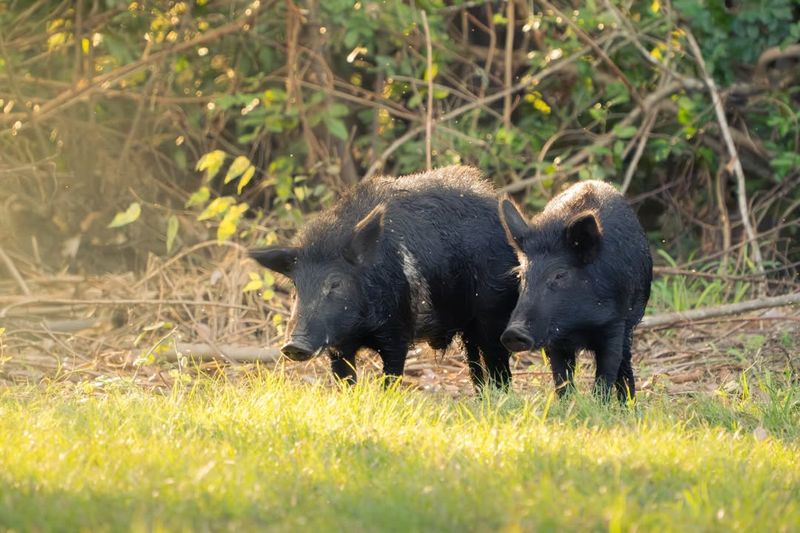
Attempting to trap a feral hog without proper training and equipment often results in injuries to both the person and the animal involved.
Commercial traps require specific knowledge about placement, bait, and construction to work effectively and safely in residential areas where people and pets are present.
Poorly designed or positioned traps may catch unintended animals, fail to hold the hog securely, or create hazardous conditions in your yard.
Shooting a feral hog yourself carries serious legal, safety, and ethical concerns that vary depending on local ordinances and your specific location in Oklahoma.
Discharging firearms in residential areas is illegal in many jurisdictions and puts neighbors, pets, and property at risk from stray bullets or ricochets.
Even experienced hunters can miss shots when dealing with a moving, unpredictable target at close range, potentially wounding the animal and making it more dangerous.
Professional trappers and wildlife officers have the licenses, insurance, and specialized tools needed to handle feral hog removal properly and legally throughout the state.
Relying on their expertise prevents legal trouble, personal injury, and the ethical problems that come from mishandling wildlife situations beyond your skill level.
11. Don’t Ignore Repeated Sightings
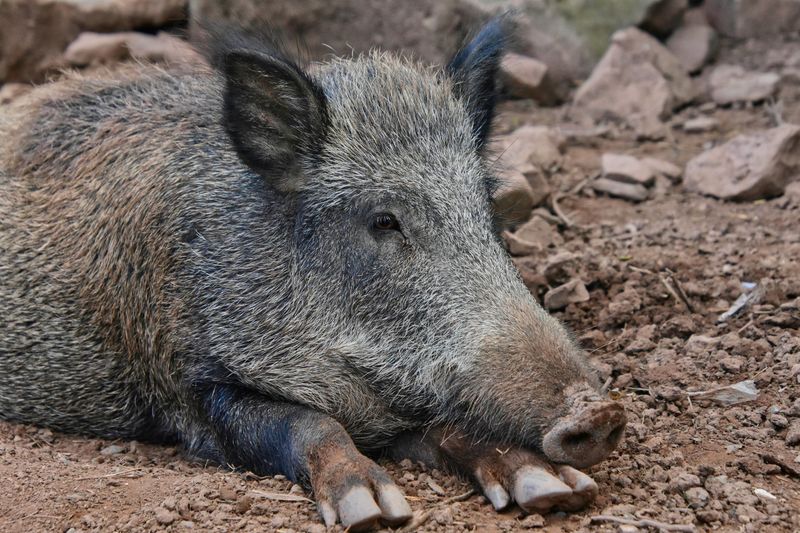
Multiple appearances of feral hogs in your yard indicate a pattern that will likely continue and worsen without proper intervention from wildlife professionals.
Ignoring the problem allows the animals to establish your property as part of their regular territory, leading to increased damage and potential confrontations.
What starts as an occasional visitor can quickly become a daily nuisance that disrupts your life and threatens your safety consistently over time.
Repeated sightings also suggest that something on your property or in your neighborhood is attracting these animals and needs to be addressed immediately.
Food sources, water access, or shelter opportunities may be drawing hogs back again and again despite your efforts to discourage them.
Oklahoma wildlife officials can assess your property, identify attractants, and recommend effective solutions tailored to your specific situation and landscape features present there.
Documenting patterns of visits helps authorities understand the scope of the problem and allocate resources appropriately for your area and surrounding communities.
Your proactive reporting could prevent injuries, protect property values, and contribute to broader management efforts that benefit everyone living in areas affected by feral hogs.