5 Things To Do If A Fox Appears In Your Georgia Yard And 3 To Avoid
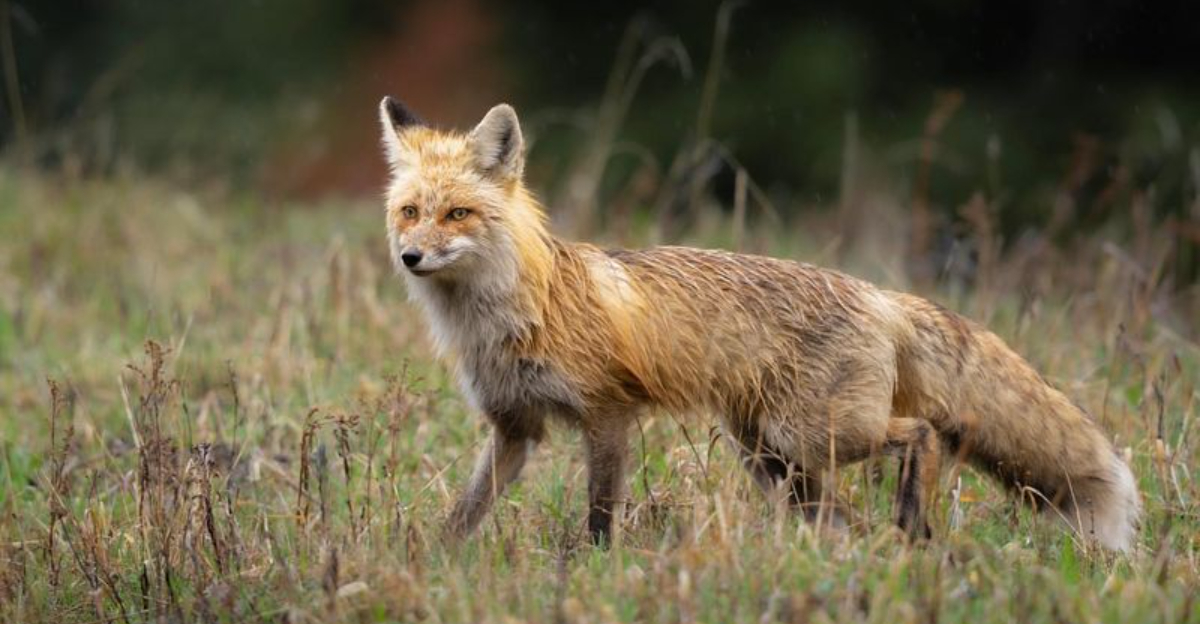
A fox slipping into a Georgia yard can turn an ordinary day into a moment that catches everyone off guard.
This bright-eyed visitor often moves with quiet confidence, weaving through gardens with the grace of an animal that knows how to stay one step ahead.
A visit may look mysterious, but most foxes prefer to keep their distance and drift along without stirring trouble.
Still, a few smart choices can keep the peace for pets, families, and the fox itself.
Simple actions help guide the animal on its way while avoiding the kinds of mistakes that create tension or invite repeat visits.
A tidy yard signals that snacks and hiding spots are off the menu, and calm behavior keeps the encounter from turning into a bigger story.
Understanding the dos and don’ts turns a surprise fox visit into a manageable moment, keeping Georgia yards safe and wildlife moving along as nature intended.
1. Observe From A Safe Distance
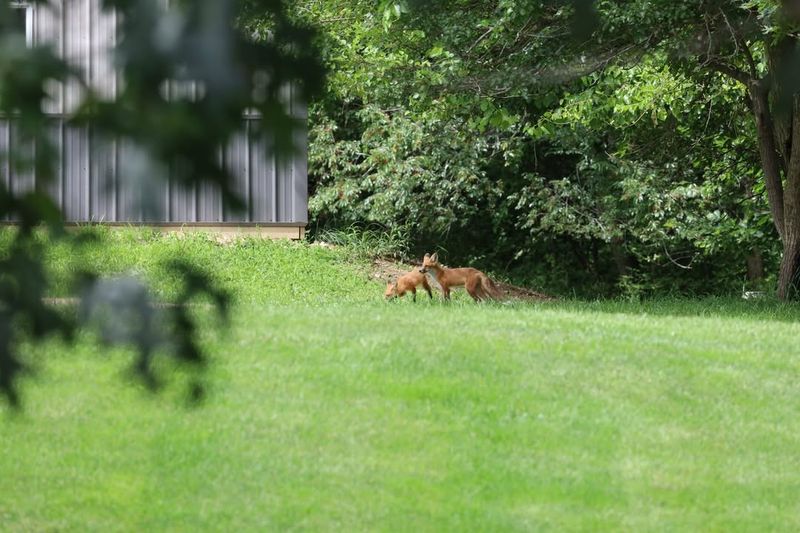
Watching wildlife from afar is always the smartest first step when a fox appears in your Georgia yard.
Foxes are naturally cautious creatures, and they’re likely just passing through or searching for a quick meal.
Keeping at least 50 feet between you and the animal allows you to appreciate the moment without causing stress to either party.
Grab your camera or phone if you want to capture the experience, but stay inside or behind a window when possible.
Foxes have excellent hearing and can detect movements easily, so sudden approaches might startle them.
Many Georgia homeowners have successfully photographed these beautiful animals simply by remaining patient and quiet.
Never attempt to get closer for a better look or photo opportunity.
Wild animals can behave unpredictably when they feel cornered or threatened.
If you have children or pets with you, keep them indoors until the fox moves along on its own.
Remember that foxes in Georgia typically avoid confrontation and will leave once they realize humans are nearby.
Your calm observation shows respect for wildlife while keeping everyone safe.
This peaceful coexistence benefits both Georgia residents and the local fox population.
2. Secure Your Pets And Small Animals
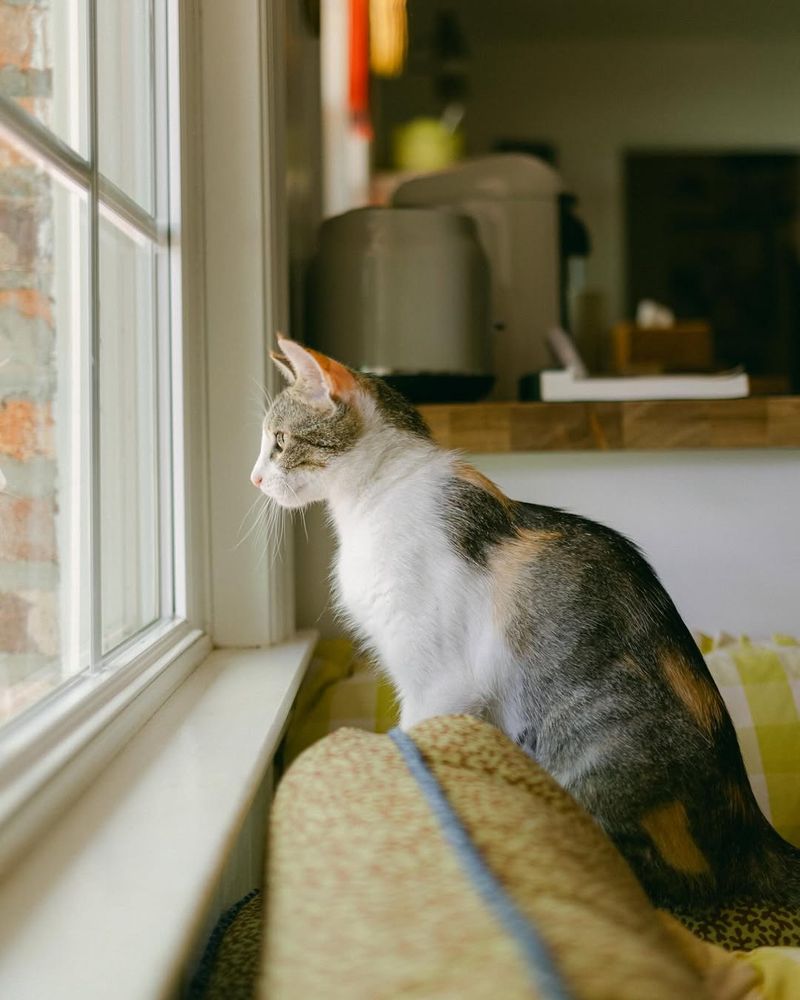
Bringing your pets inside immediately protects them from potential conflict with a visiting fox.
Small dogs, cats, rabbits, and chickens can appear as prey to a hungry fox, especially during dawn or dusk hours.
Georgia’s fox population is generally not aggressive toward humans, but their natural hunting instincts remain strong.
Check your yard thoroughly before letting pets out during early morning or evening hours when foxes are most active.
If you keep chickens, guinea pigs, or other small animals outdoors, ensure their enclosures have secure locks and reinforced wire mesh.
Foxes are surprisingly clever and can squeeze through small openings or dig under fences.
Create a routine of supervising your pets during outdoor time, particularly if you live near wooded areas or parks in Georgia.
Even medium-sized dogs can get into dangerous situations if they chase or confront a fox protecting its territory or young.
Leashing your dog during walks in areas with known fox activity adds another layer of protection.
Consider installing motion-activated lights around coops and pet areas to deter nighttime visits.
These simple precautions help Georgia families enjoy their yards while respecting the wildlife that shares the space.
3. Remove Potential Food Sources
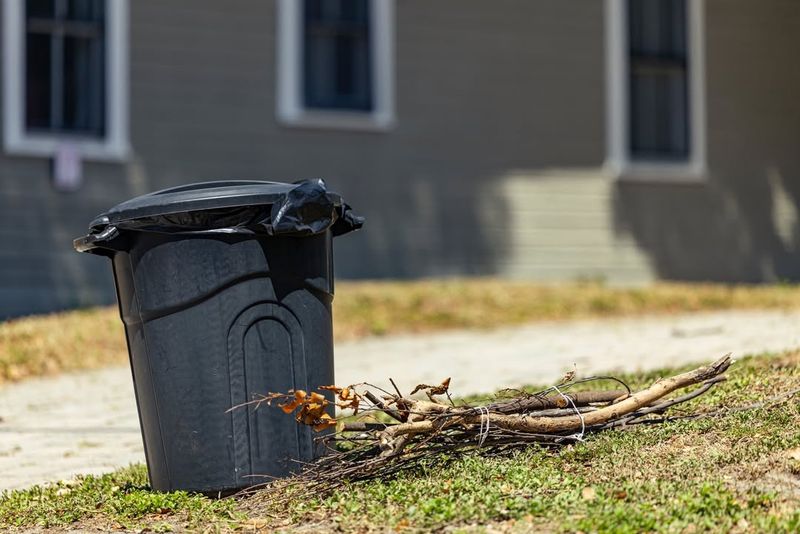
Eliminating attractants is one of the most effective ways to discourage repeat fox visits to your Georgia property.
Foxes have keen noses and will return to locations where they’ve found easy meals.
Start by securing garbage cans with tight-fitting lids or storing them in a garage or shed until collection day.
Bird feeders often drop seeds that attract rodents, which in turn attract foxes hunting for prey.
Consider bringing feeders indoors at night or switching to designs that minimize spillage.
Fallen fruit from trees should be picked up regularly, as foxes enjoy these sweet treats along with their typical diet of small mammals and insects.
Pet food left outside overnight becomes an open invitation for hungry wildlife throughout Georgia.
Feed your animals indoors, or if that’s not possible, remove bowls immediately after mealtime.
Compost piles should be properly contained in bins rather than open heaps, which can smell appealing to foraging foxes.
Check your property for other potential attractions like unsecured trash bags, accessible grills with food residue, or outdoor fish ponds.
By maintaining a clean yard, you’re sending a clear message that your Georgia home isn’t a reliable food source, encouraging foxes to move along naturally.
4. Make Noise To Encourage Departure
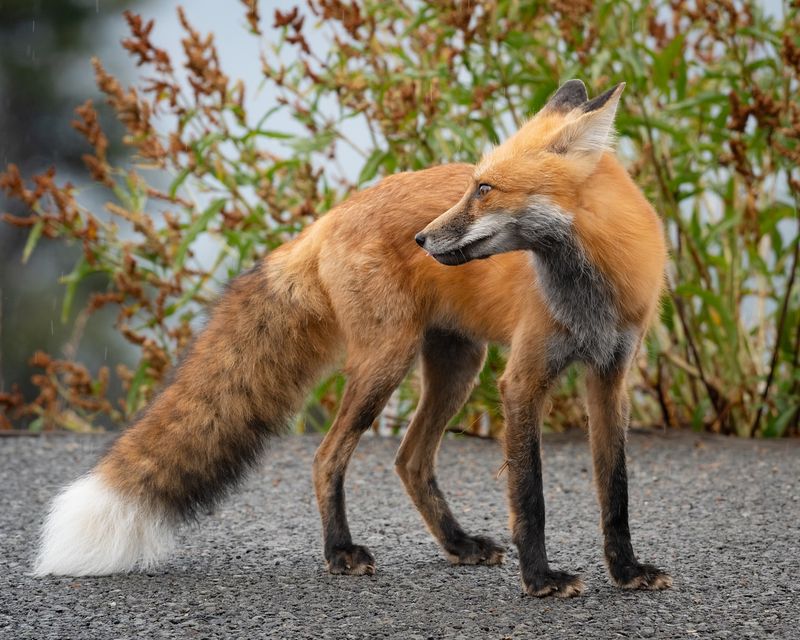
Creating loud sounds helps remind the fox that your yard is human territory without causing harm.
Clapping your hands, shouting firmly, or banging pots together usually convinces the animal to leave promptly.
Georgia wildlife experts recommend this technique as a humane way to reinforce the fox’s natural wariness of people.
Stand tall and make yourself appear larger while making noise, but never chase or corner the animal.
The goal is to create an uncomfortable environment that encourages the fox to find a quieter location.
Most foxes in Georgia will trot away quickly when they realize they’re not welcome.
Avoid making noise late at night if the fox isn’t posing an immediate threat, as this might disturb your neighbors.
Instead, wait until morning and use these techniques if the animal is still present.
Motion-activated sprinklers or noise devices can also work well for homeowners who experience frequent visits.
This method works best when used consistently across your Georgia neighborhood.
If all residents respond similarly to fox sightings, the animals learn to avoid residential areas altogether.
Remember to stay calm and confident, your assertive presence is usually enough to send the fox on its way without any physical interaction.
5. Contact Local Wildlife Authorities If Needed
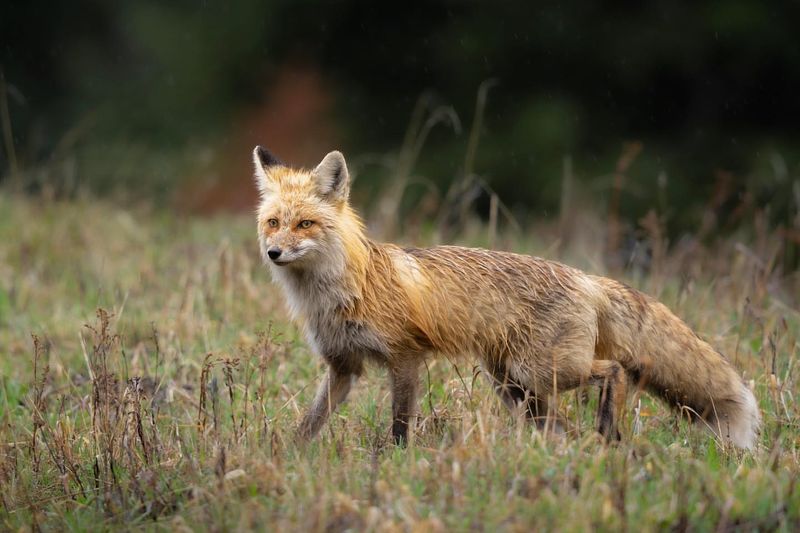
Reaching out to professionals becomes necessary when a fox displays concerning behavior or refuses to leave your Georgia property.
The Georgia Department of Natural Resources offers guidance and can dispatch trained wildlife officers for situations requiring expert intervention.
Signs of trouble include foxes approaching humans without fear, appearing during unusual daytime hours repeatedly, or showing signs of illness.
Document the fox’s behavior with photos or videos if possible, as this information helps wildlife officers assess the situation accurately.
Include details about how long the animal has been present, whether it seems injured, and any interactions with people or pets.
Your local animal control department can also provide resources specific to your Georgia county.
Never attempt to trap or relocate a fox yourself, as this is illegal in Georgia without proper permits and can be dangerous.
Professional wildlife handlers have the training and equipment to manage these situations safely.
They can determine whether the fox needs medical attention, relocation, or simply needs encouragement to move along.
Building a relationship with local wildlife authorities before problems arise gives you a reliable contact for future questions.
Many Georgia communities have wildlife hotlines that operate during extended hours, ensuring you can get help whenever you need it for fox-related concerns.
6. Don’t Attempt To Feed Or Approach The Fox
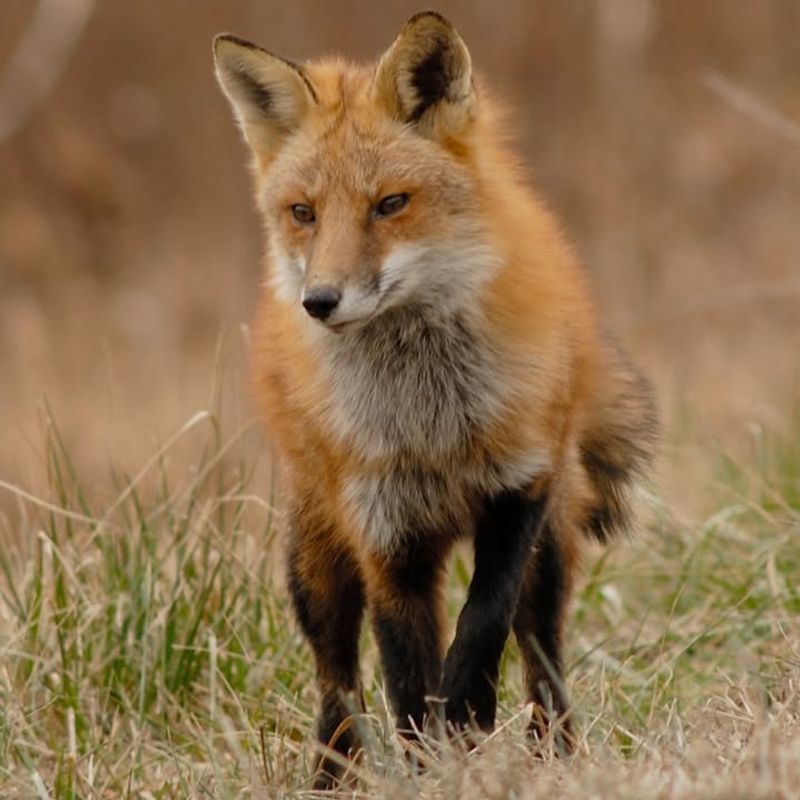
Feeding wild foxes creates dangerous dependencies that harm both animals and humans in Georgia communities.
When foxes learn to associate people with food, they lose their natural fear and begin approaching homes more frequently.
This behavior increases the risk of conflicts, bites, and the potential spread of diseases like rabies.
Some people find foxes adorable and feel tempted to offer treats, but this kindness actually endangers the animal’s survival.
Foxes that become comfortable around humans often face removal or worse outcomes when they become too bold.
Georgia law also prohibits feeding certain wildlife species, and violations can result in fines.
Approaching a fox to get a closer look or take photos puts you at unnecessary risk.
Even seemingly calm foxes can bite or scratch when they feel threatened or trapped.
Their teeth and claws carry bacteria that can cause serious infections, and any bite requires immediate medical attention and rabies evaluation.
Teach children in your Georgia household that all wild animals should be admired from a distance.
Explain that feeding wildlife disrupts their natural hunting skills and creates problems for neighbors who may not want foxes visiting their yards.
Respecting boundaries keeps everyone safer and allows foxes to maintain their wild instincts.
7. Don’t Use Harmful Deterrents Or Poisons
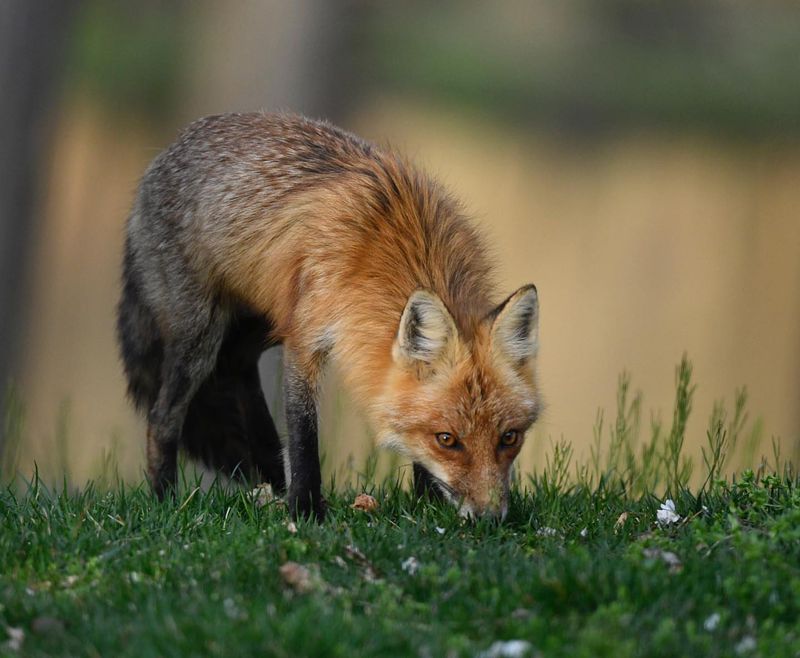
Using toxic substances or cruel deterrents to remove foxes from your Georgia yard creates more problems than it solves.
Poisons not only cause unnecessary suffering but also pose serious risks to pets, children, and other wildlife in the area.
Georgia has strict regulations against using certain pest control methods that could harm protected species.
Snap traps, leg-hold traps, and similar devices are dangerous and often illegal for homeowners to use without special permits.
These tools can injure domestic animals, neighborhood pets, and even curious children.
Professional-grade traps require training to use safely and humanely, which is why wildlife management should be left to licensed experts.
Some homeowners try homemade deterrents that seem harmless but can actually cause harm.
Substances like mothballs, ammonia-soaked rags, or hot pepper sprays might temporarily annoy a fox but can also damage the animal’s sensitive nose and respiratory system.
These methods rarely provide long-term solutions anyway.
Focus instead on the humane techniques mentioned earlier in this guide.
Georgia’s ecosystem benefits from having healthy fox populations that control rodent numbers naturally.
By choosing compassionate approaches, you’re contributing to balanced wildlife management that protects both your property and the environment.
Working with nature rather than against it creates better outcomes for everyone in your Georgia community.
8. Don’t Panic Or Overreact To The Situation
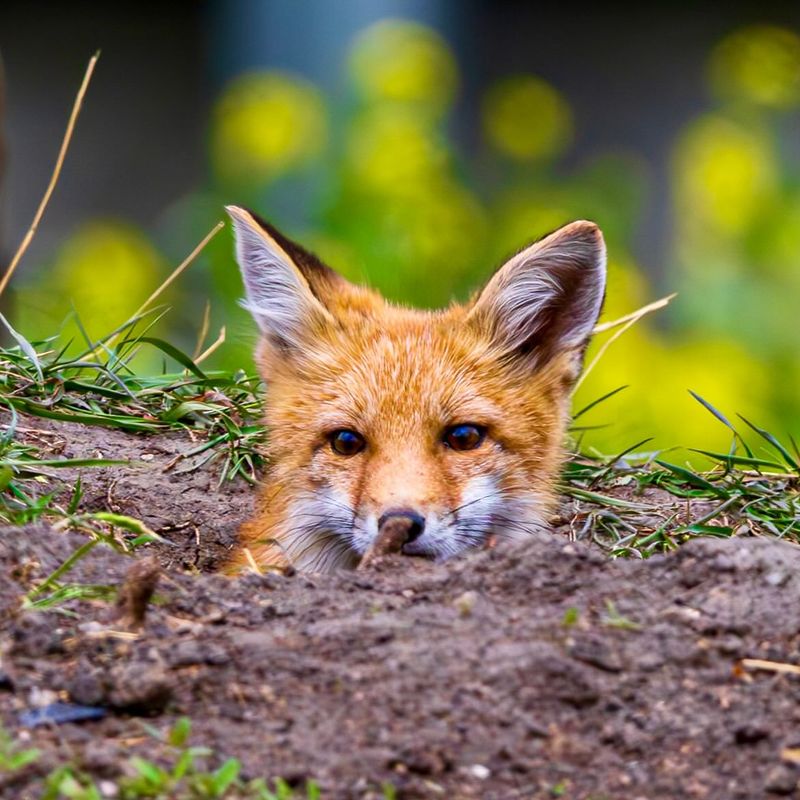
Staying calm when you spot a fox in your Georgia yard helps you make better decisions and prevents unnecessary stress.
Foxes are not naturally aggressive toward humans and typically want nothing more than to go about their business undisturbed.
Panicking can lead to hasty actions that put you, your family, or the animal at risk.
Many Georgia residents have never seen a fox before and might feel alarmed by their first encounter.
Remember that these animals have lived alongside humans for generations and generally avoid contact whenever possible.
Taking a few deep breaths and assessing the situation logically allows you to respond appropriately.
Overreacting might include calling emergency services unnecessarily, which ties up resources needed for genuine emergencies.
It could also mean making loud commotions that frighten the fox into hiding somewhere on your property rather than leaving.
A measured response works better than dramatic action.
Use the situation as a teaching moment for children, explaining how humans and wildlife can share space respectfully.
Georgia’s natural beauty includes diverse wildlife, and learning to coexist peacefully enriches everyone’s experience.
By modeling calm behavior, you help create a more wildlife-aware community that handles these encounters with confidence and compassion rather than fear.