8 Things To Do If A River Otter Shows Up In Your South Carolina Yard (Plus 3 You Shouldn’t)
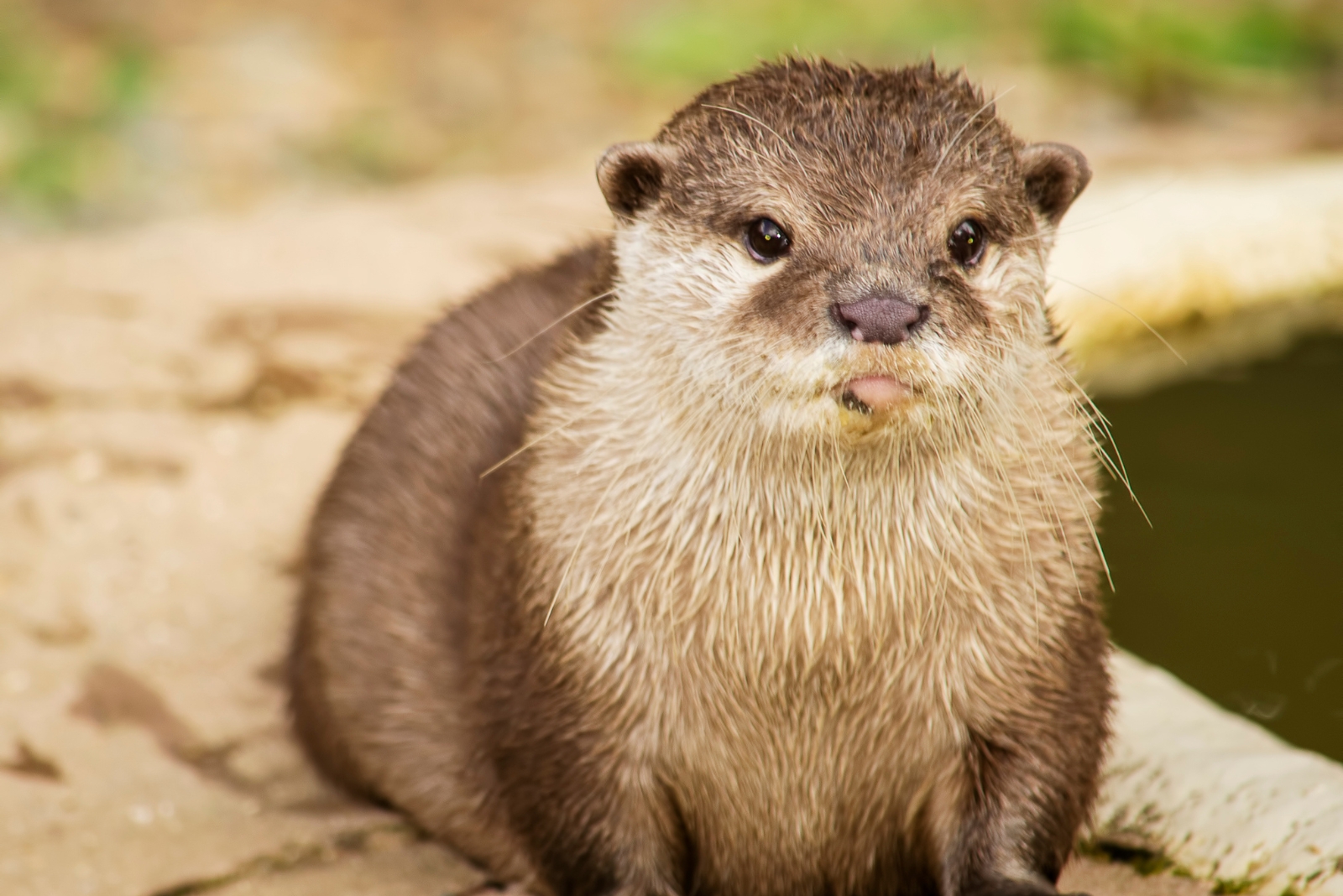
River otters are fascinating creatures that occasionally wander into residential areas across South Carolina, especially near rivers, lakes, and coastal regions.
These playful animals might seem cute and harmless, but they’re wild and unpredictable, requiring careful handling if one appears in your yard.
Knowing how to respond properly protects both you and the otter while preventing potential conflicts or dangerous situations.
This guide covers smart actions to take and critical mistakes to avoid when you encounter these unexpected furry visitors in your South Carolina property.
1. Keep Your Distance and Observe Quietly
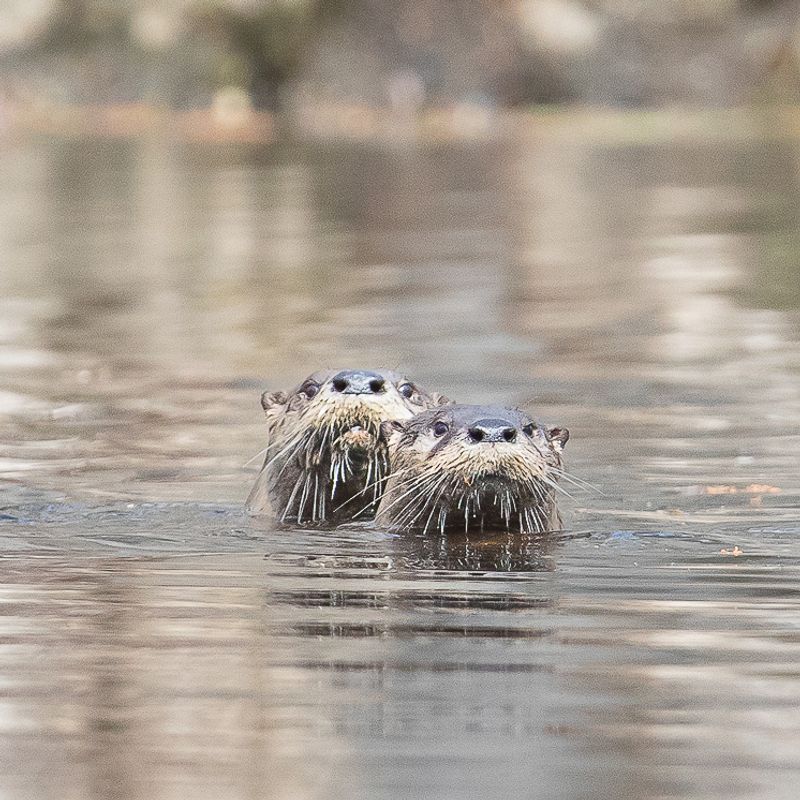
Wild animals need space to feel safe, and river otters are no exception to this important rule.
Staying at least 50 feet away gives the otter room to move without feeling threatened or cornered by your presence.
Sudden movements or loud noises can startle the animal, potentially causing it to react defensively or aggressively.
Watch from inside your home through a window, or stay behind a secure barrier like a fence or deck railing.
This distance allows you to appreciate the rare sighting while keeping everyone safe from unpredictable wildlife behavior.
River otters have sharp teeth and powerful jaws designed for catching fish, making them capable of inflicting serious injuries if they feel threatened.
In South Carolina, wildlife encounters happen more frequently near water sources, so residents should always practice caution around unfamiliar animals.
Observing quietly also helps the otter remain calm enough to leave your property naturally without intervention.
Take photos or videos from a safe distance using a zoom lens rather than approaching for a closer look.
Remember that this animal is likely just passing through your yard on its way to water or hunting grounds.
Respecting its space demonstrates responsible wildlife stewardship while protecting your family and pets from potential harm.
2. Bring Pets Indoors Immediately
Dogs and cats naturally become curious or territorial when they encounter unfamiliar animals in their space.
Your pets could chase, bark at, or attempt to confront the river otter, triggering a defensive response that could harm your beloved companions.
Otters are surprisingly strong and agile, capable of defending themselves effectively against domestic animals much larger than themselves.
Even well-trained pets might ignore commands when their instincts take over during an exciting wildlife encounter.
Call your pets inside calmly but firmly, using treats or favorite toys to motivate them if necessary.
Once indoors, keep them away from windows and doors where they might continue barking or scratching to get outside.
This protective measure prevents injuries to your pets and reduces stress for the wild animal trying to navigate through your South Carolina property.
River otters can carry diseases like rabies, though it’s relatively uncommon, making any bite or scratch a serious medical concern.
Keeping pets separated also prevents them from chasing the otter toward neighbors’ yards, potentially spreading the encounter to other properties.
Wait until the otter has completely left the area before allowing pets back outside, which might take several hours.
Your vigilance protects both domestic and wild animals from unnecessary confrontations.
3. Contact Local Wildlife Authorities For Guidance

Professional wildlife experts understand animal behavior patterns and can provide specific advice tailored to your situation.
The South Carolina Department of Natural Resources maintains a wildlife hotline for residents experiencing conflicts with native animals.
These trained professionals can assess whether the otter poses any immediate danger or if it’s simply passing through your neighborhood.
They might send an officer to evaluate the situation if the animal appears injured, sick, or unusually aggressive toward people.
Having expert guidance prevents you from making mistakes that could escalate the situation or harm the animal unnecessarily.
Wildlife officers can also inform you about local otter populations and whether sightings have increased recently in your South Carolina community.
Document the encounter with photos, noting the time, location, and the otter’s behavior before making your call.
This information helps authorities track wildlife movement patterns and identify potential human-wildlife conflict zones requiring management attention.
Sometimes otters appear in yards because natural habitats have been disrupted by construction, flooding, or drought conditions affecting water levels.
Authorities might offer long-term solutions like habitat modifications to make your property less attractive to wandering wildlife.
Never attempt to handle wildlife situations alone when professional help is readily available throughout South Carolina.
4. Secure Potential Food Sources Around Your Property
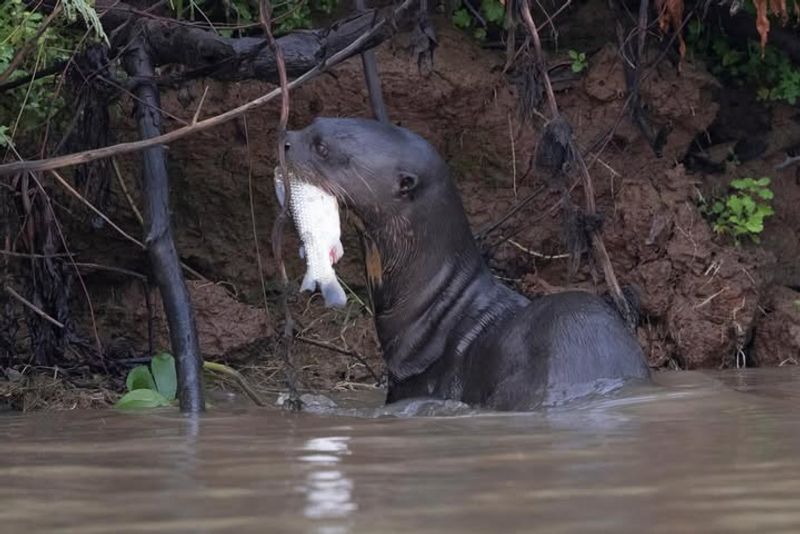
Otters primarily eat fish, but they’re opportunistic feeders that investigate anything resembling a potential meal.
Outdoor pet food bowls, unsecured garbage cans, and compost piles can attract hungry wildlife to your South Carolina yard.
Remove these temptations immediately to discourage the otter from lingering or returning to your property later.
Bird feeders sometimes attract small animals that otters might hunt, creating an unintended food chain in your backyard.
Store pet food inside your home or garage in sealed containers that wildlife cannot access or smell from a distance.
Use wildlife-proof garbage cans with locking lids, and avoid leaving trash bags outside overnight when animals are most active.
If you have a koi pond or decorative water feature with fish, consider covering it temporarily until the otter leaves the area.
These beautiful ponds can become irresistible buffets for hungry otters traveling through residential neighborhoods seeking easy meals.
Fallen fruit from trees should be collected regularly, as it attracts insects and small animals that might interest passing predators.
Taking these preventive steps reduces the likelihood of repeat visits from this otter or other wildlife in the future.
A clean, secure property protects both your belongings and discourages wildlife from becoming dependent on human-provided food sources.
5. Check For Entry Points Under Decks Or Sheds
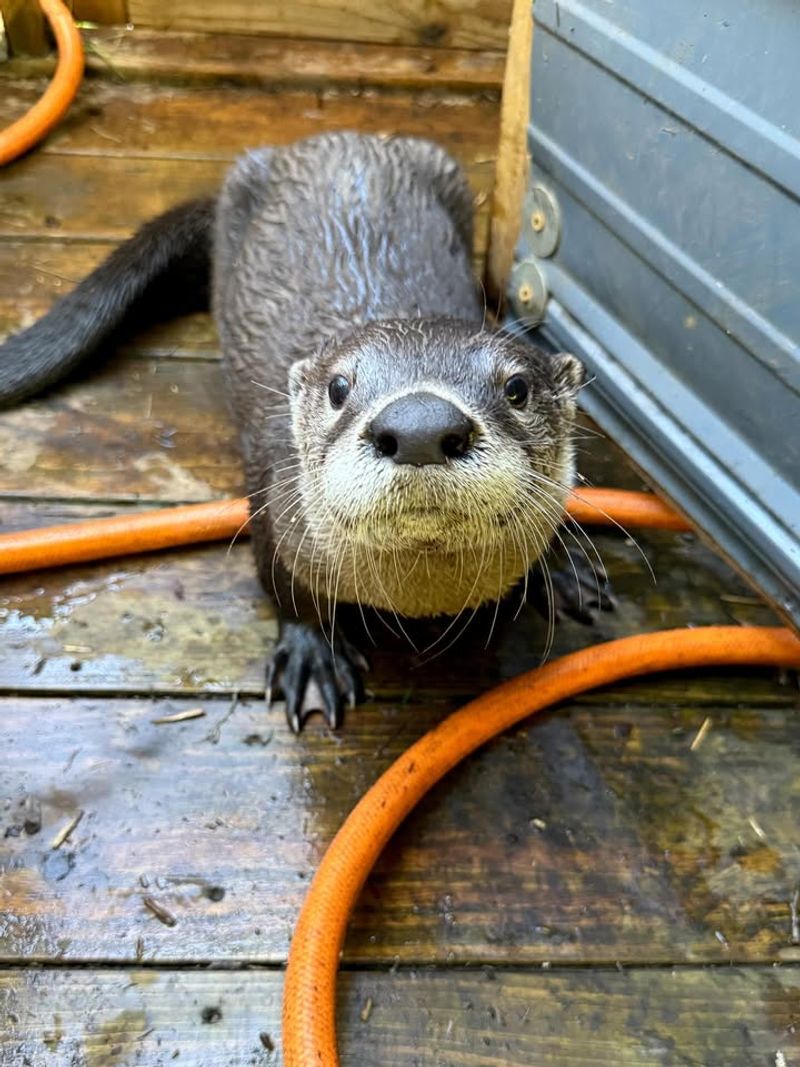
River otters sometimes seek temporary shelter in quiet, protected spaces when they’re far from their natural habitat.
Crawl spaces beneath decks, sheds, and porches can become attractive resting spots for tired or disoriented animals.
Inspect these areas carefully from a safe distance, using a flashlight to look for signs of animal presence like droppings or disturbed ground.
Never reach into dark spaces or attempt to physically remove an otter yourself, as cornered animals become extremely defensive.
If you discover the otter has taken shelter under a structure, contact wildlife professionals immediately for safe removal assistance.
Blocking entry points after confirming the animal has left prevents future wildlife from using your property as a den site.
Use heavy wire mesh, concrete blocks, or other sturdy materials to seal gaps and openings around your South Carolina home’s foundation.
Make sure any modifications allow for proper drainage and don’t create new problems with water pooling or structural damage.
Check these barriers regularly, especially after storms or high winds that might create new access points for determined animals.
Some homeowners install motion-activated lights near potential entry points, which can deter nocturnal wildlife from approaching structures.
Preventive maintenance protects your property value while keeping wildlife in appropriate natural habitats where they belong.
6. Document The Encounter With Photos And Notes

Creating a detailed record helps wildlife authorities track animal movements and identify patterns in human-wildlife interactions.
Take clear photographs from a safe distance, capturing the otter’s size, coloring, and any distinctive markings or behaviors.
Note the exact time, date, and location of the sighting, along with weather conditions and nearby water sources.
Record whether the otter appeared healthy, injured, or behaving strangely, as this information proves valuable for wildlife management decisions.
Your documentation might reveal important trends, such as whether otters are moving through your South Carolina neighborhood due to habitat changes.
Share your photos and observations with local wildlife groups or nature organizations that monitor regional animal populations.
This citizen science contribution helps researchers understand how urban development affects wildlife corridors and natural behavior patterns.
If multiple neighbors report similar sightings, authorities can develop community-wide strategies to minimize conflicts and protect both people and animals.
Keep copies of your reports and any correspondence with wildlife officials for future reference if encounters continue.
Some communities maintain online databases or social media groups where residents share wildlife sightings and safety tips.
Your careful documentation contributes to broader conservation efforts while helping your neighbors prepare for potential encounters on their properties.
7. Wait Patiently For The Otter To Leave Naturally
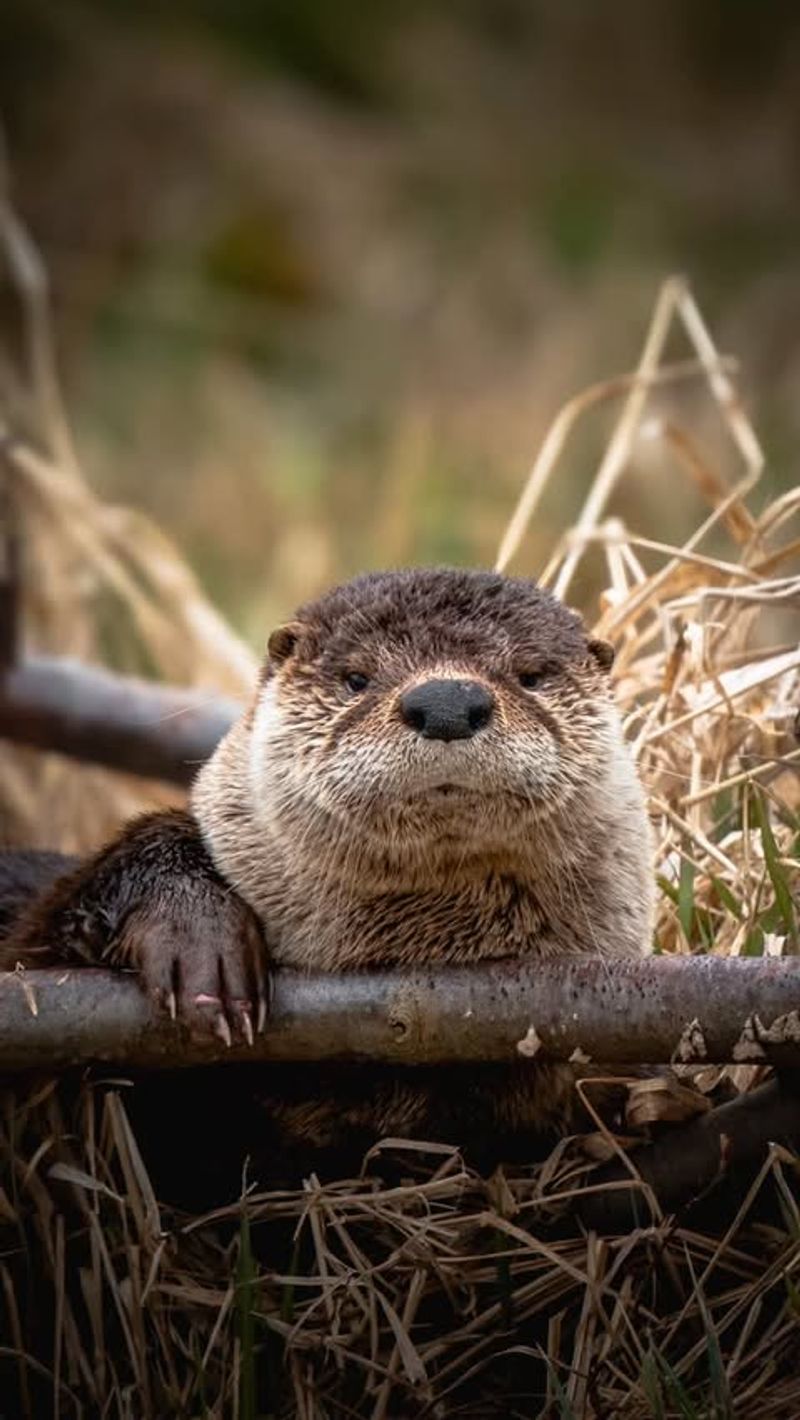
Most river otters that wander into residential areas are simply passing through on their way to better habitat.
These animals prefer wild spaces near rivers, marshes, and coastal areas where they can hunt fish and raise their families.
Your yard likely represents an inconvenient detour rather than a desired destination for this temporary visitor.
Giving the otter time and space to leave on its own terms is usually the safest and most effective approach.
Avoid making loud noises, spraying water, or taking other actions that might panic the animal into unpredictable behavior.
Frightened otters might hide in places that make removal more difficult, or they could become aggressive when escape routes feel blocked.
Most otters will depart within a few hours once they realize your South Carolina property doesn’t offer suitable food or shelter.
During this waiting period, keep children and pets indoors and maintain a calm household atmosphere without excessive activity.
Monitor the situation periodically from windows rather than repeatedly going outside to check on the otter’s location.
If the animal remains after several hours or shows signs of distress, contact wildlife professionals for additional guidance.
Patience demonstrates respect for wildlife while usually resolving the situation without intervention or stress for anyone involved.
8. Educate Your Family About Wildlife Safety

Teaching children and household members about proper wildlife responses creates a safer environment for everyone in South Carolina.
Explain that wild animals should never be approached, touched, or fed, regardless of how cute or friendly they might appear.
Children often lack the judgment to recognize dangerous situations, making clear rules and explanations essential for their protection.
Use this otter encounter as a teaching moment about respecting nature and understanding that wild animals belong in natural habitats.
Discuss the differences between wild animals and pets, emphasizing that wildlife can carry diseases and behave unpredictably under stress.
Role-play scenarios where family members practice appropriate responses like staying calm, moving indoors, and notifying adults immediately.
Create a simple wildlife emergency plan that includes important phone numbers for animal control and wildlife authorities.
Display this information in an accessible location like the refrigerator or family bulletin board for quick reference during unexpected encounters.
Encourage family members to appreciate wildlife from safe distances rather than attempting to interact or capture photos too closely.
Regular conversations about wildlife safety help children develop healthy respect for nature without developing unnecessary fear of animals.
Educated families make better decisions during wildlife encounters, protecting both people and animals through informed, responsible actions.
9. Don’t Try To Scare The Otter Away With Lights, Noise, Or Water
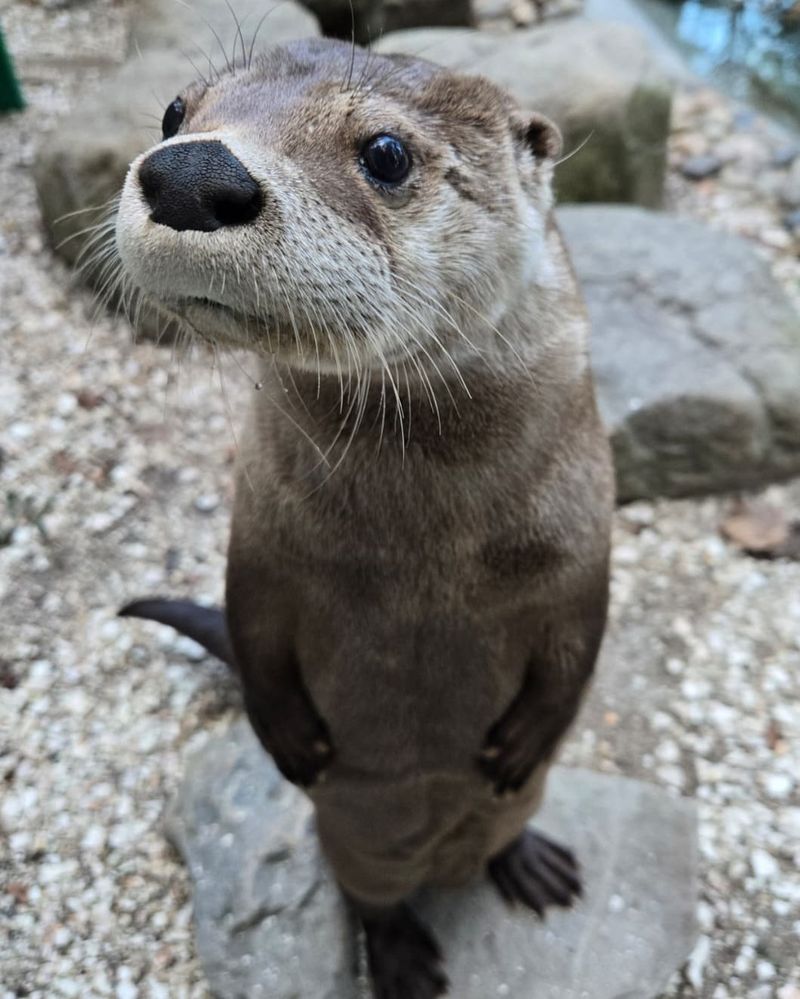
River otters are wild animals, and attempts to frighten them can quickly backfire.
Using motion-activated lights, shouting, banging objects, or spraying water may cause the otter to panic instead of leaving calmly.
A startled otter can behave unpredictably, potentially charging, hiding under structures, or becoming aggressive if it feels cornered.
Stressful disruptions increase the risk of injury to both people and the animal.
In South Carolina, wildlife experts recommend allowing otters to move on naturally rather than trying to force them out.
Calm, passive observation from a safe distance is always safer than active interference.
If the otter appears stuck or distressed, contacting professionals is the appropriate response.
10. Don’t Treat The Encounter As Entertainment Or Get Closer For A Better Look
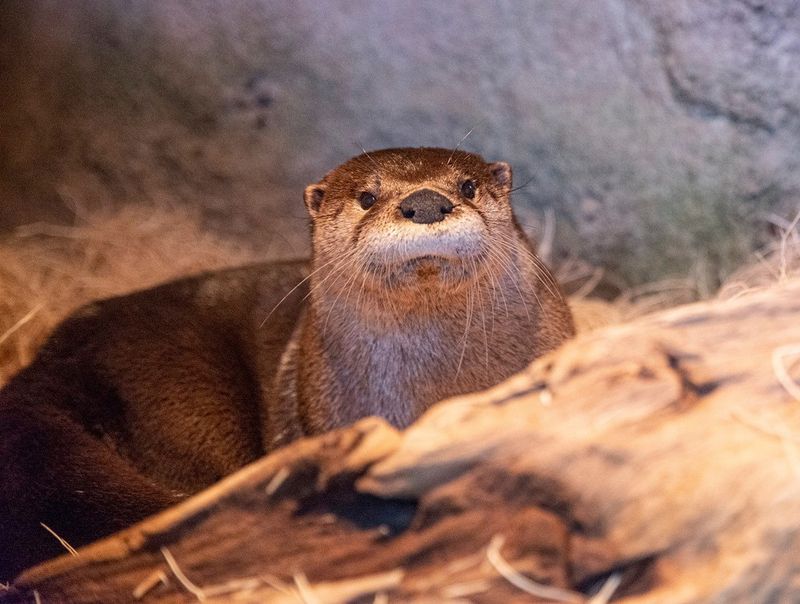
Seeing a river otter in your yard may feel exciting or rare, but it’s not a photo opportunity.
Approaching the animal for a closer view or setting up chairs to watch increases the chance of provoking a defensive reaction.
Otters may look playful, but they have sharp teeth, strong jaws, and fast reflexes.
Even standing quietly outdoors can make the animal feel threatened or blocked.
Children are especially vulnerable because they may underestimate the danger or move suddenly.
Wildlife encounters should never become backyard attractions.
Observing discreetly from inside your home helps keep everyone safe while allowing the otter to leave undisturbed.
11. Don’t Feed The Otter Or Leave Food Out “Just This Once”
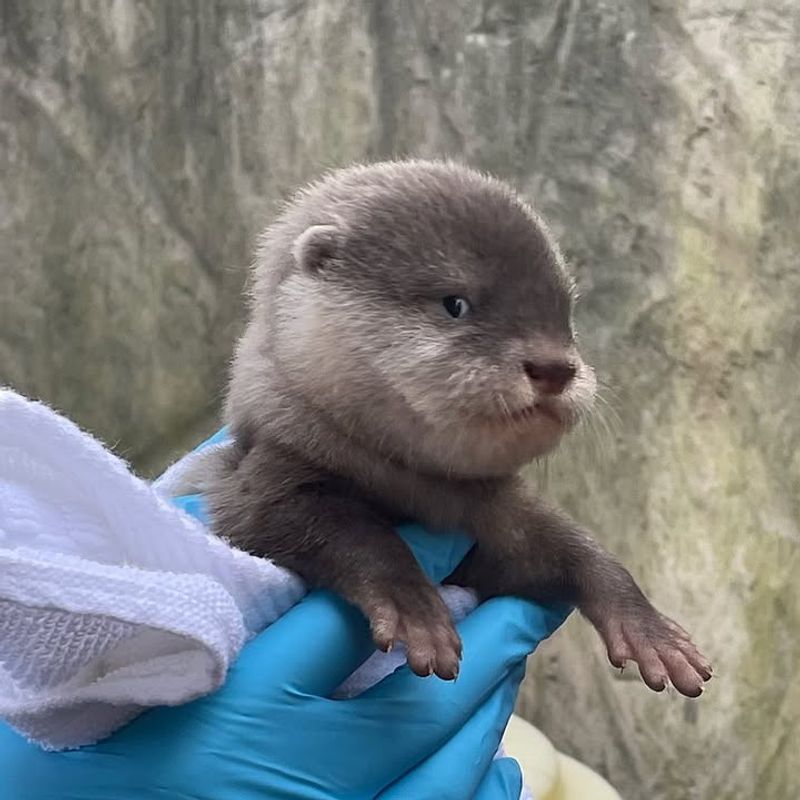
Feeding a river otter is one of the most dangerous mistakes homeowners can make.
Human-provided food teaches wildlife to associate yards with easy meals, increasing repeat visits and long-term conflict.
Otters that become food-conditioned may lose their natural hunting instincts and grow bolder around people and pets.
This behavior raises the risk of bites, property damage, and eventual removal or euthanasia by wildlife authorities.
In South Carolina, feeding wildlife is strongly discouraged and may violate local regulations.
Even tossing fish scraps or leaving pet food outside can unintentionally attract otters.
Keeping all food secured helps ensure otters remain wild and capable of surviving on their own.