7 Things To Do If You See A Deer In Your New York Yard (And 3 You Should Not Do)

A deer in a New York yard can stop anyone in their tracks.
One moment brings quiet routine, the next brings a wide-eyed visitor with no sense of property lines.
These animals look calm and graceful, yet they follow instinct, not manners.
As the saying goes, looks can deceive, and a peaceful scene can change fast.
Deer wander into neighborhoods for simple reasons: food, shelter, and safe passage.
Gardens, shrubs, and open lawns offer an easy meal, especially when natural sources run thin.
While the sight may feel charming at first, the wrong reaction can put people, pets, and the animal itself at risk.
A quick decision made without thought often leads to trouble.
New York residents face added concerns, from traffic risks to local wildlife laws.
Some actions protect both sides and help the deer move along without stress.
Other reactions, though common, make matters worse and can even invite injury or fines.
Clear, calm choices keep situations from spiraling.
With the right response, a brief encounter stays just that—a moment, not a problem.
1. Observe Their Body Language Carefully
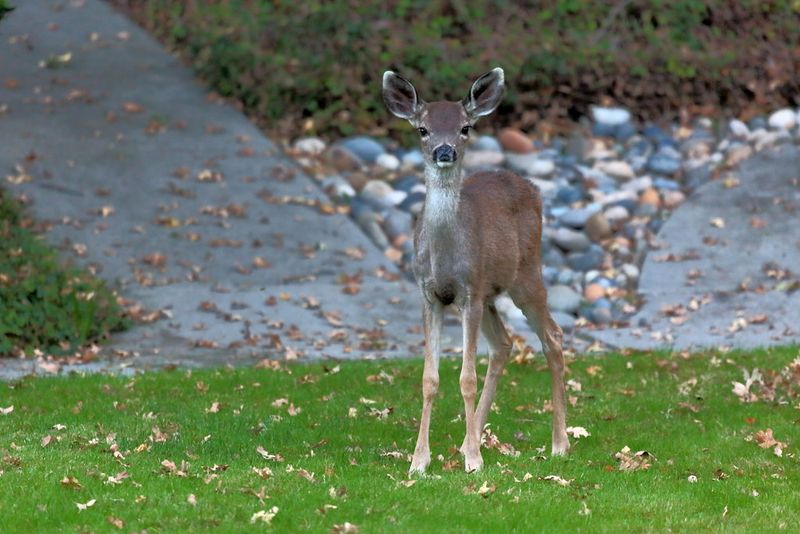
Learning to read a deer’s body language can tell you everything you need to know about how it’s feeling in the moment.
When a deer feels relaxed, it will typically have its ears in a natural position, its tail down, and it might even continue grazing or browsing on plants.
However, warning signs include a raised tail, stomping front hooves, or ears pinned back against its head.
These signals indicate the deer feels threatened and might be preparing to defend itself or flee suddenly.
A deer that’s staring directly at you with its body tense is assessing whether you’re a threat.
During these moments, avoid making eye contact, as deer can interpret this as aggressive behavior.
If you notice a deer snorting or making loud breathing sounds, it’s communicating alarm to other deer in the area.
Understanding these signals helps you gauge when it’s safe to move slowly away or when you should freeze in place.
Mothers with fawns are especially protective and may display more aggressive posturing if they feel their babies are in danger.
By paying attention to these subtle cues, you can better predict the deer’s next move and respond appropriately.
2. Stay Calm And Keep Your Distance
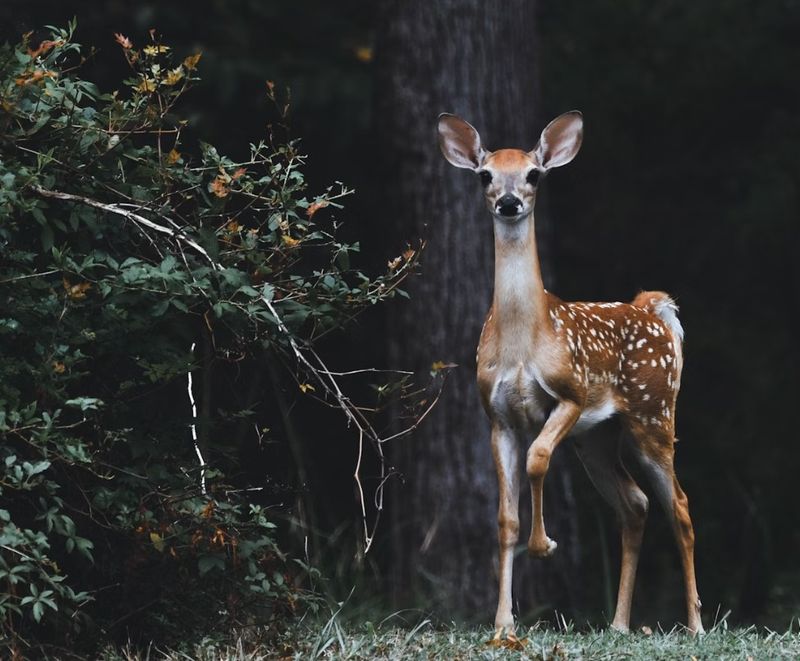
Spotting a deer in your yard can feel like a magical moment, but your first instinct should be to remain perfectly still and avoid sudden movements.
Deer are naturally skittish creatures that startle easily, and any quick gestures or loud noises might cause them to panic and potentially hurt themselves or damage your property.
Your best approach is to observe from at least 50 feet away, giving the animal plenty of personal space to feel secure.
If you’re inside your home, watch through a window rather than stepping outside immediately.
This distance protects both you and the deer from unnecessary stress or potential conflict.
Remember that deer can be unpredictable, especially during mating season or if they’re protecting fawns.
Their hooves are sharp, and they can move incredibly fast when frightened.
By maintaining a respectful distance, you’re allowing the deer to assess its surroundings and leave on its own terms.
Most deer encounters end peacefully when humans simply give these animals the space they need.
Patience is your greatest tool in these situations, so resist the urge to get closer for a better look or photo opportunity.
3. Secure Your Pets Immediately

Dogs are natural predators with strong chase instincts, and even the friendliest family pet can’t resist pursuing a deer that suddenly appears in their territory.
The moment you spot a deer, bring your pets inside or secure them on a leash before they notice the visitor.
A dog chasing a deer can lead to serious injuries for both animals, not to mention the possibility of your pet getting lost while pursuing wildlife into unfamiliar areas.
Deer can outrun most dogs easily, but they might also turn and defend themselves with powerful kicks if cornered.
Even cats should be brought indoors, as deer have been known to stomp on smaller animals they perceive as threats.
If your dog is already outside and has spotted the deer, call them back calmly rather than yelling, which could escalate the situation.
Use treats or their favorite toy to distract them from the deer.
Once your pets are safely contained, they’ll likely continue barking or showing interest, but at least they won’t be able to chase the deer or put themselves in harm’s way.
This precaution protects everyone involved and helps the deer leave your property peacefully without added stress.
4. Give The Deer A Clear Exit Route
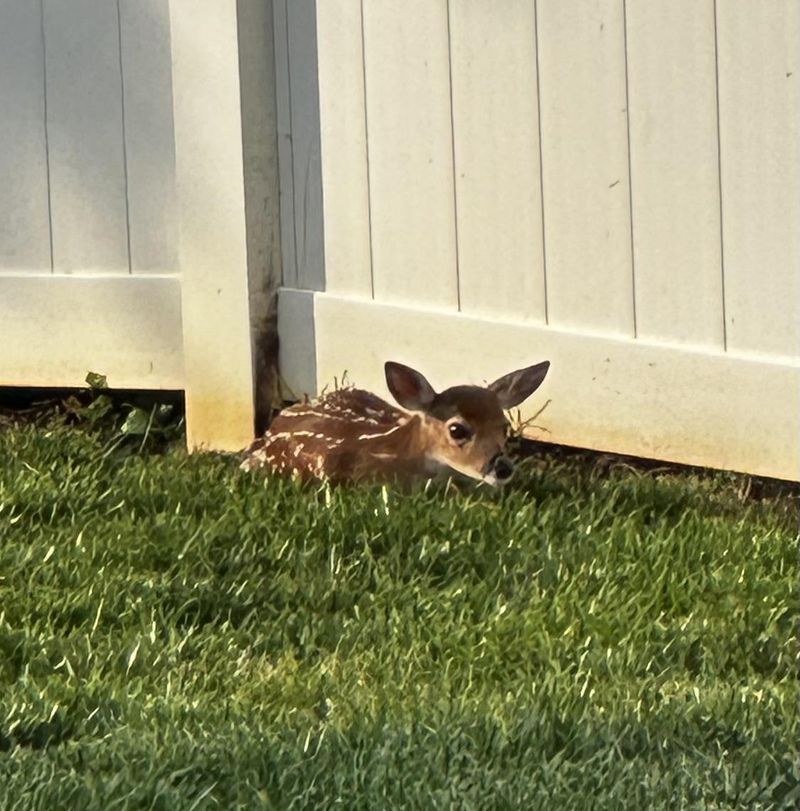
Deer that wander into yards sometimes become confused or trapped, especially if your property has fencing or other barriers that block their natural escape routes.
Your job is to help them find their way out without adding to their panic.
Look around your yard and identify the most obvious exit point, then make sure nothing is blocking that path.
If you have a gate, open it wide to create an inviting passage.
Remove any outdoor furniture, toys, or decorations that might obstruct the deer’s view of potential exits.
Deer prefer to leave the same way they entered, so watch where they came from and keep that area accessible.
If the deer seems disoriented, you can gently encourage movement toward the exit by standing on the opposite side, but never try to herd or corner them.
Trapped deer can become extremely agitated and may injure themselves trying to jump over fences or crash through obstacles.
Sometimes the best action is simply stepping back indoors and allowing the deer time to find the exit on its own.
Most deer will leave within minutes once they feel safe enough to move and can see a clear way out.
5. Document The Encounter From Afar
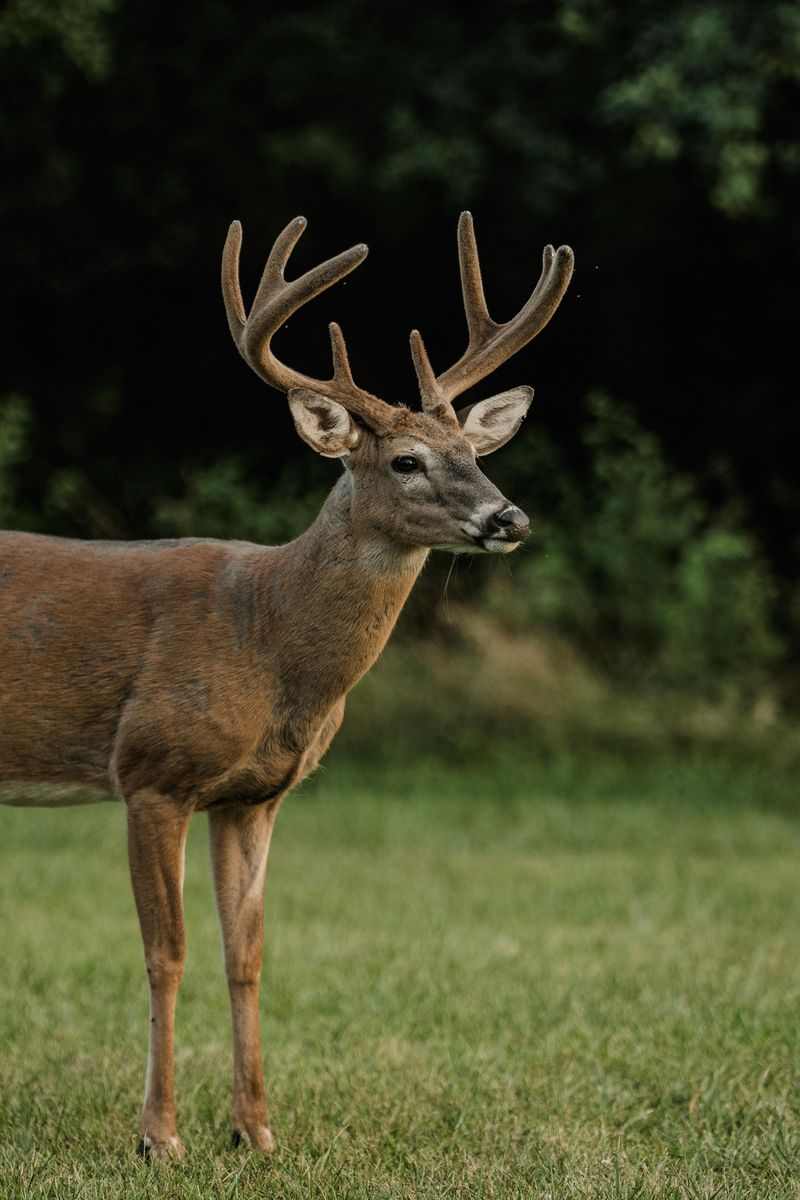
Capturing photos or videos of your deer visitor can be a wonderful way to remember the experience, but safety should always come before getting the perfect shot.
Use your smartphone or camera from inside your home, shooting through windows to maintain a safe barrier between you and the animal.
If you’re already outside when you spot the deer, use your phone’s zoom feature rather than physically moving closer.
Modern smartphones have impressive zoom capabilities that let you capture detailed images without invading the deer’s space.
Avoid using flash photography, as the sudden bright light can startle the deer and cause it to panic or run in dangerous directions.
Natural lighting works best for wildlife photography anyway, giving you more authentic and beautiful images.
Keep your movements slow and minimal while documenting the encounter.
Remember that your priority is the deer’s wellbeing, not social media content.
If the deer shows any signs of stress or agitation, put your camera away and give it space.
These photos can also be useful if you need to report frequent deer activity to local wildlife authorities or if the deer appears injured or sick.
Just make sure your documentation efforts never compromise safety or cause additional stress to the animal.
6. Check For Injured Or Orphaned Fawns
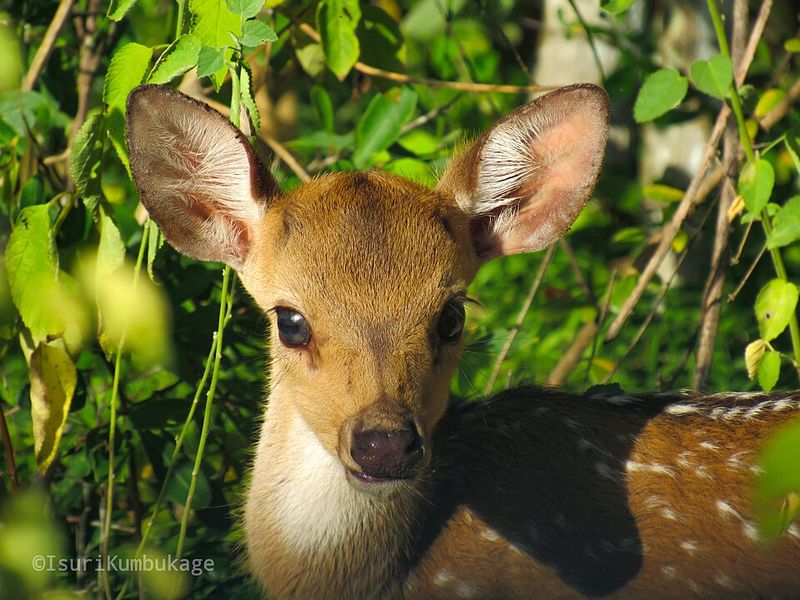
Baby deer, called fawns, are sometimes found alone in yards during late spring and early summer, which often worries homeowners who assume they’ve been abandoned.
However, mother deer frequently leave their fawns hidden in safe spots while they go off to forage for food.
Fawns have almost no scent, and their spotted coats provide excellent camouflage, making this hiding strategy very effective against predators.
If you find a fawn alone in your yard, observe it from a distance without approaching or touching it.
A healthy fawn will appear calm, with its ears up and eyes bright, lying quietly in place.
The mother typically returns several times throughout the day to nurse, though these visits are brief and easily missed.
Only intervene if the fawn appears genuinely injured, is crying continuously for hours, or is covered in insects, which indicates abandonment.
In such cases, contact a licensed wildlife rehabilitator or your local Department of Environmental Conservation office rather than attempting to care for the fawn yourself.
Human scent on a fawn can sometimes discourage the mother from returning, though this is less common than once believed.
The best practice is always to observe without interference and let nature take its course whenever possible.
7. Report Sick Or Injured Deer To Wildlife Authorities
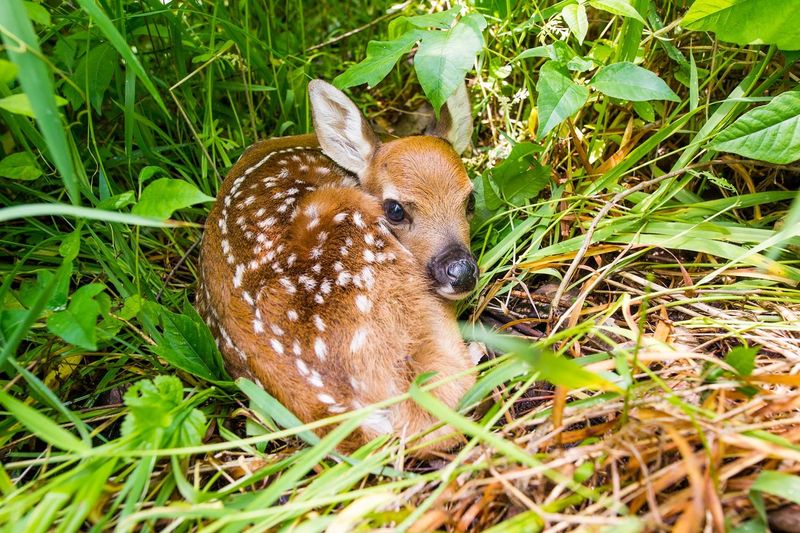
Sometimes deer appear in yards because they’re sick, injured, or disoriented, and these situations require professional intervention rather than personal attempts at rescue.
Signs of illness include excessive drooling, stumbling or disorientation, visible wounds, difficulty walking, or unusual tameness and lack of fear toward humans.
If you notice any of these symptoms, contact the New York State Department of Environmental Conservation’s wildlife hotline or your local animal control office immediately.
Provide them with specific details about the deer’s location, appearance, and behavior.
Never attempt to approach, feed, or treat an injured deer yourself, as they can be dangerous even when weakened.
A frightened or hurt deer might lash out with sharp hooves or antlers in self-defense.
Additionally, deer can carry diseases like Chronic Wasting Disease or Lyme disease-carrying ticks that pose risks to humans.
Wildlife professionals have the training, equipment, and legal authority to handle these situations safely and humanely.
Keep pets and family members away from the deer until help arrives.
If the deer is in immediate danger from traffic or other hazards, contact local police as well, who can help secure the area.
Your quick reporting can make a real difference in whether the deer receives appropriate care.
8. Never Attempt To Feed The Deer
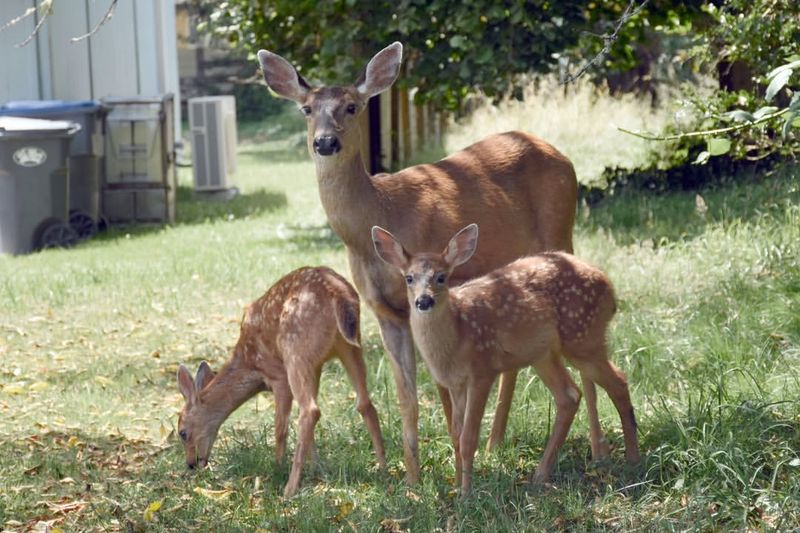
Feeding deer might seem like a kind gesture, but it’s actually one of the worst things you can do for these wild animals and your community.
When deer become accustomed to human-provided food, they lose their natural wariness and become dependent on handouts rather than foraging for appropriate nutrition.
This habituation leads to more frequent visits, property damage, and potentially dangerous encounters as deer become bolder around people.
Human food and even many store-bought deer feeds lack the proper nutrients deer need and can actually cause serious digestive problems.
Deer have specialized stomachs designed for processing woody browse, twigs, and natural vegetation, not bread, corn, or processed foods.
Feeding deer also concentrates them in small areas, which increases disease transmission among the herd and attracts other unwanted wildlife like raccoons and bears.
In many New York municipalities, feeding deer is actually illegal and can result in fines.
These laws exist because artificial feeding disrupts natural population controls and can lead to overpopulation problems.
If you want to help deer, the best approach is to maintain natural habitat on your property with native plants they can browse safely.
Let deer find their own food as nature intended, which keeps them wild, healthy, and appropriately cautious around humans.
9. Do Not Chase Or Attempt To Touch The Deer
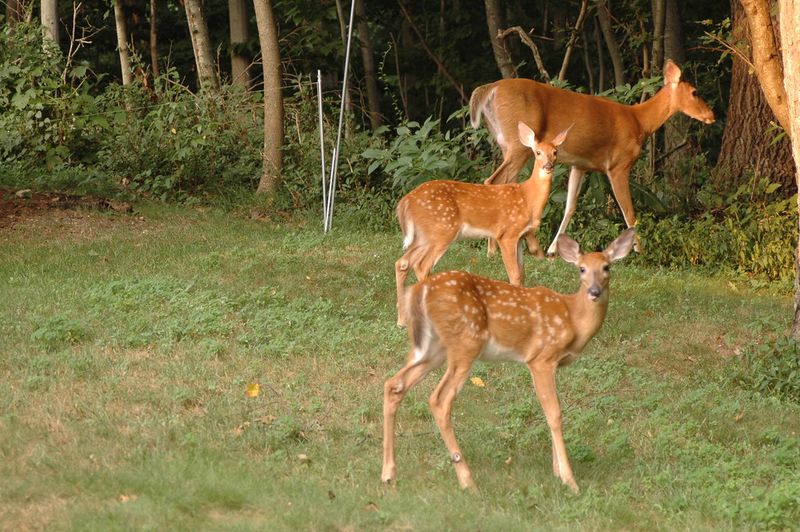
Children and adults alike might feel tempted to get closer to a deer for a better look or even attempt to pet these seemingly gentle creatures, but this is extremely dangerous.
Deer are wild animals with powerful legs and sharp hooves that can cause severe injuries when they feel threatened or cornered.
Even deer that appear calm can react unpredictably to sudden movements or attempts at physical contact.
Chasing a deer causes extreme stress to the animal and can lead to injuries as they panic and flee without regard for obstacles.
Deer have been known to crash through fences, windows, or run into traffic when frightened, putting themselves and others at risk.
During certain times of year, particularly mating season in fall, male deer with antlers become more aggressive and territorial.
Female deer protecting fawns can also become surprisingly aggressive if they perceive you as a threat to their young.
Teaching children to admire wildlife from a distance is an important safety lesson that applies to all wild animals.
Explain that deer belong in nature, not as pets, and that respecting their space is how we show care for them.
If a deer doesn’t run away when you approach, this might indicate illness rather than friendliness, which is another reason to keep your distance and contact wildlife authorities.
10. Avoid Making Loud Noises Or Using Aggressive Tactics

While you might read advice suggesting you should scare deer away with loud noises, this approach often creates more problems than it solves.
Sudden loud sounds like banging pots, shouting, or setting off alarms can cause deer to panic and injure themselves trying to escape.
Panicked deer might run through glass windows, impale themselves on fence posts, or dash into nearby roads where they could cause traffic accidents.
Aggressive tactics also increase stress hormones in deer, which can be particularly harmful to pregnant does or young fawns.
Instead of creating chaos, allow the deer to leave naturally at its own pace once it feels safe.
Most deer visits last only a few minutes before the animals move on to other areas.
If you have recurring deer problems and want to discourage visits long-term, there are humane deterrents like motion-activated sprinklers or deer-resistant landscaping that work without causing trauma.
The goal should always be peaceful coexistence rather than confrontation.
Remember that deer were here first in many areas, and suburban development has encroached on their natural habitat.
Showing patience and understanding rather than aggression helps maintain the balance between human and wildlife needs.
A calm, respectful approach benefits everyone and prevents unnecessary harm to these beautiful animals.