5 Things To Do If You See A Deer In Your Yard In Colorado And 3 You Shouldn’t
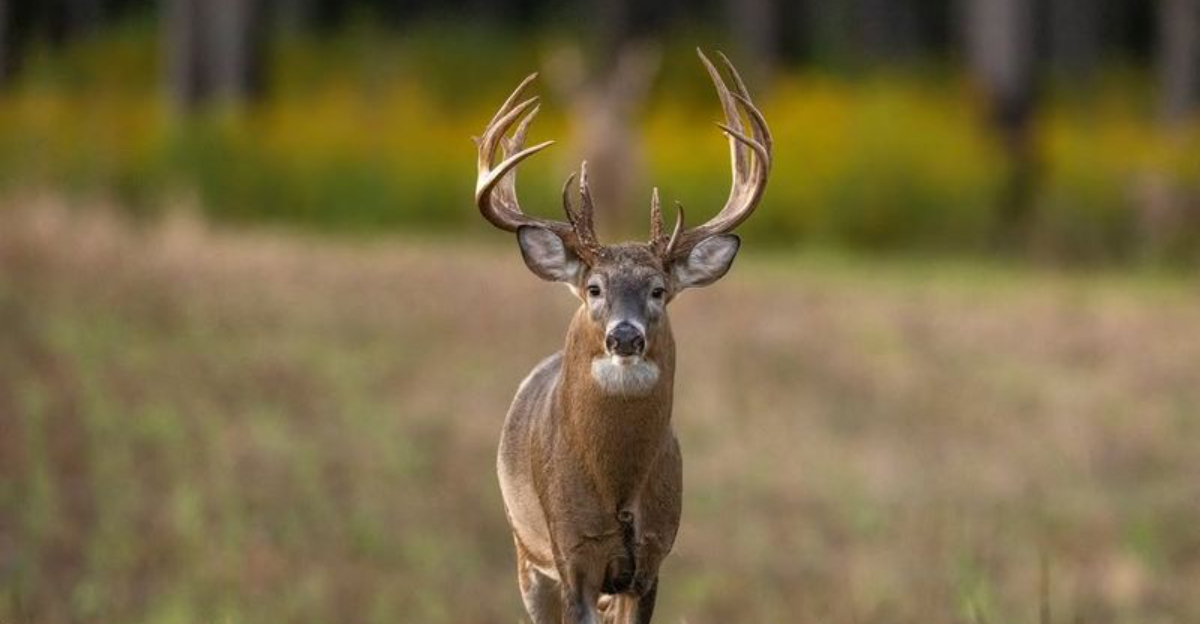
Spotting a deer in your Colorado yard can be both magical and surprising.
These graceful creatures are common throughout the state, especially in areas near mountains, forests, and open spaces.
While it might be tempting to get closer or interact with them, knowing how to respond properly keeps both you and the wildlife safe.
Colorado is home to large deer populations, and as neighborhoods expand into their natural habitats, encounters happen more frequently.
Understanding the right actions to take and which behaviors to avoid is essential for anyone living in or visiting the state.
Deer may seem gentle, but they are still wild animals with unpredictable behaviors, especially during certain seasons.
Whether you are a longtime Colorado resident or new to the area, being prepared for a deer sighting helps protect your property, your pets, and the animals themselves.
This guide covers five smart things you should do when a deer appears in your yard, plus three common mistakes that could lead to trouble.
Following these tips ensures a positive experience for everyone involved.
1. Keep A Safe Distance And Observe Quietly
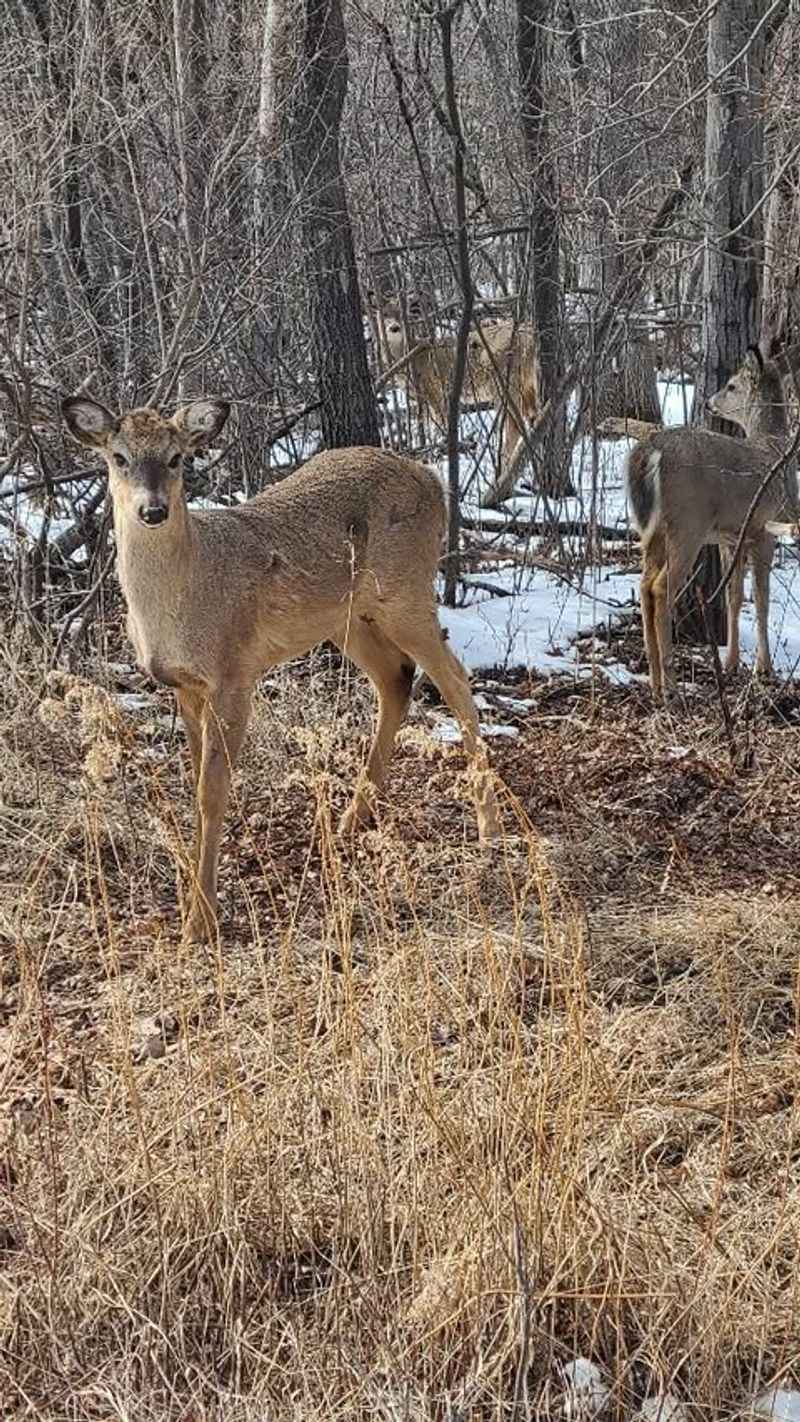
Watching a deer from afar is the best way to enjoy the moment without causing stress or danger.
Most deer in Colorado are mule deer or white-tailed deer, and both species prefer to feel secure in their surroundings.
If they sense a threat, they may bolt suddenly, potentially injuring themselves or damaging property in the process.
Standing at least 50 feet away gives the animal enough space to feel comfortable.
You can observe from a window, deck, or porch without getting too close.
Sudden movements or loud noises can startle them, so staying calm and quiet is key.
Colorado wildlife experts recommend using binoculars if you want a closer look.
This allows you to appreciate the details of their coat, antlers, or behavior without invading their personal space.
Taking photos from a distance is also acceptable, but avoid using flash photography as it can frighten the deer.
Respecting their space shows consideration for the animal and reduces the chance of an aggressive response.
Deer are generally not dangerous, but they can become defensive if they feel cornered or threatened.
Bucks during rutting season and does protecting fawns can be especially unpredictable.
By maintaining distance, you allow the deer to move through your yard naturally and continue on its way without incident.
2. Secure Your Pets Indoors Immediately
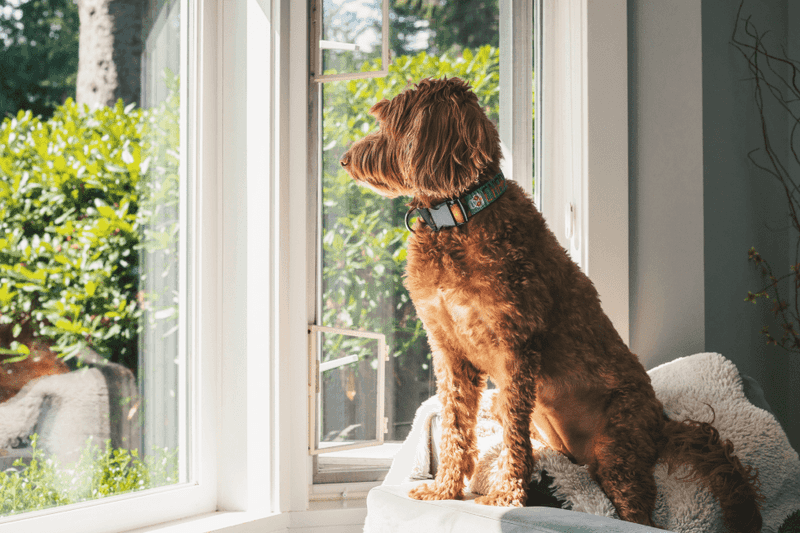
Bringing your pets inside right away prevents potential conflicts between your animals and the deer.
Dogs, in particular, may see deer as something to chase, which can lead to dangerous situations for everyone involved.
Even a friendly dog can trigger a deer’s flight response, causing the animal to run into fences, roads, or other hazards.
Deer can also defend themselves if they feel threatened by a pet.
A swift kick from a deer’s powerful hind legs can seriously injure or even harm a dog.
During certain times of year, like fawn season in late spring and early summer, does become extremely protective of their young and may act aggressively toward any perceived threat.
Cats are generally less likely to provoke deer, but it’s still wise to keep them indoors during an encounter.
Outdoor cats might become frightened and run, potentially getting lost or injured in the process.
Additionally, deer can carry ticks and other parasites that could transfer to your pets.
Colorado residents often share their neighborhoods with wildlife, so having a plan for securing pets quickly is important.
Keep leashes near doors and train dogs to come when called, even when distractions are present.
This preparation makes it easier to act fast when a deer appears.
Protecting your pets also protects the deer, ensuring a peaceful coexistence in shared spaces.
3. Remove Or Protect Attractive Food Sources
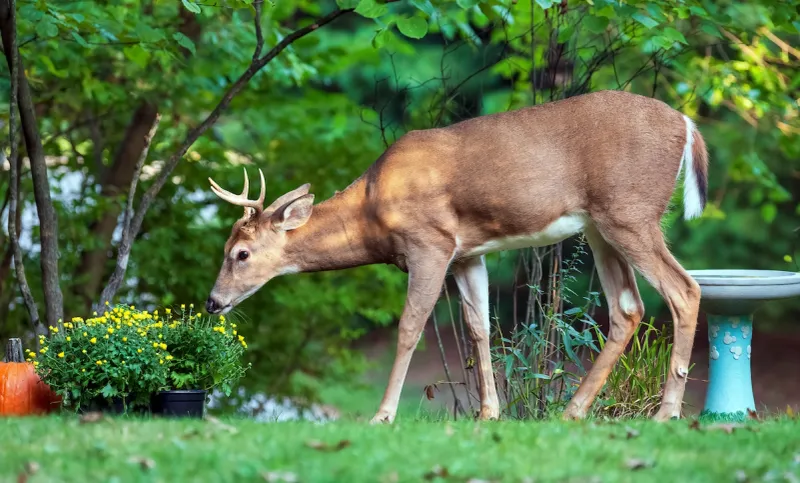
Eliminating easy meals in your yard discourages deer from returning regularly.
Deer are opportunistic feeders and will happily munch on gardens, flowers, shrubs, and even bird seed if it’s available.
Once they learn your yard offers food, they’ll keep coming back, which can lead to damaged landscaping and increased encounters.
Gardens with vegetables, fruit trees, and ornamental plants are especially appealing to deer in Colorado.
Consider installing fencing at least eight feet tall, as deer are excellent jumpers.
Alternatively, use deer-resistant plants like lavender, sage, and yarrow, which are less appealing to their taste buds.
Bird feeders can also attract deer, as they’ll eat spilled seed from the ground.
If you notice deer frequenting your yard, temporarily remove feeders or switch to deer-proof models.
Composting areas should be secured as well, since rotting fruits and vegetables can draw wildlife.
Many Colorado homeowners use motion-activated sprinklers or lights to deter deer from entering their yards.
These devices startle the animals without harming them, teaching them to avoid the area.
Applying deer repellent sprays to plants can also help, though they need to be reapplied regularly, especially after rain.
Taking these steps reduces the likelihood of repeat visits and helps maintain a healthy boundary between human spaces and wildlife habitats.
4. Report Sick Or Injured Deer To Wildlife Authorities

Contacting Colorado Parks and Wildlife when you see a deer that appears unwell or hurt is the responsible action.
Wild animals can suffer from diseases, injuries from vehicle collisions, or complications from harsh weather.
Attempting to help the animal yourself can be dangerous and is often illegal without proper permits.
Signs that a deer may need help include limping, visible wounds, difficulty standing, or unusual behavior like wandering in circles.
Deer with chronic wasting disease, a concern in Colorado, may appear disoriented, excessively thin, or show a lack of fear toward humans.
This disease affects the nervous system and is fatal to deer.
When you call wildlife authorities, provide details about the deer’s location, condition, and behavior.
Officials will assess the situation and determine the best course of action, which may include monitoring the animal, providing medical care, or humane intervention if necessary.
They have the training and equipment to handle wildlife safely.
Never try to touch, move, or feed an injured deer.
Even a deer that seems weak can become aggressive when approached, and you could be injured in the process.
Additionally, handling wildlife can expose you to diseases or parasites.
Colorado has resources specifically dedicated to managing wildlife conflicts and health issues, so using these services ensures the best outcome for the animal and your community.
5. Educate Your Family About Proper Wildlife Behavior
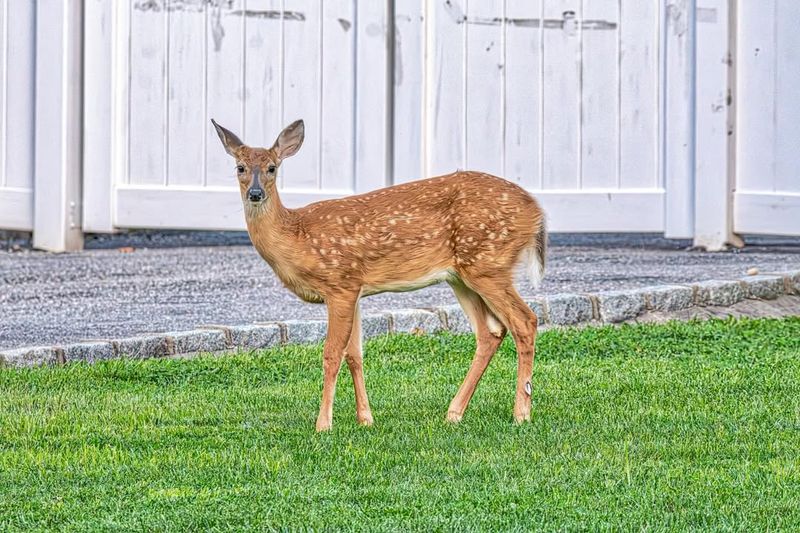
Teaching everyone in your household how to react around deer creates a safer environment for all.
Children, especially, may not understand that deer are wild animals and could approach them thinking they’re friendly like pets.
Educating family members about appropriate behavior helps prevent accidents and promotes respect for wildlife.
Explain that deer should never be fed, touched, or chased.
Feeding wildlife disrupts their natural behaviors and can make them dependent on humans, which ultimately harms them.
It’s also illegal in many Colorado communities.
Chasing deer can cause them extreme stress and may lead to injuries as they flee in panic.
Show kids how to observe deer quietly from a distance and appreciate their beauty without interference.
Use the opportunity to teach about Colorado’s ecosystems, the role deer play in the environment, and why coexisting peacefully with wildlife matters.
Many children find these lessons fascinating and will remember them throughout their lives.
Discuss what to do if a deer approaches too closely.
The best response is to back away slowly, make yourself appear larger by raising your arms, and speak in a firm, calm voice.
Running away can trigger a chase response, so moving steadily and deliberately is safer.
Having these conversations before an encounter happens ensures everyone knows what to do when the moment arrives, reducing panic and promoting smart decision-making.
6. Don’t Attempt To Feed The Deer

Offering food to deer might seem kind, but it actually causes more harm than good.
Feeding wildlife disrupts their natural foraging behaviors and can lead to dependency on humans for survival.
Deer that become accustomed to being fed lose their natural wariness and may approach people or roads more frequently, increasing the risk of vehicle collisions and other dangers.
Human food is not appropriate for deer and can cause serious digestive problems.
Their stomachs are designed to process specific plants, grasses, and browse found in their natural habitat.
Introducing bread, processed foods, or even large amounts of corn can lead to illness or nutritional imbalances.
In Colorado, feeding deer is prohibited in many areas due to concerns about disease transmission.
When deer congregate in one location to feed, they’re more likely to spread chronic wasting disease and other illnesses.
These gathering spots also attract predators, creating additional risks for the deer population.
Feeding deer can also create conflicts with neighbors and local authorities.
Properties that attract deer through feeding often experience increased wildlife activity, which can lead to complaints about property damage, noise, and safety concerns.
Fines and penalties may apply in areas where feeding is illegal.
Allowing deer to find their own food keeps them wild, healthy, and behaving naturally, which is ultimately what’s best for the animals and the Colorado ecosystem.
7. Don’t Try To Touch Or Approach The Deer
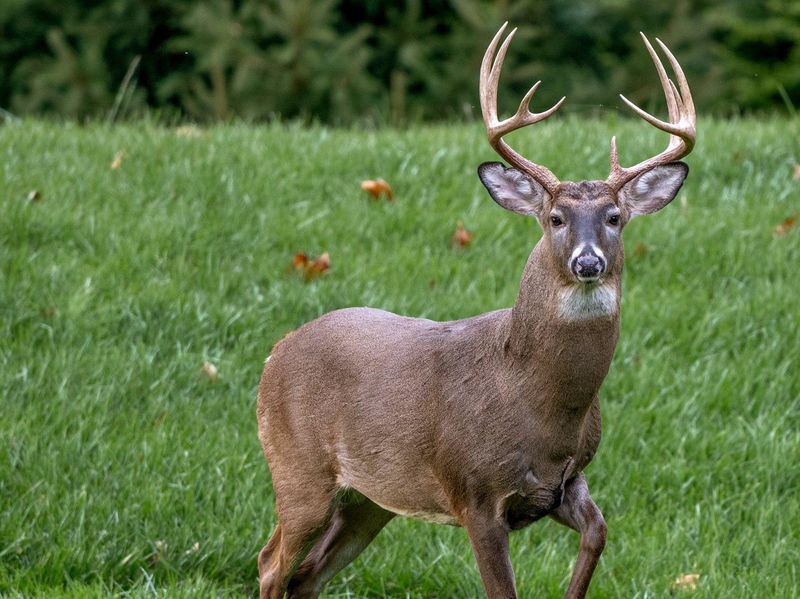
Getting too close to a deer puts both you and the animal at risk.
While deer may appear calm and gentle, they are unpredictable wild animals capable of causing injury.
Bucks have antlers that can inflict serious wounds, and does can kick with tremendous force when they feel threatened or are protecting their young.
Approaching a deer causes stress and may trigger a defensive reaction.
During rutting season in the fall, male deer become territorial and aggressive, making them particularly dangerous.
Does with fawns in late spring and early summer are equally protective and will defend their babies if they perceive a threat.
Even if a deer doesn’t attack, getting too close can cause it to flee recklessly.
Panicked deer may run into fences, vehicles, or other obstacles, resulting in injuries.
They might also run toward roads, creating hazards for drivers and increasing the likelihood of collisions.
Some people mistakenly believe that a deer standing still is comfortable with their presence.
However, deer often freeze when they feel uncertain or scared, assessing whether to flee or defend themselves.
This stillness is not an invitation to approach.
Colorado wildlife officials consistently warn residents to maintain distance from all wildlife.
Respecting these boundaries ensures your safety and allows the deer to move through the area without additional stress or danger.
Observing from afar is always the smarter, safer choice.
8. Don’t Make Loud Noises Or Sudden Movements To Scare Them
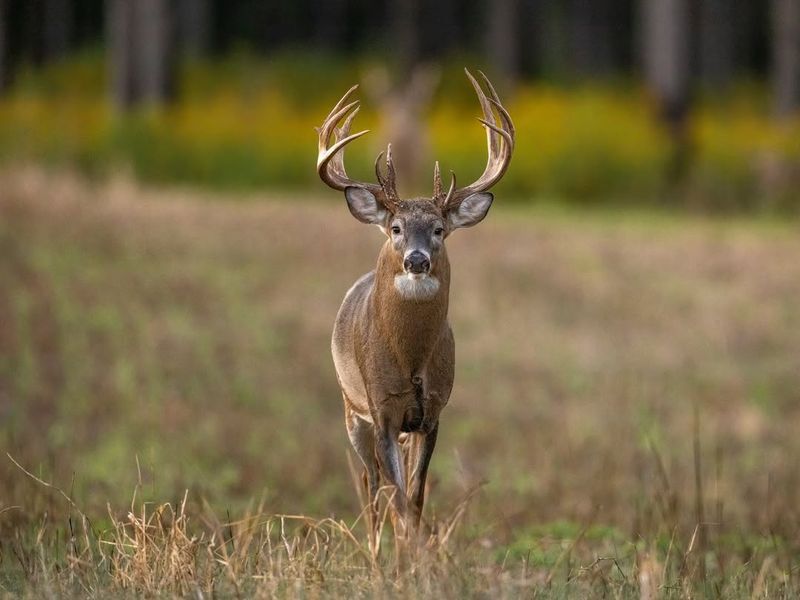
Trying to frighten a deer with yelling, clapping, or sudden actions can backfire in multiple ways.
While your intention might be to encourage the deer to leave quickly, aggressive behavior can cause the animal to panic and make poor decisions.
A frightened deer may run into obstacles, crash through fences, or dart into traffic, leading to injuries or worse outcomes.
Startling a deer also increases the chance of a defensive response.
If the animal feels cornered or threatened, it may charge or strike out rather than flee.
This is especially true if the deer is a doe protecting fawns or a buck during mating season when hormones make them more aggressive.
Colorado residents should remember that deer are a natural part of the landscape and will usually move on their own once they feel safe.
Patience is often the best strategy.
If you need the deer to leave your yard, gentle encouragement works better than aggressive tactics.
Calmly walking toward the deer while maintaining distance and speaking in a normal tone usually prompts them to move along without panic.
Loud noises can also disturb neighbors and other wildlife in the area.
Creating unnecessary chaos affects the entire community and ecosystem.
Respecting the deer’s presence and allowing it to leave naturally demonstrates good stewardship of Colorado’s wildlife.
When you stay calm and quiet, everyone benefits, and the encounter ends peacefully.