7 Things To Do Right After Frost Damage In Oregon Gardens
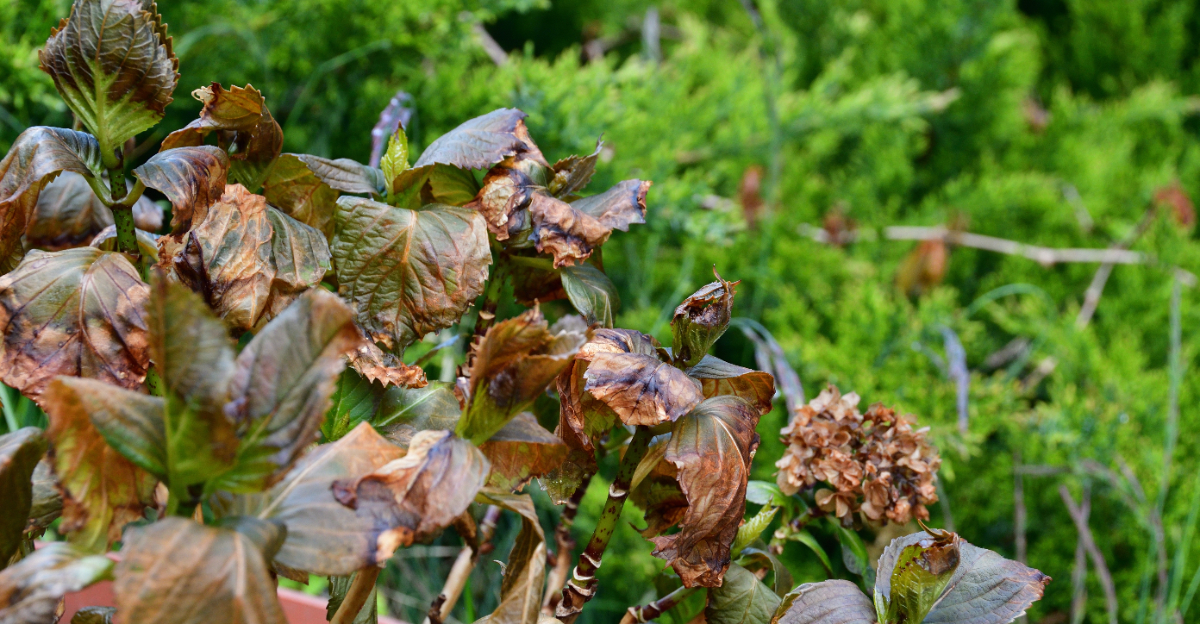
Frost can change a garden overnight. Soft leaves turn limp, flowers darken, and tender growth suddenly looks tired and stressed.
It is tempting to rush in and start cutting or feeding, but the first hours after frost are more about patience than action. Plants often look worse than they really are, and the wrong move too soon can cause more harm than the cold itself.
The goal is to help your garden recover safely, protect what is still healthy, and avoid triggering new damage. Smart, steady care now can make a big difference in how plants bounce back.
The focus is on protecting living tissue, giving roots time to recover, and avoiding moves that force weak new growth too soon. Frost damage can look dramatic, but many plants recover once temperatures stabilize.
With the right approach, you can help your garden regain strength, encourage healthy new shoots, and move past the cold snap without setting plants back further.
1. Don’t Panic – Wait Before You Cut
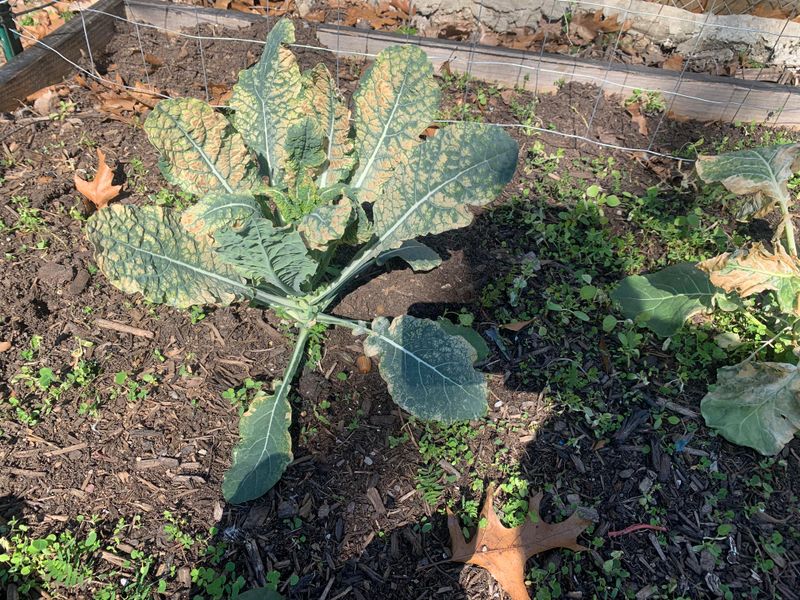
After a hard frost rolls through, your first instinct might be to grab the pruners and start cleaning up the damage. That urge is completely natural, but resist it for now.
What looks dead on the surface might still be very much alive underneath, and cutting too soon can actually harm your plants more than the frost did.
Frost-damaged foliage often acts as a protective layer for the still-healthy tissue below. Those blackened leaves and stems create insulation against follow-up frosts, which are common in Oregon’s unpredictable spring weather.
Remove them too early, and you expose tender new growth to another round of freezing temperatures.
Give your plants at least two to three weeks before making any pruning decisions. During this waiting period, watch for signs of life like swelling buds or tiny green shoots emerging from the base.
Many plants that look completely destroyed will surprise you with vigorous regrowth once temperatures stabilize.
This patience is especially important for woody perennials and shrubs. They need time to redirect energy and resources to undamaged parts.
Cutting prematurely can trigger stress responses that weaken the entire plant. Let nature reveal what’s truly lost before you make permanent decisions with your shears.
2. Check What’s Truly Damaged (Not Just Wilted)
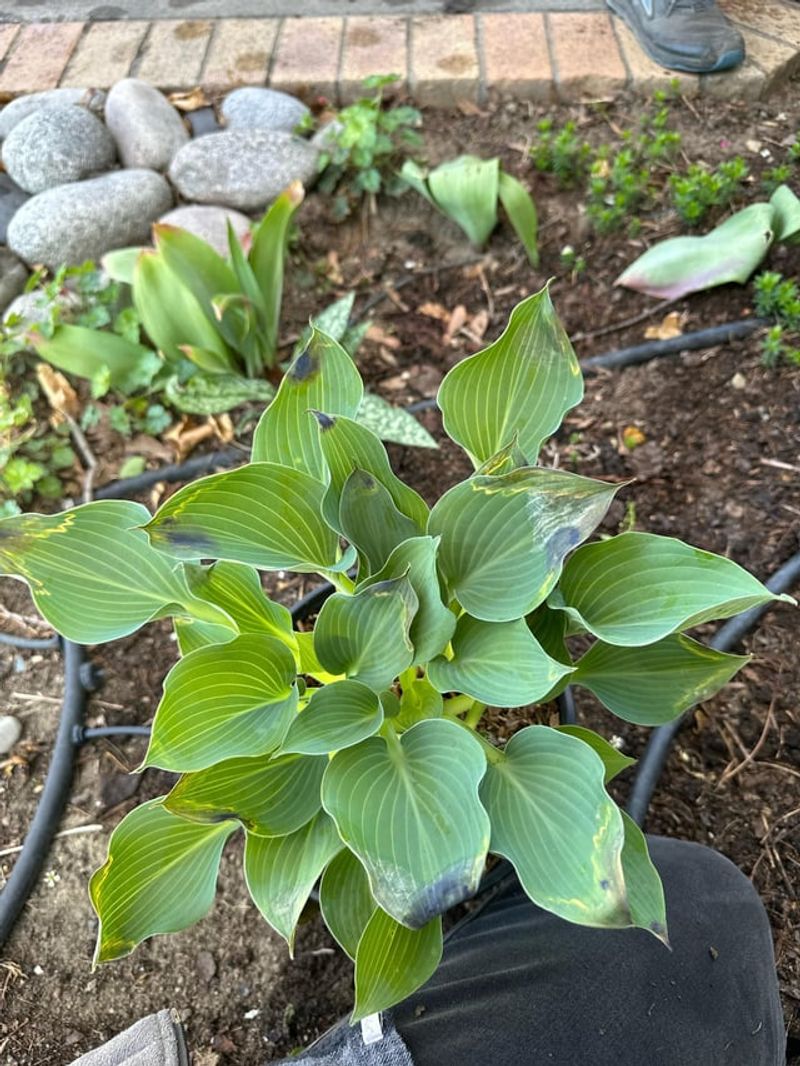
Not everything that looks terrible after frost is actually dead. Learning to tell the difference between cosmetic damage and true plant death saves you from accidentally removing perfectly salvageable growth.
Start by examining stems and branches rather than just focusing on the foliage.
Scratch a small section of bark on woody stems with your fingernail or a knife. If you see green tissue underneath, that branch is still alive and capable of recovery.
Brown or gray tissue all the way through means that section has died. Work your way down from the tips toward the base, checking multiple spots to map out where living tissue begins.
For herbaceous perennials and tender plants, check the crown at soil level. This is where new growth originates, and it’s often protected enough to survive even when everything above ground looks destroyed.
Gently brush away mulch and feel for firm, healthy tissue rather than mushy, discolored material.
Oregon’s mild winters sometimes create false confidence in tender plants, making frost damage more shocking when it happens. But our climate also means plants often have more recovery potential than you’d expect.
That fuchsia that looks completely fried might send up vigorous new shoots from the roots within weeks.
3. Prune Only After New Growth Appears
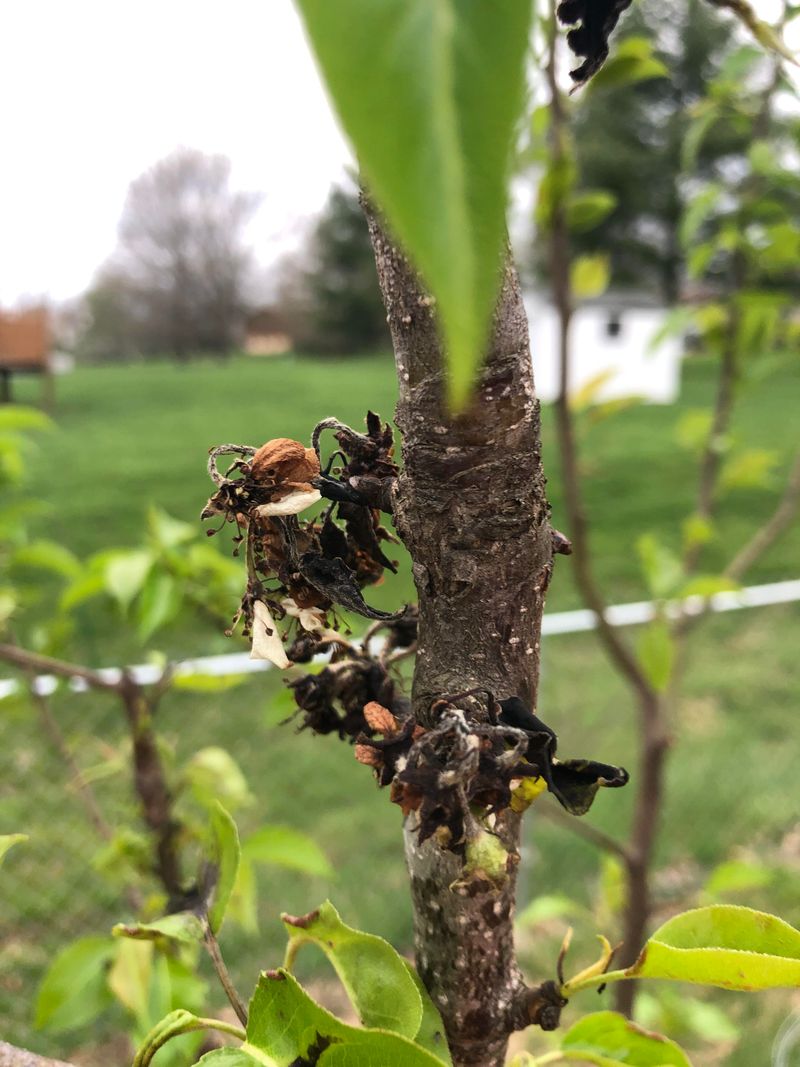
Timing your pruning correctly makes an enormous difference in how well plants recover from frost. Wait until you can clearly see where new growth is emerging before making cuts.
This usually happens four to six weeks after the last frost, depending on the plant species and severity of damage.
When those fresh green shoots finally appear, they tell you exactly where the living tissue begins. Prune dead material back to just above this new growth, making clean cuts at a slight angle.
This approach ensures you’re not accidentally cutting into viable wood that could still produce leaves and flowers.
Some gardeners worry that leaving damaged foliage for weeks looks unsightly, and that’s a fair concern. But aesthetic preferences shouldn’t override plant health.
Those ugly brown leaves are doing important work protecting the recovery process. Your neighbors will understand, and your plants will thank you with stronger regrowth.
For shrubs and woody perennials, this waiting period also lets you see the plant’s natural shape as it recovers. You might discover that what seemed like total devastation is actually just tip damage, with the main structure perfectly intact.
Pruning too early could mean removing branches that would have leafed out beautifully on their own.
4. Water Gently To Reduce Plant Stress
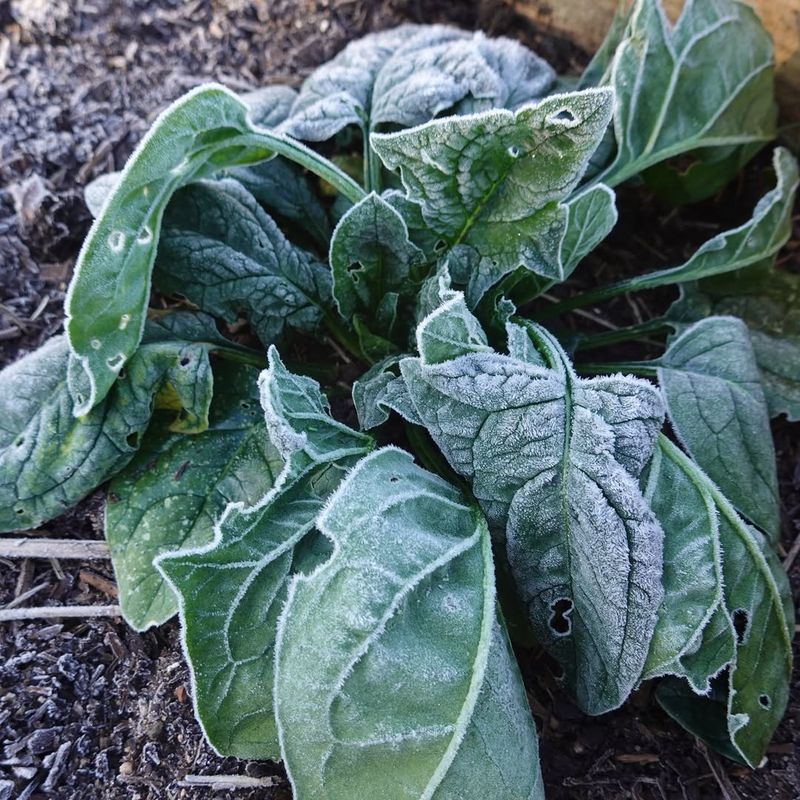
Frost damage stresses plants in ways that aren’t immediately obvious. Their root systems struggle to function properly, and their ability to take up and transport water gets disrupted.
Adjusting your watering routine helps them recover without adding additional stress.
Water frost-damaged plants lightly but consistently, keeping soil evenly moist without saturating it. Waterlogged soil around stressed roots invites rot and disease, especially in Oregon’s naturally damp spring conditions.
Check moisture levels by feeling the soil a few inches down rather than just looking at the surface.
Morning watering works best because it gives foliage time to dry before evening, reducing fungal disease risk. This is particularly important after frost, when damaged tissue is more vulnerable to infections.
Avoid overhead watering if possible, directing water to the root zone instead.
Plants with damaged leaves can’t regulate water loss through transpiration as effectively as healthy ones. This means they need less water than usual, not more.
Overwatering stressed plants is one of the most common mistakes gardeners make after frost damage. Let the plant’s recovery pace guide your watering frequency, adjusting as new growth appears and the plant regains vigor.
5. Skip Fertilizer Until Plants Recover
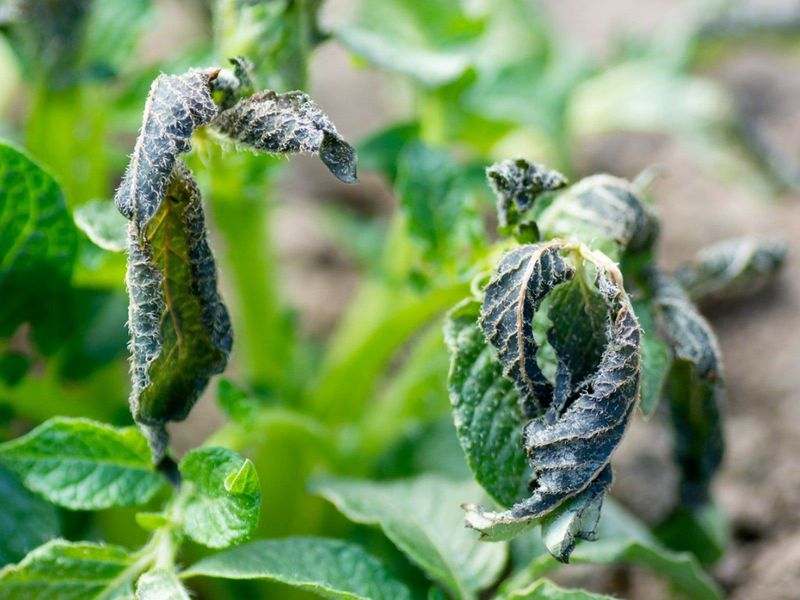
When plants look sad and struggling, the temptation to feed them back to health is strong. But fertilizing frost-damaged plants is like forcing an injured athlete to run a marathon.
Their systems aren’t ready to process and use those nutrients, and pushing them can cause more harm than good.
Damaged roots can’t efficiently absorb fertilizer, which means excess nutrients just sit in the soil. In Oregon’s rainy climate, this often leads to nutrient runoff into waterways or salt buildup around roots.
Both scenarios create problems for your plants and the broader environment.
Wait until you see vigorous new growth emerging before applying any fertilizer. This usually means waiting at least six to eight weeks after frost damage occurs.
When plants are actively growing again, they can actually use the nutrients you provide rather than being overwhelmed by them.
Focus first on helping plants stabilize and redirect their energy toward recovery. Once they’re clearly on the mend with healthy new leaves and shoots, a light application of balanced fertilizer can support continued growth.
Start with half the recommended strength and increase gradually as the plant shows it can handle more. Patience here pays dividends in stronger, healthier plants by mid-summer.
6. Protect Roots With Fresh Mulch
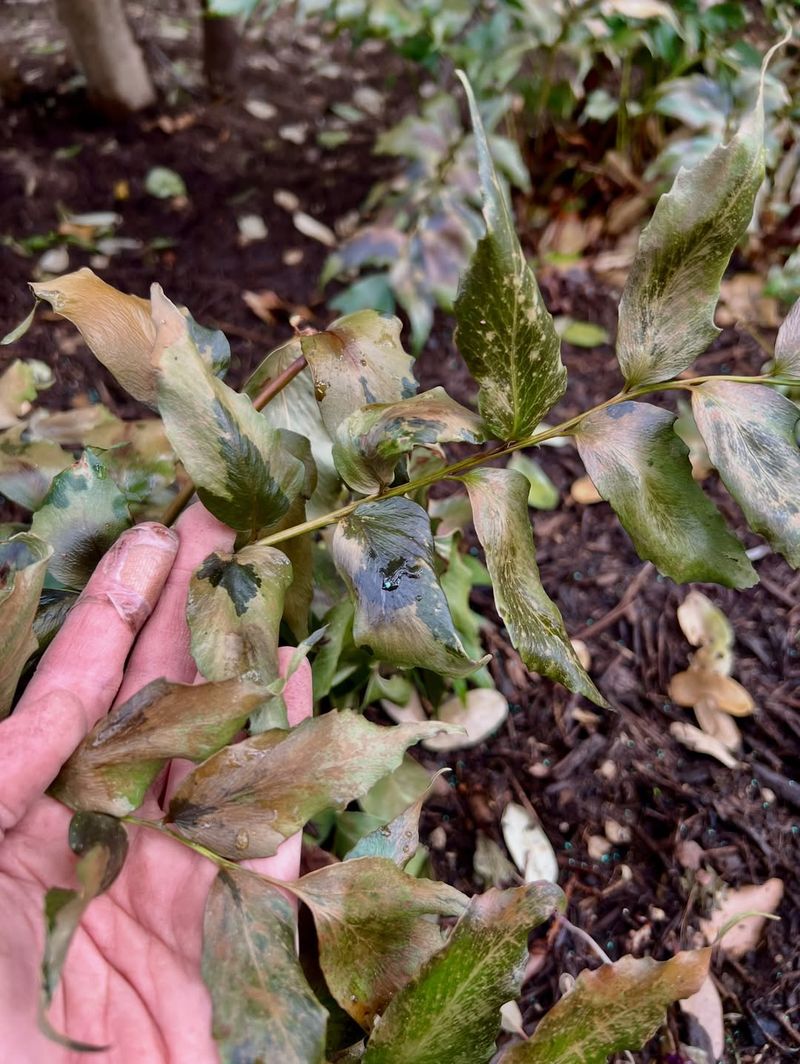
While you’re waiting for above-ground recovery, you can actively help what’s happening below the soil. Adding a fresh layer of mulch around frost-damaged plants protects their roots and creates ideal conditions for regrowth.
This simple step makes a measurable difference in recovery speed.
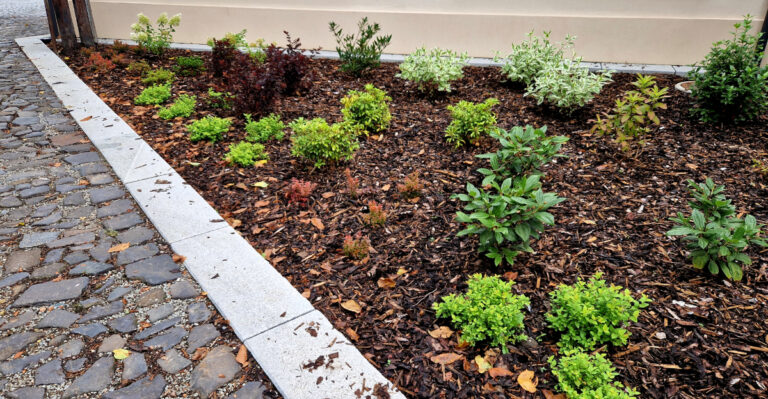
Apply two to three inches of organic mulch like wood chips, leaf mold, or compost around the base of affected plants. Keep mulch a few inches away from stems and trunks to prevent rot, creating a donut shape rather than a volcano.
This insulates roots against temperature swings while maintaining consistent soil moisture.
Oregon’s spring weather can be wildly unpredictable, swinging from warm and sunny to cold and wet within days. Mulch acts as a buffer against these fluctuations, helping roots stay in their optimal temperature range.
This stability lets plants focus energy on recovery rather than constantly adjusting to changing conditions.
Fresh mulch also improves soil structure as it breaks down, feeding beneficial microorganisms that support plant health. In our naturally acidic Oregon soils, organic mulches gradually improve nutrient availability and drainage.
This creates a better growing environment not just for recovery, but for long-term plant vigor. It’s one of those rare garden tasks that provides both immediate and lasting benefits.
7. Replant Smart – Replace Only What’s Lost
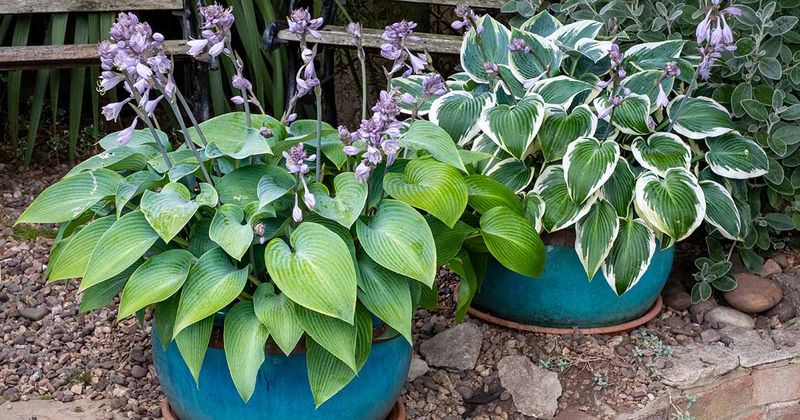
Eventually, you’ll need to accept that some plants won’t recover. Maybe that tender tropical finally met its match, or a borderline-hardy shrub just couldn’t handle this particular cold snap.
Once you’re certain a plant is truly gone, thoughtful replacement choices prevent repeating the same disappointment next year.
Before rushing to the nursery, consider what the frost event taught you about your garden’s microclimates. That spot where the fuchsia died might be a frost pocket that stays colder than surrounding areas.
Or perhaps it’s simply too exposed for tender plants. Use this knowledge to choose replacements better suited to the actual conditions.
Look for plants rated at least one zone hardier than your official USDA designation. Oregon’s variable weather means our zone ratings don’t tell the whole story.
A plant rated for zone 8 might struggle in a zone 8 garden if it’s exposed to east winds or situated in a low spot where cold air settles.
Native and Pacific Northwest-adapted plants generally handle our frost patterns better than plants bred for other climates. They’ve evolved with our cool, wet springs and occasional late freezes.
Choosing regionally appropriate replacements means less anxiety during future cold snaps and more time enjoying your garden rather than worrying about it.