7 Things To Do When A Feral Hog Enters Your Georgia Yard (And 3 You Shouldn’t)

A feral hog in a Georgia yard turns a quiet afternoon on its head faster than a storm rolling off the Piedmont.
One moment the grass stands calm, the next a hulking shadow roots around as if it owns the deed.
This unwelcome guest carries the grit of a battering ram and the appetite of a runaway freight train, and a homeowner must stay sharp as a tack to keep trouble at bay.
A single misstep can open the door to torn turf, toppled fences, or a dangerous standoff.
At the same time, smart action can send the intruder packing before real damage takes root.
Folks across the Peach State already know a feral hog never plays by the rules, yet a clear plan turns chaos into control.
With the right moves—and a few hard lines you should never cross—you can steer the situation and keep your property standing tall.
1. Keep Your Distance And Stay Calm

Your first instinct when spotting a feral hog might be panic, but staying composed is actually your best defense.
Wild hogs can sense fear and agitation, which might make them more defensive or unpredictable in their behavior.
Maintain at least 50 feet between yourself and the animal whenever possible.
If you’re outside when you notice the hog, slowly back away toward your home or a secure structure without making sudden movements.
Avoid direct eye contact, as some animals interpret this as a threat or challenge.
Speaking in a calm, low voice can help you stay relaxed while also making the hog aware of your presence without startling it.
Remember that feral hogs are generally more interested in finding food than confronting humans.
Most encounters end peacefully when people give these animals space and time to move along naturally.
Never turn your back and run, as this could trigger a chase response.
Instead, move sideways or backward while keeping the hog in your peripheral vision until you reach safety.
Once indoors, keep children and pets inside until the animal leaves your property completely.
2. Bring Pets And Children Inside Immediately

Children and pets are naturally curious, which creates a dangerous combination when a wild hog appears in your yard.
Young kids might want to approach what looks like a regular pig, not understanding the risks involved.
Dogs often feel territorial and may bark, charge, or attempt to chase the intruder, escalating the situation quickly.
Call everyone inside using a firm but calm voice to avoid creating panic that might startle the hog.
If your dog is outside on a leash, don’t let them pull you closer to investigate the animal.
Keep a firm grip and guide them toward the house using the shortest, safest route available.
Feral hogs can move surprisingly fast and have sharp tusks that can cause serious injuries to both people and pets.
Mother hogs with piglets are especially protective and may charge if they feel their young are threatened.
Even a medium-sized hog can weigh over 200 pounds and cause significant harm.
Once everyone is safely inside, secure all doors and windows, then observe the hog from a safe vantage point.
This precaution protects your loved ones while allowing you to monitor the situation and decide on your next steps.
3. Contact Georgia Wildlife Authorities

Reporting feral hog sightings helps wildlife officials track population movements and problem areas throughout the state.
Georgia’s Department of Natural Resources maintains records of these encounters to better manage the growing feral hog issue.
Call your local wildlife management office or the Georgia DNR wildlife hotline to report the animal on your property.
Provide specific details including the time of day, approximate size of the hog, and whether you’ve seen multiple animals or just one.
Mention any damage the hog has caused to your property, as this information helps authorities prioritize responses.
In some Georgia counties, wildlife officers can provide guidance specific to your area or even dispatch someone to assess the situation.
They might offer advice on deterrents, fencing options, or removal services depending on local regulations and resources.
Keep the contact information handy for future reference, as one hog sighting often means others are nearby.
Some counties have special programs or partnerships with licensed trappers who can help with persistent problems.
Documentation of your report can also be valuable if you need to file insurance claims for property damage.
Wildlife authorities appreciate citizen reports as they build a clearer picture of where intervention is most needed.
4. Document The Encounter With Photos Or Video
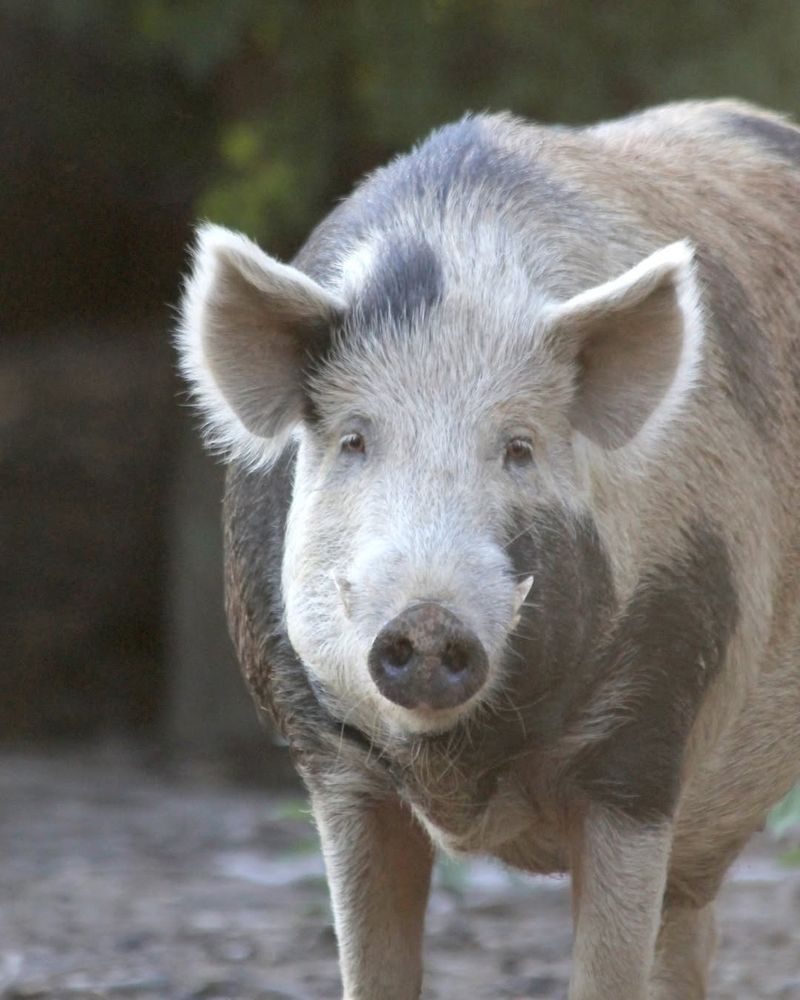
Visual evidence of the feral hog visit serves multiple practical purposes beyond just having an interesting story to share.
Take clear photos or video from inside your home or another safe location where you’re protected.
Capture images showing the hog’s size, any distinctive markings, and the damage it causes to your lawn or garden.
Wildlife officials find this documentation helpful when determining the best course of action for your specific situation.
Photos can also support insurance claims if the animal damages your property, landscaping, or outdoor structures.
Time-stamped images create a record that proves when and how often these animals visit your yard.
If you notice the same hog returning multiple times, photos help identify patterns in its behavior.
Share your documentation with neighbors through community groups or social media to alert others about the potential danger.
This community awareness helps everyone stay vigilant and take appropriate precautions.
Never compromise your safety to get a better shot or closer angle of the animal.
Zoom features on modern phones work well for capturing details from a distance.
Keep your documentation organized with dates and notes about each encounter for future reference.
5. Secure Your Garbage And Remove Food Sources
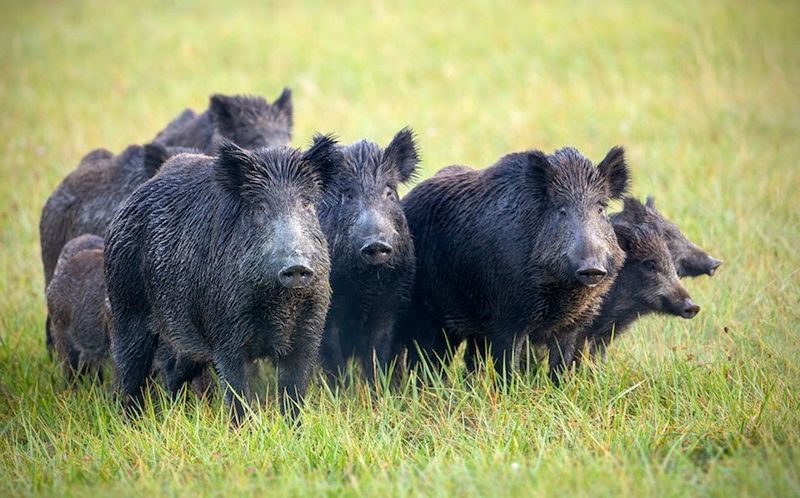
Feral hogs have an incredible sense of smell and can detect food from remarkable distances, making your trash a major attraction.
Invest in heavy-duty garbage cans with locking lids that animals cannot easily tip over or pry open.
Store trash containers inside a garage or shed until collection day whenever possible.
If you compost, make sure your bin is fully enclosed and secured, as decomposing organic matter draws hogs like a magnet.
Pet food left outside overnight becomes an open invitation for these hungry visitors.
Bring all pet bowls and food inside before dark, when hogs are most active.
Fallen fruit from trees should be collected regularly, as hogs will return repeatedly to orchards and fruit trees.
Bird feeders also attract hogs indirectly by creating seed spillage on the ground below.
Consider bringing feeders inside temporarily if feral hogs become regular visitors.
Garden vegetables, especially root crops like potatoes and carrots, are prime targets for rooting hogs.
Removing these temptations makes your property less appealing and encourages hogs to move elsewhere for meals.
Consistency matters because even one accessible food source can keep bringing them back repeatedly.
6. Install Motion-Activated Lights And Sprinklers

Feral hogs prefer to forage under the cover of darkness, making them vulnerable to sudden lights and unexpected water spray.
Motion-activated lighting systems startle hogs when they enter your yard, often sending them in search of easier, darker places to root.
Position lights strategically around your property’s perimeter, focusing on areas where you’ve seen evidence of hog activity.
Bright LED lights work best and consume less energy while providing maximum illumination.
Motion-activated sprinklers add another layer of deterrence by combining sound, movement, and water spray.
Hogs dislike getting unexpectedly soaked and will typically retreat when sprinklers activate.
These systems work around the clock without requiring you to be awake or watching.
Installation is relatively simple for most homeowners, and the devices run on batteries or connect to existing outdoor electrical outlets.
Adjust sensitivity settings to avoid false triggers from small animals or wind-blown debris.
The combination of lights and sprinklers creates an unwelcoming environment that trains hogs to avoid your property.
This humane approach protects your yard without harming the animals.
Over time, hogs learn to associate your property with unpleasant surprises and seek food elsewhere.
7. Reinforce Fencing Around Your Property
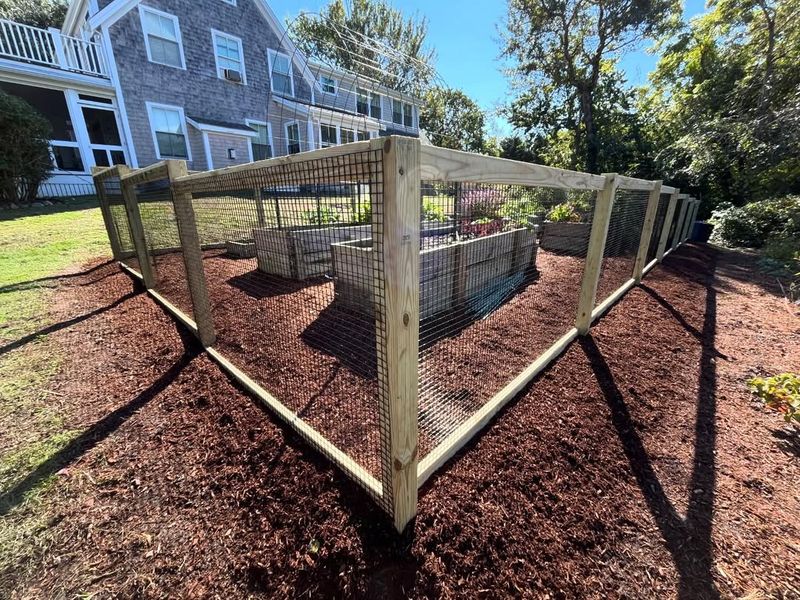
Standard residential fencing rarely stops a determined feral hog from entering your yard.
These powerful animals can push through weak spots, dig under barriers, or even knock down flimsy panels.
Upgrading to hog-proof fencing requires sturdy materials like cattle panels, welded wire, or heavy chain link.
The fence should stand at least four feet tall, as hogs can climb or jump over shorter barriers.
Bury the bottom edge at least 12 inches deep or bend it outward underground to prevent digging underneath.
Hogs are excellent rooters and will excavate beneath fences if they sense food on the other side.
Check your existing fence line regularly for damage, weak posts, or gaps that need repair.
Gates represent common weak points, so reinforce them with extra support and secure latches.
Electric fencing adds an effective psychological barrier that trains hogs to avoid your property entirely.
A properly installed electric fence delivers a memorable but harmless shock that discourages repeat visits.
Consult with fencing professionals experienced in wildlife exclusion for the best results.
While fencing requires upfront investment, it provides long-term protection for your property and peace of mind.
8. Don’t Approach Or Attempt To Touch The Hog
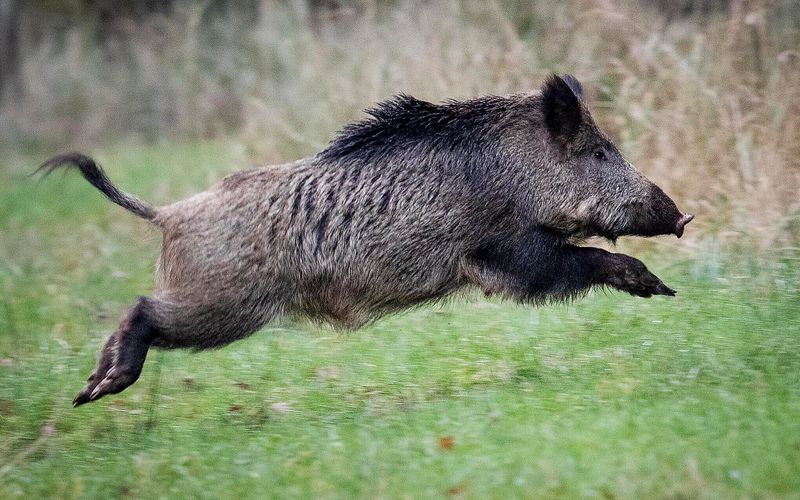
Curiosity and the mistaken belief that feral hogs are just farm pigs lead some people to make dangerous decisions.
Wild hogs are unpredictable animals with sharp tusks and powerful bodies capable of causing serious harm.
Even hogs that appear calm can react aggressively if they feel cornered or threatened by your presence.
Males, especially during breeding season, become particularly territorial and aggressive toward perceived threats.
Females with young piglets will fiercely defend their offspring against anyone who gets too close.
Feral hogs also carry numerous diseases including brucellosis, pseudorabies, and various parasites transmissible to humans.
Direct contact or even proximity to these animals increases your risk of contracting something serious.
Some people think offering food will make the hog friendly or easier to manage, but this only reinforces its presence.
Fed hogs lose their natural wariness of humans and become bolder, creating bigger problems for you and your neighbors.
Attempting to herd or chase the hog away often backfires, causing the animal to charge instead of retreat.
Professional wildlife handlers have training and equipment for safe hog management that ordinary homeowners lack.
Your safety and health depend on maintaining respectful distance from these powerful wild animals.
9. Don’t Use Firearms Without Proper Permits And Knowledge
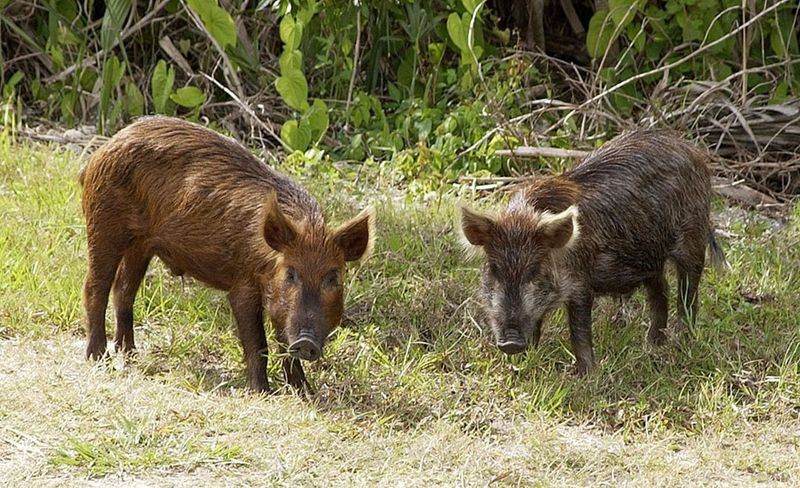
Shooting a feral hog might seem like a straightforward solution, but Georgia law and common sense both require careful consideration.
Discharging firearms in residential areas is illegal in most Georgia municipalities regardless of the target.
Bullets can travel far beyond your property line, potentially striking homes, vehicles, or even people in neighboring yards.
Even experienced shooters can miss their target when adrenaline is high, creating dangerous situations for everyone nearby.
Many homeowners lack the training needed to humanely and safely handle a large, potentially aggressive animal.
Wounded hogs become extremely dangerous and may charge or flee into areas where they pose risks to others.
Georgia regulations regarding feral hog removal vary by county and situation, with some areas requiring special permits.
Landowners must verify local ordinances before taking any lethal action, even on their own property.
Professional trappers and wildlife control experts offer legal, safe alternatives that comply with all regulations.
They have proper equipment, knowledge of animal behavior, and insurance coverage for their work.
Handling remains after shooting also presents health risks and disposal challenges that most people aren’t prepared to manage.
When firearms seem necessary, contact authorities or licensed professionals who can assess the situation properly.
10. Don’t Ignore Repeated Visits Or Property Damage
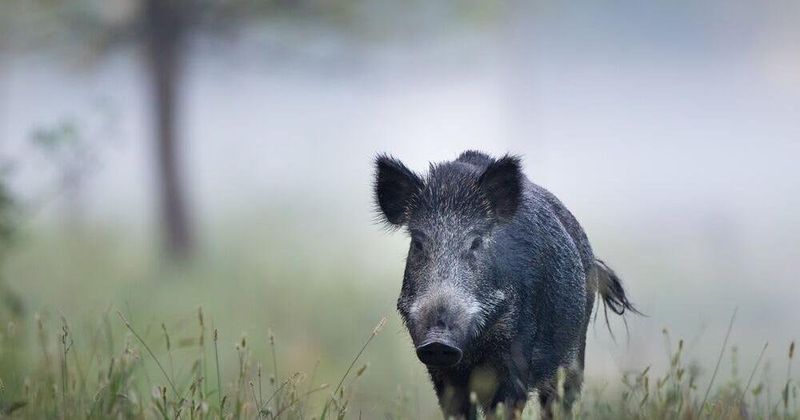
One feral hog visit might seem like a random occurrence, but repeated appearances signal a growing problem requiring action.
Hogs are creatures of habit that return to locations where they’ve found food or favorable conditions.
Ignoring the issue won’t make it disappear and actually encourages more frequent visits from larger groups.
Property damage escalates quickly as hogs root through lawns searching for grubs, roots, and other food.
What starts as minor lawn disruption can become extensive destruction requiring costly repairs and landscaping restoration.
Damaged irrigation systems, destroyed gardens, and undermined foundations represent serious financial consequences.
Your homeowner’s insurance might cover some damage, but repeated claims can affect your premiums and coverage.
Neighboring properties also suffer when you don’t address the problem, as hogs simply move between yards.
Community-wide solutions work better than individual efforts when dealing with established hog populations.
Contact your homeowners association or local government about coordinated management strategies.
Professional wildlife management services can assess your property and implement effective long-term solutions.
Taking prompt action after the first signs of hog activity prevents minor nuisances from becoming major headaches.