6 Things To Do When A Feral Hog Enters Your Mississippi Yard (Plus 4 You Shouldn’t)
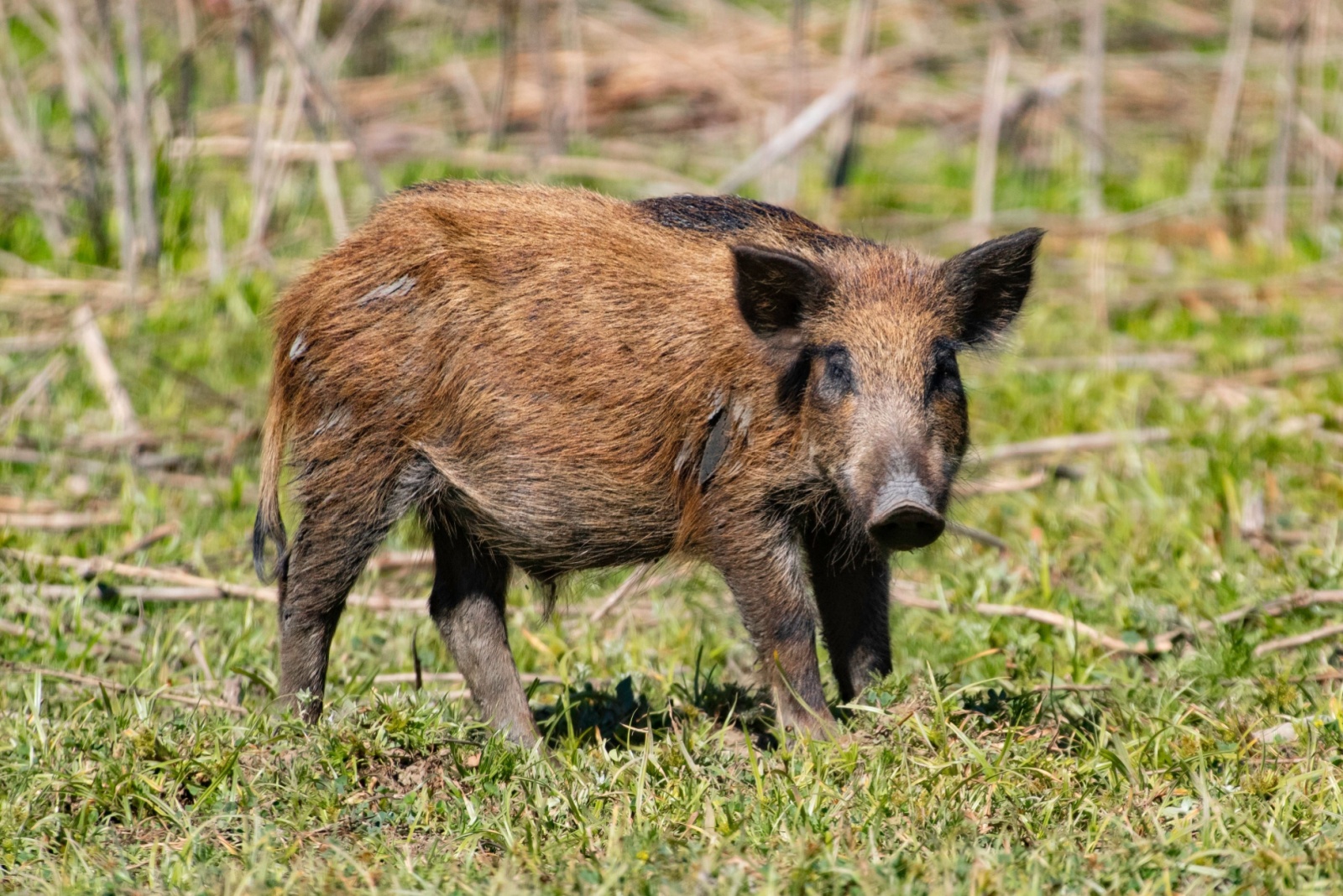
Feral hogs have become a serious problem across Mississippi, causing damage to yards, gardens, and property.
These wild animals are unpredictable and can be dangerous if you don’t know how to handle them, you could be in trouble.
Knowing what to do—and what not to do—when a feral hog shows up in your yard can protect your family, your pets, and your property.
This guide will help you stay safe and make smart choices if you ever face this challenging situation.
1. Keep Your Distance And Stay Calm
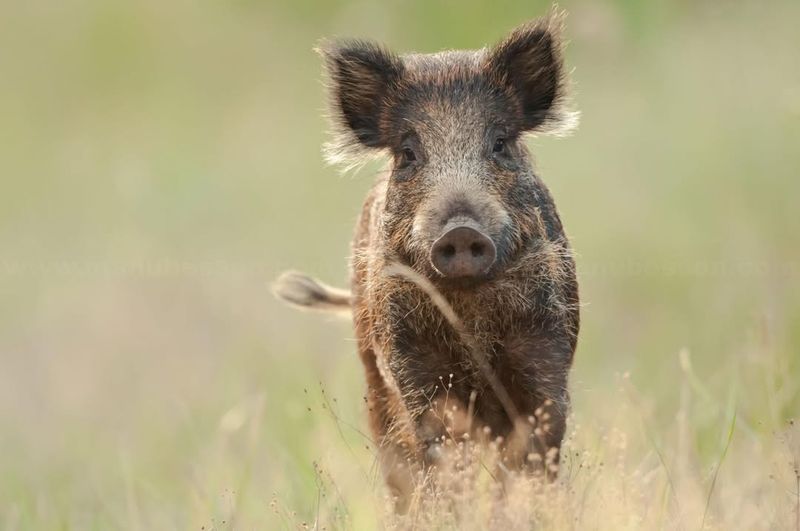
Wild hogs can sense fear and panic, so staying calm is your best defense when one wanders into your Mississippi property.
Taking a few deep breaths and avoiding sudden movements will help you think clearly and prevent the animal from feeling threatened.
Feral hogs are surprisingly fast and can charge if they feel cornered or scared.
Moving slowly backward while keeping your eyes on the animal gives you the best chance of avoiding a dangerous encounter.
Never turn your back or run away quickly, as this might trigger the hog’s instinct to chase.
If you’re outside when you spot the hog, try to put a solid object like a tree, fence, or vehicle between you and the animal.
Getting indoors is the safest option, so head toward your house or garage without making loud noises or aggressive gestures.
Many Mississippi residents have successfully avoided trouble by simply backing away calmly and giving the hog plenty of space to leave on its own.
Remember that feral hogs are usually more interested in finding food than confronting people.
Keeping calm protects both you and the animal from unnecessary stress or harm.
2. Secure Your Pets And Children Immediately
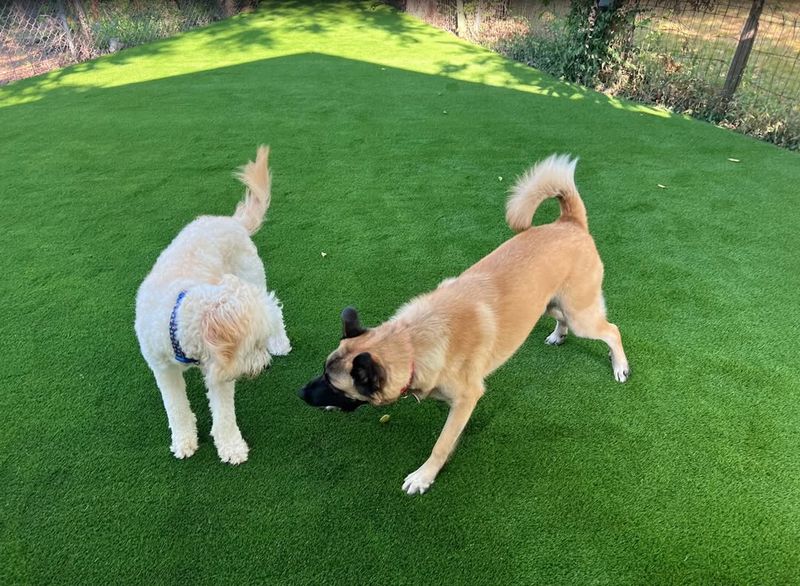
Protecting your loved ones should be your top priority the moment you notice a feral hog in your yard.
Children and pets are naturally curious and might not understand the danger these animals pose.
Call your kids and pets inside right away, using a firm but calm voice to avoid creating panic.
Feral hogs have sharp tusks and can become aggressive if they feel their space is being invaded, especially if they have young piglets nearby.
Dogs are particularly at risk because they might bark at or chase the hog, which could provoke an attack.
Once everyone is safely indoors, keep them there until the hog has left your property completely.
Watch from a window to monitor the situation without putting anyone in danger.
Mississippi wildlife experts recommend keeping pets on leashes during evening hours when hogs are most active in residential areas.
Teaching your children about feral hog safety can also help them recognize the danger and respond appropriately in the future.
Your quick action to secure your family and pets can prevent injuries and give the hog a chance to move along peacefully.
3. Contact Local Wildlife Authorities For Help
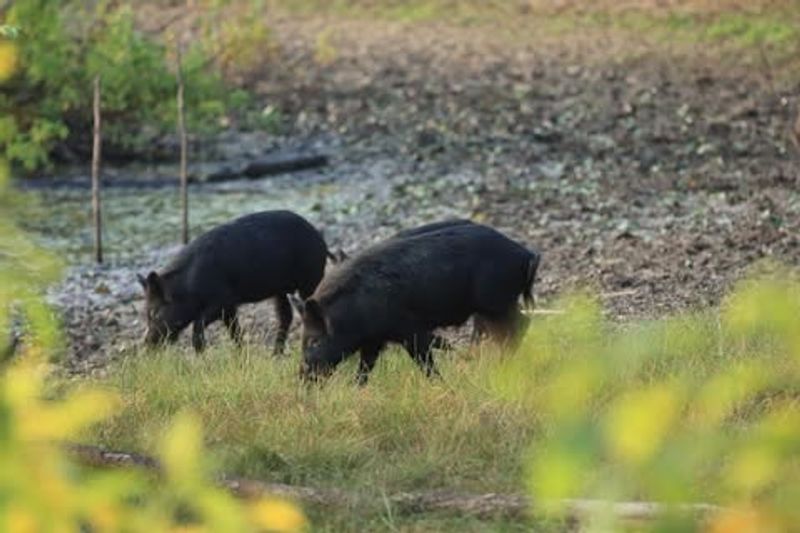
Reaching out to professionals is one of the smartest moves you can make when dealing with a feral hog on your property.
Mississippi has wildlife management agencies and local animal control offices that specialize in handling these situations safely.
These experts have the training, equipment, and experience needed to remove or relocate feral hogs without putting anyone at risk.
You can find contact information for your county’s wildlife services online or through your local sheriff’s department.
When you call, be ready to describe the hog’s size, behavior, and exact location on your property.
This information helps authorities respond quickly and effectively.
Some Mississippi counties also have programs that track feral hog populations and can offer advice on preventing future visits.
Professional wildlife handlers know how to approach these animals without causing them unnecessary stress or triggering aggressive behavior.
Trying to handle the situation yourself without proper knowledge can lead to injuries or property damage.
Waiting for professional help might take some time, but it’s the safest and most responsible choice for everyone involved, including the hog.
4. Remove Food Sources From Your Yard
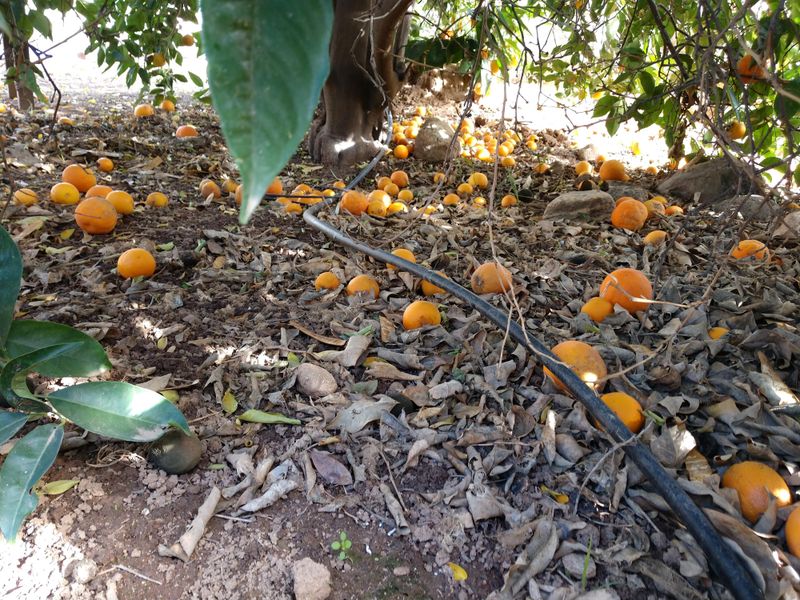
Feral hogs are opportunistic eaters and will keep coming back if they find easy meals on your property.
Taking away their food supply is one of the most effective ways to discourage future visits to your Mississippi home.
Start by securing your garbage cans with tight-fitting lids or storing them in a locked shed or garage.
Pet food left outside is like a free buffet for hungry hogs, so bring bowls inside after your animals finish eating.
Bird feeders can also attract feral hogs because they love seeds and grains that fall to the ground.
Consider removing feeders temporarily or using designs that minimize spillage.
If you have fruit trees, pick up fallen fruit regularly before hogs discover this tasty treat.
Gardens should be protected with sturdy fencing that extends underground to prevent hogs from rooting underneath.
Many Mississippi homeowners have found success by eliminating these attractants and making their yards less appealing to wildlife.
Once hogs realize there’s nothing to eat at your place, they’ll likely move on to search for food elsewhere, solving your problem naturally.
5. Document The Hog’s Behavior And Damage
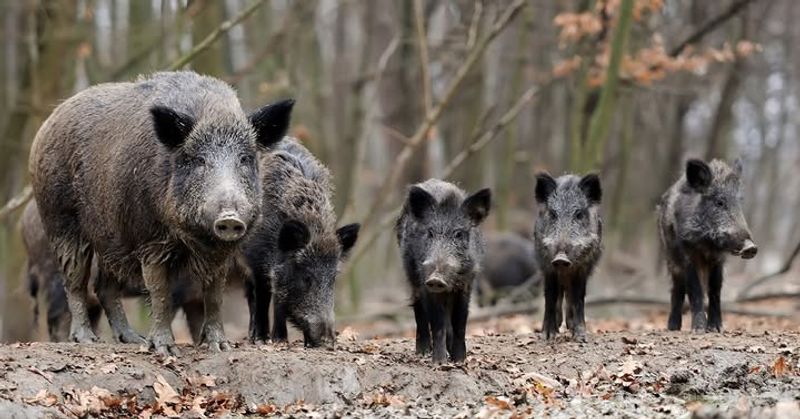
When a feral hog enters your Mississippi yard, documenting what you see can be extremely helpful.
From a safe distance, take clear photos or videos of the hog, noting its size, behavior, and how long it stays on your property.
Pay attention to whether it appears alone or with others, and whether it is rooting, charging, or acting calmly.
Also photograph any visible damage, such as torn sod, uprooted plants, broken fencing, or damaged landscaping.
This information can be valuable when contacting wildlife authorities, animal control, or your local extension office, as it helps them assess the level of risk and decide the best response.
Documentation may also be useful for insurance purposes if the hog causes significant property damage.
Avoid getting closer just to get better footage, as safety should always come first.
Keeping a brief written record of dates and times can reveal patterns, such as repeated visits at night.
Accurate documentation protects you legally and ensures professionals have the details they need to address the situation effectively.
6. Turn On Outdoor Lights To Discourage The Hog
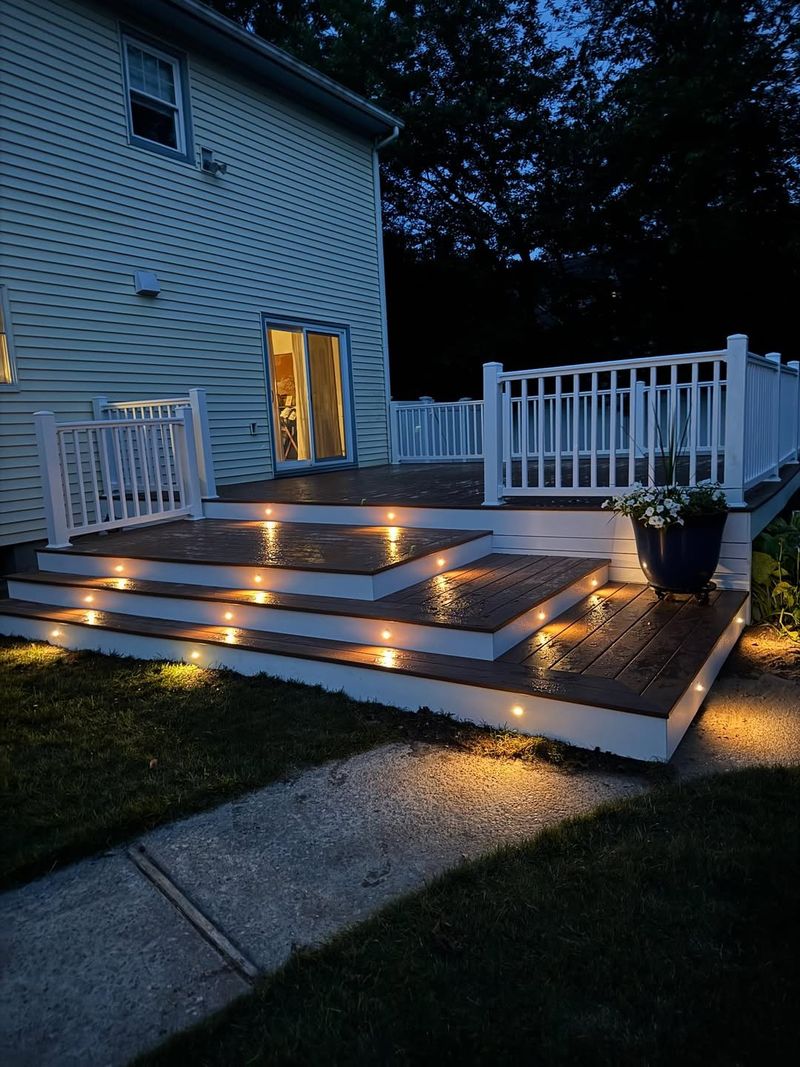
Outdoor lighting can play an important role in gently pushing a feral hog away from your yard without direct confrontation.
Hogs often prefer dark, quiet areas where they feel less exposed, so sudden illumination can make them uncomfortable.
Turning on porch lights, floodlights, or motion-activated fixtures can disrupt their normal behavior.
The brightness may startle them enough to stop rooting or feeding without causing panic or aggression.
This simple action can help you stay safely indoors while still influencing the hog’s movements.
Lights also allow you to observe the animal more clearly from inside, giving you a better sense of its size and behavior.
If you notice repeated nighttime visits, consider installing additional lighting in darker areas of your property.
Many Mississippi homeowners find that consistent illumination reduces wildlife activity over time.
Using lights as a deterrent helps you maintain safety while avoiding actions that could provoke an attack or escalate the situation.
7. Don’t Attempt To Chase Or Scare The Hog Away

Trying to chase or scare a feral hog off your Mississippi property may feel like a natural reaction, but it is one of the most dangerous choices you can make.
Feral hogs in Mississippi are extremely fast, strong, and unpredictable, especially when they feel threatened by sudden movement or loud noise.
Yelling, rushing toward the hog, or throwing objects can easily trigger a defensive charge.
A cornered hog may lower its head and charge without warning, using its sharp tusks to defend itself.
These tusks are capable of causing deep, life-threatening injuries to legs, arms, or the torso.
Even smaller hogs can knock adults off balance if they build enough speed.
Chasing a hog can also cause it to run toward children, pets, or nearby homes.
This creates additional danger beyond your own yard.
Many Mississippi hog-related injuries occur when people underestimate how aggressive hogs can be under stress.
Remaining calm and creating distance is far safer than confrontation.
Wildlife experts across Mississippi strongly advise allowing hogs space to leave on their own.
Avoiding confrontation protects you and prevents an already risky situation from becoming far worse.
8. Don’t Feed The Hog Or Leave Food Out

Feeding a feral hog, even by accident, creates long-term problems for Mississippi homeowners because it teaches the animal that your yard provides an easy and dependable source of food.
When hogs discover accessible meals such as pet food, unsecured trash, fallen fruit, spilled bird seed, or open compost, they quickly memorize the location and return night after night.
Once a hog begins associating a Mississippi yard with food, it becomes far less cautious around people and may begin approaching porches, sheds, vehicles, or even occupied outdoor spaces.
This loss of fear leads to bolder behavior that increases the likelihood of aggressive encounters, especially when children or pets are nearby.
Repeated visits also mean repeated rooting, trampling, and tearing up of lawns, gardens, and fencing, which can result in costly and ongoing property damage for Mississippi residents.
Feeding one hog can attract additional hogs, quickly turning a single visitor into a larger and more destructive group.
To prevent this, secure all trash containers, store pet food indoors, and clean up fallen fruit or spilled seed promptly.
Removing attractants is one of the most reliable ways to discourage feral hog activity in Mississippi neighborhoods.
9. Don’t Try To Trap Or Handle The Hog Yourself
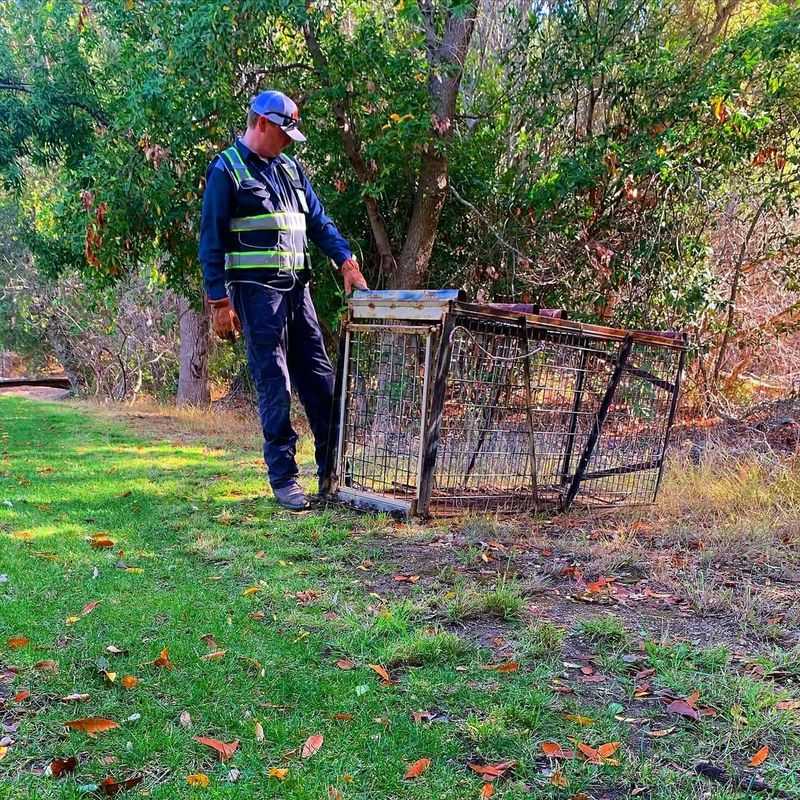
Attempting to trap or physically handle a feral hog on your Mississippi property is extremely dangerous because these animals are powerful, intelligent, and highly reactive when they feel cornered.
Homemade traps or improvised capture methods often fail, and when they do, the hog may panic violently, thrashing, charging, or striking at anyone nearby.
Being within striking distance dramatically increases the risk of serious injuries from bites or razor-sharp tusks, which hogs use to defend themselves with surprising force.
Mississippi has strict regulations regarding hog trapping and wildlife control, and many homeowners unknowingly violate these rules by attempting their own capture methods.
Such violations can result in fines, legal complications, or dangerous situations for neighboring properties.
Professional wildlife handlers in Mississippi use specialized equipment designed specifically for safe hog containment, as well as training that allows them to anticipate and manage hog behavior.
Even experienced hunters acknowledge how unpredictable hogs become when restrained.
Attempting removal on your own increases the likelihood of physical injury, property damage, and legal issues.
Relying on trained Mississippi professionals is the safest and most responsible approach.
10. Don’t Ignore The Problem And Hope It Leaves

Ignoring a feral hog on your Mississippi property may seem like the simplest solution, but doing nothing often allows a small issue to grow into a significant threat.
Once a hog finds food, shelter, or soft soil ideal for rooting, it rarely leaves voluntarily, instead returning repeatedly and causing greater damage each time.
The rooting behavior common among Mississippi hogs can destroy lawns, gardens, flower beds, and irrigation systems in a single night, leaving widespread and costly damage.
A hog that feels comfortable in your yard may eventually attract others, creating a larger and more persistent group that becomes increasingly difficult to remove.
This growing presence also raises safety risks for children, pets, and livestock, as repeated encounters increase the likelihood of sudden or accidental confrontations.
The longer a hog remains in a familiar space, the more emboldened it becomes, making professional intervention more complicated.
Mississippi wildlife experts consistently urge homeowners not to wait, as early action prevents both property destruction and escalating danger.
By promptly contacting authorities, documenting activity, and removing attractants, you protect your household and help reduce hog problems throughout your Mississippi community.