Things To Do When An Armadillo Is Digging Holes In Your Alabama Yard
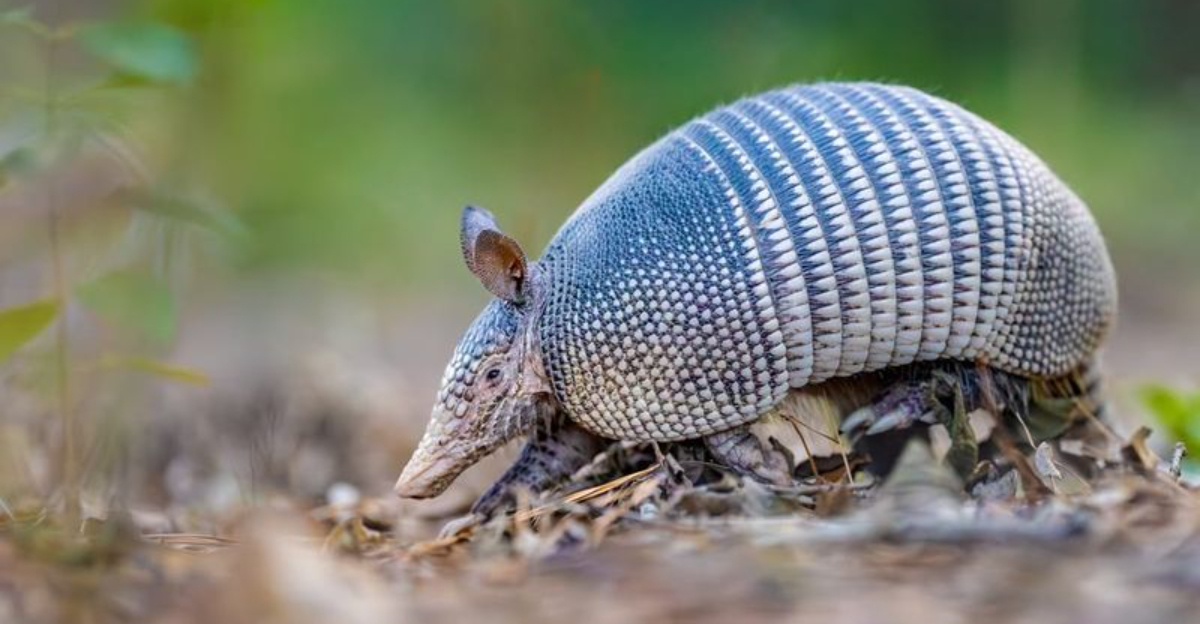
An armadillo digging up your Alabama yard can feel like waking up to a mystery overnight.
One day the lawn looks smooth, and the next it is dotted with small holes and torn patches that seem to come out of nowhere.
These nighttime visitors move quietly and work fast, leaving homeowners to pick up the pieces by morning.
Armadillos are not out to cause trouble.
They follow their noses in search of insects, grubs, and worms hiding beneath the soil.
Alabama’s warm climate and soft ground make yards especially inviting.
Once an armadillo finds a good feeding spot, it may return again and again, turning a few holes into a regular pattern.
Ignoring the damage can let the problem grow legs.
Loose soil can become a tripping hazard, and repeated digging can stress grass and plants.
Taking the right steps early helps protect your yard without causing harm.
Like closing the door before a draft gets worse, simple actions can stop the digging before it spreads.
Understanding why armadillos show up and how to respond puts homeowners back in control.
With a calm approach and smart choices, Alabama yards can recover and stay one step ahead of these determined diggers.
1. Identify The Signs Of Armadillo Activity
Before you can solve the problem, you need to confirm that armadillos are actually the culprits tearing up your lawn.
These creatures leave behind very specific clues that set them apart from other yard pests like moles or voles.
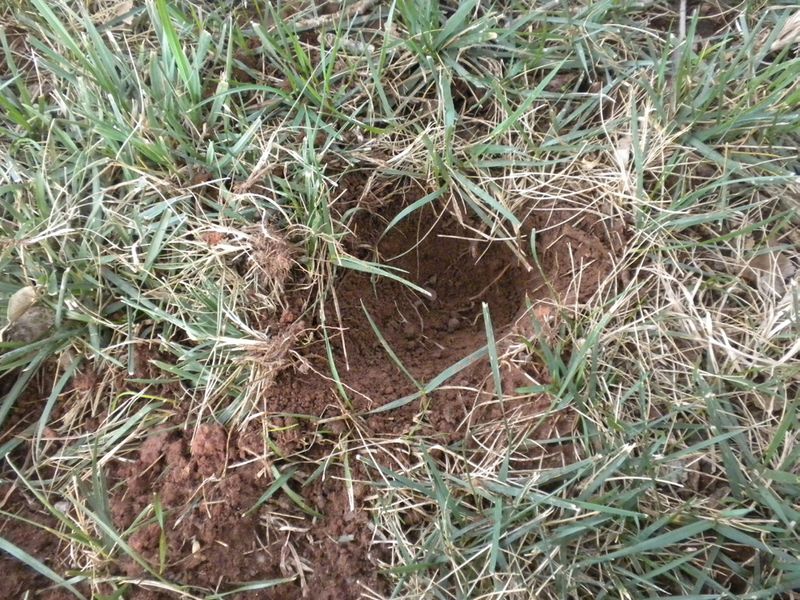
Armadillo digging typically creates cone-shaped holes about three to five inches wide and one to three inches deep, scattered randomly across your property.
You might also notice shallow trenches where the animal has been rooting around for food.
Unlike mole tunnels that create raised ridges, armadillo damage is more surface-level and chaotic.
The holes often appear in clusters, especially in areas where the soil is soft and moist, making it easier for them to dig.
Timing can also help you identify armadillo activity in your Alabama yard.
These animals are mostly nocturnal, so if you’re seeing fresh damage each morning, that’s a strong indicator.
You might even spot tracks near the holes, which show four toes on the front feet and five on the back.
Pay attention to the location of the damage as well.
Armadillos prefer areas with lots of insects and grubs, so flower beds, vegetable gardens, and well-watered lawns are common targets.
If you notice the digging intensifies after rain, that’s another telltale sign since moisture brings insects closer to the surface.
Understanding these patterns helps you determine whether you’re dealing with armadillos or another pest entirely.
Once you’ve confirmed the problem, you can move forward with targeted solutions that actually work for your specific situation in Alabama.
2. Remove Their Food Source
Armadillos aren’t digging up your yard just for fun.
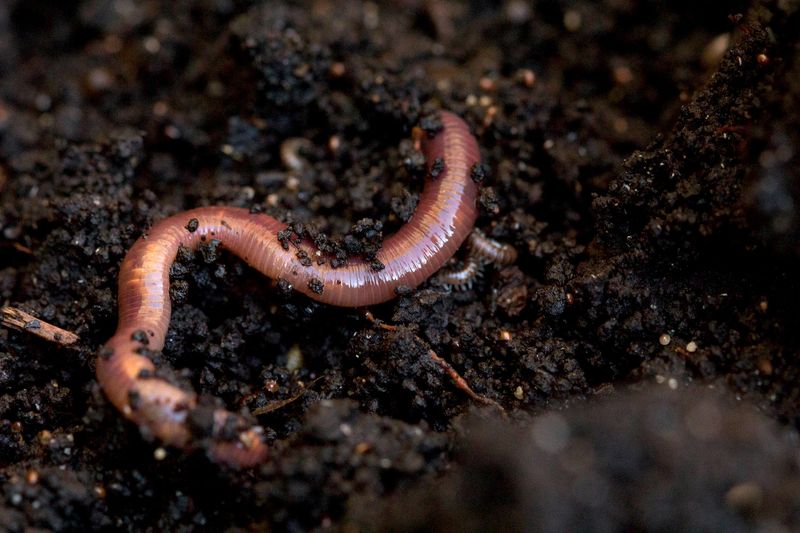
They’re hunting for their favorite meals, which include grubs, beetles, earthworms, and other insects that live beneath your grass.
If you eliminate or reduce their food supply, these animals will naturally move on to more productive feeding grounds.
Start by treating your lawn for grubs and other soil-dwelling insects.
You can use organic or chemical treatments depending on your preference, but make sure whatever you choose is safe for pets and children if they use your yard.
Spring and fall are the best times to apply grub control products in Alabama since that’s when these pests are most active.
Consider adjusting your watering schedule as well.
Overwatering creates ideal conditions for insects to thrive, which in turn attracts armadillos.
Let your lawn dry out a bit between watering sessions, and focus on deep, infrequent watering rather than frequent shallow sprinklings.
Improving your soil health can also make your yard less attractive to both insects and armadillos.
Aerate your lawn regularly to improve drainage and reduce thatch buildup where bugs like to hide.
Adding beneficial nematodes to your soil is another natural option that targets harmful insect larvae without using harsh chemicals.
Keep in mind that completely eliminating all insects from your yard isn’t realistic or even desirable for a healthy ecosystem.
The goal is simply to reduce the population enough that armadillos find your Alabama property less appealing than your neighbor’s.
With fewer food sources available, they’ll likely search elsewhere for their nightly snacks.
3. Install Physical Barriers Around Vulnerable Areas
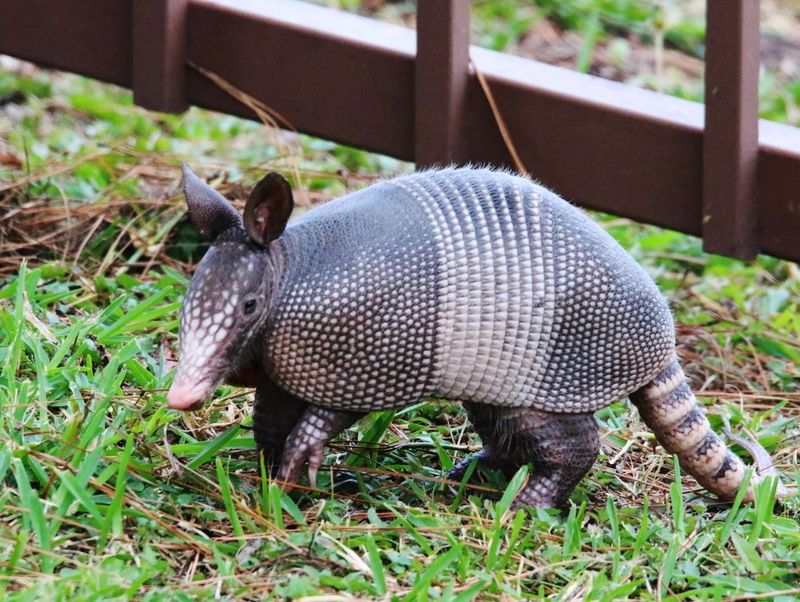
Sometimes the most straightforward solution is simply keeping armadillos out of specific areas.
Physical barriers work remarkably well when installed correctly, and they provide long-term protection without requiring constant maintenance or reapplication.
This approach is especially useful for protecting flower beds, vegetable gardens, or other high-value landscaping features in your Alabama yard.
Hardware cloth or welded wire mesh with openings no larger than one inch works best for blocking armadillos.
These materials are sturdy enough to withstand digging attempts and weather conditions common throughout Alabama.
Install the fencing at least 12 to 18 inches deep into the ground since armadillos are surprisingly good diggers.
Extend the fence at least three feet above ground as well, even though armadillos aren’t great climbers.
This height prevents them from simply pushing under or over the barrier.
Bend the bottom six inches of the fence outward at a 90-degree angle before burying it, creating an L-shape that discourages digging underneath.
For larger areas, you might consider installing a perimeter fence around your entire property.
This requires more investment upfront but provides comprehensive protection.
Make sure there are no gaps at gates or where the fence meets structures like sheds or your home.
Check your barriers regularly for damage or signs that armadillos are attempting to breach them.
Heavy rains common in Alabama can sometimes wash away soil and expose weak points.
Reinforce any compromised sections promptly to maintain effectiveness.
While this method requires some initial effort and expense, it’s one of the most reliable ways to keep armadillos from destroying specific areas of your yard.
4. Use Motion-Activated Deterrents
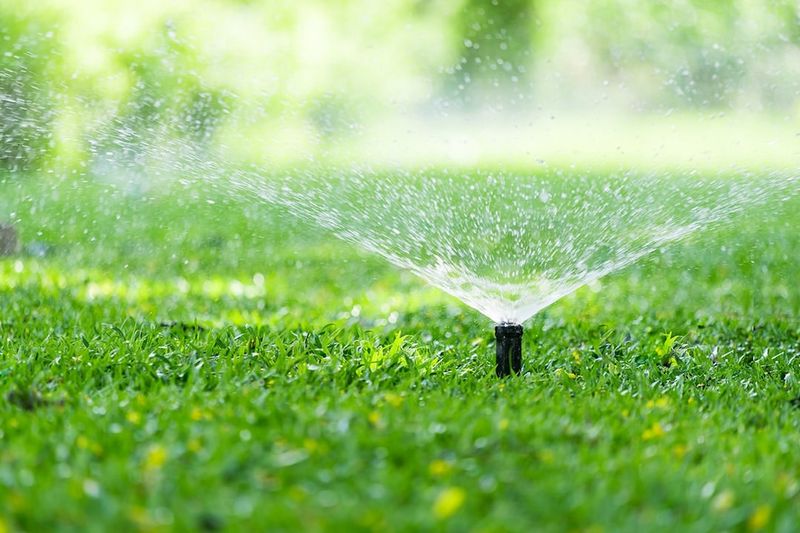
Technology offers some clever solutions for discouraging armadillos without harming them.
Motion-activated deterrents startle these animals when they enter your yard, teaching them to associate your property with unpleasant experiences.
Over time, they’ll learn to avoid the area entirely and find easier feeding spots elsewhere in your Alabama neighborhood.
Motion-activated sprinklers are particularly effective because armadillos dislike sudden water bursts.
These devices use infrared sensors to detect movement, then release a quick spray of water accompanied by a startling sound.
They work day and night, which is perfect since armadillos are primarily active after dark.
Position sprinklers near areas where you’ve noticed the most digging activity.
Make sure to adjust the sensitivity settings so they’re triggered by armadillo-sized animals rather than every passing bird or leaf.
Most models allow you to customize the detection range and spray pattern to cover problem areas effectively.
Ultrasonic repellents are another option, though results can be mixed.
These devices emit high-frequency sounds that humans can’t hear but that supposedly bother armadillos and other pests.
Some Alabama homeowners report success with them, while others find they have little effect.
Motion-activated lights can also help since armadillos prefer darkness and may be discouraged by sudden illumination.
Combine multiple deterrent types for the best results.
The key is creating an environment where armadillos feel uncomfortable and exposed rather than safe and hidden.
Remember that these animals are creatures of habit, so it may take several nights of consistent deterrence before they abandon your yard completely and search for more peaceful dining locations.
5. Apply Natural Repellents
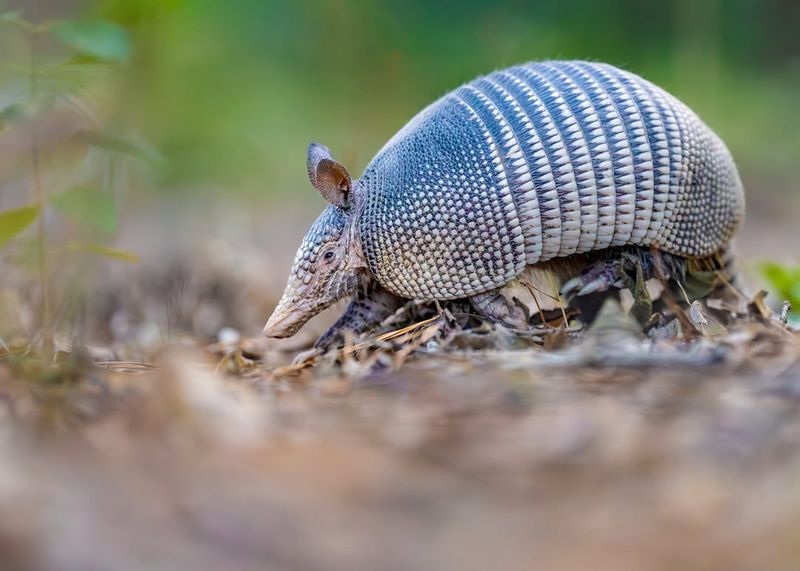
Many homeowners prefer natural solutions that don’t involve chemicals or trapping.
Fortunately, several scents and substances can make your Alabama yard less appealing to armadillos without posing risks to pets, children, or the environment.
These creatures have a keen sense of smell, and certain odors can effectively discourage them from digging in treated areas.
Castor oil is one of the most popular natural armadillo repellents.
Mix about a half cup of castor oil with an equal amount of liquid dish soap, then dilute this mixture in a gallon of water.
Spray this solution across your lawn, focusing on areas where you’ve seen damage.
The taste and smell of castor oil are unpleasant to armadillos, and it also coats the insects they’re hunting, making their food source less appealing.
Cayenne pepper and other hot spices can also work as deterrents.
Sprinkle generous amounts around problem areas, or create a spray by mixing several tablespoons of cayenne with water and a few drops of dish soap.
Reapply after rain since Alabama’s frequent showers will wash away the treatment.
Garlic is another scent armadillos tend to avoid.
Crush several cloves and mix them with water, let the mixture sit overnight, then strain and spray it around your yard.
Some people also plant garlic or other strong-smelling plants as a living barrier.
Keep in mind that natural repellents typically need frequent reapplication to remain effective.
Weather, watering, and time all reduce their potency.
For best results, apply repellents every few days initially, then weekly once the armadillo activity decreases.
This approach requires patience and consistency but offers a gentle way to protect your property.
6. Set Up Humane Traps
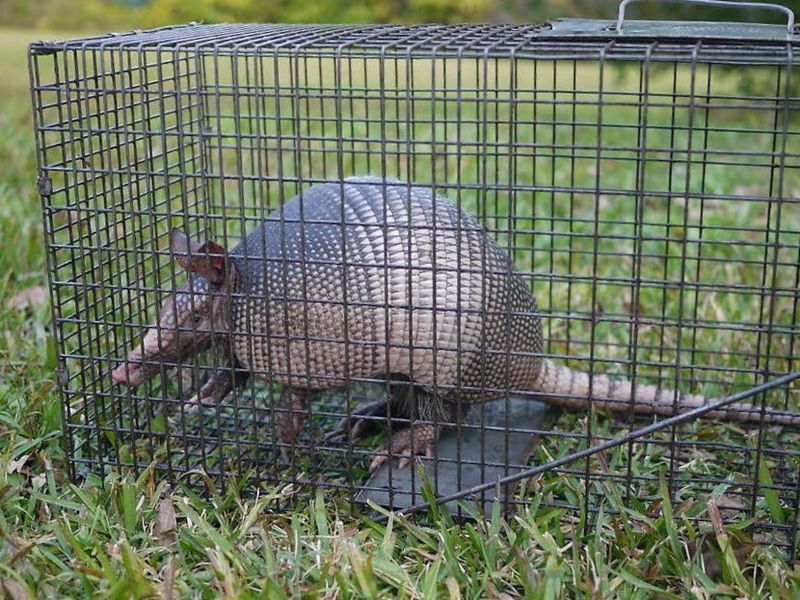
When other methods haven’t solved your armadillo problem, trapping might be necessary.
Live traps allow you to capture the animal safely and relocate it away from your Alabama property.
This approach requires some effort and know-how, but it can be very effective when done correctly.
Choose a trap that’s appropriately sized for armadillos, typically around 10 by 12 by 32 inches.
Larger traps work better because armadillos are surprisingly big animals, often weighing 12 to 17 pounds when fully grown.
Place the trap along pathways you’ve noticed the armadillo using, near burrow entrances, or close to areas with fresh digging.
Bait can be tricky since armadillos primarily eat insects rather than typical trap foods.
Try using earthworms, grubs, or even spoiled fruit, which can attract the insects armadillos love.
Some trappers have success with no bait at all, simply positioning the trap along the animal’s regular route.
Check traps frequently, at least twice daily.
Leaving an armadillo trapped for extended periods causes unnecessary stress and could be illegal depending on local Alabama regulations.
Once you’ve caught an armadillo, contact your local wildlife authorities to learn about legal relocation options in your area.
Before setting any traps, research Alabama’s wildlife laws regarding armadillo trapping and relocation.
Some counties require permits, and there may be restrictions on where you can release captured animals.
Handle trapped armadillos carefully since they can carry diseases like leprosy, though transmission to humans is rare.
Wear thick gloves and avoid direct contact.
If you’re uncomfortable with trapping and relocation, consider hiring a professional wildlife removal service instead.
7. Contact Professional Wildlife Control Services
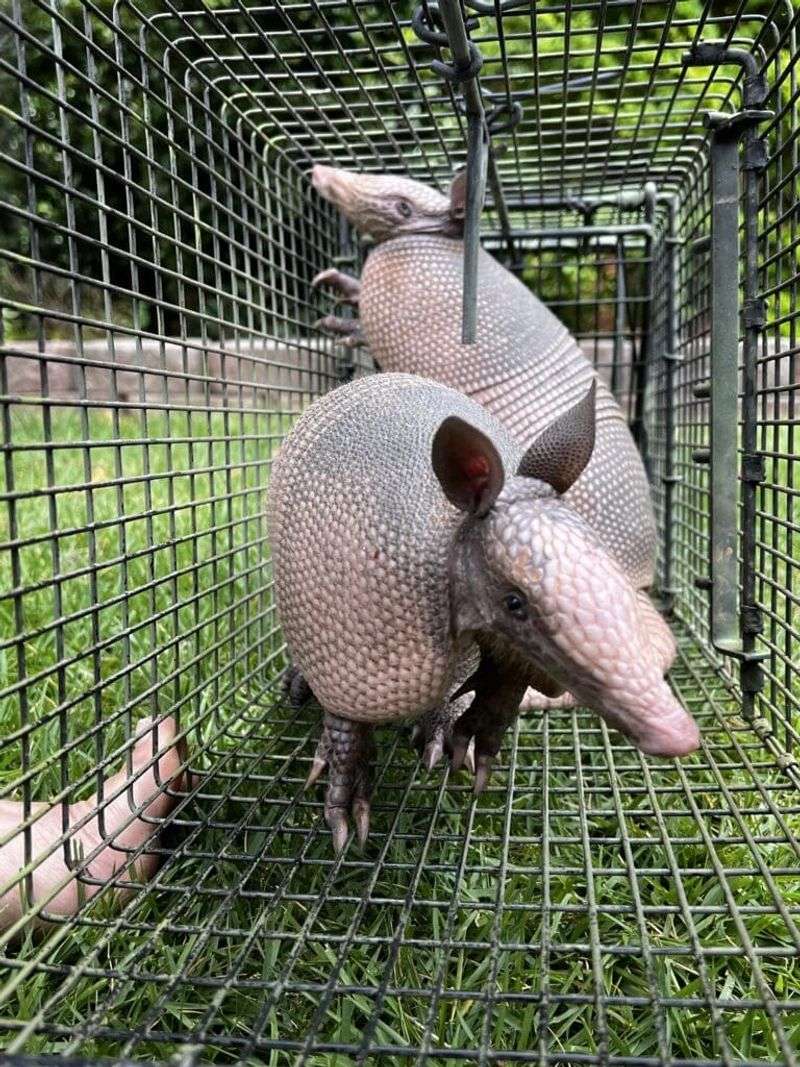
Sometimes DIY solutions just aren’t enough, especially if you’re dealing with persistent armadillo problems or multiple animals.
Professional wildlife control experts have the experience, equipment, and knowledge to handle armadillo issues quickly and effectively.
They understand Alabama’s specific wildlife challenges and local regulations, ensuring the problem is solved legally and humanely.
Wildlife professionals can assess your entire property to identify why armadillos are attracted to your yard.
They’ll spot vulnerabilities you might have missed and recommend comprehensive solutions tailored to your situation.
Many companies offer integrated pest management approaches that address both the immediate armadillo problem and the underlying conditions attracting them.
These experts have access to professional-grade exclusion materials and deterrents not readily available to homeowners.
They can install barriers more efficiently and know exactly where and how to place them for maximum effectiveness.
Their trapping techniques are also more refined, often resulting in faster capture rates with less stress to the animals.
Professional services typically include follow-up visits to ensure the problem is completely resolved.
They’ll monitor your property, adjust strategies if needed, and verify that armadillos haven’t returned.
This ongoing support provides peace of mind that your Alabama yard will stay protected.
Cost is obviously a consideration, but professional help can actually save money in the long run.
Repeatedly buying products that don’t work or repairing extensive lawn damage can quickly exceed the cost of hiring an expert from the start.
Get quotes from several licensed wildlife control companies in your Alabama area, and ask about their methods, success rates, and guarantees.
Choose a service that prioritizes humane treatment and has solid reviews from other local homeowners who’ve dealt with similar issues.