10 Things To Do When An Opossum Shows Up In Your Maryland Yard
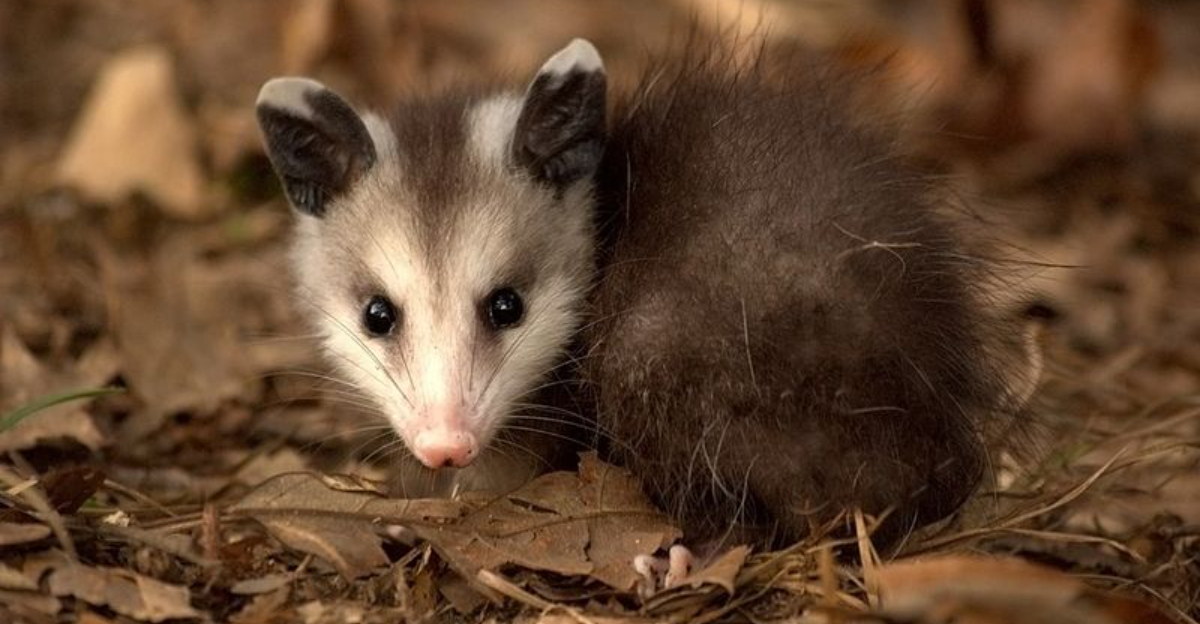
Spotting an opossum in your Maryland backyard can be surprising, especially when you notice those beady eyes staring back at you late at night.
These unique marsupials are more common than you might think, and they often wander into residential areas searching for food, water, or a safe shelter.
Understanding how to respond when one appears can help protect both you and the animal from unnecessary stress or potential harm during the encounter.
Opossums play an important role in the ecosystem by eating ticks, insects, and other pests that might otherwise invade your property or garden.
Many homeowners feel unsure about what steps to take when they discover one of these nocturnal creatures exploring their yard or porch.
Learning the right approach ensures everyone stays safe while respecting the natural behavior of these helpful and generally harmless animals in Maryland.
1. Stay Calm and Keep Your Distance
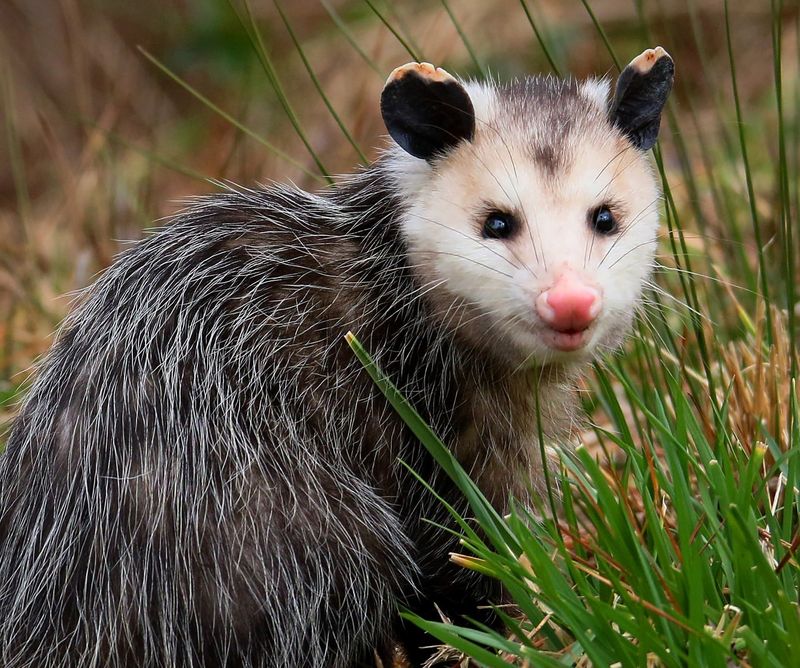
Encountering an opossum might startle you at first, but remember that these animals are generally more afraid of humans than we are of them.
Your first instinct should be to remain still and quiet, avoiding any sudden movements that could frighten the creature or cause it to react defensively.
Opossums are not aggressive by nature and will usually prefer to escape rather than confront anyone who approaches their space or territory.
Keeping at least ten feet away gives the animal room to move freely without feeling cornered or threatened by your nearby presence.
If you move closer, the opossum might freeze up, open its mouth wide to show teeth, or even pretend to be unresponsive in fear.
Maryland residents should understand that these reactions are defensive mechanisms, not signs of aggression or an intention to attack you or your family.
Children and pets should be brought indoors immediately to prevent any accidental encounters that could escalate into stressful situations for everyone involved today.
Observing from a window allows you to monitor the situation safely while giving the opossum time to leave your property on its own.
2. Turn Off Outdoor Lights Temporarily
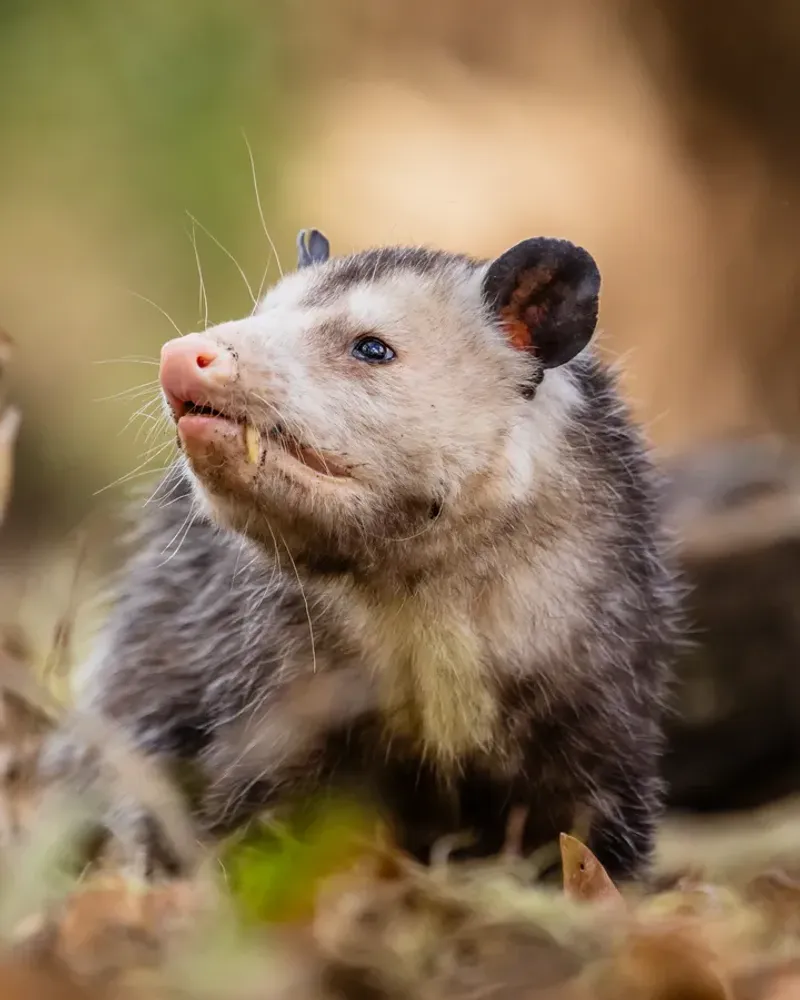
Bright outdoor lighting can disorient nocturnal animals like opossums, making them feel exposed and vulnerable when they are simply trying to forage peacefully.
Switching off porch lights, floodlights, or motion-sensor lights for a short period can help the animal feel more comfortable leaving your yard.
Opossums rely on darkness for safety, and dimming your surroundings may encourage them to move along more quickly than they would otherwise.
Maryland nights provide natural cover for these creatures, and artificial brightness disrupts their normal patterns of movement and foraging throughout the neighborhood.
Giving them a few minutes of darkness allows their natural instincts to guide them back toward wooded areas, drainage ditches, or other habitats.
You can turn the lights back on after about fifteen to twenty minutes once the opossum has had enough time to wander away.
This simple action reduces stress for the animal while also preventing it from lingering near your home or patio furniture for extended periods.
Many homeowners find that this technique works surprisingly well and requires minimal effort on your part to resolve the situation tonight.
3. Remove Food Sources From Your Yard
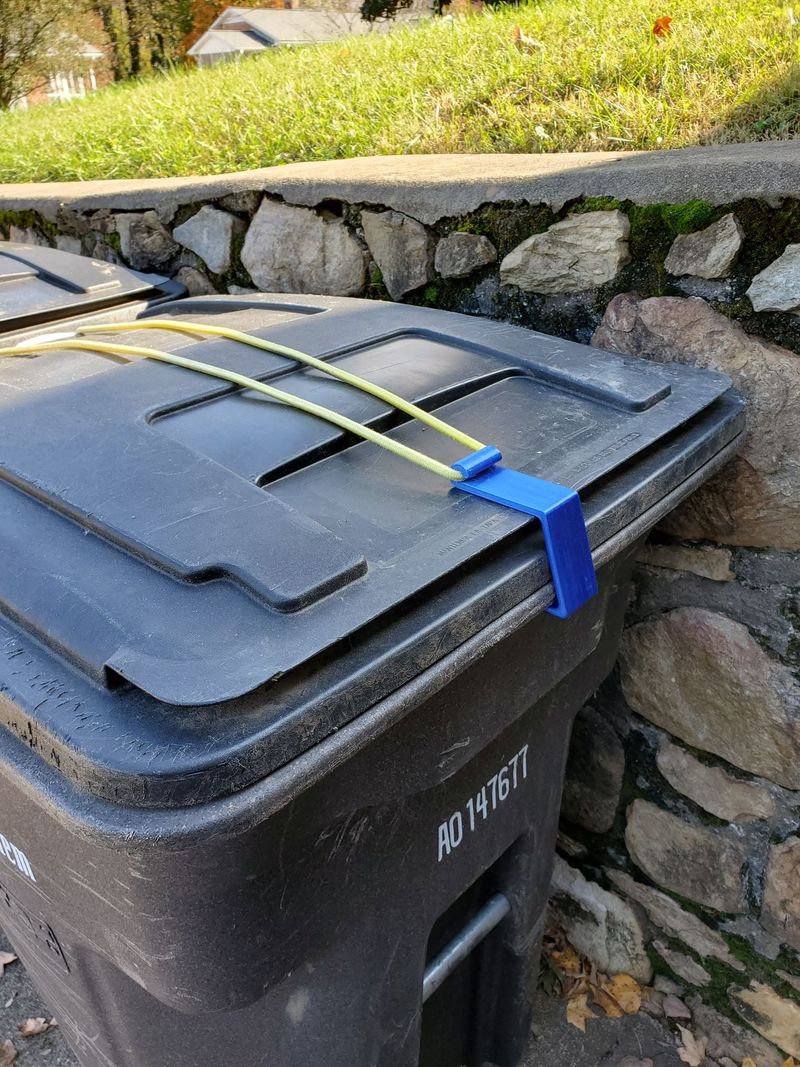
Opossums are opportunistic feeders and will happily munch on anything edible they discover while exploring your property during their nightly rounds through the area.
Pet food left outside, birdseed scattered on the ground, fallen fruit from trees, or unsecured trash cans all serve as open invitations for these animals.
Removing these attractants significantly reduces the likelihood that opossums will return to your yard again and again looking for easy meals to consume.
Maryland homeowners should bring pet bowls indoors after feeding times and ensure garbage cans have tight-fitting lids that cannot be easily knocked over.
Cleaning up beneath bird feeders and harvesting ripe fruit promptly also eliminates tempting snacks that draw wildlife closer to your home and family.
Even compost piles should be properly secured or managed to avoid attracting hungry visitors searching for decomposing organic matter to eat tonight.
Once food sources disappear, opossums will naturally move on to other areas where resources are more readily available for their survival and nourishment.
This preventive measure protects your property while encouraging wildlife to forage in more appropriate natural habitats instead of residential neighborhoods across Maryland.
4. Secure Potential Shelter Spots
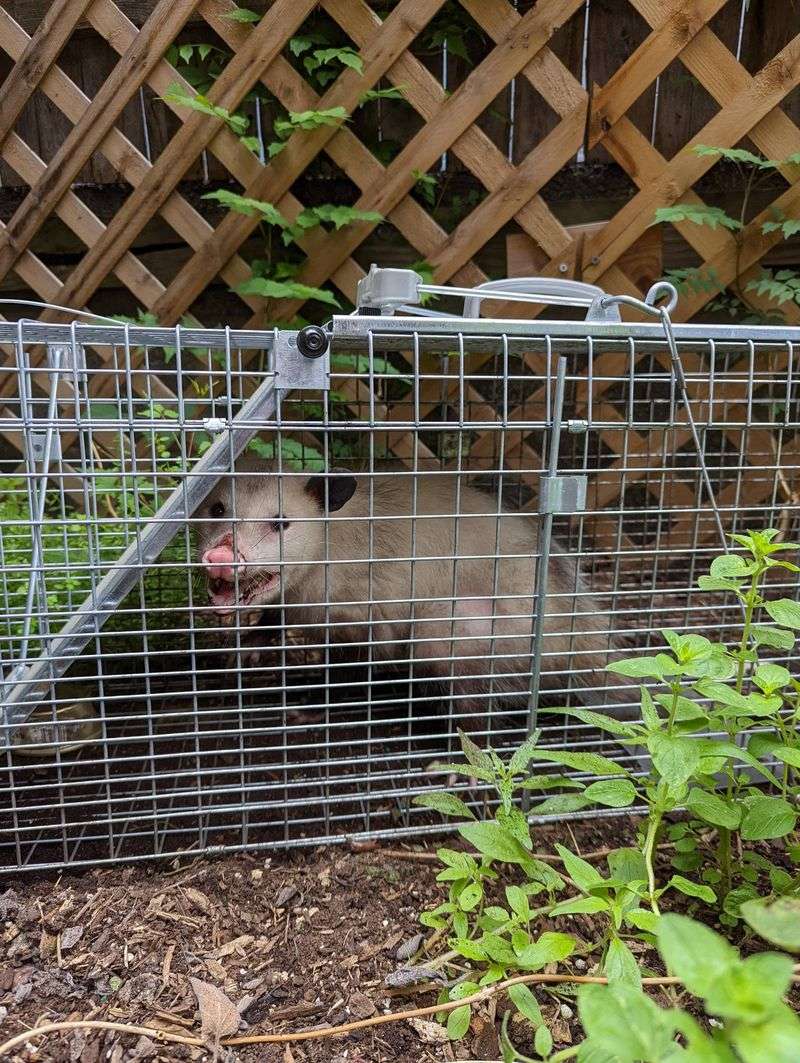
Opossums seek out cozy, hidden spaces where they can rest during daylight hours after spending the night foraging for food in your neighborhood.
Crawl spaces under porches, gaps beneath sheds, brush piles, or openings in garages all provide ideal shelter for these marsupials seeking temporary refuge.
Inspecting your property for these vulnerable spots helps you identify where an opossum might decide to set up a temporary den or resting place.
Maryland weather can be unpredictable, and opossums look for protection from rain, wind, and temperature extremes throughout the changing seasons each year here.
Blocking access points with hardware cloth, wood panels, or other sturdy materials prevents animals from entering these spaces and establishing long-term residence.
Make sure to check that no animal is currently inside before sealing any openings, as trapping one inside could create serious problems.
Clearing away debris like leaf piles, stacked firewood, or overgrown vegetation also reduces the number of hiding spots available around your home and property.
Regular maintenance and vigilant monitoring help keep your yard less appealing to opossums and other wildlife searching for convenient shelter in residential settings.
5. Avoid Touching Or Handling The Animal
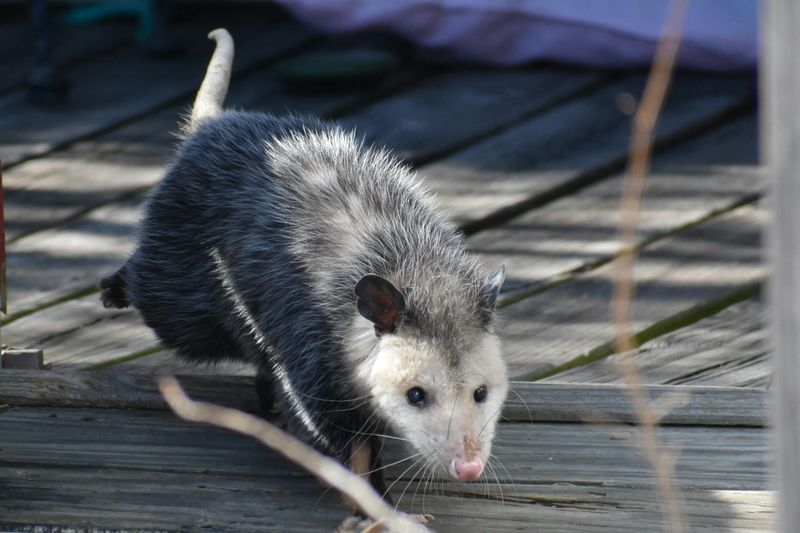
Wild animals carry bacteria, parasites, and sometimes diseases that can be transmitted to humans through bites, scratches, or even simple contact with their fur.
Opossums are generally docile, but any animal can bite when frightened, cornered, or handled roughly by someone who does not understand their behavior.
Maryland residents should never attempt to pick up, pet, or move an opossum with bare hands, regardless of how harmless it appears.
Even if the animal seems injured, sick, or unresponsive, you should contact a licensed wildlife rehabilitator or animal control officer for professional assistance instead.
Wearing thick gloves might seem like adequate protection, but opossums have sharp teeth and claws that can penetrate fabric and cause painful injuries.
Children are especially at risk because they may not recognize the potential dangers associated with approaching or touching a wild creature in the yard.
Respecting the boundary between humans and wildlife keeps everyone safe and prevents unnecessary medical visits or treatments for bites and infections later on.
Observing from a distance allows you to appreciate these fascinating animals without putting yourself or the opossum in a dangerous or stressful situation.
6. Wait Patiently For It To Leave
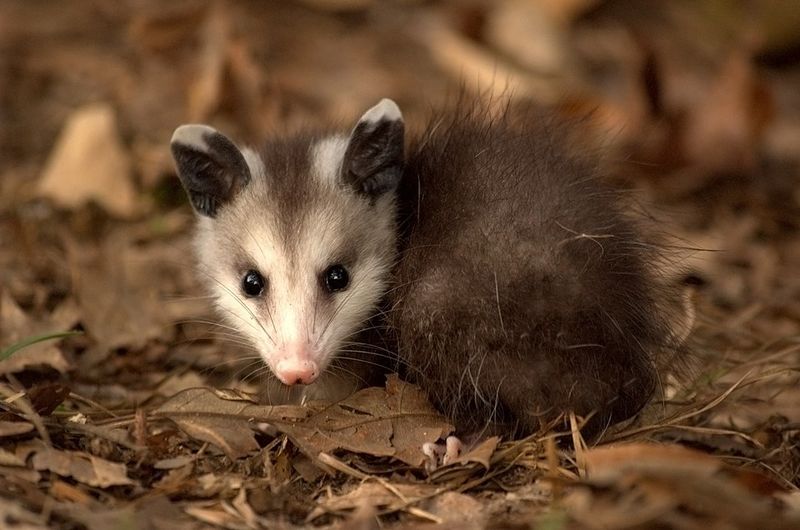
Opossums are transient creatures that rarely stay in one location for more than a few hours before moving on to explore other areas.
Patience is often the best strategy when dealing with an opossum in your yard, as these animals will typically leave on their own accord.
Rushing to scare them away or intervene can actually prolong the encounter and cause the animal unnecessary stress during their visit to your property.
Maryland opossums are nomadic by nature, traveling several miles each night in search of food, water, and suitable shelter throughout the local environment.
Giving them time and space to finish whatever activity they are engaged in allows them to depart naturally without feeling threatened or panicked.
Most opossums will move along within an hour or two, especially once they realize there are no readily available food sources nearby.
Checking on the situation periodically from indoors helps you monitor the animal without interfering with its natural behavior or travel patterns through the neighborhood.
This hands-off approach is the least stressful option for both you and the opossum, and it usually resolves the situation without any intervention.
7. Keep Pets Indoors Until It Leaves
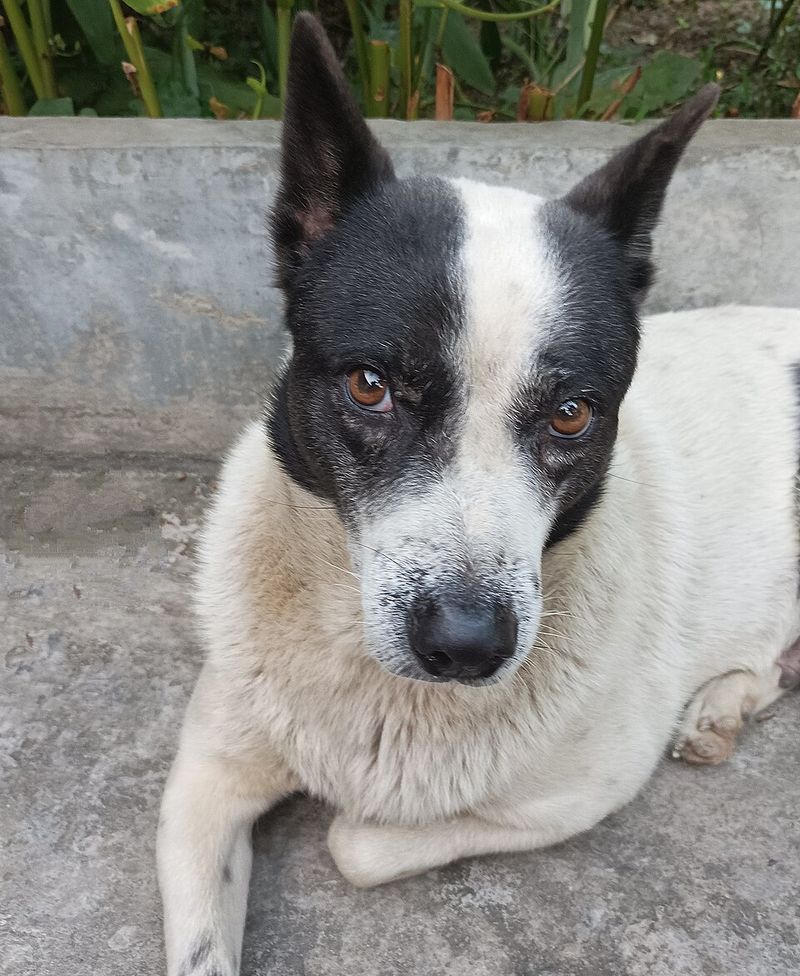
Dogs and cats can become extremely curious or aggressive when they detect an unfamiliar animal in their territory, leading to confrontations that benefit no one.
Opossums will defend themselves if cornered by a pet, and while they prefer to avoid conflict, they can bite or scratch when provoked.
Maryland pet owners should immediately bring their animals inside the moment they spot an opossum to prevent injuries, stress, or potential disease transmission.
Even well-trained pets may not respond to commands when their instincts kick in and they fixate on chasing or investigating the strange visitor nearby.
Keeping pets secured indoors also protects the opossum from harassment, allowing it to leave your property peacefully without fear of being chased.
Small dogs and cats are particularly vulnerable to defensive reactions from opossums, which can cause painful wounds requiring veterinary attention and medication.
Supervising outdoor time for pets during evening hours helps you catch potential wildlife encounters early before they escalate into dangerous or costly situations tonight.
Once the opossum has left your yard completely, you can safely allow your pets back outside to resume their normal activities and routines.
8. Make Gentle Noise To Encourage Departure
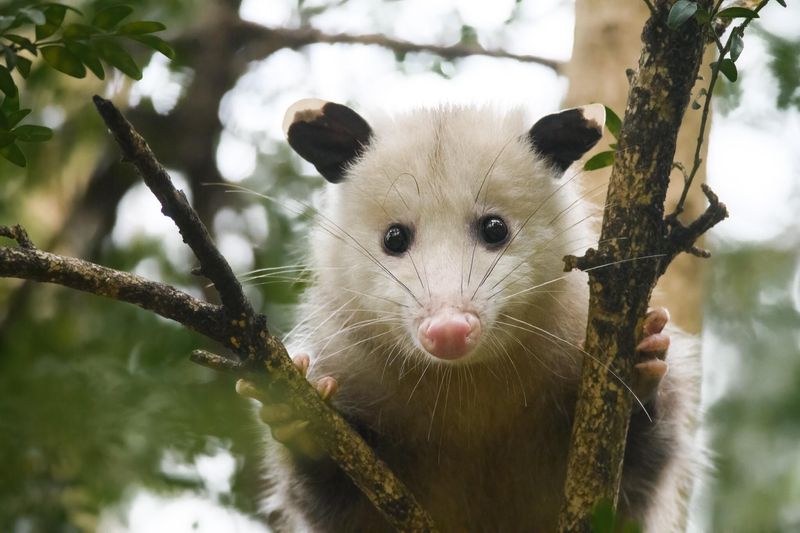
Soft sounds like talking in a normal voice, clapping your hands lightly, or playing quiet music can encourage an opossum to move along without terrifying it.
Loud, sudden noises might cause the animal to freeze in place or collapse into a defensive state that mimics being unresponsive or unwell.
Maryland residents should aim for a gentle approach that nudges the opossum toward the exit without overwhelming its senses or causing panic and confusion.
Walking slowly around the perimeter of your yard while maintaining a safe distance can also guide the animal toward an open fence line or natural pathway.
Avoid shouting, banging pots, or using air horns, as these aggressive tactics can backfire and make the situation worse for everyone involved tonight.
Opossums respond better to subtle cues that suggest it is time to move on rather than harsh, frightening stimuli that trigger defensive behaviors.
This method respects the animal while still asserting your presence and encouraging it to find a more suitable location away from your home and family.
Patience combined with gentle persuasion usually works well and helps the opossum leave your property without incident or lingering stress for either party involved.
9. Contact Wildlife Control If Necessary
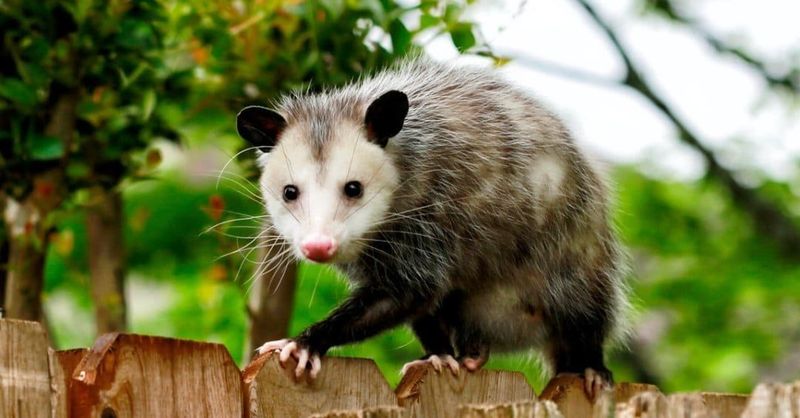
Sometimes an opossum may appear injured, sick, or unwilling to leave despite your best efforts to encourage its departure from your property tonight.
In these cases, contacting a licensed wildlife control expert or animal services ensures the situation is handled safely and humanely by trained professionals.
Maryland has several reputable wildlife management companies and county animal control departments that specialize in dealing with situations involving wild animals in residential areas.
Professionals have the proper equipment, training, and experience to assess the situation and determine the best course of action for the animal and homeowner.
They can safely relocate the opossum if necessary or provide guidance on how to prevent future visits from wildlife searching for resources nearby.
Attempting to trap or remove the animal yourself can be dangerous and may even be illegal in Maryland without the appropriate permits.
Reaching out for help is especially important if the opossum is acting strangely, appears disoriented, or is located in an area where it poses a risk to people or pets.
Professional intervention ensures the animal receives proper care while protecting your family and property from potential problems or complications that could arise otherwise.
10. Educate Your Family About Opossums
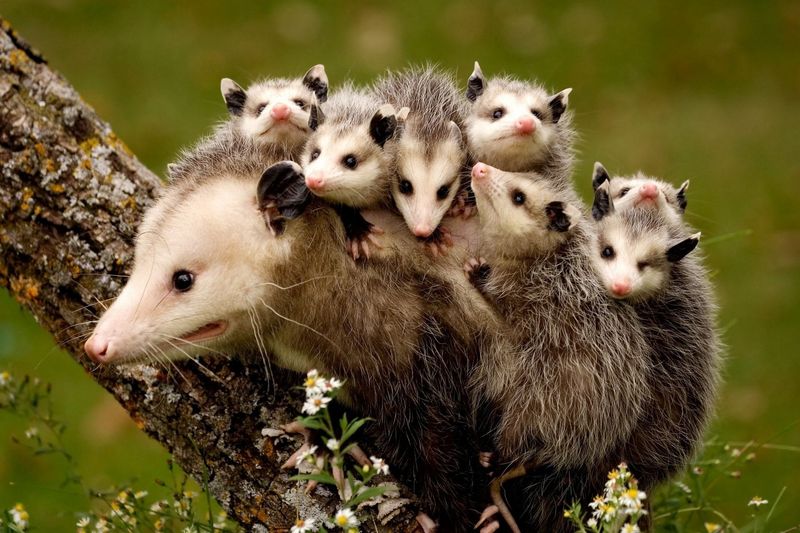
Teaching your household members about opossum behavior, benefits, and safety precautions helps everyone respond appropriately when encountering these animals in the future around your home.
Many people hold misconceptions about opossums, believing they are dangerous, aggressive, or carriers of serious diseases when in reality they are quite beneficial.
Maryland families who understand these creatures are less likely to panic or react in ways that could harm themselves or the animal.
Opossums consume thousands of ticks each season, reducing the risk of Lyme disease and other tick-borne illnesses that affect humans and pets throughout the state.
They also eat insects, rodents, and carrion, acting as natural pest controllers that help maintain ecological balance in suburban and rural environments.
Sharing these facts with children helps them appreciate wildlife rather than fear it, fostering respect for the natural world and its inhabitants.
Discussing what to do during an encounter prepares everyone to respond calmly and safely, reducing the likelihood of accidents or unnecessary calls to emergency services.
Knowledge empowers your family to coexist peacefully with the wildlife that shares Maryland neighborhoods, creating a safer and more harmonious environment for all.