9 Things To Know Before Removing Possums From Your Yard In California
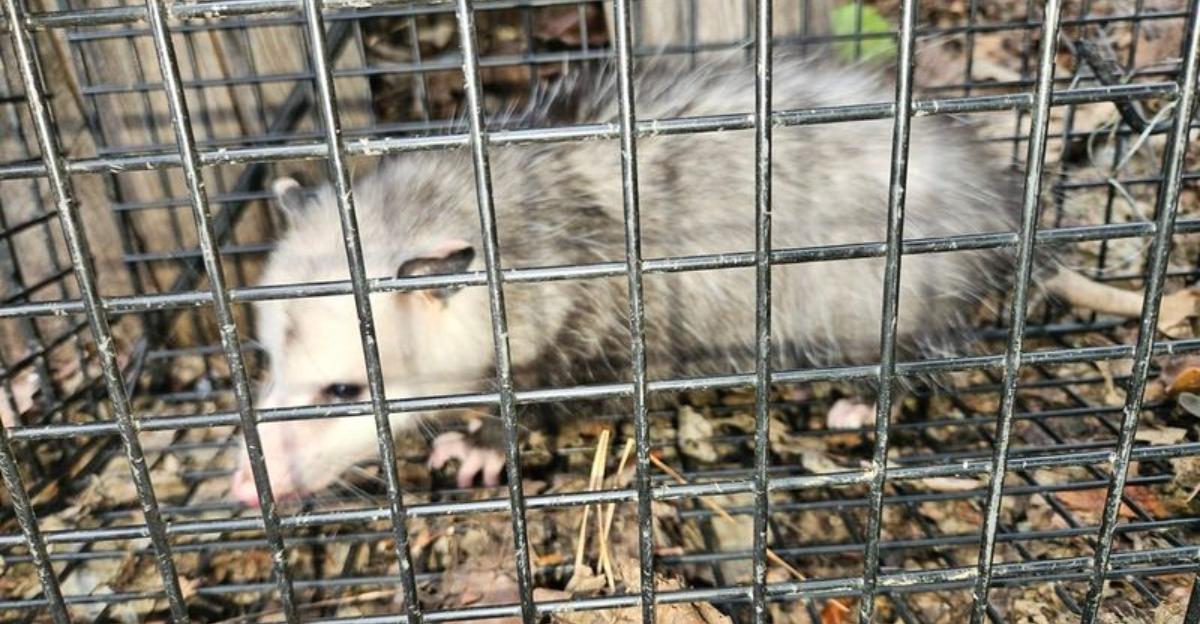
In California, possums often get a bad rap—but removing them isn’t as simple as shooing them away.
These nighttime wanderers play an important role in the ecosystem, and mishandling the situation can cause more harm than good.
Before taking action, homeowners need to understand the legal, ecological, and practical realities of dealing with possums.
California wildlife laws are strict, and humane treatment isn’t optional.
What seems like a nuisance today could turn into a costly mistake tomorrow.
Possums help control pests, clean up fallen fruit, and generally mind their own business.
Knowing when to intervene—and when to leave well enough alone—can save you stress and protect local wildlife.
In California, smart solutions start with understanding, not panic.
1. Opossums Are Protected Wildlife In California
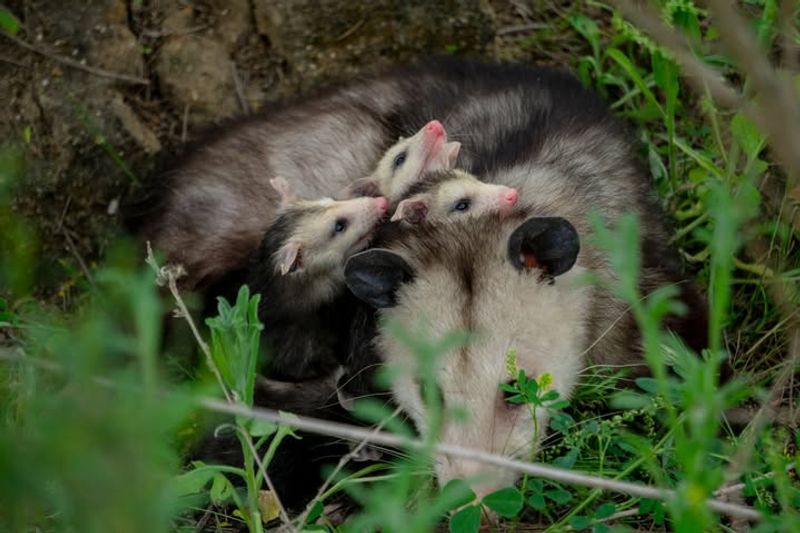
California classifies opossums as nongame mammals under state wildlife protection laws, which means they receive specific legal protections that homeowners must respect.
According to the California Department of Fish and Wildlife, nongame mammals cannot be trapped, relocated, or harmed without proper authorization and adherence to strict regulations.
Homeowners who take matters into their own hands risk violating state law, even if their intentions seem reasonable.
The regulations exist because wildlife management requires specialized knowledge to prevent ecological disruption and ensure humane treatment of animals.
Opossums serve important functions in California ecosystems, and removing them improperly can have unintended consequences for local wildlife balance.
State officials emphasize that property owners should explore legal alternatives before considering any removal action.
If you believe an opossum is causing significant problems on your property, your first step should be contacting California Fish and Wildlife or a licensed wildlife professional.
They can assess the situation and guide you through legal options that comply with state regulations.
Understanding these protections helps homeowners avoid costly penalties while respecting California’s commitment to wildlife conservation and humane animal treatment standards.
2. Relocating A Trapped Opossum Is Illegal
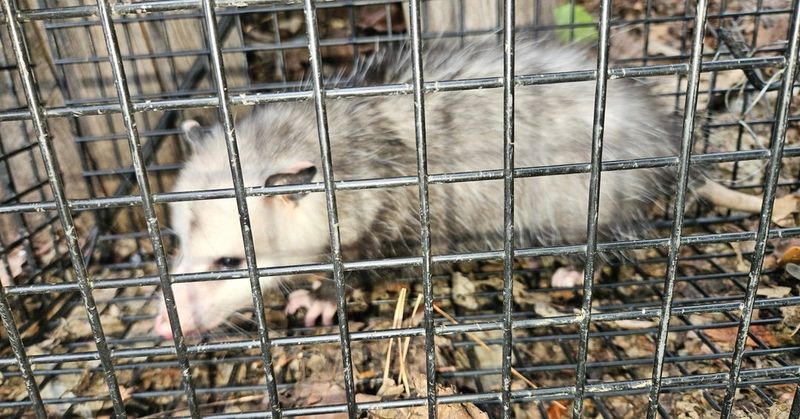
Many homeowners assume that trapping an opossum and releasing it elsewhere is a humane solution, but California law explicitly prohibits this practice.
Relocation disrupts local ecosystems by introducing animals into unfamiliar territories where they must compete with established wildlife for resources.
This often results in the relocated animal struggling to survive in an environment where it has no established den sites or food sources.
Beyond ecological concerns, relocation poses serious disease transmission risks between different wildlife populations.
Opossums may carry parasites or pathogens that could spread to animals in the release area, potentially affecting species that have no natural immunity.
California Fish and Wildlife regulations recognize these dangers and forbid unlicensed individuals from relocating any trapped wildlife, including opossums.
Homeowners who violate relocation laws face significant penalties, including fines that can reach hundreds or even thousands of dollars depending on circumstances.
Law enforcement takes these violations seriously because they threaten California’s carefully managed wildlife populations.
Instead of trapping and relocating, property owners should focus on exclusion methods that encourage opossums to leave naturally and prevent their return.
Working with licensed professionals ensures compliance with state law while addressing your wildlife concerns effectively and humanely.
3. Harming Opossums Is Not Allowed Without A Permit
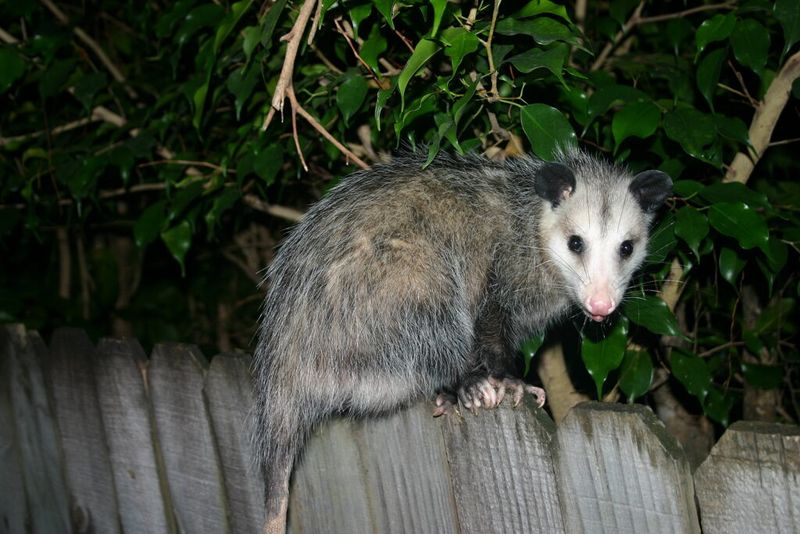
California maintains strict regulations regarding lethal control of opossums, with very limited circumstances under which such actions are legally permitted.
Homeowners cannot take lethal action against opossums simply because they find them bothersome or fear potential property damage.
State law requires special permits for lethal removal, and these are granted only in extreme situations where all other options have been exhausted and documented.
When permits are issued, they come with specific requirements about humane methods and documentation of the necessity for such drastic measures.
California Fish and Wildlife emphasizes that lethal control should always be an absolute last resort after exhausting all non-lethal alternatives.
The permitting process involves demonstrating that the opossum poses an immediate, significant threat that cannot be resolved through exclusion or deterrent methods.
Unauthorized lethal action against opossums carries severe legal consequences, including substantial fines and potential criminal charges depending on the circumstances.
Law enforcement agencies and wildlife officials actively investigate reports of illegal wildlife harm, and violations can result in penalties ranging from hundreds to thousands of dollars.
Property owners should remember that opossums are generally non-aggressive animals that prefer to avoid human contact.
Rather than considering harmful removal, focus on coexistence strategies and legal exclusion techniques that protect both your property rights and California’s wildlife.
4. Opossums Provide Natural Pest Control Benefits
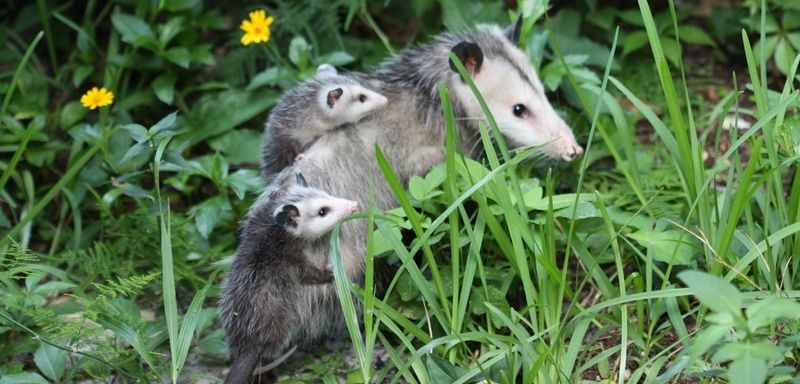
Opossums function as nature’s cleanup crew, consuming insects, small rodents, snails, and other creatures that many homeowners consider genuine pests.
A single opossum can consume thousands of ticks in a season, significantly reducing the risk of Lyme disease and other tick-borne illnesses in your yard.
Their appetite for garden pests like slugs, beetles, and grubs makes them valuable allies for gardeners who struggle with crop damage.
Beyond insects, opossums consume carrion and overripe fruit that would otherwise attract flies and other nuisance species to your property.
This cleanup service helps maintain a healthier yard environment while reducing odors and potential disease vectors.
Removing opossums from an area often leads to population increases in the pests they naturally control, creating larger problems than the opossum’s presence ever caused.
Ecologically, opossums occupy an important niche in California’s suburban and rural environments, helping maintain balance among various species populations.
Their foraging behavior aerates soil and disperses seeds, contributing to plant diversity and garden health in unexpected ways.
Before deciding to remove an opossum, consider the pest control services you’ll lose and whether the alternative methods will be as effective or environmentally friendly.
Many homeowners who learn about these benefits choose to coexist peacefully with their opossum neighbors rather than pursuing removal.
5. Exclusion Is The Only Legal Long-Term Solution

California law and wildlife experts agree that exclusion methods represent the most effective and legal approach to managing opossum presence on your property.
Exclusion involves identifying and sealing potential entry points to structures like sheds, crawl spaces, and garages where opossums might seek shelter.
Hardware cloth with small mesh openings works particularly well for blocking access to areas beneath decks, porches, and building foundations.
Securing food sources is equally important in discouraging opossum visits to your yard and preventing them from establishing regular foraging patterns.
Store pet food indoors, use secure lids on garbage cans, and remove fallen fruit from trees promptly to eliminate attractions.
Bird feeders should be positioned where opossums cannot access them, or brought inside at night when these nocturnal animals are most active.
Fencing can provide additional protection for specific garden areas or chicken coops, though it must extend underground to prevent burrowing access.
Motion-activated lights and sprinklers can also discourage opossums from frequenting particular areas without causing them harm.
Unlike trapping or relocation, exclusion methods address the root causes of opossum presence while remaining completely legal and humane.
Working with a licensed wildlife professional can help you develop a comprehensive exclusion plan tailored to your property’s specific vulnerabilities and your concerns about opossum activity.
6. Removing Babies Can Be A Serious Violation

Separating baby opossums from their mother constitutes a serious violation of California wildlife protection laws and creates significant animal welfare concerns.
Opossum breeding season typically runs from January through July, with females often carrying young in their pouches or on their backs.
During this period, any attempt to remove an adult opossum may inadvertently separate dependent babies who cannot survive without maternal care.
California law specifically protects dependent young wildlife, recognizing that orphaned babies face extremely poor survival odds even when taken to rehabilitation facilities.
Wildlife rehabilitators are often overwhelmed during breeding season with orphaned animals, and resources are limited for their intensive care needs.
Homeowners who cause separation of mothers and babies may face enhanced penalties beyond those for simple unauthorized trapping or relocation.
If you discover an opossum with babies on your property, the legal and humane approach is to wait until the young are independent before implementing exclusion methods.
Baby opossums typically become independent around three to four months of age, after which the family group will naturally disperse.
Patience during this period protects you from legal liability while ensuring the animals have a fair chance at survival.
Licensed wildlife professionals can assess situations involving mothers with young and recommend appropriate timing for exclusion activities that comply with both legal requirements and ethical wildlife management standards.
7. Professional Wildlife Control Must Be Licensed
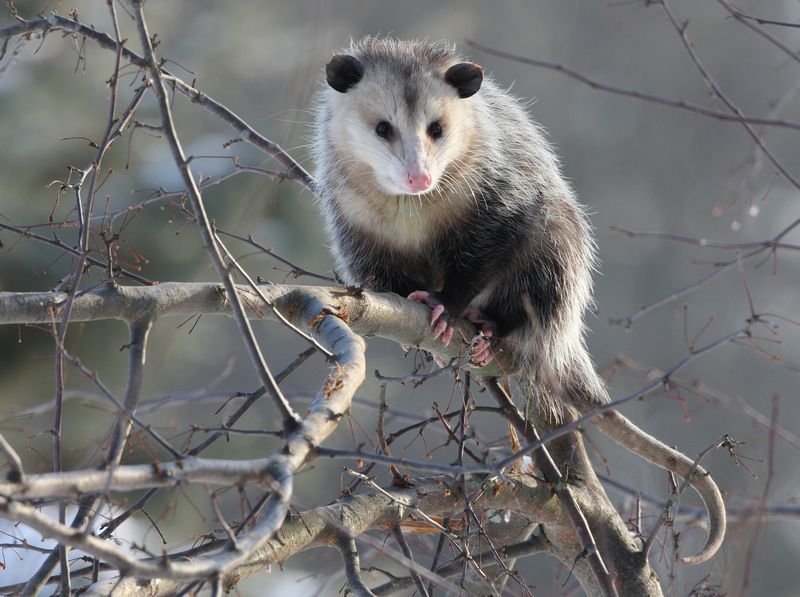
California requires wildlife control operators to hold proper licenses issued by the Department of Fish and Wildlife before they can legally trap or handle protected species.
Licensed professionals have demonstrated knowledge of state regulations, humane handling techniques, and proper wildlife management practices through examination and continuing education.
Homeowners who hire unlicensed individuals or companies for opossum removal expose themselves to legal liability if violations occur during the service.
When wildlife control goes wrong due to unlicensed operators, property owners can be held responsible for resulting violations, fines, and animal welfare issues.
Licensed professionals carry insurance and bonding that protects both themselves and their clients from liability related to wildlife management activities.
They also maintain records and follow reporting requirements that demonstrate compliance with state regulations, providing documentation that protects homeowners from accusations of illegal wildlife handling.
Before hiring any wildlife control service, ask to see current licensing credentials and verify their status with the California Department of Fish and Wildlife.
Legitimate professionals will readily provide this information and explain their approach to opossum management, which should emphasize exclusion and deterrence rather than removal.
While licensed services may cost more than unlicensed alternatives, the legal protection and professional expertise justify the investment.
Working with properly licensed wildlife control operators ensures your opossum concerns are addressed legally and effectively while minimizing risks to both you and the animals.
8. Health Risks Are Often Overstated
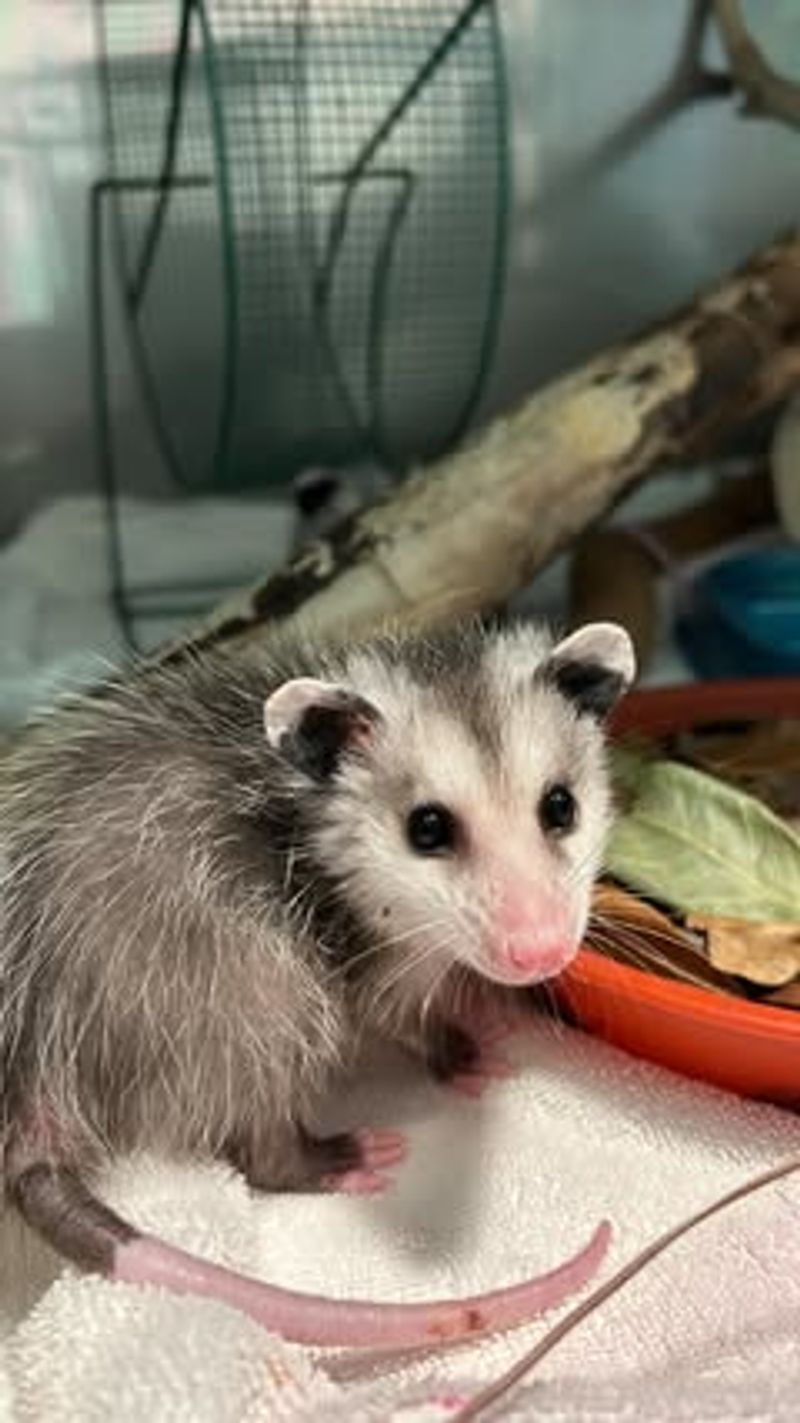
Opossums have developed an unfair reputation as disease carriers, but scientific evidence shows they pose minimal health risks compared to many other wildlife species.
Their naturally low body temperature makes them poor hosts for rabies, with cases of rabid opossums being extremely rare in California and throughout North America.
In fact, opossums are far less likely to carry rabies than raccoons, skunks, bats, or foxes that also inhabit suburban California neighborhoods.
While opossums can carry some parasites and bacteria like any wild animal, the actual transmission risk to humans is very low with basic precautions.
They are naturally clean animals that groom themselves frequently, similar to cats, and they typically avoid direct contact with people whenever possible.
Fear-based reactions to opossums often lead homeowners to take illegal removal actions that create legal problems far more serious than any realistic health concern the animals posed.
Understanding the actual versus perceived risks helps homeowners make rational decisions about wildlife on their property rather than acting out of unfounded fear.
Simple precautions like not touching wild animals, keeping pets vaccinated, and practicing good hygiene after outdoor activities provide adequate protection.
Education about opossum behavior and biology reveals them as generally beneficial, non-aggressive neighbors rather than dangerous threats.
Before considering removal based on health concerns, research accurate information from veterinary and wildlife management sources rather than relying on myths and misconceptions.
9. Penalties For Illegal Removal Can Be Severe

California takes wildlife protection violations seriously, with penalties designed to deter illegal trapping, relocation, and harm to protected species like opossums.
Fines for unauthorized wildlife removal typically start at several hundred dollars but can escalate to thousands depending on the circumstances and whether the violation involved harm to animals.
Repeat offenders or cases involving particularly egregious violations may face enhanced penalties including potential criminal charges rather than simple civil infractions.
Beyond monetary fines, violations can result in court appearances, legal fees, and permanent records that may affect future interactions with wildlife agencies.
If illegal removal activities result in animal suffering or environmental damage, penalties increase substantially and may include restitution requirements.
California Fish and Wildlife officers have full law enforcement authority and actively investigate reports of wildlife violations from neighbors, animal welfare organizations, and concerned citizens.
The financial and legal consequences of illegal opossum removal far outweigh the cost of implementing proper exclusion methods or hiring licensed professionals.
Property owners should also consider that social media and neighborhood awareness of wildlife violations can damage reputations and relationships within communities increasingly concerned about environmental stewardship.
Compliance with California’s wildlife protection laws protects both your legal standing and your financial wellbeing while contributing to responsible wildlife management.
Understanding these potential penalties should motivate homeowners to explore legal alternatives and seek proper guidance before taking any action regarding opossums on their property.