9 Things You Can Do When A Skunk Turns Up In Your Yard In Illinois
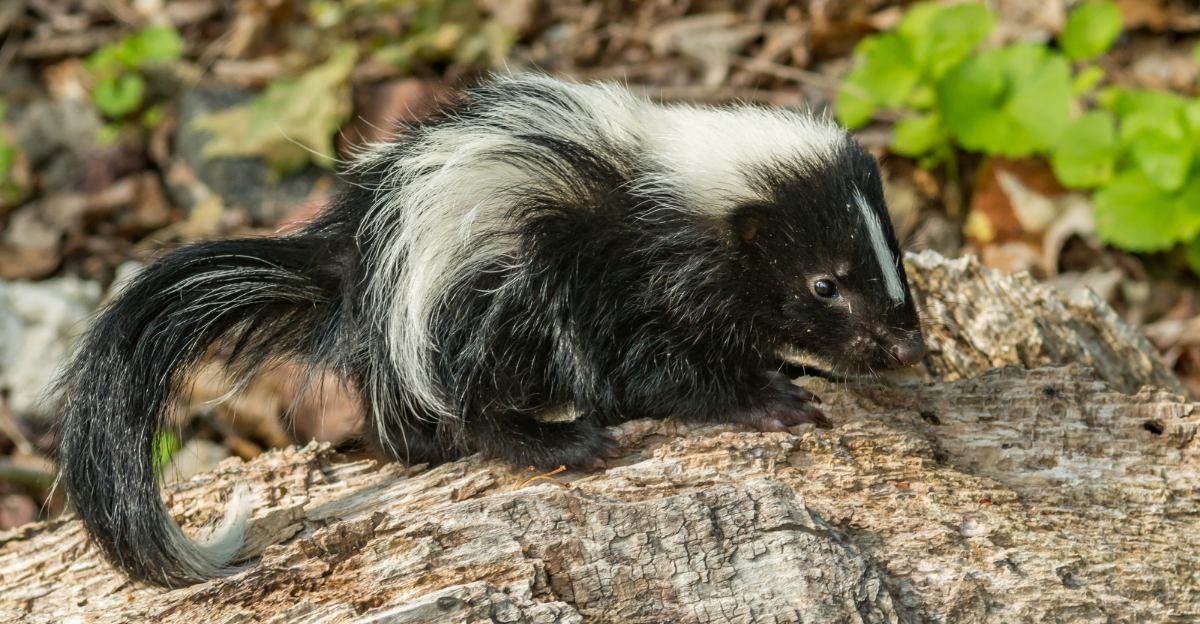
Finding a skunk in your yard can instantly put you on edge, especially when you realize one wrong move could leave a smell that lingers for weeks.
Most Illinois homeowners picture the worst right away, even though skunks usually want nothing to do with people.
What makes the situation stressful is not the animal itself, but the uncertainty about how to respond without making things worse.
I remember freezing the first time I spotted one near my porch, unsure whether to back away quietly or panic.
Skunks often wander into yards for simple reasons like food, shelter, or quiet nighttime conditions.
Once they find something appealing, they tend to return unless that attraction is removed.
Acting too aggressively can trigger defensive spraying, while doing nothing may encourage repeat visits.
The smartest approach focuses on calm, practical steps that gently discourage the skunk from sticking around.
Most solutions are easier than people expect and do not involve traps or drastic measures.
These nine actions can help you deal with a skunk in your Illinois yard safely while keeping stress and smell to a minimum.
1. Stay Calm and Keep Your Distance
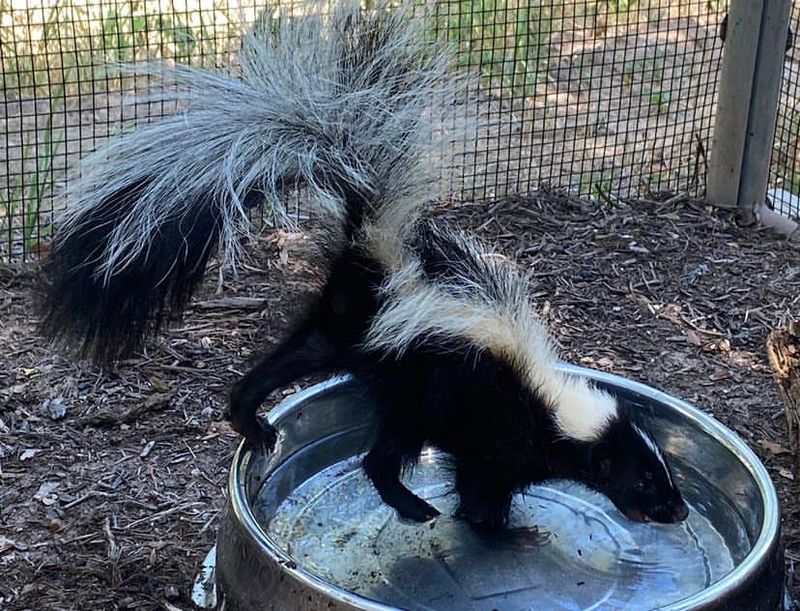
Spotting a skunk wandering across your lawn can make your heart race, but panicking only makes the situation worse for everyone involved in the encounter.
Skunks typically avoid conflict and prefer to waddle away peacefully when they sense humans nearby, so giving them space reduces spray risks dramatically.
Illinois homeowners who remain still and quiet allow these creatures to move along without feeling threatened or cornered by sudden movements or loud noises.
Most skunk spraying incidents happen when people or pets chase, corner, or startle the animal, forcing it into a defensive position it desperately wants to avoid.
Backing away slowly while keeping your eyes on the skunk gives it the exit route it needs to leave your property safely and calmly.
Children and pets should be called indoors immediately to prevent curious approaches that could trigger that powerful spray everyone fears so much.
Remember that skunks in Illinois are generally nocturnal, so daytime sightings might indicate a den nearby or a mother searching for food for her babies.
Observing from a window or doorway lets you monitor the situation without putting yourself in harm’s way or escalating the encounter unnecessarily.
Patience and calm observation are your best friends when dealing with these striped visitors who just want to find their next meal and move on.
2. Remove Food Sources That Attract Them

Quiet nighttime rustling, strong odors, or freshly disturbed soil often signal that something is scouting your yard for shelter rather than just passing through.
Illinois homes offer plenty of hidden, protected spots that wildlife finds irresistible, especially areas beneath porches, decks, sheds, and raised structures.
Crawl spaces with unsecured openings quickly become prime real estate for mother skunks searching for safe places to raise babies away from predators.
Checking your property for gaps, holes, and openings larger than four inches helps reveal vulnerable entry points before animals settle in.
Hardware cloth or welded wire mesh works extremely well for covering openings because skunks cannot chew through metal like wood or plastic materials.
Burying the mesh several inches into the ground stops determined diggers from tunneling underneath barriers to reach preferred den locations.
Illinois homeowners should inspect foundation vents, utility entry points, and spaces beneath outdoor structures regularly for signs of animal activity.
Waiting until you are certain no animals are currently using the space before sealing it prevents trapping wildlife inside and creating bigger problems.
Sprinkling flour or loose dirt near suspected entrances helps confirm activity by revealing fresh tracks the following morning.
Once the area is confirmed empty, sealing it permanently keeps skunks and other wildlife from claiming it as a long-term shelter in the future.
3. Secure Potential Den Sites Around Your Property
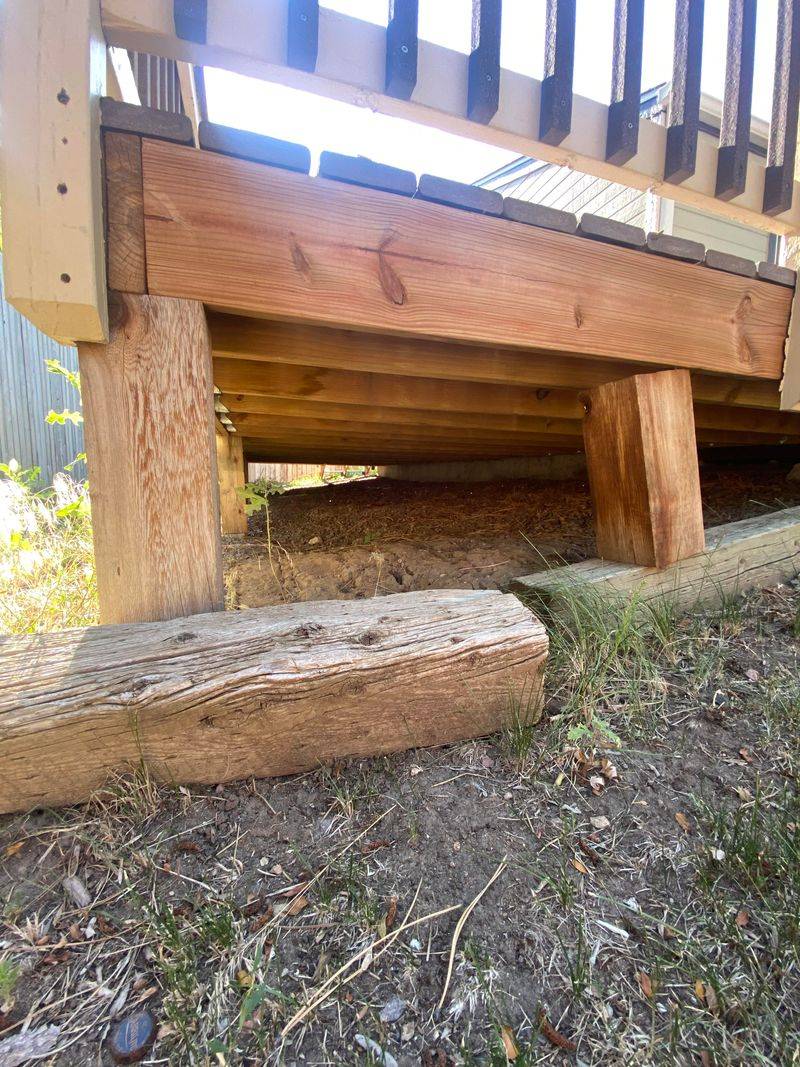
Hidden, sheltered spaces around homes make ideal den sites for wildlife, and Illinois properties offer plenty of options under porches, decks, and sheds.
Crawl spaces with unsecured openings quickly become prime real estate for mother skunks looking to raise their babies in safe, protected areas away from predators.
Checking your property for gaps, holes, and openings larger than four inches helps you identify vulnerable spots that need blocking before animals move in.
Hardware cloth or welded wire mesh works excellently for covering openings because skunks cannot chew through metal like they might with wood or plastic materials.
Burying the mesh several inches into the ground prevents these determined diggers from tunneling underneath your barriers to reach preferred den locations.
Illinois residents should inspect foundation vents, gaps where utilities enter the home, and spaces beneath outdoor structures regularly for signs of animal activity.
Waiting until you are certain no skunks are currently denning in a space before sealing it prevents trapping animals inside, which creates bigger problems later.
Placing flour or dirt near suspected entrances helps you determine if the area is actively used by checking for fresh footprints each morning.
Once you confirm the space is empty, sealing it permanently keeps skunks and other wildlife from claiming it as their new home in the future.
4. Use Motion-Activated Lights and Sprinklers
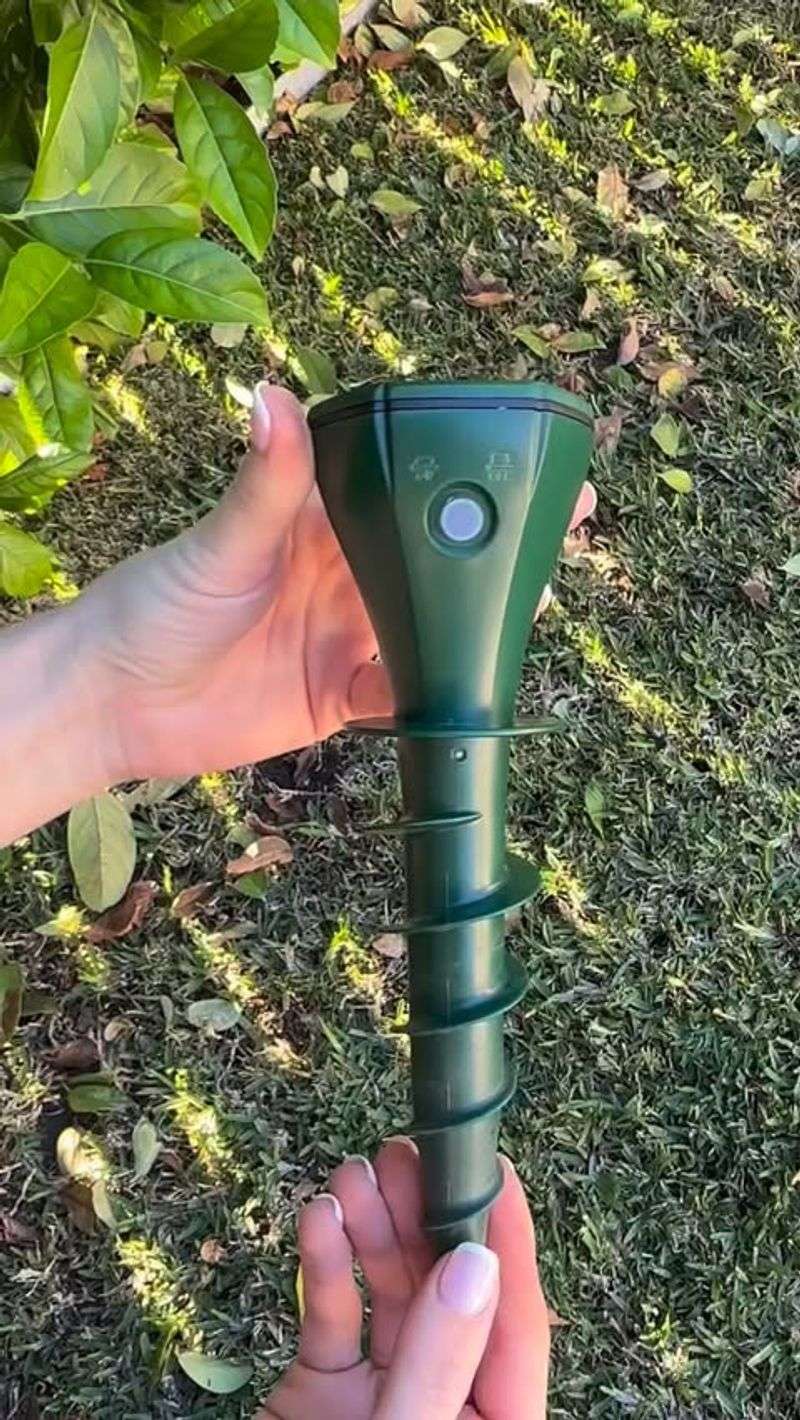
Working under the cover of darkness feels safest for nocturnal wildlife, which is why sudden bright lights can be an effective way to drive unwanted visitors away.
Motion-activated lights installed around your Illinois property create an environment that feels unsafe, encouraging animals to search for darker, quieter yards instead.
These automated systems require no effort from homeowners once installed, turning on automatically whenever movement is detected in their range of sensitivity.
Combining lights with motion-activated sprinklers creates an even more powerful deterrent because these animals dislike getting wet just as much as they dislike bright lights.
The sudden spray of water startles them without causing harm, teaching that your yard is an unpleasant place to visit repeatedly.
Illinois homeowners find this combination particularly effective during spring and summer when activity increases and animals search for food and mates constantly.
Positioning these devices near areas where entry commonly happens, like fence lines and property edges, maximizes effectiveness at discouraging return visits.
The initial investment in motion-activated equipment pays off quickly by reducing encounters and protecting lawns from digging damage.
Adjusting sensitivity settings prevents false triggers from small animals like squirrels while still detecting larger nighttime wanderers like raccoons and skunks.
5. Apply Natural Repellents to Discourage Visits
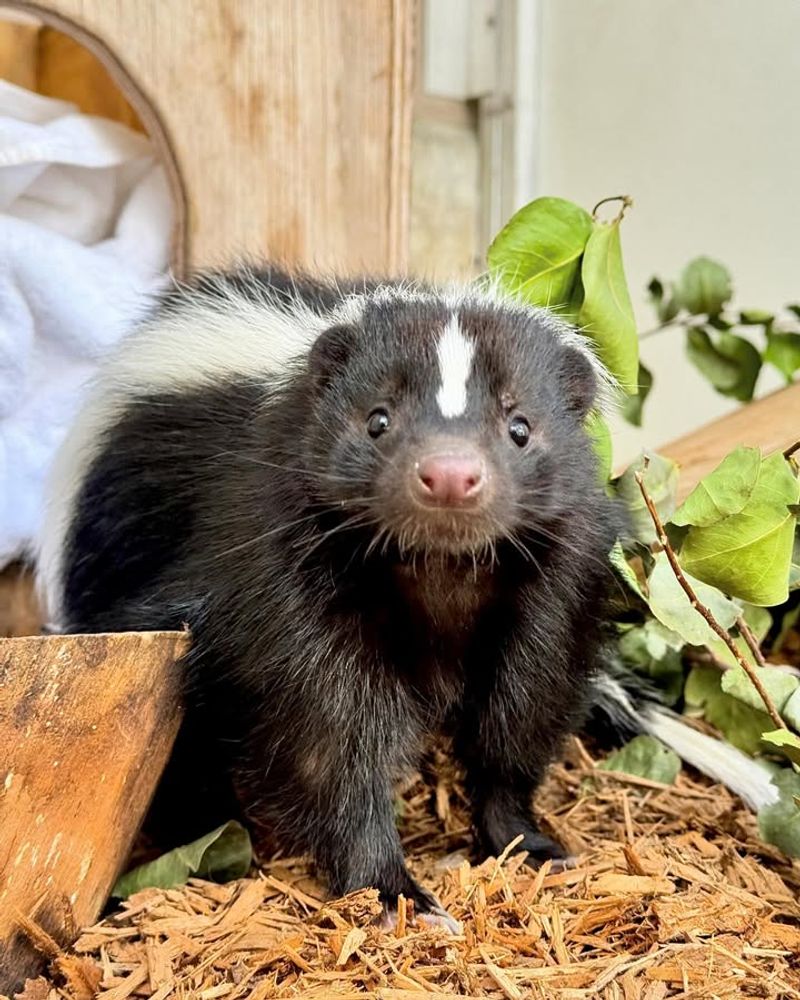
Highly developed noses help nocturnal wildlife locate food easily, and using that sensitivity against them with strong scents can discourage unwanted visits effectively.
Citrus peels scattered around Illinois gardens and yards create an unpleasant smell that skunks find overwhelming and prefer to avoid whenever possible.
Ammonia-soaked rags placed in areas where activity is frequent mimic predator urine, signaling danger and encouraging cautious animals to stay away.
Commercial repellents containing natural ingredients like capsaicin, garlic, and peppermint oil work well when applied according to package directions around property edges.
Homemade mixtures using hot pepper flakes combined with water and dish soap can be sprayed on plants and grass without harming lawns.
Illinois residents should reapply repellents after rain and every few weeks to maintain effectiveness as scents fade with weather exposure.
Coffee grounds sprinkled around garden beds add a scent barrier while enriching soil with nitrogen, creating a useful side benefit.
Predator urine products sold at garden centers convince skunks that dangerous animals hunt nearby, making the space feel too risky.
Testing different repellents helps determine which option works best, since individual animals respond differently to scent-based deterrents.
6. Protect Your Pets and Keep Them Indoors at Night
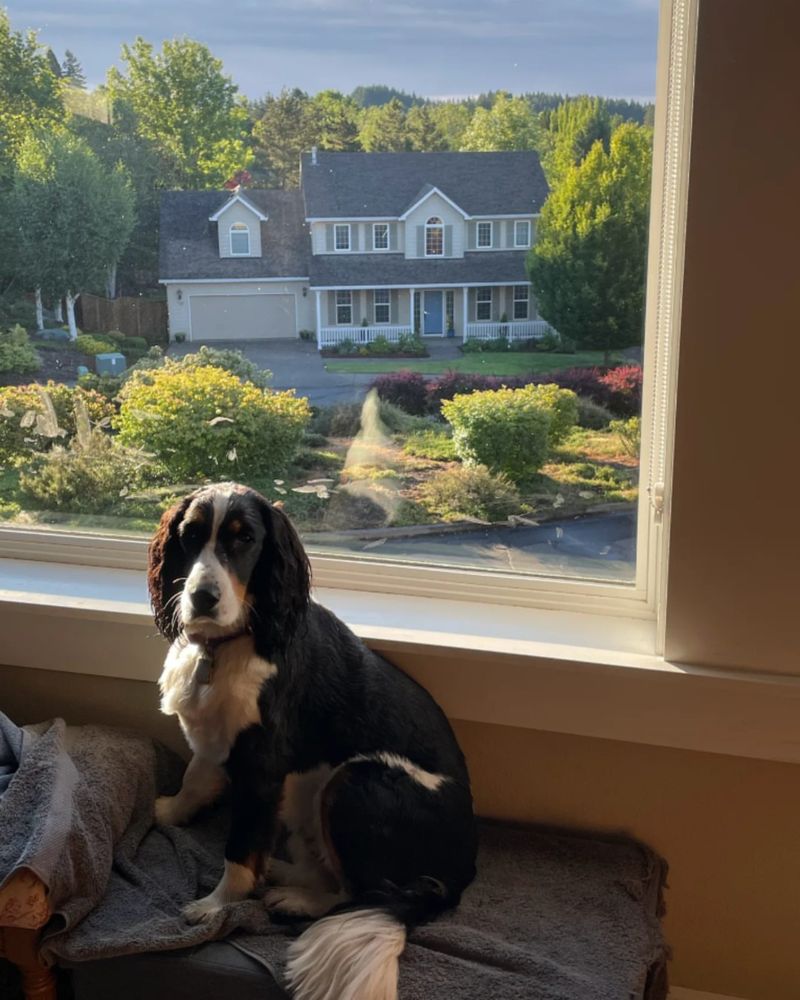
Curious dogs and cats often approach skunks without understanding the stinky consequences, leading to spray incidents that leave pets and homes smelling terrible for weeks.
Illinois pet owners should keep animals indoors during evening and nighttime hours when skunks are most active and searching for food in residential neighborhoods.
Walking dogs on leashes during dawn and dusk hours gives you control to pull them away if you spot a skunk before an unfortunate encounter occurs.
Training pets to come when called can prevent them from chasing wildlife they encounter in your yard, potentially saving them from a face full of spray.
Fenced yards offer some protection, but skunks can squeeze through surprisingly small openings or dig under barriers to access your property at night.
Checking your yard with a flashlight before letting pets out for evening bathroom breaks helps you spot skunks before your animals do accidentally.
If your pet does get sprayed, a mixture of hydrogen peroxide, baking soda, and dish soap works much better than tomato juice for removing the awful smell.
Keeping this mixture’s ingredients on hand prepares you for emergencies, though preventing encounters in the first place saves everyone from that miserable experience.
Illinois veterinarians can provide additional advice for protecting pets from wildlife encounters common in your specific area and neighborhood throughout the year.
7. Contact Professional Wildlife Removal Services
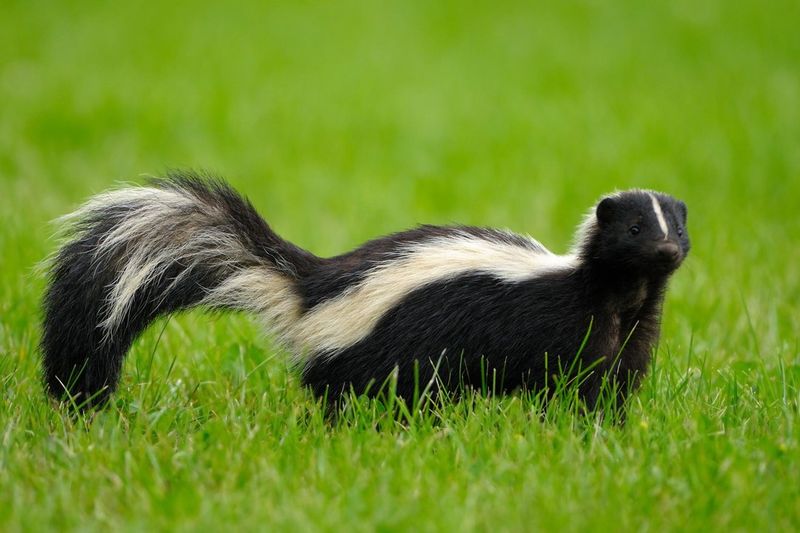
Sometimes skunk problems exceed what homeowners can handle safely on their own, especially when animals establish dens under structures or repeatedly return to properties.
Licensed wildlife removal professionals in Illinois have the training, equipment, and experience to handle skunks humanely while minimizing risks to people and pets involved.
These experts understand skunk behavior patterns and can identify why these animals find your property attractive, offering solutions that address root causes effectively.
Professional services use humane trapping methods that capture skunks without harming them, then relocate the animals to appropriate habitats far from residential areas.
Attempting to trap skunks yourself can result in spray incidents, injuries, or accidentally separating mothers from dependent babies who cannot survive alone.
Illinois regulations regarding wildlife removal vary by location, and professionals stay current on legal requirements that homeowners might not know about or understand fully.
Many wildlife control companies also offer exclusion services, sealing entry points and installing barriers that prevent future animal intrusions on your property permanently.
The cost of professional help often proves worthwhile when compared to the time, frustration, and potential dangers of handling persistent skunk problems independently.
Getting recommendations from neighbors or reading online reviews helps you find reputable wildlife removal services serving your Illinois community with proven track records of success.
8. Document and Report Unusual Skunk Behavior
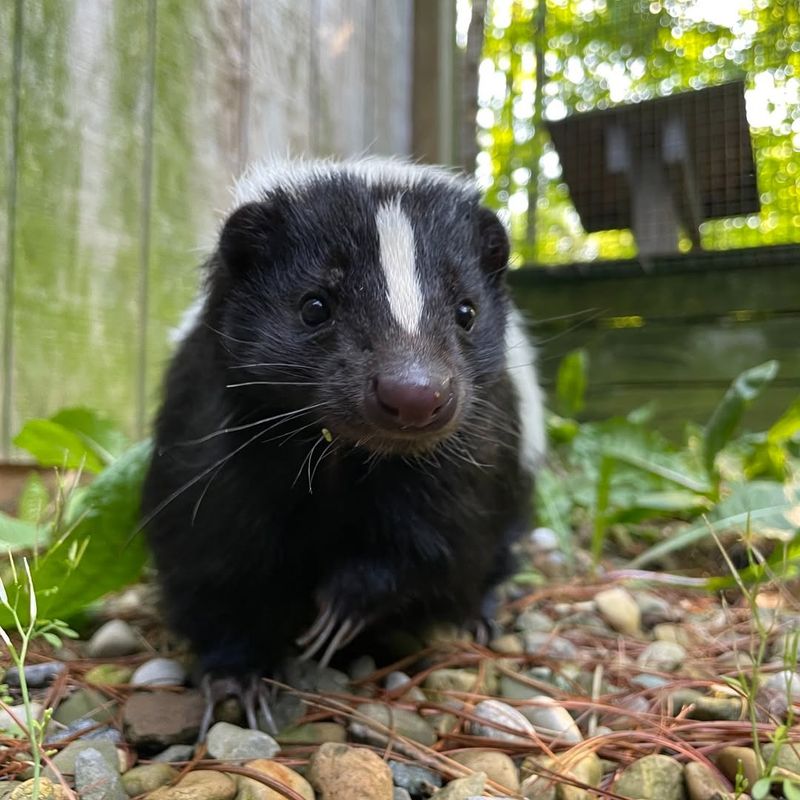
Healthy skunks typically avoid humans and stay active primarily at night, so seeing one during daytime hours or acting strangely warrants attention and caution.
Skunks displaying aggressive behavior, stumbling movements, or unusual friendliness toward people might be sick with rabies or other diseases that pose serious health risks.
Illinois residents who observe concerning skunk behavior should contact their local animal control department or health department immediately for guidance and assistance with the situation.
Taking photos or videos from a safe distance inside your home provides documentation that helps authorities assess the situation and respond appropriately to potential threats.
Never approach, touch, or attempt to help a skunk that appears sick or injured since this puts you at risk of bites and disease transmission.
Keeping children and pets away from the area until professionals arrive ensures everyone’s safety while the situation gets resolved by trained experts.
Rabies remains a serious concern with wildlife in Illinois, and skunks are among the most common carriers of this fatal disease affecting mammals and humans.
Reporting unusual wildlife behavior helps public health officials track disease patterns and protect communities from potential outbreaks that could affect multiple families.
Acting responsibly by documenting and reporting concerning incidents contributes to neighborhood safety and helps wildlife management efforts throughout the entire state successfully.
9. Learn to Coexist Peacefully with Local Wildlife
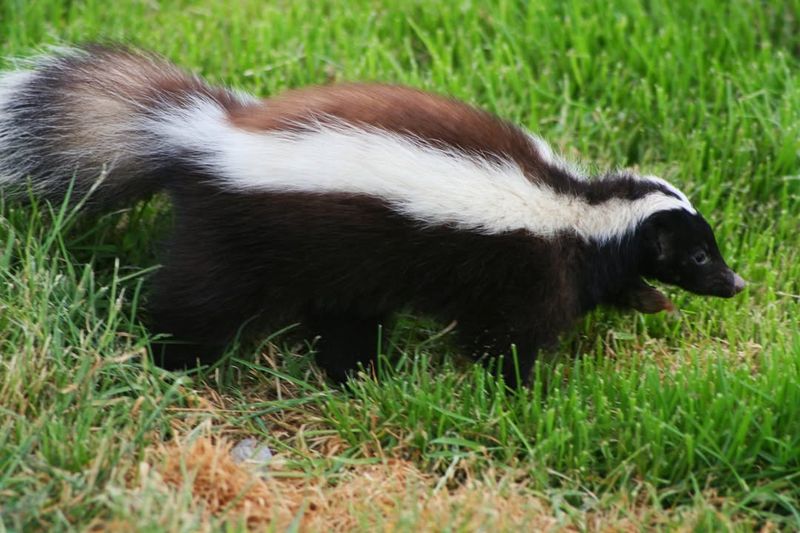
Skunks play valuable roles in Illinois ecosystems by eating insects, grubs, and rodents that can damage lawns and gardens when their populations grow unchecked.
Understanding that these animals are simply trying to survive helps homeowners develop more compassionate approaches to managing occasional wildlife encounters in residential areas.
Most skunk visits are brief, with animals passing through yards quickly while searching for food before moving on to other locations in the neighborhood.
Teaching children to respect wildlife from safe distances fosters appreciation for nature while emphasizing important safety rules that protect both people and animals.
Illinois suburbs and rural areas overlap with natural habitats, meaning human-wildlife interactions will continue regardless of prevention efforts homeowners undertake diligently.
Accepting that occasional skunk sightings are normal parts of living in areas with diverse wildlife reduces stress and fear associated with these encounters significantly.
Focusing on prevention rather than elimination creates a balanced approach that protects your property while allowing skunks to exist in their natural environment peacefully.
Sharing information with neighbors about effective deterrent methods helps entire communities reduce wildlife conflicts and maintain harmony between human and animal residents successfully.
Appreciating the beauty and importance of all creatures, even those with defensive spray capabilities, enriches our connection to the natural world around us daily.