10 Things You Cannot Build Or Keep In A Connecticut Yard Without Permission
A quiet backyard in Connecticut can hide a surprising set of legal limits.
Many homeowners assume fences, sheds, or animals fall under personal choice, yet local rules tell a stricter story.
Town zoning codes, health departments, and historic districts all hold power over what appears behind your house.
One wrong addition can trigger fines, forced removal, or tense meetings with officials.
From simple structures to unexpected yard features, permission often comes first.
This article breaks down ten items that require approval before they appear on your property.
Know the rules before money leaves your wallet or a project stalls mid-plan.
Smart preparation keeps your yard peaceful, compliant, and free from costly surprises.
1. Sheds And Detached Structures
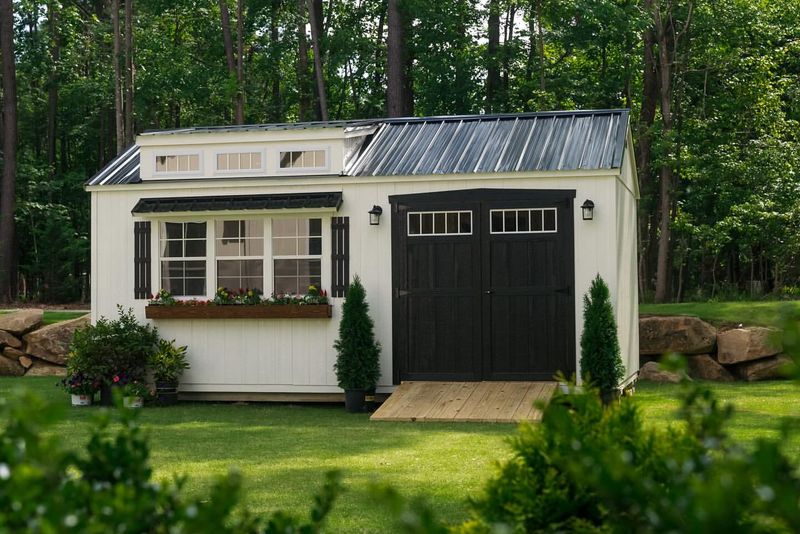
Adding a shed to your property seems simple, but Connecticut towns usually require permits for any detached structure exceeding a certain square footage threshold.
Most municipalities set size limits around one hundred square feet, though some allow slightly larger buildings without formal approval from planning departments.
Structures placed too close to property lines or exceeding height restrictions often violate local zoning codes even if they fall under size thresholds.
Building officials need to verify that your shed meets setback requirements, which dictate how far structures must sit from boundary lines and easements.
Fire safety codes also apply to storage buildings, especially those housing flammable materials like gasoline, paint, or propane tanks for outdoor equipment.
Unpermitted sheds discovered during property sales can delay closings or force buyers to negotiate price reductions to cover permit costs and inspections.
Connecticut homeowners should always check with their town hall before purchasing or constructing any detached structure to avoid compliance issues later on.
Obtaining proper permits protects your investment and ensures your shed adds value rather than creating legal headaches when you decide to sell.
2. Tall Fences
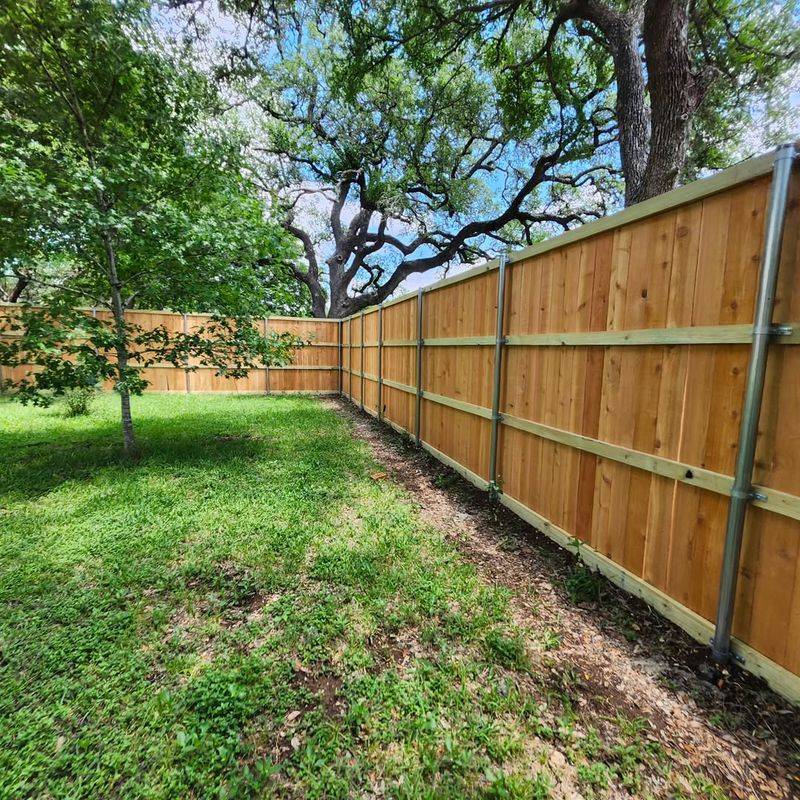
Privacy fences offer seclusion, but Connecticut towns strictly regulate fence heights to maintain neighborhood aesthetics and prevent disputes between neighboring property owners.
Front yard fences typically cannot exceed three or four feet in height, while backyard fences may reach six feet in most communities.
Exceeding these limits without variance approval can result in enforcement actions requiring you to lower or remove portions of your fence entirely.
Corner lots face additional restrictions because fences near intersections might obstruct driver visibility, creating dangerous conditions for motorists and pedestrians passing through.
Some historic districts impose even stricter rules, requiring specific materials, colors, or styles that match the architectural character of surrounding properties and homes.
Homeowners associations often layer their own fence regulations on top of municipal codes, adding another approval step before construction can legally begin.
Boundary disputes frequently arise when fences get built on or over property lines, leading to expensive surveys and potential legal action from neighbors.
Connecticut residents should obtain surveys, check local ordinances, and secure necessary permits before installing any fence taller than basic decorative garden borders.
3. Decks And Raised Patios
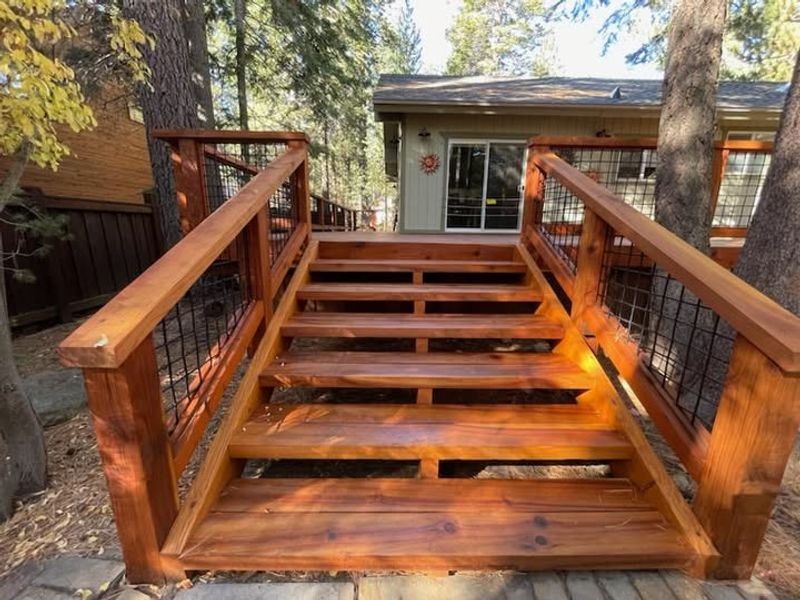
Outdoor decks transform backyards into entertainment spaces, but they require building permits in virtually every Connecticut municipality regardless of size or height.
Structural integrity matters greatly because poorly built decks can collapse, causing serious injuries to family members and guests gathered for outdoor celebrations.
Building inspectors verify that deck foundations reach below frost lines, preventing heaving and settling that compromise stability over successive winter freeze cycles.
Railings must meet specific height requirements and spacing standards to prevent children from slipping through gaps or falling from elevated deck surfaces.
Stairs need proper rise and run measurements, ensuring safe passage between different levels without creating tripping hazards for people carrying food or drinks.
Decks built without permits may not appear on property records, complicating insurance claims if someone gets injured during gatherings or parties.
Connecticut building codes reference national standards while allowing towns to adopt stricter local amendments based on regional climate conditions and construction practices.
Hiring licensed contractors who pull proper permits protects homeowners from liability while ensuring decks remain safe and compliant for years of enjoyment.
4. Above Ground And In Ground Swimming Pools

Swimming pools provide summer fun but come with extensive permitting requirements covering safety, setbacks, and drainage to protect both residents and neighbors.
Connecticut law mandates barrier fencing around all pools to prevent unsupervised access by young children who might wander into yards unnoticed.
Fence gates must include self-closing and self-latching mechanisms positioned high enough that small children cannot reach them without adult assistance from parents.
Electrical systems powering pumps, filters, and lighting require inspection by certified electricians to prevent shock hazards near water where people swim barefoot.
Drainage plans must show how backwash water and overflow will be managed without flooding neighboring properties or overwhelming municipal storm systems during rain.
Even temporary above-ground pools exceeding certain depths trigger permit requirements in many Connecticut towns, contrary to what many homeowners initially assume.
Health departments may also require permits for pools, ensuring proper chemical treatment and filtration systems that prevent waterborne illness outbreaks among swimmers.
Skipping pool permits risks fines, forced removal, and denied insurance coverage if accidents occur, making compliance essential before breaking ground or filling.
5. Accessory Dwelling Units
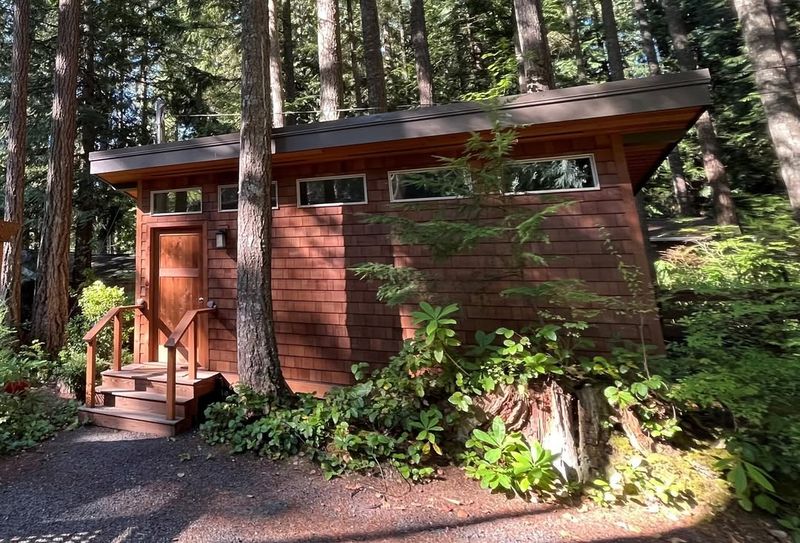
Accessory dwelling units offer housing for relatives or rental income, but Connecticut towns carefully regulate these secondary residences through comprehensive zoning reviews.
Size limitations typically restrict ADUs to a percentage of the main house square footage, preventing oversized units that alter neighborhood character.
Parking requirements often demand additional spaces beyond those serving the primary residence, ensuring street parking does not become congested with extra vehicles.
Septic systems may need upgrades to handle increased wastewater volume from additional occupants, requiring health department approvals and expensive system modifications.
Some municipalities prohibit ADU rentals to non-family members, limiting income potential and requiring owners to verify tenant relationships before leasing units.
Building codes apply fully to ADUs, meaning they need proper insulation, egress windows, smoke detectors, and all safety features required in standard homes.
Utility connections for water, electricity, and gas must be properly metered and installed by licensed professionals following state and local regulations exactly.
Connecticut homeowners considering ADUs should consult zoning officers early in planning stages to understand specific requirements and determine whether their property qualifies.
6. Permanent Fire Pits And Outdoor Fireplaces

Permanent fire features create cozy gathering spots, but Connecticut fire codes regulate their placement, construction, and use to prevent property damage and injury.
Setback requirements keep fire pits away from structures, property lines, and overhanging tree branches that could ignite from flying sparks or embers.
Chimney heights for outdoor fireplaces must extend sufficiently above rooflines to prevent smoke from entering homes through windows, doors, or ventilation systems.
Some towns ban wood-burning features entirely due to air quality concerns, allowing only gas-fueled alternatives that produce fewer emissions and particulates.
Fire department approval may be required before installation, ensuring adequate access for emergency vehicles and compliance with local fire prevention ordinances.
Homeowners insurance policies sometimes exclude coverage for fire damage originating from unpermitted fire features, leaving owners financially responsible for resulting property losses.
Portable fire pits generally face fewer restrictions than permanent installations, though towns may still regulate their use during dry conditions or burn bans.
Connecticut residents planning permanent fire features should research local ordinances, obtain required permits, and consider hiring professionals experienced with compliant outdoor fireplace construction.
7. Chicken Coops And Backyard Livestock
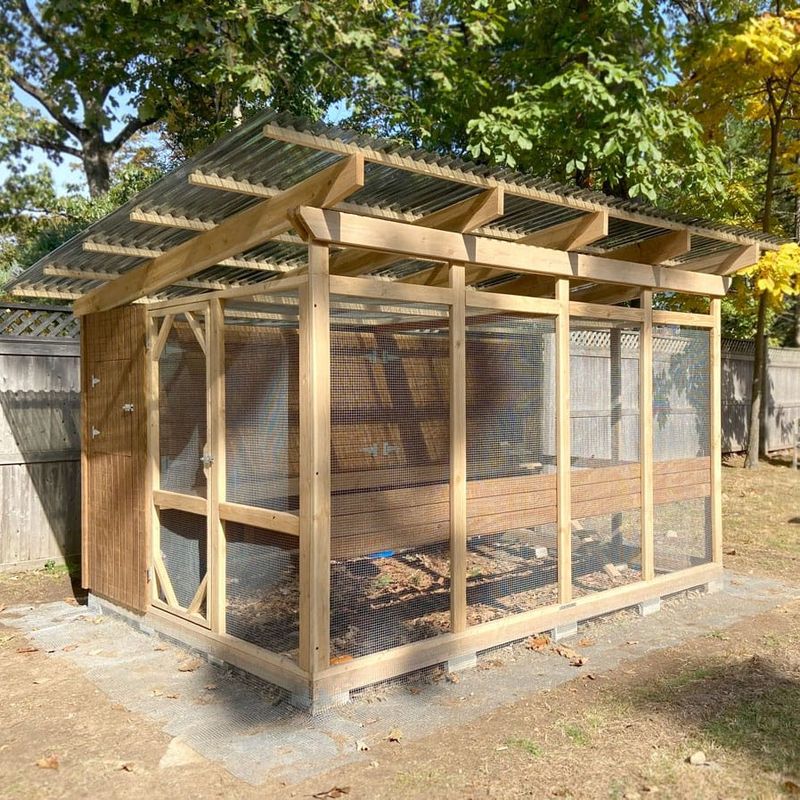
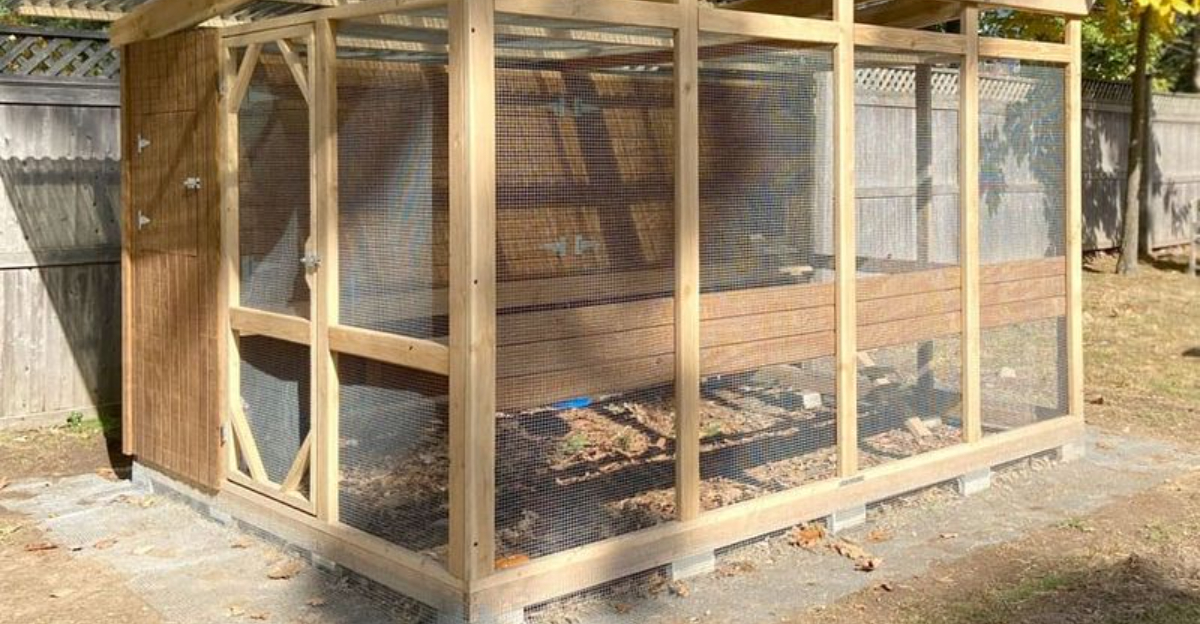
Urban farming trends have popularized backyard chickens, but Connecticut towns maintain strict regulations governing livestock numbers, housing, and property setbacks for coops.
Many municipalities limit chicken ownership to hens only, prohibiting roosters whose early morning crowing disturbs neighbors trying to sleep past dawn.
Maximum bird counts typically range from four to six chickens, preventing operations from becoming commercial farms that generate noise, odors, and traffic.
Coops must sit specific distances from property lines and neighboring homes, reducing nuisance complaints about smells, flies, and noise from clucking birds.
Some towns require neighbor consent before approving chicken permits, giving adjacent property owners input on whether livestock should be allowed next door.
Health regulations address proper waste management, predator-proof construction, and sanitary conditions that prevent disease transmission to humans or other animals in neighborhoods.
Larger livestock like goats, pigs, or sheep face even stricter limitations, with many residential zones prohibiting them entirely regardless of lot size.
Connecticut homeowners interested in backyard chickens should thoroughly research local ordinances and obtain necessary permits before purchasing birds or constructing housing for them.
8. Retaining Walls

Retaining walls solve drainage and erosion problems, but walls exceeding certain heights require engineering approval and permits to prevent catastrophic failures.
Connecticut building codes typically mandate permits for walls taller than three or four feet, depending on the municipality and soil conditions present.
Improperly designed walls can collapse under soil pressure, especially after heavy rains saturate the ground and increase lateral forces pushing against structures.
Drainage systems behind retaining walls must direct water away properly, preventing buildup that undermines stability and causes expensive structural failures over time.
Walls near property boundaries require surveys ensuring they sit entirely on your land, avoiding disputes with neighbors over encroachment onto adjacent lots.
Some walls affect natural water flow patterns, potentially redirecting runoff onto neighboring properties and creating liability for resulting damage to landscaping or foundations.
Professional engineers can design walls to withstand local soil conditions, freeze-thaw cycles, and water table fluctuations common throughout Connecticut’s varying terrain.
Homeowners planning retaining walls should consult with contractors and building departments early, especially for taller structures supporting significant elevation changes across sloped properties.
9. Driveway Expansions
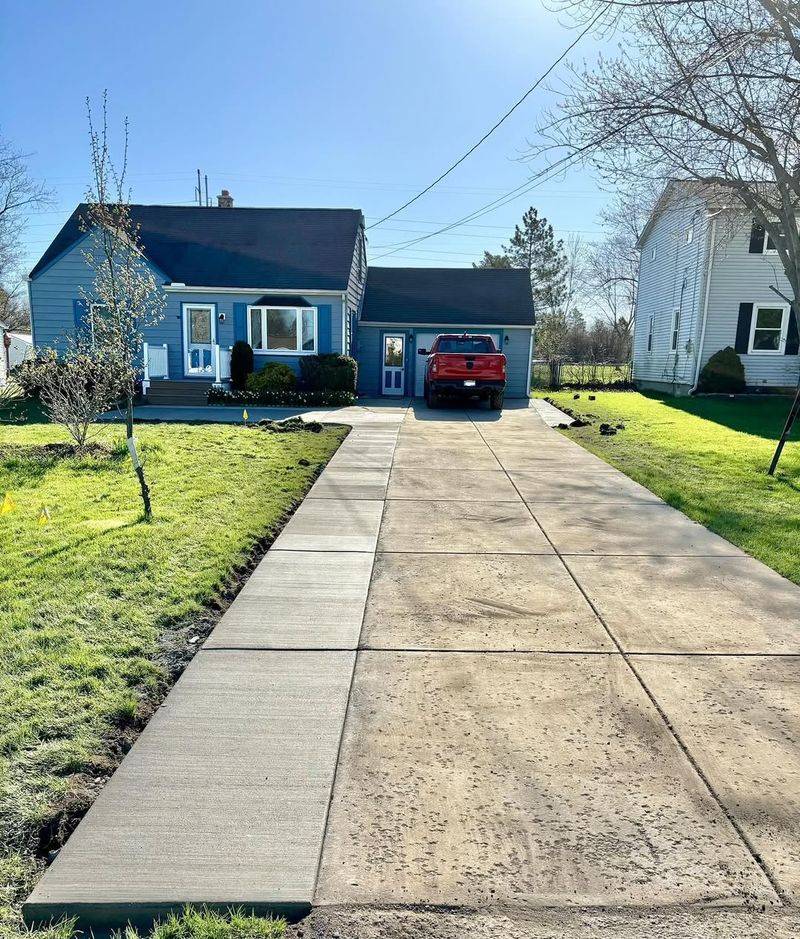
Expanding driveways seems straightforward, but Connecticut towns regulate driveway size, placement, and drainage to manage stormwater runoff and maintain neighborhood appearance standards.
Maximum driveway coverage limits prevent excessive paving that increases runoff volume, overwhelming municipal drainage systems during heavy rainstorms and causing localized flooding.
Curb cuts require highway department approval, ensuring sight lines remain clear and driveway slopes do not create hazards for vehicles entering or exiting.
Some communities mandate permeable paving materials that allow water infiltration, reducing runoff while still providing stable surfaces for vehicle parking and maneuvering.
Historic districts may restrict driveway materials to specific types matching neighborhood character, prohibiting asphalt in areas where gravel or pavers predominate aesthetically.
Driveways too close to intersections create visibility problems, potentially causing accidents when drivers cannot see oncoming traffic or pedestrians crossing streets.
Shared driveways serving multiple properties require easement agreements and additional approvals ensuring all parties understand maintenance responsibilities and access rights going forward.
Connecticut homeowners should obtain permits before expanding driveways, protecting themselves from enforcement actions and ensuring improvements comply with current stormwater management regulations.
10. Commercial Vehicles And Storage Containers

Parking commercial vehicles or placing storage containers in residential yards often violates Connecticut zoning ordinances designed to preserve neighborhood residential character and aesthetics.
Many towns prohibit trucks exceeding certain weight ratings or displaying commercial lettering from parking overnight in residential driveways or on street areas.
Portable storage containers, while convenient during moves or renovations, typically require permits and cannot remain on properties indefinitely without violating temporary use regulations.
Size restrictions limit container dimensions and placement locations, preventing them from blocking sidewalks, sight lines, or creating eyesores visible from neighboring properties.
Some municipalities allow commercial vehicles if they are garaged out of sight, recognizing that residents may need work trucks while maintaining neighborhood appearance.
Homeowners associations frequently impose stricter rules than towns, completely banning commercial vehicles and containers regardless of size or how long they remain present.
Enforcement often occurs through neighbor complaints, making it important to maintain good relationships and communicate with those living nearby about temporary storage needs.
Connecticut residents should review local ordinances and HOA rules before parking commercial vehicles or placing storage containers on residential properties to avoid violations.