9 Things You Cannot Put In An Oregon Yard Without A Permit
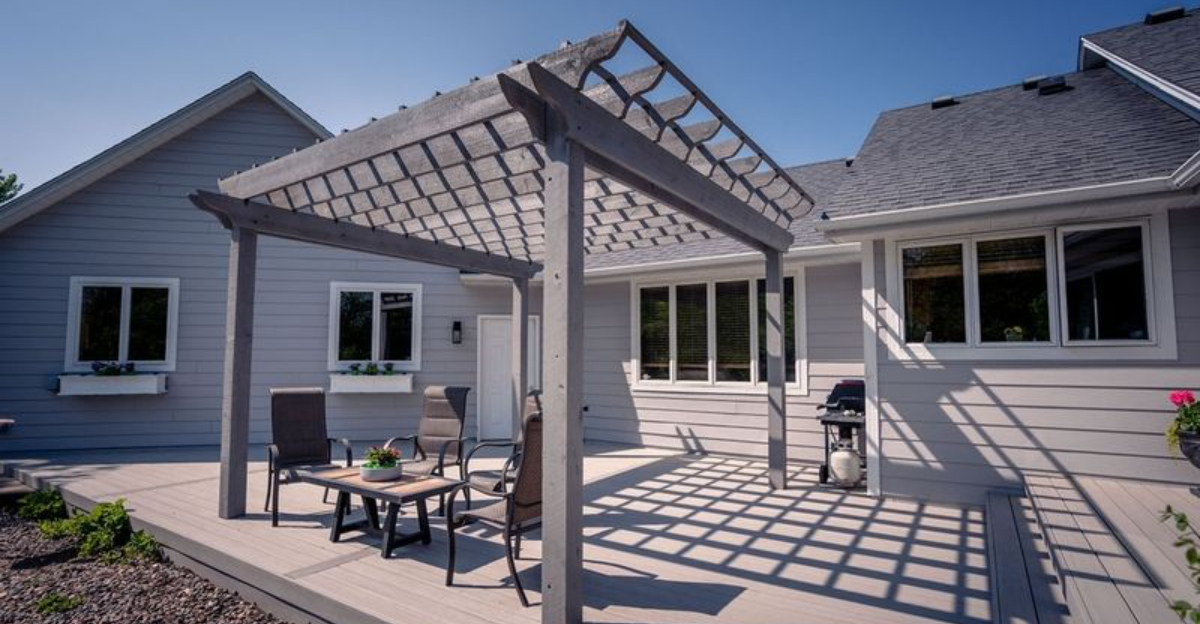
At first glance, a backyard in Oregon feels like free country, a patch of soil where a person can follow impulse and call it home.
That idea fades fast once local rules enter the scene.
One bold move can open a can of worms, invite red tape, and turn a quiet weekend project into a costly lesson.
Fences, decks, sheds, and even a few green touches can cross a legal line faster than expected.
City codes and county rules draw lines in the sand, and those lines carry real teeth.
Skip a permit, and the bill may arrive with fines, delays, or a firm order to undo the work.
Local offices may sound dull, yet their rules shape each plot like a hidden map.
Before a shovel hits dirt or a post meets ground, a smart homeowner checks the fine print.
1. Storage Sheds Over 200 Square Feet
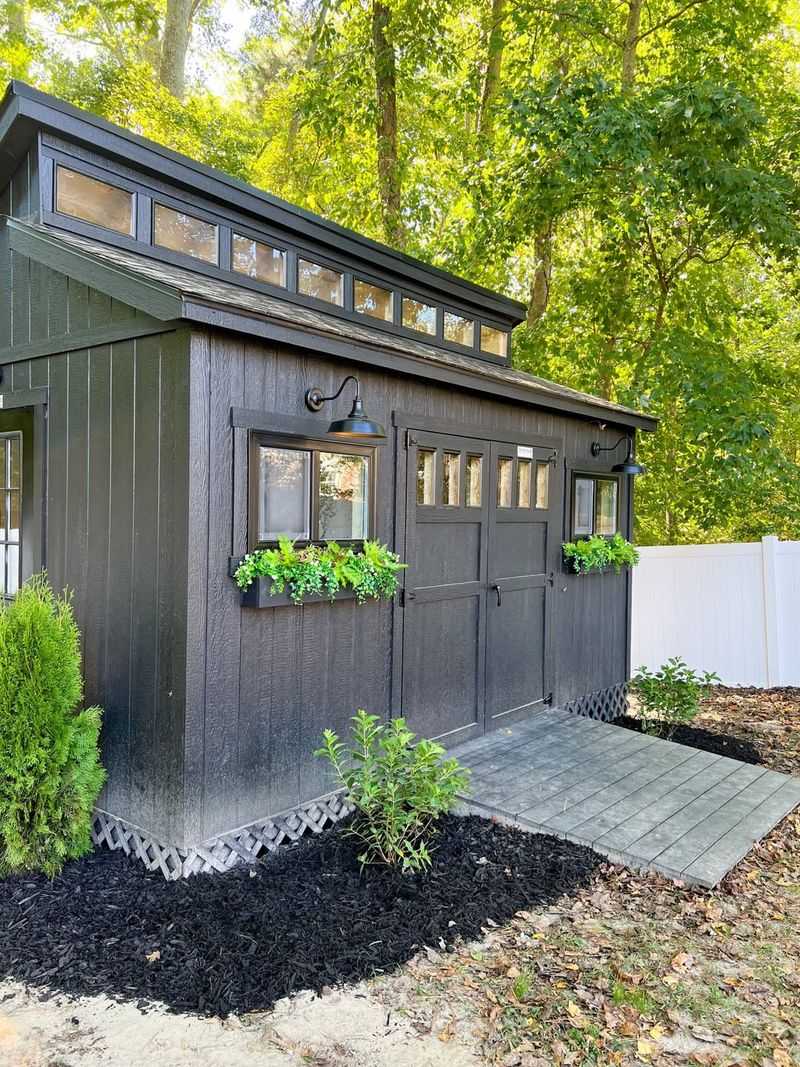
A backyard shed offers convenient storage for tools, lawn equipment, and seasonal decorations.
Once your shed exceeds 200 square feet, Oregon building codes require a permit.
Smaller sheds often slip under the radar, but larger structures need inspection to ensure proper foundation, electrical work, and structural integrity.
Building officials check that your shed meets setback requirements, which keep structures a safe distance from property lines.
They also verify that the roof can handle snow loads typical for your region.
Without a permit, you risk fines and may need to remove or relocate the shed entirely.
Some homeowners associations impose even stricter rules, so always check local ordinances before construction.
Obtaining a permit protects your investment and ensures your shed adds value rather than liability.
The application process usually involves submitting plans, paying a fee, and scheduling inspections.
Most permits get approved quickly when plans follow code.
Taking this step upfront saves time, money, and stress down the road.
2. Fences Taller Than Six Feet
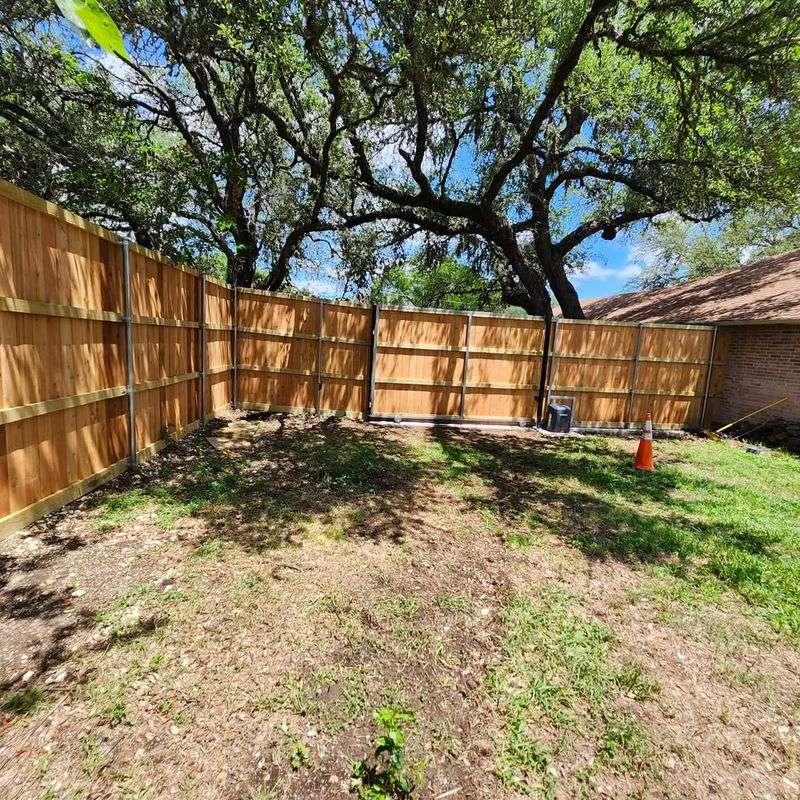
Fences provide privacy, security, and a clear boundary between properties.
Oregon law generally allows fences up to six feet tall without a permit in residential zones.
Anything taller requires approval from your local building department.
Taller fences can block sunlight, obstruct views, and create safety concerns, especially near streets and driveways.
Building officials review fence height, materials, and placement to ensure compliance with zoning laws.
They also check setback rules, which dictate how close a fence can sit to the street or neighboring property.
Corner lots often face stricter regulations because tall fences can reduce visibility for drivers.
Homeowners associations may impose additional height limits or design standards.
Applying for a permit involves submitting a site plan showing fence location, height, and materials.
Inspectors verify that your fence does not violate easements or utility access.
Skipping the permit process can result in fines and forced removal.
Taking the time to get approval protects your project and keeps good relations with neighbors.
3. Swimming Pools And Hot Tubs
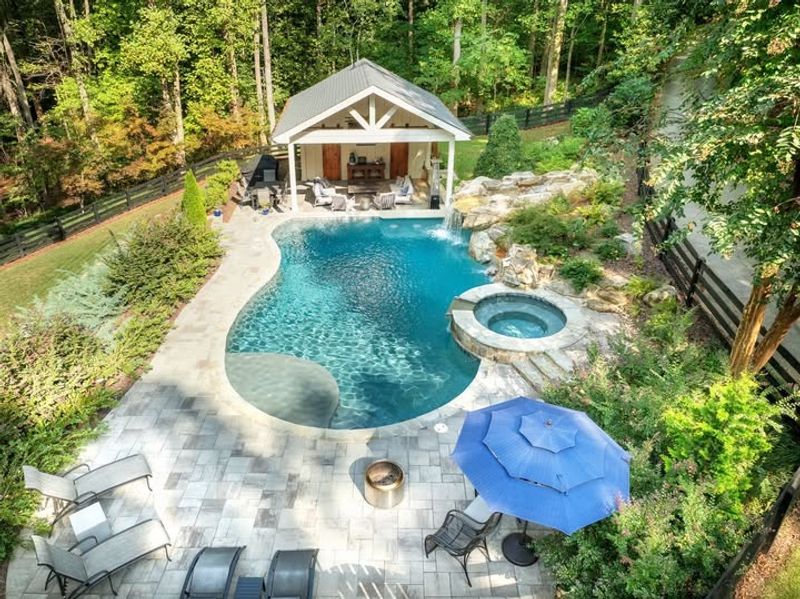
Adding a pool or hot tub transforms your backyard into a personal oasis.
Oregon requires permits for both inground and above-ground pools that hold more than a certain volume of water.
Safety is the primary concern, as pools pose drowning risks, especially for young children.
Building officials ensure your pool meets fencing requirements, which typically mandate a barrier at least four feet tall with self-closing gates.
They also check electrical installations for pumps, heaters, and lighting to prevent shock hazards.
Proper drainage and plumbing systems must be in place to handle water runoff and maintain water quality.
Hot tubs require similar scrutiny, even though they are smaller.
Electrical hookups must follow strict codes to prevent accidents.
Skipping the permit process can lead to fines, insurance complications, and liability issues if someone gets injured.
Permits also ensure your pool complies with setback rules and does not encroach on easements.
The application process involves submitting plans, paying fees, and scheduling inspections at various construction stages.
Following these steps protects your family and investment.
4. Decks And Patios Attached To Your Home
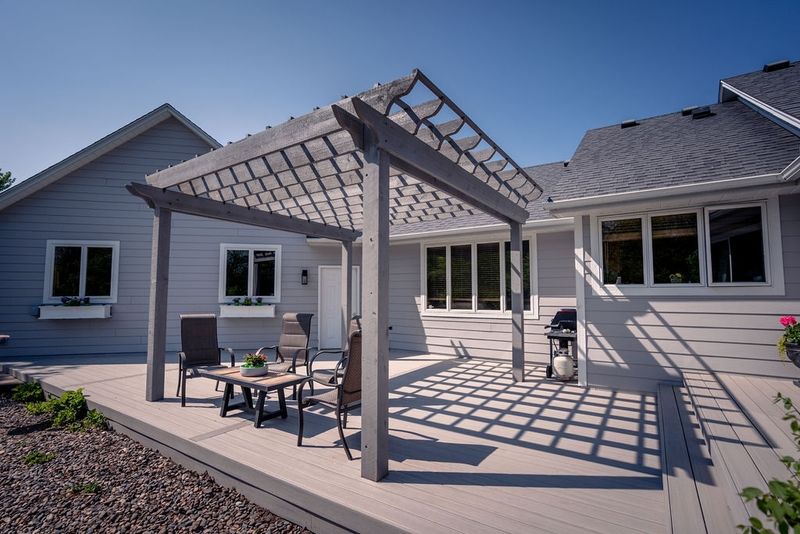
Outdoor decks extend living space and create a perfect spot for grilling, entertaining, or relaxing.
When a deck attaches to your house, Oregon building codes require a permit regardless of size.
Attached decks transfer weight and stress to your home’s structure, making proper engineering essential.
Building officials inspect the foundation, framing, and connections to ensure your deck can safely support people, furniture, and weather loads.
They also verify that railings meet height and spacing requirements to prevent falls.
Stairs must be built to code, with consistent riser heights and secure handrails.
Electrical outlets and lighting need proper installation to avoid fire hazards.
Patios attached to the house may also require permits if they involve structural changes or elevated surfaces.
Skipping permits can result in fines, forced removal, and difficulty selling your home later.
Home inspectors flag unpermitted work, which can derail sales or reduce property value.
The permit process involves submitting plans, paying fees, and scheduling inspections during construction.
Following these steps ensures your deck is safe, legal, and adds value to your property.
5. Retaining Walls Over Four Feet High
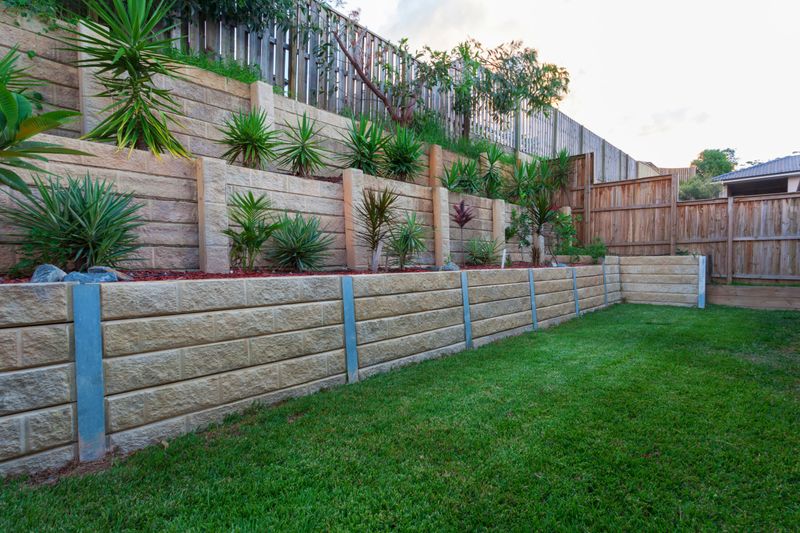
Sloped yards often need retaining walls to prevent erosion and create usable flat areas.
Oregon requires permits for retaining walls taller than four feet because of the significant pressure they must withstand.
Soil, water, and gravity push against these walls with tremendous force.
Improperly built walls can collapse, causing property damage, injury, and costly repairs.
Building officials review plans to ensure proper footing, drainage, and reinforcement.
Engineers may need to sign off on designs, especially for walls supporting driveways or structures.
Drainage systems behind the wall prevent water buildup, which can weaken the structure over time.
Materials like concrete, stone, or timber must be suitable for the wall’s height and load.
Permits also ensure walls do not encroach on property lines or block drainage paths.
Skipping the permit process can lead to fines, forced removal, and liability if the wall fails.
Neighbors may file complaints if your wall affects their property.
The application process involves submitting engineering plans, paying fees, and scheduling inspections during construction.
Proper permits protect your investment and ensure long-term stability.
6. Accessory Dwelling Units (ADUs)
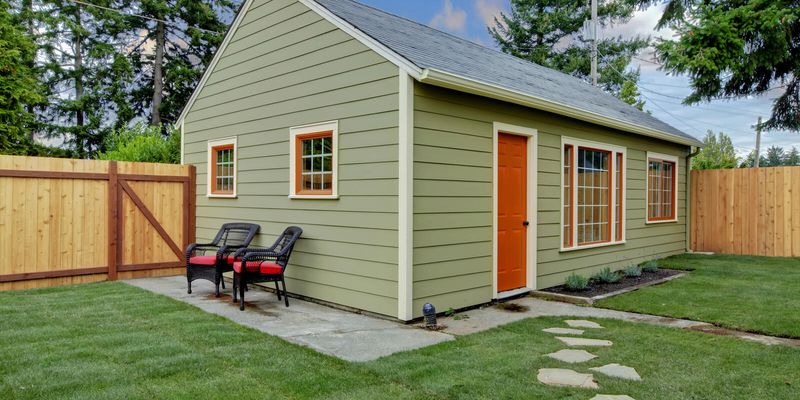
Accessory dwelling units provide extra living space for guests, family members, or rental income.
Oregon has specific laws governing ADUs, and permits are mandatory regardless of size.
These structures are essentially small homes with kitchens, bathrooms, and sleeping areas.
Building officials ensure ADUs meet all residential codes for plumbing, electrical, heating, and ventilation systems.
Fire safety standards apply, including smoke detectors, egress windows, and proper insulation.
Zoning laws dictate where ADUs can be placed, how large they can be, and whether they require additional parking.
Setback requirements keep ADUs a safe distance from property lines and other structures.
Permits also address sewer and water connections, which must handle increased usage.
Some cities have streamlined ADU permitting to encourage affordable housing, but rules vary widely.
Skipping permits can result in fines, forced removal, and legal trouble with tenants or neighbors.
Unpermitted ADUs can also complicate home sales and insurance coverage.
The application process involves detailed plans, fees, and multiple inspections throughout construction.
Following these steps ensures your ADU is safe, legal, and adds value to your property.
7. Permanent Outdoor Fireplaces And Fire Pits
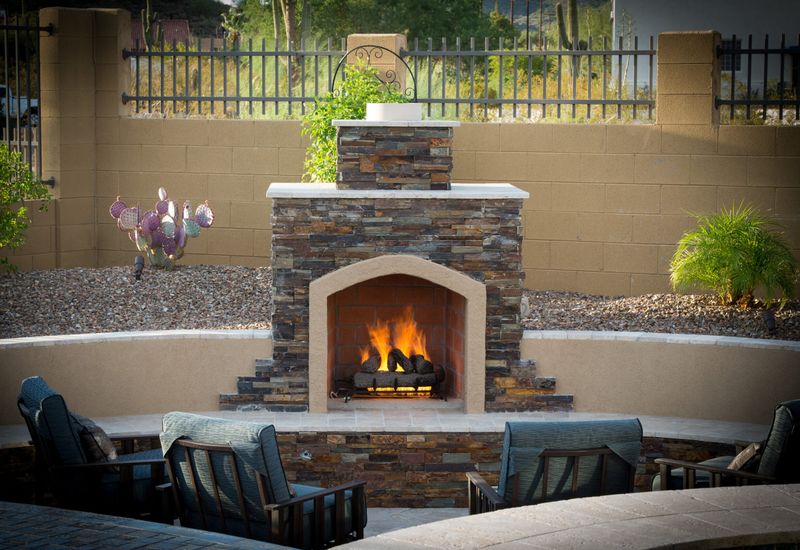
Outdoor fireplaces and fire pits create cozy gathering spots for family and friends.
Permanent structures built from brick, stone, or concrete require permits in Oregon.
Fire safety is the top concern, as open flames near homes, fences, and trees pose serious risks.
Building officials ensure fireplaces have proper ventilation, clearances from combustible materials, and stable foundations.
Chimneys must be tall enough to prevent sparks from landing on roofs or neighboring properties.
Fire pits need adequate distance from structures and proper screening to contain embers.
Some cities restrict outdoor fires during high fire danger seasons or prohibit certain fuel types.
Permits also address gas lines for gas-powered fire features, which require licensed plumbers and inspections.
Electrical connections for lighting or ignition systems must meet code to prevent shocks and fires.
Skipping permits can result in fines, forced removal, and liability if a fire spreads or someone gets injured.
Insurance companies may deny claims related to unpermitted fire features.
The application process involves submitting plans, paying fees, and scheduling inspections before use.
Proper permits ensure your outdoor fireplace is safe, legal, and enjoyable for years to come.
8. Carports And Covered Parking Structures
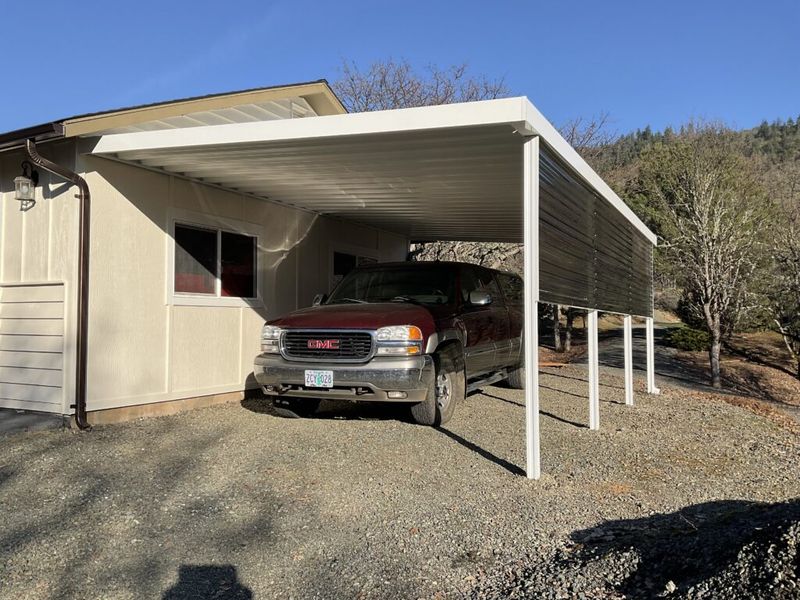
Carports protect vehicles from rain, snow, and sun while costing less than garages.
Oregon requires permits for carports because they are permanent structures with roofs and support posts.
Building officials check that carports meet setback requirements and do not obstruct sightlines for drivers.
Foundations must be stable enough to support the structure and resist wind loads.
Roofs need proper pitch and materials to handle snow and rain typical for Oregon weather.
Electrical work for lighting or outlets requires licensed electricians and inspections.
Some cities restrict carport size, height, and placement to maintain neighborhood aesthetics.
Homeowners associations may impose additional design standards or prohibit carports entirely.
Permits ensure carports do not encroach on easements or utility lines buried underground.
Skipping the permit process can result in fines, forced removal, and complications when selling your home.
Buyers and inspectors flag unpermitted structures, which can reduce property value or derail sales.
The application process involves submitting plans, paying fees, and scheduling inspections during construction.
Following these steps ensures your carport is safe, legal, and adds convenience to your property.
9. Solar Panel Ground Mounts

Solar panels reduce energy bills and environmental impact, making them increasingly popular.
While rooftop installations get most attention, ground-mounted systems require permits in Oregon.
These systems involve permanent structures with foundations, wiring, and significant electrical work.
Building officials ensure ground mounts meet setback requirements and do not obstruct drainage or utilities.
Electrical connections must comply with strict codes to prevent shocks, fires, and grid issues.
Licensed electricians handle wiring, and inspectors verify proper grounding and disconnect switches.
Structural engineers may review plans to ensure panels can withstand wind and snow loads.
Zoning laws may restrict panel height, placement, and appearance to maintain neighborhood aesthetics.
Some homeowners associations prohibit visible solar installations or require specific designs.
Permits also address environmental concerns, such as shading effects on neighboring properties.
Skipping permits can result in fines, forced removal, and loss of utility rebates or tax credits.
The application process involves submitting detailed plans, paying fees, and scheduling multiple inspections.
Following these steps ensures your solar system is safe, legal, and maximizes energy savings.