Things You Only Learn After Gardening In Oregon For Years
Gardening in Oregon teaches patience, flexibility, and a good sense of humor. The weather rarely follows a script, soil can change from one yard to the next, and plants often have their own plans.
What looks perfect on paper does not always match real garden life here. After a few seasons, you start noticing patterns.
You learn when to trust the rain, when to wait, and when to act fast before a short dry spell or surprise cold snap. You discover which plants truly thrive, which ones struggle, and which quietly take over when you are not looking.
Experience also teaches that timing matters more than effort, and small adjustments often bring the biggest results.
Over the years, Oregon gardening becomes less about strict rules and more about reading the landscape, working with the climate, and letting nature guide the rhythm of your garden.
Slugs Will Humble You Every Season
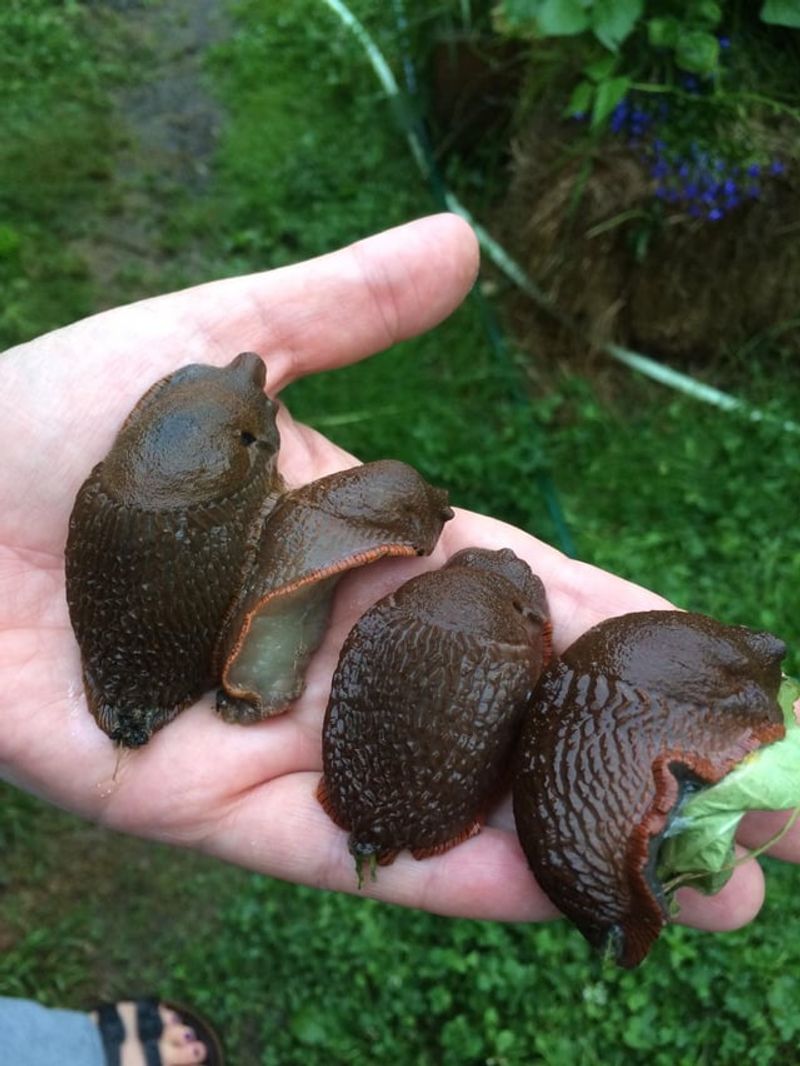
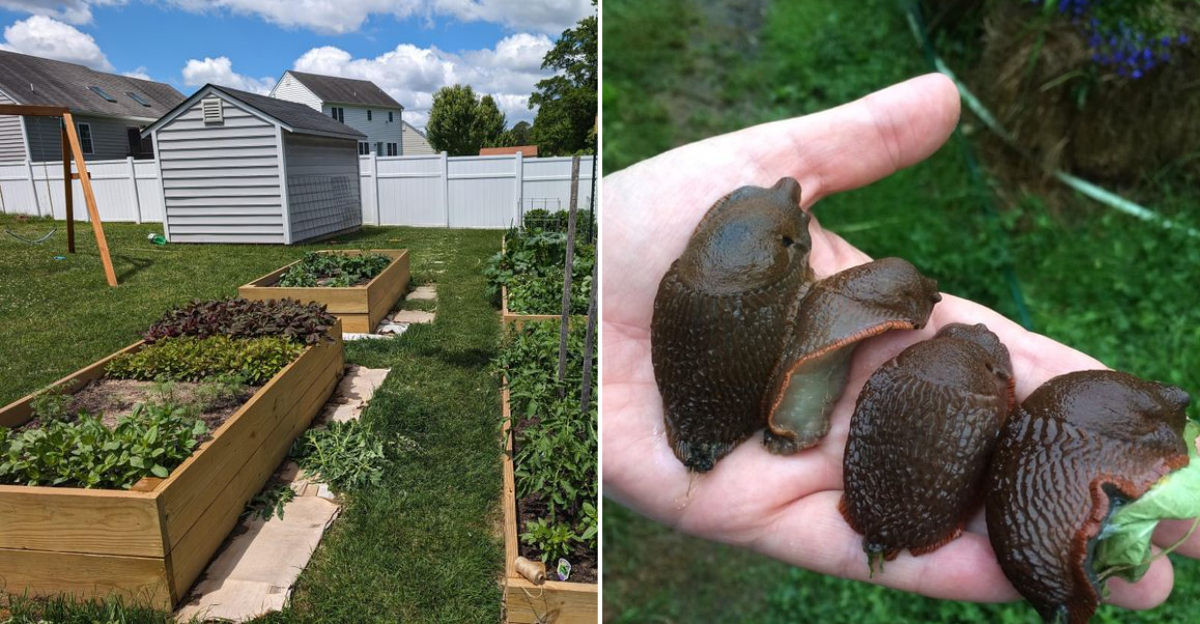
Nothing prepares you for the sheer persistence of Oregon slugs. They arrive with the first rains and stay until summer dries things out, devouring seedlings overnight and leaving silver trails across everything you planted with hope and care.
You try traps, barriers, and organic solutions, and still they return, year after year.
New gardeners underestimate them. Experienced gardeners respect them.
Slugs thrive in Oregon’s cool, moist climate, and they reproduce faster than you can eliminate them. Young plants, especially tender greens and hostas, become their favorite targets, and an unprotected garden can lose entire rows in a single wet week.
You develop strategies over time. Copper tape around raised beds works for some.
Diatomaceous earth helps when dry. Hand-picking at dusk becomes strangely satisfying.
Beer traps catch dozens, though you wonder if you’re attracting more from neighboring yards.
Eventually, you accept that slugs are part of Oregon gardening. You choose slug-resistant plants, delay planting vulnerable seedlings until they’re stronger, and keep your garden tidy to reduce hiding spots.
You never win completely, but you learn to coexist, adjusting your expectations and methods to minimize damage while staying realistic about the challenge.
Rain Is Both Your Friend And Your Biggest Challenge
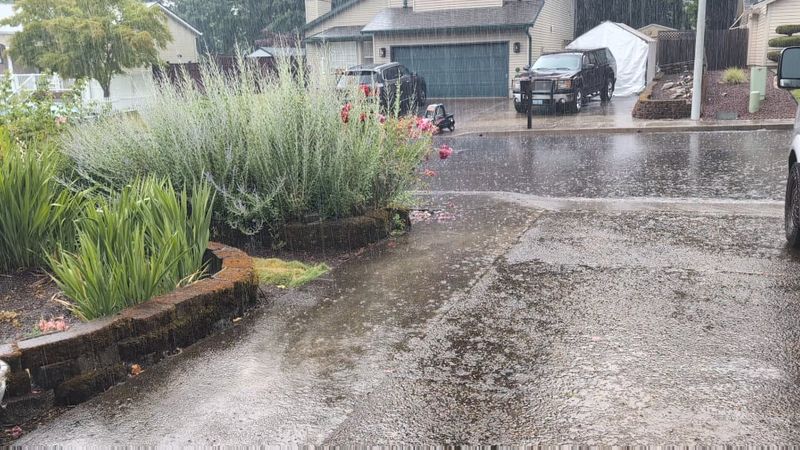
When November rolls around and the rain settles in for months, you realize Oregon’s water supply is both a gift and a test.
Your garden gets all the moisture it needs without you lifting a watering can, but that same abundance can drown roots, invite fungal diseases, and turn your soil into a soggy mess if you’re not careful.
New gardeners often assume rain means they can plant anything and forget about drainage. Years of experience teach you otherwise.
Clay soil holds water like a sponge, and without proper amendments or raised beds, even hardy plants can suffer from root rot.
You learn to observe how water moves through your yard after a storm. Low spots become obvious, and you start planning around them.
Adding compost, creating slight slopes, or installing simple drainage solutions becomes second nature.
The rain also teaches you timing. Planting in fall means roots establish during wet months, making plants stronger by summer.
You stop fighting the rain and start using it strategically, understanding that Oregon’s wet season is actually your garden’s foundation for the drier months ahead.
Timing Matters More Than Effort
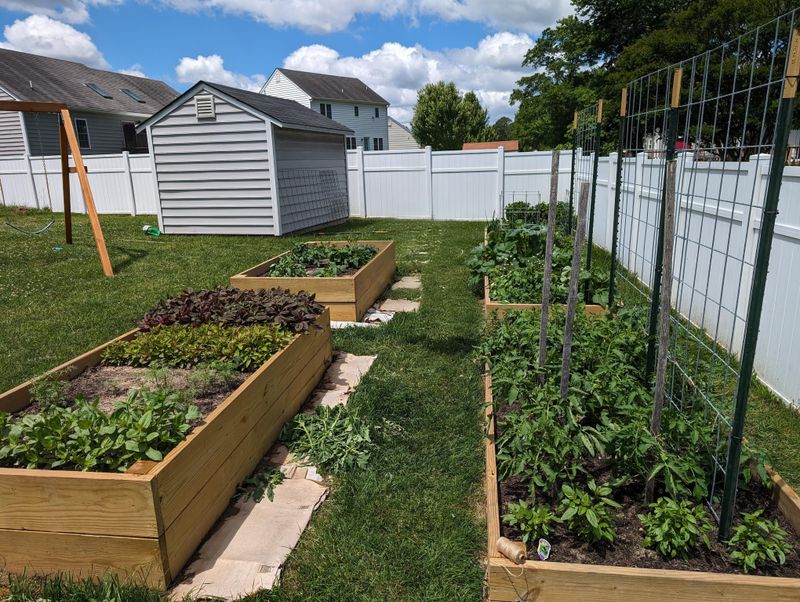
Planting tomatoes in April sounds reasonable until you watch them sit there, barely growing, while the soil stays cold and the air feels more like winter than spring.
Oregon’s growing season doesn’t follow the calendar dates you find in national gardening guides, and that’s a lesson every gardener here learns the hard way.
Effort won’t compensate for bad timing. You can prepare perfect soil, choose premium plants, and water diligently, but if you plant too early or too late, results will disappoint.
Cool-season crops like lettuce, peas, and kale thrive when planted in early spring or late summer, while warm-season plants need to wait until the soil warms in late May or even June.
Over the years, you stop rushing. You learn to feel the soil temperature with your hands and watch for natural signals like blooming native plants.
When trilliums appear, it’s time for certain seeds. When the soil feels warm at 8 a.m., your tomatoes are ready.
This shift in thinking changes everything. Instead of working harder, you work smarter, aligning your planting schedule with Oregon’s actual climate patterns rather than generic advice written for warmer regions.
Not Every “Full Sun” Plant Likes Oregon Sun
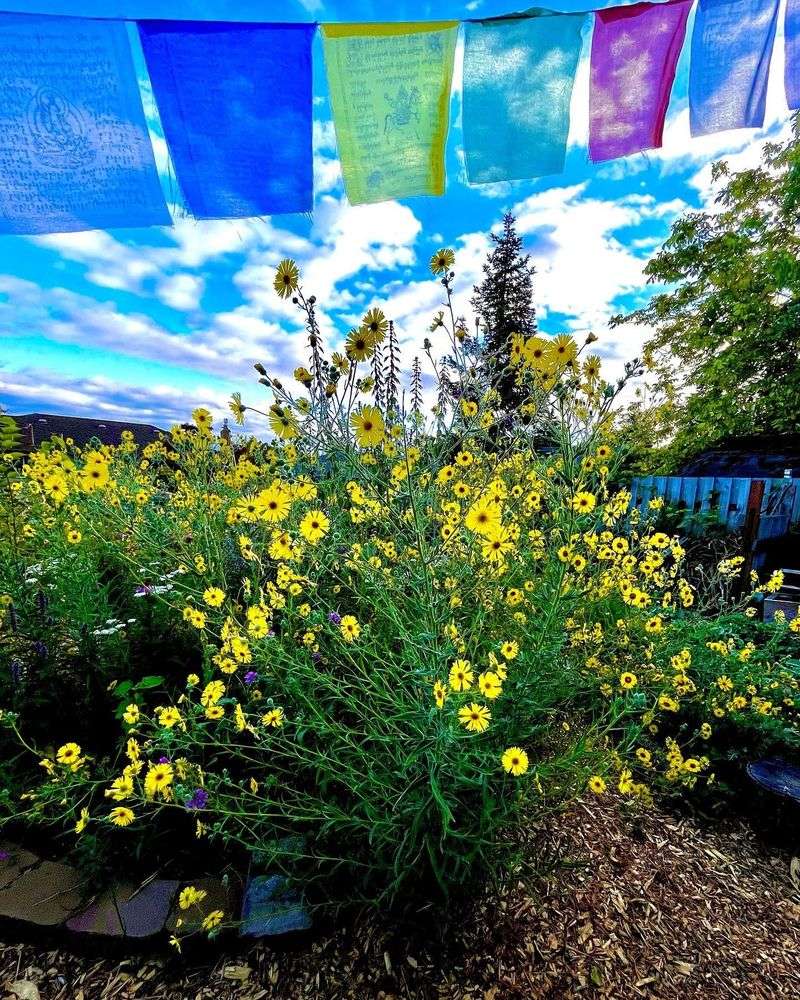
Seed packets promise full sun requirements, and you dutifully place plants in your sunniest spot, only to watch them struggle or burn when summer finally arrives.
Oregon’s sun isn’t the same as sun in California or Arizona, and plants respond differently here than they would in hotter, drier climates.
Full sun in Oregon often means cooler temperatures, higher humidity, and more cloud cover than true full sun elsewhere. Some plants labeled for full sun actually prefer a break from intense afternoon heat, which they rarely experience here anyway.
Meanwhile, shade-tolerant plants often handle more sun in Oregon because the light is gentler and the air stays moister.
You start experimenting with placement, moving plants that look stressed even though they’re getting six hours of sun.
Roses, lavender, and Mediterranean herbs still need maximum light, but many vegetables and perennials perform beautifully with less direct sun than their tags suggest.
Reading plant labels becomes more nuanced. You consider not just hours of sunlight but also temperature, humidity, and cloud cover.
Oregon’s unique light conditions mean you can grow a wider variety of plants in partial sun than gardeners in harsher climates ever could.
Spring Comes Slow… Then All At Once!
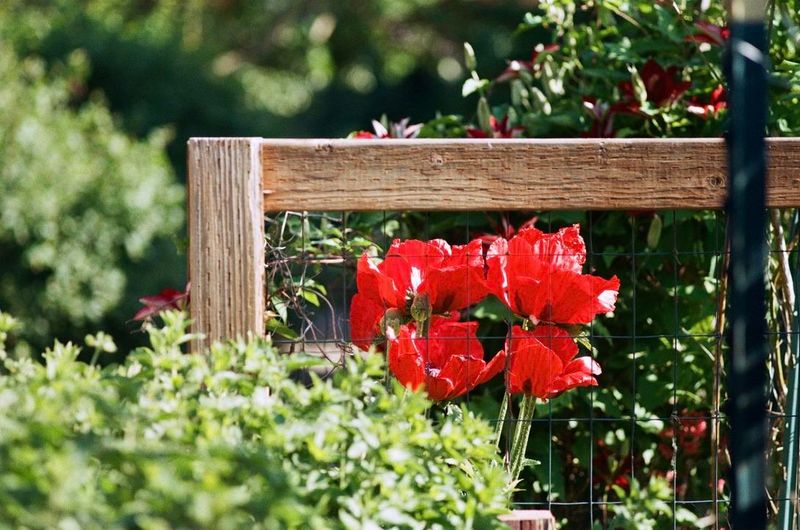
February teases you with a few warm days, and you think spring has arrived. Then March brings more rain and cold, and you wonder if winter will ever end.
Oregon’s spring doesn’t announce itself clearly, it sneaks in gradually, testing your patience until suddenly, everything explodes into growth all at once.
Early bloomers like hellebores and crocuses appear in late winter, giving hope. But the real growing season takes its time.
Soil stays cold longer than you expect, and night temperatures remain cool well into April. Plants wait, and so do you, even when neighboring states are already harvesting lettuce.
Then, almost overnight, everything changes. Trees leaf out in days.
Perennials shoot up inches seemingly overnight. Weeds appear everywhere.
The garden shifts from dormant to bursting with life so quickly you can barely keep up.
Learning this rhythm changes how you plan. You stop rushing to plant in February and wait for the real warmth.
You prepare early so you’re ready when the burst happens. And you appreciate the slow build, knowing that when Oregon’s spring finally arrives, it brings an intensity and lushness that makes the wait worthwhile.
Soil Is Everything
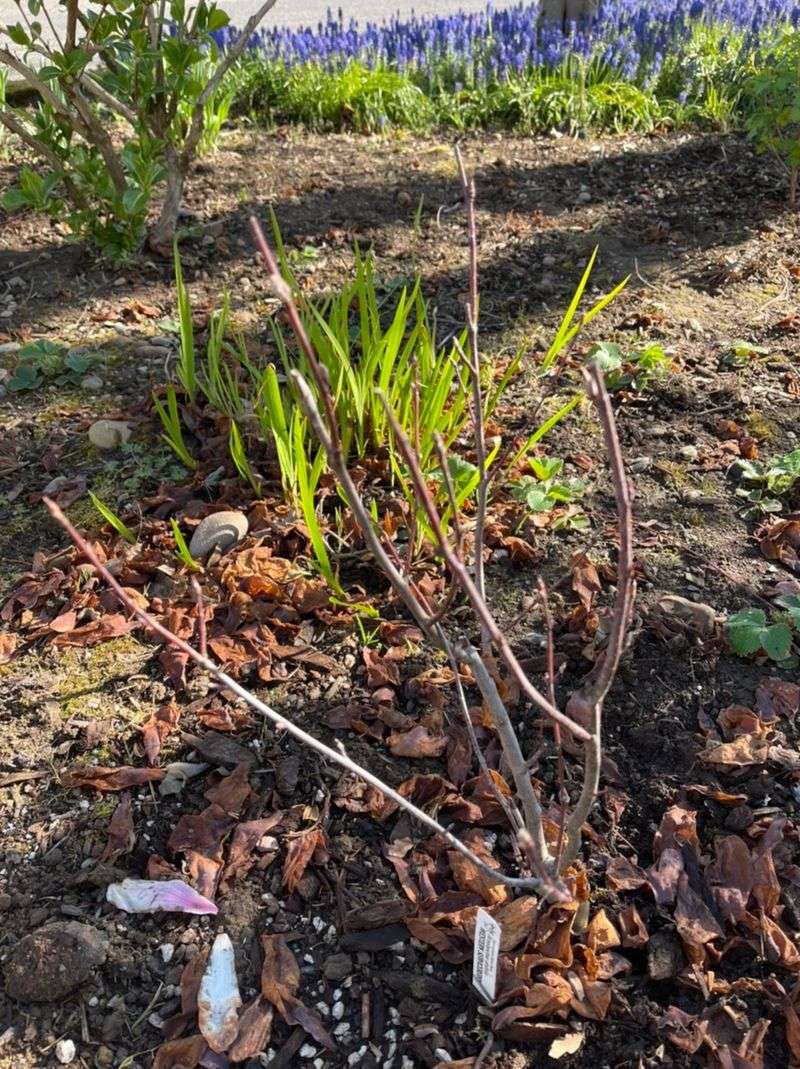
Your first year, you might assume soil is just dirt, something plants grow in without much thought. Then you notice some plants thrive while others in the same bed struggle, and you start digging deeper, literally.
Oregon soil varies wildly depending on where you live, and most of it needs help before it becomes truly productive.
Heavy clay dominates many areas, especially in the Willamette Valley. It holds water, compacts easily, and drains poorly.
Sandy soil appears in other regions, draining too fast and holding few nutrients. Either way, untreated native soil rarely gives you the results you want.
Amending soil becomes an ongoing practice rather than a one-time fix. Adding compost every season improves structure, drainage, and fertility.
You learn to mulch, which protects soil from heavy rain and adds organic matter as it breaks down.
Over time, you notice the difference. Plants grow faster, roots go deeper, and fewer problems arise.
Healthy soil reduces your workload because plants become naturally more resilient. You stop blaming plants for failing and start improving the foundation they depend on, realizing that soil quality determines almost everything else in your garden.
Native Plants Almost Always Win
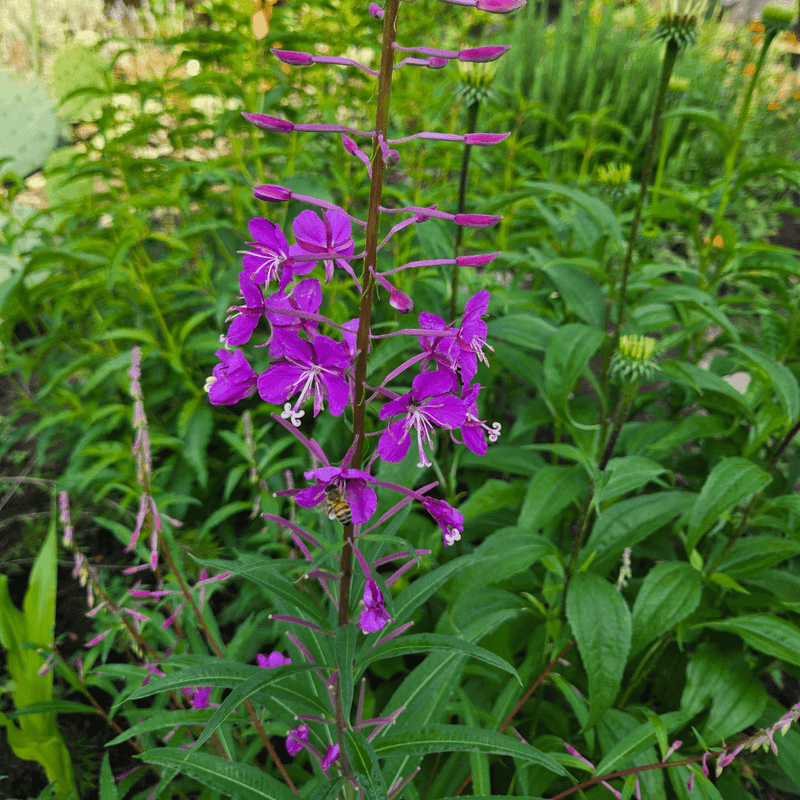
After a few seasons of watching certain plants flourish while others demand constant attention, you start noticing a pattern. The plants that seem happiest, healthiest, and least needy are often the ones that grew here long before gardens existed.
Native plants understand Oregon’s climate in ways imported species never quite manage.
Sword ferns stay green through winter without any help. Oregon grape handles shade and poor soil effortlessly.
Red-flowering currant blooms early, feeding hummingbirds when little else flowers. These plants evolved here, and they’re perfectly adapted to wet winters, dry summers, and everything in between.
Non-native plants can certainly thrive, but they often require more water, better drainage, or specific soil conditions. Natives ask for almost nothing.
They resist local pests, tolerate neglect, and support native wildlife in ways exotic plants cannot.
Over time, you add more natives to your garden, not out of obligation but because they simply perform better. They fill difficult spots, reduce maintenance, and create a landscape that feels connected to the surrounding environment.
You stop working so hard to recreate gardens from other climates and start embracing what grows best right here, naturally and beautifully.
Watering Less Often Makes Stronger Roots
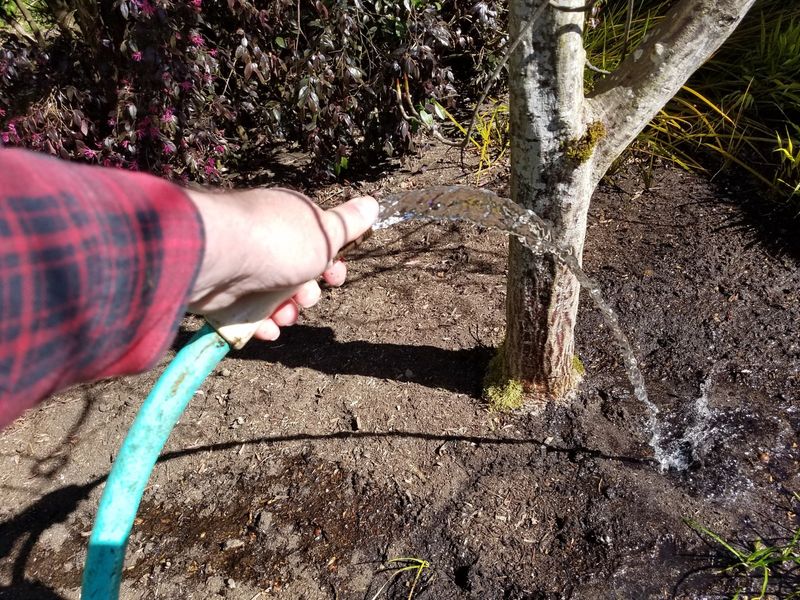
Instinct tells you to water frequently, keeping soil consistently moist so plants never experience stress.
But after watching some plants grow weak and shallow-rooted while others develop deep, resilient systems, you realize that constant watering actually creates dependency rather than strength.
Plants watered lightly every day develop roots near the surface, where water appears regularly. When you skip a day or summer heat arrives, those shallow roots can’t access deeper moisture, and plants wilt quickly.
Deep, infrequent watering encourages roots to grow downward, searching for water and becoming far more drought-tolerant in the process.
Oregon’s dry summers make this lesson especially important. Once the rain stops in June or July, you need plants that can handle weeks without water.
Training them early by watering deeply but less often builds that resilience.
You adjust your routine, watering thoroughly once or twice a week instead of daily sprinkles. Mulch helps retain moisture between waterings.
You watch plants respond, growing stronger and healthier with less frequent attention. This approach reduces your workload while creating a more sustainable garden that doesn’t collapse the moment you go on vacation or forget to water for a few days.
You Stop Fighting Nature, And Start Gardening With It
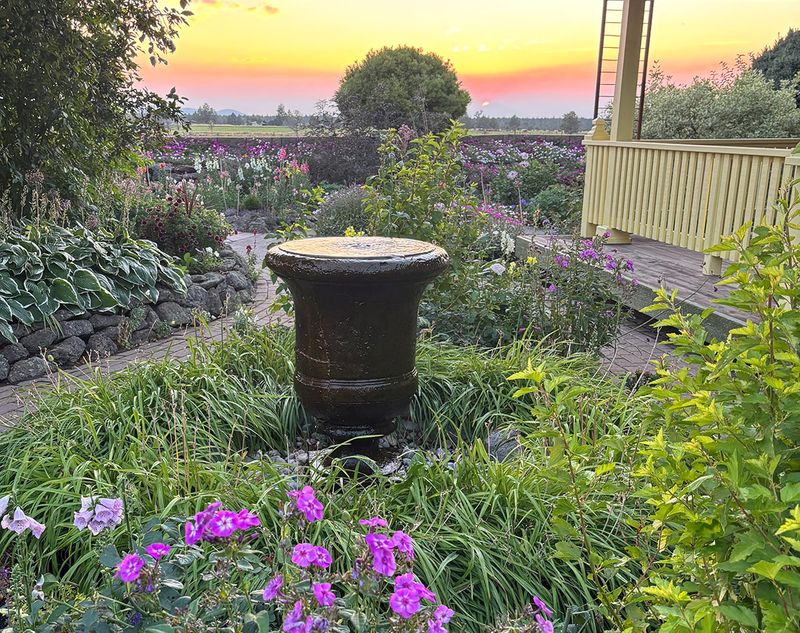
Early on, gardening feels like a battle. You fight weeds, fight pests, fight the weather, and fight plants that won’t cooperate.
You imagine control, perfection, and a garden that looks like magazine photos. Then, after enough seasons of struggle, something shifts.
You stop fighting and start listening instead.
Nature has its own logic here. Rain will come in winter whether you want it or not.
Slugs will appear. Some plants will thrive while others won’t, no matter how hard you try.
Fighting these realities exhausts you and rarely produces better results.
Experienced gardeners learn to work with Oregon’s conditions rather than against them. They plant what grows well here instead of forcing plants meant for other climates.
They accept rain, use it, and plan around it. They choose native plants that support local ecosystems.
They let some areas go a little wild, understanding that nature often knows best.
This shift brings peace. Gardening becomes less about control and more about partnership.
You guide rather than dominate, suggest rather than demand. Your garden becomes easier to maintain, more resilient, and ultimately more beautiful because it fits naturally into the environment around it.
You realize that the best gardens in Oregon aren’t the ones that fight nature, they’re the ones that dance with it.
Microclimates Change Everything
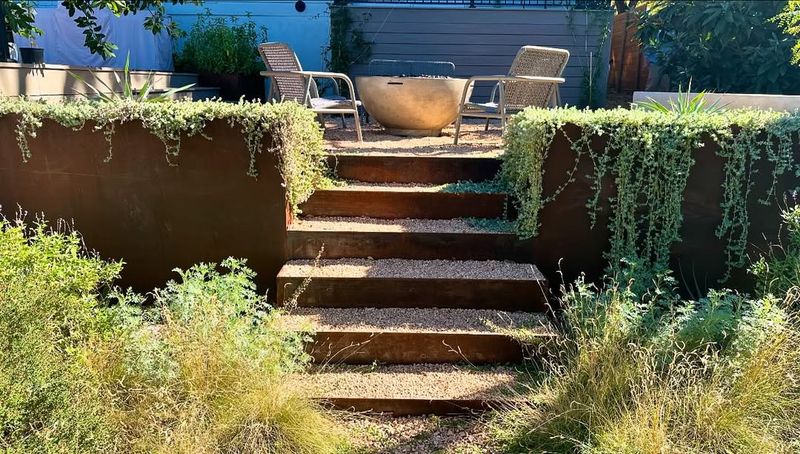
You assume your yard has one climate, one set of conditions that applies everywhere. Then you notice tomatoes thriving near the south-facing wall while identical plants twenty feet away barely ripen.
Or you see moss growing thick in one corner while another spot stays dry. Your yard isn’t uniform, it’s a collection of microclimates, each with its own personality.
Microclimates form from subtle differences in sun exposure, wind protection, drainage, and heat retention. A spot near a brick wall stays warmer and dries faster.
Areas under tree canopies remain cooler and shadier. Low-lying sections collect cold air and frost lingers longer there in spring and fall.
Recognizing these differences transforms your planting strategy. Heat-loving plants go near reflective surfaces or south-facing walls.
Shade-tolerant plants fill the cool spots under trees. Frost-sensitive plants avoid low areas where cold settles.
You start observing your yard throughout the day and across seasons, noting where sun hits longest, where puddles form, and where snow melts first. These observations guide your decisions, letting you match plants to the exact conditions they prefer.
Instead of fighting your yard’s natural variations, you use them strategically, creating a garden where every plant occupies its ideal spot.