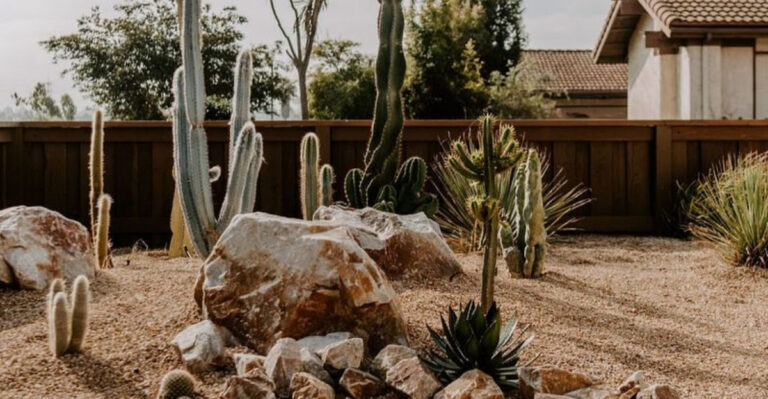
7 Things You Should Be Aware Of When Growing Blanket Flowers In Arizona
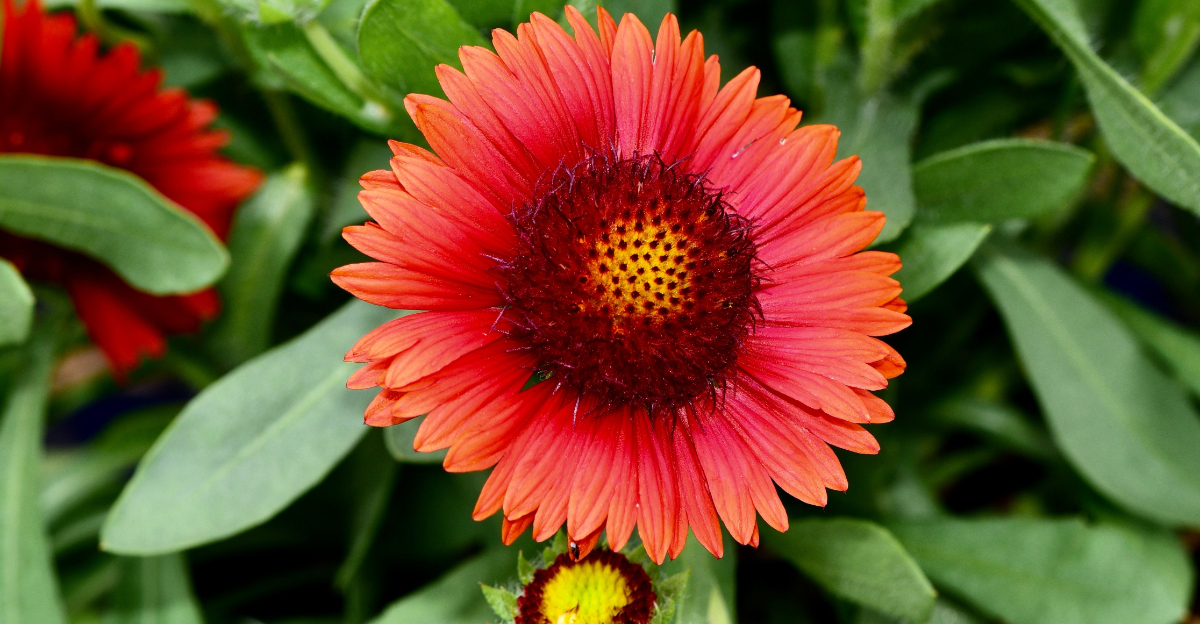
Blanket flowers are a favorite in many Arizona gardens because they thrive in heat and bring bright color to the landscape for months.
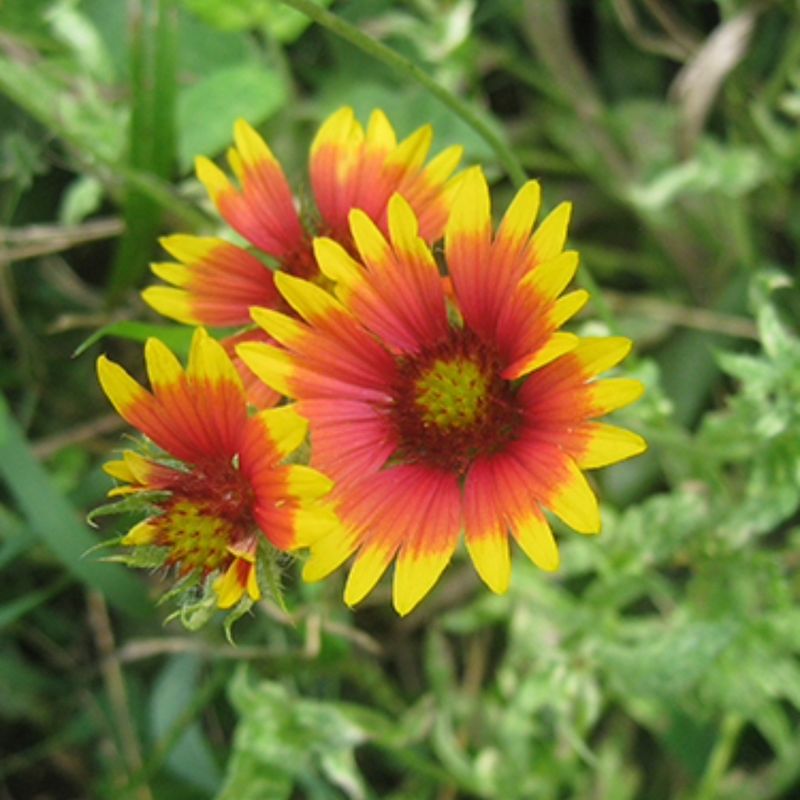
Their red, orange, and yellow blooms stand out against desert backdrops and attract plenty of pollinators along the way.
They are also known for handling dry conditions better than many other flowering plants, which makes them a natural fit for Arizona yards.
Still, growing blanket flowers successfully is not always as simple as planting them and walking away.
Soil conditions, watering habits, and summer heat can all affect how well they perform. Some gardeners end up with plants that fade too quickly or stop blooming earlier than expected.
Knowing a few important things ahead of time can make a big difference. With the right care and planting choices, blanket flowers can stay colorful, healthy, and active in Arizona gardens through much of the growing season.
1. Plant Blanket Flowers In Full Sun For Best Blooming
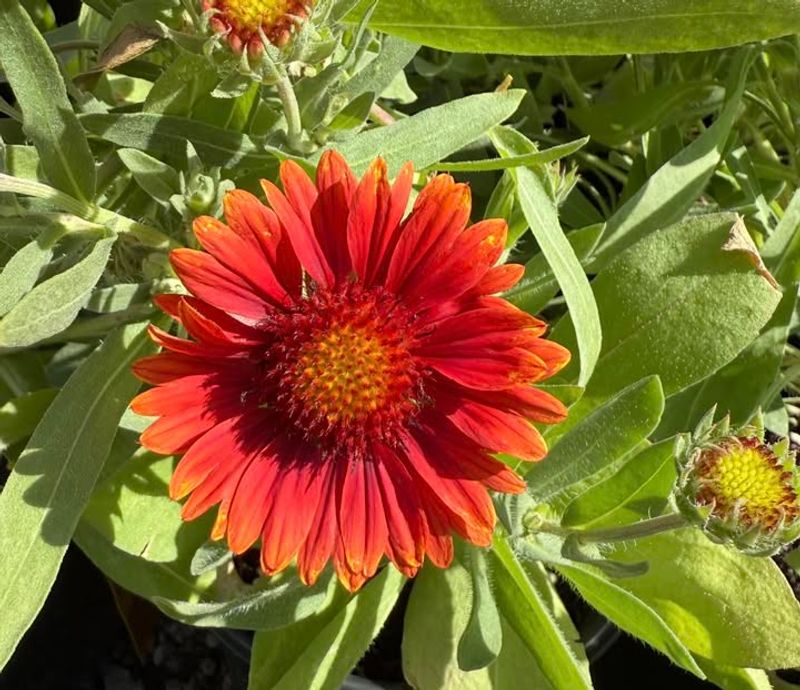
Full sun is not just a preference for blanket flowers — it is pretty much a requirement if you want those bold blooms showing up all summer long.
In Arizona, that means planting where your spot gets at least six solid hours of direct sunlight every day, and more is even better.
Shaded corners of your yard might seem tempting, especially when the summer heat feels relentless, but reduced light pushes blanket flowers to grow tall and leggy without producing many flowers.
You end up with a lot of green and not much color, which defeats the whole purpose.
Phoenix, Scottsdale, Tucson — these cities are practically made for sun-loving plants, and blanket flowers fit right in. South-facing garden beds or open areas away from large shade trees are ideal planting spots.
One thing worth knowing is that even though these plants handle intense Arizona sun well, young transplants can struggle during the brutal July heat if they were recently moved.
Planting in fall gives roots time to settle in before summer arrives, which makes a big difference in how well they handle the heat the following year.
Morning sun with some afternoon relief is fine if full all-day exposure is not possible. Just avoid spots that are shaded for most of the day.
Consistent sunlight is what drives flower production, so put your blanket flowers where the sun hits hardest and watch them reward you with weeks of color.
2. Use Well Draining Soil To Prevent Root Problems
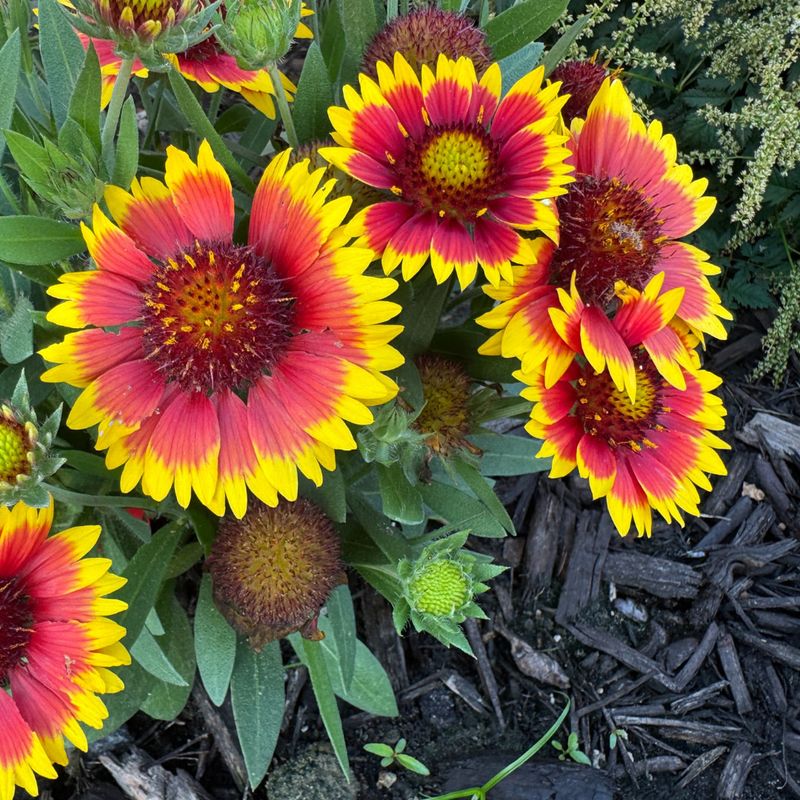
Soggy roots are a blanket flower’s worst enemy, and Arizona’s soil situation can go either way depending on where you live.
Some areas have sandy, fast-draining ground that blanket flowers absolutely love, while other spots have heavy clay that holds water way too long and causes serious root trouble.
Before you plant, dig down about a foot and check what you are working with. If water pools in the hole after a good soak and takes forever to drain, you need to fix that before anything goes in the ground.
Mixing in coarse sand or small gravel helps break up heavy soil and speeds up drainage noticeably.
Raised beds are another solid option, especially in parts of Arizona where caliche layers sit just below the surface and block drainage entirely.
Building up even six to eight inches of well-draining mix above that layer gives roots room to breathe and grow without getting waterlogged.
Sandy desert soil in places like Mesa or Casa Grande is often already close to ideal. You might only need to loosen it up a bit and mix in a little compost to give seedlings a better start without making the soil too rich or water-retentive.
Blanket flowers actually perform better in lean, gritty soil than in heavily amended garden beds. Nutrient-rich, moisture-holding soil might sound like an upgrade, but for these plants it tends to cause root rot before the season even gets going.
Keep it simple and keep it draining.
3. Avoid Overwatering In Arizona’s Dry Climate
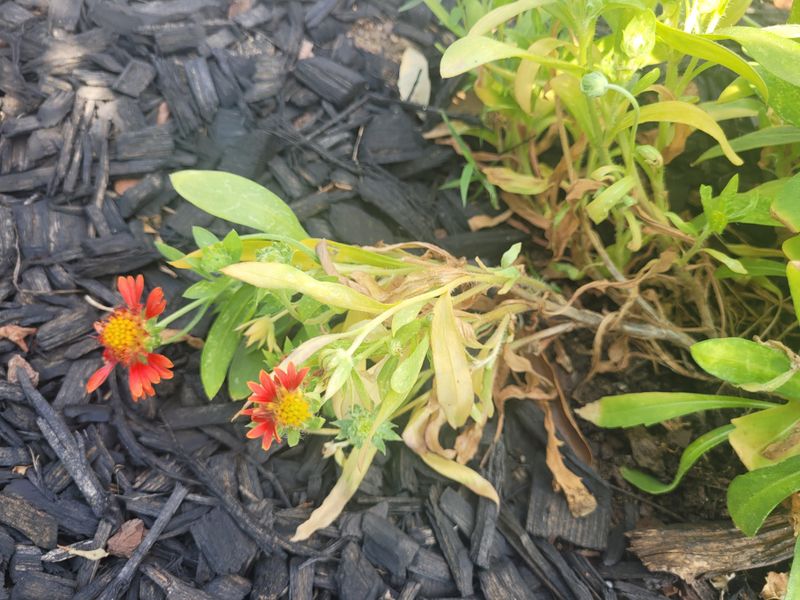
Overwatering kills more blanket flowers in Arizona than the heat ever does. It sounds backwards given how hot and dry things get out here, but these plants are genuinely built for drought and do not need much help from a hose once they are settled in.
Right after planting, water every two to three days to help roots get established. After a few weeks, you can start pulling back significantly.
Mature plants in Arizona garden beds can often get by on rainfall alone during cooler months and just a weekly deep soak during the driest stretches of summer.
The mistake most people make is watering on a fixed schedule without checking the soil first. Stick your finger two inches into the ground near the base of the plant.
If it still feels moist, skip that watering day entirely and come back tomorrow.
Drip irrigation set to a low frequency works well for blanket flowers in places like Tempe or Gilbert. It delivers water directly to the root zone without splashing foliage, which helps prevent the kind of fungal issues that wet leaves can invite in humid monsoon conditions.
Yellowing leaves, mushy stems near the soil line, or a general droopy look even when the soil is wet — those are signs you have been watering too much. Back off immediately, let the soil dry out completely, and the plant will usually bounce back on its own.
Less really is more with these flowers in Arizona.
4. Space Plants Well To Improve Airflow
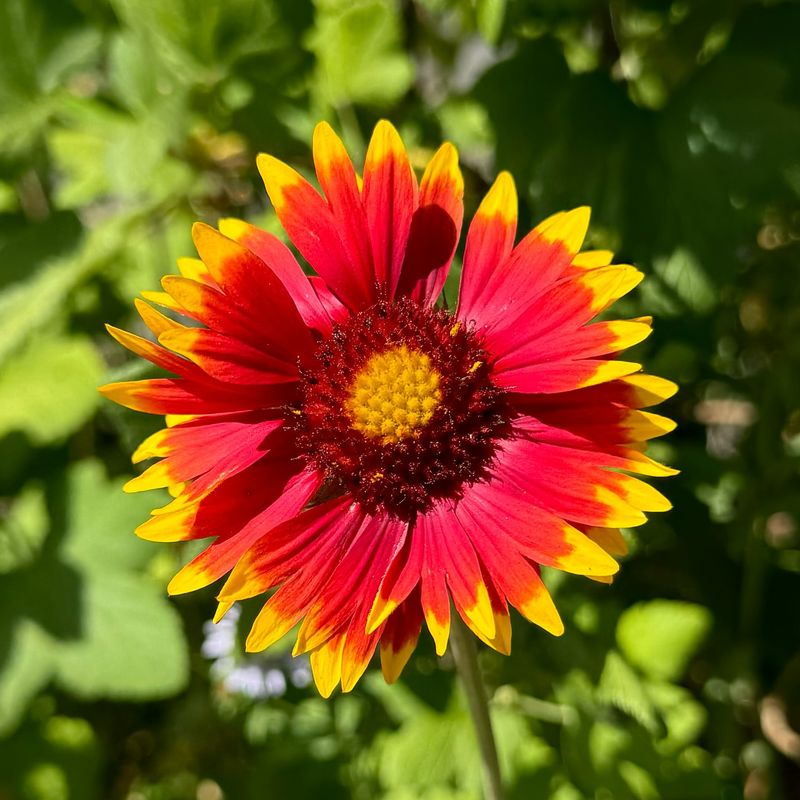
Crowding blanket flowers together might look fine at first, but poor airflow between plants is one of the fastest ways to run into fungal problems, especially during Arizona’s monsoon season when humidity spikes unexpectedly for weeks at a time.
Aim to space plants about twelve to eighteen inches apart. That gap lets air move freely around each stem and keeps foliage drying out faster after rain or irrigation.
It also gives each plant enough room to spread naturally without competing for light or root space underground.
Tucson and Phoenix gardeners who grow blanket flowers in tighter raised beds sometimes skip this step and regret it by late summer when powdery mildew shows up on the leaves.
It is not always fatal, but it does stress the plant and slows down blooming at exactly the time of year when you want the most color.
Good spacing also makes maintenance easier. Deadheading spent blooms, checking for pests, and cutting back overgrown stems all become much simpler when plants are not tangled together in a dense clump.
You can actually see what you are working with.
If you are planting from seed, thin seedlings early and do not wait until they are root-bound before moving them apart. Transplanting stressed, overcrowded seedlings in Arizona’s summer heat is rough on young plants.
Start with the right spacing from day one and you will not have to deal with that headache later in the season.
5. Remove Spent Flowers To Encourage More Blooms
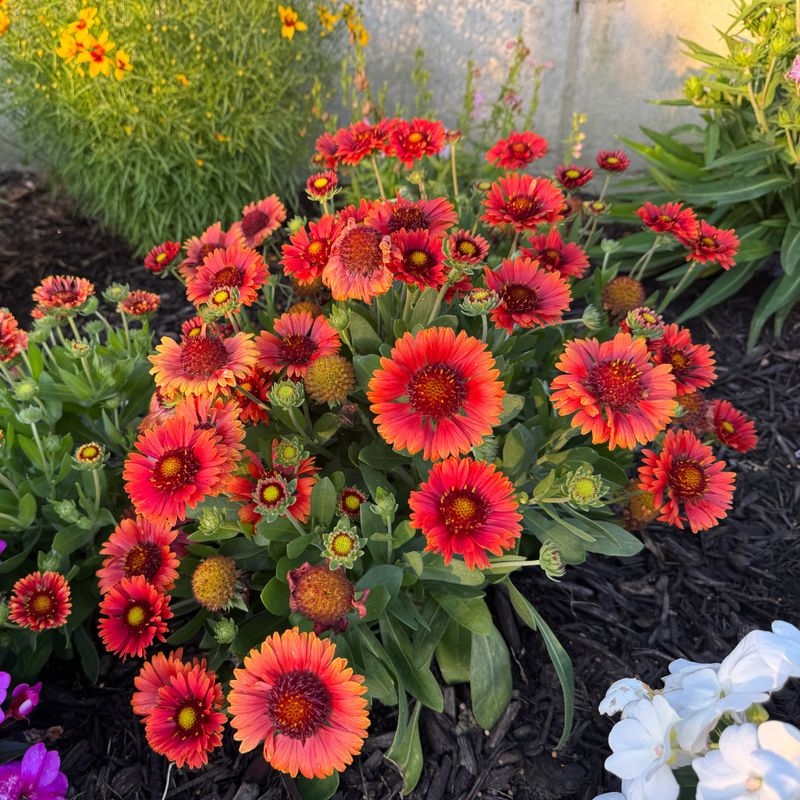
Deadheading is one of those simple habits that makes a huge difference in how long your blanket flowers keep blooming. When a flower fades and starts forming a seed head, the plant shifts its energy toward seed production and slows down on making new buds.
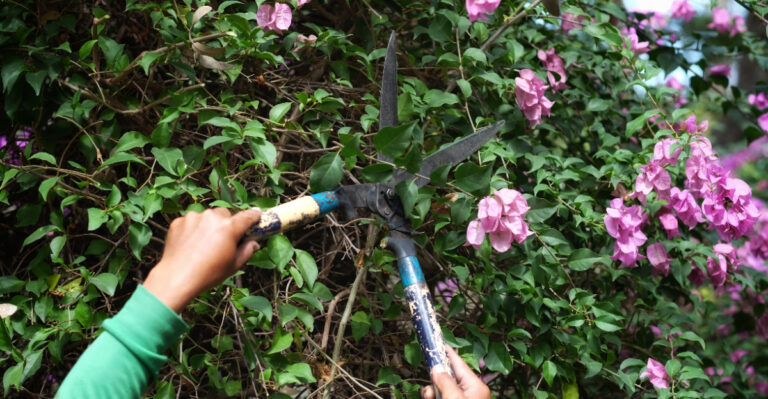
Snip spent blooms right where the flower stem meets the nearest set of leaves or side shoot. You do not need fancy tools — a pair of clean scissors or small pruning shears works perfectly.
Just do it regularly, ideally every few days during peak bloom season, and the plant keeps pushing out fresh flowers to replace the ones you removed.
In Arizona, blanket flowers can bloom from late spring all the way through fall if you stay on top of deadheading.
Skipping it for even a couple of weeks during the heat of summer often results in a plant that looks spent and ragged when it could still be producing color well into October.
If the whole plant starts looking tired and scraggly by mid to late summer, do not hesitate to cut it back by about one-third.
A hard trim like that often triggers a fresh round of growth and a second wave of blooms before the season ends, which is a nice bonus in a hot climate like Scottsdale or Chandler.
Leaving a few seed heads at the very end of the season is fine if you want the plant to self-seed for next year. Just make sure the majority of spent flowers get removed throughout the growing season to keep bloom production strong.
6. Avoid Heavy Fertilizing That Reduces Flowering
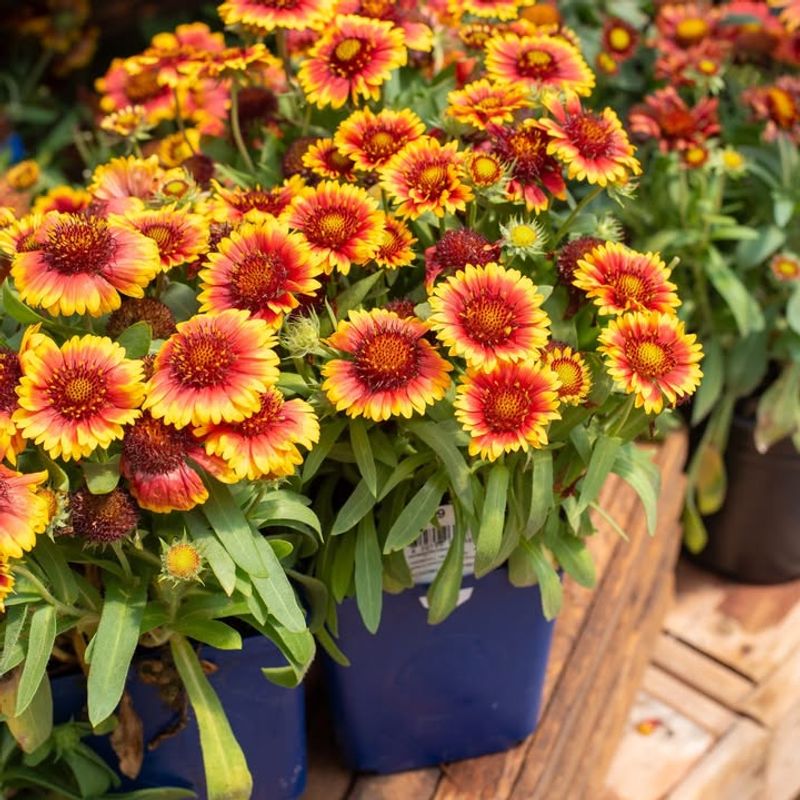
More fertilizer does not mean more flowers with blanket flowers — it usually means the exact opposite.
Nitrogen-heavy fertilizers push plants to produce big, lush foliage at the expense of blooms, and in Arizona where these plants already grow aggressively in warm weather, overfeeding can turn a flowering plant into a leafy bush surprisingly fast.
Blanket flowers naturally do well in lean, somewhat poor soils. That is actually where they come from — open, dry, nutrient-sparse environments.
Trying to supercharge them with frequent feeding goes against their nature and tends to backfire.
If your Arizona soil is genuinely lacking and you feel like the plants need a boost, use a balanced slow-release fertilizer with equal nitrogen, phosphorus, and potassium numbers. Apply it once in early spring at half the recommended dose and leave it at that.
Resist the urge to add more mid-season even if growth looks slow.
Liquid fertilizers applied every few weeks are especially risky with blanket flowers.
Too much nitrogen delivered that frequently can stress the root system and cause problems that show up as yellowing leaves or dramatically reduced flowering right when summer blooms should be peaking.
Gardeners in Peoria and Surprise who grow blanket flowers in native desert soil often skip fertilizing entirely and get great results.
Compost mixed into the soil at planting time provides a gentle, slow nutrient release that supports healthy growth without pushing excessive leafy growth.
That approach tends to work really well in Arizona conditions without any of the downsides of chemical fertilizers.
7. Watch For Aphids On New Growth
Aphids have a habit of showing up right when your blanket flowers are putting out their most tender new growth, and they can do real damage fast if you are not paying attention. Soft, fresh stems and new buds are exactly what these tiny insects go after first.
Check the undersides of leaves and along new stem growth every few days, especially in spring when plants are actively pushing out new shoots.
Aphids are small but visible — they cluster in groups and leave behind a sticky residue that can attract ants and eventually lead to sooty mold if left untreated.
A strong blast of water from a hose knocks most aphids off immediately and is usually enough to control light infestations.
Do it in the morning so foliage dries out before the afternoon heat hits, which matters during Arizona’s warm spring days in places like Mesa or Tempe.
For heavier infestations, insecticidal soap spray works well and is safe for the beneficial insects you want to keep around, like bees that are already visiting your blooms. Apply it in the early morning or evening, never during the hottest part of the day, to avoid leaf burn.
Blanket flowers can also attract leafhoppers, which spread a disease called aster yellows. Plants infected with it show distorted, yellowed growth that does not recover.
Remove any plant showing those symptoms right away and do not compost it. Staying alert during the growing season keeps small pest problems from becoming bigger ones.