Things You Should Check In Your Colorado Garden After A Heavy Snow
After a heavy snow in Colorado, your garden may look peaceful and still, but underneath that white blanket, your plants and landscaping could be facing real challenges.
Snow can be both helpful and harmful, depending on how much falls, how wet it is, and how long it sticks around.
That’s why it’s important to check a few key things once the storm passes.
Taking a short walk through your yard can help you spot issues early and prevent long-term damage.
Start by looking at your trees and shrubs, heavy, wet snow can weigh down branches and cause them to bend or snap.
Gently shake off excess snow, but be careful not to break frozen limbs.
Next, check for signs of compacted soil or poor drainage, especially around garden beds and pathways.
If snow has piled up near your home, make sure it’s not trapping moisture against your foundation or covering up vents.
Even your cold-hardy perennials and dormant plants could use a quick once-over to make sure mulch hasn’t shifted or ice hasn’t exposed sensitive roots.
1. Tree Branches And Limbs For Snow Damage
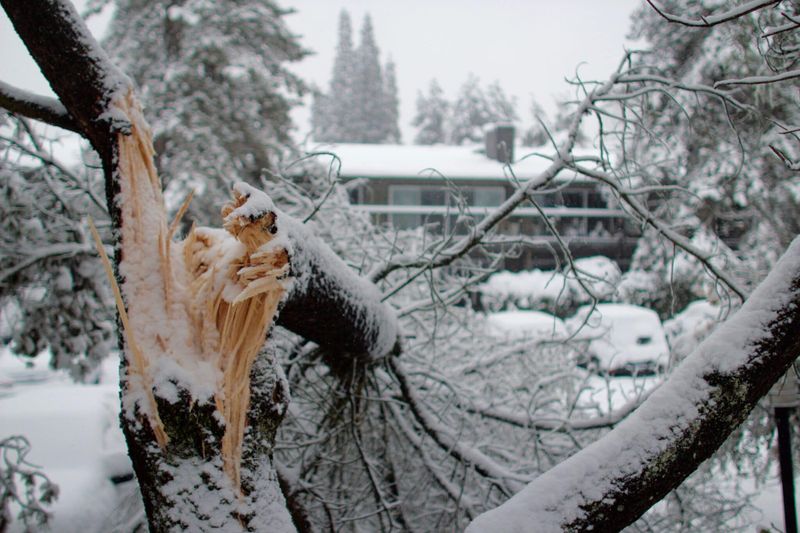
Heavy, wet snow can weigh down tree branches until they crack, split, or break completely.
In Colorado, where snowstorms can dump several inches or even feet of snow overnight, the weight becomes too much for many branches to handle.
Walking through your garden after a storm, you might notice branches sagging dangerously low or already broken and hanging by strips of bark.
Leaving damaged branches in place creates safety hazards and can cause further harm to the tree as the wound tears or invites disease.
Start by carefully brushing off excess snow from smaller branches using a broom with gentle upward motions.
Never shake branches aggressively, as this can cause more damage than the snow itself.
For larger limbs that have already cracked or split, it’s best to prune them cleanly with proper tools or call a professional arborist if the damage is extensive or high up in the tree.
Pay special attention to evergreens like pines and spruces, which hold more snow on their dense foliage.
Colorado’s native trees are tough, but even they have limits when facing heavy, wet spring snow.
Remove snow carefully to prevent permanent bending or breaking, especially on younger trees that haven’t developed strong branch structure yet.
Inspect the main trunk and larger scaffold branches for cracks or splits that might not be immediately obvious.
These injuries can weaken the tree over time and create entry points for pests and diseases.
Taking action quickly after a snowstorm helps your trees recover and stay healthy for many seasons ahead in your Colorado landscape.
2. Shrubs And Bushes That May Be Crushed
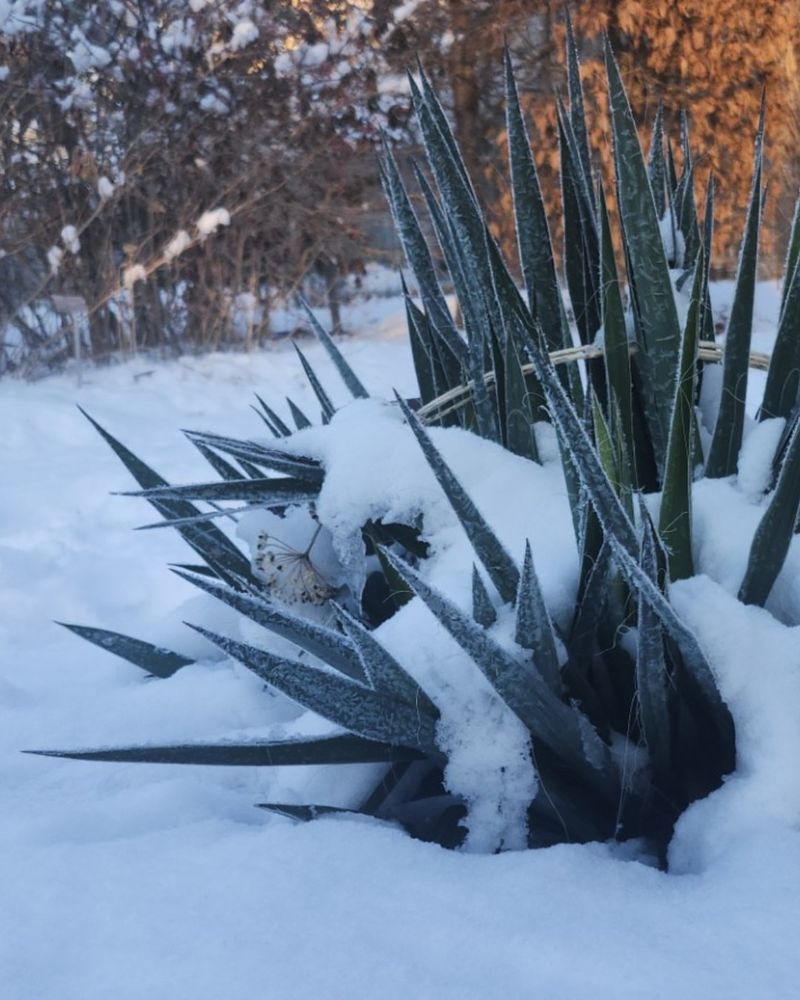
Shrubs and bushes often bear the brunt of heavy snowfall because they sit lower to the ground and can get completely buried.
Colorado gardeners know that spring snowstorms are particularly destructive since the snow tends to be wetter and heavier than the light, fluffy powder that falls in December and January.
When shrubs get flattened under several inches of snow, their branches can bend beyond their natural flexibility and snap, leaving permanent damage that affects their shape and health.
After a storm, check on your shrubs as soon as it’s safe to go outside.
Gently remove snow by carefully lifting it off with your hands or a soft broom, working from the top down to avoid putting extra pressure on already stressed branches.
Don’t try to break apart frozen or icy snow that has hardened around the shrub, as this can tear branches.
Instead, wait for temperatures to rise slightly so you can remove the snow more easily.
Boxwoods, junipers, and ornamental grasses are especially vulnerable to snow damage in Colorado gardens.
If you notice branches that have been pushed outward or flattened, you can sometimes gently tie them back into place with soft garden twine to help them recover their shape.
However, branches that have cracked or broken should be pruned cleanly to prevent disease.
Some shrubs will naturally spring back once the weight is removed, while others may need extra support or corrective pruning.
Checking your shrubs promptly after heavy snow gives them the best chance to recover before new growth begins in spring, keeping your Colorado garden looking its best year after year.
3. Perennials And Ground Covers Hidden Under Snow
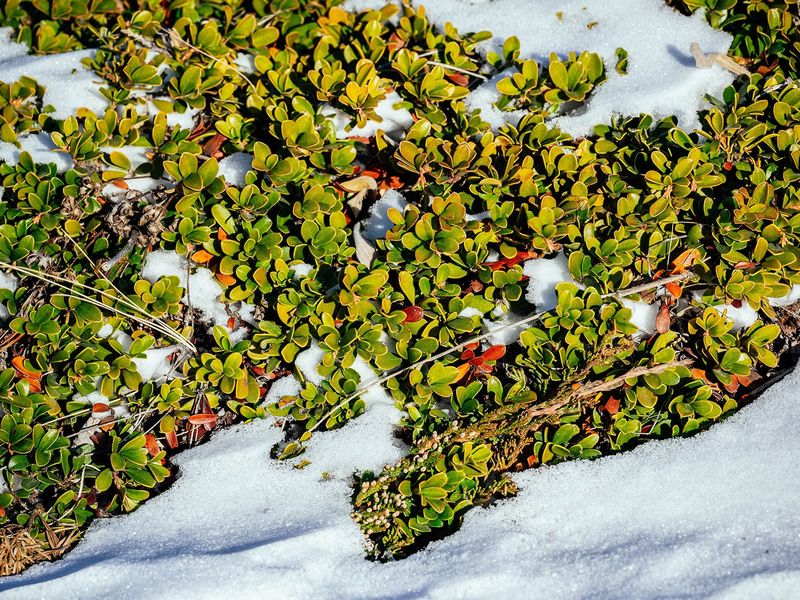
Perennials and ground covers often disappear completely under a blanket of heavy snow, and it’s tempting to assume they’re fine until spring arrives.
However, prolonged snow cover combined with freeze-thaw cycles can create problems for these plants, especially in Colorado where temperatures can swing dramatically even in winter.
Ice buildup on plant crowns, excessive moisture, and lack of air circulation can all stress perennials that are trying to stay dormant through the cold months.
Once it’s safe to walk in your garden, take note of where your perennials are planted and check if any are being smothered under ice or compacted snow.
Plants like sedums, creeping phlox, and other low-growing perennials can handle snow cover, but they struggle when ice forms a solid layer over them for weeks at a time.
If you notice ice buildup around plant crowns, carefully chip it away to allow better air circulation without damaging the dormant foliage beneath.
Ground covers such as ajuga and thyme can also suffer if snow piles up and then melts and refreezes repeatedly.
This creates a suffocating layer that can lead to rot or fungal issues when spring finally comes.
Gently clear heavy snow from these areas when possible, but avoid stepping on frozen ground covers, as the brittle foliage can break easily.
Colorado’s unpredictable weather means that even hardy perennials benefit from a quick check after major snowstorms.
Clearing away excessive snow and ice helps ensure your perennials emerge healthy and strong when warmer weather returns, ready to fill your garden with color and life once again.
4. Garden Structures Like Trellises And Arbors
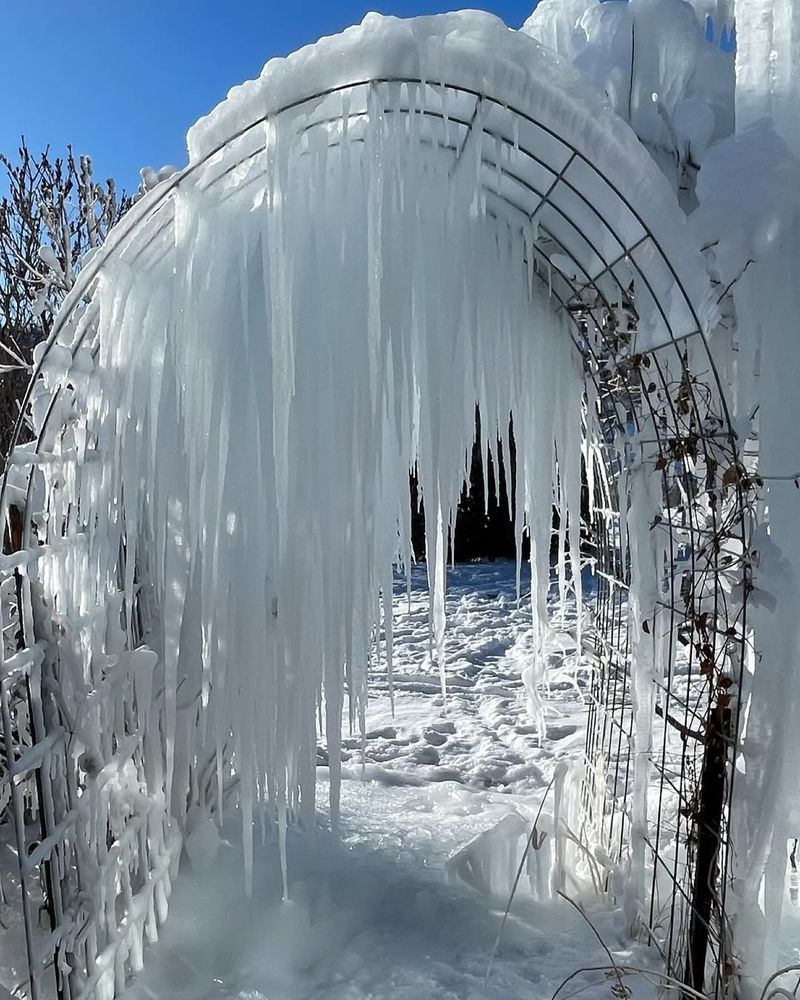
Garden structures add beauty and function to your outdoor space, but they can take a beating during Colorado’s heavy snowstorms.
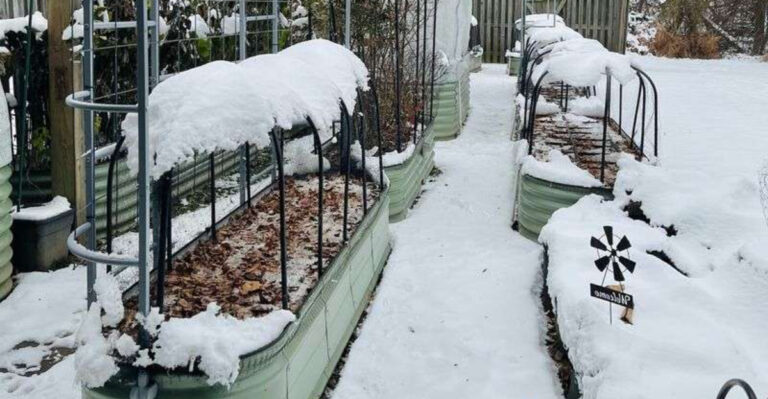
Trellises, arbors, pergolas, and even decorative fencing can buckle, lean, or collapse under the weight of accumulated snow and ice.
Wood structures are particularly vulnerable, especially if they’re older or already showing signs of wear.
Metal structures can also bend or warp if snow piles up unevenly or if ice adds extra weight beyond what the structure was designed to support.
After a big storm, walk around your garden and inspect all structures carefully.
Look for signs of leaning, cracking, or shifting in posts and supports.
Check joints and connections where pieces are fastened together, as these are often the first spots to fail under pressure.
If you notice a structure leaning or sagging, carefully remove snow from it as soon as possible to prevent further damage.
Trellises that support climbing plants like clematis or roses need special attention.
Snow can push the trellis away from walls or fences, pulling plant stems with it and causing breakage.
If your trellis has shifted, you may need to reattach it once the snow melts and temperatures allow for outdoor repairs.
For freestanding arbors and pergolas, check the base and footings to make sure they haven’t shifted or heaved due to freeze-thaw cycles in Colorado’s soil.
Preventive maintenance helps too.
Before winter arrives, reinforce any structures that seem weak, and consider removing delicate or temporary trellises until spring.
Taking a few minutes to inspect your garden structures after heavy snow can save you from costly repairs or replacements and keep your Colorado garden looking great through every season.
5. Irrigation Systems And Outdoor Faucets
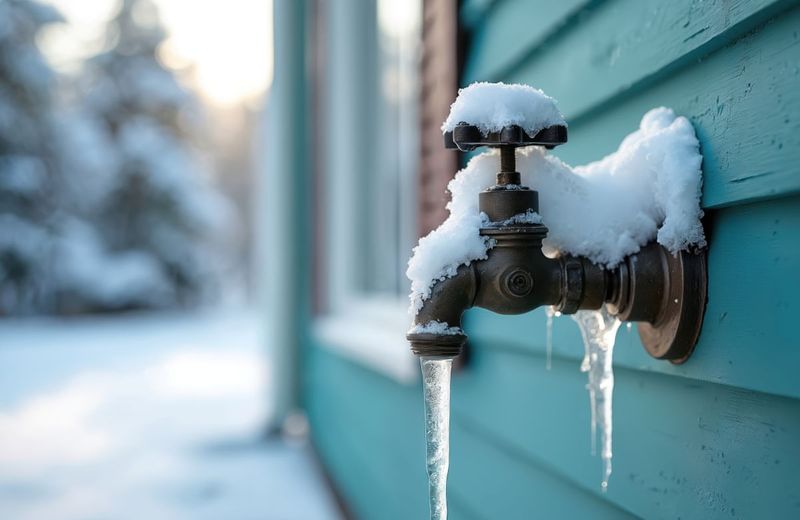
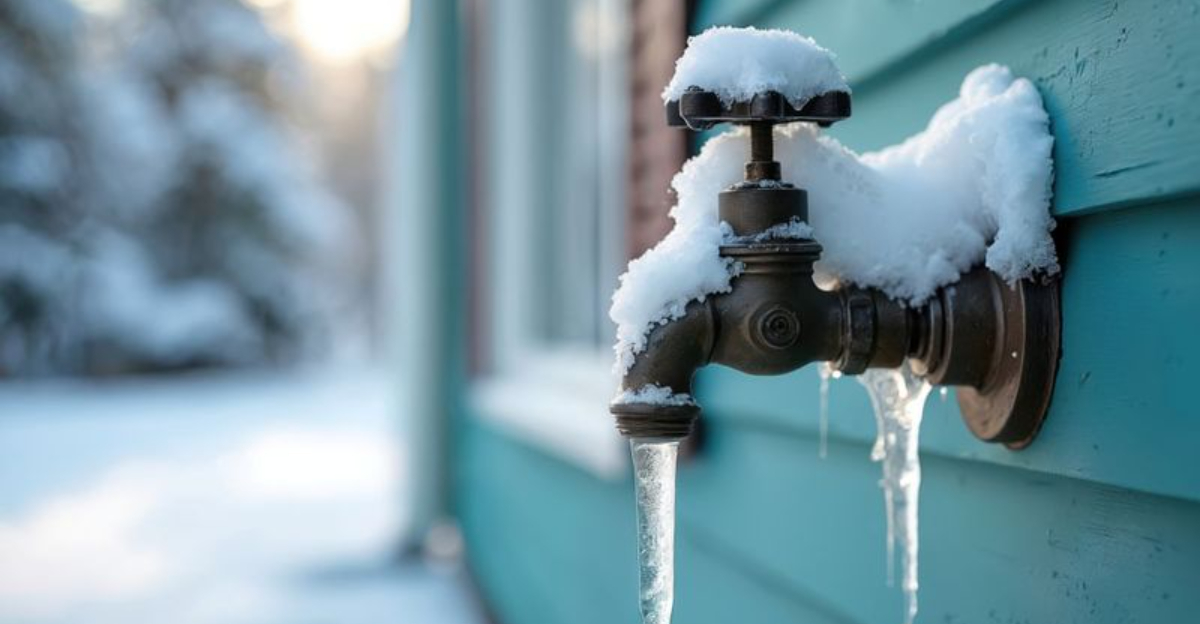
Frozen pipes and damaged irrigation systems are common problems after heavy snowfall in Colorado, especially if temperatures drop suddenly after a storm.
Even if you properly winterized your irrigation system in the fall, extreme cold and heavy snow can still cause issues.
Exposed pipes, backflow preventers, and outdoor faucets are especially vulnerable to freezing and cracking when water inside them expands.
Once the damage is done, you might not discover it until spring when you turn the water back on and find leaks or broken components.
After a snowstorm, check any visible irrigation components in your garden.
Look at backflow preventers, valve boxes, and outdoor spigots for signs of cracking or damage.
If snow has piled up around these components, carefully clear it away to allow for inspection.
Insulated covers for outdoor faucets can shift or blow off during storms, leaving pipes exposed to freezing temperatures, so make sure covers are still in place and secure.
Valve boxes buried in the ground can fill with snow and ice, which can put pressure on valves and fittings inside.
If you can safely access these boxes, remove snow and ice to reduce stress on the system.
However, don’t force open frozen valve box lids, as this can cause more damage.
Wait for temperatures to rise slightly before attempting to open them.
Colorado’s freeze-thaw cycles can be especially hard on irrigation systems.
Water that melts during the day can refreeze at night, expanding in pipes and causing cracks.
Checking your system after heavy snow helps you catch problems early, so you can make repairs before spring arrives and you’re ready to start watering your garden again.
6. Pathways And Garden Beds For Ice Buildup
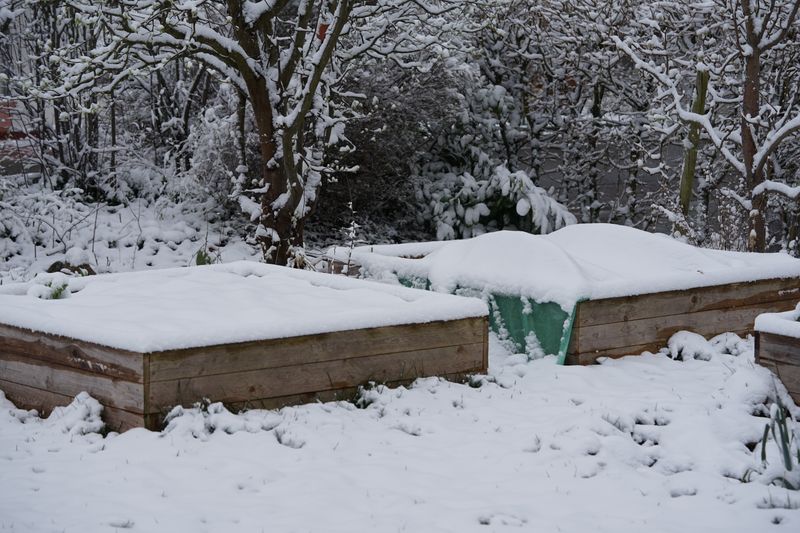
Pathways and garden beds can become hazardous and damaged after heavy snow, especially when melting and refreezing create thick layers of ice.
In Colorado, where sunny days can melt snow quickly only for it to refreeze overnight, ice buildup becomes a serious concern.
Slippery pathways create safety risks for anyone walking through the garden, while ice in garden beds can compact soil and damage plant roots.
Heavy ice can also shift pavers, stones, and edging materials, leaving your pathways uneven and your garden beds in disarray.
Start by clearing pathways of snow and ice to make them safe for walking.
Use a plastic shovel or ice scraper to avoid damaging pavers or decorative stone surfaces.
Avoid using metal shovels on delicate materials, as they can chip or scratch surfaces.
For stubborn ice, consider using sand or pet-safe ice melt rather than rock salt, which can harm plants and soil in nearby garden beds.
Check garden bed edges and borders for shifting or heaving caused by freeze-thaw cycles.
Colorado’s fluctuating winter temperatures can cause soil to expand and contract, pushing stones, bricks, or timber edging out of place.
If you notice any movement, make a note to reset these materials once the ground thaws in spring.
Avoid trying to reposition frozen or ice-locked materials, as this can cause breakage.
Ice buildup on top of mulched garden beds can also be a problem.
While a layer of mulch protects plant roots, ice on top of the mulch can create a barrier that traps moisture and prevents air circulation.
Gently break up ice layers when possible without disturbing the mulch or soil beneath.
Keeping pathways clear and garden beds free of excessive ice helps maintain a safe and healthy Colorado garden through the winter months.
7. Wildlife Damage And Activity Around Your Garden
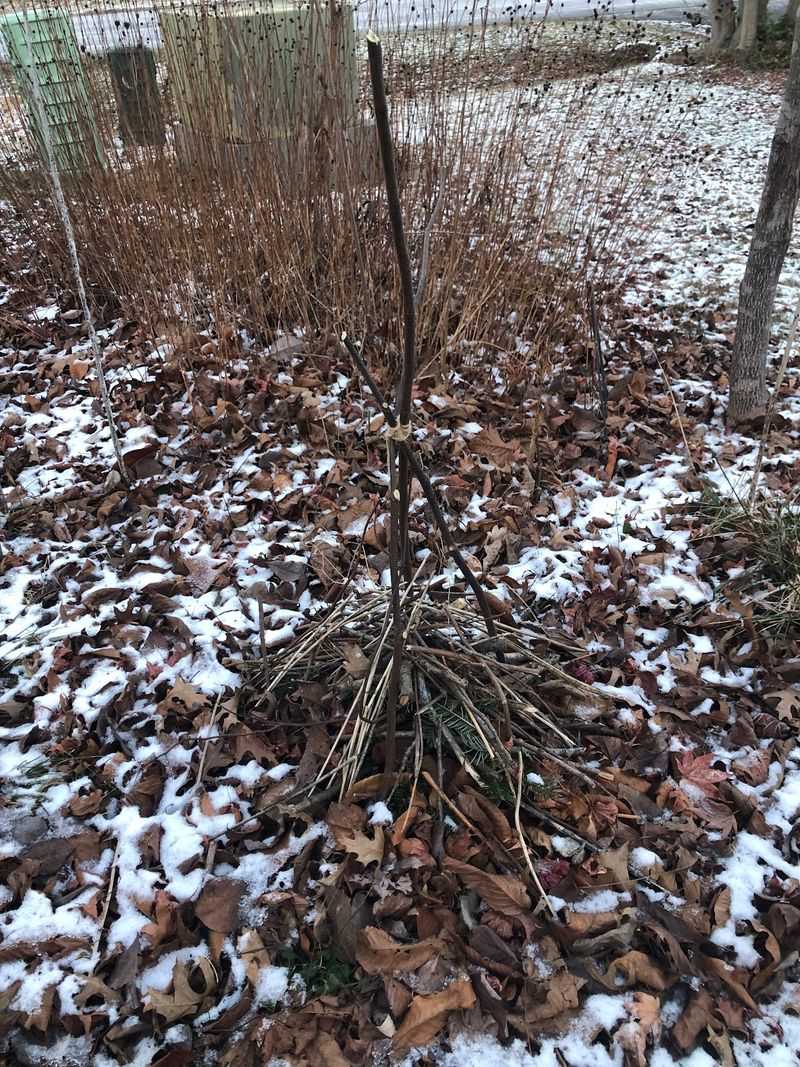
Heavy snow drives wildlife to search for food and shelter in places they might not normally go, including your Colorado garden.
Deer, rabbits, voles, and other animals become more desperate during and after snowstorms, leading them to nibble on shrubs, gnaw on tree bark, and dig through garden beds looking for anything edible.
Even plants that wildlife usually ignores can become targets when snow covers their preferred food sources.
The damage might not be immediately visible under the snow, but once you start clearing things away, you may find stripped bark, chewed branches, and tunnels dug through mulch and soil.
After a storm, walk around your garden and look for signs of wildlife activity.
Check the bark on young trees and shrubs for gnaw marks, especially near the base where rabbits and voles tend to feed.
Deer will browse on branch tips and buds, leaving ragged edges where they’ve bitten through stems.
If you notice damage, take steps to protect vulnerable plants before more harm occurs.
Voles and mice create tunnels under the snow, moving through your garden beds and chewing on plant roots and crowns.
These tunnels might not be visible until the snow melts, but you can sometimes spot entry and exit holes near the base of plants.
Setting up physical barriers like hardware cloth around tree trunks and using repellents can help discourage further damage in Colorado gardens where wildlife pressure is high during winter.
Consider adding temporary fencing or netting around particularly valuable plants if you notice heavy wildlife activity.
Reapply repellents after snowstorms, as fresh snow washes away previous applications.
Checking for wildlife damage after heavy snow helps you respond quickly and protect your garden from further harm during the toughest months of the year.