8 Things You Should Never Add To Clay Soil In Ohio
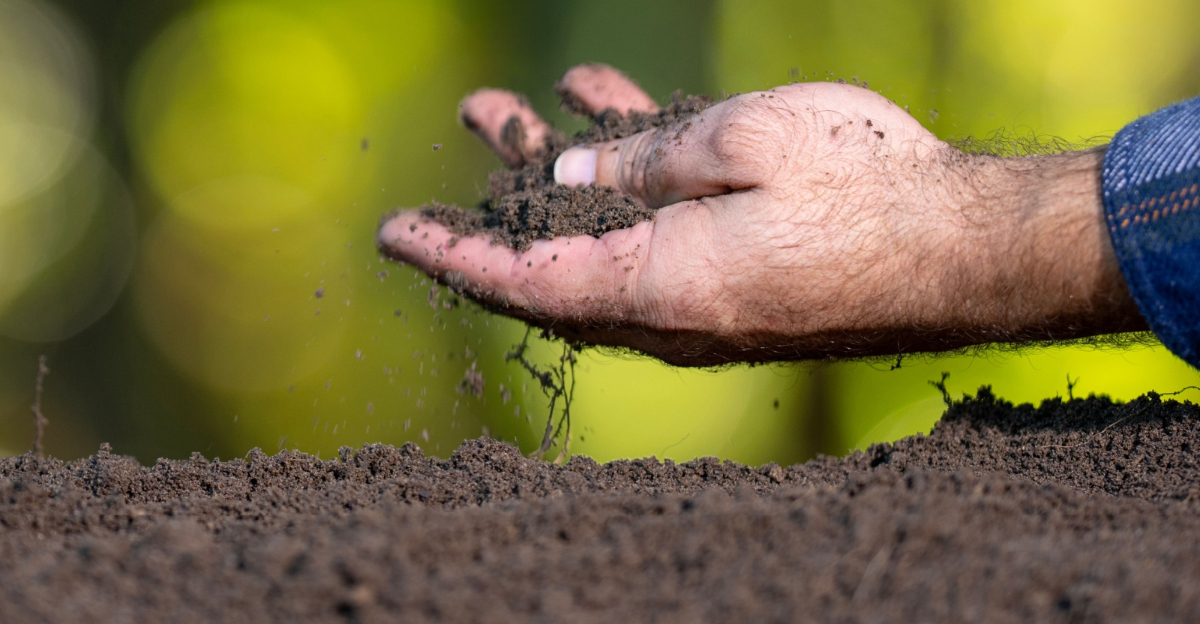
Clay soil can turn a simple garden project into a stubborn battle. After heavy rain, the ground stays soggy for days.
During dry stretches, it hardens like brick. Many Ohio gardeners search for quick fixes to loosen that dense soil and improve drainage.
The internet offers plenty of advice, but not all of it helps. Some popular “solutions” can actually make clay soil worse, creating even tighter compaction or robbing plants of nutrients they need to grow.
That is why knowing what not to add matters just as much as knowing what works. A few common mistakes can undo months of effort and leave plants struggling in soil that feels impossible to manage.
Before you mix anything into clay soil, it helps to understand which materials cause problems instead of solving them. Avoiding these mistakes can save time, protect plant health, and make Ohio garden soil much easier to work with.
1. Sand Can Turn Clay Soil Into Concrete
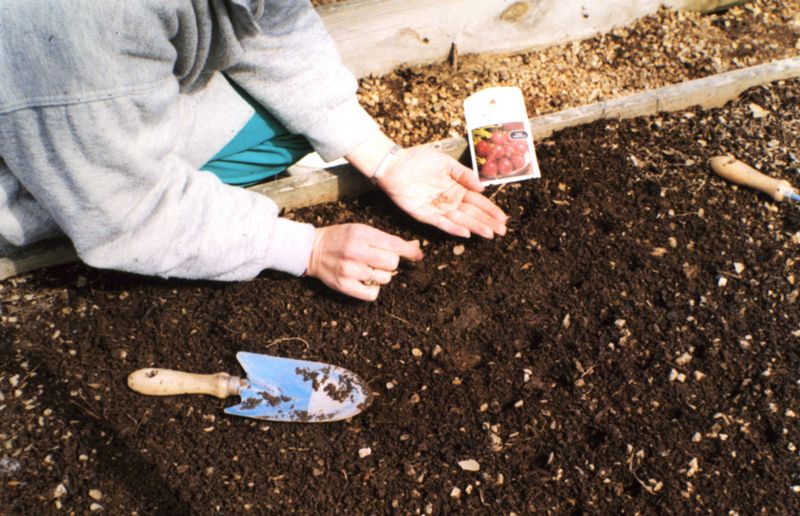
Walk through almost any Ohio neighborhood after a rainy week and you will notice yards where the soil looks cracked, dense, and almost brick-like once it dries out. Believe it or not, some of those compaction problems were made worse by gardeners who added sand hoping to improve drainage.
Mixing sand into clay soil without a massive amount of organic matter rarely improves anything. What often happens instead is that the fine clay particles fill in the spaces between the coarser sand grains.
The result is a dense, cement-like mixture that becomes harder and less workable over time, not easier.
Ohio State University Extension notes that to actually improve clay soil texture with sand, you would need to add so much sand that it becomes the dominant material, which is impractical for most home gardeners. A small or moderate amount of sand simply creates a tighter, more compacted structure.
Instead of sand, Ohio gardeners are much better off working in aged compost, shredded leaves, or other organic matter. These materials genuinely improve soil aggregation and drainage without creating a concrete-like mess.
If your clay soil is compacting badly, organic matter is almost always the smarter and more affordable answer.
2. Peat Moss Breaks Down And Clay Compacts Again
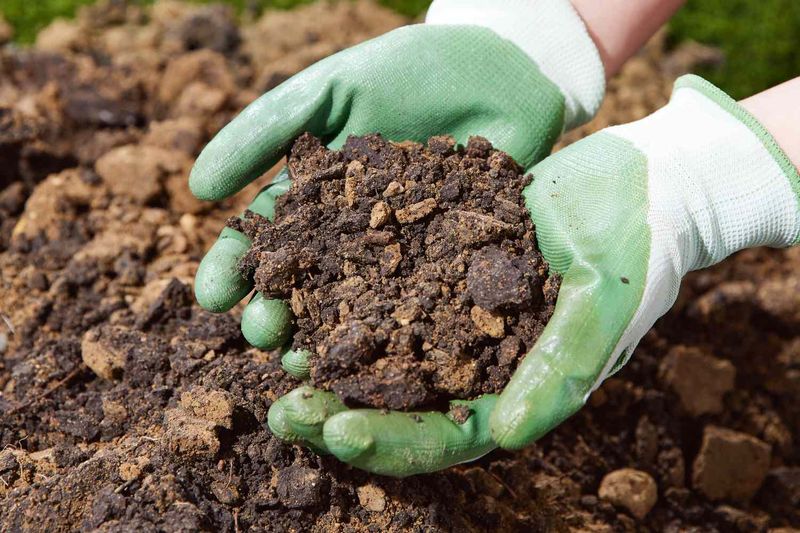
Many Ohio gardeners have reached for a bag of peat moss at the garden center thinking it will loosen up their sticky clay beds. And honestly, it does help a little at first.
Peat moss is lightweight and fibrous, which can temporarily open up clay soil and make it feel more workable right after application.
The problem is that peat moss breaks down relatively quickly once it is worked into the soil. As it decomposes, the loosening effect fades and the clay often returns to its original compacted state.
You end up back where you started, sometimes within a single growing season.
Peat moss is also highly acidic, which can throw off soil pH balance in Ohio gardens that are already slightly acidic. Most vegetables and ornamental plants prefer a more neutral pH range, so adding peat moss without testing your soil first can create nutrient availability problems.
A more sustainable approach is to add compost made from yard waste or kitchen scraps. Compost improves soil structure in a way that lasts longer because it supports soil microbial activity.
Healthy microbial communities help maintain good soil aggregation over time, giving Ohio clay soil the lasting improvement that peat moss simply cannot deliver.
3. Fresh Wood Chips Can Rob Nitrogen From Soil
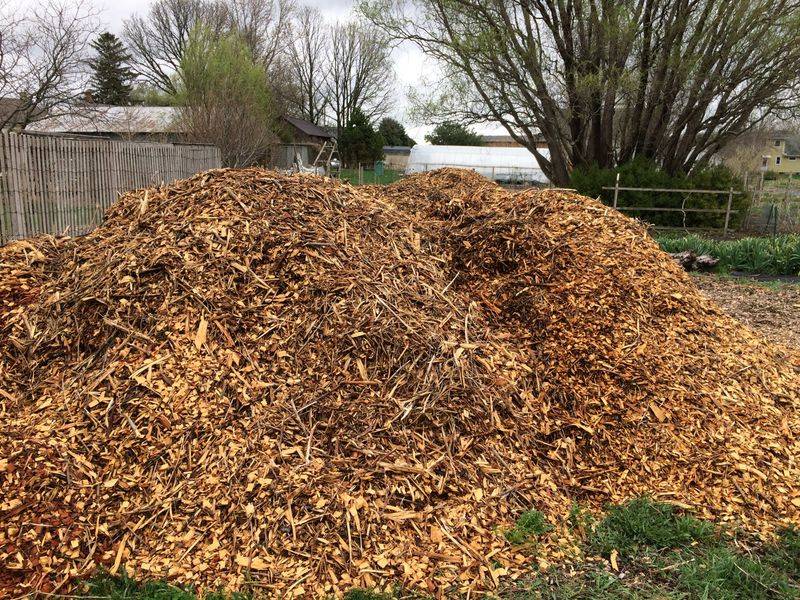
Fresh wood chips look like a fantastic free resource, especially after a tree trimming crew leaves a pile at the curb. Many Ohio homeowners eagerly scoop them up and work them directly into their garden beds, hoping to loosen the soil and add organic material.
Unfortunately, that approach can create a frustrating problem.
When fresh wood chips are incorporated into clay soil, the microbes responsible for breaking them down consume large amounts of nitrogen from the surrounding soil. This process is called nitrogen immobilization, and it can leave your plants struggling to access the nitrogen they need for healthy growth.
Yellowing leaves and stunted plants are common signs that something has gone wrong.
The better approach is to use wood chips as a surface mulch rather than mixing them into the soil. Spread a two to four inch layer on top of garden beds and let them break down naturally over time.
As they slowly decompose from the outside in, they add organic matter to the surface without robbing nitrogen from the root zone below.
Ohio gardeners who want to improve clay soil with wood-based materials should look for aged or composted wood chips instead. Aged chips have already gone through much of the decomposition process, which means the nitrogen-robbing phase has largely passed and they are much safer to use around plants.
4. Raw Sawdust Can Starve Plants Of Nitrogen
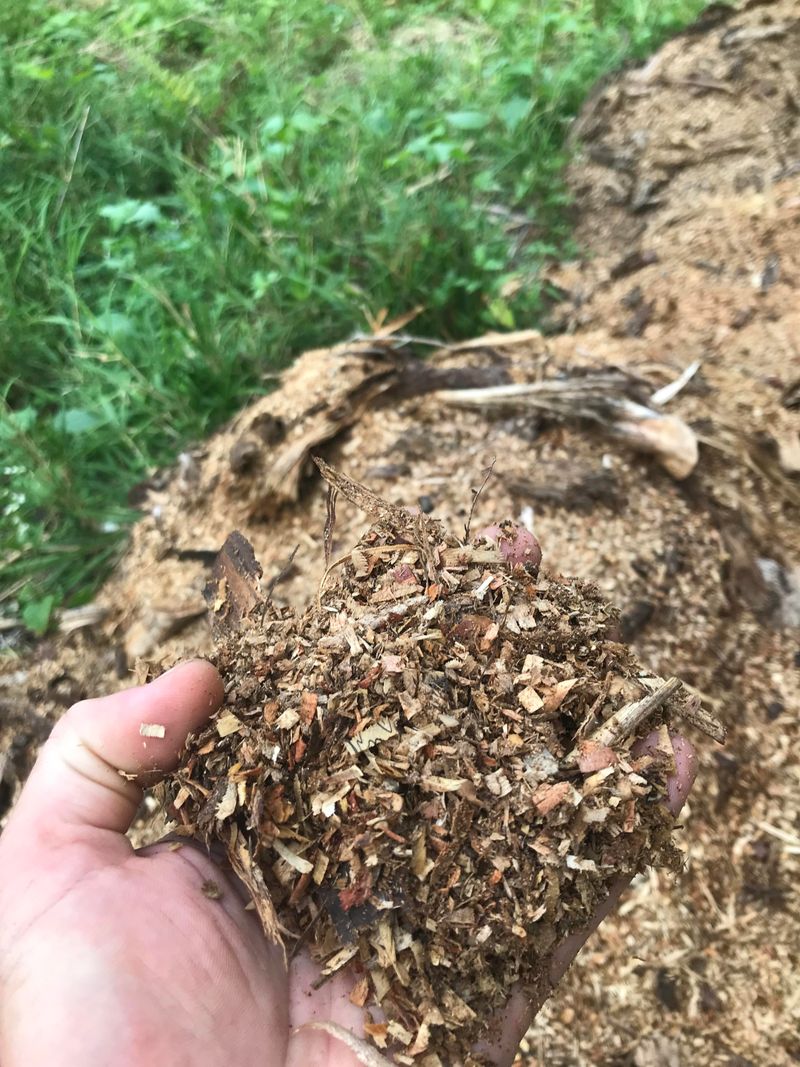
Sawdust might look like a fine, fluffy soil amendment that would break up clay nicely, and that reasoning makes sense at first glance. It is lightweight, organic, and widely available if you know anyone who does woodworking or lives near a lumber operation.
But adding raw sawdust directly to Ohio clay soil is a mistake that can set your garden back significantly.
Like fresh wood chips, raw sawdust has a very high carbon-to-nitrogen ratio. When soil microbes work to break it down, they pull nitrogen out of the surrounding soil to fuel the decomposition process.
This nitrogen drawdown can be severe enough to leave plants visibly stressed, with pale yellow foliage and sluggish growth throughout the growing season.
The decomposition of sawdust in clay soil is also slow because clay tends to hold moisture unevenly and limit airflow. This means the nitrogen-robbing phase can drag on for many months, creating a prolonged period of nutrient stress for anything growing nearby.
If you want to use sawdust in your Ohio garden, compost it first. Mix it with nitrogen-rich materials like grass clippings or vegetable scraps and let it fully break down before adding it to your beds.
Fully composted sawdust is much less likely to cause nitrogen problems and can contribute useful organic matter to your clay soil safely.
5. Gravel Can Create A Hard Drainage Barrier
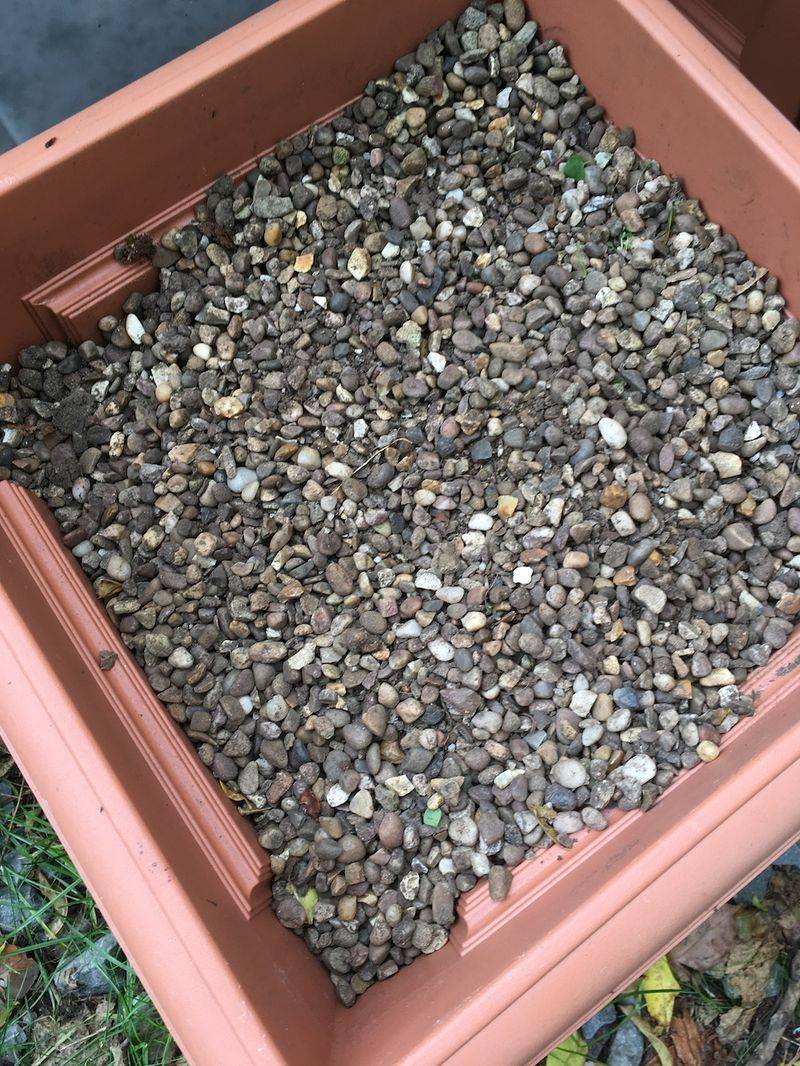
Adding a layer of gravel beneath clay soil sounds like a logical drainage solution. The idea is that water will move down through the clay and then flow away through the gravel layer below.
It seems straightforward enough, and many Ohio homeowners have tried it in raised beds or planting areas with poor drainage.
The reality is that water does not move easily from fine-textured soil into coarser material below. Soil physics actually works against this idea.
Water tends to stay within the finer-textured layer above until that layer is completely saturated before it will move into the coarser gravel below. This creates what soil scientists call a perched water table, which means water pools right above the gravel layer instead of draining away.
For Ohio gardeners dealing with waterlogged clay beds, a gravel layer at the bottom can actually make things worse by concentrating standing water in the root zone. Plants that dislike wet feet will suffer more, not less, with this setup in place.
Better drainage solutions for Ohio clay include improving the soil with organic matter over several seasons, installing proper French drains if drainage is severely poor, or raising planting beds well above the native clay. Working with the soil rather than trying to engineer around it tends to produce more reliable long-term results for Ohio gardens.
6. Fresh Manure Can Burn Plants And Overload Soil
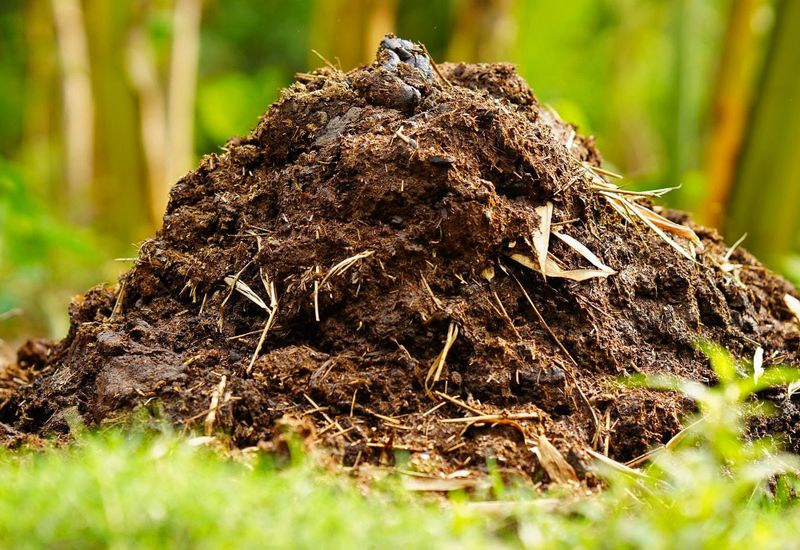
There is something satisfying about the idea of spreading fresh manure on a garden bed, especially if you live near a farm or keep backyard chickens. It feels natural and old-fashioned, like something generations of Ohio farmers have done for centuries.
But fresh manure and clay soil are not a great combination, and the timing matters more than most people realize.
Fresh manure contains very high levels of nitrogen and soluble salts. When applied in large amounts to clay soil, those salts can accumulate quickly because clay does not drain freely.
High salt concentrations in the root zone can pull moisture out of plant roots through osmosis, causing wilting and leaf scorch even when the soil feels moist.
Fresh manure can also carry pathogens including E. coli and Salmonella, which is a real concern for Ohio vegetable gardens. Food safety guidelines recommend avoiding fresh manure on edible crops within 120 days of harvest at minimum.
Composted manure is a much smarter choice for Ohio clay soil. The composting process breaks down harmful pathogens, reduces salt content, and stabilizes nitrogen so it releases more slowly and evenly.
Well-aged manure compost genuinely improves clay soil structure over time and adds beneficial organic matter without the risks that come with the fresh version.
7. Gypsum Rarely Improves Ohio Clay Soil
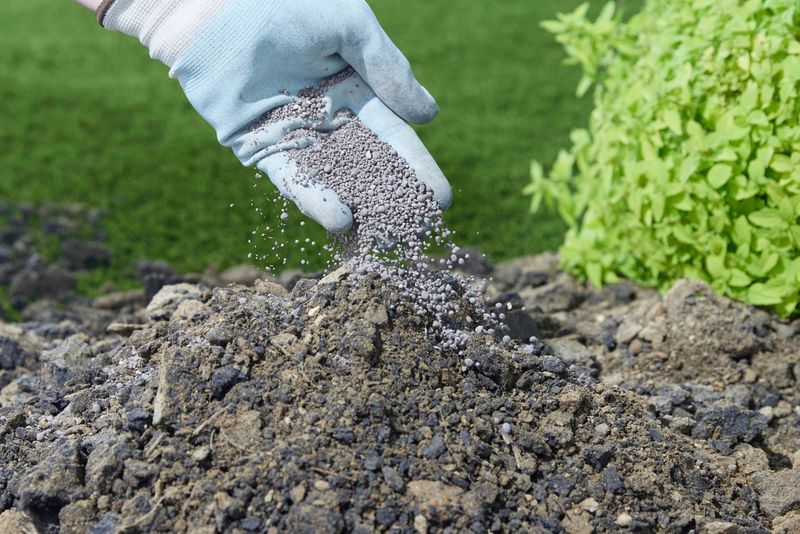
Scroll through any gardening forum or watch a few YouTube videos about clay soil and you will almost certainly see gypsum recommended as a miracle fix. Calcium sulfate, which is what gypsum is, does genuinely improve soil structure in certain situations.
The catch is that those situations are quite specific, and most Ohio clay soils do not qualify.
Gypsum works best on sodic soils, which are soils with high sodium content that causes clay particles to disperse and seal the soil surface. Sodic soils are common in parts of the western United States but are quite rare across Ohio.
Ohio clay soils are typically formed from glacial deposits and do not have the elevated sodium levels that make gypsum an effective treatment.
Ohio State University Extension guidance consistently points out that gypsum applications in Ohio rarely produce measurable improvements in soil structure or drainage.
Gardeners who spend money on gypsum hoping to loosen their clay beds are generally disappointed when the results fail to match the online hype.
Saving that money and putting it toward quality compost will almost always do more good for Ohio clay. A few seasons of consistent compost additions will visibly transform clay soil texture, drainage, and workability in ways that gypsum applications simply cannot match under typical Ohio soil conditions.
8. Coffee Grounds Will Not Fix Clay Structure
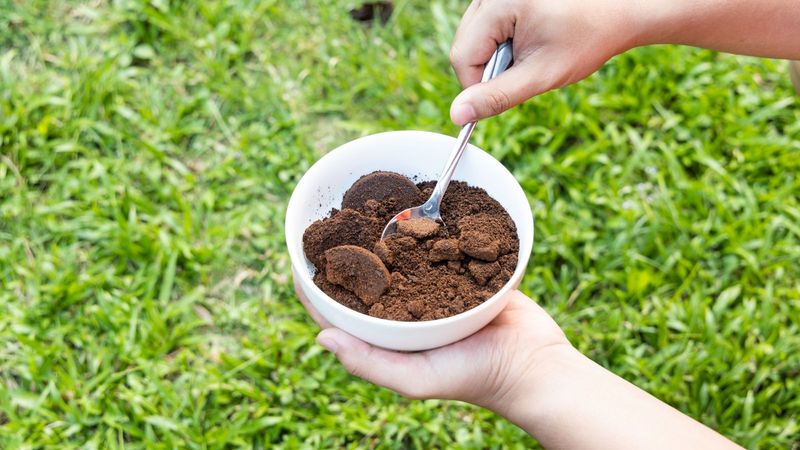
Coffee grounds have developed a near-legendary reputation in home gardening circles. People add them to worm bins, sprinkle them around blueberry bushes, and dump them directly into garden beds with great enthusiasm.
The idea that they improve soil structure and drainage has spread widely, but for Ohio clay soils, the reality is more complicated.
Coffee grounds are actually quite fine in texture. When added in large amounts to clay soil, they can compact and clump together, forming a dense layer that restricts water movement rather than improving it.
Research from Oregon State University found that heavy applications of coffee grounds can actually create a drainage-inhibiting crust on the soil surface.
Coffee grounds are also mildly acidic and high in nitrogen, which means using them in large quantities can shift soil chemistry in ways that are not always helpful.
Ohio soils in many areas are already on the slightly acidic side, so piling on coffee grounds without testing pH first is a gamble.
The best way to use coffee grounds in Ohio gardens is in small amounts within a compost pile, where they contribute nitrogen and break down alongside other organic materials.
Mixed into finished compost, they become part of a balanced amendment that actually does improve clay soil texture without the risks of direct application.