7 Things You Should Watch Out For When Growing Zinnias In Georgia
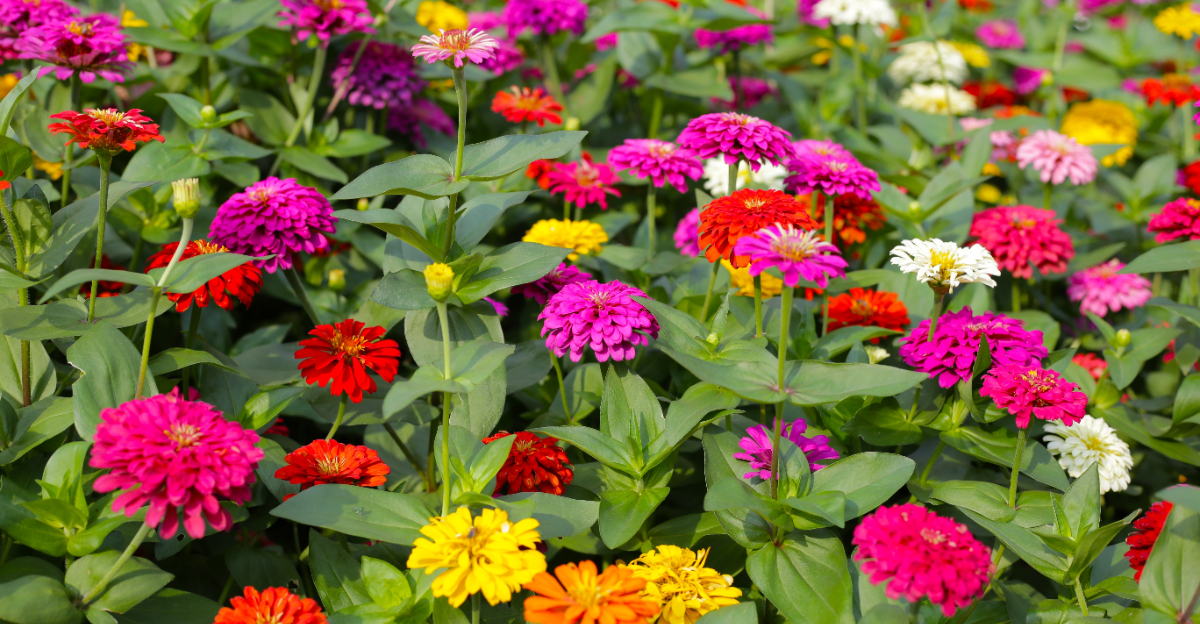
Zinnias are one of the easiest flowers to grow in Georgia gardens, which is why so many gardeners plant them every year for their bright, colorful blooms. They sprout quickly, grow fast in warm weather, and keep flowering through much of the summer.
But even though zinnias are considered beginner friendly, a few common problems can show up along the way.
Humid Georgia conditions, crowded plants, or the wrong watering habits can sometimes lead to issues that slow their growth or affect their flowers.
Paying attention early makes a big difference. When gardeners know what to watch for, it becomes much easier to keep zinnias healthy, blooming longer, and looking full in garden beds or containers.
A few simple habits can help these cheerful flowers thrive and keep Georgia gardens filled with color for months.
1. Powdery Mildew Can Appear When Airflow Around Zinnias Is Poor
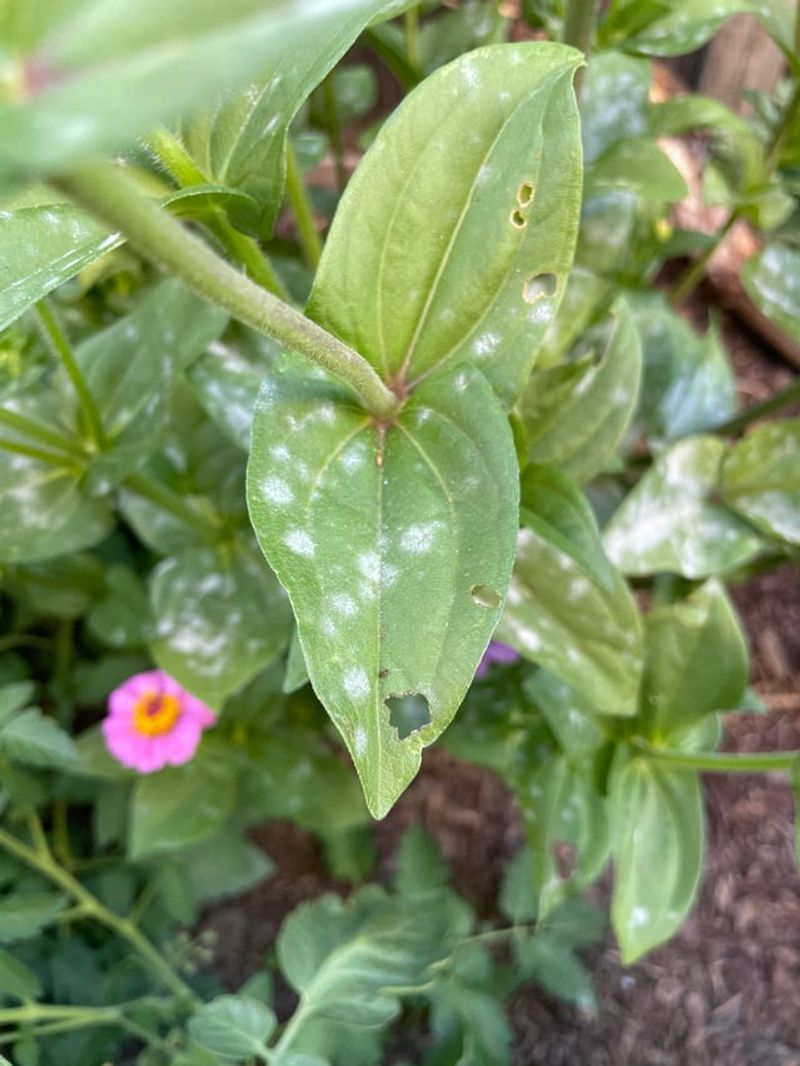
White dusty patches on zinnia leaves are not just cosmetic. Powdery mildew spreads fast when plants sit too close together or when air cannot move freely around them.
Georgia’s humid summers create perfect conditions for this fungus to take hold, especially during those stretches when nights stay warm and damp.
Spacing matters more than most gardeners realize. Cramming zinnias into tight rows or planting them against walls blocks the breeze that keeps leaves dry.
The fungus thrives on moist leaf surfaces, and without good airflow, morning dew lingers too long. You will notice the telltale white coating first on older leaves near the base, then it climbs upward as spores spread.
Choosing resistant varieties helps, but spacing is your first defense. Give each plant at least 12 inches of elbow room, more for larger types.
Avoid planting zinnias in corners where fences meet or behind dense shrubs that block wind. If your garden sits in a naturally still spot, thin out neighboring plants to create breathing room.
Water only at soil level, never overhead. Wet foliage invites trouble even with good spacing.
Morning watering allows any splashed leaves to dry quickly. If mildew shows up despite precautions, remove affected leaves promptly and increase air circulation by thinning crowded stems.
Fungicides work but fixing the airflow problem prevents recurrence. Georgia gardeners who space properly and water smart rarely see severe mildew issues, even during the muggiest August weeks.
2. Overwatering Can Lead To Weak Growth And Fewer Flowers
Too much water causes more problems than too little with zinnias. Roots sitting in soggy soil cannot pull in oxygen, which slows growth and reduces bloom production.
You might think you are helping by watering daily, but zinnias actually prefer soil that dries out slightly between drinks. Georgia clay holds moisture longer than sandy loam, making it easy to drown plants without realizing it.
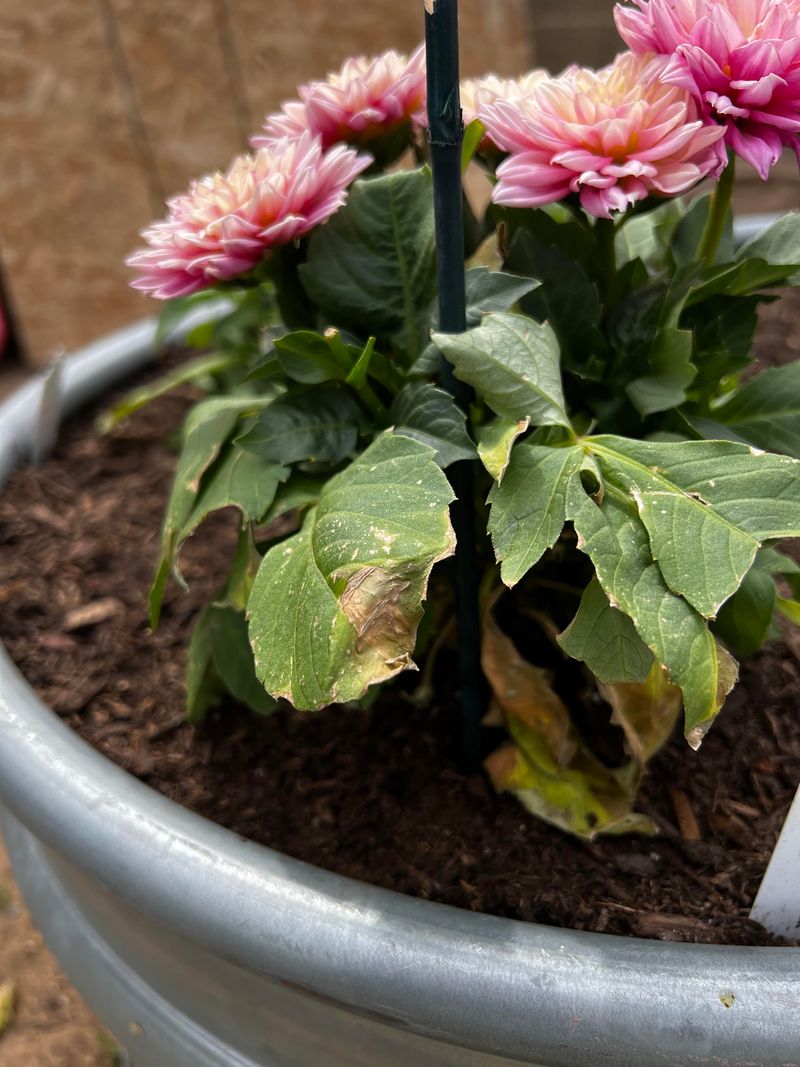
Weak stems and pale leaves signal trouble. Overwatered zinnias develop thin, floppy growth instead of sturdy upright stems.
Flower buds may form but stay small or drop before opening fully. The plant puts energy into surviving rather than blooming when roots struggle in waterlogged conditions.
Yellow lower leaves often appear first as roots begin to suffer.
Check soil before watering by sticking your finger two inches down. If it feels damp, wait another day or two.
Zinnias need about an inch of water weekly from rain or irrigation combined, not daily dribbles. Deep watering once or twice a week encourages strong root systems that reach down for moisture.
Shallow frequent watering creates shallow roots that cannot support heavy blooms.
Improve drainage in heavy Georgia clay by mixing compost into planting beds before setting out zinnias. Raised beds work beautifully for zinnias because excess water drains away quickly.
Mulch helps regulate soil moisture but keep it pulled back from stems to prevent rot. During rainy spells, skip supplemental watering entirely and let nature handle it.
3. Crowded Plants Can Increase The Risk Of Leaf Problems
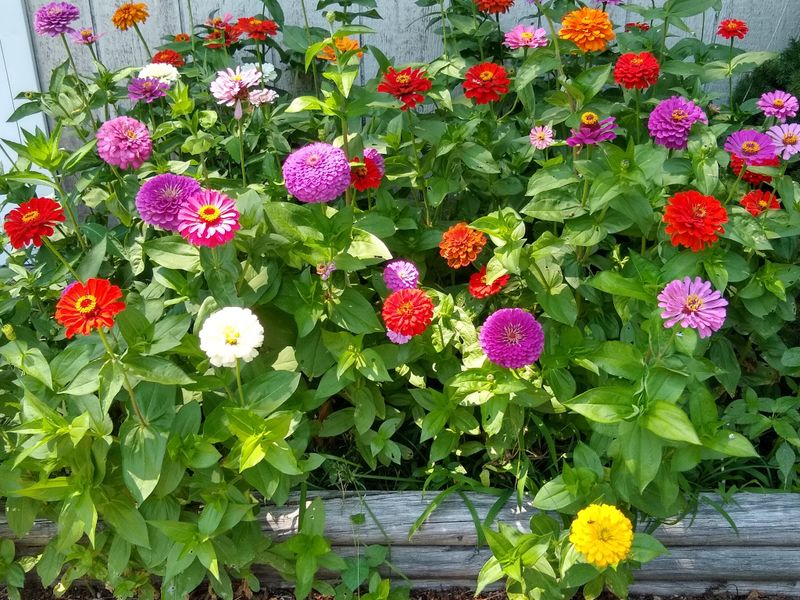
Jamming too many zinnias into one bed creates a breeding ground for trouble. Leaves that touch neighboring plants stay damp longer after rain or watering, and moisture trapped between overlapping foliage becomes a playground for fungal spores.
Georgia’s summer humidity makes this problem worse because dew forms heavily on cool mornings even when days are hot.
Crowding also means competition. Roots tangle and fight for nutrients and water in the soil below while stems jostle for sunlight above.
The result is spindly growth with smaller flowers and fewer of them. Plants in the middle of a crowded clump suffer most because air barely reaches them and light comes only from above instead of all sides.
Proper spacing depends on variety size. Compact types need 8 to 12 inches between plants while tall cutting varieties require 18 inches or more.
Read seed packets or plant tags for specific recommendations and follow them even if beds look sparse at first. Zinnias fill in quickly once they hit their stride in June and July.
Thinning seedlings feels wasteful but pays off later. When direct-seeding, snip extra seedlings at soil level rather than pulling them, which disturbs roots of keepers.
Transplants should go into beds at recommended spacing from the start. Good spacing allows you to walk between plants for deadheading and inspection, which helps catch problems early.
Georgia gardeners who resist the urge to cram extra plants into beds enjoy healthier zinnias with bigger blooms and fewer disease issues all season.
4. Poor Air Circulation Can Encourage Common Garden Fungal Issues
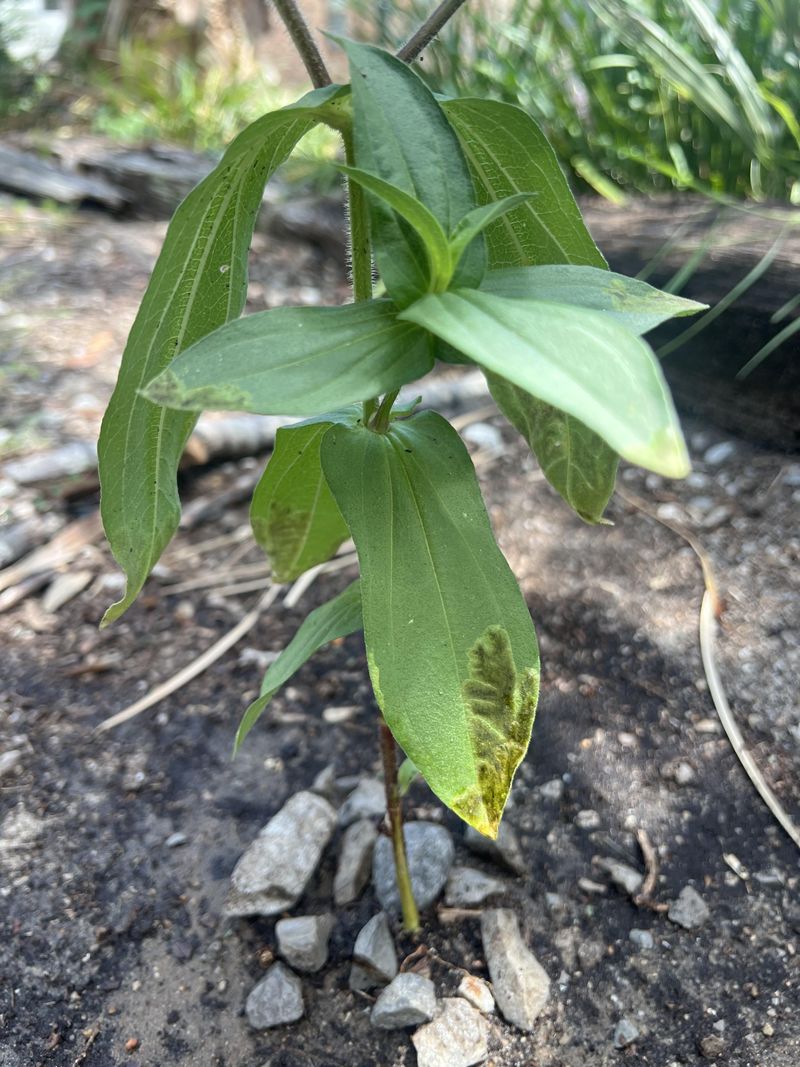
Still air around zinnias invites fungal problems beyond just powdery mildew. Leaf spot diseases and botrytis blight also flourish when moisture hangs around too long.
These issues show up as brown or black spots on leaves, sometimes with yellow halos, and they spread rapidly in stagnant conditions. Georgia’s climate during growing season combines heat and humidity in ways that fungi absolutely love.
Garden placement affects air movement more than you might expect. Zinnias tucked into protected corners or planted under tree canopies where branches block breezes struggle more with fungal issues than those in open spots.
Even a gentle breeze helps dry morning dew and keeps spores from settling. South-facing beds with nothing blocking wind from any direction give zinnias the best chance at staying healthy.
Pruning nearby plants improves circulation around zinnias. Cut back overgrown perennials or shrubs that have crept too close.
Remove lower leaves on zinnias themselves as plants mature to open up the base and allow air to flow underneath. This also makes it easier to spot problems developing on stems or soil surface.
Avoid creating windless pockets when designing beds. Rows running north to south catch cross breezes better than east-west orientation in many Georgia gardens.
Leave gaps between different plant groups rather than filling every inch of bed space. Natural air movement is free disease prevention that works around the clock without any effort from you once the garden layout is right.
5. Heavy Shade Can Reduce Flower Production
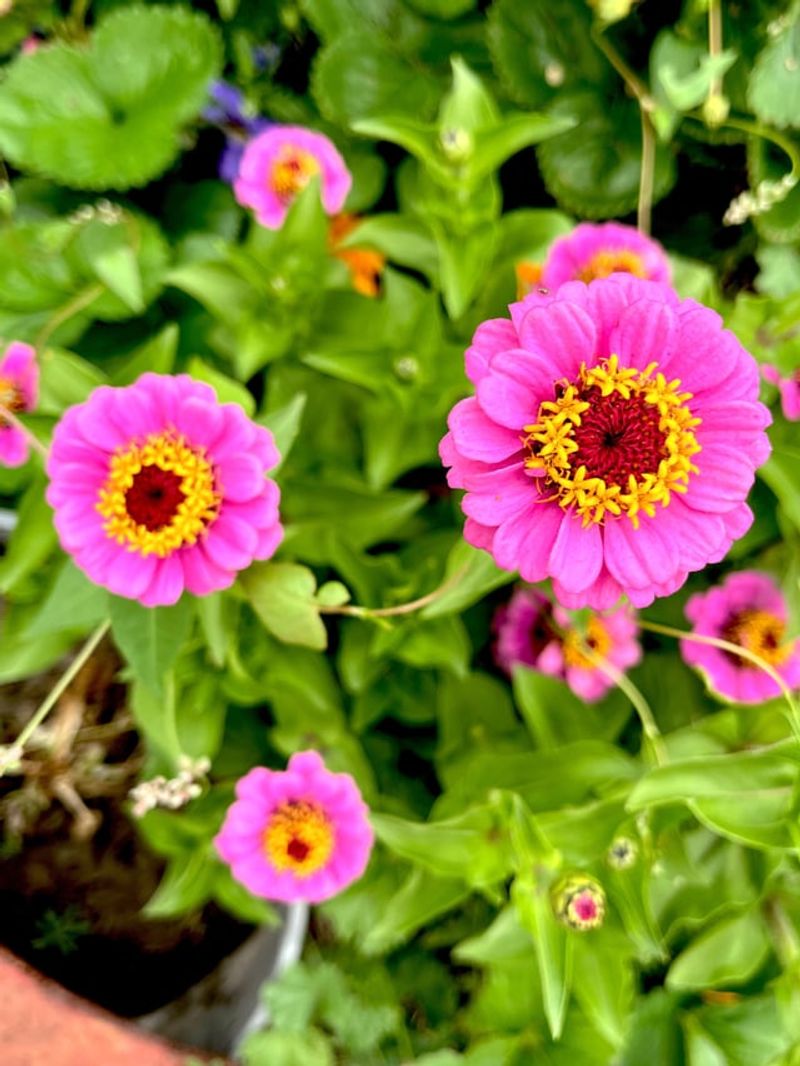
Zinnias are sun worshippers that sulk in shade. Plant them where tall trees, buildings, or fences block light for more than a few hours daily and you will see the difference in bloom count.
Stems stretch toward whatever light they can find, becoming tall and weak instead of compact and sturdy. Flower production drops dramatically because the plant cannot generate enough energy through photosynthesis to support heavy blooming.
Six hours of direct sun is the bare minimum, but eight or more hours produces the best results. Morning sun is better than afternoon shade in Georgia because plants need strong light during their most active growing hours.
Afternoon sun is fine too, though the hottest western exposure can stress plants during peak summer unless soil moisture stays consistent.
Partial shade might sound like a compromise during brutal Georgia summers, but zinnias actually handle full sun heat better than dim light. They evolved in Mexico and Central America where sunshine is intense and plentiful.
The flowers may fade slightly faster in scorching sun, but plants produce many more blooms to replace them compared to shaded specimens.
Watch how light moves across your garden before planting. That spot that seems sunny in April might be heavily shaded by June when trees fully leaf out.
South and west-facing beds receive the most consistent sun throughout the growing season. If your yard lacks full-sun areas, choose shade-tolerant flowers instead of forcing zinnias to struggle.
They will reward sunny spots with armloads of blooms but never perform well in dim conditions no matter how carefully you tend them.
6. Wet Leaves During Watering Can Increase Disease Risk
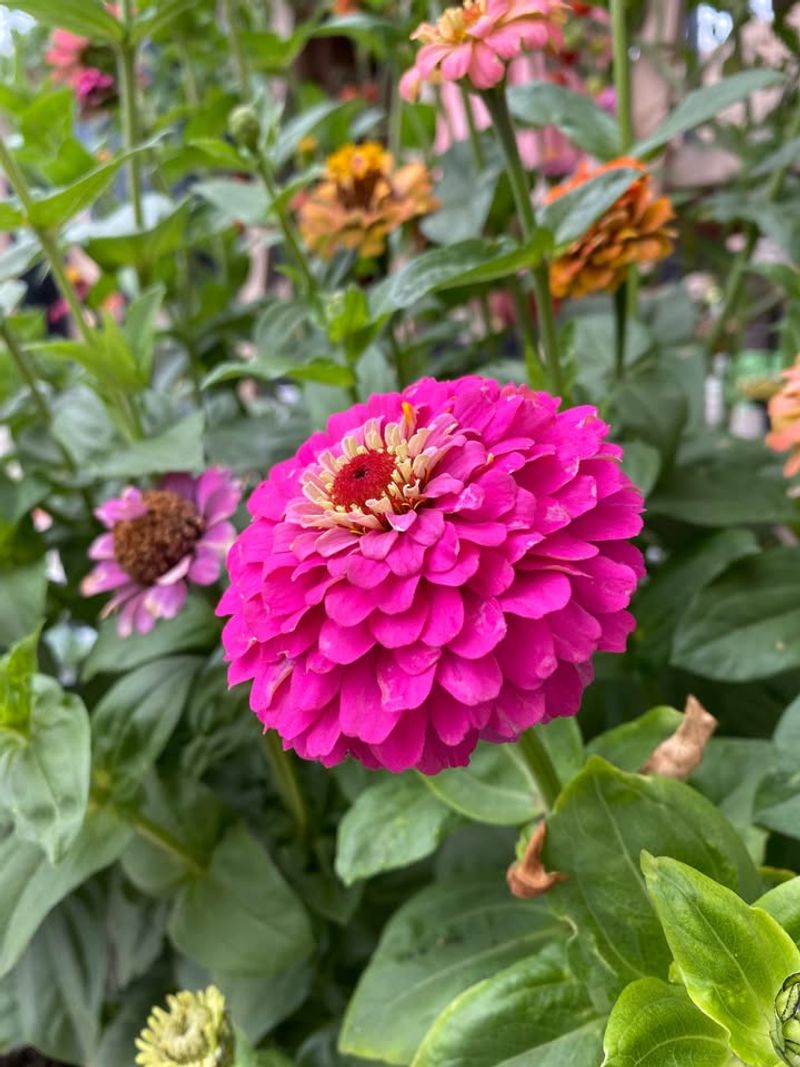
Sprinklers that spray water over zinnia foliage create perfect conditions for disease. Droplets sitting on leaves for hours provide exactly what fungal spores need to germinate and infect plant tissue.
This problem intensifies in Georgia because our humid air means wet leaves dry slowly, especially during morning or evening watering. Overhead watering essentially gives diseases a head start every time you turn on the hose.
Soaker hoses or drip irrigation deliver water right where it belongs at the root zone. These systems keep foliage completely dry while thoroughly moistening soil.
Even hand watering works better than sprinklers if you direct the stream at the base of plants rather than showering them from above. The goal is wet roots and dry leaves, which keeps zinnias happy while denying fungi the moisture they need.
Timing matters when you must water overhead. Early morning watering allows leaves to dry quickly as sun intensity increases and air warms up.
Evening watering is worst because leaves stay wet all night when temperatures drop and dew forms. If afternoon thunderstorms are common in your area, they provide natural overhead watering that you cannot control, making it even more important to avoid adding extra moisture to foliage.
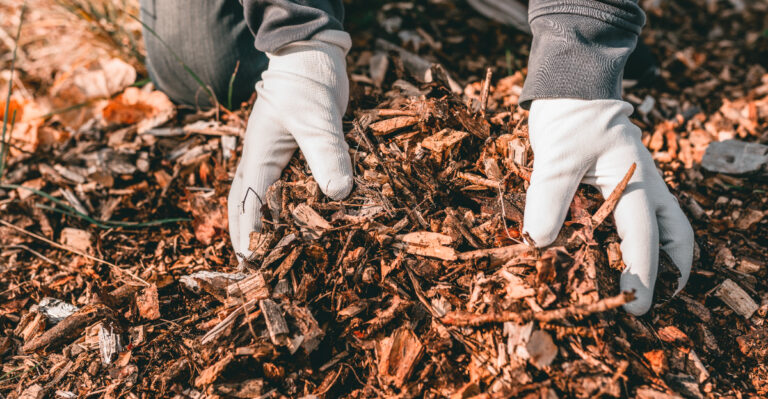
Mulch helps maintain soil moisture so you water less frequently overall. A two-inch layer of pine straw or shredded hardwood keeps roots evenly moist while preventing soil from splashing onto lower leaves during rain.
Pull mulch back an inch or two from stems to prevent rot. Georgia gardeners who switch from sprinklers to ground-level watering notice fewer disease problems almost immediately.
7. Large Zinnia Varieties May Need Support In Windy Areas
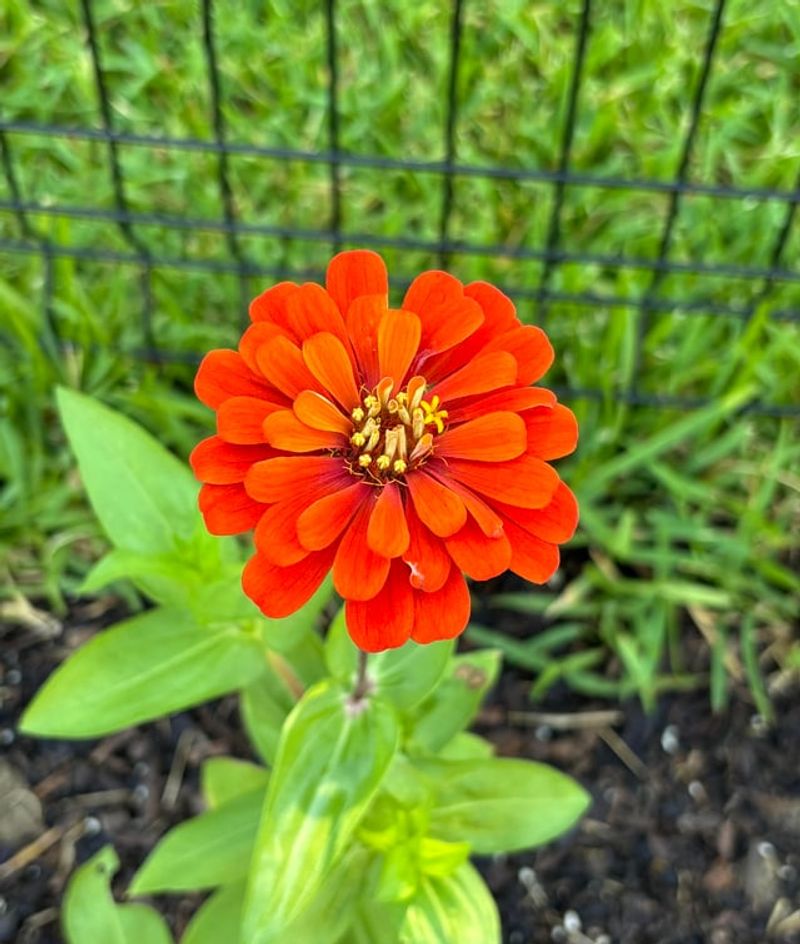
Tall cutting varieties can reach four feet high with heavy flower heads that act like sails in wind. Georgia thunderstorms bring sudden gusts that snap stems or topple entire plants if they lack support.
Varieties like Benary’s Giant or Oklahoma series produce gorgeous long-stemmed blooms perfect for bouquets, but those same tall stems bend or break easily when weather turns rough.
Staking early prevents damage later. Push stakes into the ground when plants are young, placing them on the north side so they cast minimal shade.
Use soft ties like strips of old t-shirts or stretchy plant tape that won’t cut into stems as they thicken. Bamboo stakes work well for individual plants while horizontal netting supported by corner posts helps whole rows of cutting zinnias grow straight.
Pinching young plants creates bushier growth with stronger stems. When zinnias reach about 8 inches tall, snip off the growing tip just above a set of leaves.
This forces side branches to develop, creating a sturdier plant with multiple stems instead of one tall weak one. You will get slightly later blooms but more of them on a plant that can stand up to weather.
Choose planting locations carefully for tall varieties. Spots protected from prevailing winds by buildings or fences on one side work well, though you still want good air circulation for disease prevention.
Compact zinnia varieties under two feet tall rarely need staking and handle wind better naturally. If your Georgia garden sits on an exposed hilltop or open field, stick with shorter types or plan on serious staking for the tall beauties.