Think Twice Before Gifting These 8 Plants In Ohio
A plant is supposed to be the safest gift you can give. It feels warm, thoughtful, and almost impossible to get wrong.
Across Ohio, people have long shared leafy pots for birthdays, housewarmings, and celebrations without a second thought. After all, how could something green and alive ever be a bad idea?
Yet not every plant tells the same story. Some gifts leave a strange impression long after the wrapping is gone.
Others quietly struggle in the background, fading faster than anyone expected, especially in Ohio homes where seasons and indoor conditions can be unpredictable. A few create problems no one saw coming, turning a simple present into something surprisingly complicated.
Most people never stop to think about what a plant might bring with it. They see beauty, freshness, and good intentions, which is exactly why certain choices catch people off guard.
Before picking one up as an easy, foolproof gift, it might be worth taking a closer look. Some plants have a way of surprising people, and not always in the way you would expect.
1. Peace Lily: The Elegant Plant With A Somber Reputation
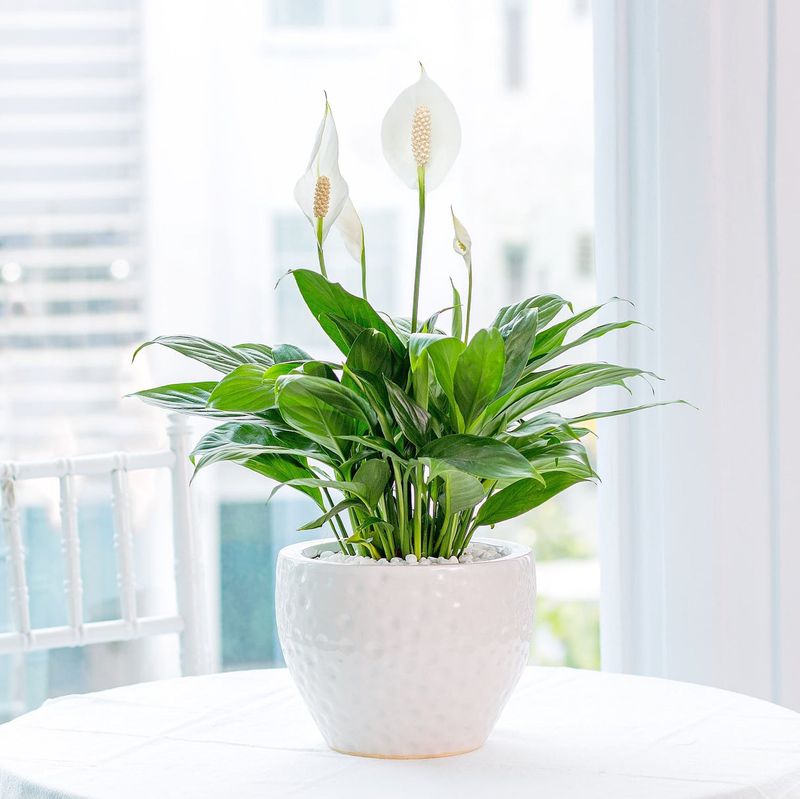
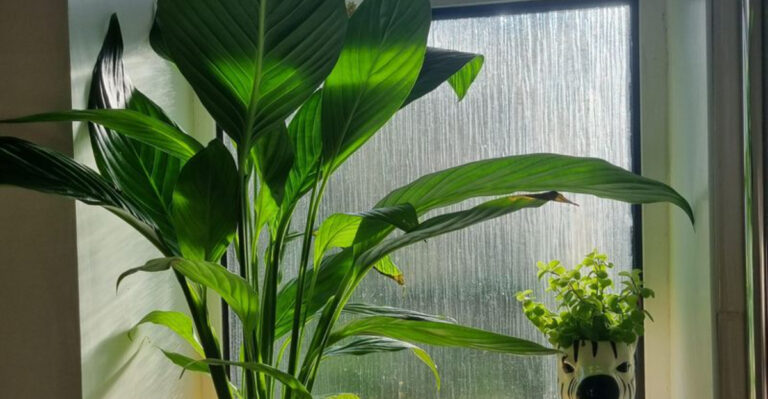
Peace lilies show up at funerals and memorial services more often than birthday parties. Their white blooms and graceful presence have made them a traditional sympathy gift, which means handing one to a friend celebrating a promotion or housewarming might send the wrong signal entirely.
In Ohio, where people value thoughtful gestures, this plant’s association with loss can make recipients uncomfortable, even if you meant well.
Beyond symbolism, peace lilies can be harmful if curious pets chew the leaves, especially in homes with animals or small children. The calcium oxalate crystals in their leaves and stems cause intense mouth irritation, drooling, and digestive upset if chewed or swallowed.
Cats and dogs attracted to the foliage may become sick if they nibble it, sometimes requiring veterinary care.
Care demands add another layer of difficulty for Ohio households. Peace lilies need consistent moisture without waterlogging, indirect light that many homes lack, and humidity levels that drop dramatically during winter heating seasons.
Brown leaf tips, drooping stems, and failure to bloom frustrate new owners who expected an easy-care plant. What starts as a lovely gesture often ends up neglected in a corner, struggling to survive conditions it was never meant for.
Recipients without plant experience feel guilty watching it decline, wishing they’d received something more forgiving instead.
2. Orchid: Beauty That Can Fade Quickly
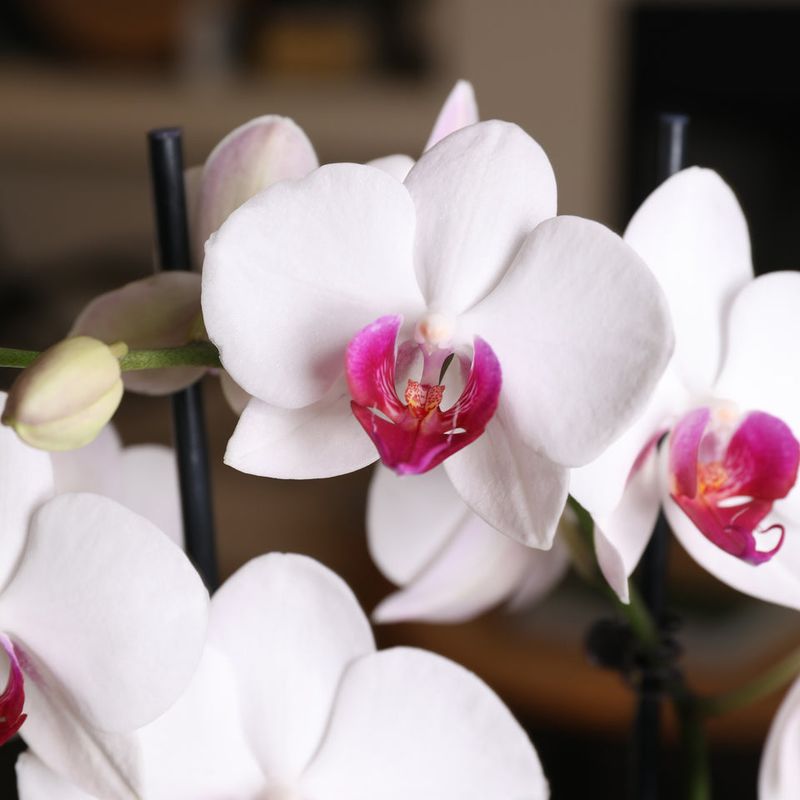
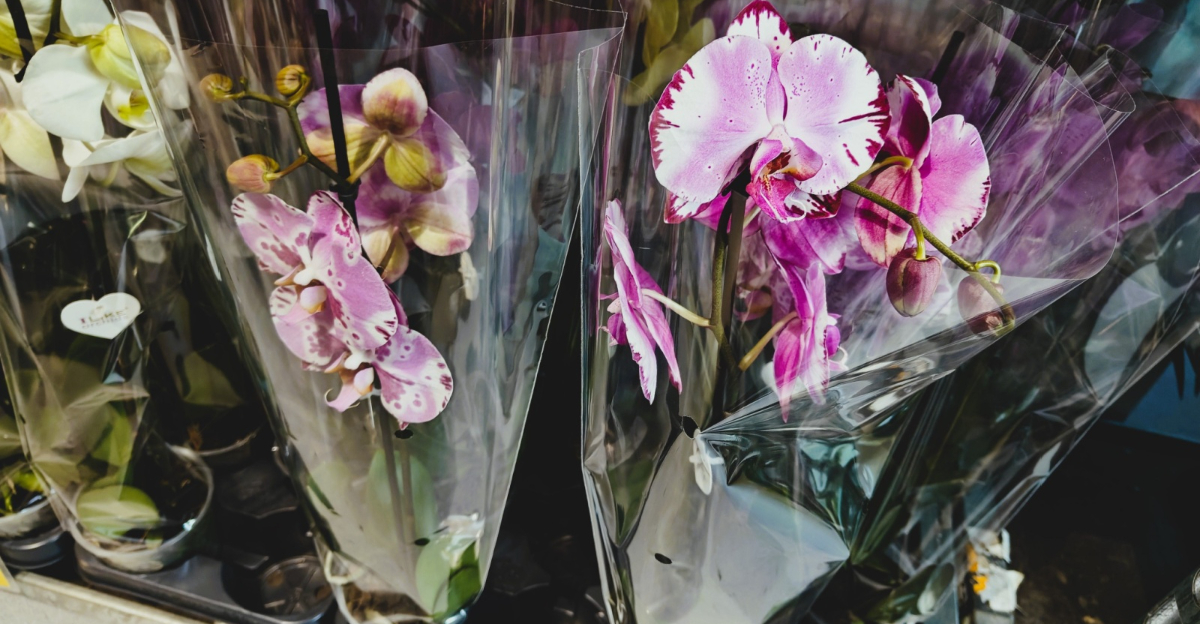
Orchids arrive in full bloom, looking absolutely stunning with their exotic flowers and elegant stems. That initial wow factor makes them popular gifts across Ohio, but the magic rarely lasts beyond a few weeks.
Once those blooms drop, coaxing the plant to flower again requires specific temperature drops, precise watering schedules, and patience most gift recipients don’t have. Many people assume the plant has perished when it’s simply resting, leading to premature disposal.
Ohio homes present particular challenges for orchid care. Central heating during winter creates dry air that stresses these tropical plants, while fluctuating indoor temperatures confuse their blooming cycles.
Phalaenopsis orchids, the most common gift variety, need bright indirect light and careful watering—too much rots the roots, too little shrivels the leaves. Without a humidifier or pebble tray, they struggle in typical household conditions.
Cultural symbolism adds another consideration. In some traditions, orchids represent delicate beauty and refinement, but also fragility and fleeting perfection.
Gifting one might inadvertently suggest the relationship or occasion is temporary or fragile. For beginners, the pressure to keep an expensive-looking orchid alive becomes stressful rather than enjoyable.
What was meant as an impressive gift turns into a source of anxiety, sitting on a windowsill as a reminder of failure rather than appreciation.
3. Lavender: Calm Fragrance With A Quiet Past
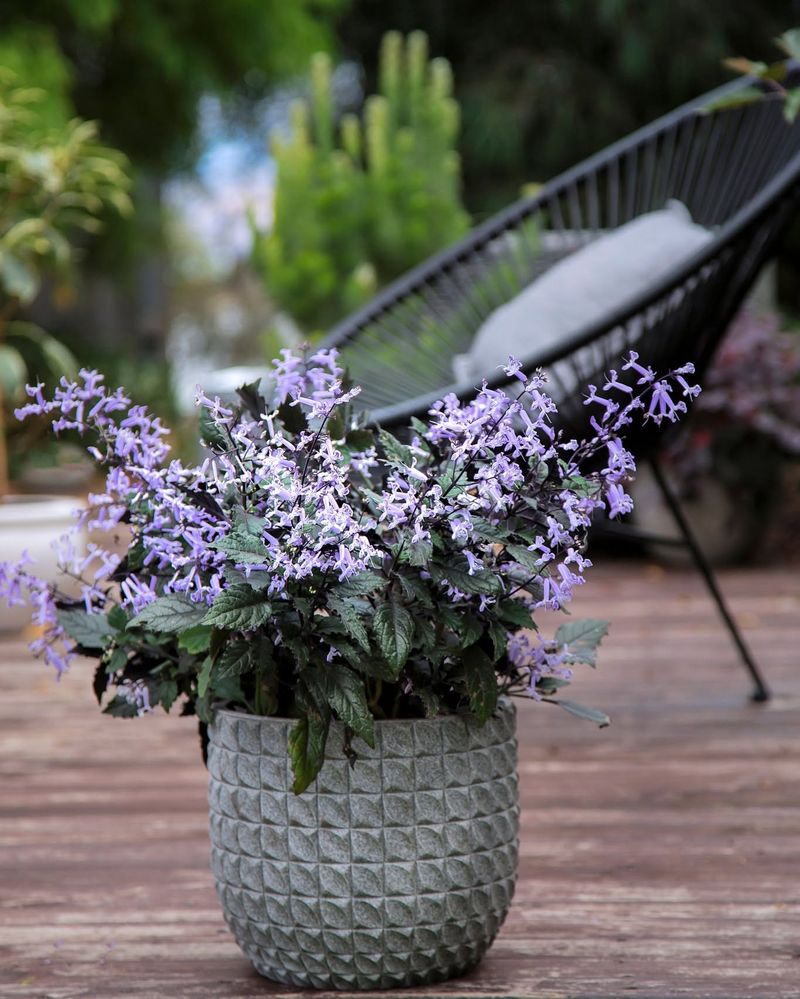
Lavender’s soothing scent and purple blooms seem perfect for gift-giving, but this Mediterranean herb carries folklore connections to remembrance and memorials in various cultures. Historically planted near graves or used in funeral rituals, lavender symbolizes peaceful rest and memory in ways that might not suit celebratory occasions.
While many people don’t know this background, those who do might find receiving it for a birthday or congratulations oddly somber.
Growing lavender indoors in Ohio presents serious obstacles. These sun-loving plants need at least six hours of direct light daily, which few indoor spaces provide during gray winter months.
They despise humidity and overwatering, yet indoor heating and well-meaning care often create exactly those conditions. Root rot, leggy growth, and lack of flowering frustrate recipients who expected a fragrant, blooming plant year-round.
Transitioning gift lavender outdoors doesn’t guarantee success either. Ohio’s clay-heavy soils and humid summers challenge lavender’s preference for lean, well-drained conditions.
Winter cold can damage less hardy varieties unless carefully sited and mulched. Potted lavender from garden centers is often bred for greenhouse perfection rather than real-world durability, meaning it declines rapidly once the controlled environment disappears.
Something lower-maintenance would have brought more lasting joy without the guilt of watching it slowly fade.
4. Mint: The Friendly Herb That Takes Over
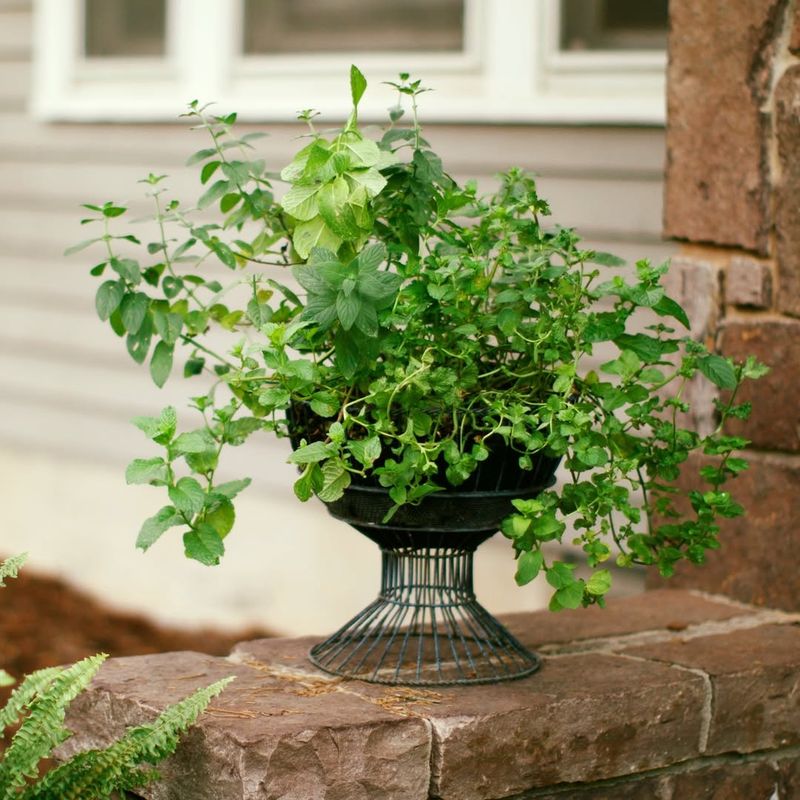
Mint seems like a practical, cheerful gift—fresh herbs for tea, cocktails, or cooking right at your fingertips. The problem emerges when well-intentioned recipients plant it directly in their Ohio garden beds without understanding its aggressive nature.
Mint spreads through underground runners called rhizomes that travel rapidly in all directions, popping up far from the original plant and choking out everything in their path. What starts as a small, innocent herb pot becomes an invasive takeover that requires years of effort to control.
Gardeners across Ohio have learned this lesson the hard way. Mint infiltrates flower beds, vegetable patches, and lawn edges, resurfacing each spring with renewed vigor no matter how much you pull.
Its roots intertwine with desirable plants, making removal without collateral damage nearly impossible. Even small root fragments left behind regenerate into new plants, creating an endless cycle of spreading that transforms a gift into a genuine problem.
Gifting mint without clear instructions to keep it containerized sets recipients up for future frustration. Many assume herbs belong in garden soil, not realizing this particular one needs permanent confinement.
A thoughtful gift includes this warning, but most people simply hand over the pot with a smile. Container-grown mint works beautifully on patios and windowsills, providing fresh flavor without the invasion risk.
Without that guidance, though, your generous gesture might haunt someone’s garden for years, requiring constant vigilance to prevent complete domination of their outdoor space.
5. Aloe Vera: Healing Plant With Hidden Risks

Aloe vera’s reputation as a healing plant makes it seem like a caring, practical gift. People associate it with soothing burns, moisturizing skin, and natural remedies, so handing someone a potted aloe feels like giving them a little pharmacy on their windowsill.
However, this succulent is not pet-friendly for homes with cats or dogs, especially if animals are tempted to nibble its fleshy leaves.
The gel inside aloe leaves contains compounds that cause vomiting, diarrhea, lethargy, and tremors in animals. Even small amounts can trigger stomach upset in pets, sometimes requiring veterinary care.
Pet owners who receive aloe as a gift face the dilemma of keeping it completely out of reach or rehoming it entirely, neither of which feels great when someone gave it to you with good intentions.
Indoor care mistakes plague aloe vera despite its reputation for toughness. Overwatering causes root rot faster than almost any other issue, yet people assume succulents need regular watering like other houseplants.
Ohio’s low winter light levels stress aloe, leading to pale, stretched growth and weakened plants. Without proper drainage and restraint with the watering can, gift aloe rarely thrives long-term.
Symbolically, aloe represents protection and healing in some traditions, but that positive meaning gets lost when the plant becomes a hazard or maintenance burden. Recipients without pet-free spaces or succulent experience would benefit far more from a different choice that matches their actual living situation and plant care knowledge.
6. Jade Plant: The Prosperity Plant With Mixed Meanings
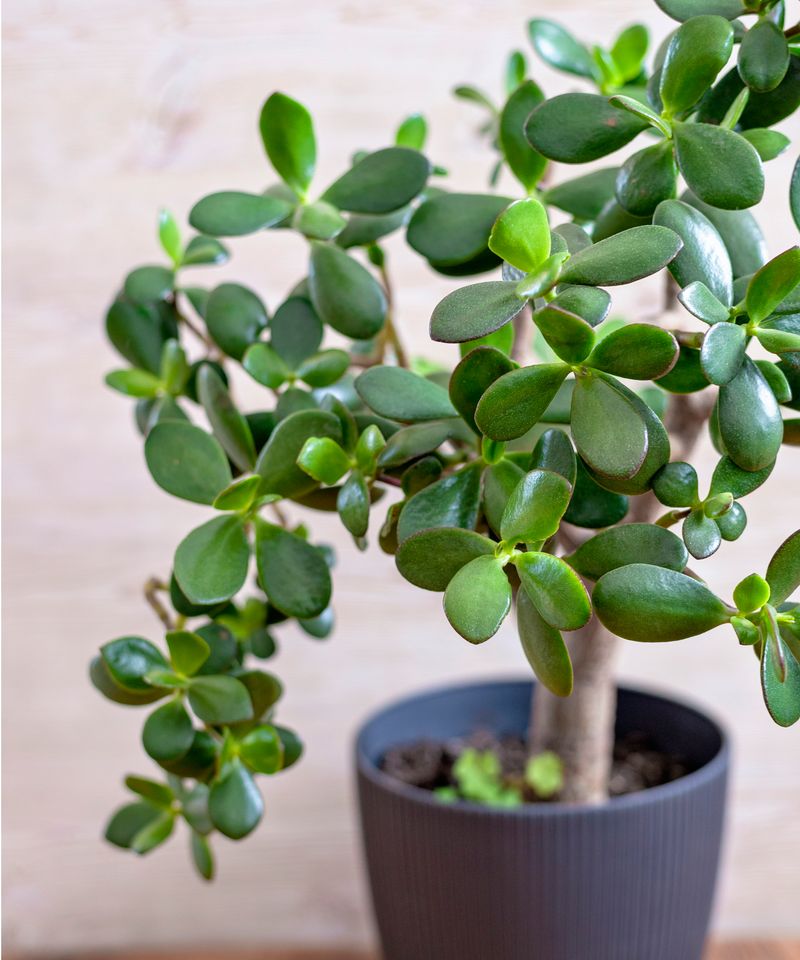
Jade plants carry strong symbolic weight in various cultures, often associated with financial prosperity, good fortune, and wealth. Gifting one might seem like wishing someone success and abundance, but in some traditions, giving a money plant creates an implied expectation or obligation.
The recipient might feel pressured to reciprocate or worry that the gift comes with strings attached, even if you meant nothing of the sort. Cultural context matters, and not everyone interprets this symbolism positively.
Pet owners should be cautious with this plant, as chewing the leaves can cause vomiting and discomfort in animals. Households with curious animals must keep jade completely inaccessible, which limits placement options and creates ongoing worry.
What should be a decorative, meaningful plant becomes a potential hazard requiring constant vigilance.
Care expectations also trip up recipients across Ohio. Jade plants grow slowly, sometimes maddeningly so, which disappoints people expecting visible progress.
They need bright light, infrequent watering, and well-draining soil – conditions many homes don’t naturally provide. Overwatering causes root rot and leaf drop, while insufficient light leads to weak, leggy growth.
Winter heating and summer humidity fluctuations in Ohio homes stress these succulents more than people realize. A gift that symbolizes prosperity feels ironic when it struggles to survive, and recipients without succulent experience often feel like they’re failing at something that should be simple.
Choosing a plant without heavy symbolism or care demands would better serve most gift-giving situations.
7. Hydrangea: Beautiful But Short-Lived Indoors
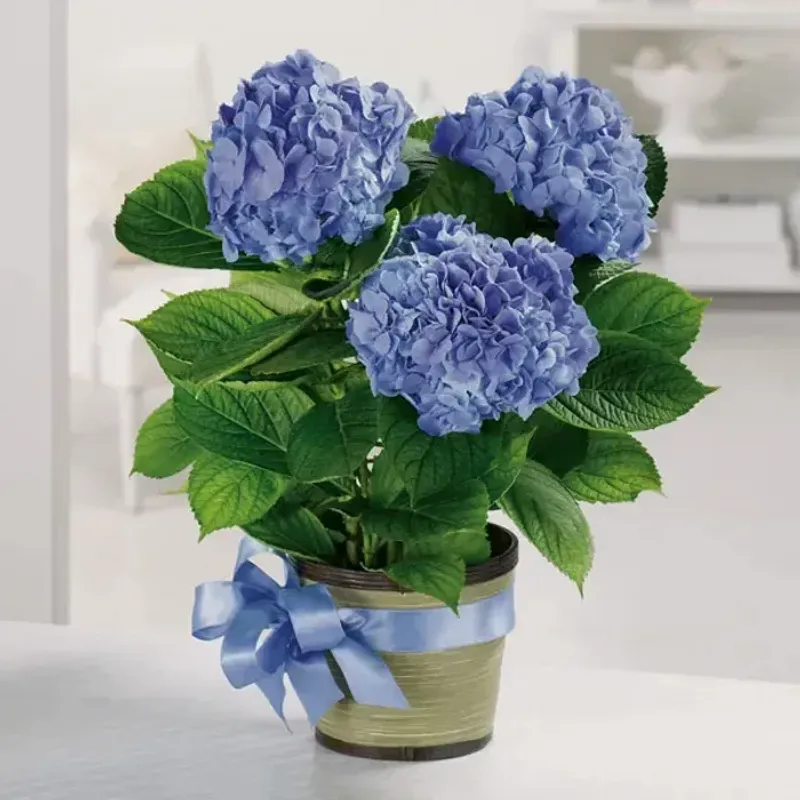
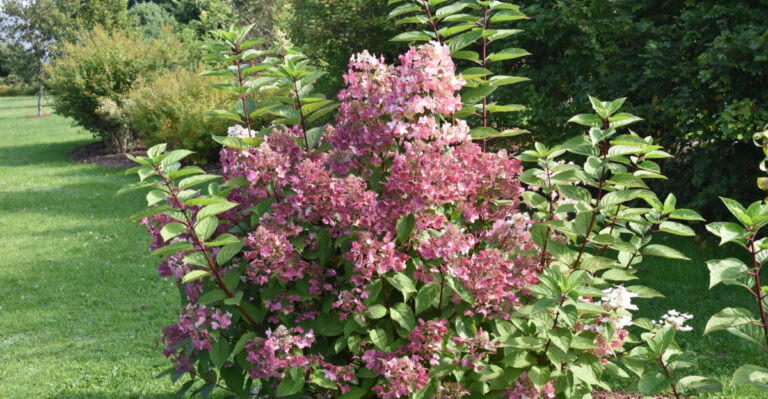
Gift hydrangeas arrive looking absolutely spectacular, with massive flower clusters in pink, blue, or white that dominate any room. Florists and garden centers push them for Mother’s Day, Easter, and spring celebrations across Ohio, and their initial impact justifies the purchase price.
However, these plants are bred for temporary indoor display, not long-term houseplant success. Once the blooms fade—usually within two to three weeks—the plant declines rapidly without proper transition to outdoor conditions.
Indoor environments lack the light, humidity, and temperature ranges hydrangeas need to thrive beyond their initial flowering. They dry out quickly, demanding daily watering that’s easy to forget or overdo.
Brown edges, drooping leaves, and shriveling flowers frustrate recipients who expected their gift to last longer. Even with perfect care, reblooming indoors rarely happens, leaving people with a plain green plant that bears no resemblance to what they received.
Transitioning gift hydrangeas outdoors in Ohio requires careful timing and variety knowledge. Many florist hydrangeas aren’t hardy enough for Ohio winters and won’t survive if planted in the ground.
Spring frosts can damage tender growth, while summer heat stresses plants still adjusting from greenhouse conditions. Another concern is that hydrangeas aren’t the safest choice for pet-filled homes, especially if leaves or flowers are chewed.
A longer-lasting flowering plant or hardy perennial would provide more value and less disappointment for most gift occasions.
8. Snake Plant: The Tough Survivor With A Watchful Symbolism
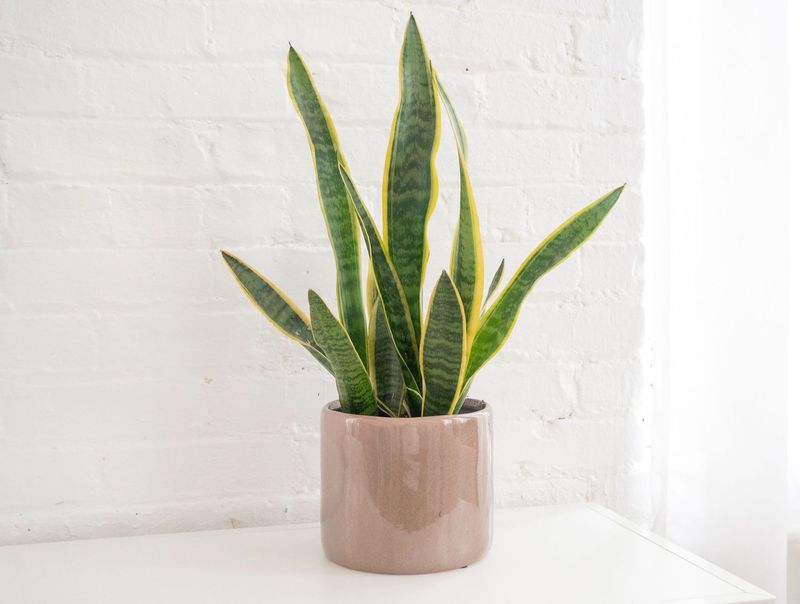
Snake plants earn praise for surviving neglect, low light, and irregular watering better than almost any other houseplant. Their architectural, upright leaves fit modern decor, and their air-purifying reputation makes them seem like the perfect practical gift.
However, these tough succulents carry symbolic meanings tied to protection, vigilance, and warding off negative energy in various cultural traditions. While some people appreciate that protective symbolism, others might interpret receiving one as a suggestion they need guarding or that something’s wrong, which wasn’t your intention at all.
Households with pets should be cautious, as this plant isn’t fully pet-safe despite its popularity. If pets chew the leaves, they may become sick, experiencing nausea or stomach upset.
The stiff, pointed foliage attracts curious pets, and even small amounts can trigger uncomfortable reactions. Ohio households with animals face the same placement challenges as with other toxic plants – keeping it high enough or isolated enough to prevent access limits where you can actually display it.
Growth expectations also disappoint some recipients. Snake plants grow extremely slowly, producing new leaves only a few times per year under ideal conditions.
In low-light Ohio homes during winter, growth essentially stops, giving the impression nothing’s happening. While that slow pace suits people who want minimal change, others find it boring or worry the plant isn’t healthy.
The tough survivor reputation sets expectations that this plant requires zero effort, but it still needs appropriate watering and occasional care to look its best over time.