This Backyard Addition Brings More Wildlife To Georgia Homes Than Feeders Do
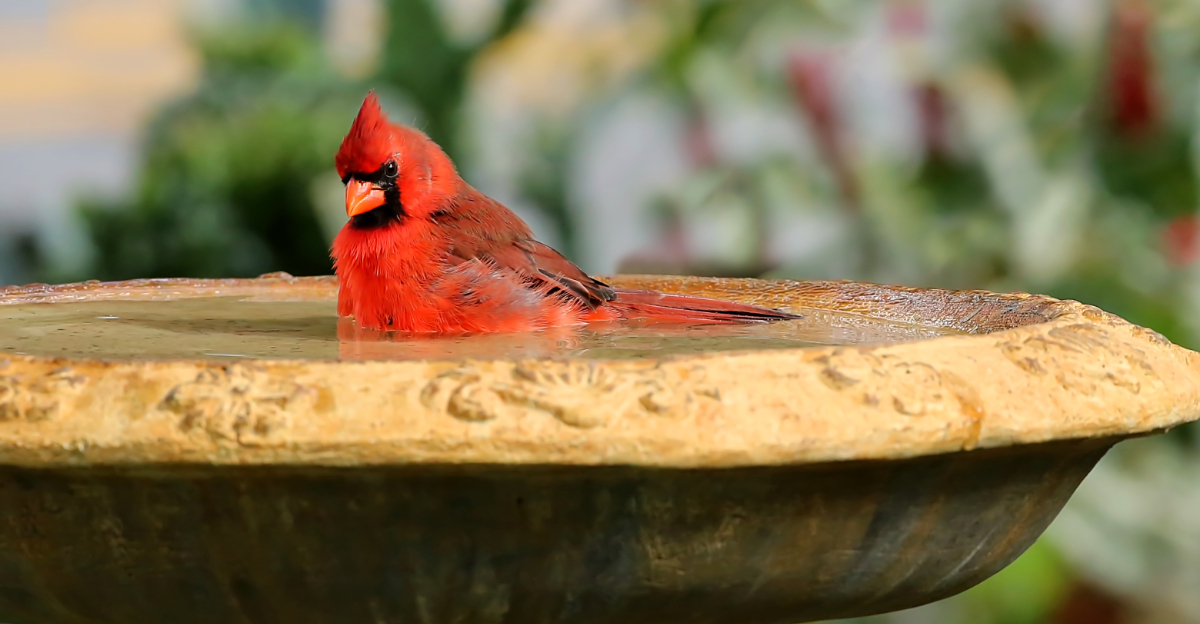
You can look at your backyard and feel like it should be livelier by now, especially after putting effort into plants and feeders that promised more activity.
If you are hoping for steady movement instead of quick fly-bys, the real answer is simpler than most people realize.
The feature that brings noticeably more wildlife to Georgia homes is water, not decoration, not seed, but a well-placed water feature that meets a daily need.
When your yard offers a consistent source of water, it becomes part of the local routine. Butterflies drift in to rest, bees pause to drink, dragonflies circle, frogs appear after dusk, and birds return again and again.
The sound and shimmer create a natural signal that this space is safe and reliable. Add water, and your backyard stops being a stopover and starts feeling like a living habitat.
1. Reliable Water Sources Support More Backyard Wildlife In Georgia
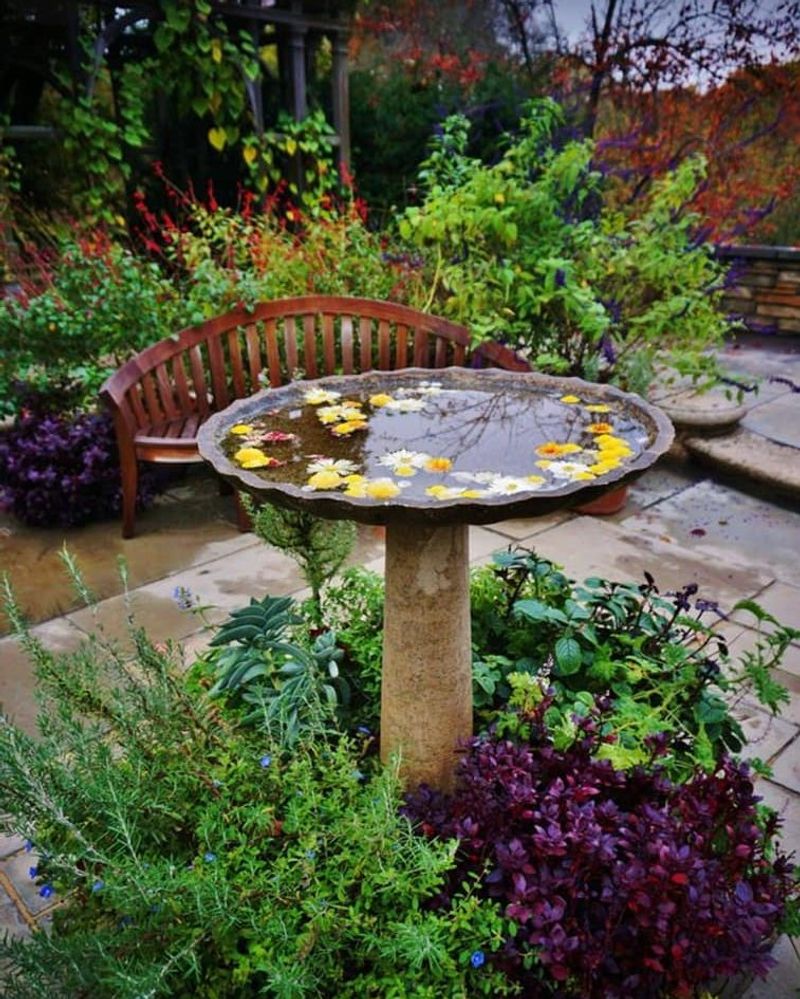
Water ranks as the single most important resource for wildlife survival. Every living creature needs it daily, while food sources can vary by season and preference.
Georgia’s hot summers make reliable water even more critical as natural sources dry up.
Birds need water for drinking and bathing to keep their feathers in top condition. Mammals like squirrels, rabbits, and raccoons seek out dependable water spots.
Even insects such as butterflies and bees require shallow water access throughout the day.
Setting up a water source creates an instant attraction point. Animals remember where they find water and return repeatedly.
Your yard becomes a destination rather than just a pass-through location.
Consistency matters more than size or fancy features. A simple basin refilled regularly outperforms an elaborate fountain that runs dry.
Wildlife learns to trust your water source and builds it into their daily routine.
During Georgia’s scorching July and August heat, your water feature might be the only reliable source in the neighborhood. Natural ponds and streams can shrink significantly, pushing wildlife to seek alternatives.
Different species visit at different times throughout the day. Early morning brings songbirds, while evenings attract mammals.
Providing water around the clock means you support diverse wildlife populations that might never overlap at feeders.
The ripple effect extends beyond direct visitors too. Healthy bird populations control insect pests naturally.
Butterflies pollinate your garden plants. Creating one good water source strengthens your entire backyard ecosystem in ways that benefit both wildlife and your landscape.
2. Moving Water Instantly Grabs Birds’ Attention
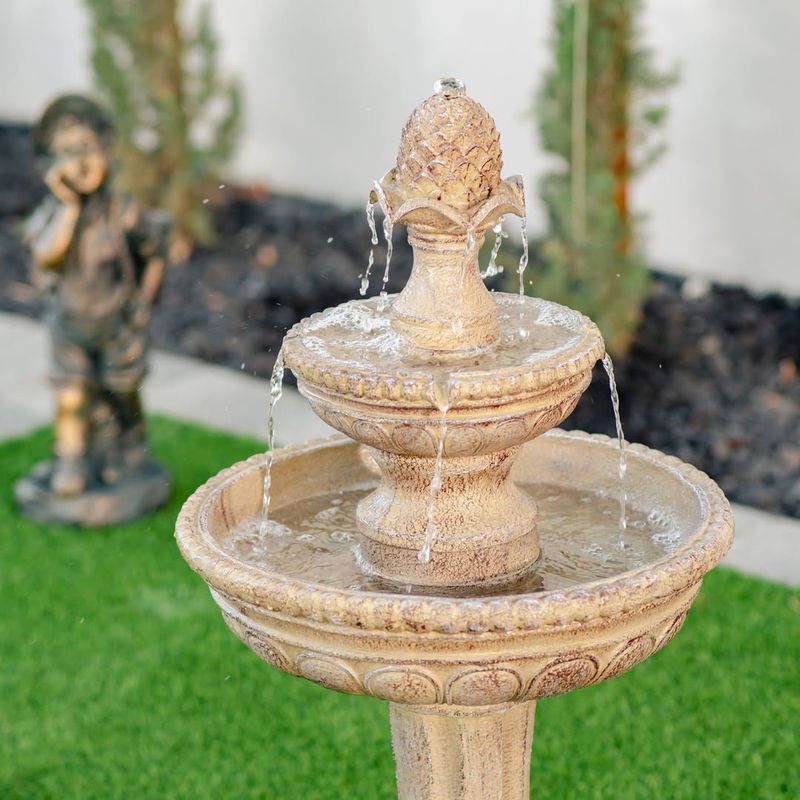
Still water sits quietly and often goes unnoticed. Moving water catches eyes and ears from remarkable distances.
Birds flying overhead spot the shimmer and sparkle of moving water far more easily than a static basin.
Sound plays an equally important role in attraction. The gentle splash and trickle of moving water carries through the air.
Birds hear it and investigate, even when they cannot see the source initially. Adding movement does not require expensive equipment.
A simple dripper that creates occasional drops works wonderfully.
Solar fountains offer affordable options that need no electrical wiring or complicated installation.
Warblers, thrushes, and other shy species that rarely visit feeders find moving water irresistible. These birds typically stay hidden in tree canopies but descend for a good water source.
You will see species you never knew lived in your Georgia neighborhood.
Movement also keeps water fresher by preventing stagnation. Mosquitoes cannot lay eggs in turbulent water, solving a common problem with still basins.
The circulation naturally discourages algae growth too.
Even minimal motion makes a significant difference. A small bubbler that barely breaks the surface still creates visual interest and sound.
You do not need dramatic waterfalls or elaborate setups to achieve excellent results.
Position your moving water where sunlight can catch it during peak morning hours. The sparkle effect amplifies dramatically when light hits moving water at the right angle.
Birds cruising through at dawn and mid-morning spot this visual signal easily and change course to visit your yard instead of continuing their journey elsewhere.
3. Shallow Edges Make Small Visitors Feel Safe
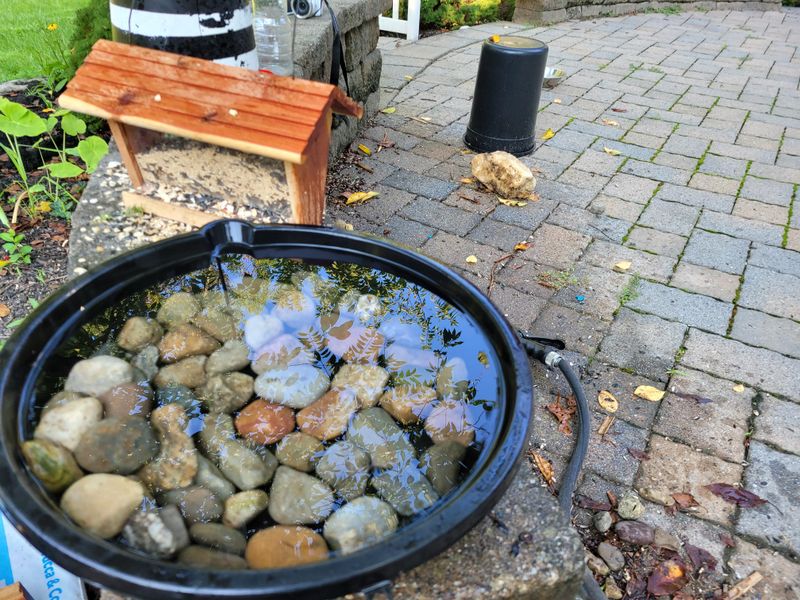
Deep water intimidates smaller creatures who fear drowning or getting trapped. Shallow edges provide safe entry points where tiny birds and insects can access water without danger.
Depth variation accommodates different species sizes and comfort levels.
Songbirds prefer water no deeper than two inches for bathing. They need to feel the bottom beneath their feet while splashing.
Anything deeper makes them nervous and they will skip your water source entirely.
Adding rocks or pebbles creates graduated depths naturally. Place larger stones in the center and smaller ones around edges.
This gives every visitor a comfortable spot that matches their size and confidence level.
Butterflies and bees need extremely shallow water or damp surfaces. They cannot land in open water without drowning.
Providing pebbles that break the surface gives them safe landing pads while they drink.
Ground-dwelling birds like towhees and thrashers appreciate very shallow edges where they can wade in gradually. These species feel vulnerable and want quick escape routes.
Gentle slopes and shallow areas let them stay alert while drinking.
Georgia’s diverse wildlife includes everything from tiny hummingbirds to larger jays and cardinals. One-size water features do not fit all.
Creating multiple depth zones in a single basin serves the widest possible range of visitors.
Observe which areas get the most use and adjust accordingly. You might notice smaller birds clustering at one edge while larger species prefer another spot.
Fine-tuning the depth profile based on actual visitor behavior maximizes your water feature’s appeal and ensures every creature finds a comfortable place to drink and bathe safely.
4. Clean Water Keeps Wildlife Returning Daily
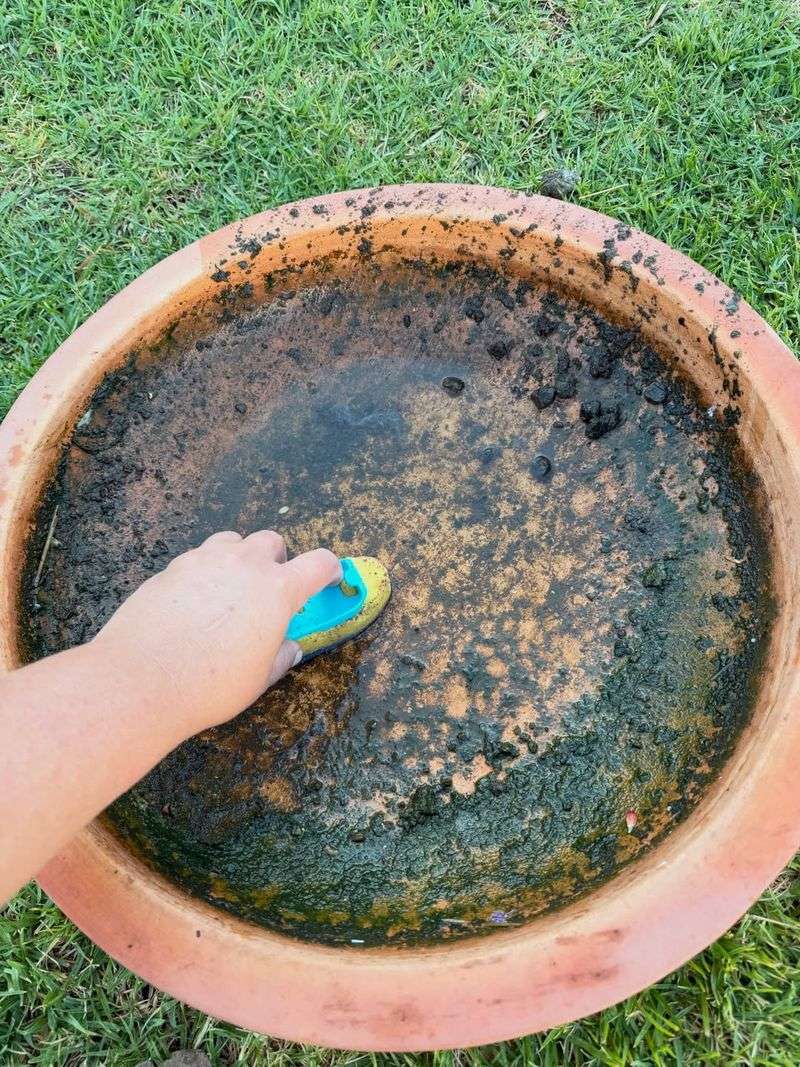
Dirty water spreads disease and parasites between wildlife visitors. Birds especially suffer from contaminated water sources that harbor bacteria and fungi.
Keeping water clean protects the creatures you want to help.
Algae growth makes water slimy and unappealing. Birds avoid green, murky water when they have other options.
Regular cleaning prevents buildup and keeps your water feature attractive.
Plan to scrub your water basin at least twice weekly during Georgia’s warm months. Use a stiff brush and plain water without soap or chemicals.
Rinse thoroughly to remove all debris and residue.
Dump and refill water completely rather than just topping it off. Old water accumulates waste products from bathing birds and visiting animals.
Fresh water stays cleaner longer and looks more inviting.
Position water features in partial shade when possible. Full sun accelerates algae growth and causes water to evaporate quickly.
A spot that gets morning sun and afternoon shade offers the best balance.
Watch for droppings and fallen leaves that contaminate water quickly. Remove debris daily with a small net or your hand.
This quick maintenance takes only seconds but makes a huge difference in water quality.
During hot Georgia summers, water can become uncomfortably warm by afternoon. Refreshing it with cooler water during the hottest part of the day provides extra relief for wildlife.
They appreciate the temperature drop and visit more frequently.
Consistent maintenance builds trust with wildlife visitors. They learn your water source stays clean and safe.
This reliability encourages them to bring their young and establish your yard as part of their permanent territory instead of just an occasional stop.
5. Ground-Level Water Brings In More Than Just Birds
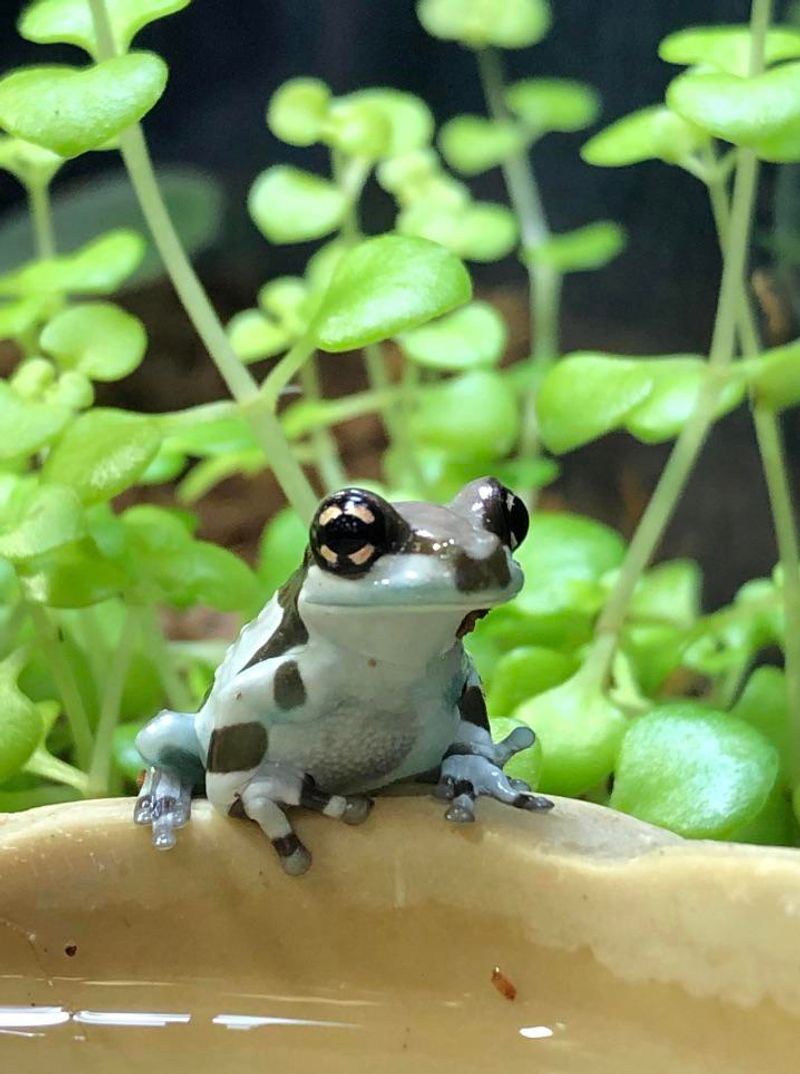
Elevated birdbaths serve birds beautifully but exclude many other fascinating creatures. Ground-level water opens your yard to mammals, amphibians, and countless insects that cannot reach raised basins.
Diversity explodes when you provide water at multiple heights.
Rabbits, chipmunks, and squirrels visit ground-level water regularly. These mammals feel exposed and vulnerable when drinking.
Low water sources near cover let them stay alert for predators while hydrating.
Frogs and toads need water access for survival but cannot climb to elevated basins. A shallow ground dish gives them a place to soak and rehydrate.
Georgia’s tree frogs especially appreciate this during dry spells.
Butterflies gather at ground-level puddles in a behavior called puddling. They extract minerals from damp soil and water edges.
Creating a dedicated puddling station with sand and shallow water attracts spectacular butterfly congregations.
Ground beetles, beneficial insects that control garden pests, need water too. They drink from soil moisture and shallow puddles.
Supporting these helpful insects improves your garden’s natural pest management.
Place ground-level water near shrubs or brush piles that provide quick escape cover. Animals feel safer drinking when they can dash to safety instantly.
Open areas make them nervous and they will drink elsewhere.
Use heavy, stable containers that cannot tip over easily. Visiting animals sometimes bump or climb on water dishes.
A sturdy ceramic or concrete basin withstands this activity better than lightweight plastic. Combining ground and elevated water features transforms your Georgia yard into a complete wildlife oasis.
You will notice species you never saw before and enjoy watching interactions between different animals sharing the same precious resource throughout each day.
6. Pairing Water With Native Plants Multiplies Activity
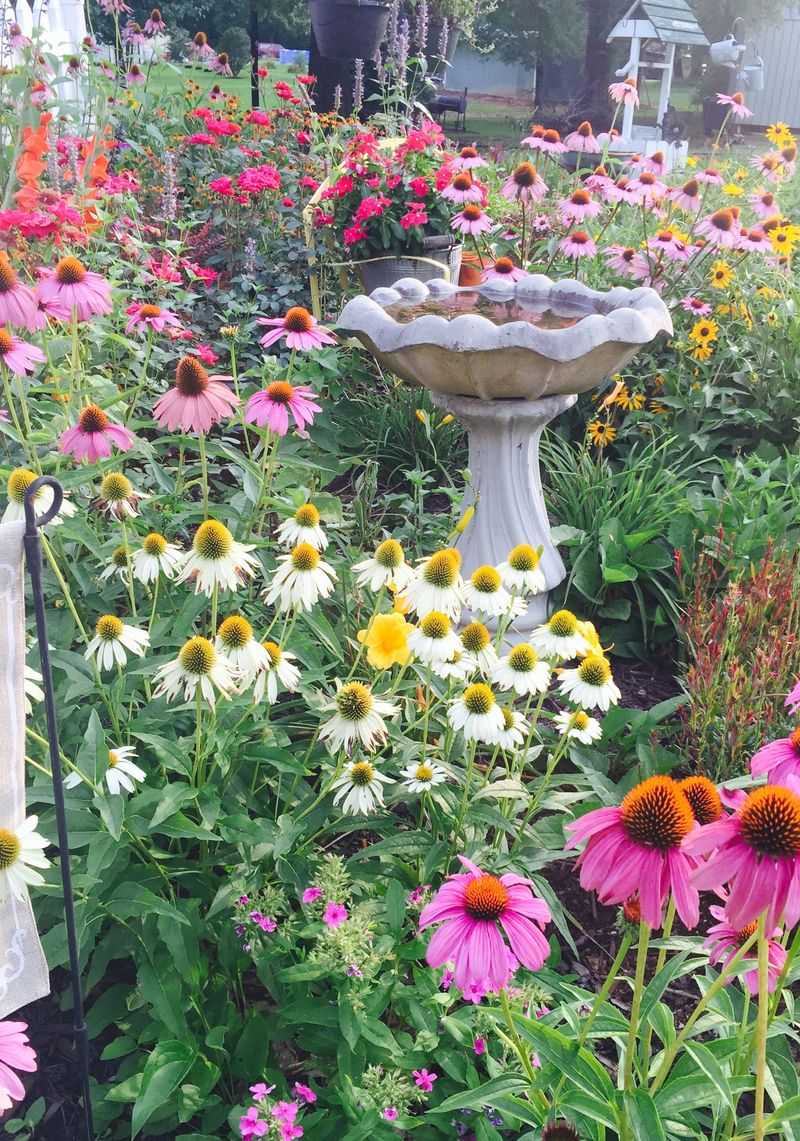
Water alone attracts wildlife, but combining it with native Georgia plants creates an irresistible destination. Native plants provide food, shelter, and nesting materials that complement your water source perfectly.
This combination addresses all wildlife needs in one convenient location.
Native plants support caterpillars and insects that birds feed their young. Parents visit your water to drink while hunting nearby plants for protein-rich bugs.
Your yard becomes a one-stop resource for raising families.
Flowering natives like coneflowers, black-eyed susans, and bee balm attract butterflies and hummingbirds. These visitors need both nectar and water.
Placing water near blooming plants increases traffic to both features simultaneously.
Shrubs like beautyberry and elderberry offer berries that birds love while providing cover near water. Birds feel safer drinking when protective vegetation sits nearby.
They can bathe and then dash into cover to preen safely.
Native grasses provide nesting material and seed heads for food. Birds collecting these resources also stop at nearby water sources.
Every native plant addition increases the reasons wildlife has to visit and linger.
Georgia natives thrive without extra watering or fertilizers once established. They require far less maintenance than non-native ornamentals.
This makes them perfect companions for low-maintenance water features.
Create layers of vegetation at different heights around your water source. Low groundcovers, medium shrubs, and taller trees give various species the habitat structure they prefer.
Warblers like high canopy, while sparrows favor low brush.
The synergy between water and native plants compounds over time. As your plantings mature, they attract more insects, which attract more birds, which means more activity at your water feature.
Your backyard ecosystem strengthens year after year naturally.
7. Consistent Refilling Makes The Biggest Difference
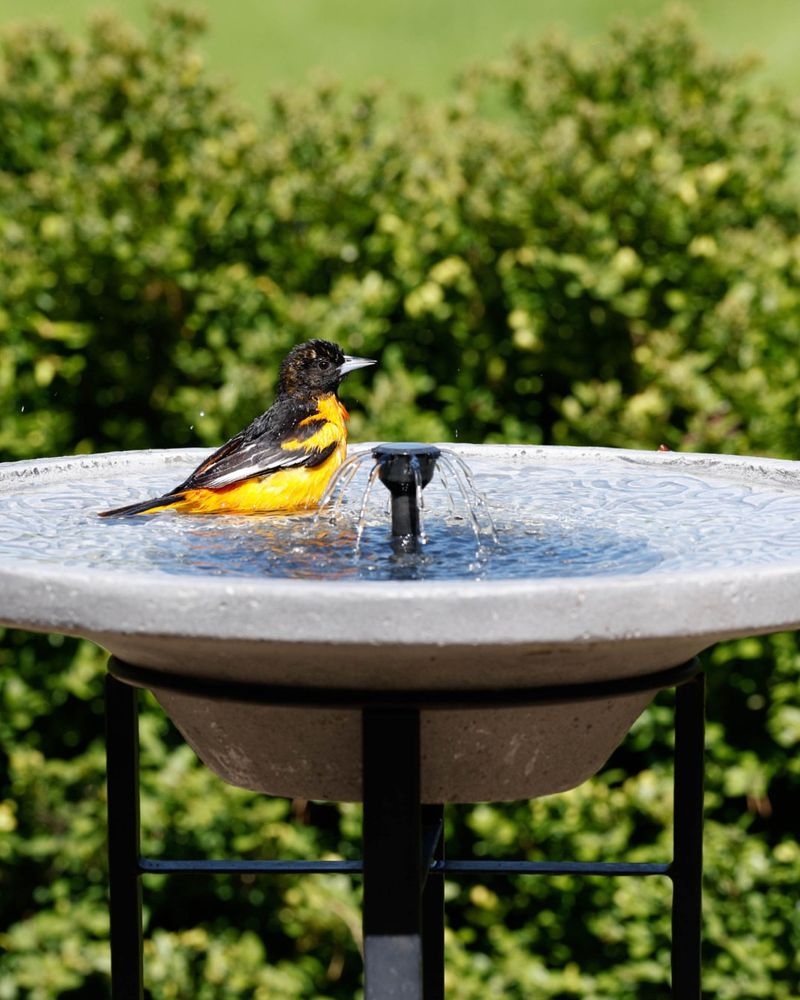
Wildlife depends on reliability more than anything else. A water source that frequently sits empty teaches animals to look elsewhere.
Consistent refilling establishes your yard as a trustworthy resource they can count on every single day.
Make water maintenance part of your daily routine. Check levels each morning when you have coffee or walk outside.
This habit takes less than a minute but ensures your water never disappoints visitors.
Georgia’s heat causes rapid evaporation during summer months. Water levels can drop several inches in a single day.
Daily monitoring prevents your basin from going completely dry between weekly cleanings.
Set reminders on your phone if you tend to forget outdoor tasks. Consistency matters more than perfection.
Even maintaining water six days out of seven proves far better than sporadic attention.
During particularly hot stretches, check water twice daily. Morning and evening top-offs keep levels adequate when evaporation peaks.
Wildlife activity also surges during these cooler periods when you are most likely to witness visitors.
Automatic refilling systems work well if you travel frequently. Simple float valves connected to garden hoses maintain constant water levels.
Solar-powered options avoid electrical work while keeping your feature functional during absences.
Keep a dedicated watering can near your water feature. Having tools immediately available removes barriers to consistent maintenance.
You will refill more often when it requires minimal effort and planning.
Track which times of day see the most wildlife activity at your water source. You might notice peak visiting hours that align with your schedule.
Being present during these times lets you enjoy the wildlife you are supporting while ensuring water stays fresh and full for every thirsty visitor throughout the season.