This Bright Blooming Plant Is Becoming A Pennsylvania Garden Favorite
Some plants have a way of quietly becoming stars in the garden. At first, you notice their color. Then you realize they keep showing up in more front yards, pollinator beds, and neighborhood landscapes all across Pennsylvania.
One bright bloomer in particular has been winning people over with its strong presence, long-lasting flowers, and easy fit in gardens that need both beauty and reliability.
That growing popularity makes plenty of sense. Gardeners want plants that look good without acting fragile, and this one brings exactly that kind of balance.
It adds bold color through the season, stands up well to changing weather, and helps a garden feel lively instead of flat. It also happens to be the kind of plant that butterflies and bees are happy to visit, which only adds to its appeal.
Purple coneflower has become a favorite for reasons that go well beyond looks. It is cheerful, sturdy, and well-suited to Pennsylvania gardens, making it the kind of plant people try once and then wonder why they waited so long.
Purple Coneflower Becoming A Pennsylvania Garden Favorite
Purple coneflower has officially earned its place as one of Pennsylvania’s most beloved garden plants.
Known by its scientific name, Echinacea purpurea, this cheerful perennial has been showing up in front yards, backyard borders, and community gardens all over the state. It is easy to see why so many Pennsylvania gardeners are choosing it year after year.
What makes purple coneflower so special is how effortlessly it fits into almost any garden setting. It grows in a natural, relaxed way that looks intentional without requiring a lot of planning or work.
Once you plant it, it comes back every summer, giving you reliable color without needing to start over from scratch each spring.
This plant is native to North America, which means it is already well-suited to the climate conditions found across Pennsylvania.
It has adapted over thousands of years to handle the kinds of summers and winters that gardeners here experience regularly. That built-in toughness is a huge reason why so many people trust it.
Purple coneflower typically grows between two and four feet tall, making it a strong visual presence in any garden bed. The blooms appear in mid to late summer and can last for several weeks.
Even after the petals fade, the spiky seed heads stay attractive well into fall, giving your garden extended interest long after most other flowers have finished for the season.
What Makes Purple Coneflower So Eye-Catching
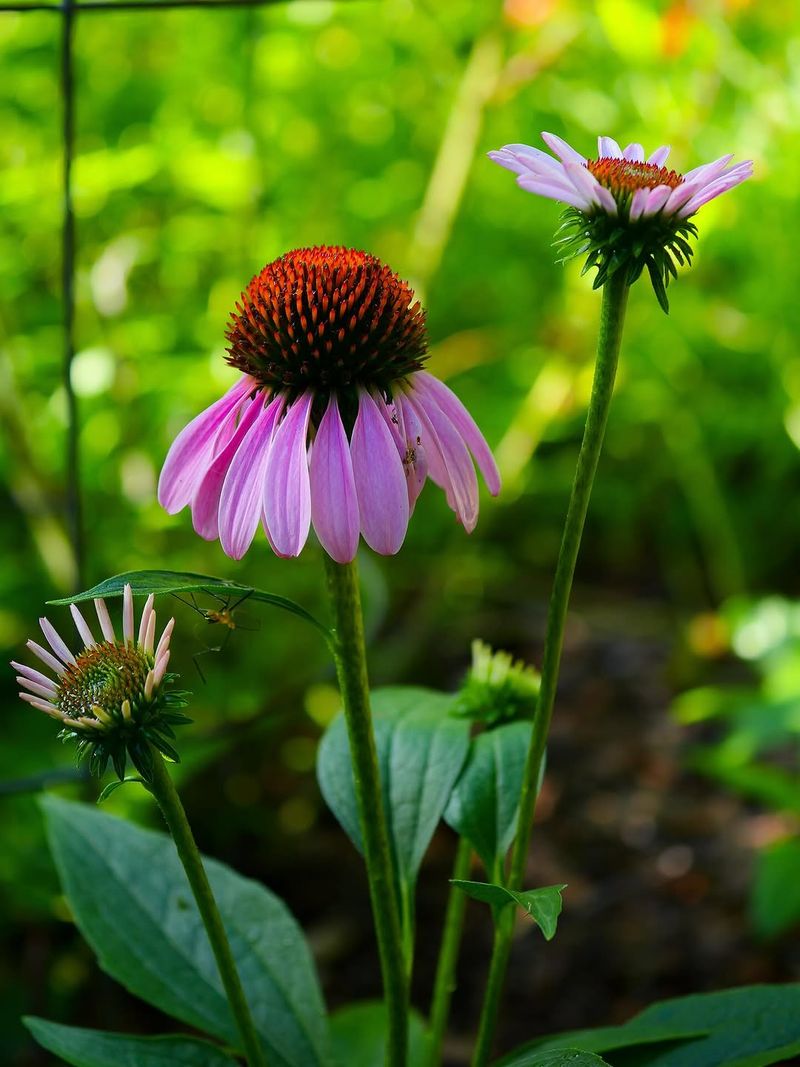
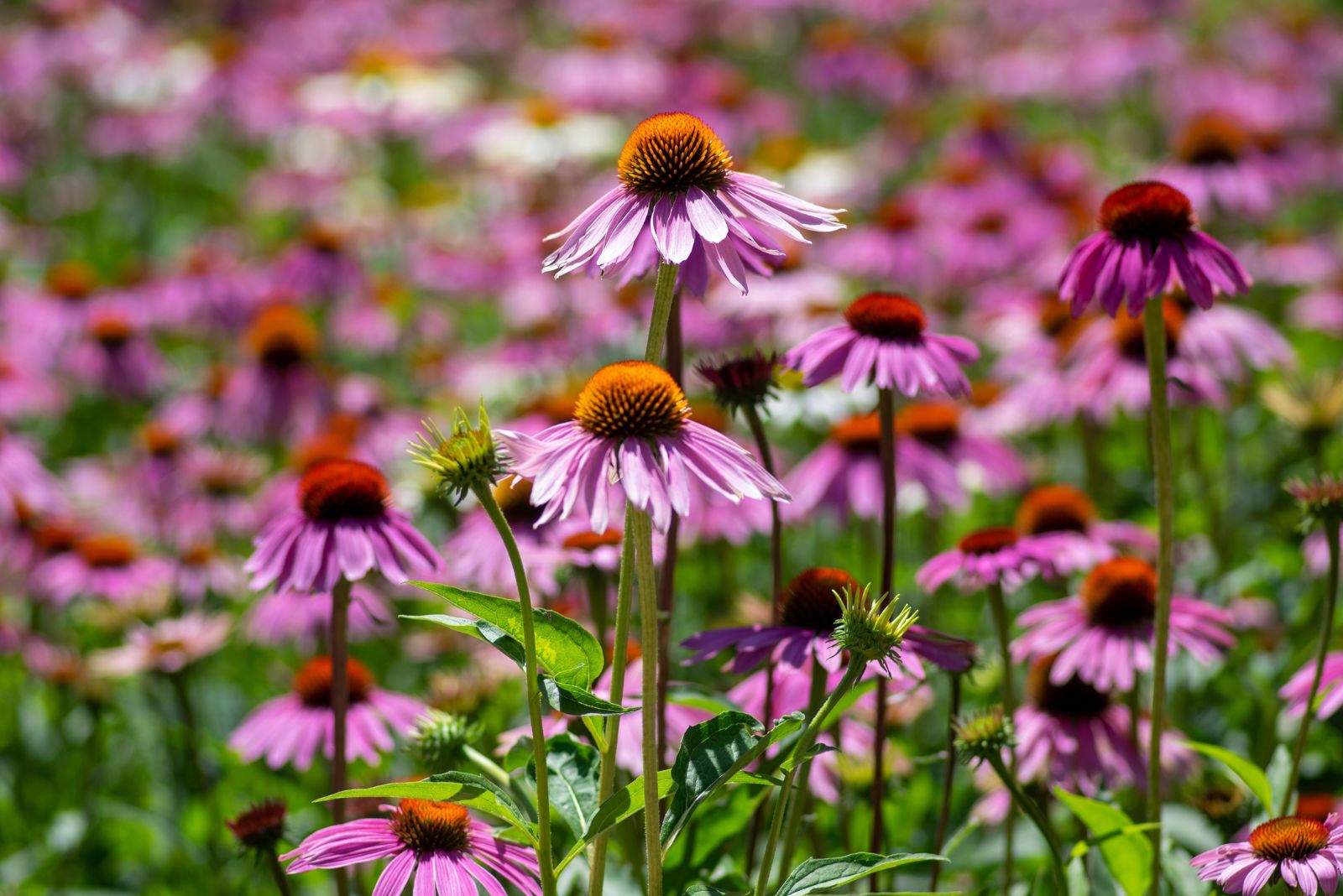
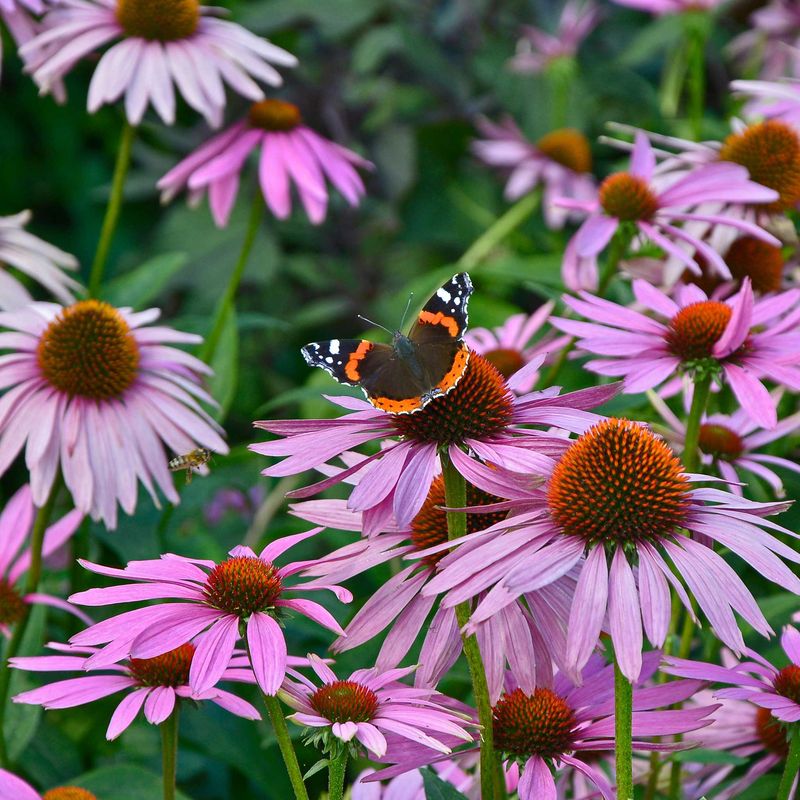
Few flowers command attention the way purple coneflower does. The moment it opens up, those bold purple-pink petals sweep downward from a raised, spiky cone center that glows in shades of orange and brown.
That combination of color and texture is something you simply do not see in a lot of common garden plants.
The cone at the center of each bloom is one of the most distinctive features of this plant. It stands up tall and proud, almost like a little crown sitting on top of the flower.
As the season goes on, that cone deepens in color and becomes even more textured, adding visual interest even when the petals begin to fade.
Color variety is another reason gardeners in Pennsylvania love this plant so much. While the classic purple-pink shade is the most familiar, breeders have developed cultivars in white, deep magenta, pale lavender, and even orange.
That means you can mix and match shades to create a garden palette that feels completely your own.
Beyond color, purple coneflower also brings wonderful texture to a garden bed. The stems are sturdy and slightly rough, the leaves are coarse and dark green, and the blooms have a three-dimensional quality that most flat-petaled flowers lack.
When sunlight hits the flowers in the morning or late afternoon, the whole plant seems to glow from within.
Planted in groups of three or more, purple coneflower creates a bold, layered effect that makes any Pennsylvania garden look professionally designed and full of life.
Why It Grows So Well In Pennsylvania Gardens
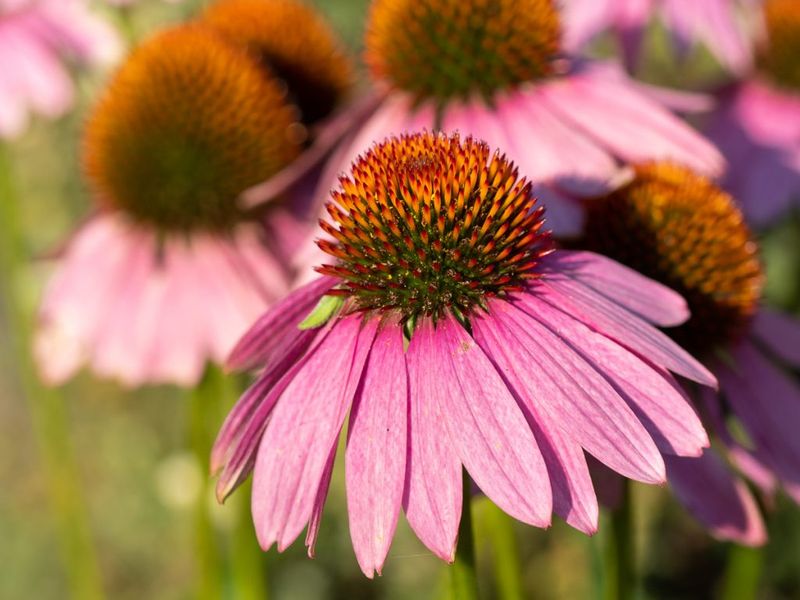
Pennsylvania gardeners deal with a wide range of weather conditions depending on where they live in the state. Summers can get hot and humid in the eastern lowlands, while western and northern areas can experience cooler, wetter seasons.
Purple coneflower handles all of it remarkably well, which is one of the biggest reasons it keeps gaining fans across Pennsylvania.
Once established, purple coneflower is incredibly tough. It tolerates summer heat, brief dry spells, and even a bit of neglect without losing its good looks.
You do not need to water it constantly or fuss over it every weekend. Just give it a sunny spot with decent drainage, and it will handle the rest on its own most of the time.
The plant is also cold-hardy enough to survive Pennsylvania winters without any special protection. It goes dormant in fall, rests through the cold months, and bounces back with fresh growth every spring.
That kind of dependability is something every gardener appreciates, especially when you want a low-effort yard that still looks great.
Soil flexibility is another big advantage. Purple coneflower does not need rich, heavily amended soil to perform well.
It actually prefers lean, well-drained ground and can adapt to clay or sandy soils found in different parts of Pennsylvania. A little compost at planting time gives it a good start, but after that, it rarely needs extra feeding.
For Pennsylvania gardeners who want a plant they can trust season after season, purple coneflower consistently delivers without demanding much in return.
How It Brings More Life To The Garden
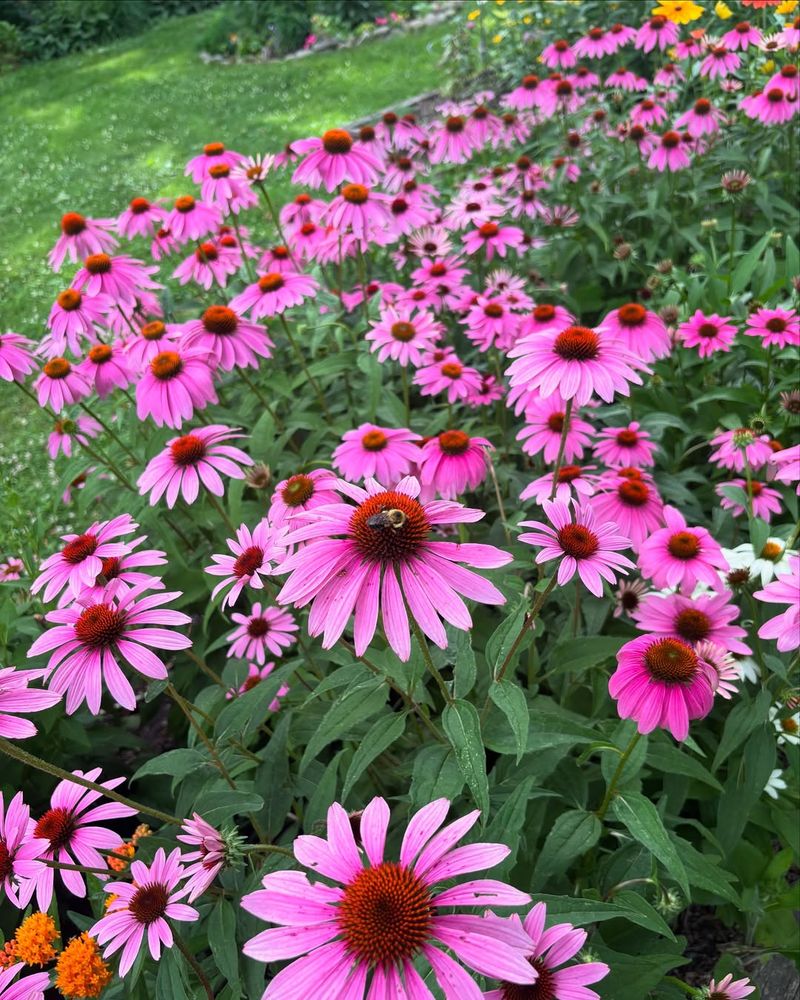
A garden full of movement feels completely different from one that just sits still. Purple coneflower is one of the best plants you can choose if you want your Pennsylvania yard to feel alive and buzzing with activity from summer right through early fall.
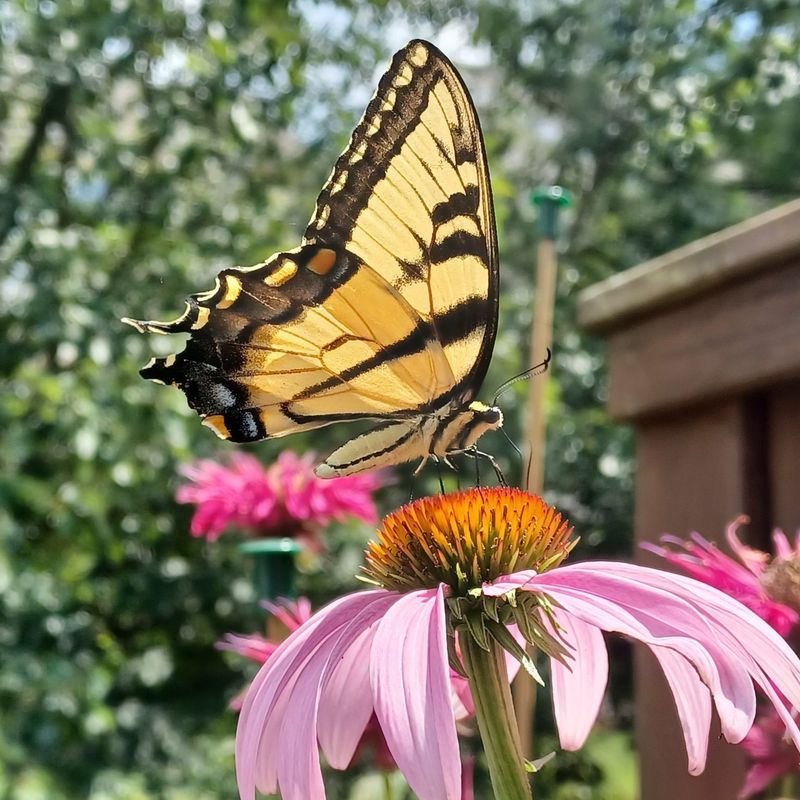
The moment those blooms open up, the visitors start arriving. Butterflies absolutely love purple coneflower. You can regularly spot swallowtails, fritillaries, and monarchs landing on the blooms to feed on nectar.
Watching butterflies drift from flower to flower on a warm Pennsylvania afternoon is one of those simple pleasures that makes a garden feel truly magical. It also helps support butterfly populations that depend on reliable nectar sources throughout the season.
Bees are equally drawn to this plant. Native bees, honeybees, and bumblebees all visit purple coneflower regularly, making it a fantastic choice for anyone interested in supporting pollinators.
With so many bee populations under pressure across the country, planting a few clumps of coneflower in your Pennsylvania garden is a genuinely meaningful way to help.
After the blooms fade and the seed heads form, a whole new group of visitors shows up. Goldfinches and other songbirds are well-known fans of coneflower seeds.
They will perch right on the dried cone heads and pick out seeds throughout late fall and even into winter. That means your plant keeps providing value long after the last petal drops.
For Pennsylvania gardeners who want a yard that feels full of life from June through December, purple coneflower earns its place every single year.
Where to Plant Purple Coneflower For The Best Display
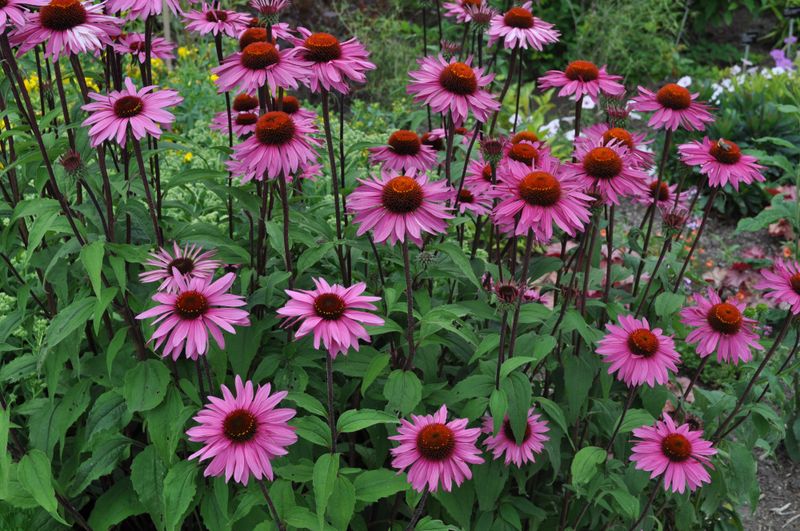
Picking the right spot for purple coneflower is the key to getting the most out of this plant. The good news is that it works beautifully in a surprising number of different garden styles, making it one of the most versatile flowering perennials available to Pennsylvania gardeners today.
Full sun is where purple coneflower truly shines. A spot that gets at least six hours of direct sunlight each day will produce the strongest stems, the most blooms, and the richest petal color.
South-facing borders and open sunny beds along fences or driveways are ideal locations across Pennsylvania neighborhoods and suburban yards.
Pollinator gardens are another perfect home for this plant. Pairing purple coneflower with bee balm, black-eyed Susans, and native grasses creates a layered planting that looks stunning and supports local wildlife at the same time.
Many Pennsylvania homeowners are creating dedicated pollinator patches, and coneflower is almost always the centerpiece.
Cottage garden enthusiasts will find that purple coneflower fits right in with that relaxed, slightly wild aesthetic. It mixes easily with phlox, coreopsis, and ornamental grasses for a natural-looking design that feels effortless.
Even in a more formal border, planting it in groups of three or five creates a bold, structured display that holds its own alongside other perennials.
For Pennsylvania gardeners working with a naturalized or meadow-style landscape, purple coneflower is practically a must-have.
It self-seeds gently over time, gradually spreading to fill in open areas and creating a more established, lush look without requiring replanting every season.
Why More Pennsylvania Gardeners Keep Choosing It
Ask any experienced Pennsylvania gardener why they keep planting purple coneflower, and you will likely hear the same things every time. It blooms reliably, it comes back every year, and it looks great without demanding constant attention.
For busy people who love having a beautiful yard but do not have hours to spend maintaining it, that combination is almost impossible to beat.
Low maintenance is probably the single biggest selling point for most Pennsylvania gardeners. Once established, purple coneflower rarely needs watering, feeding, or spraying.
It shrugs off the kinds of summer stress that send other plants into a slump. You can head out on vacation and come home to find it still blooming beautifully, holding its own against summer heat and dry spells.
The long bloom season is another major advantage. Purple coneflower starts blooming in early to mid-summer and keeps going for six to eight weeks or more.
That is a remarkably long show compared to many other perennials, and it means your Pennsylvania garden looks colorful and lively for a good chunk of the growing season without needing constant replanting.
Perhaps most importantly, purple coneflower just makes people happy. There is something warm and familiar about those cheerful purple blooms nodding in a summer breeze.
It feels like a classic American garden plant because, in many ways, it is one. Across Pennsylvania, from Philadelphia suburbs to rural Lancaster County gardens, more and more gardeners are discovering that purple coneflower delivers exactly what they want: bright color, lasting beauty, and a plant that truly earns its place in the garden every single year.