This Common Ohio Plant Can Shut Down Your Lungs (And It’s Growing Everywhere)
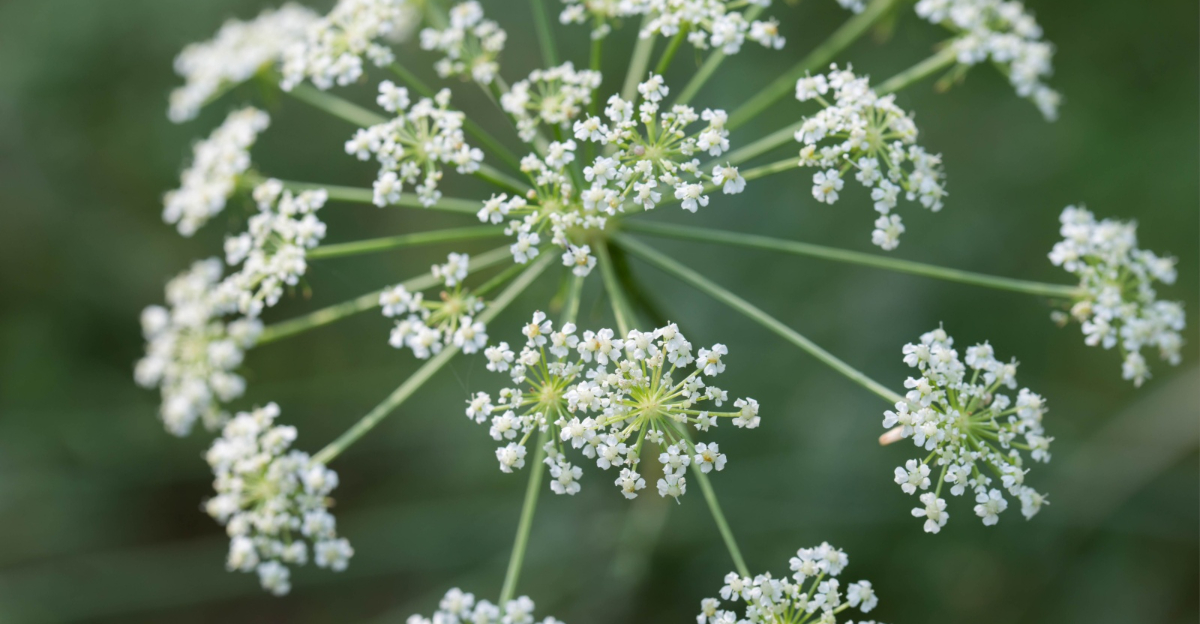
A silent destroyer grows along roads, fences, empty lots, and quiet riverbanks across Ohio. Most people walk past it without a second glance.
Some brush against it. Others pull it from gardens with bare hands.
Few realize a single plant can trigger a chain reaction inside the body that stops breathing itself. Poisoning from wild plants sounds like something from old survival stories, not suburban neighborhoods and public parks.
Yet every spring emergency warnings spread as toxic plants surge back to life across the state. The danger hides in plain sight among harmless weeds and wildflowers.
Tall green stalks, delicate white flowers, an almost ordinary appearance. One mistake brings dizziness, muscle paralysis, and the terrifying loss of control over your lungs.
History remembers this plant for executions and ancient poisonings. Today it grows freely beside sidewalks and trails.
Its name carries centuries of terrible reputation: Poison hemlock.
1. Meet Poison Hemlock The Dangerous Plant Spreading Across Ohio
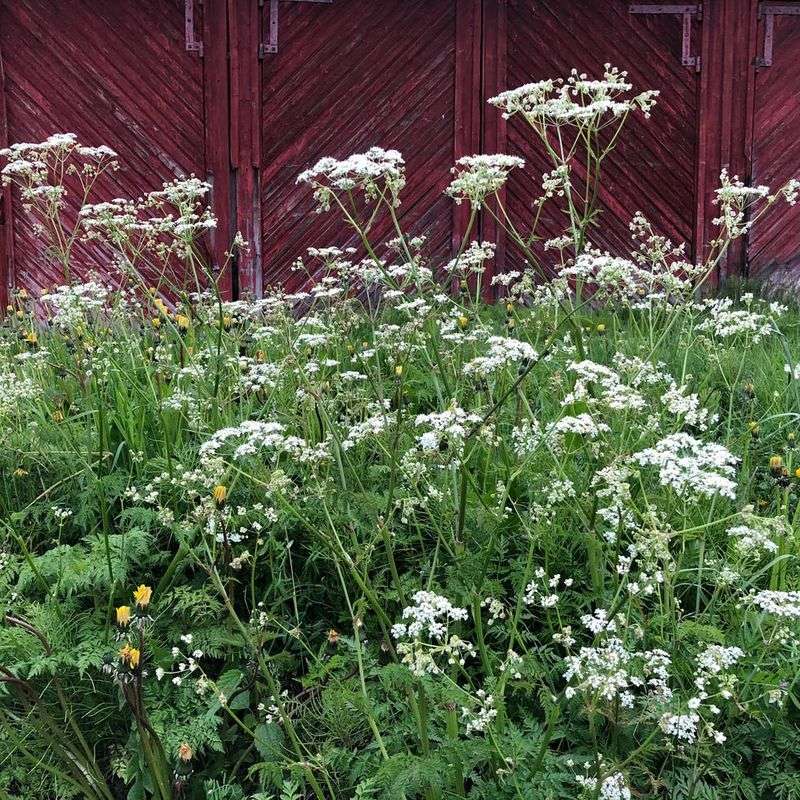
Few plants have earned a more notorious reputation throughout history than poison hemlock. Known scientifically as Conium maculatum, this invasive plant originally came from Europe and western Asia, but it has settled into Ohio landscapes with alarming ease.
Today, it ranks among the most widely reported toxic plants in the state.
Ohio State University Extension has flagged poison hemlock as a serious concern for landowners, farmers, and outdoor enthusiasts alike. The plant thrives in the mild, moist conditions that Ohio’s climate provides, especially during spring and early summer when it grows rapidly.
Its ability to establish itself in disturbed soils makes it particularly aggressive.
What surprises many Ohio residents is how quickly a small patch can turn into a dense colony. Roadsides that were clear one season may be overrun the next.
The plant’s innocent appearance, resembling common wildflowers found across the Midwest, makes it easy to overlook. Understanding what you are dealing with is the first step toward staying safe around this increasingly common and genuinely hazardous plant found throughout Ohio’s fields and open spaces.
2. Learn The Key Features That Identify Poison Hemlock
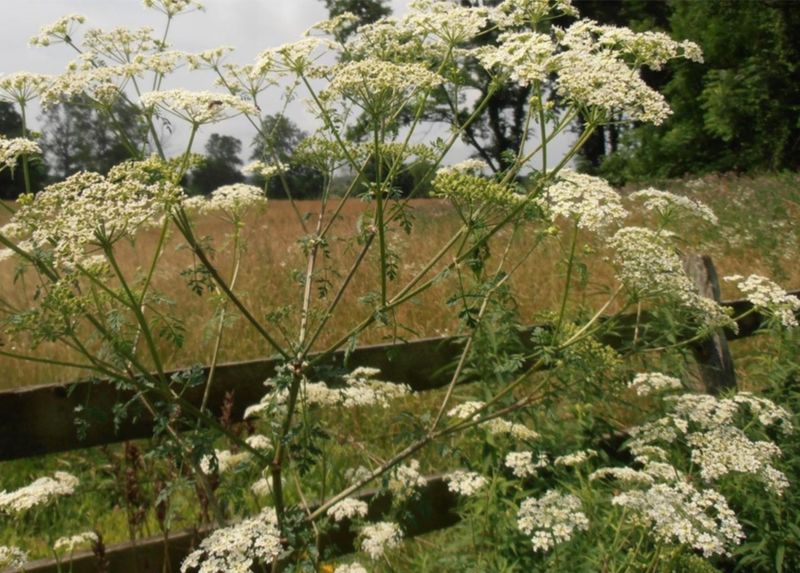
Spotting poison hemlock takes a sharp eye, but once you know what to look for, the plant becomes surprisingly recognizable. One of the most distinctive features is its hollow stem, which is often covered in irregular purple or reddish-purple blotches or streaks.
These markings appear on the lower portions of the stem and are rarely found on safe, edible plants in the same family.
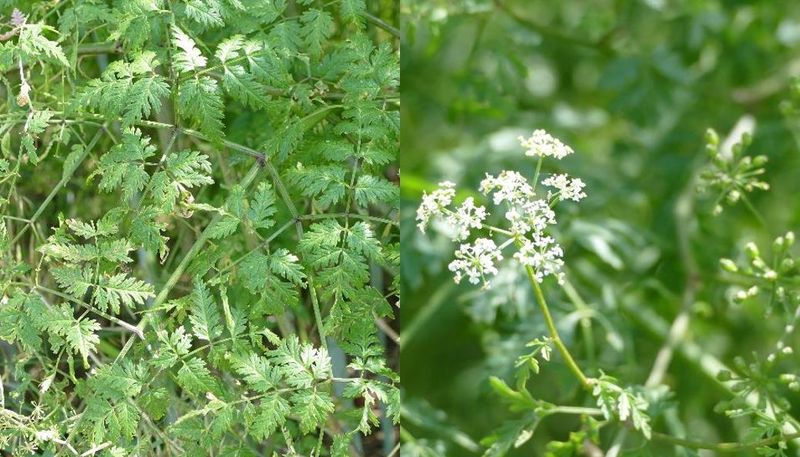
The leaves are finely divided and feathery, similar in appearance to carrot or parsley foliage. They have a somewhat triangular overall shape and give off an unpleasant musty odor when crushed, which many people describe as mousy or unpleasant.
That smell alone is a helpful warning signal.
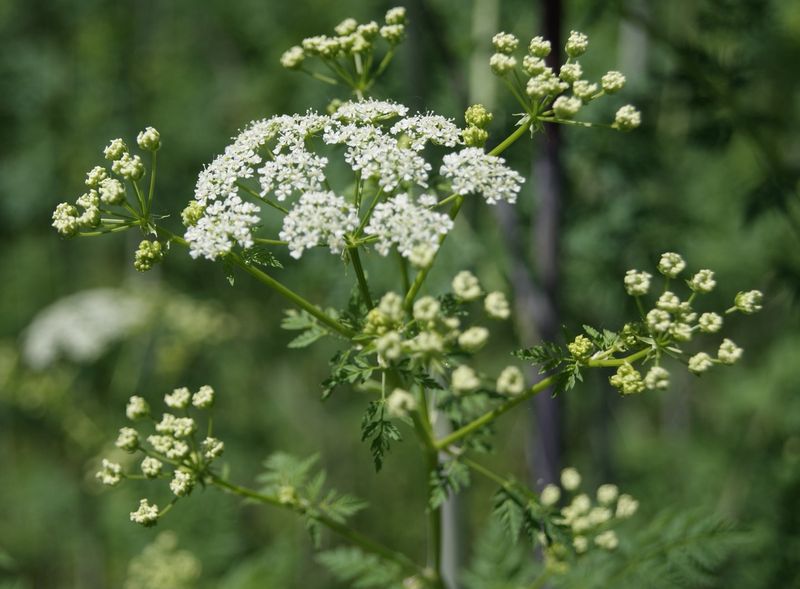
Mature plants can reach heights of six to ten feet, making them tower above surrounding vegetation in open areas. The flowers appear in flat-topped, umbrella-shaped clusters called umbels, made up of dozens of tiny white blooms.
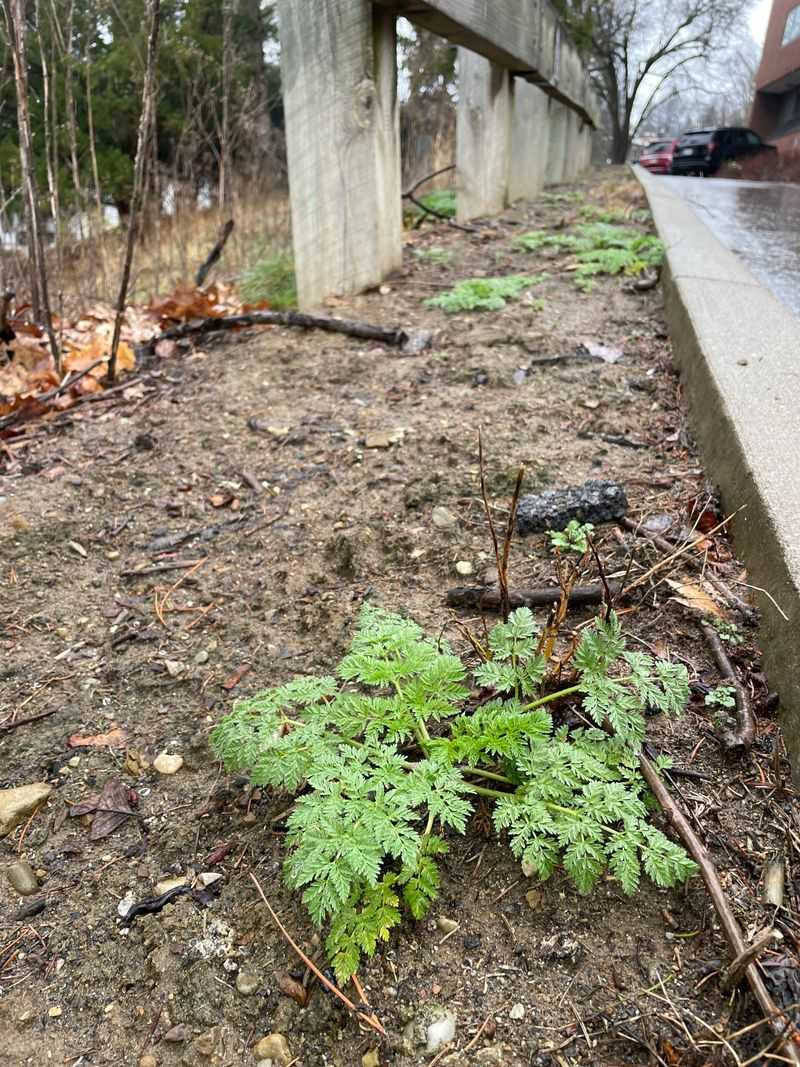
These flower clusters appear in late spring and early summer across Ohio. Poison hemlock is a biennial, meaning it spends its first year as a low rosette of leaves before bolting upward and flowering in its second year.
Recognizing these traits together, not just one feature alone, is the safest approach to identification.
3. Watch For These Common Places Where It Appears
You do not have to venture deep into the wilderness to encounter poison hemlock in Ohio. This plant has a strong preference for disturbed, open ground, which means it shows up in places people visit or pass through every single day.
Roadsides and highway right-of-ways are among its favorite habitats, where mowing and soil disturbance create exactly the conditions it needs to establish itself.
Drainage ditches, creek banks, and low-lying areas with moist soil are also prime locations. The plant tolerates wet conditions better than many other species, which gives it a competitive edge in areas where other vegetation struggles.
Farm field edges, abandoned lots, pasture margins, and areas around old fence lines are additional spots where Ohio residents frequently report finding large colonies.
Parks, nature preserves, and even suburban green spaces have seen poison hemlock move in as well. Once established, it tends to crowd out native plants and can spread to neighboring properties through seed dispersal.
Ohio’s extensive network of agricultural land, combined with thousands of miles of roadsides and waterways, gives this plant an enormous amount of suitable territory to colonize. Staying alert in all of these environments is a smart habit for anyone spending time outdoors in Ohio.
4. Understand Why The Plant Is Dangerous To People And Animals
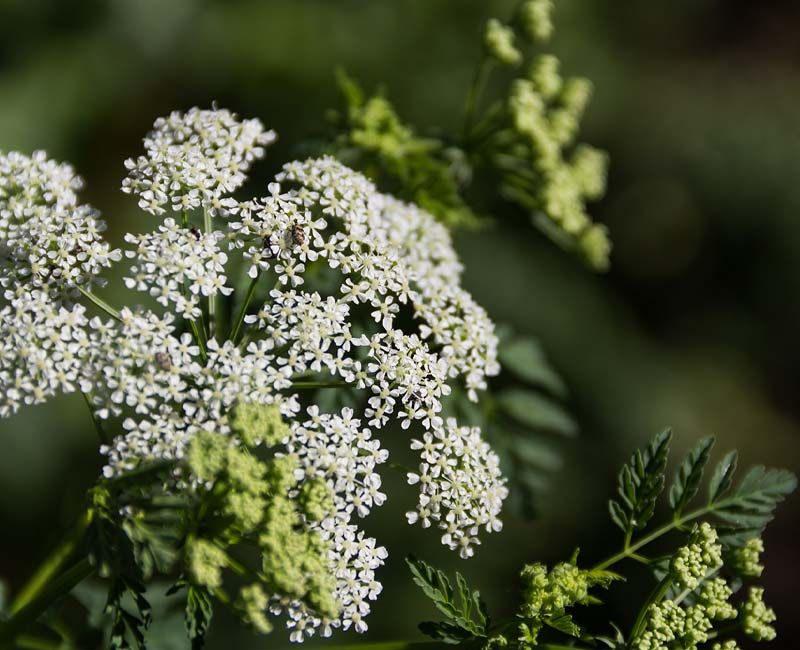
All parts of poison hemlock contain a group of toxic alkaloids, with coniine being the most well-known. These compounds affect the nervous system by blocking signals between nerves and muscles.
Even relatively small amounts of exposure can trigger symptoms that range from uncomfortable to life-threatening depending on how contact occurred and how much of the toxin entered the body.
Humans can be affected through ingestion, skin absorption, or inhalation. One particularly alarming exposure route involves mowing or cutting the plant, which can release aerosolized sap and plant particles into the air.
Breathing in these particles has been linked to serious respiratory distress, and there are documented cases from Ohio of individuals being hospitalized after mowing areas where poison hemlock was growing without realizing it.
Livestock including cattle, horses, sheep, and goats are also highly vulnerable. Animals that graze in pastures where poison hemlock has established itself face significant health risks, and farmers across Ohio have reported losses after animals consumed the plant.
Symptoms in both humans and animals can include nausea, muscle weakness, trembling, and difficulty breathing. Recognizing the danger and taking it seriously before exposure happens is far better than responding after symptoms appear.
5. Do Not Confuse It With These Common Lookalike Plants
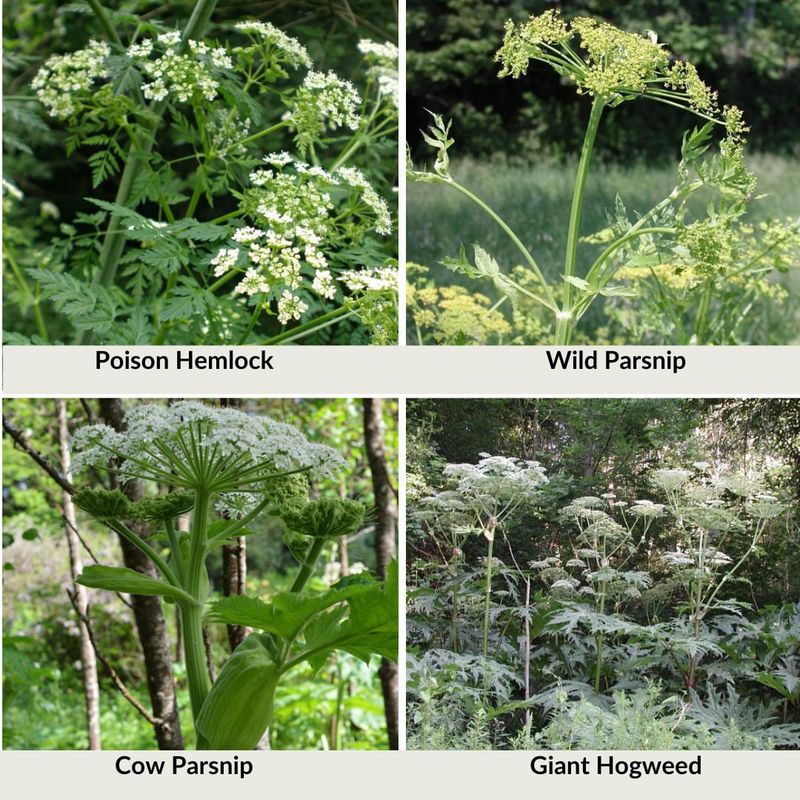
One of the trickiest things about poison hemlock is how closely it resembles several common and completely harmless plants. Wild carrot, also called Queen Anne’s lace, is probably the most frequent source of confusion.
Both plants belong to the carrot family and produce similar white flower clusters. However, Queen Anne’s lace typically has a single small purple or reddish flower at the center of its flower cluster, while poison hemlock does not.
Wild parsnip, cow parsley, and elderberry are other plants that sometimes get mixed up with poison hemlock, especially when plants are young or not yet flowering. Checking the stem is one of the most reliable ways to distinguish poison hemlock from its lookalikes.
The distinctive purple blotching on hollow stems is a strong indicator that you are dealing with the dangerous plant rather than a safe one.
Another useful clue is the smell. Crushing a small leaf from poison hemlock produces a foul, unpleasant odor, while wild carrot smells mildly of carrots.
Experienced foragers and naturalists in Ohio always recommend using multiple identification features together rather than relying on just one characteristic. When in doubt, do not touch the plant and consult a local extension office or botanical resource for help with identification.
6. Notice How Quickly It Spreads In Open Areas
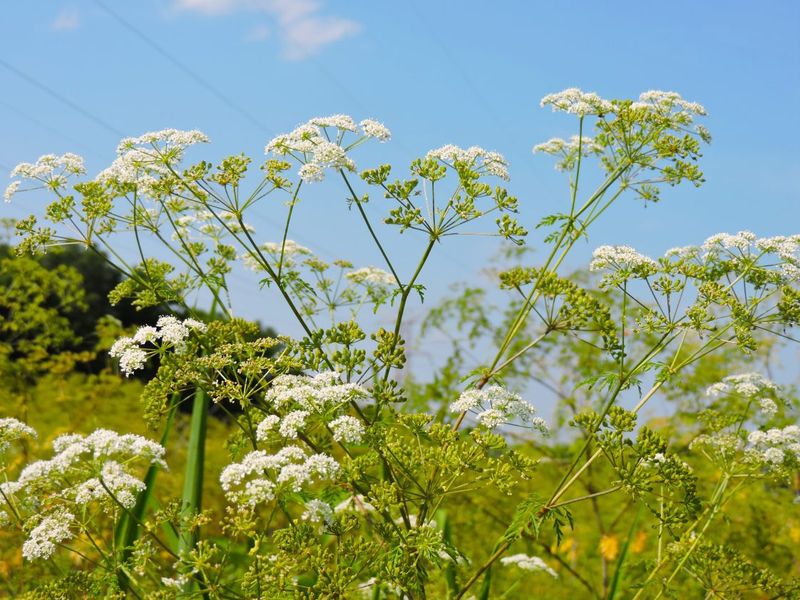
Poison hemlock is a remarkably efficient spreader, and understanding why helps explain how it has managed to colonize so much of Ohio in a relatively short time. Each mature plant can produce thousands of seeds, with estimates ranging from 30,000 to 40,000 seeds per plant in a single season.
Those seeds are small, lightweight, and easily carried by water, wind, and passing vehicles or animals.
Because the plant favors disturbed soils, any activity that churns up the ground, whether road construction, flooding, tilling, or even routine mowing, can create fresh opportunities for new seedlings to sprout. Once a few plants establish in a location, the colony can expand dramatically within just a couple of growing seasons.
Ohio’s extensive road network and numerous waterways act as natural highways for seed dispersal across the state.
The biennial life cycle also contributes to its persistence. First-year rosettes are low to the ground and easy to miss, meaning the problem is often not noticed until the second year when tall, flowering stalks suddenly appear.
By that point, seeds may already be ripening and ready to spread further. Early detection and consistent management are the most effective tools for preventing poison hemlock from taking over an area in Ohio’s open landscapes.
7. Remove Young Plants Before They Mature
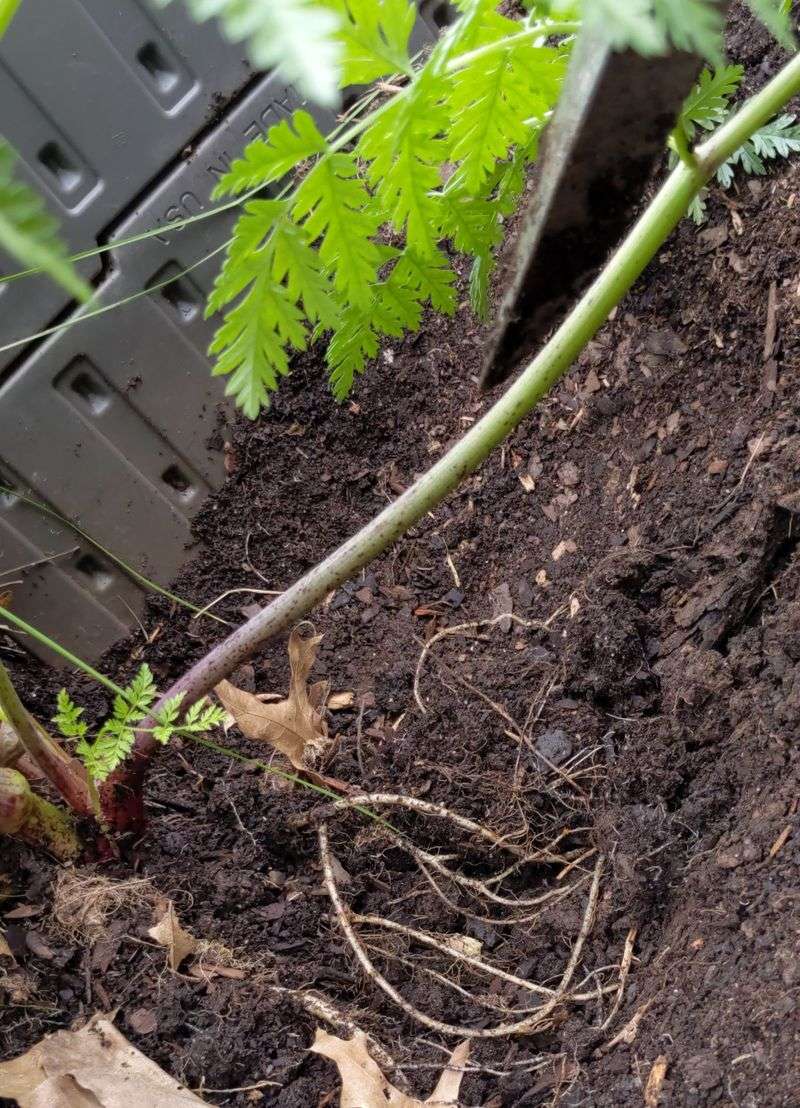
Tackling poison hemlock early, before it flowers and sets seed, is the most effective strategy for long-term control. First-year rosettes are much easier to manage than towering second-year plants, and they have not yet produced the seeds that would spread the problem further.
Timing your removal efforts during the fall or early spring, when rosettes are actively growing but still close to the ground, gives you the best chance of success.
Ohio State University Extension recommends hand-pulling or digging out small infestations, making sure to remove the taproot so the plant cannot regrow. This method works well for isolated patches or small numbers of plants in accessible areas.
Soil disturbance should be minimized where possible to avoid creating conditions that favor new seedlings.
For larger infestations, herbicide applications in the fall or early spring have proven effective when applied correctly. Products containing active ingredients such as glyphosate or triclopyr are commonly used options, but always follow label directions carefully and consider consulting a professional for large-scale problems.
Mowing alone is not a recommended control method because it can spread seeds and release plant particles into the air. Consistent follow-up treatment over multiple seasons is usually necessary to fully eliminate an established poison hemlock population from Ohio properties.
8. Handle Plants Carefully And Avoid Direct Contact
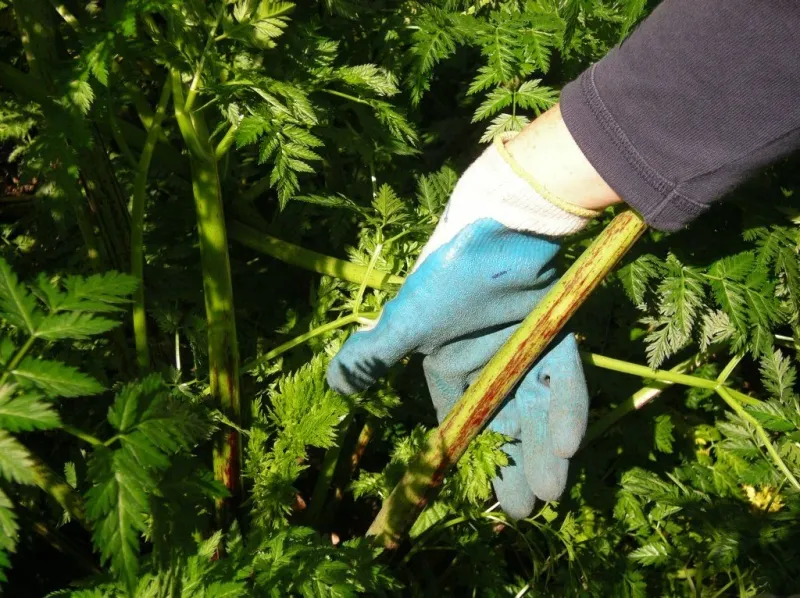
Whenever you need to work around poison hemlock, protective gear is not optional. The plant’s toxic alkaloids can be absorbed through skin, and handling stems or leaves without protection is genuinely risky.
Wearing nitrile or chemical-resistant gloves, a long-sleeved shirt, long pants, and closed-toe shoes provides a solid layer of protection against skin exposure during removal or inspection activities.
Eye protection is also worth considering, especially if plants are being disturbed in ways that might cause sap to splash or particles to become airborne. A dust mask or respirator adds another layer of safety when working near cut or damaged plants.
Never burn poison hemlock as a disposal method because the smoke carries toxic compounds that can cause serious respiratory harm when inhaled.
After any contact with the plant or surrounding soil, wash all exposed skin thoroughly with soap and water. Clothing worn during removal should be laundered separately before wearing again.
Tools used for digging or cutting should also be cleaned to prevent transferring plant residue. Children and pets should be kept well away from areas where poison hemlock is present or being removed.
Taking these precautions seriously protects not just you but everyone around you during what can otherwise be a routine outdoor task in Ohio.
9. Report Sightings And Help Protect Your Ohio Community
One of the most powerful tools in managing invasive plants like poison hemlock is community awareness. When more people know what the plant looks like and understand the risks it poses, sightings get reported faster and control efforts can begin sooner.
Ohio has several resources in place to help residents report invasive plant sightings and access guidance from experts.
The Ohio Invasive Plants Council and local county extension offices are excellent starting points for reporting and learning more about poison hemlock in your area. Many counties in Ohio have active weed control programs, and reporting a new infestation along a public roadside or in a park can trigger a professional response that protects the wider community.
Some areas use the iMapInvasives app or similar tools to track sightings across the state.
Sharing what you know with neighbors, friends, and local community groups also makes a real difference. A patch spotted and reported in a neighborhood park could prevent dozens of people and their pets from unknowingly coming into contact with a hazardous plant.
Ohio communities that work together on invasive plant awareness tend to have better outcomes in keeping these species from spreading further. Your observation could genuinely protect someone who might not have known the danger was growing right next to their walking path.
10. Stay Informed And Keep Your Property Safe Year Round
Managing poison hemlock is not a one-time task. Because seeds can remain viable in the soil for several years, new seedlings can continue sprouting long after you think the problem has been resolved.
Building a habit of seasonal inspections around your Ohio property, especially along fence lines, ditches, and areas with disturbed soil, is one of the smartest things you can do as a landowner or homeowner.
Spring and fall are the best times to scout for first-year rosettes, which look like low-growing clusters of finely divided, dark green leaves. Catching them at this stage makes removal far easier and prevents the plant from ever reaching the flowering and seeding stage.
Keeping a record of where you have found plants in previous years helps you focus your attention on the most likely problem areas each season.
Staying connected with Ohio State University Extension resources, local agricultural offices, and community gardening groups keeps you updated on new management strategies and any changes in the plant’s spread across the state. Ohio’s natural landscapes are worth protecting, and keeping harmful invasives like poison hemlock under control helps preserve safe outdoor spaces for everyone.
A little consistent attention each season goes a long way toward keeping your property and your neighbors safe from this persistent and dangerous plant.