This Dreamy Ohio Botanical Garden Is A Quiet Break From Everyday Life
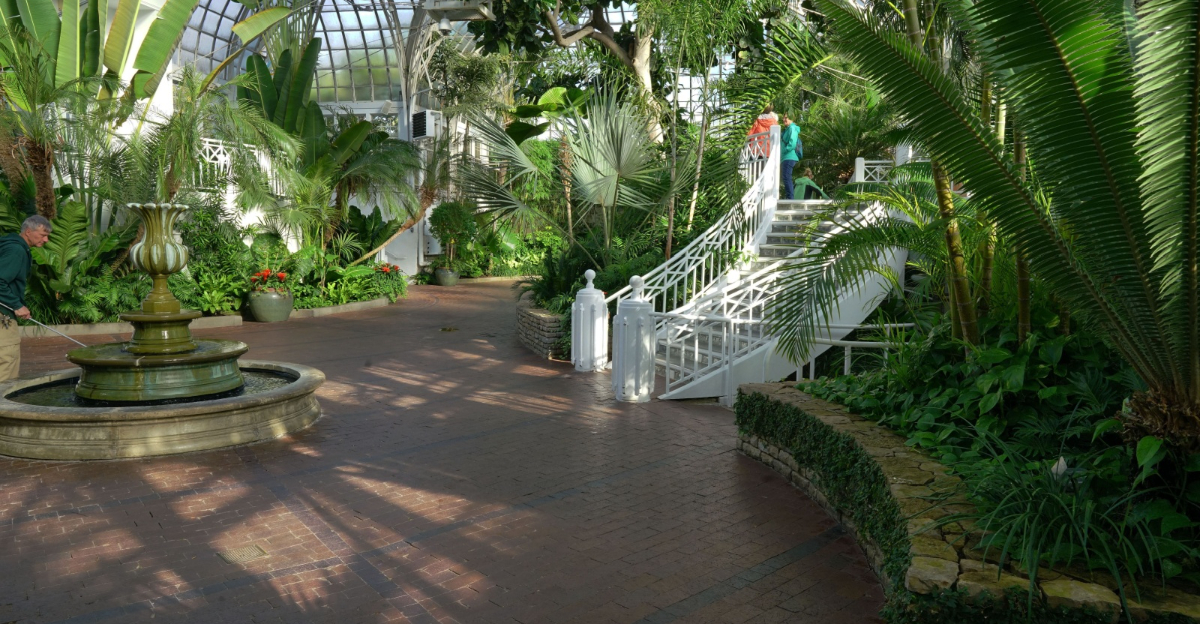
Tucked into the heart of Columbus stands a place that feels worlds away from busy streets and daily noise. Franklin Park Conservatory and Botanical Gardens invites visitors into a glass-framed paradise filled with towering palms, desert giants, cascading water, and bursts of color in every season.
Warm air, the scent of orchids, and soft light through historic panes create a calm that melts stress within minutes. Since 1895, this living landmark has offered Ohioans a rare escape into tropical beauty without leaving the state.
One step inside reveals peaceful paths, hidden corners, and scenes that feel almost unreal during cold gray months. Families, couples, and solo explorers all find something memorable among the flowers and foliage.
A visit here does more than entertain. It refreshes the mind, lifts the mood, and reminds visitors how powerful nature can feel, even in the middle of the city.
Many leave already planning their next return to this peaceful oasis.
1. The Victorian Palm House: A Historic Glass Masterpiece
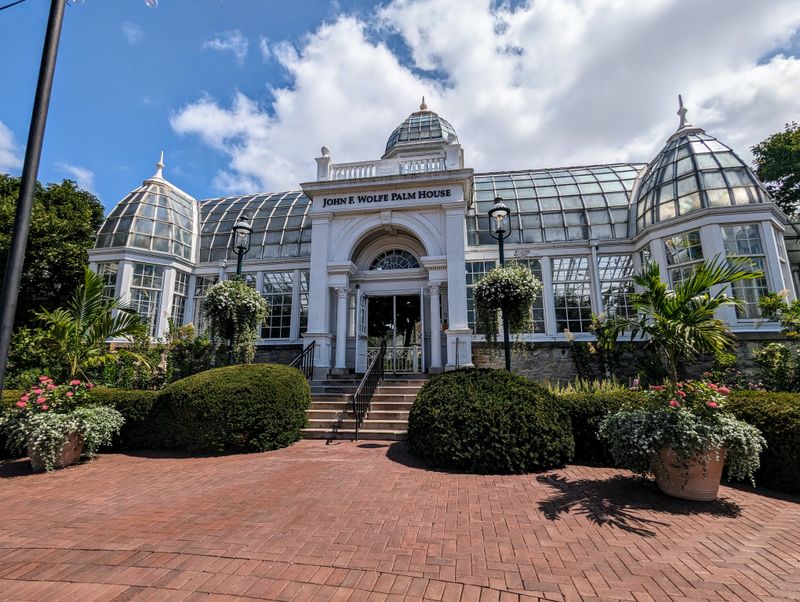
Step into a piece of living history at 1777 E Broad St, Columbus, OH 43203 when you enter the Victorian Palm House, the original 1895 structure that started it all. This architectural gem features soaring glass ceilings supported by elegant ironwork, creating a cathedral-like atmosphere where towering palms reach toward the sky.
The design follows the classic Victorian conservatory style, allowing maximum sunlight to flood the space while maintaining the perfect humid environment for tropical plants.
Walking through this historic structure feels like stepping back in time to an era when botanical exploration captured the world’s imagination. The Palm House showcases an impressive collection of palms from around the globe, each species telling its own story of adaptation and survival.
From delicate fan palms to massive specimens with fronds spanning fifteen feet, the diversity is remarkable.
Gardeners will appreciate how the conservatory staff maintains these specimens year-round in Ohio’s challenging climate. The building’s original heating and ventilation systems have been carefully updated while preserving the historic character.
This balance between preservation and modern plant care makes the Palm House both a museum piece and a thriving ecosystem that continues to educate and inspire plant enthusiasts of all ages.
2. Pacific Island Water Garden: Tropical Paradise Indoors
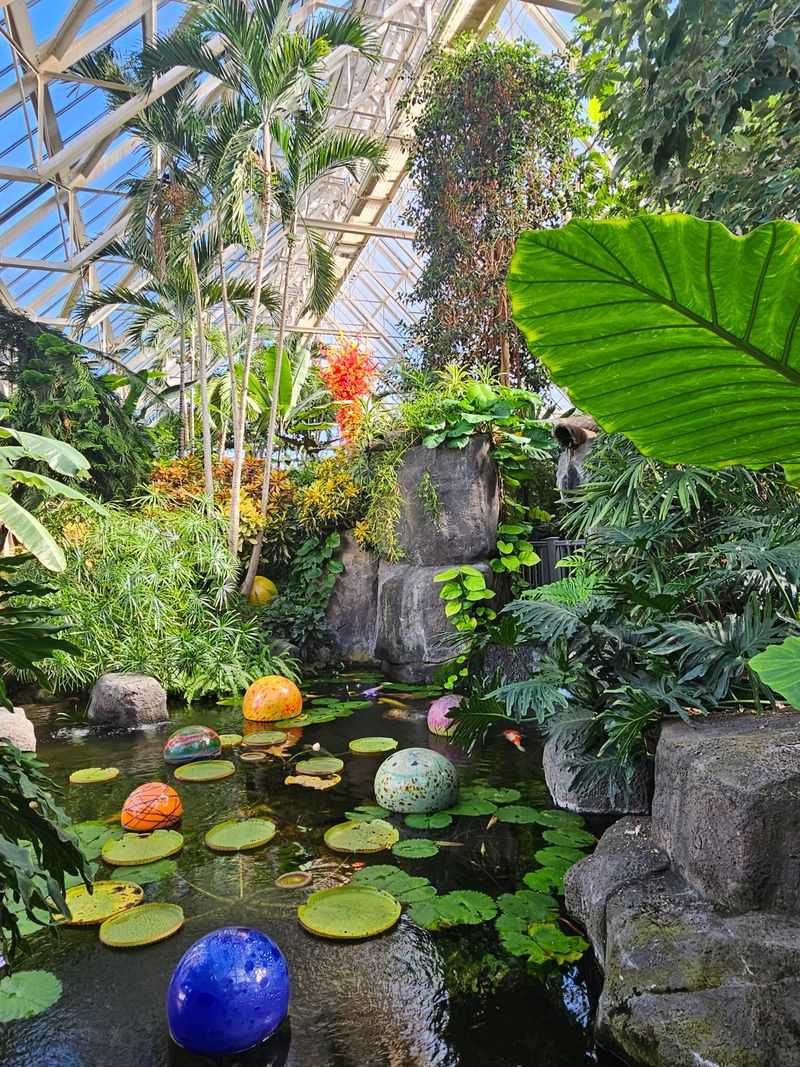
Imagine finding yourself surrounded by the sights and sounds of a Pacific island without leaving Ohio. The Pacific Island Water Garden recreates a tropical paradise complete with cascading waterfalls, lily pads floating on serene pools, and exotic plants that thrive in humid conditions.
The gentle sound of flowing water instantly melts away stress, making this one of the most calming spaces in the entire conservatory.
This exhibit teaches valuable lessons about aquatic gardening and the interconnected ecosystems found in tropical regions. You’ll discover how water plants help filter and oxygenate their environment, creating habitats for small creatures while beautifying the space.
Orchids dangle from overhead branches, bromeliads nestle in tree crotches, and vibrant hibiscus blooms add splashes of color throughout the garden.
Plant lovers often spend extended time here studying the layered planting techniques that maximize space and create visual interest. The garden demonstrates how different plants occupy various niches—from submerged aquatics to floating species to moisture-loving plants along the banks.
These principles can inspire home gardeners to create their own water features, even on a smaller scale, bringing that same peaceful tropical atmosphere to backyard spaces.
3. Desert Biome: Surviving And Thriving In Arid Conditions
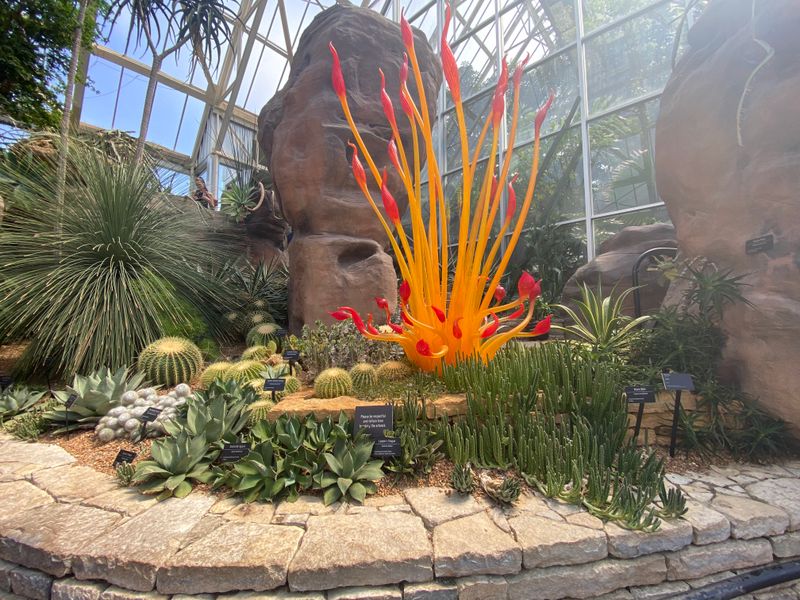
Prepare to be amazed by plants that have mastered the art of survival in some of Earth’s harshest environments. The Desert Biome showcases an incredible collection of cacti, succulents, and other drought-adapted plants from deserts around the world.
Towering saguaros stand like sentinels while barrel cacti display their geometric perfection, and delicate living stones blend seamlessly with the rocky terrain.
What makes this exhibit particularly valuable for gardeners is learning how these plants have evolved remarkable strategies for water conservation. Thick waxy coatings, reduced leaf surfaces, extensive root systems, and water-storing tissues all represent ingenious adaptations that home gardeners can appreciate when cultivating their own succulent collections.
The exhibit clearly labels each species with its native habitat and care requirements.
Many visitors find inspiration here for creating low-maintenance, water-wise gardens at home. With climate challenges making water conservation increasingly important, understanding desert plants becomes practical knowledge.
The dramatic forms and surprising blooms of these resilient plants prove that sustainable gardening doesn’t mean sacrificing beauty. From tiny echeverias to massive agaves, the Desert Biome celebrates plants that flourish with minimal resources while making maximum visual impact.
4. Seasonal Floral Displays: Nature’s Calendar In Bloom
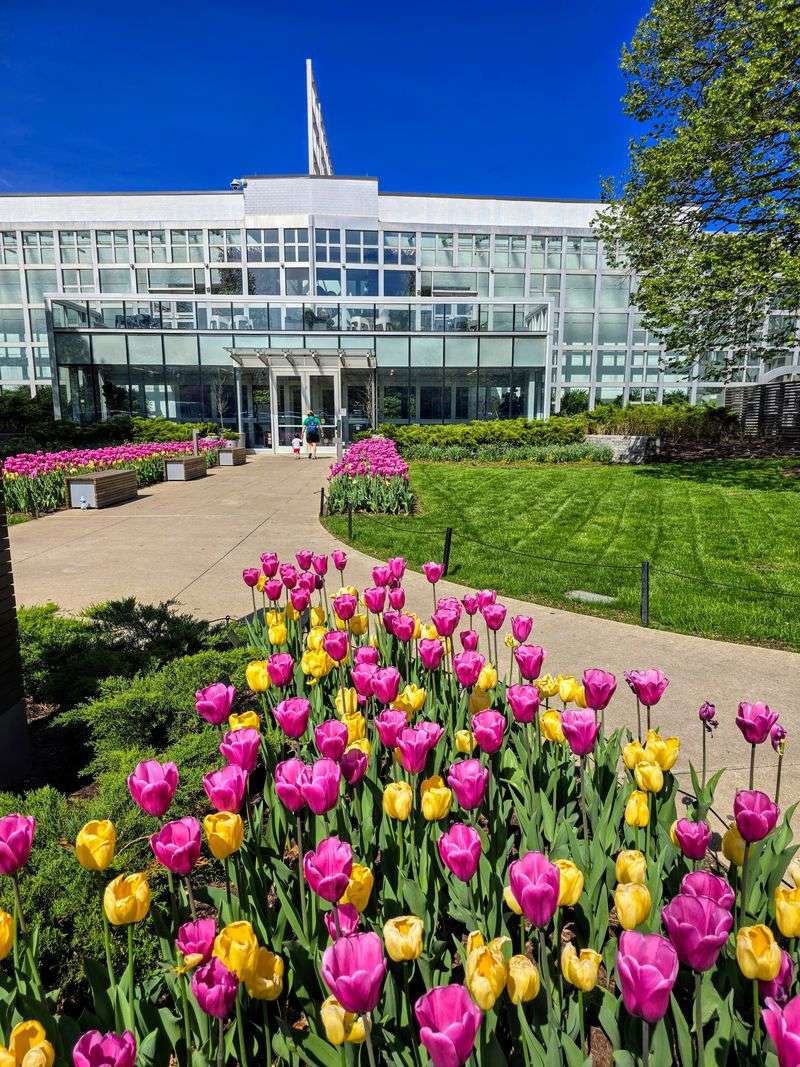
Few experiences match the joy of encountering thousands of flowers in full bloom during Ohio’s coldest months. Franklin Park Conservatory transforms its main gallery several times yearly with spectacular seasonal displays that showcase everything from spring tulips to autumn chrysanthemums.
These rotating exhibits ensure that every visit offers something new and exciting, regardless of the weather outside.
The spring bulb show particularly captivates visitors, featuring waves of tulips, daffodils, hyacinths, and crocuses that herald the coming season. Gardeners study the color combinations, planting patterns, and companion plant pairings that create such stunning effects.
The conservatory’s horticulturists share their expertise through educational signage explaining forcing techniques, bulb selection, and care tips that home gardeners can apply.
Summer brings tropical splendor with bold cannas, exotic gingers, and vibrant coleus foliage, while fall displays celebrate the harvest season with ornamental kales, flowering cabbages, and cascading mums. Winter holidays transform the space into a wonderland of poinsettias and seasonal greenery.
These changing displays teach important lessons about plant selection, seasonal interest, and how to maintain year-round beauty in gardens through strategic planning and diverse plant choices.
5. Bonsai Courtyard: Ancient Art In Miniature Form
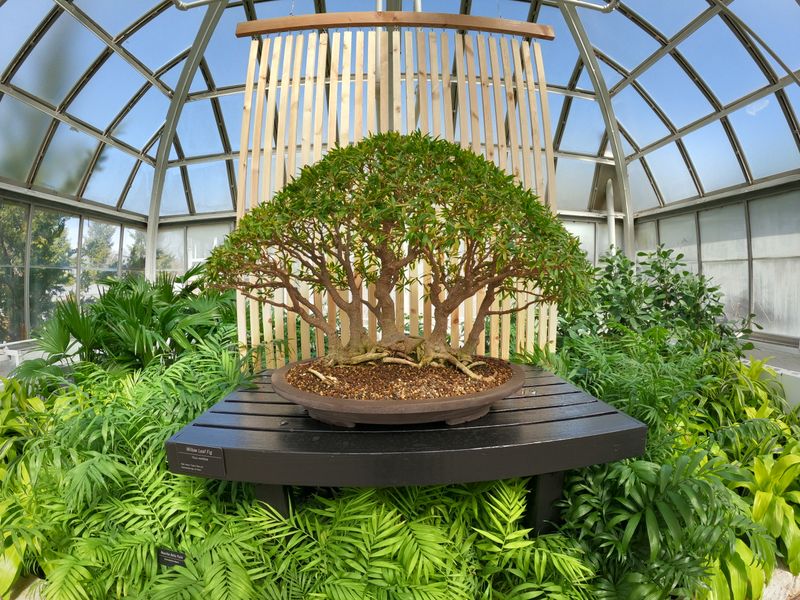
Enter a space where patience, skill, and artistry combine to create living sculptures that may be decades or even centuries old. The Bonsai Courtyard houses a remarkable collection of these miniature trees, each one carefully trained and pruned to embody the essence of its full-sized counterpart.
From windswept pines to elegant maples with brilliant fall color, these tiny trees command respect and admiration.
Bonsai cultivation represents one of gardening’s most meditative practices, requiring regular attention and a deep understanding of plant biology. Visitors learn how techniques like wiring, pruning, root trimming, and strategic watering shape these miniature landscapes.
The courtyard’s peaceful atmosphere encourages quiet contemplation, making it a favorite spot for those seeking respite from hectic schedules.
For aspiring bonsai enthusiasts, this collection provides invaluable education about species selection, styling approaches, and long-term care strategies. Information displays explain the difference between various bonsai styles, formal upright, informal upright, cascade, and forest plantings, helping newcomers understand this ancient art form.
The conservatory occasionally offers workshops where experts share techniques, allowing visitors to begin their own bonsai journey. This courtyard proves that even the smallest plants can create powerful connections between people and nature.
6. Community Garden Connections: Growing Together
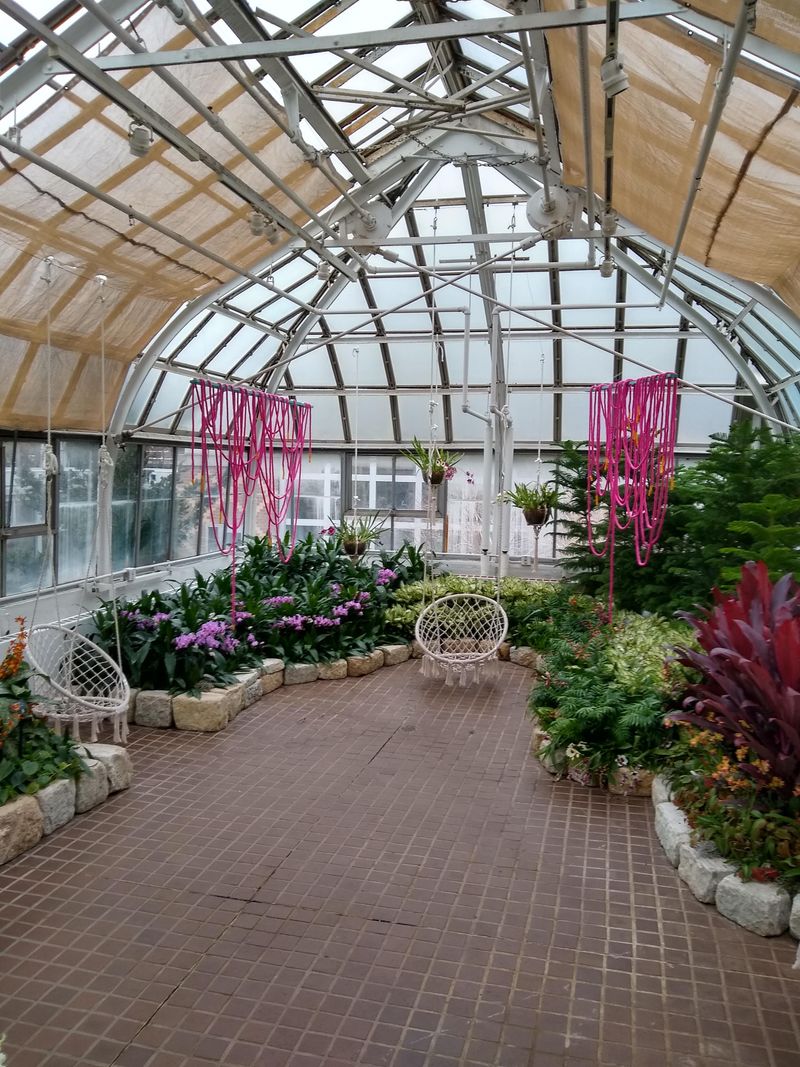
Beyond its stunning indoor displays, Franklin Park Conservatory actively supports local gardening through its community garden initiatives and educational programming. These efforts connect urban residents with the joys of growing their own food and flowers, strengthening neighborhood bonds while promoting sustainable practices.
The conservatory recognizes that botanical gardens serve not just as display spaces but as catalysts for community engagement.
Educational programs range from children’s gardening workshops to adult classes covering topics like organic vegetable cultivation, native plant landscaping, and pollinator garden design. Master gardeners share decades of accumulated wisdom, answering questions and troubleshooting common problems that plague home gardeners.
These connections create a supportive network where beginners gain confidence and experienced gardeners continue learning.
The conservatory’s commitment to accessibility ensures that gardening knowledge reaches diverse audiences regardless of economic circumstances. Seed libraries, tool lending programs, and subsidized class fees remove barriers that might prevent participation.
By fostering these community connections, Franklin Park Conservatory extends its mission beyond its glass walls, transforming neighborhoods throughout Columbus into greener, more vibrant spaces. This grassroots approach to botanical education creates lasting impact, inspiring the next generation of plant stewards and environmental advocates.
7. Orchid Collection: Exotic Elegance And Diversity
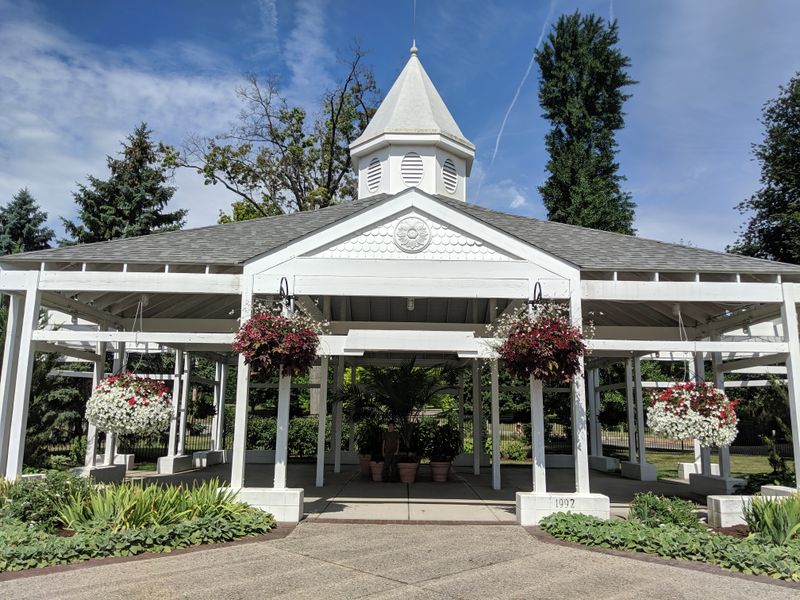
Orchids have captivated plant lovers for centuries with their extraordinary diversity and stunning blooms, and Franklin Park Conservatory maintains an impressive collection that showcases this vast plant family. With over 25,000 species existing in nature, orchids have adapted to nearly every habitat imaginable, from tropical rainforests to high mountain slopes.
The conservatory’s collection highlights this remarkable adaptability through carefully curated displays.
Visitors encounter everything from delicate moth orchids with cascading flower spikes to dramatic cattleyas in vibrant purples and yellows. Each species demonstrates unique growing requirements, teaching valuable lessons about humidity, light levels, temperature fluctuations, and air circulation.
The conservatory’s orchid experts have mastered the art of recreating these specific conditions, allowing species from around the world to thrive side by side.
Many people assume orchids are impossibly difficult to grow, but the conservatory works to dispel this myth through educational displays and care guides. Learning that many orchids actually tolerate typical home conditions encourages visitors to try growing these elegant plants themselves.
The collection proves that with proper understanding of each plant’s needs, orchid cultivation becomes an achievable and deeply rewarding hobby that brings exotic beauty into everyday living spaces.
8. Children’s Garden: Planting Seeds Of Wonder
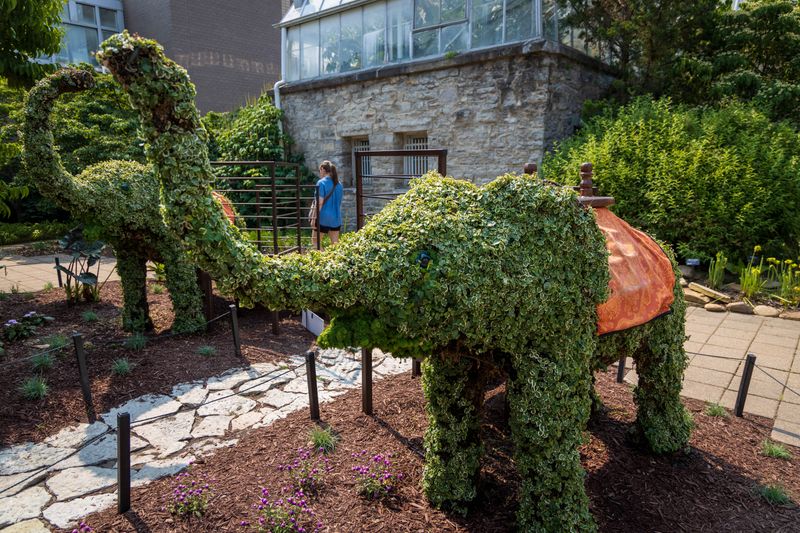
Young minds blossom when given opportunities to dig in the soil, plant seeds, and watch nature unfold before their eyes. The Children’s Garden at Franklin Park Conservatory creates magical learning experiences that introduce kids to botany, ecology, and environmental stewardship through hands-on exploration.
Interactive exhibits allow children to climb, touch, smell, and discover plants in ways that spark curiosity and build lasting connections with nature.
Specially designed activity areas teach fundamental gardening concepts at age-appropriate levels. Kids learn how seeds germinate, why plants need sunlight and water, and how gardens support beneficial insects and pollinators.
Whimsical sculptures and playful design elements make learning feel like adventure rather than instruction. Many families report that visits to the Children’s Garden inspire backyard gardening projects at home.
The conservatory recognizes that today’s children will become tomorrow’s environmental decision-makers, making early nature education critically important. By creating positive associations with plants and gardening during childhood, the Children’s Garden cultivates the next generation of botanists, horticulturists, and nature advocates.
Parents appreciate having a space where kids can safely explore while developing appreciation for the natural world. These early experiences often kindle lifelong passions for gardening and environmental conservation.
9. Art And Nature Integration: Sculpture Meets Botany
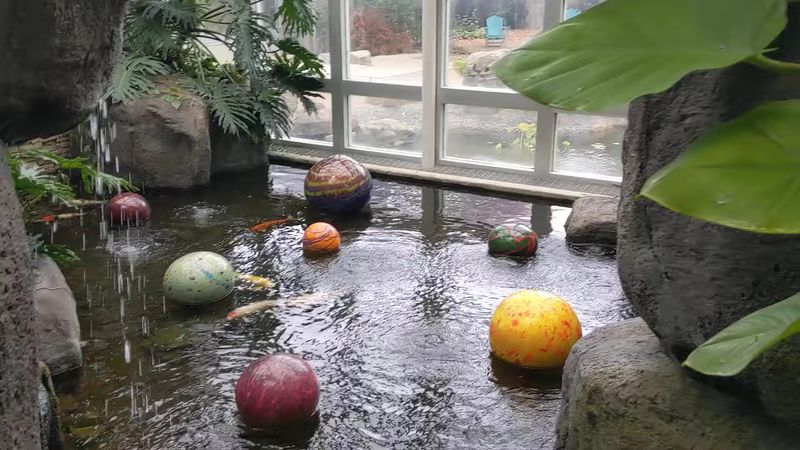
Franklin Park Conservatory stands apart from traditional botanical gardens through its innovative integration of contemporary art with living plant collections. World-renowned glass artist Dale Chihuly’s spectacular installations complement the botanical displays, creating breathtaking combinations of human creativity and natural beauty.
Brilliant glass sculptures nestle among ferns, float on lily ponds, and spiral upward through palm fronds, blurring boundaries between art gallery and garden.
This unique approach demonstrates how artistic expression and horticultural excellence can enhance each other rather than compete for attention. The bold colors and organic forms of the glass pieces echo shapes found throughout the plant kingdom – unfurling fronds, delicate petals, flowing water, and twisting vines.
Visitors often pause to photograph these stunning compositions, finding new perspectives with each visit as plants grow and seasonal displays change.
The conservatory’s commitment to showcasing art alongside plants attracts diverse audiences who might not typically visit botanical gardens. Art enthusiasts discover newfound appreciation for plants, while garden lovers gain exposure to contemporary sculpture.
This cross-pollination of interests enriches the visitor experience and proves that gardens can serve multiple purposes simultaneously. The fusion of art and nature creates an inspiring environment that feeds both creative spirit and love of the botanical world.