This Easy Indoor Method Helps Ohio Gardeners Grow Snow Oyster Mushrooms At Home
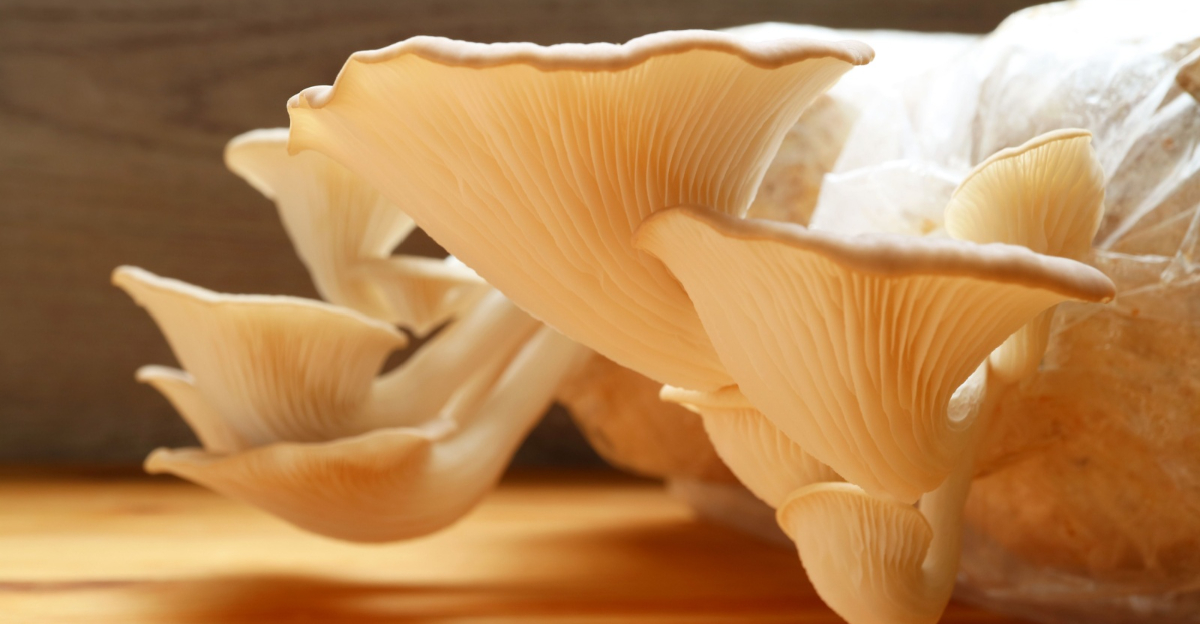
A growing number of Ohio gardeners are turning spare corners, kitchen counters, and even closets into surprisingly productive growing spaces. The appeal is easy to understand.
Snow oyster mushrooms offer quick harvests, minimal space requirements, and a hands-on experience that feels both practical and satisfying. No backyard garden or large setup required, just a simple indoor system that fits into everyday life.
Cooler indoor temperatures across Ohio can actually work in your favor, creating conditions that support steady growth without complicated adjustments. A small container, the right growing medium, and a bit of attention to moisture and airflow can lead to impressive results in a short time.
Many university extension programs note that oyster mushrooms are among the most adaptable species for home cultivation. Watching clusters form and develop adds an extra layer of excitement that many first-time growers do not expect.
Fresh, homegrown mushrooms end up on the plate within weeks, often with better texture and flavor than store-bought options. Their fast growth cycle is one reason they are commonly recommended for beginners.
Indoor mushroom growing has gained attention across Ohio, especially among gardeners looking to extend their growing season beyond traditional outdoor crops. Once the process becomes familiar, it starts to feel like a natural extension of everyday gardening.
1. Understanding Why Snow Oyster Mushrooms Thrive Indoors In Ohio
Ohio’s climate has a reputation for being unpredictable, but that same cool, damp air that stretches through much of the year can support indoor mushroom growing. Snow oyster mushrooms tend to prefer cooler conditions compared to many other edible varieties.
Temperatures between about 50 and 65 degrees Fahrenheit often support healthy fruiting, which aligns well with many Ohio homes during fall, winter, and early spring. Warmer temperatures can still work, but growth may change slightly in speed or appearance.
Pleurotus ostreatus varieties, including cold-tolerant strains often referred to as snow oysters, are known for adapting well to controlled indoor environments. Extension resources frequently highlight oyster mushrooms as one of the easiest types for home growers due to their flexibility and fast colonization.
A greenhouse or expensive setup is not required for this process.
Many Ohio gardeners find that basements, garages, or unused rooms provide stable conditions for consistent growth. Spaces that stay slightly cool and can hold humidity tend to work especially well.
Even a shaded corner of a room can be enough when conditions are managed properly.
Starting with a clear understanding of temperature preferences and environmental needs helps reduce trial and error. That foundation often leads to more reliable results and a smoother first growing experience.
2. Setting Up A Simple Indoor Growing Space And Substrate
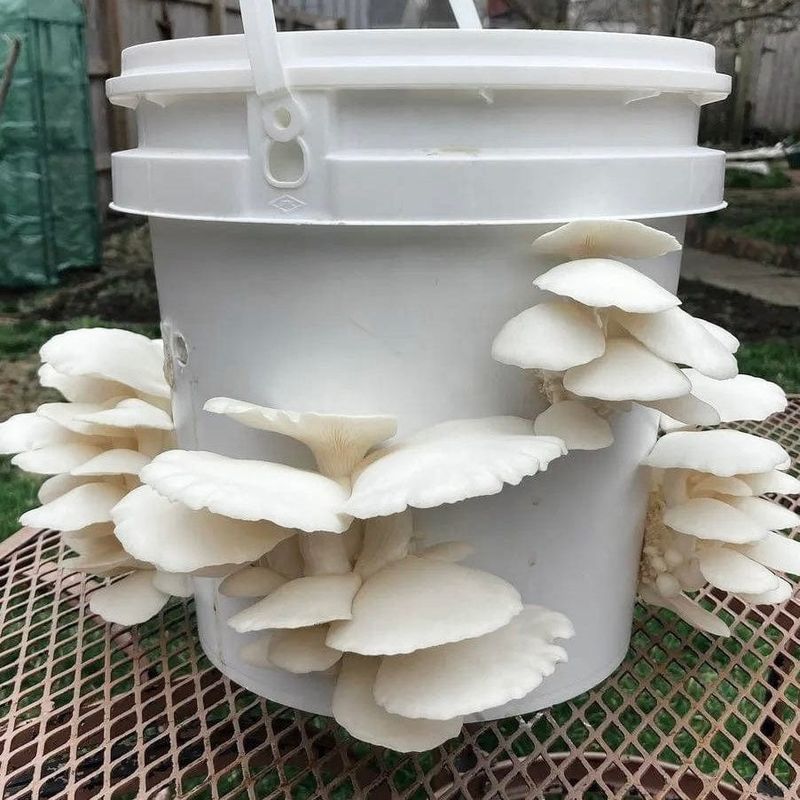
Setting up a functional growing space can feel surprisingly manageable once the basics are in place. A closet shelf, basement corner, or plastic storage bin can serve as a practical starting point without requiring major adjustments to your home.
Focus on choosing a space where moisture can be controlled without damaging nearby surfaces. Good airflow and easy access for daily checks also make a noticeable difference over time.
Substrate plays a major role in overall success. Oyster mushrooms grow well on materials like hardwood sawdust, straw, and even pasteurized agricultural byproducts.
Many Ohio growers prefer wheat straw because it is widely available and relatively affordable.
Proper preparation of substrate matters. Pasteurizing straw by soaking it in hot water around 160 degrees Fahrenheit for about an hour helps reduce competing organisms without fully sterilizing the material.
This step supports stronger mycelium growth and more consistent results.
After cooling, the substrate can be packed into bags or containers and mixed with mushroom spawn. Using breathable filter patches or small air holes helps maintain gas exchange during growth.
Keeping containers elevated on shelves or racks improves airflow and reduces the risk of excess moisture buildup. A clean, simple setup like this can be assembled in a short amount of time and creates a solid foundation for healthy colonization.
3. Managing The Incubation Stage For Strong Mycelium Growth
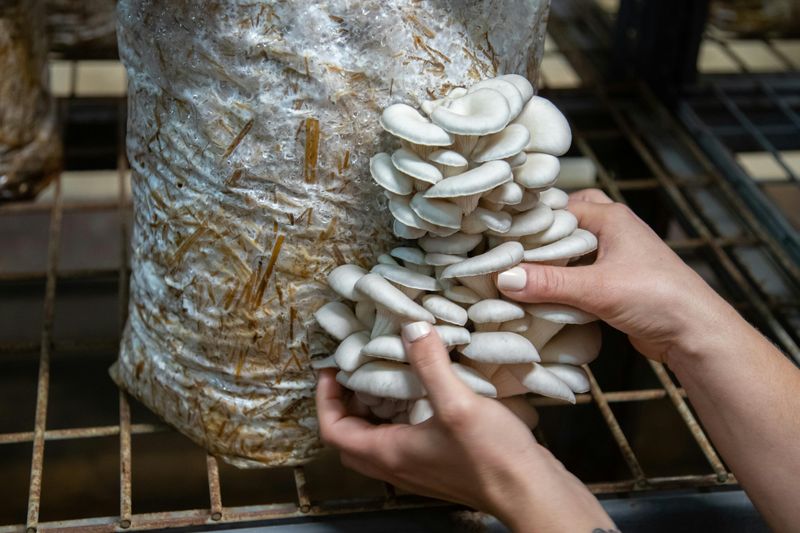
Once the spawn is mixed into the substrate, attention shifts to the colonization phase. During this stage, the mycelium spreads through the material, gradually forming a dense, white network.
This process often takes about 10 to 21 days depending on temperature, moisture levels, and the quality of the spawn. Slight variations are normal, especially in different Ohio home environments.
A dim or dark space works well during incubation. Temperatures between roughly 60 and 75 degrees Fahrenheit tend to support steady growth without stressing the developing mycelium.
Consistency matters more than hitting an exact number.
Avoid placing containers near heating vents, drafty windows, or areas with frequent temperature swings. Sudden changes can slow colonization or create uneven growth patterns within the substrate.
Healthy mycelium appears bright white and spreads evenly. Any unusual colors such as green, black, or pink may indicate contamination, which should be addressed quickly to prevent spreading.
Patience during this stage pays off later. Allowing the substrate to fully colonize before moving to fruiting conditions helps support stronger, more productive flushes.
Rushing this phase can lead to weaker yields or inconsistent growth.
4. Creating Ideal Fruiting Conditions With Humidity, Light, And Fresh Air
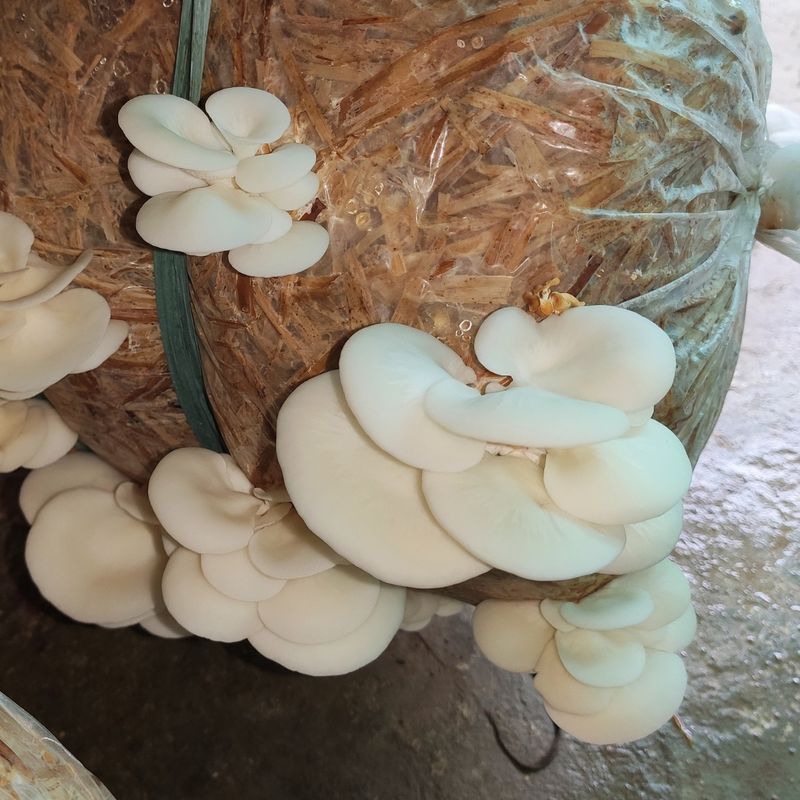
Shifting into fruiting conditions brings visible progress and requires a bit more attention to environmental balance. Snow oyster mushrooms respond to changes in humidity, light, and airflow by forming small pin-like structures that develop into full clusters.
Humidity levels around 85 to 95 percent are commonly recommended for oyster mushroom fruiting. Maintaining this range can be done with regular misting or by using a small humidifier nearby.
Consistent moisture in the air supports proper cap formation and helps prevent drying at early stages. Light misting once or twice a day is often enough for many Ohio setups, though adjustments may be needed depending on indoor air conditions.
Fresh air exchange plays an equally important role. High carbon dioxide levels can lead to elongated stems and smaller caps.
Gentle airflow from a slightly open window or a low fan setting helps maintain balance without creating harsh drafts.
Indirect light also supports normal development. A nearby window or a simple LED light on a regular cycle provides enough exposure for healthy growth patterns. Direct sunlight is not necessary and can dry out the growing surface.
Balancing these three factors creates an environment where mushrooms can develop steadily and form well-shaped clusters.
5. Avoiding Common Indoor Growing Mistakes That Slow Progress
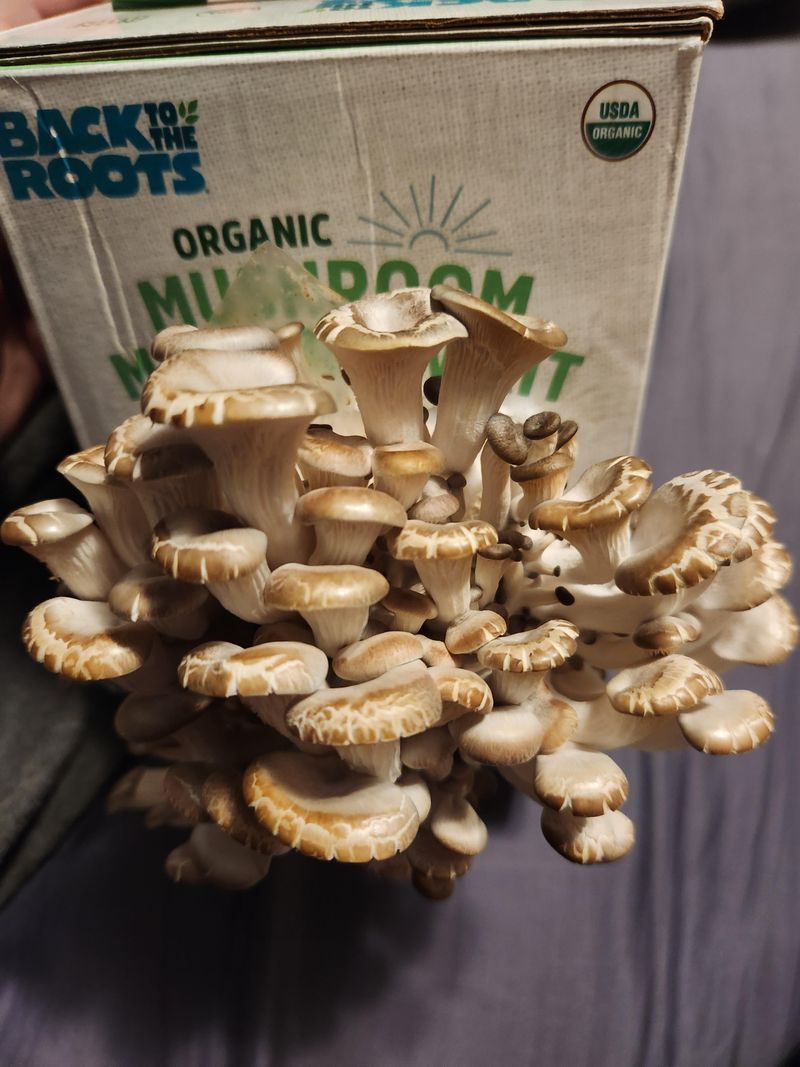
Even a well-prepared setup can run into challenges without careful observation. One of the most common issues involves incomplete substrate preparation, which allows competing organisms to establish themselves before the mycelium has fully taken over.
Taking time to properly pasteurize materials reduces that risk and creates a more stable starting point.
Dry indoor air is another challenge, especially during Ohio winters when heating systems reduce humidity levels. Monitoring moisture with a simple hygrometer can help prevent conditions from dropping too low.
Overwatering can be just as problematic. Excess moisture sitting on the substrate surface may lead to bacterial issues or uneven growth patterns. A steady, balanced approach to misting tends to produce better results over time.
Handling practices also matter more than many beginners expect. Clean hands, sanitized tools, and minimal disturbance help protect developing mushrooms from contamination.
Another often overlooked factor is spacing. Crowded growing areas can limit airflow and create pockets of trapped humidity, which may lead to inconsistent results. Giving each container a bit of breathing room improves overall conditions.
Paying attention to these details early on helps create a smoother growing experience and supports more reliable harvests across multiple cycles.
6. Recognizing The Right Time To Harvest For Best Results
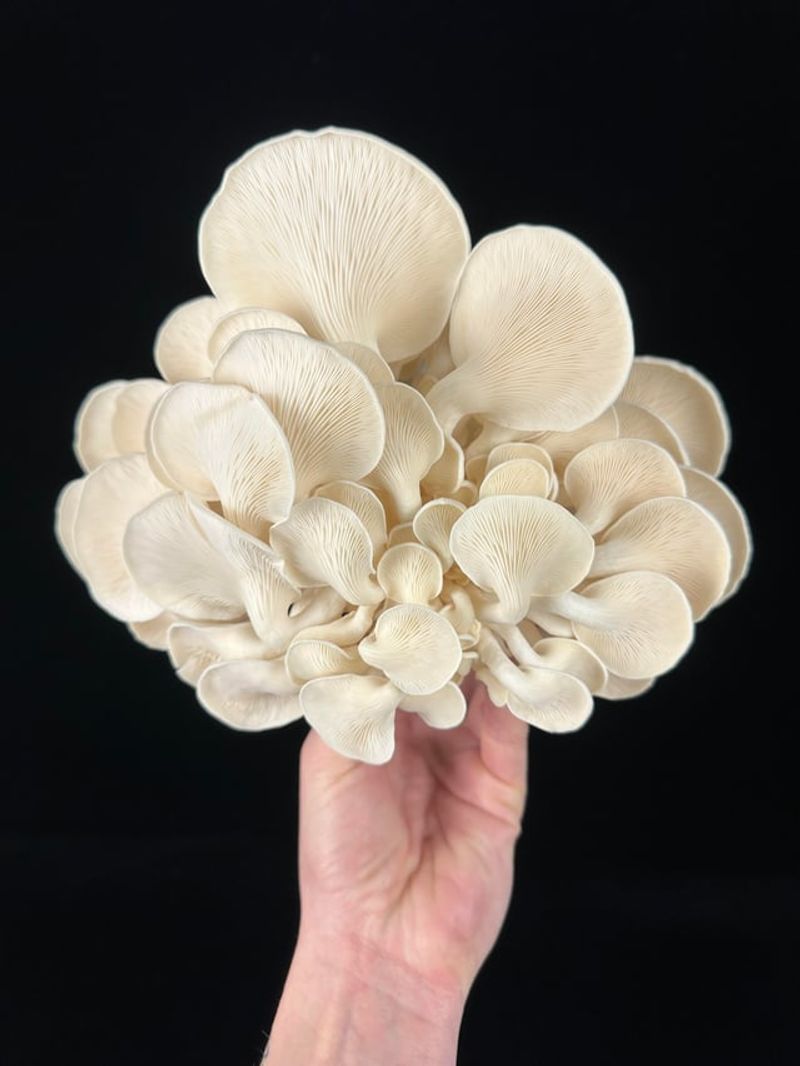
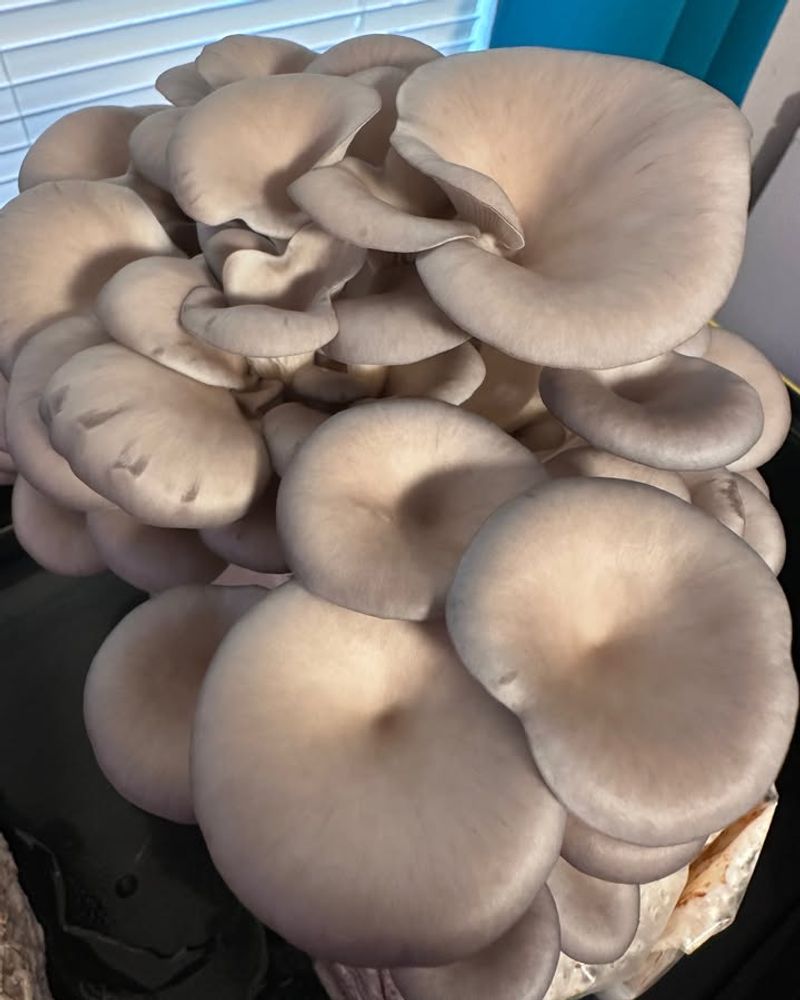
Subtle visual cues signal when mushrooms are ready to harvest. Snow oyster mushrooms are typically at their peak when the caps are fully formed and still curve slightly downward at the edges.
As the caps flatten and begin to lift, the mushrooms continue maturing and may start releasing spores. Harvesting just before this stage often provides the best balance of texture and flavor.
Growth during fruiting can move quickly. Clusters may expand noticeably within a single day when conditions are stable.
Regular observation helps ensure the ideal window is not missed.
Most harvests occur about 5 to 10 days after pins first appear, though timing can vary depending on temperature and humidity levels in Ohio homes.
Removing the cluster by gently twisting and pulling from the base helps keep the substrate intact. Clean removal reduces leftover material that could affect future flushes.
Freshly harvested mushrooms tend to have a mild flavor and a firm texture that holds up well during cooking. Their ability to absorb seasoning makes them a versatile addition to many dishes.
7. Harvesting And Encouraging Additional Flushes
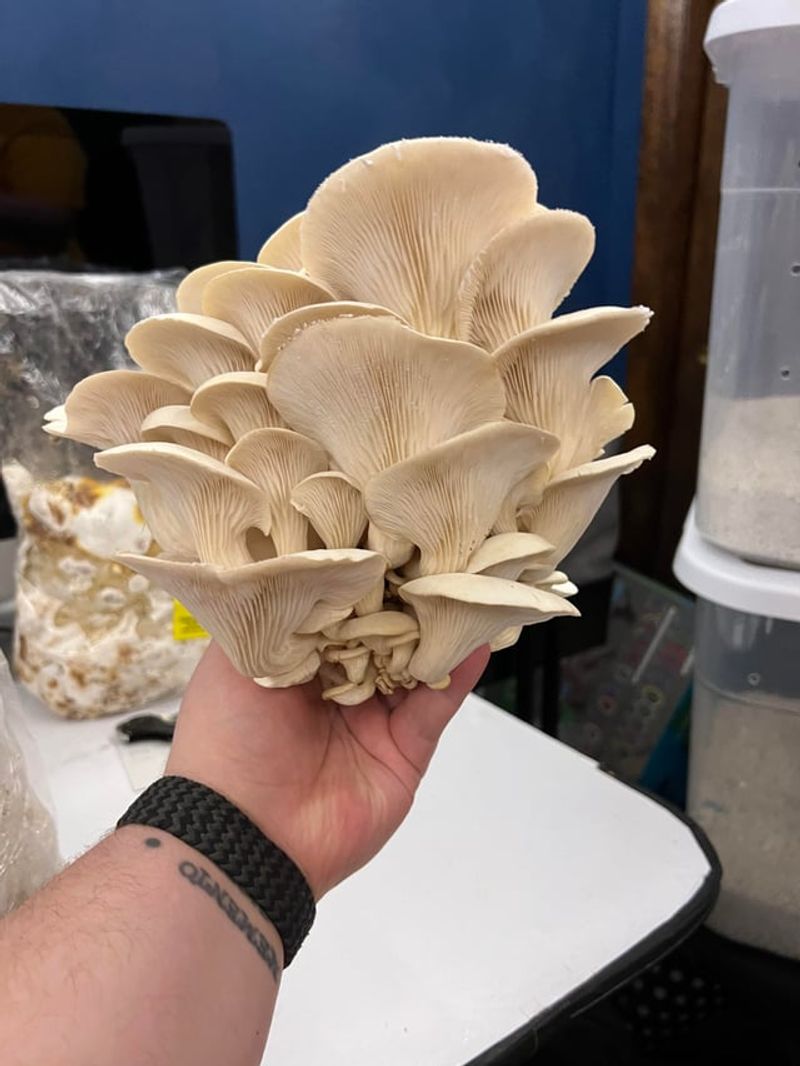
A single substrate block can continue producing mushrooms beyond the first harvest. Additional rounds, often called flushes, develop as long as moisture and nutrients remain available.
Many growers see two to four flushes under steady conditions, though results can vary based on care and environment.
After harvesting, removing leftover material and allowing the block to rest briefly helps prepare it for another cycle. Rehydrating the substrate by soaking it in cool water for several hours restores lost moisture.
This step helps signal the mycelium to begin another round of growth.
Once rehydrated, returning the block to fruiting conditions allows the cycle to continue. Maintaining humidity and airflow supports new pin formation and steady development.
Later flushes may be smaller, but they often remain consistent in quality. Some Ohio growers find that spacing out harvest cycles leads to more predictable results.
Spent substrate still has value. Adding it to outdoor garden beds can occasionally produce additional mushrooms during mild Ohio weather, especially in shaded and damp areas where conditions remain favorable.