This Eco-Friendly Mulch Trend Rises In Popularity In Pennsylvania Gardens
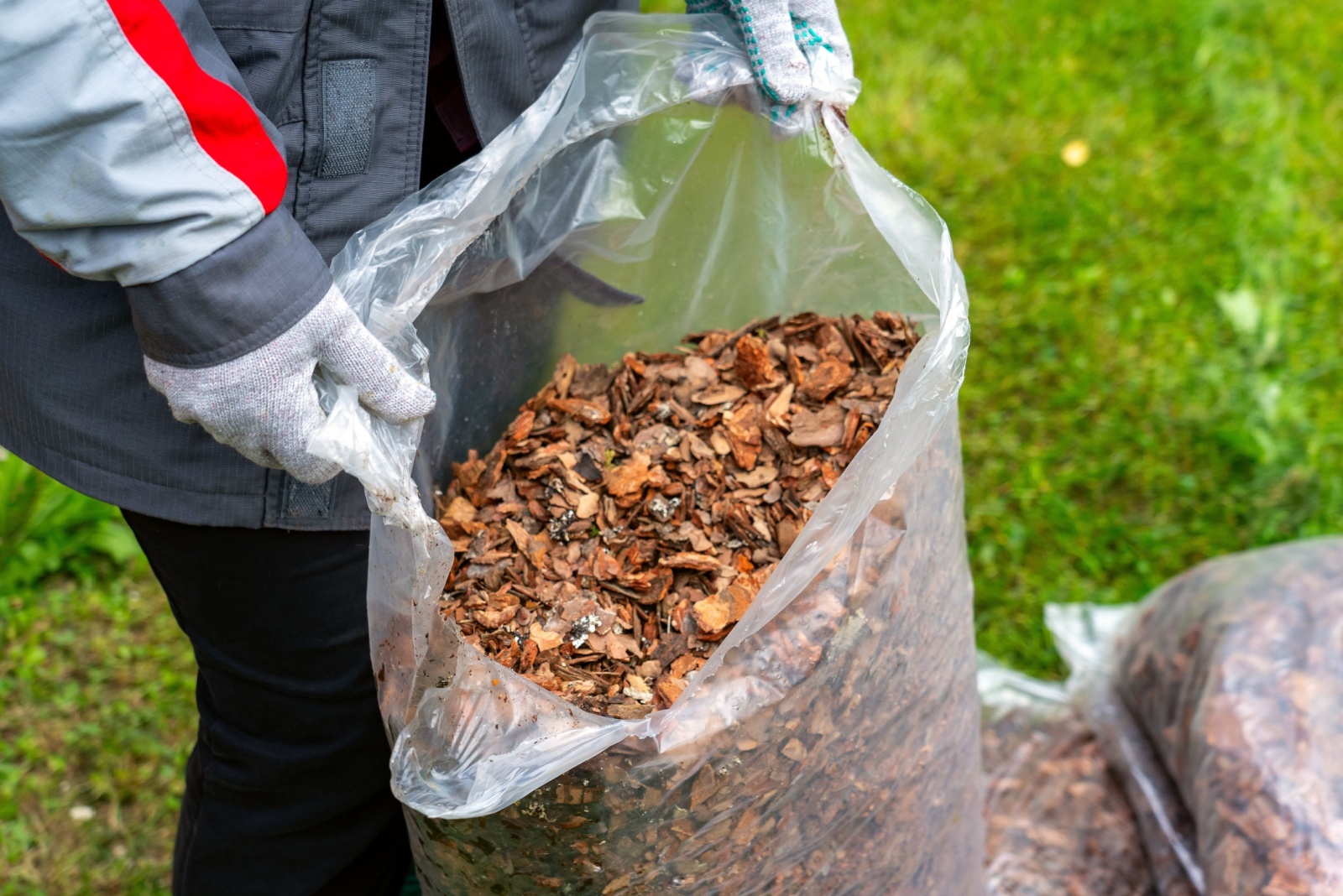
Garden beds often struggle to stay moist, tidy, and nutrient-rich, yet leaf mulch now rises as the trend sweeping through neighborhoods with remarkable momentum.
Gardeners praise its clean look, natural origin, and steady performance through shifting seasons.
Soil holds moisture longer, weeds lose their footing, and the entire landscape gains a polished finish that once demanded far more effort.
This option also appeals to homeowners who value sustainability, since fallen leaves break down cleanly and enrich soil with a steady supply of organic matter.
As more yards adopt leaf mulch, a clear pattern emerges: simple choices, rooted in nature, can elevate a garden far beyond expectations.
Free Mulch Right From Your Yard
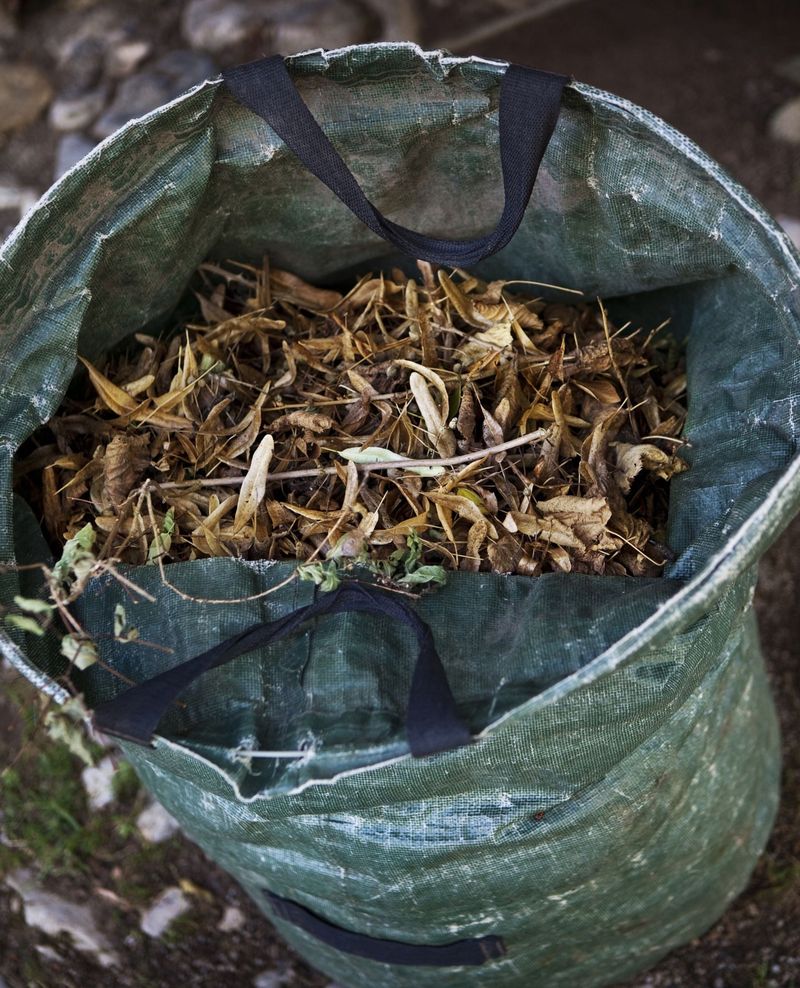
Your lawn produces all the mulch you need every single fall.
Raking up leaves and shredding them creates a valuable garden resource without spending a penny at the store.
Many Pennsylvania homeowners now see their leaf piles as garden gold instead of yard waste.
A standard lawn mower with a mulching blade can chop leaves into perfect-sized pieces in minutes.
You can also use a leaf shredder or simply run over leaves multiple times with your regular mower.
The smaller the pieces, the faster they break down and feed your soil.
Most properties generate enough leaves to cover garden beds with a thick protective layer.
Oak, maple, and birch trees common throughout Pennsylvania drop nutrient-rich leaves perfect for mulching.
Collecting leaves from neighbors who don’t want theirs can give you even more free material.
Storing shredded leaves in bags or bins means you’ll have mulch ready whenever you need it.
Spring planting becomes easier when you have a stash of leaf mulch waiting.
Your wallet will thank you for choosing this zero-cost option.
Natural Weed Barrier That Actually Works
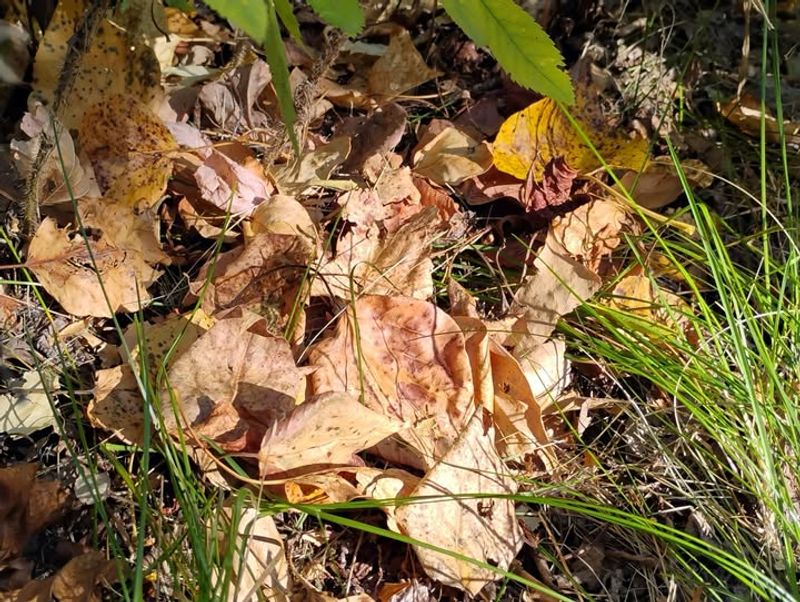
Spreading a three-to-four-inch layer of shredded leaves blocks sunlight from reaching weed seeds hiding in the soil.
Without light, most weeds simply cannot sprout and grow.
Gardens using leaf mulch see dramatically fewer weeds popping up between plants throughout the growing season.
Unlike landscape fabric that eventually tears or shifts, leaf mulch creates a flexible barrier that adjusts as plants grow.
The mulch stays in place through rain and wind while still allowing water to soak through to plant roots.
Any weeds tough enough to push through are easy to pull from the soft, moist mulch layer.
Pennsylvania gardeners report spending far less time pulling weeds after switching to shredded leaf mulch.
The mulch keeps working all season long, breaking down slowly while continuing to block new weed growth.
As it decomposes, it actually improves the soil underneath.
Reapplying a fresh layer each spring maintains the weed-blocking effect year after year.
Chemical weed substances become unnecessary when leaf mulch does the job naturally.
Your garden stays cleaner with less effort on your part.
Soil Gets Richer Every Year
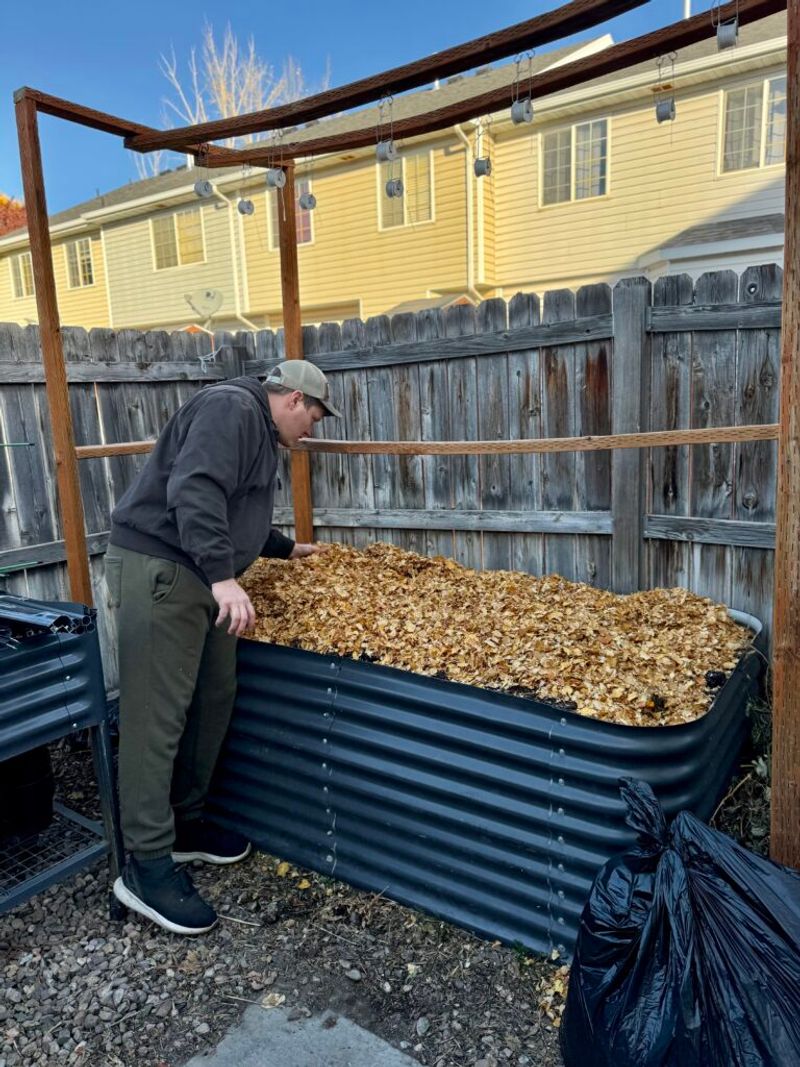
Shredded leaves break down over time, releasing nutrients directly into the soil where plant roots can use them.
Nitrogen, phosphorus, potassium, and trace minerals locked inside leaves become available as decomposition happens.
Your garden essentially feeds itself without needing bags of fertilizer from the store.
Microorganisms and earthworms feast on the leaf material, multiplying rapidly and creating a thriving underground ecosystem.
Their activity loosens compacted soil and creates channels for air and water to penetrate deeper.
The result is fluffy, dark soil that plants absolutely love.
Pennsylvania soils often lack organic matter, especially in newer developments where topsoil was removed during construction.
Adding shredded leaf mulch annually rebuilds that missing organic content naturally.
Within a few seasons, even poor soil transforms into productive garden earth.
Plants growing in leaf-enriched soil develop stronger root systems and resist drought better than those in unamended ground.
Vegetables taste better, flowers bloom more abundantly, and trees grow more vigorously.
The improvement happens gradually but becomes obvious after just one growing season.
Moisture Stays Where Plants Need It
Pennsylvania summers can bring dry spells that stress garden plants and turn lawns brown.
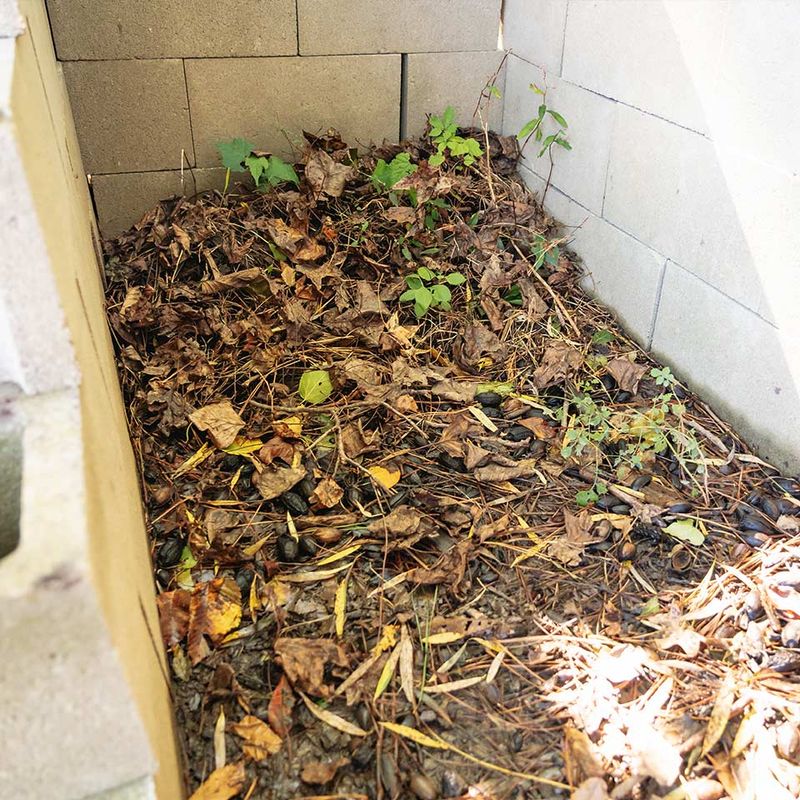
A thick blanket of shredded leaves acts like a sponge, holding moisture in the soil and reducing how often you need to water.
Rain and irrigation water soak through the mulch but then resist evaporating back into the air.
Gardens mulched with leaves stay moist days longer than bare soil after a good soaking.
Plant roots access that stored moisture during hot, dry periods without you running the hose constantly.
This saves water, lowers utility bills, and keeps plants healthier through summer heat waves.
The mulch layer also prevents hard rainfall from splashing soil onto plant leaves, which can spread diseases.
Water penetrates gently through the leaf pieces instead of running off hard-packed bare ground.
More water actually reaches plant roots instead of washing away.
During spring and fall rains common in Pennsylvania, leaf mulch prevents soil from becoming waterlogged by improving drainage.
The organic material creates space in the soil structure for excess water to drain away.
Your plants get consistent moisture without drowning in soggy conditions.
Winter Protection For Plant Roots
Pennsylvania winters swing between freezing and thawing, which can heave plants right out of the ground and damage tender roots.
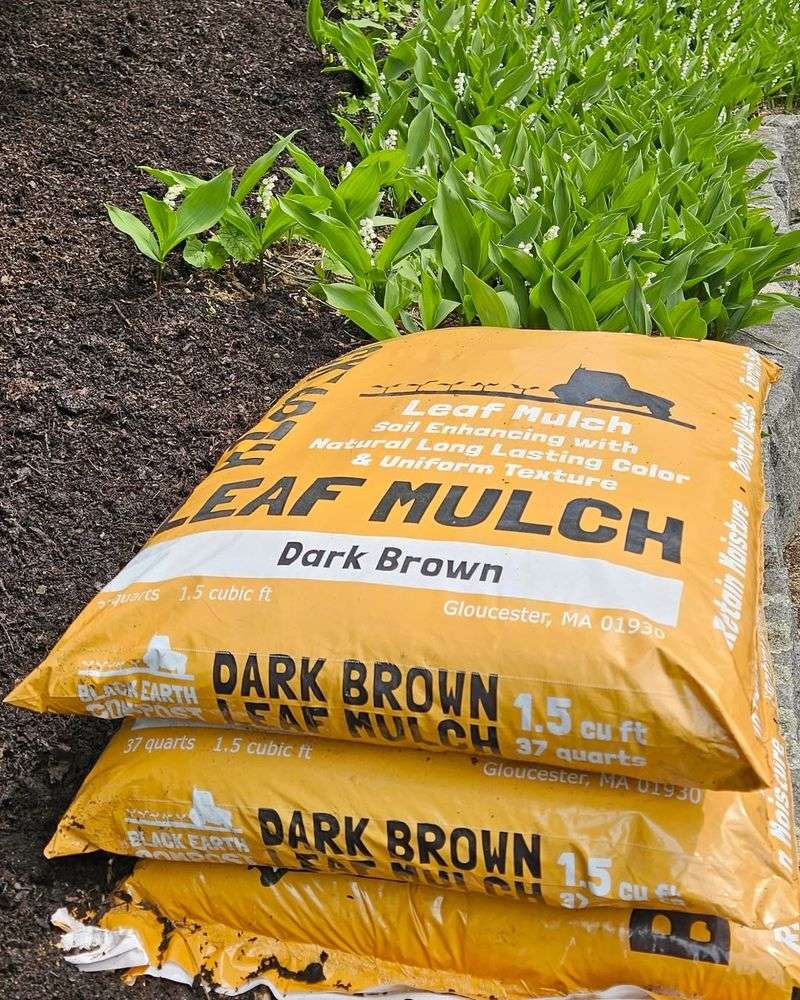
Shredded leaf mulch insulates the soil, keeping temperatures more stable even when the air turns bitter cold.
Perennials, shrubs, and young trees benefit enormously from this protective blanket.
Applying extra mulch in late fall gives plants their best chance of surviving harsh winter conditions.
The insulation prevents the ground from freezing as deeply, protecting roots from temperature extremes.
Spring arrives to find plants healthy and ready to grow instead of damaged by winter stress.
Bulbs planted in fall appreciate leaf mulch keeping the soil temperature consistent for proper root development.
The mulch also marks where bulbs are planted so you don’t accidentally dig them up before they emerge.
Come spring, shoots push through the decomposing leaves easily.
Strawberry plants, herbs, and other cold-sensitive perennials overwinter successfully under a thick leaf layer.
Remove excess mulch in early spring to let the soil warm up and plants emerge.
The remaining mulch continues working throughout the growing season.
Wildlife Finds Shelter And Food
Piles of shredded leaves create miniature ecosystems that beneficial creatures call home throughout the year.
Ground beetles, spiders, and centipedes that eat garden pests hide in the mulch during the day and hunt at night.
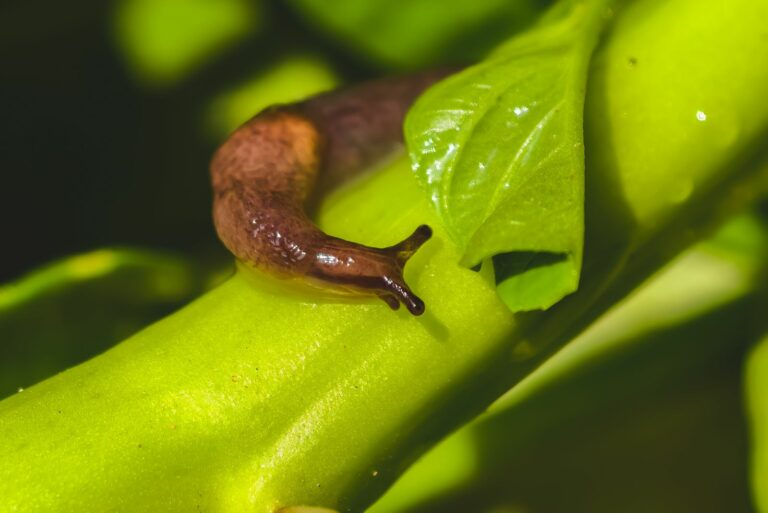
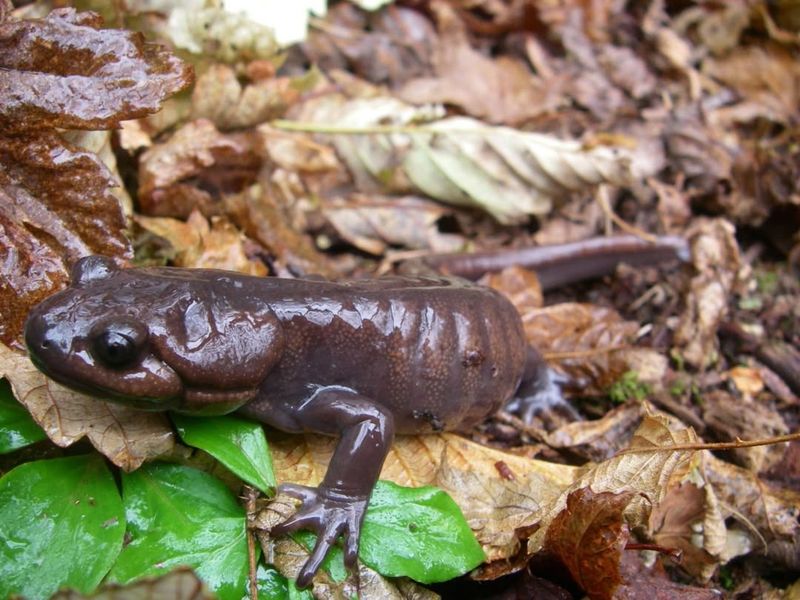
Toads and salamanders burrow into moist leaf piles, feasting on slugs and insects that damage plants.
Ladybugs and lacewings, famous for eating aphids, overwinter in protected leaf mulch and emerge hungry in spring.
Native bees nest in the ground beneath leaf-covered areas, pollinating your garden in exchange for safe habitat.
Birds scratch through leaf mulch searching for insects, seeds, and grubs.
Pennsylvania gardens with leaf mulch support far more wildlife diversity than those with bare soil or synthetic mulch.
Butterflies and moths lay eggs on plants knowing their caterpillars will find shelter in the leaf litter below.
This creates a balanced ecosystem where pest problems solve themselves naturally.
Children love discovering the creatures living in garden leaf piles, turning yard work into nature exploration.
Encouraging wildlife with leaf mulch reduces the need for pesticides while making your garden more interesting.
Nature does the pest control work for you when given proper habitat.
Carbon Stays In Your Soil Instead Of The Atmosphere
When leaves decompose in your garden instead of a landfill, the carbon they contain gets stored in the soil rather than released as methane gas.
Landfills produce significant greenhouse gas emissions, but home composting and mulching keep that carbon locked away underground.
Pennsylvania gardeners using leaf mulch are fighting climate change right in their own yards.
Soil rich in organic matter from decomposed leaves holds carbon for years or even decades.
Building up soil carbon improves garden health while removing carbon dioxide from the atmosphere.
Every bag of leaves you mulch instead of discarding makes a real environmental difference.
Municipal leaf collection programs cost taxpayers money and burn fossil fuels transporting leaves to processing facilities.
Keeping leaves on your property eliminates those costs and emissions entirely.
Your garden becomes a carbon sink instead of contributing to the waste stream.
Scientists recognize home composting and mulching as important climate solutions that anyone can practice.
Pennsylvania has millions of trees producing billions of leaves every autumn.
Imagine the positive impact if every homeowner mulched their leaves instead of sending them away.
Different Leaves Offer Different Benefits
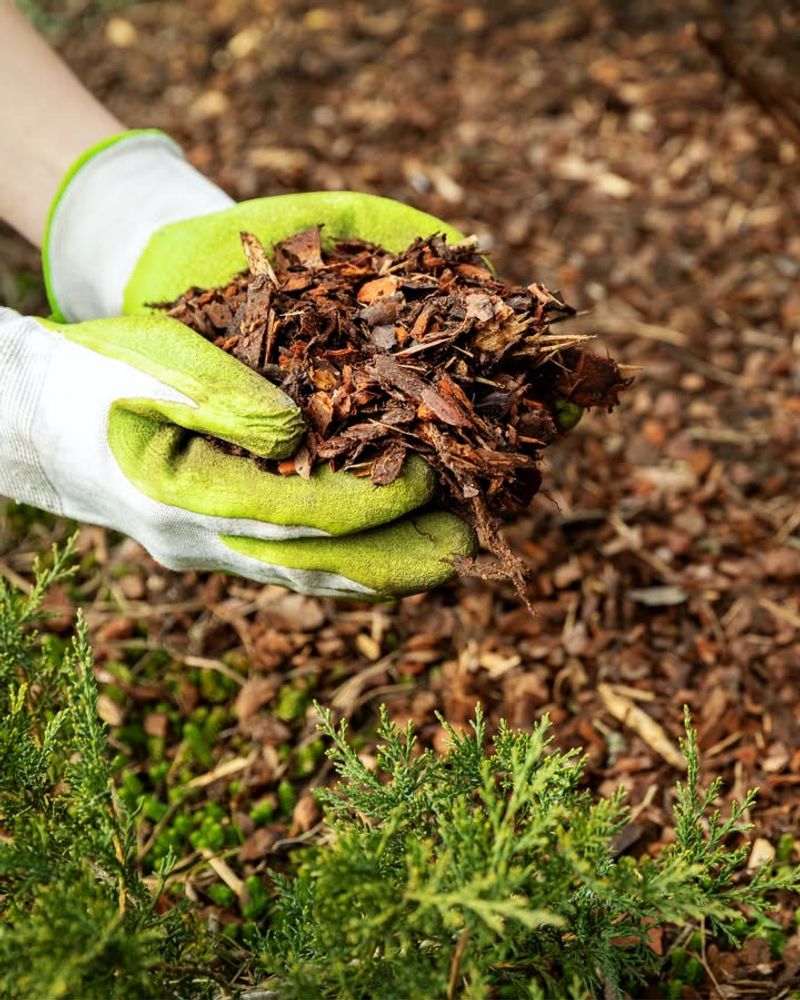
Oak leaves break down slowly, creating long-lasting mulch that holds its structure through winter and into the following summer.
Their slightly acidic nature makes them perfect for acid-loving plants like blueberries, azaleas, and rhododendrons common in Pennsylvania landscapes.
Shredded oak leaves make excellent pathways that resist compacting.
Maple leaves decompose more quickly, releasing nutrients faster and disappearing into the soil by mid-summer.
They work wonderfully for vegetable gardens where you want the mulch to enrich the soil before planting season ends.
Sugar maples produce sweet leaves that earthworms particularly enjoy.
Birch and fruit tree leaves are thin and break down rapidly, making them ideal for mixing into soil or using around annual flowers.
Walnut leaves contain juglone, which can harm some plants, so use them carefully around only walnut-tolerant species.
Most Pennsylvania gardens contain a mix of leaf types that balance quick and slow decomposition.
Combining different leaf types creates mulch with varied breakdown rates and nutrient profiles.
Experiment with different leaves in different garden areas to see what works best.
Your trees tell you exactly what will grow well in your local conditions.
Easy To Make And Apply
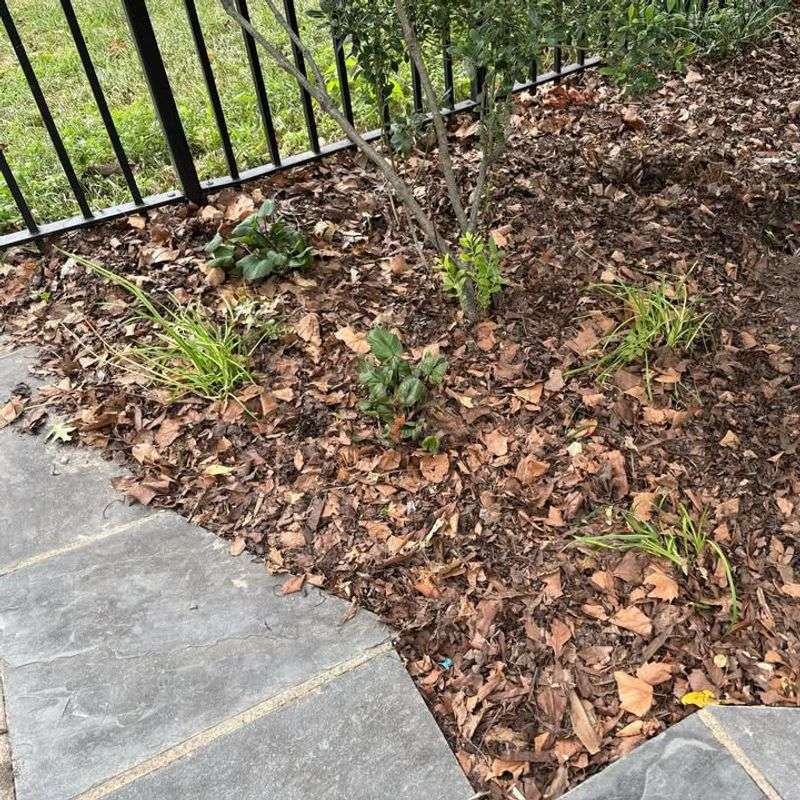
Making leaf mulch requires no special skills or expensive equipment beyond tools most homeowners already own.
Simply mow over dry leaves repeatedly until they’re chopped into pieces roughly the size of a quarter or smaller.
Wet leaves clog mowers, so wait for a dry day to do your shredding.
Bagging attachments on mowers collect shredded leaves for easy transport to garden beds and around trees.
Without a bagger, rake up the shredded leaves or use a leaf vacuum to gather them.
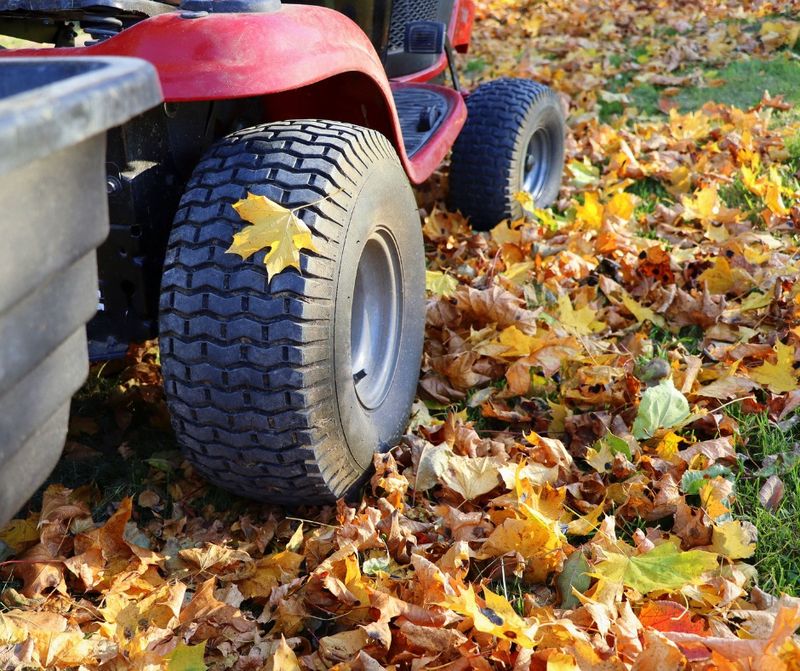
Some people spread leaves on the driveway and run over them with the car to shred them quickly.
Applying leaf mulch takes only minutes per garden bed.
Spread the shredded leaves in a layer three to four inches thick around plants, keeping mulch a few inches away from stems and trunks.
Water the mulch lightly to help it settle and stay in place during windy weather.
The whole process from raking to spreading takes less time than bagging leaves for disposal.
Pennsylvania homeowners discover that making their own mulch is actually easier than getting rid of leaves the old way.
Gardens look neat and professional with a fresh layer of natural mulch.