This Flower Helps Oregon Gardens Attract Pollinators And Add Color
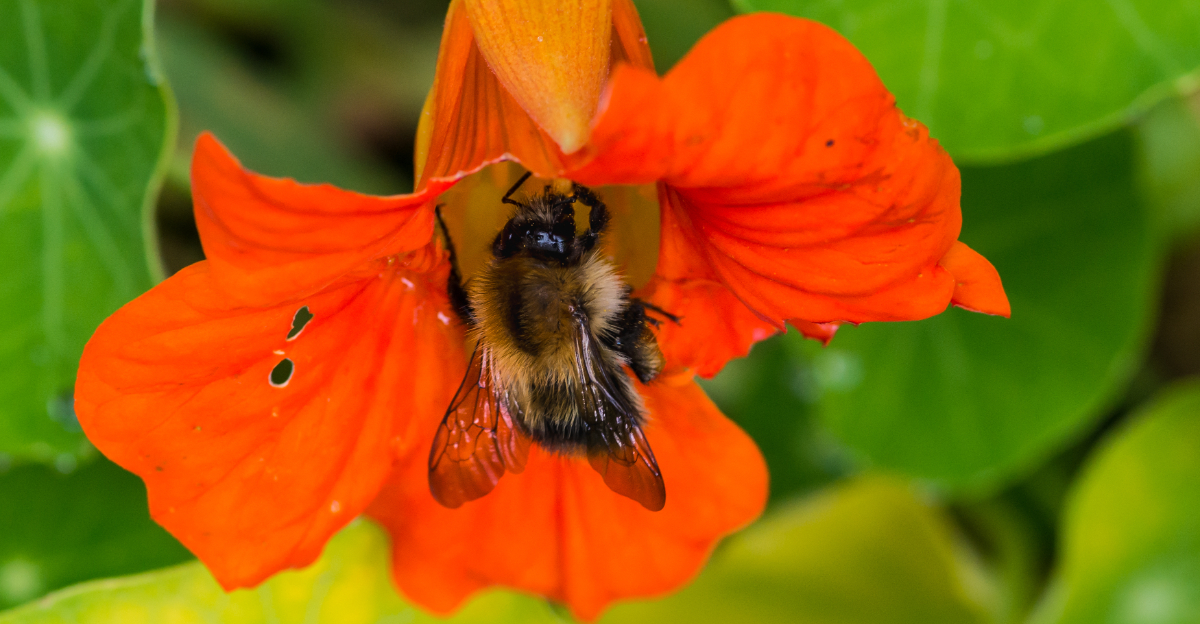
If you want to brighten up your Oregon garden and bring in more bees, butterflies, and other helpful pollinators, nasturtiums might be your new favorite flower.
These cheerful, easy-to-grow blooms come in shades of orange, red, and yellow that instantly make any garden pop.
Nasturtiums are not just pretty faces. They also serve a real purpose by feeding pollinators and even repelling certain garden pests.
Whether you have a big backyard in Portland or a small patio in Eugene, nasturtiums can work beautifully in your space. They are beginner-friendly, low-maintenance, and surprisingly useful in the garden.
Gardeners across Oregon are discovering just how much these simple flowers can do, from attracting wildlife to improving the health of nearby plants.
Read on to learn everything you need to know about growing nasturtiums in your Oregon garden.
Why Nasturtiums Attract Pollinators
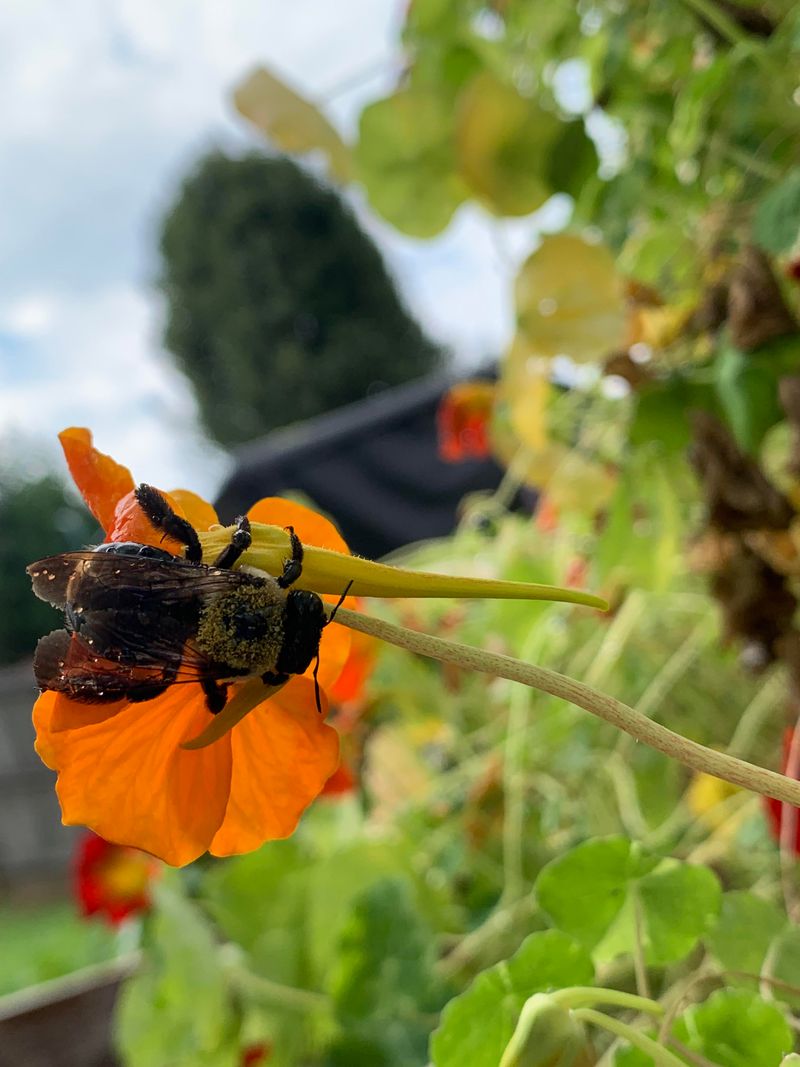
Bees, butterflies, and hummingbirds absolutely love nasturtiums. The flowers produce a good amount of nectar, which makes them a reliable food source for pollinators throughout the growing season.
In Oregon, where native bee populations are important for local ecosystems, having nectar-rich plants in your yard really matters.
Nasturtiums have a funnel-shaped bloom that makes it easy for pollinators to access the nectar inside. The bright orange, red, and yellow colors act like a beacon, drawing insects and birds from a distance.
Even on a cloudy Oregon day, those bold colors stand out.
What makes nasturtiums especially helpful is that they bloom for a long time. From late spring through fall, they keep producing fresh flowers.
That means pollinators have a steady food source during the months when they need it most.
Planting nasturtiums near vegetable beds or fruit trees in your Oregon garden can actually improve your harvest. When more pollinators visit your yard, more of your plants get pollinated.
That leads to better fruit and vegetable production overall. Nasturtiums basically do double duty by looking gorgeous and supporting the local ecosystem at the same time.
Even a small patch of them can make a noticeable difference in how many pollinators visit your outdoor space each season.
Bright Color For Oregon Gardens
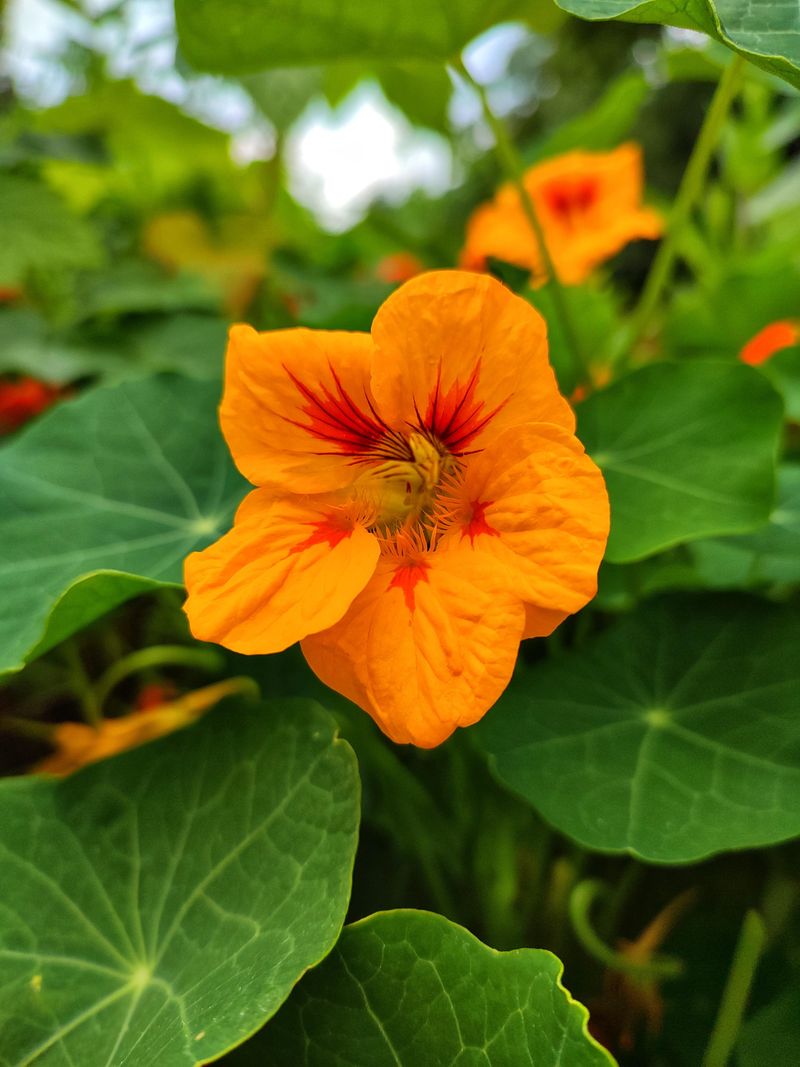
Few flowers can match the cheerful energy that nasturtiums bring to a garden. Their warm tones of orange, red, gold, and cream stand out beautifully against the lush green backdrop that Oregon gardens are known for.
They add instant visual impact without much effort at all.
Oregon summers can be mild and sometimes overcast, especially near the coast. Nasturtiums thrive in these conditions and keep their color strong even without intense sunshine.
That makes them a reliable choice for gardeners in places like Astoria, Salem, or the Willamette Valley who want consistent color through the season.
These flowers look stunning when planted in borders, hanging baskets, or as a ground cover spilling over garden walls. Their trailing habit gives them a natural, relaxed look that fits right into cottage-style or wildlife-friendly gardens.
Beyond their blooms, nasturtium leaves are round and bright green with a unique, almost lily-pad shape. Even when the flowers are not at peak bloom, the foliage itself adds texture and color to the garden.
You can mix different nasturtium varieties to create a rainbow of warm tones across your planting beds.
Gardeners in Oregon often use them to fill in gaps between other plants, giving the whole garden a lush and full appearance throughout the growing season.
Easy Flowers To Grow
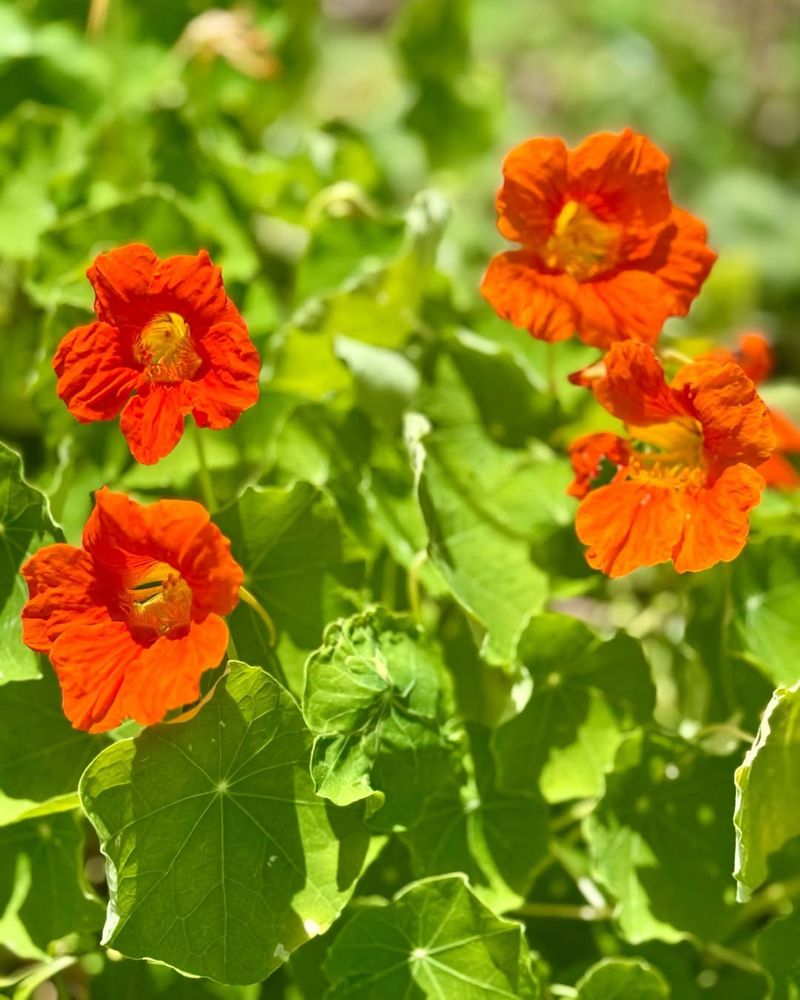
Honestly, nasturtiums might be one of the easiest flowers you will ever grow. They ask for very little and give back a lot.
Even if you have never gardened before, you can successfully grow nasturtiums in Oregon with minimal experience and effort.
The seeds are large, which makes them easy to handle and plant. You do not need any special tools or equipment.
Just press a seed into the soil about an inch deep, water it lightly, and wait. Most seeds sprout within seven to ten days when soil temperatures are warm enough.
Nasturtiums do not need fertilizing, pruning, or much fussing over. In fact, they tend to do better when you leave them alone.
Too much attention, like over-watering or adding extra fertilizer, can actually reduce blooming and encourage leafy growth instead of flowers.
Kids love growing nasturtiums because the results come quickly and the plants are hard to mess up. Many Oregon schools use them in garden education programs for this very reason.
They are also a great first flower for adults who are new to gardening and want a confidence boost.
Whether you are planting them in the ground, in a container, or in a raised bed, nasturtiums adapt easily and reward you with color and blooms season after season without much work on your part.
Best Place To Plant
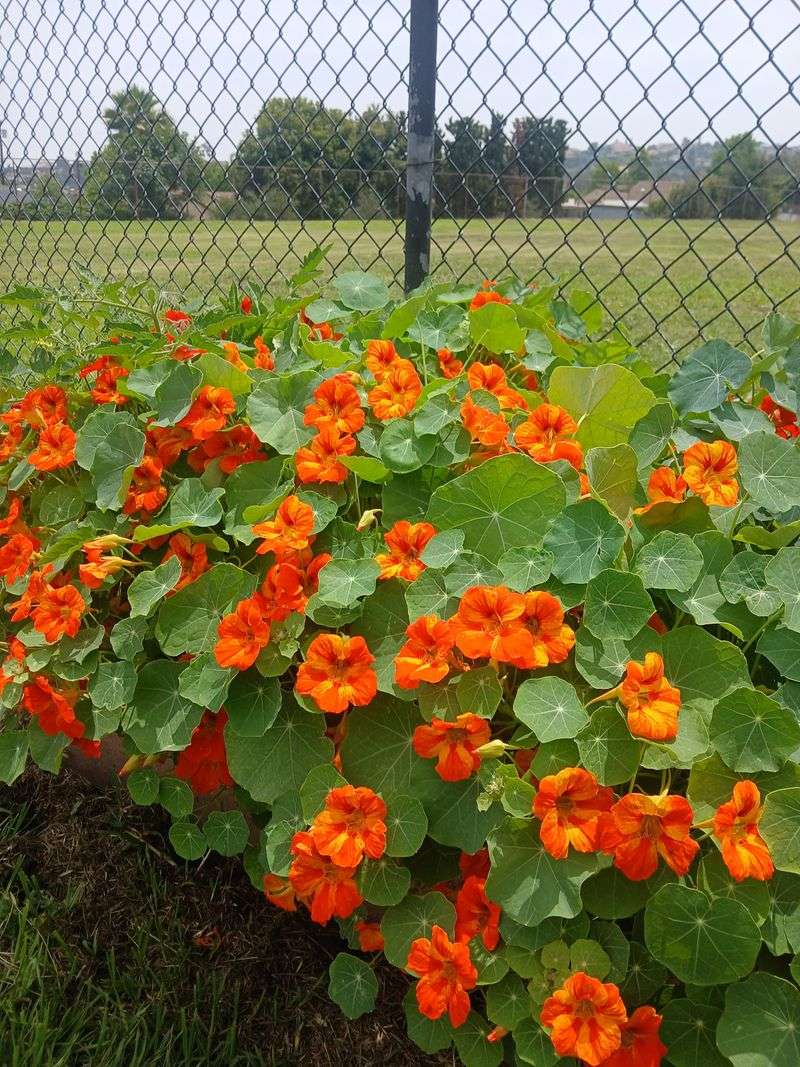
Picking the right spot for your nasturtiums can make a big difference in how well they grow. These flowers love sunshine but can also handle partial shade, which is great news for Oregon gardeners who deal with varying light conditions throughout the season.
For the best blooms, aim for a location that gets at least six hours of direct sunlight each day. South-facing garden beds or spots along a sunny fence work really well.
In warmer parts of Oregon like the Rogue Valley or Medford area, some afternoon shade can actually help nasturtiums from getting too stressed during hot summer days.
Avoid planting nasturtiums in low spots where water tends to pool after rain. They do not like sitting in soggy soil.
Raised beds, hillside slopes, and well-drained borders are all excellent choices.
Container planting is another smart option, especially for Oregon gardeners with limited space. A large pot on a sunny balcony or patio works wonderfully.
Trailing nasturtium varieties look especially beautiful spilling over the edges of containers or window boxes. When you choose the right location from the start, your nasturtiums will reward you with stronger growth, more flowers, and healthier plants overall.
A little planning upfront goes a long way toward a season full of color and pollinator activity right outside your door.
Growing From Seed
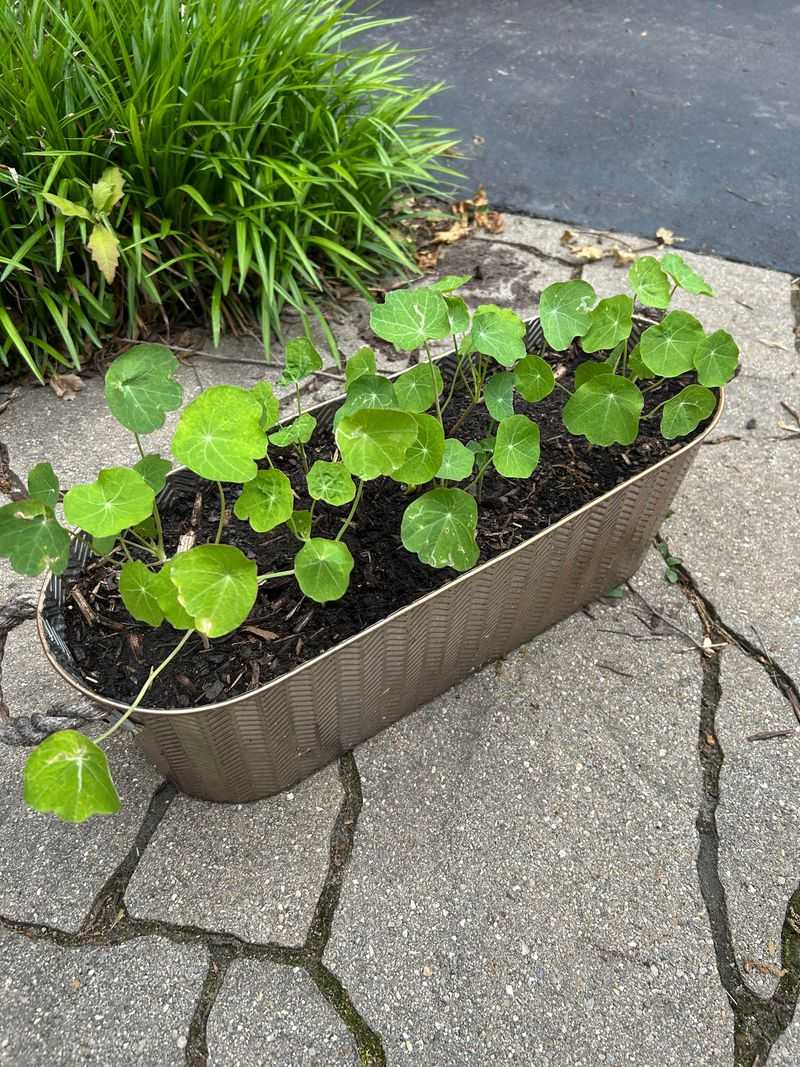
Starting nasturtiums from seed is the most popular and affordable way to grow them in Oregon. You can find seed packets at most garden centers, hardware stores, and online retailers.
The seeds are inexpensive and a single packet can fill a surprisingly large area of your garden.
In Oregon, the best time to sow nasturtium seeds directly into the ground is after the last frost, which usually falls between late March and mid-May depending on your region.
The Willamette Valley tends to warm up earlier than eastern Oregon, so adjust your timing based on where you live.
Direct sowing works better than starting seeds indoors because nasturtiums do not like having their roots disturbed. Plant seeds about an inch deep and space them roughly ten to twelve inches apart.
Water gently after planting and keep the soil slightly moist until sprouts appear.
You do not need to soak the seeds before planting, though some gardeners like to nick the outer shell lightly with a nail file to speed up germination. Once the seedlings emerge, thin them out if they are crowded so each plant has room to spread.
Nasturtiums grow quickly after germination, and you can expect your first blooms within about six to eight weeks of planting. It is one of the most satisfying and straightforward gardening experiences you can have in Oregon.
Water And Soil Tips
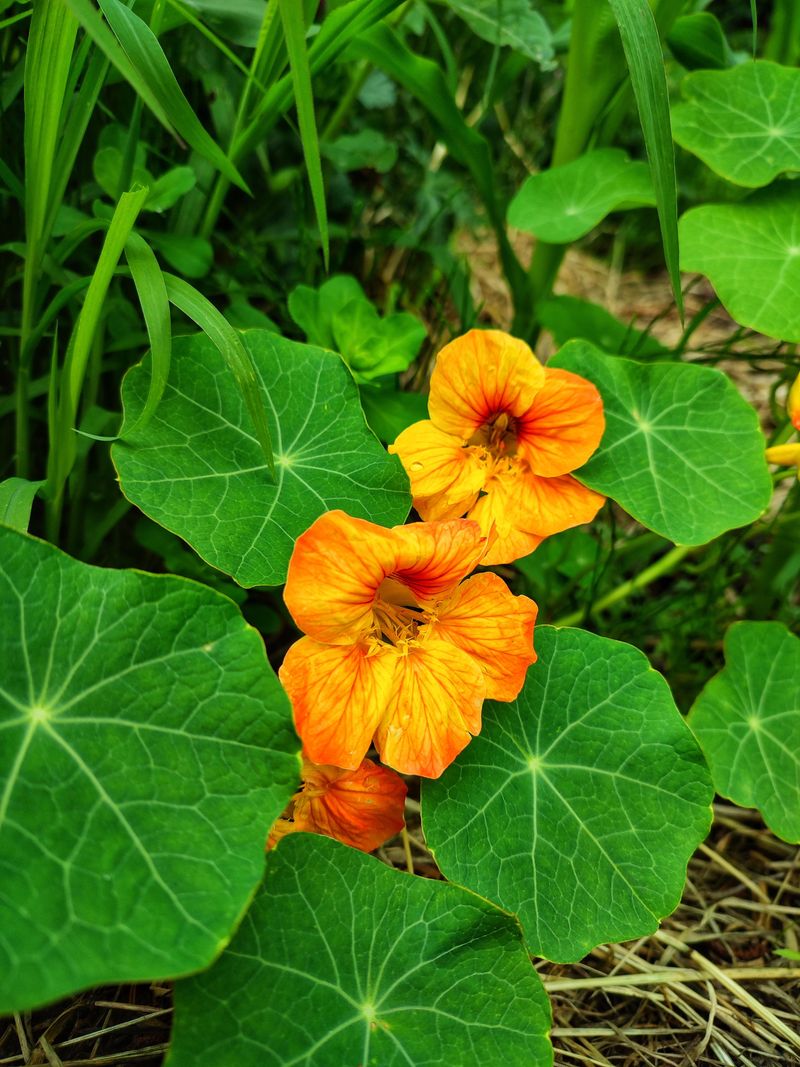
Getting the water and soil balance right is key to growing healthy nasturtiums. The good news is that they are not picky plants.
They actually prefer lean, slightly poor soil over rich, heavily fertilized ground. Too many nutrients in the soil can push the plant to grow more leaves than flowers.
Sandy or loamy soil with good drainage is ideal. If your Oregon garden has heavy clay soil, mix in some sand or compost to improve drainage before planting.
Nasturtiums will struggle if their roots stay wet for too long, especially during Oregon’s rainy seasons.
When it comes to watering, less is usually more. Once your nasturtiums are established, they are fairly drought-tolerant and do fine with natural rainfall in most parts of Oregon.
During dry summer stretches, water deeply once or twice a week rather than giving them a little water every day.
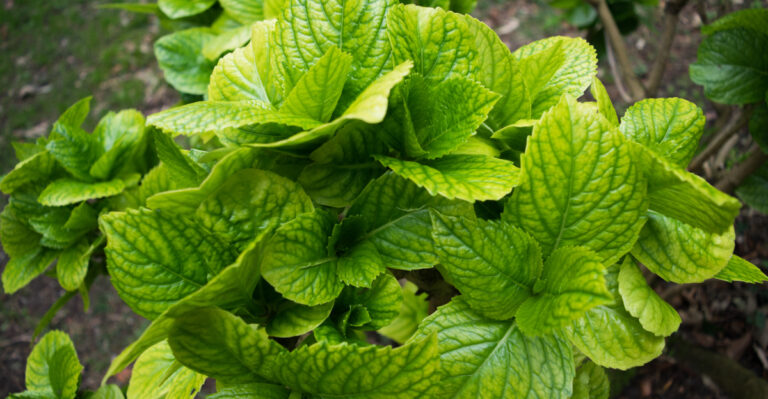
Overwatering is one of the most common mistakes new gardeners make with nasturtiums. Signs of too much water include yellowing leaves and fewer blooms.
If you notice this, cut back on watering and make sure the soil drains well. Adding a thin layer of mulch around the base of the plants can help retain just enough moisture without trapping excess water.
Simple adjustments to your watering routine can make a huge difference in the health and flower production of your nasturtiums all season long.
Companion Plant Benefits
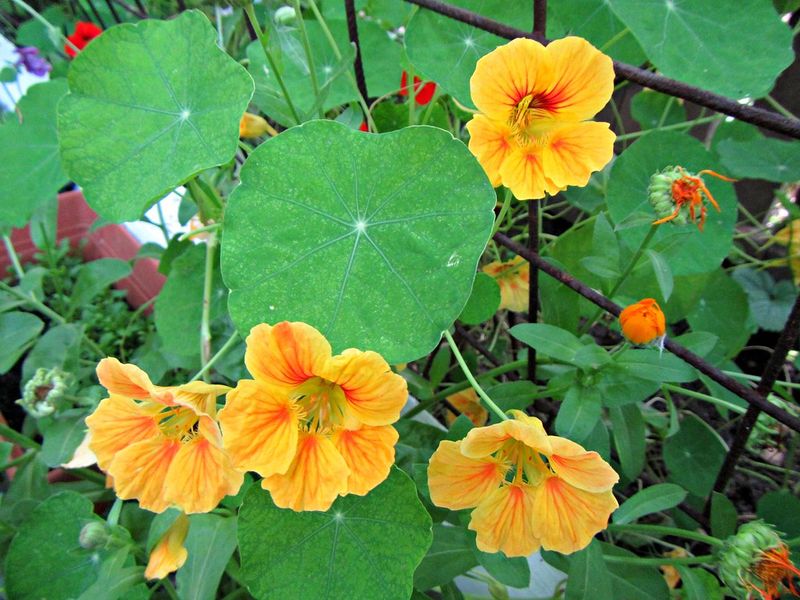
Nasturtiums are famous in the gardening world for being outstanding companion plants. Gardeners in Oregon have used them for years alongside vegetables and herbs to improve garden health naturally.
They offer a surprising number of benefits beyond just looking good.
One of the most well-known tricks is using nasturtiums as a trap crop for aphids. Aphids are drawn to nasturtiums and tend to cluster on them instead of attacking nearby vegetables like tomatoes, kale, or beans.
You can then remove the aphid-covered nasturtium leaves without harming your food crops.
Nasturtiums also attract predatory insects like ladybugs and lacewings, which feed on common garden pests. By drawing these helpful bugs into your Oregon garden, you create a more balanced ecosystem that naturally keeps pest populations in check.
Planting nasturtiums near squash, cucumbers, and melons can help deter squash bugs and cucumber beetles as well. Some gardeners also believe that nasturtiums improve the flavor of nearby vegetables, though research on this is still ongoing.
What is clear is that they make excellent neighbors for most edible plants. In a raised bed or kitchen garden, tucking a few nasturtium plants around the edges creates a colorful, functional border that works hard behind the scenes.
It is one of the smartest and simplest things you can do for your Oregon vegetable garden this season.
Keeping Blooms Going
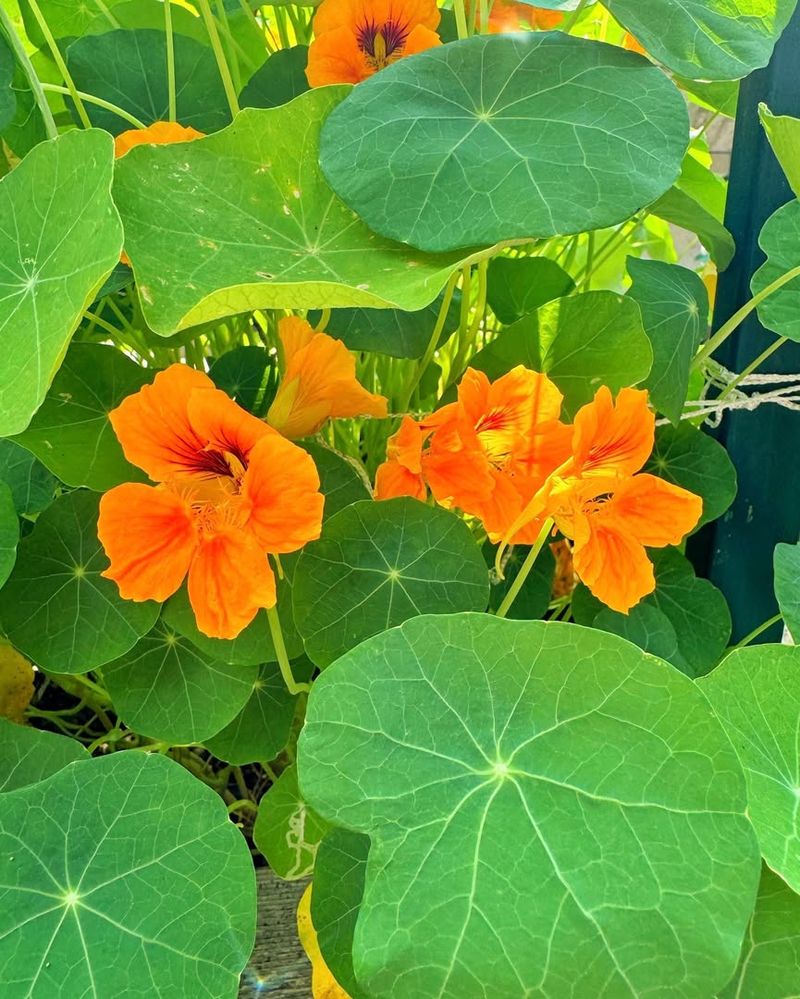
One of the best things about nasturtiums is that they are naturally generous bloomers. With just a little care, you can keep them producing flowers from late spring all the way through the first frost in Oregon.
That is months of color with very little effort required on your part.
Deadheading, which means removing old, faded flowers before they form seeds, is the number one way to encourage more blooms. When a plant puts energy into making seeds, it slows down flower production.
Pinching off spent blooms regularly tells the plant to keep making new flowers instead.
In the heat of Oregon summers, nasturtiums can sometimes slow down blooming. If this happens, give the plant a light trim and make sure it is getting adequate water.
Cooler temperatures in late summer and early fall often bring a second flush of blooms that can be just as beautiful as the first.
Letting a few flowers go to seed at the end of the season is a great strategy for next year. Nasturtiums self-seed freely, which means new plants may pop up on their own in spring without any effort from you.
Many Oregon gardeners rely on this natural reseeding to fill their gardens year after year without buying new seeds. It is a simple, sustainable way to enjoy these wonderful flowers season after season with almost no extra cost or work involved.