This Forgotten Native Berry Shrub Once Fed Ohio Wildlife Everywhere
Some shrubs never needed much attention to earn their place in the Ohio landscape. They showed up where the land suited them, settled in quietly, and gave something back season after season.
Northern Spicebush is one of those plants.
With soft yellow spring blooms, fragrant leaves, and bright red berries that wildlife eagerly uses, it feels like the kind of shrub that once belonged naturally near old farmsteads, woodland edges, and shaded fence lines.
It may not have grown in every corner of Ohio, but in the right setting, it fit so easily into the landscape that it is not hard to imagine it once being a much more familiar sight.
1. Northern Spicebush Felt Right At Home Near Old Ohio Farmhouses
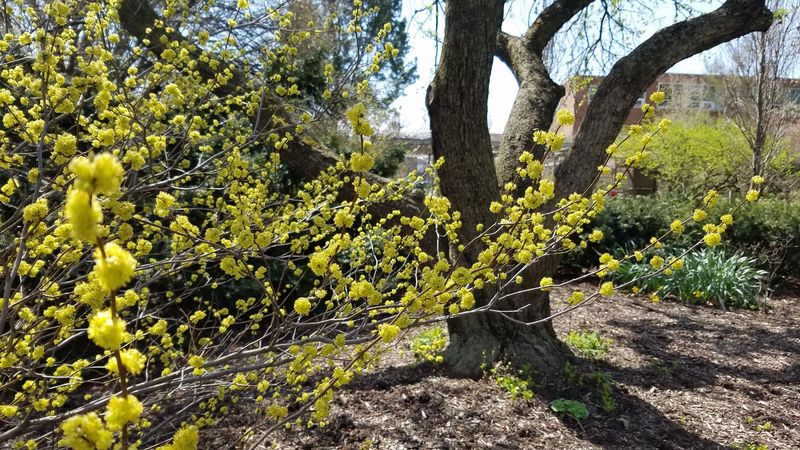
Old Ohio farmhouses often had a handful of native shrubs tucked along the property’s shaded edges, and few fit that setting as naturally as Northern Spicebush.
Before mail-order catalogs and big-box garden centers, families tended to work with what grew nearby, and Spicebush was exactly the kind of plant that rewarded that approach.
It thrives in part shade to full shade, making it a reliable choice for the north side of a barn, beneath large oaks, or along a hedgerow where little else wanted to grow.
Reaching roughly six to twelve feet tall at maturity, it fills in gradually without crowding out its neighbors.
In fall, the foliage shifts to a warm golden yellow before dropping, giving the shrub a brief but lovely seasonal display.
Female plants produce small, oval red berries that ripen in late summer and early fall, adding color and wildlife value at once.
For Ohio families who valued plants that pulled double duty, Northern Spicebush would have been a sensible, unassuming choice near the home place, not for show, but because it simply belonged there.
2. This Native Shrub Brought Fragrance To The Yard With Almost No Fuss
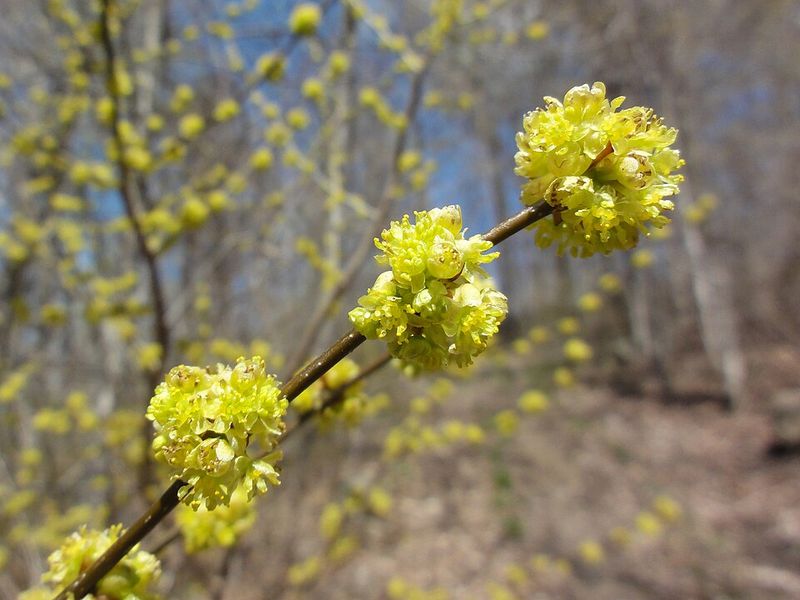
Brush against a Northern Spicebush branch on a warm afternoon, and you will notice the fragrance right away. The leaves, twigs, and bark all carry a spicy, aromatic scent that is hard to mistake once you know it.
It is not overwhelming, but it is distinctive, almost like a blend of allspice and citrus with a faintly woody edge.
That fragrance comes from natural oils found throughout the plant, and it does not require any special care to enjoy.
Unlike many ornamental shrubs that need regular pruning, feeding, or protection from pests, Northern Spicebush tends to look after itself in the right setting.
Give it reasonable moisture, some shade, and decent soil, and it will grow steadily without much intervention.
For Ohio gardeners who want a sensory experience in the yard without a complicated maintenance routine, this shrub delivers quietly and consistently.
Rubbing a single leaf between your fingers on an early fall walk is one of those small pleasures that connects you to the older, more practical gardening traditions of the region.
It is a plant that rewards attention without demanding it.
3. Bright Red Berries Helped Feed Wildlife When The Seasons Changed
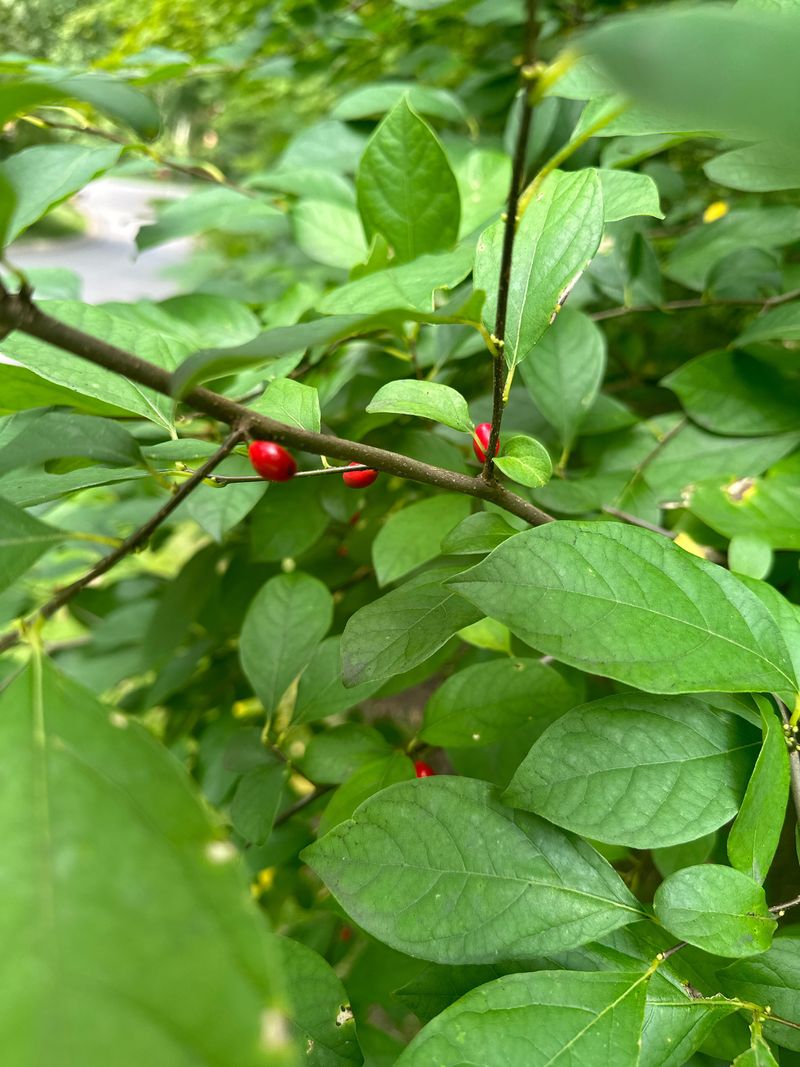
By late summer, female Northern Spicebush plants produce clusters of small, glossy red berries that stand out sharply against the fading green foliage.
Those berries ripen at a time when many other food sources are still weeks away from being ready, making them especially valuable to wildlife moving through Ohio’s woodlands and shrubby edges.
Wood thrushes, veeries, and several other migratory songbirds are known to seek out Spicebush berries during fall migration.
The berries are high in fat, which gives migrating birds the energy they need for long flights.
That combination of timing and nutritional value makes Northern Spicebush a genuinely useful plant in Ohio wildlife habitat rather than simply a decorative one.
It is worth noting that only female plants produce berries, so gardeners hoping to support wildlife will want to include at least one female plant, and ideally a male nearby for pollination.
Nurseries that specialize in native plants can often help identify sexed plants.
Planting even a small grouping near a woodland edge or naturalized border can add meaningful habitat value to a yard during one of the busiest seasons for Ohio wildlife movement.
4. Early Yellow Blooms Made The Shrub Stand Out Before Most Plants Woke Up
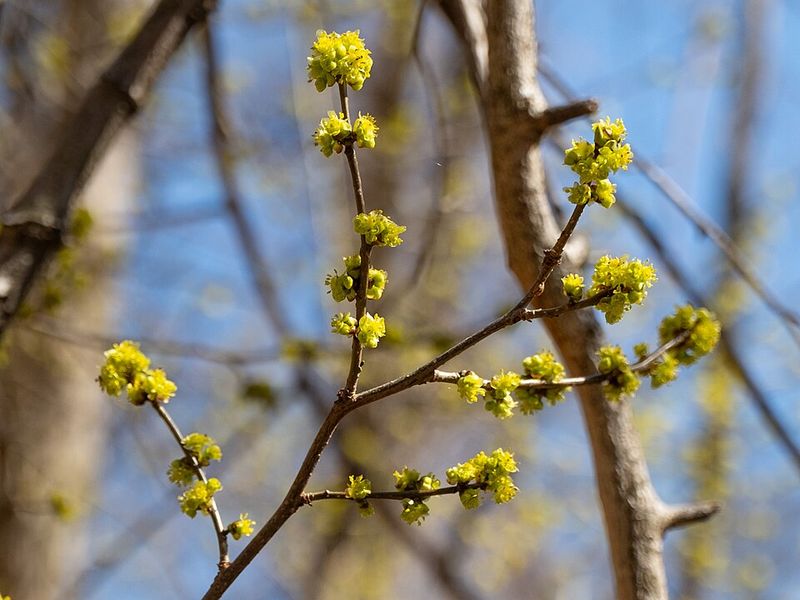
Few moments in an Ohio spring feel as quietly exciting as spotting the first yellow blooms on a Northern Spicebush along a woodland path.
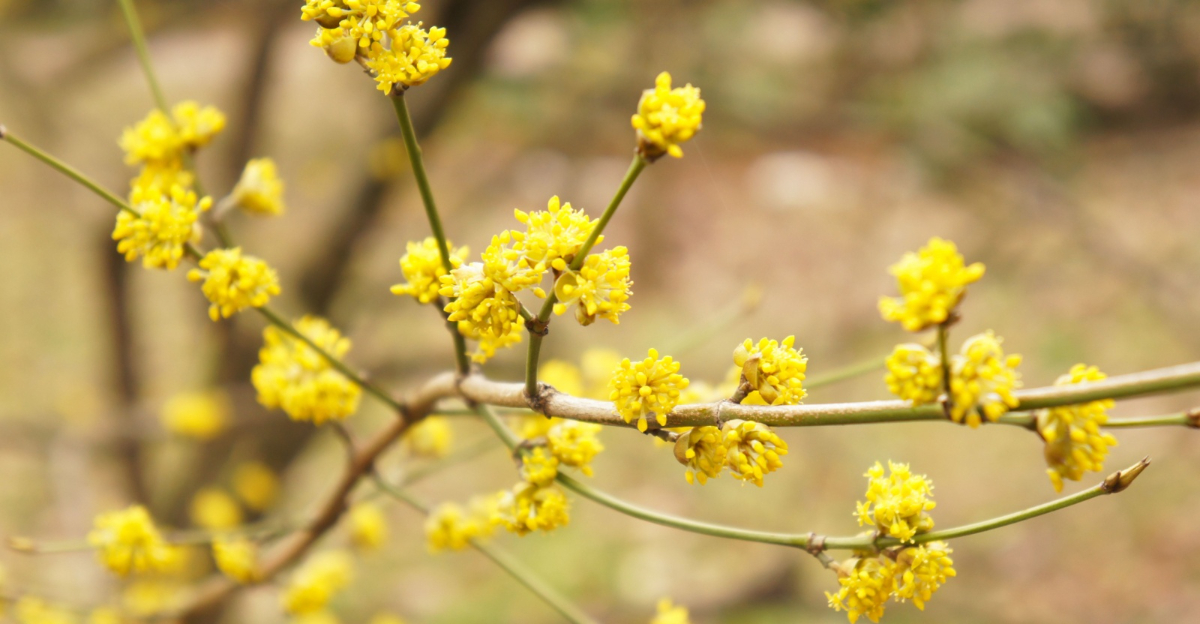
Those small, pale yellow flowers appear directly on the bare branches in late February or early March, well before most other shrubs or trees have shown any sign of life.
The blooms are not large or showy in the way that forsythia or ornamental cherries are, but they have a subtle charm that rewards a closer look.
Tiny clusters of yellow flowers line the twigs like small beads of light, and on a cold gray morning, they can make an entire woodland edge feel like it has woken up ahead of schedule.
Early pollinators, including native bees emerging on warmer late-winter days, may visit those flowers when almost nothing else is blooming.
That early timing gives Northern Spicebush a quiet ecological role even before most gardeners have thought about opening the shed.
For Ohio landscapes that value seasonal rhythm and native bloom timing, this shrub offers one of the most reliably early floral moments of the year without requiring any special preparation or planning.
5. Northern Spicebush Fit Naturally Along Fence Rows And Woodland Edges
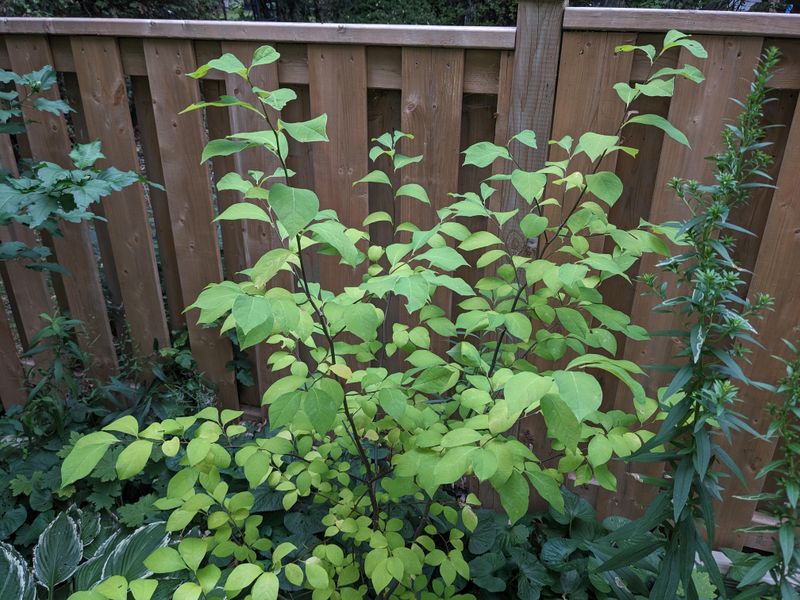
Fence rows and woodland edges have always been some of the most productive habitat zones in Ohio, and Northern Spicebush belongs to that in-between world as naturally as almost any other native plant.
It does not demand full sun or open ground the way many shrubs do.
Instead, it settles comfortably into the transition zone where trees begin to thin out and open land begins to take over.
In those spots, it gets enough light to flower and fruit while still enjoying the moisture and cooler temperatures that come with partial canopy cover.
Old fence rows in particular tend to hold moisture longer than open fields, and the soil there often has more organic matter built up over decades, conditions that suit Spicebush well.
For Ohio landowners managing a property with a mix of wooded and open areas, planting Northern Spicebush along those natural boundaries can help reinforce existing habitat corridors.
Birds and mammals moving between woodlands and open ground use shrubby edges heavily, and a well-established Spicebush planting can provide cover, nesting structure, and food in a single location.
It is a sensible, low-effort way to add native value to land that already has good bones.
6. Its Leaves, Twigs, And Berries Gave The Plant More Than One Use
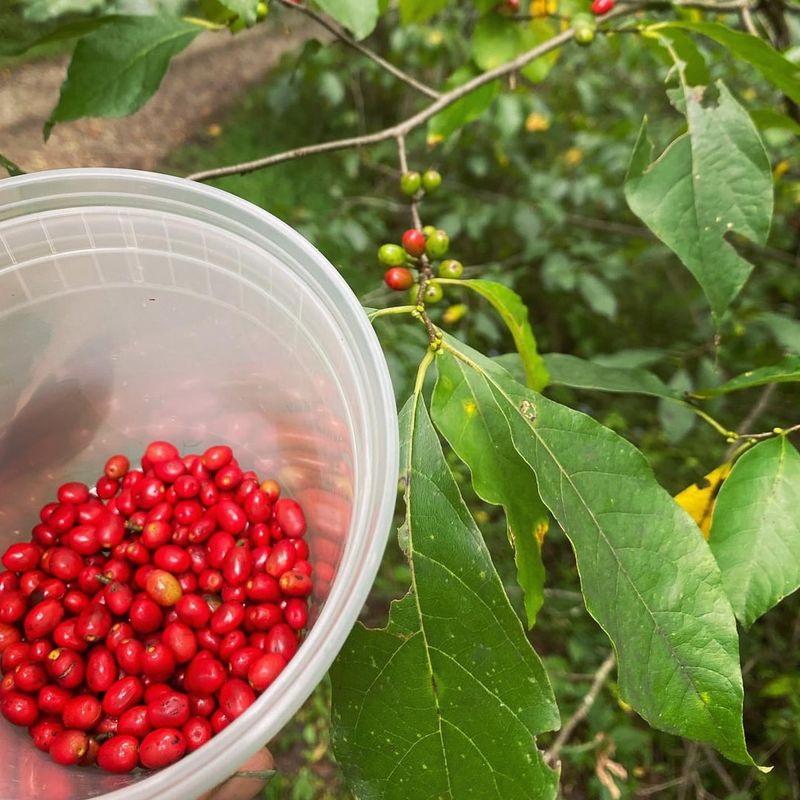
Northern Spicebush has always been more than a one-trick plant. The berries, leaves, and twigs have each carried their own uses over the years, and that layered usefulness is part of what made the shrub feel like a natural fit in Ohio’s older rural landscapes.
The dried, ground berries have historically been used as a spice, sometimes referred to as a substitute for allspice.
Indigenous peoples in eastern North America used parts of the plant medicinally, and early settlers reportedly made teas from the twigs.
These are historical uses worth knowing, though modern foragers should always research thoroughly before consuming any wild plant material.
Beyond those traditional applications, the aromatic leaves and twigs add sensory interest to a garden simply by being present.
The fragrance is released easily when foliage is brushed or crushed, making it a satisfying plant to walk past on a garden path.
The berries add visual color in late summer, the flowers add early seasonal interest, and the golden fall foliage adds a final note before the leaves drop.
Few native shrubs pack that much seasonal variety into a single plant, and that layered quality is part of why Northern Spicebush remains worth growing in Ohio today.
7. This Shrub Quietly Supported Birds, Butterflies, And The Wider Landscape
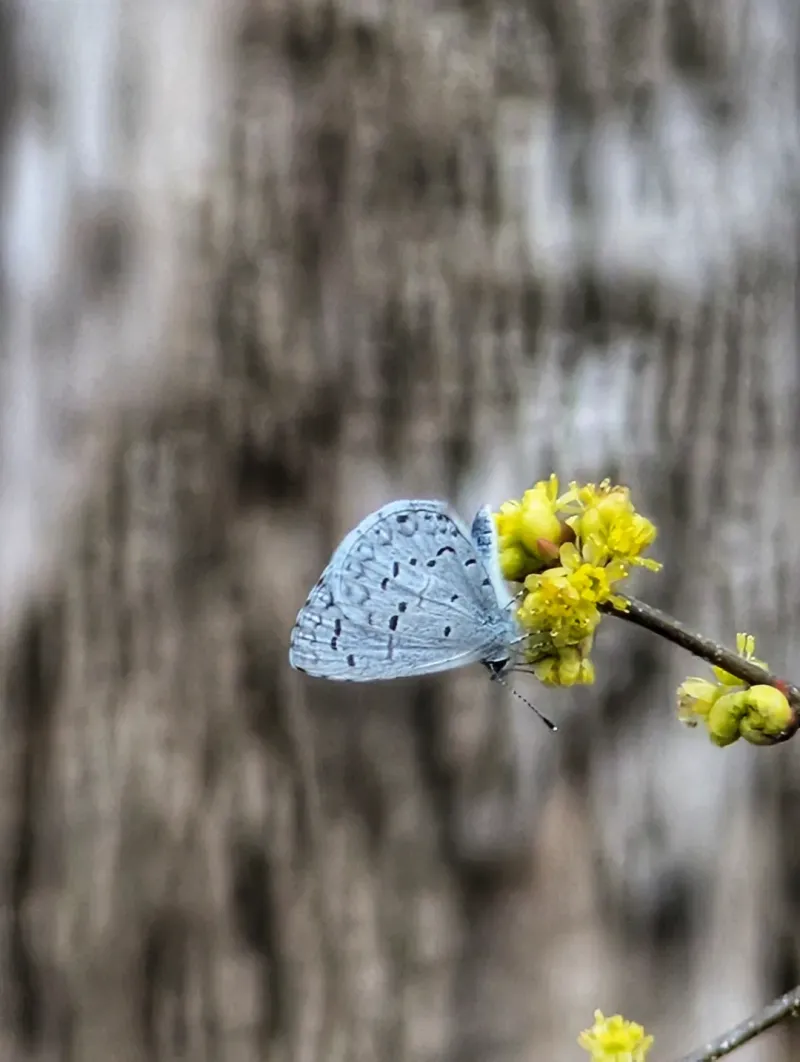
Walk slowly past a healthy Northern Spicebush on a warm summer afternoon, and you may notice more activity than you expected.
The leaves serve as the primary host plant for the spicebush swallowtail butterfly, a striking black and blue species found across much of eastern North America, including Ohio.
Without the plant, the caterpillar cannot complete its life cycle.
That host-plant relationship alone gives Northern Spicebush a conservation role that goes beyond simple habitat value. Gardeners who plant it are directly supporting a native butterfly species that depends on it.
The caterpillars roll individual leaves into small shelters, a behavior that is fascinating to observe up close on a quiet morning.
Birds use the shrub throughout the year as well, seeking cover in its dense branching structure, nesting in its interior, and returning in fall for the berries.
Wood thrushes, gray catbirds, and other species associated with shrubby woodland edges have all been documented using Northern Spicebush.
For Ohio gardeners trying to build a yard that genuinely supports native wildlife rather than just looking appealing, this shrub does the kind of quiet, consistent work that makes a real difference across seasons and species.
8. Northern Spicebush Still Belongs In Ohio Gardens That Want Old-Fashioned Charm
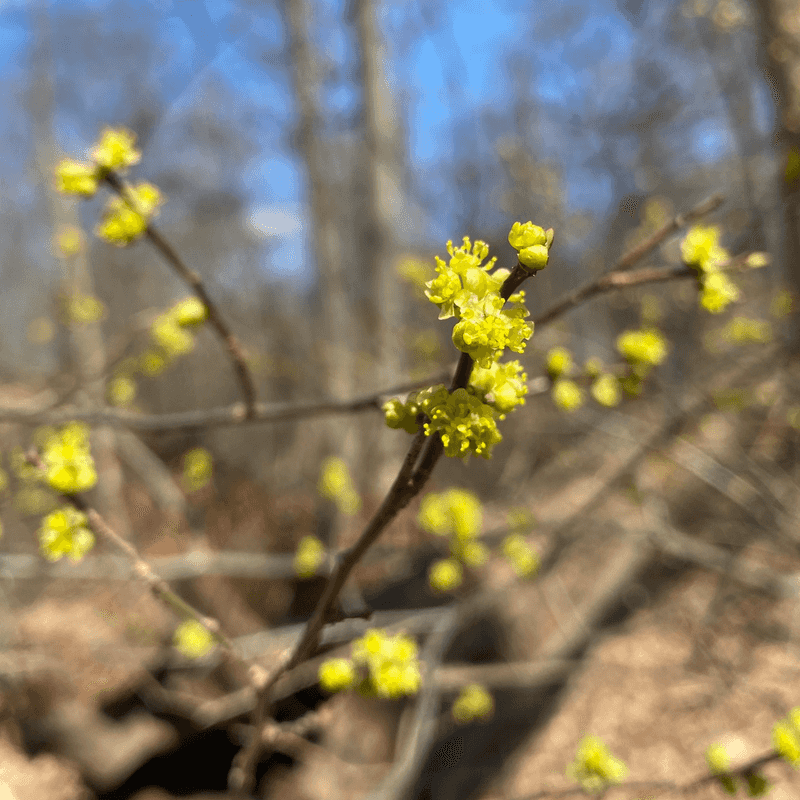
Gardening trends come and go, but the appeal of a yard that feels connected to the land it sits on tends to hold up over time.
Northern Spicebush fits that kind of garden well, not as a statement plant or a focal point, but as a grounded, reliable native shrub that earns its place through seasonal performance and ecological honesty.
For Ohio gardeners inspired by older rural plantings, cottage-style borders, or naturalistic landscapes, Spicebush brings the right combination of fragrance, seasonal color, and wildlife activity without demanding a lot in return.
It pairs well with other Ohio natives like wild ginger, trout lily, or native ferns in a shaded understory planting.
It also works along the back of a mixed border where its arching form and golden fall color can anchor the composition.
Finding nursery-grown plants from Ohio or regional native plant sources is the best approach, since locally sourced stock tends to be better adapted to Ohio growing conditions.
Many native plant sales hosted by conservation groups and botanical gardens in Ohio carry Northern Spicebush regularly.
For a garden that wants to honor the older, quieter traditions of Ohio’s landscape, few shrubs make as much sense as this one.