This Georgia Rose Habit Can Prevent New Blooms From Forming
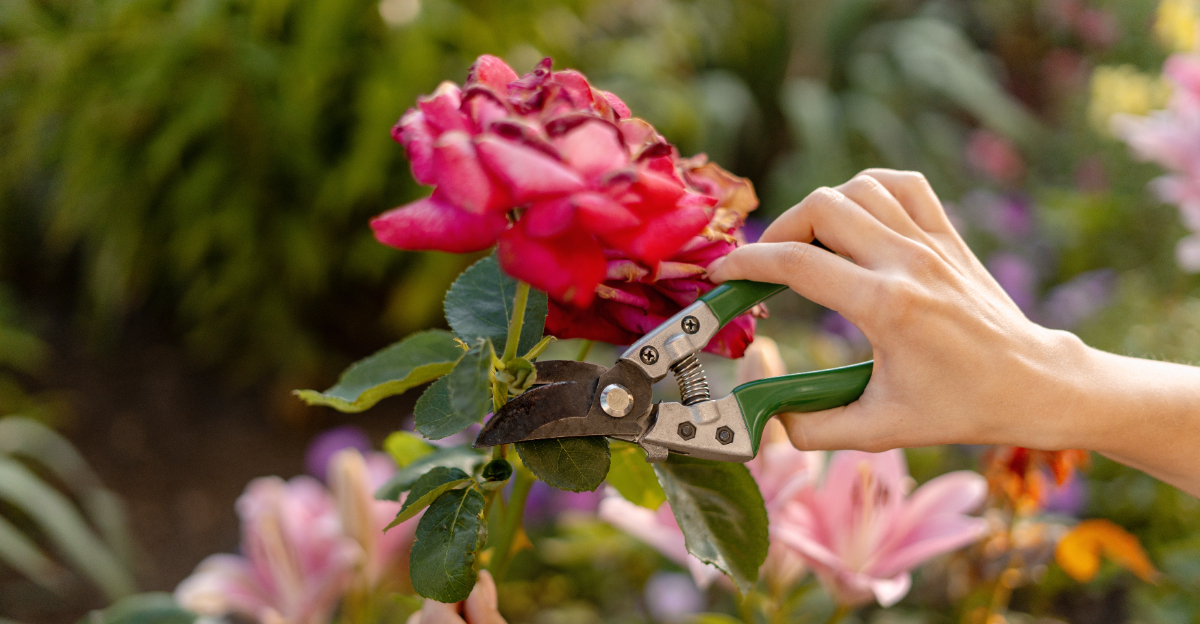
It is frustrating to see a rose covered with healthy leaves but very few flowers. Many gardeners assume the plant needs more fertilizer or extra water, yet the real problem is often a daily habit that seems completely harmless.
Small choices made throughout the growing season can affect how well roses continue producing new blooms, especially when the weather stays hot.
Before you reach for another plant food or try a new product, take a closer look at how you have been caring for your roses. One common habit can slow down fresh flowering even when the shrub appears healthy from the outside.
Throughout Georgia, summer conditions already put roses under extra stress, so giving them the right care becomes even more important.
A simple change to your routine can encourage more blooms and help your rose keep putting on a colorful display for much longer.
1. Over Pruning Can Reduce New Blooms
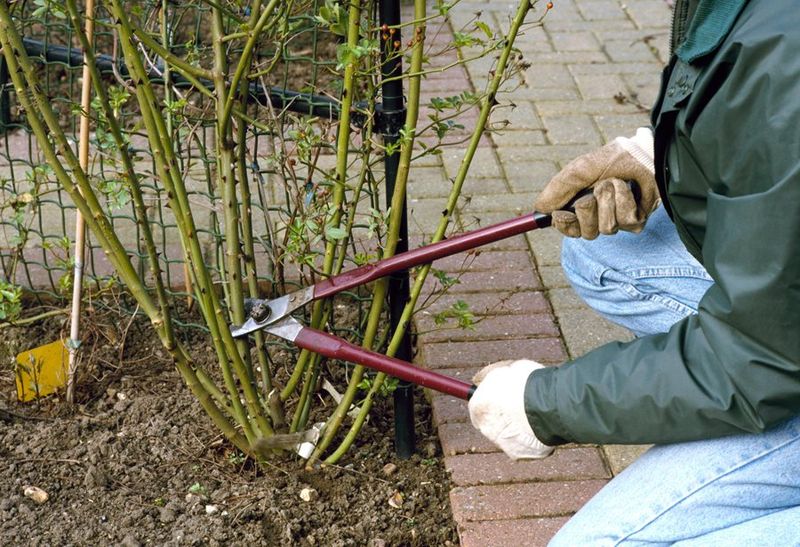
Cutting too much, too often is one of the fastest ways to stop a rose from flowering. Roses need green growth to produce energy.
Strip away too many canes, and the plant has nothing left to work with.
Pruning at the wrong time makes it worse. In Georgia, late-season pruning can remove the new growth that carries next season’s buds.
Timing matters just as much as technique.
A good rule of thumb is to remove no more than one-third of the plant at a time. Focus on crossing canes, weak stems, and spent blooms.
Leave healthy green canes alone.
Many gardeners prune hard in fall, thinking it helps the plant rest. But roses in warmer climates often push new growth well into autumn.
Cutting that growth short can delay spring blooms significantly.
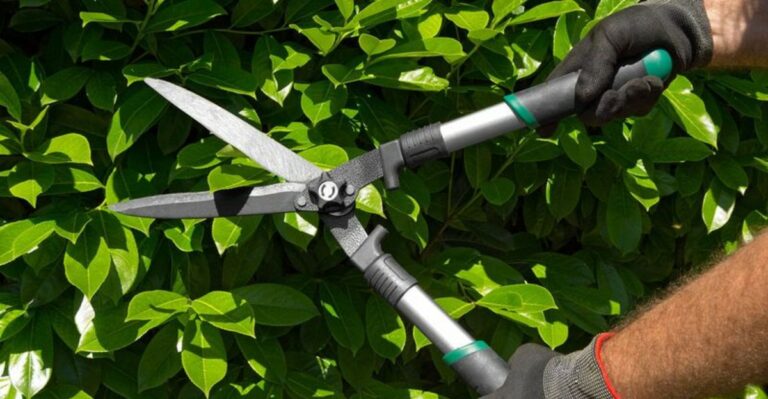
Sharp, clean tools also reduce stress on the plant. Ragged cuts invite disease and slow healing.
A clean cut just above an outward-facing bud is the right approach.
Deadheading spent flowers is different from heavy pruning. Removing old blooms encourages reblooming and is generally safe throughout the season.
Just avoid cutting deeply into the main structure of the plant unless necessary.
2. Use A Fertilizer Made For Flowering Roses
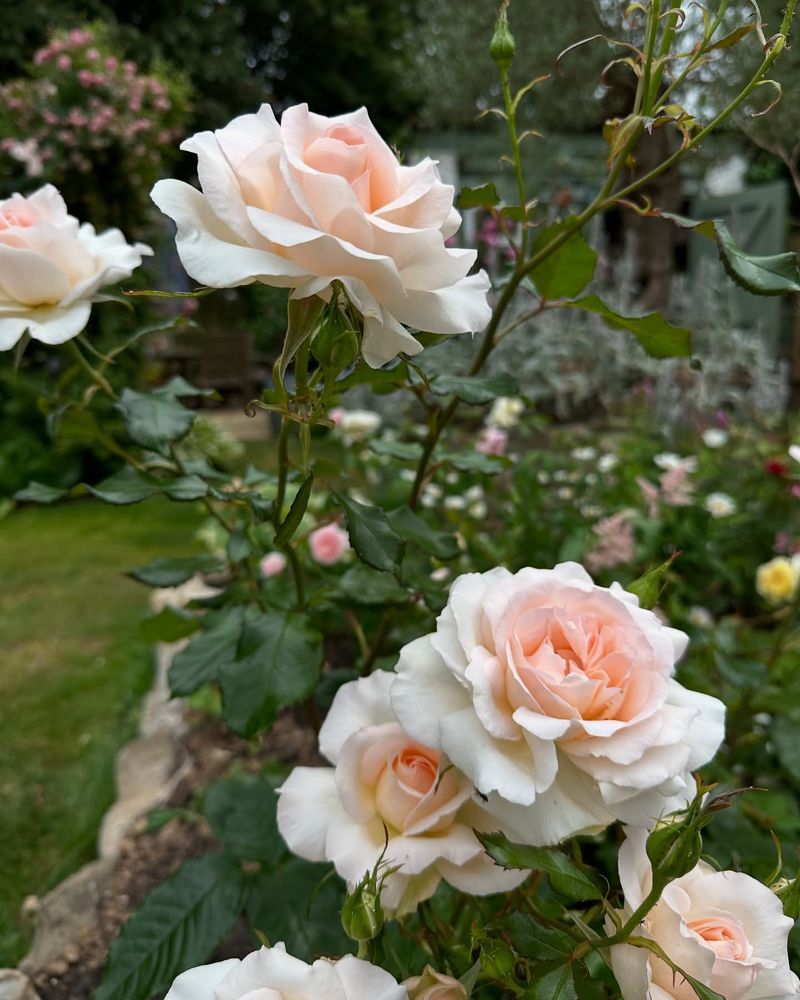
Not all fertilizers push roses toward blooming. High-nitrogen blends grow lush leaves, but they can actually work against flower production.
Roses need a balanced mix that supports both roots and blooms.
Look for fertilizers labeled specifically for flowering roses. These usually contain higher phosphorus levels, which support bud development.
Potassium also plays a role in overall plant strength and bloom quality.
Feeding too much nitrogen is a common mistake in home gardens. You end up with a full, green bush that produces almost no flowers.
Switching to a bloom-focused fertilizer often brings noticeable results within a few weeks.
Timing your feeding schedule matters in warm climates. Start fertilizing in early spring when new growth appears.
Continue feeding every four to six weeks through mid-summer, then taper off before fall.
Soil pH affects how well roses absorb nutrients. In many parts of Georgia, soil can lean acidic.
Your Georgia Garden Changes Every Week. Your Plan Should Too.
Gardening in Georgia changes quickly throughout the season. Every Friday you’ll receive a simple weekly plan showing exactly what to plant, prune, fertilize, harvest, and protect so you never miss the right timing.
Testing your soil and adjusting pH to between 6.0 and 6.5 helps fertilizers work more effectively.
Slow-release granular fertilizers work well for busy gardeners. They feed steadily over time without requiring frequent reapplication.
Liquid fertilizers can give a quicker boost but need more consistent attention to avoid over-feeding.
3. Water Deeply During Hot Weather
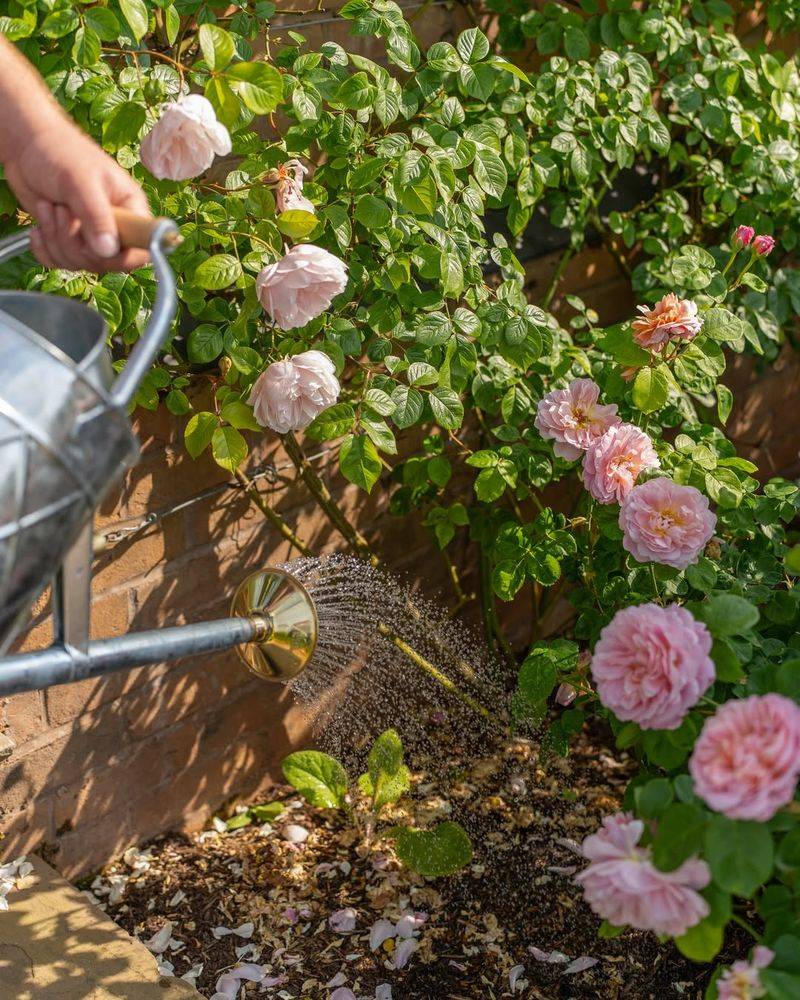
Shallow watering trains roots to stay near the surface. Surface roots dry out fast during summer heat.
Roses watered this way stress quickly and stop producing buds.
Deep watering encourages roots to grow downward where soil stays cooler and holds moisture longer. Aim to water slowly at the base of the plant.
Letting water soak in rather than run off makes a real difference.
In Georgia summers, roses may need water two to three times per week during peak heat. Sandy soils dry out faster and need more frequent watering.
Clay soils hold moisture longer but can become waterlogged if drainage is poor.
Watering in the morning is better than watering at night. Wet foliage overnight creates ideal conditions for fungal disease.
Morning watering gives leaves time to dry before temperatures drop.
Drip irrigation or soaker hoses are worth considering for rose beds. They deliver water directly to the root zone without wetting leaves.
Setup takes time, but the results are usually worth the effort.
Watch for signs of drought stress like drooping canes or dull-looking leaves. Catching it early prevents the plant from shutting down bloom production.
Consistent moisture is one of the simplest ways to keep roses flowering through summer.
4. Remove Suckers Growing Below The Graft
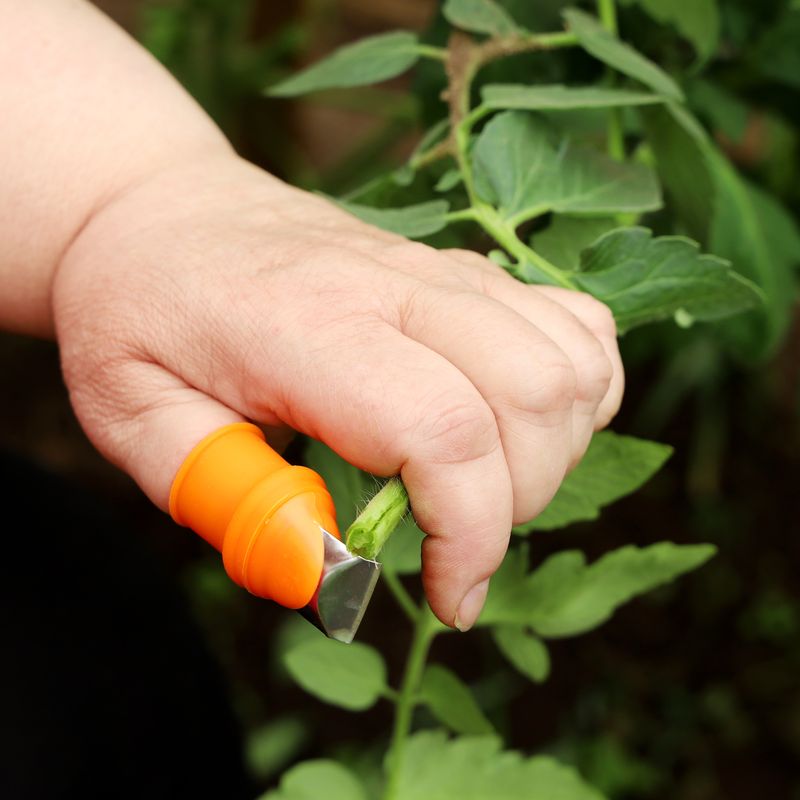
Suckers are sneaky. A stem shoots up from below the graft union, looks healthy, and seems harmless.
Left alone, it can slowly take over the entire plant.
Most roses are grafted onto a hardy rootstock. Suckers grow from that rootstock, not from the desirable rose variety on top.
If suckers are left to grow, they pull energy away from the blooming portion of the plant.
Identifying suckers is straightforward once you know what to look for. Rootstock growth usually has different leaf shape, color, or texture than the rest of the plant.
Count the leaflets. Many rootstock varieties produce seven leaflets, while most grafted roses produce five.
Removing suckers correctly matters. Cutting them at soil level often leads to regrowth.
Trace the sucker back to its point of origin on the root and pull or snap it off cleanly. That reduces the chance of it returning quickly.
Check for suckers regularly, especially after periods of stress or heavy pruning. Stressed plants sometimes push more rootstock growth than usual.
Staying on top of it keeps the plant focused on flowering.
Ignoring suckers for a full season can shift the plant’s energy budget significantly. A rose that once bloomed generously may produce fewer flowers as rootstock growth competes for resources.
5. Watch For Rose Rosette Disease Early
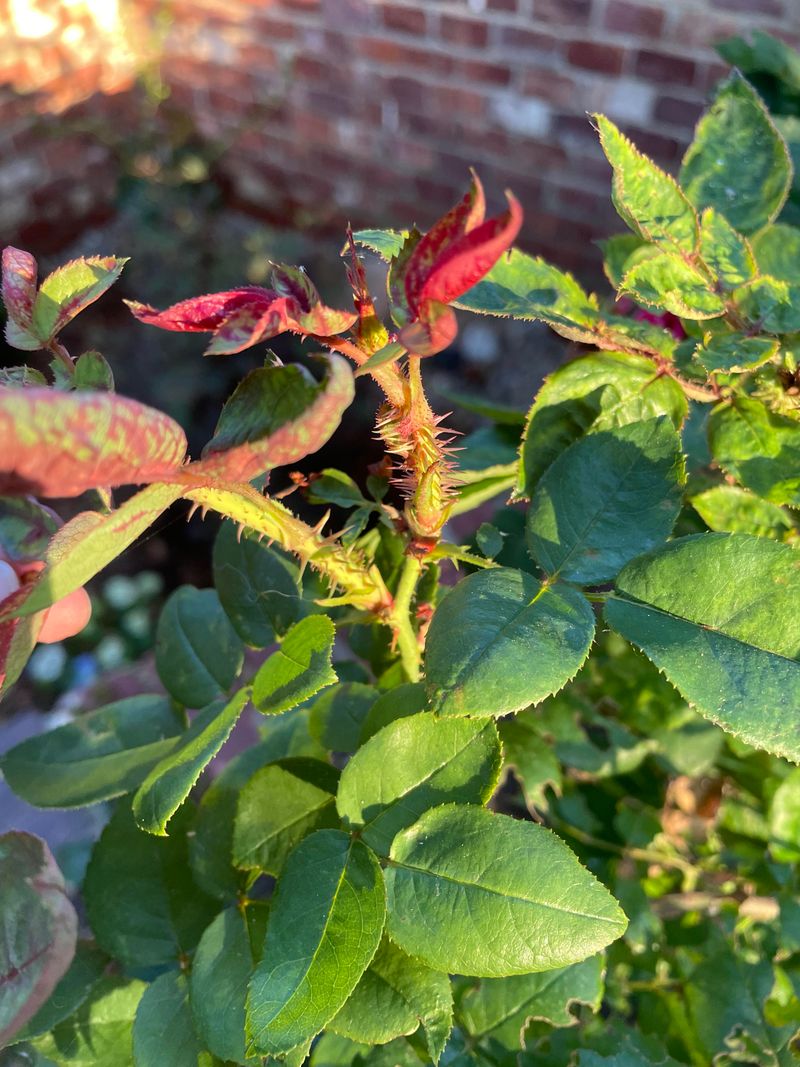
Rose Rosette Disease is one of the most damaging problems affecting roses in the southeastern United States. It spreads through tiny mites carried by wind, and once a plant is infected, there is no cure currently available.
Catching it early is critical. Early signs include bright red or pink new growth that looks distorted.
Stems may develop an unusual number of thorns. Flower buds often appear deformed or fail to open properly.
As the disease progresses, affected canes develop a witch’s broom appearance. Multiple stems cluster together in a dense, tangled mass.
Blooming slows significantly and eventually stops on infected portions of the plant.
Removing and properly disposing of infected plants helps protect nearby roses. Bag the plant before moving it to prevent mites from spreading during removal.
Do not compost infected material.
Controlling the mite population around your rose bed can reduce spread. Miticide applications may help limit movement, though complete prevention is difficult in open garden settings.
Keeping roses healthy and well-spaced improves air circulation and makes monitoring easier.
Rose Rosette has become more widespread in Georgia over the past decade. Gardeners who grow Knock Out roses should be especially watchful, as that variety has shown higher susceptibility in many reported cases.
Early action gives neighboring plants a better chance.
6. Give Roses At Least Six Hours Of Sunlight

Sunlight is not optional for roses. Without enough of it, bloom production drops off sharply.
Six hours of direct sun is generally considered the minimum, and more is often better.
Roses planted in partial shade tend to produce fewer blooms and stretch toward available light. Canes become long and weak.
Flowers that do appear are often smaller and less vibrant than expected.
Morning sun is especially valuable. It dries dew off leaves quickly, which reduces fungal disease pressure.
Afternoon shade in the hottest months can actually benefit roses in warmer climates by reducing heat stress.
Before planting, observe the spot throughout the day. A location that looks sunny in spring may be shaded by trees once leaves fill in during summer.
Choosing the right spot from the start saves a lot of frustration.
Established roses that have become shaded over time may need surrounding plants trimmed back. Overgrown shrubs and trees gradually steal light from nearby garden beds.
Reassessing the light situation every season or two is a practical habit.
Container-grown roses have an advantage here. Moving pots to track the best light throughout the season is easy compared to transplanting established garden roses.
Sunlight access is one of the most controllable factors in rose bloom performance.
7. Keep Mulch Away From The Base Of The Canes
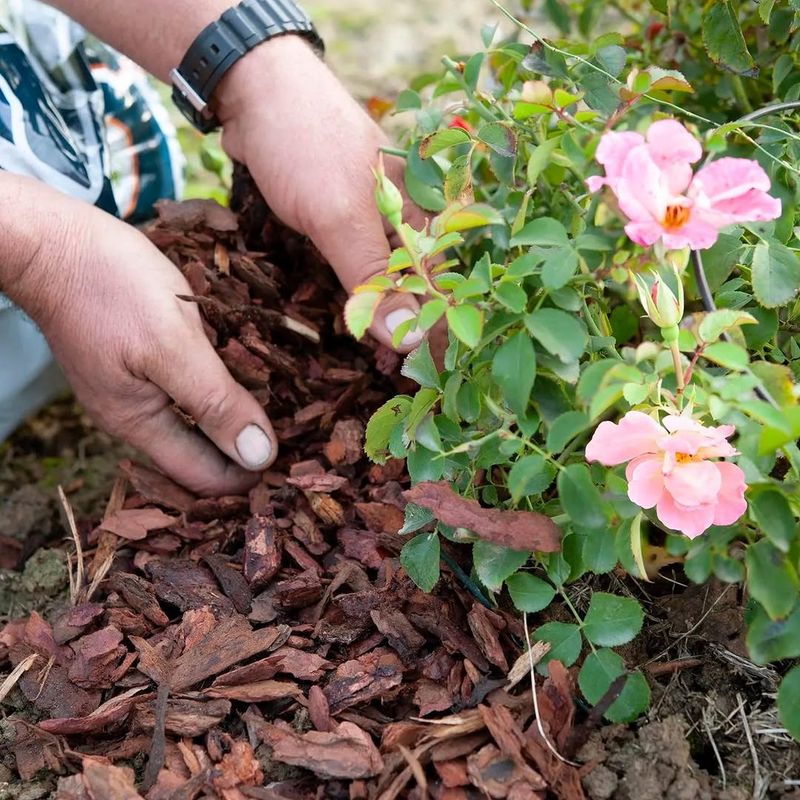
Mulch piled against rose canes traps moisture and creates an environment where rot and fungal problems develop easily. A gap of two to three inches between the mulch and the base of the plant makes a noticeable difference.
Mulching does benefit roses in several ways. It helps regulate soil temperature, retains moisture, and reduces weed competition.
The problem is not mulch itself but how it is applied.
Volcano mulching, where mulch is piled high against the trunk or canes, is one of the most widespread mistakes in home gardens. It softens the cane bark over time and can invite insects and fungal pathogens.
Apply mulch two to three inches deep across the root zone. Keep it level and even rather than mounded.
Pull it back slightly from the canes so the base stays dry and well-ventilated.
In humid climates, this practice becomes even more important. Moisture stays in the air longer, and plant bases that stay wet are at higher risk.
Proper mulch spacing helps offset some of that humidity pressure.
Refresh mulch once or twice a year rather than continuously adding layers. Old mulch that compacts can block water and air from reaching the roots.
Breaking it up or replacing it periodically keeps the root zone in better condition and supports steady bloom production.