This Go-To Fertilizer Helps You Grow Thriving Leafy Greens In California
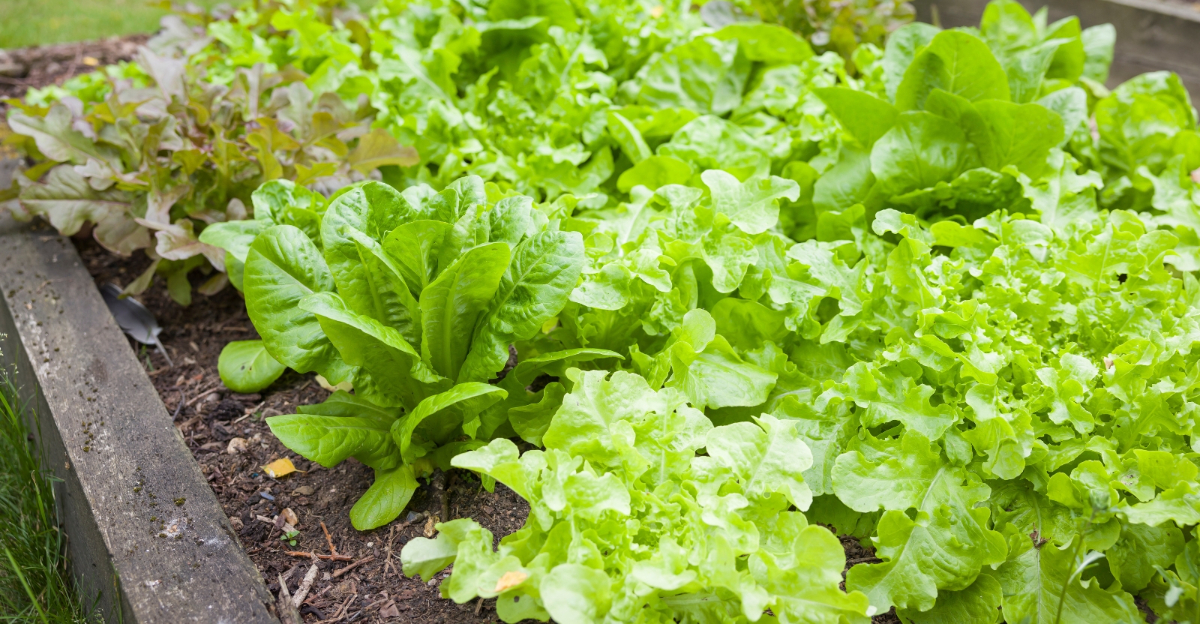
Why do leafy greens sometimes stall or lose that rich, full look even when you’re watering regularly and giving them plenty of light?
That question comes up often in California gardens, where growing conditions seem perfect on paper but results don’t always line up.
Many gardeners focus on sunlight and irrigation first, while the role of feeding quietly slips into the background.
Fertilizer choices can shape how leafy greens grow far more than most people expect, even when everything else feels consistent.
Some options support steady, balanced leaf growth, while others leave plants struggling without making the cause obvious.
In California, where fast growth cycles and mild seasons overlap, that difference becomes easier to notice. Finding a fertilizer that works with leafy greens rather than against them can simplify the entire process.
When feeding finally feels aligned, growing healthy, thriving greens becomes noticeably easier and more satisfying.
1. Compost-Based Organic Fertilizer Is The Go-To For Leafy Greens
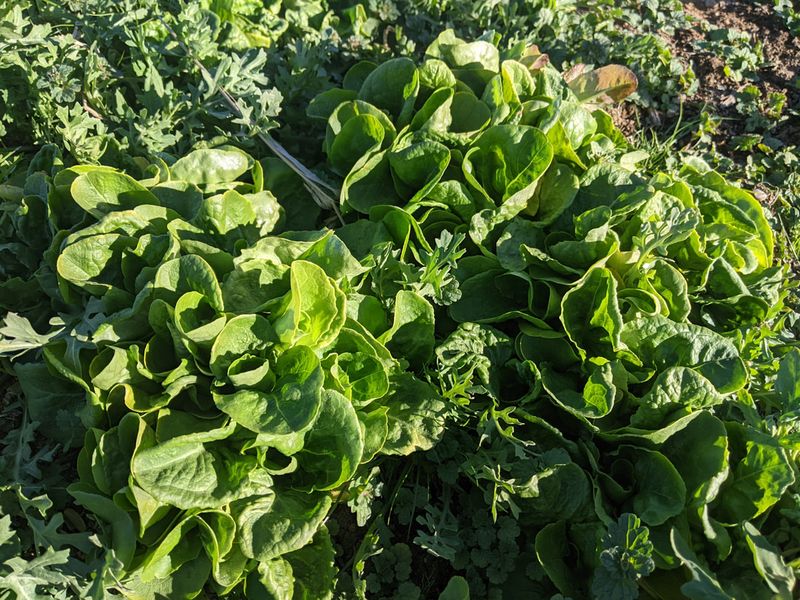
California’s Mediterranean climate creates perfect conditions for organic gardening methods that work with nature rather than against it. Rich compost delivers nutrients slowly while improving soil structure in ways synthetic options simply cannot match.
Many gardeners across the state swear by homemade compost mixed with aged manure for their lettuce and spinach beds.
Organic matter feeds beneficial microbes that help plants absorb nutrients more efficiently throughout the growing season. These tiny soil helpers break down complex compounds into forms that roots can actually use.
The process creates a living ecosystem underground that supports healthier, more resilient plants.
Adding compost to garden beds before planting gives greens a strong nutritional foundation from day one. A two-inch layer worked into the top six inches of soil provides months of steady feeding.
This method reduces the need for frequent fertilizer applications later in the season.
Leafy vegetables grown in compost-enriched soil develop deeper root systems and stronger cell walls. The improved structure helps plants withstand temperature swings common in California’s varied microclimates.
Gardeners notice fewer pest problems when plants receive balanced nutrition from organic sources.
Compost also improves water retention in sandy soils found throughout much of Southern California. Better moisture management means less frequent watering and healthier plants during dry spells.
The organic matter acts like a sponge, holding water near roots where it’s needed most.
Local compost facilities across California offer affordable bulk options for gardeners with larger plots. Many municipalities provide free compost to residents as part of green waste recycling programs.
This makes organic fertilization accessible to gardeners on any budget.
Finished compost should smell earthy and crumble easily when squeezed in your hand. Material that’s too fresh can actually harm tender seedlings by burning roots.
Letting compost age for at least three months ensures it’s safe for direct contact with plants.
Mixing compost with existing soil creates the ideal growing medium for most leafy greens. The blend provides drainage while maintaining enough moisture for consistent growth.
California gardeners often add extra compost mid-season as a top dressing around established plants.
Organic certification programs throughout the state recognize compost-based fertilizers as approved inputs. This matters for gardeners selling produce at farmers markets or through community-supported agriculture programs.
The certification opens doors to premium markets and conscious consumers.
2. Why Leafy Greens Respond Best To Nitrogen-Forward Feeding
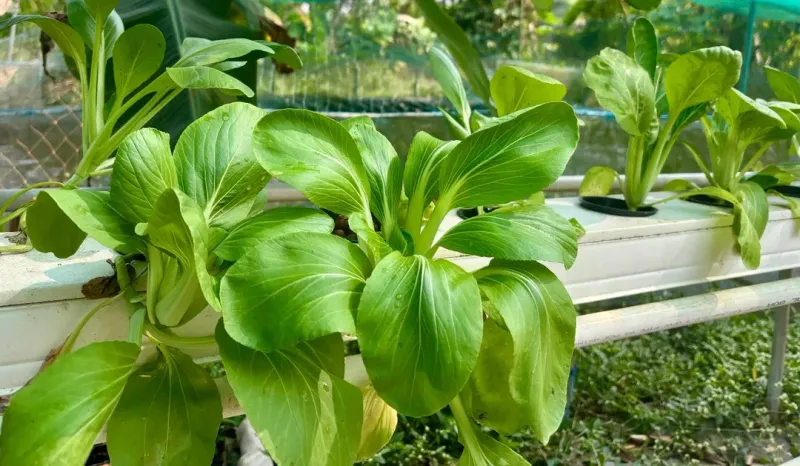
Nitrogen powers the production of chlorophyll, which gives leaves their vibrant green color and enables photosynthesis. Without adequate nitrogen, plants cannot manufacture the proteins needed for rapid leaf development.
California’s intensive growing seasons demand fertilizers that prioritize this essential nutrient above all others.
Gardeners throughout the state notice dramatic differences when they switch to nitrogen-rich formulas for their salad crops. Leaves grow larger, thicker, and more tender within just a few weeks of proper feeding.
The visual transformation makes it easy to understand why experienced growers focus so heavily on nitrogen levels.
Phosphorus and potassium matter too, but leafy greens don’t need them in the same quantities as fruiting plants. A fertilizer with a high first number in the N-P-K ratio indicates strong nitrogen content.
Formulas like 10-5-5 or 12-4-8 work exceptionally well for lettuce, chard, and similar crops.
Fish emulsion ranks among the most popular nitrogen sources for organic gardeners across California. This liquid fertilizer provides quick-acting nitrogen that plants can absorb through both roots and leaves.
The smell dissipates quickly, making it practical for urban gardens and backyard plots.
Blood meal offers another concentrated nitrogen option that releases more slowly than fish emulsion. Sprinkling it around established plants gives them a sustained nitrogen boost over several weeks.
California gardeners often apply blood meal when leaves start showing pale green or yellowish tints.
Alfalfa meal provides nitrogen along with growth hormones that stimulate vigorous leaf production. Many growers throughout the state incorporate it into potting mixes and raised bed fills.
The slow-release nature prevents the nutrient spikes that can stress tender greens.
Excessive nitrogen causes lush growth that attracts aphids and other sap-sucking pests common in California gardens. Finding the right balance requires observation and adjustment based on how plants respond.
Slightly darker green leaves indicate healthy nitrogen levels without going overboard.
Cool-season greens planted in fall and winter need less nitrogen than spring crops in California’s warmer regions. Temperature affects how quickly plants grow and how much nitrogen they can process.
Adjusting feeding schedules with the seasons prevents waste and keeps plants perfectly nourished.
Nitrogen leaches from soil more quickly than other nutrients, especially in areas with sandy soil or heavy irrigation. Regular light applications work better than infrequent heavy doses for maintaining consistent levels.
This approach matches how California gardeners manage their intensive year-round growing schedules.
3. How Slow-Release Nutrition Supports Steady Leaf Growth
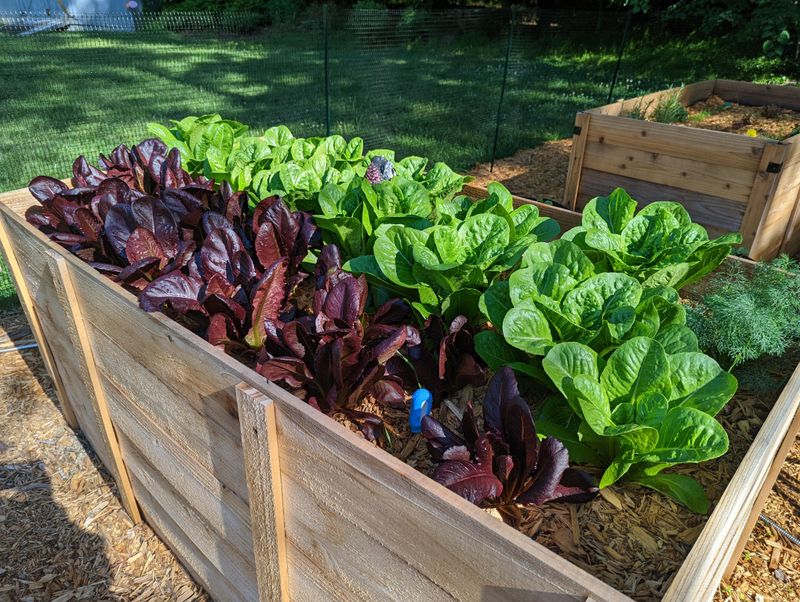
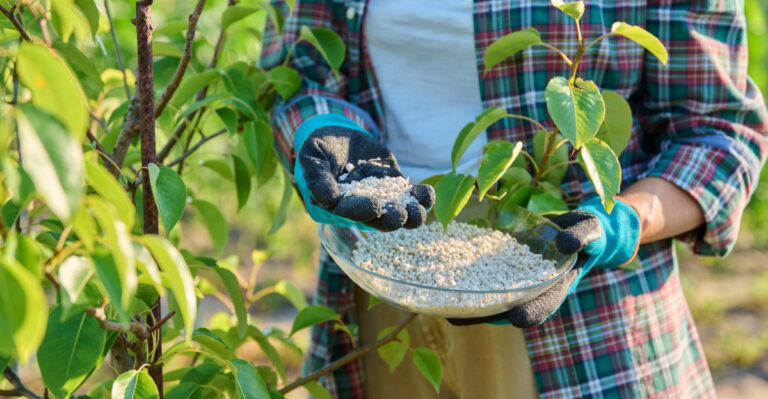
Granular fertilizers that break down gradually provide the consistent feeding that leafy greens need for optimal development. Quick-release formulas create growth spurts followed by nutrient deficiencies that stress plants unnecessarily.
California gardeners prefer products that deliver nutrition over weeks or months rather than days.
Coated pellets use moisture and soil temperature to control how quickly nutrients become available to roots. This technology prevents the feast-or-famine cycle that weakens plants and reduces harvest quality.
The steady supply supports continuous leaf production without forcing unnatural growth patterns.
Organic slow-release options include bone meal, kelp meal, and composted poultry manure blended into custom mixes. These materials break down through microbial activity, which happens naturally in California’s warm soils.
The process creates a self-regulating system that adjusts to plant needs and environmental conditions.
Applying slow-release fertilizer at planting time reduces labor throughout the growing season. One thorough incorporation into the soil can feed crops for eight to twelve weeks in most California gardens.
This efficiency appeals to busy gardeners who want great results without constant maintenance.
Raised beds benefit especially from slow-release formulas because nutrients don’t leach away as quickly as in ground plantings. The contained environment allows for more precise fertilizer management.
California gardeners with raised bed systems often achieve better results with less fertilizer overall.
Temperature swings affect how quickly slow-release products break down and release their nutrients. Warmer soil speeds up the process, while cooler conditions slow it down.
This natural regulation matches plant growth rates in different California seasons.
Mixing different slow-release materials creates a more complete nutritional profile than any single product provides. Combining nitrogen-rich blood meal with phosphorus-heavy bone meal and potassium-rich greensand covers all the bases.
California gardeners often develop signature blends that work perfectly for their specific soil conditions.
Slow-release fertilizers cost more upfront but often prove more economical over a full growing season. Fewer applications mean less product used and less time spent on fertilizer tasks.
The investment pays off in healthier plants and better harvests throughout California’s extended growing periods.
Reapplying slow-release fertilizer mid-season keeps nutrition levels optimal for crops that produce over many months. A light top dressing around plants every six to eight weeks maintains the steady supply that leafy greens need.
This strategy works especially well for cut-and-come-again varieties popular in California gardens.
4. When Liquid Fertilizers Help Boost Fast-Growing Greens
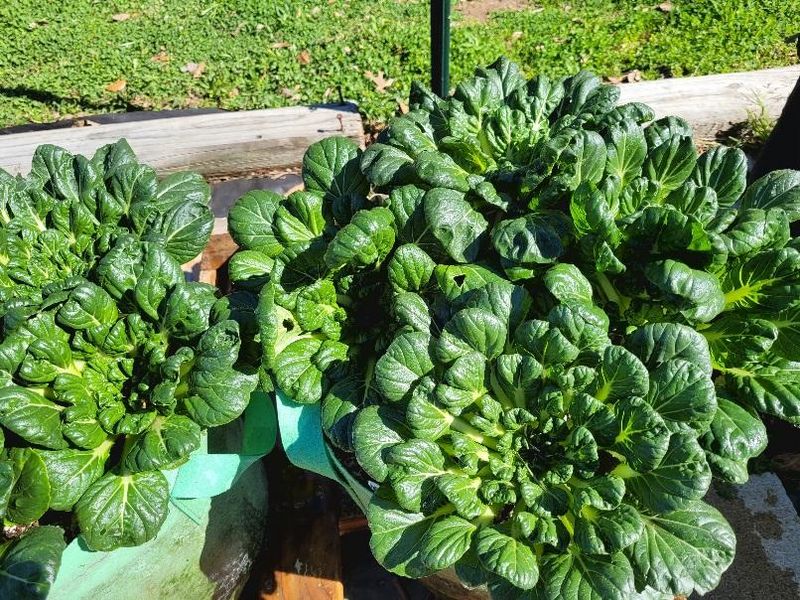
Arugula, mizuna, and baby lettuce varieties reach harvest size in just three to four weeks under ideal conditions. These quick crops need immediately available nutrition that liquid fertilizers deliver better than any solid option.
California gardeners use liquid feeding to maximize production from fast-turnover plantings.
Foliar feeding allows plants to absorb nutrients directly through leaf surfaces, bypassing the root system entirely. This method provides the fastest possible response when plants show signs of deficiency.
Spraying diluted liquid fertilizer on leaves works especially well during cool weather when root uptake slows down.
Compost tea brewed from high-quality finished compost creates a nutrient-rich liquid full of beneficial microorganisms. Many California gardeners make batches weekly during peak growing season to support their intensive planting schedules.
The biological activity in properly brewed tea enhances soil health while feeding plants.
Fish and kelp emulsions mixed together provide balanced nutrition with growth-promoting hormones and trace minerals. This combination has become a staple in California’s organic gardening community.
Weekly applications during active growth keep plants producing tender new leaves continuously.
Liquid fertilizers work through drip irrigation systems, making them practical for larger garden plots. Injecting diluted fertilizer into the water supply ensures even distribution across all plants.
California gardeners with automated irrigation appreciate this efficient feeding method.
Concentration matters tremendously with liquid fertilizers because it’s easy to over-apply and damage plants. Following label directions precisely prevents root burn and leaf scorch.
Most products recommend diluting to half-strength for tender leafy greens.
Applying liquid fertilizer to dry soil can shock roots and reduce nutrient uptake efficiency. Watering first, then feeding ensures roots are ready to absorb the nutrients you’re providing.
This two-step process has become standard practice among experienced California gardeners.
Succession planting schedules common in California gardens benefit from liquid fertilizer’s quick action. Newly transplanted seedlings get an immediate boost that helps them establish faster.
The rapid response shortens the time between planting and first harvest.
Combining liquid feeding with slow-release base fertilizers creates an ideal nutrition program for intensive gardens. The slow-release material provides background nutrition while liquid applications address immediate needs.
California’s year-round growing season makes this layered approach especially valuable for maintaining soil fertility.
5. Why California Gardeners Avoid Heavy Synthetic Formulas
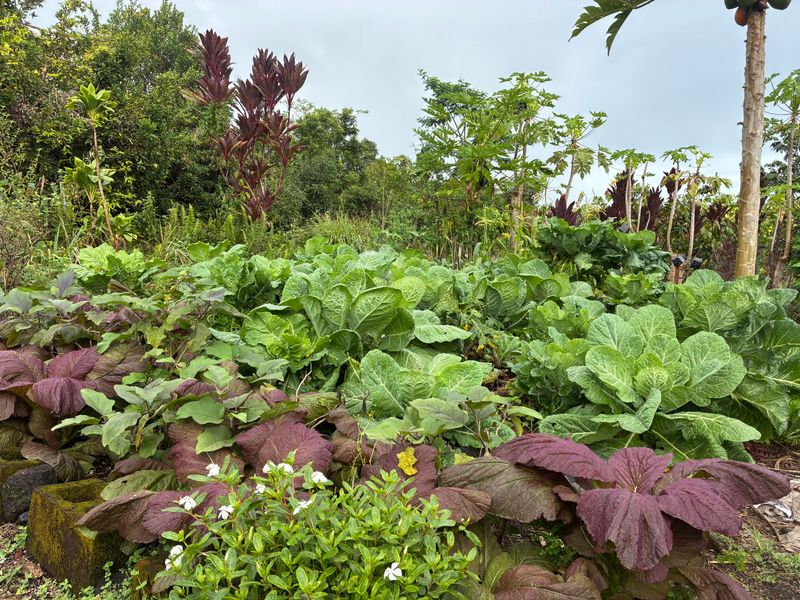
Concentrated chemical fertilizers can burn tender leaf tissues and damage the beneficial soil life that supports healthy plant growth. Many California gardeners have learned this lesson the hard way after watching prized lettuce beds turn brown overnight.
The state’s environmental consciousness has also shifted preferences toward gentler, more sustainable options.
Synthetic fertilizers provide nutrients in forms that plants absorb almost instantly, but this rapid uptake often exceeds what plants can actually use. The excess accumulates in leaf tissues, creating bitter flavors and tough textures.
California’s farm-to-table culture demands produce with superior taste, pushing gardeners toward organic methods.
Salt buildup from repeated synthetic fertilizer applications creates long-term soil problems throughout California’s drier regions. These salts interfere with water uptake and can eventually make soil hostile to plant growth.
Flushing beds regularly helps, but prevention through organic fertilizers works better.
Runoff from synthetic fertilizers contributes to water quality problems in California’s sensitive watersheds and coastal areas. Many gardeners have stopped using them purely for environmental reasons.
The state’s ongoing water challenges make responsible fertilizer choices more important than ever.
Organic certification standards prohibit most synthetic fertilizers, limiting options for gardeners who want to maintain certified plots. California’s robust organic agriculture industry has created strong infrastructure for sourcing approved alternatives.
Local garden centers stock extensive organic fertilizer selections that weren’t available a generation ago.
Micronutrient deficiencies can develop when synthetic fertilizers provide only nitrogen, phosphorus, and potassium without trace elements. Organic materials naturally contain the full spectrum of nutrients plants need.
California’s diverse soil types benefit from this comprehensive nutrition approach.
Soil structure deteriorates over time when synthetic fertilizers replace organic matter inputs. The result is compacted, lifeless dirt that drains poorly and requires more water.
Maintaining soil health matters especially in California, where water conservation is a constant concern.
Price comparisons show that organic fertilizers often cost less per application when you factor in their soil-improving benefits. Synthetic products may seem cheaper initially, but they don’t build long-term soil fertility.
California gardeners increasingly recognize the value of investing in soil health.
Community gardens throughout California often ban synthetic fertilizers to protect shared water sources and maintain organic practices. These policies reflect broader environmental values in the state’s gardening culture.
Working within organic guidelines has become the norm rather than the exception.
6. How Soil Temperature Affects Fertilizer Uptake In Greens
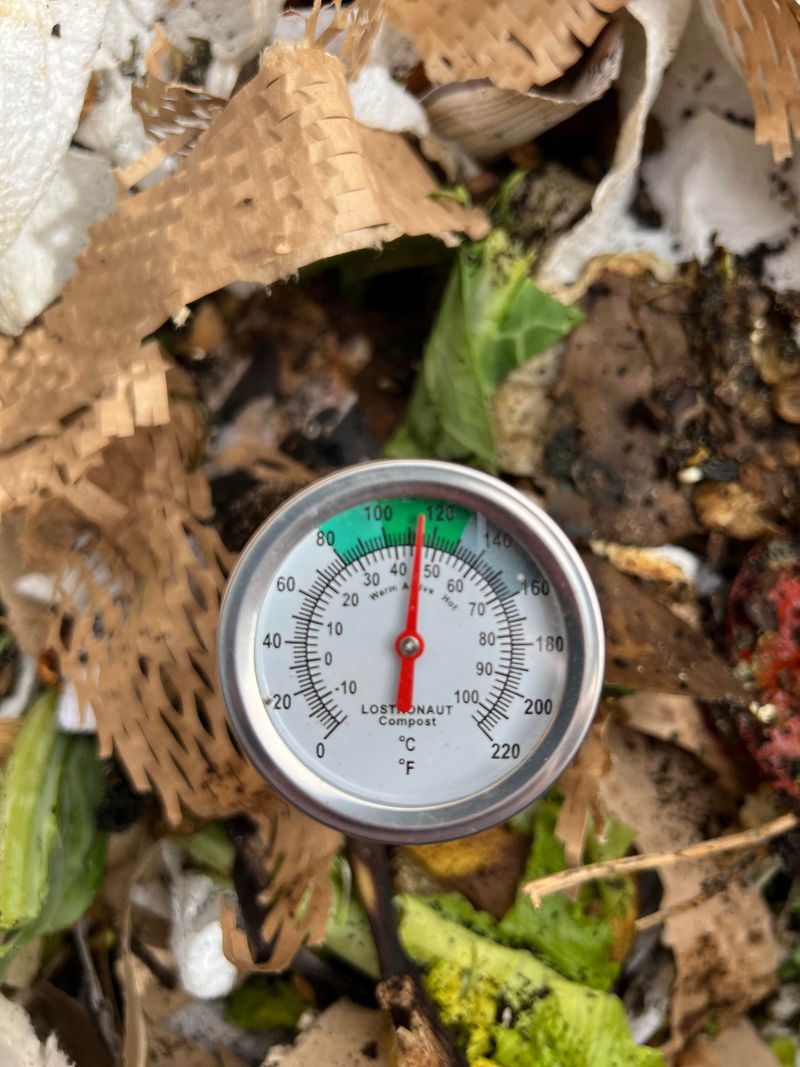
Root activity slows dramatically when soil temperatures drop below 50 degrees Fahrenheit, limiting how much nutrition plants can absorb. California’s coastal areas often experience cool soil conditions even during growing season, affecting fertilizer effectiveness.
Understanding this relationship helps gardeners time applications for maximum benefit.
Warm soil above 60 degrees supports active microbial populations that break down organic fertilizers and make nutrients available. California’s interior valleys enjoy these conditions much earlier in spring than coastal regions.
Gardeners in different parts of the state need different fertilizer timing strategies.
Using a soil thermometer takes the guesswork out of deciding when to apply fertilizer. Checking temperature at root depth provides accurate information for fertilizer scheduling.
This simple tool has become standard equipment for serious California vegetable gardeners.
Liquid fertilizers work better than granular options when soil temperatures are marginal for growth. The pre-dissolved nutrients require less soil activity to become available to plants.
California gardeners often switch to liquid feeding during cooler months for this reason.
Mulching garden beds helps moderate soil temperature swings that affect nutrient availability. A two-inch layer of straw or shredded leaves keeps soil warmer on cool nights and cooler during hot days.
This temperature stability improves fertilizer efficiency throughout California’s variable seasons.
Spring fertilizer applications should wait until soil has warmed sufficiently for roots to use the nutrients. Applying too early wastes fertilizer through leaching before plants can absorb it.
California’s early planting season tempts gardeners to fertilize before conditions are right.
Fall plantings in California benefit from residual soil warmth that keeps nutrient uptake strong into November. The extended growing season allows for productive harvests long after gardens in colder climates have finished.
Timing fertilizer applications to match this warmth maximizes fall crop potential.
Container gardens warm up faster than in-ground beds, allowing earlier fertilizer applications in spring. The smaller soil volume responds quickly to air temperature changes.
California container gardeners can often start intensive feeding weeks before ground-bed growers.
Covering beds with clear plastic for a week before planting warms soil and activates microbial populations. This technique, called soil solarization when used longer, prepares beds for optimal fertilizer response.
Many California gardeners use this method to jumpstart spring plantings in cooler coastal areas.
7. How Often Leafy Greens Should Be Fed For Consistent Harvests
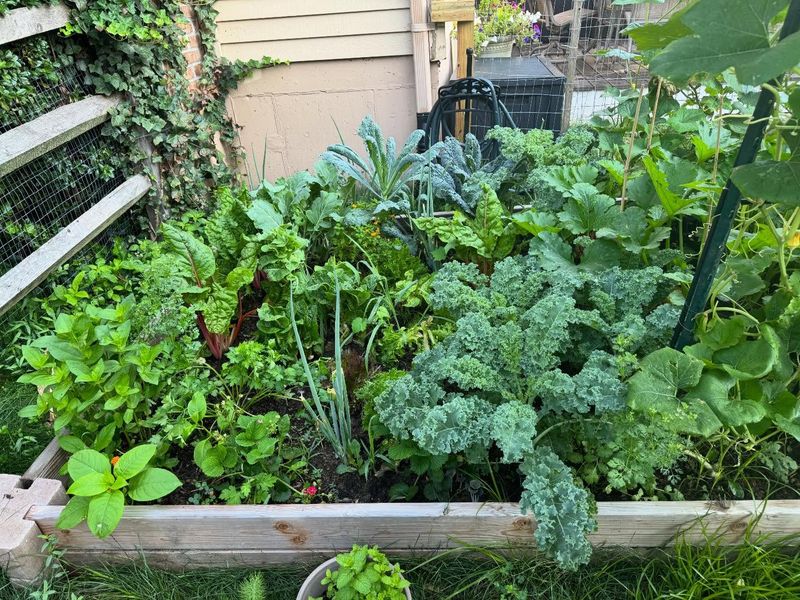
Establishing a regular feeding schedule takes the guesswork out of fertilizer management and ensures plants never experience nutrient stress. Most leafy greens perform best with light applications every two to three weeks during active growth.
California’s extended seasons make consistent feeding especially important for maintaining production.
Heavy feeders like chard and kale need more frequent applications than light feeders like lettuce and arugula. Observing how quickly plants grow helps determine the right frequency for specific crops.
California gardeners often maintain different schedules for different sections of their gardens.
Organic fertilizers generally require more frequent application than synthetic options because they release nutrients more slowly. A weekly compost tea application provides steady nutrition without risk of overfeeding.
This approach has gained popularity throughout California’s organic gardening community.
Reducing fertilizer frequency during hot weather prevents excess leafy growth that attracts pests and diseases. Plants naturally slow their growth when temperatures climb above 80 degrees.
California gardeners learn to back off feeding during heat waves rather than pushing plants to perform.
Container-grown greens need more frequent feeding than garden bed plantings because nutrients leach from pots with every watering. Weekly liquid fertilizer applications keep container plants productive throughout California’s growing season.
The smaller soil volume simply cannot hold enough nutrients for longer intervals.
Succession plantings at different growth stages require varied fertilizer schedules within the same garden space. Newly transplanted seedlings need gentle feeding while mature plants demand heavier nutrition.
California’s intensive planting systems require careful tracking to feed each crop appropriately.
Calendar reminders help busy gardeners maintain consistent feeding schedules without relying on memory. Setting weekly or biweekly alerts ensures plants receive timely nutrition.
California’s year-round gardening demands this level of organization for best results.
Adjusting fertilizer frequency with seasonal changes in growth rate prevents waste and maintains plant health. Spring crops growing rapidly need more frequent feeding than slow fall growth.
California’s mild climate creates less dramatic seasonal variation than other regions, but the principle still applies.
Skipping fertilizer applications entirely for one week per month allows plants to use residual soil nutrients and prevents buildup. This practice, called nutrient fasting, can actually improve plant health in California’s intensive gardens.
The break also reduces total fertilizer costs over a full season.