This Golden Shrub Brings Early Color To Georgia Gardens In March
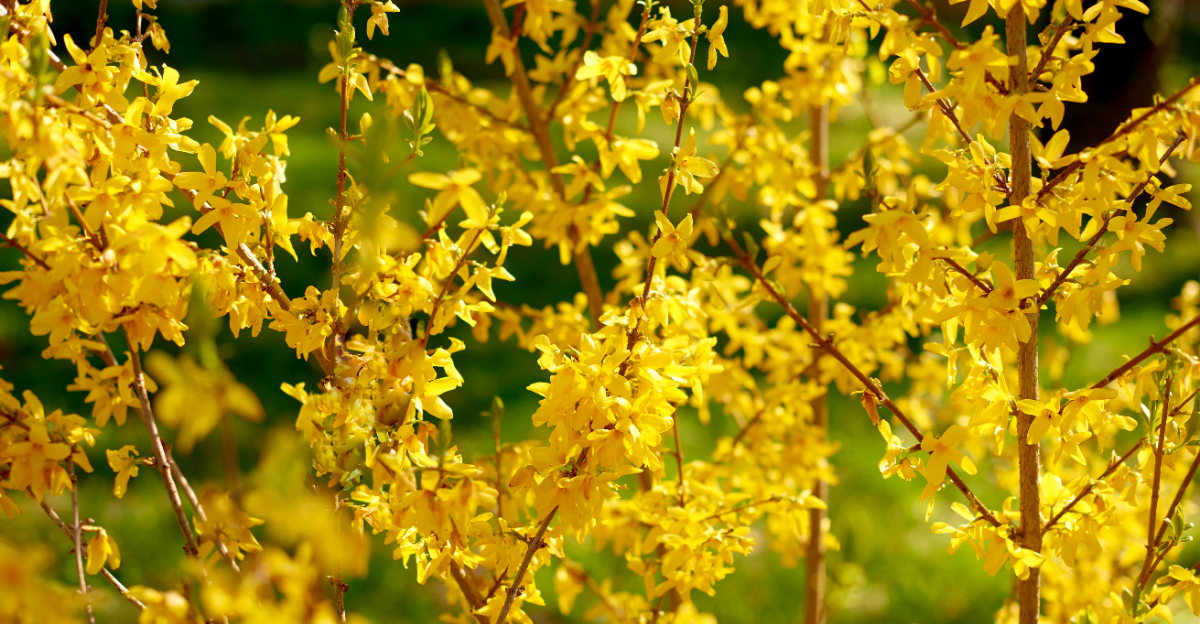
March gardens in Georgia often look quiet for a while, and then something bright suddenly changes the entire scene. Branches covered in bold golden blooms appear while many plants are still just beginning to wake up from winter.
The color is impossible to miss, especially against bare trees and still-sleepy garden beds. Many gardeners recognize the moment right away because it feels like the first real sign that spring is finally moving in.
One shrub is famous for creating this early display across neighborhoods and older landscapes.
Forsythia bursts into bloom right as the season begins shifting, covering its branches with vivid yellow flowers that bring a fresh wave of color to Georgia gardens in March.
1. Forsythia Fills Gardens With Bright Golden Blooms In Early Spring
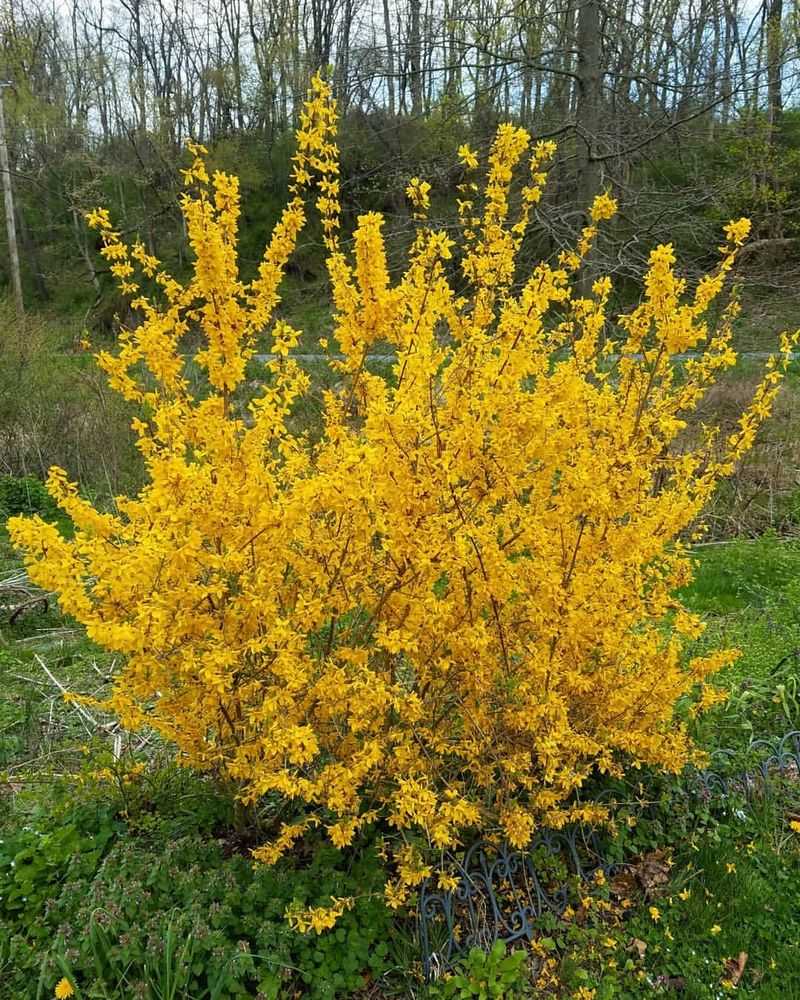
Few plants stop traffic quite like a forsythia in full bloom. Every March in Georgia, those arching branches explode with hundreds of tiny yellow flowers before a single leaf appears, and the effect is nothing short of stunning.
People who have never grown one before often pull over just to look at it from the road.
Forsythia belongs to the olive family and originally came from Asia and parts of southeastern Europe. It was brought to American gardens decades ago, and it has been a reliable spring performer ever since.
Most varieties grow as loosely arching shrubs, with long flexible stems that bend outward and downward in a fountain-like shape.
What makes forsythia so special in Georgia specifically is the timing. Winters here can be unpredictable, swinging between cold snaps and mild stretches, but forsythia handles all of it without complaint.
By the time March rolls around, those buds are ready to pop no matter what February threw at the yard.
Blooms typically last two to three weeks depending on temperatures. Warmer spells shorten the show, while cooler stretches can stretch it out a bit longer.
Either way, it is one of the earliest reliable flower displays you will get from any woody plant in a Georgia landscape.
Yellow is the signature color, though shades range from pale lemon to deep gold depending on the variety. Planting a few together creates a bold, layered effect that announces spring has officially arrived in your yard.
2. Fast Growth Helps It Fill Empty Areas Of The Yard Quickly
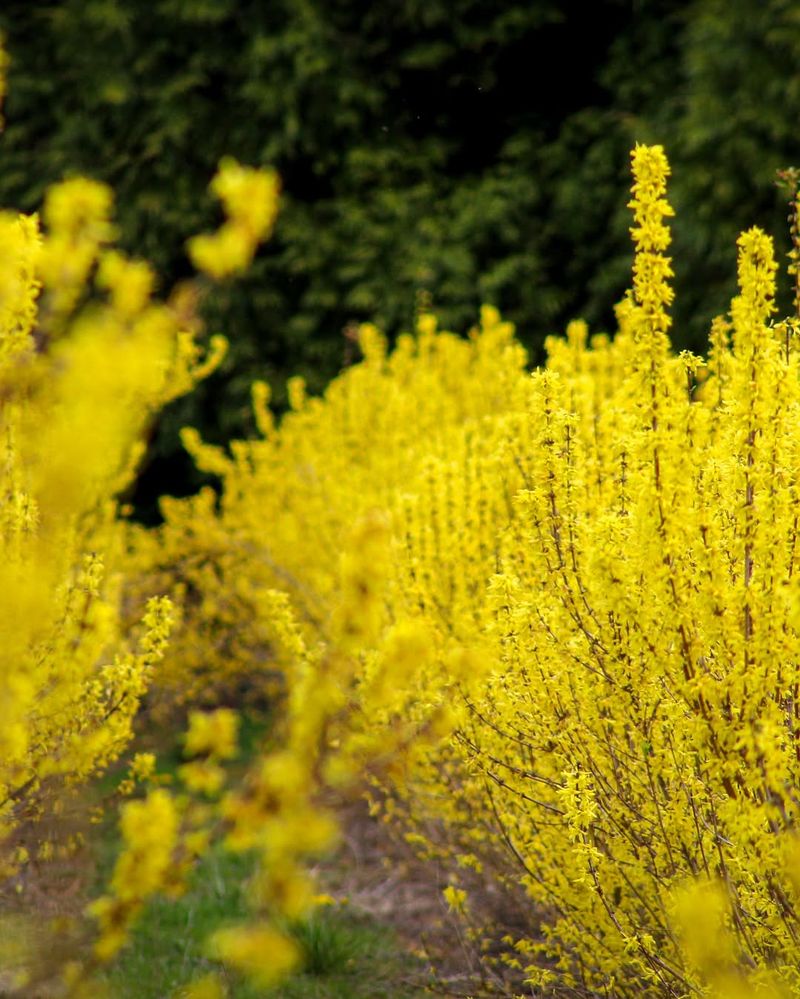
Some shrubs make you wait years before they look like anything. Forsythia is not one of them.
Plant a small container-grown forsythia in Georgia and you can expect noticeable growth within the first season, often adding two feet or more of new stem length in a single year under decent conditions.
That kind of speed is genuinely useful when you have a bare stretch of yard that needs filling. A new home with empty beds, a fence line with nothing growing along it, or a slope that needs some coverage — forsythia handles all of these situations well.
It spreads outward naturally as stems arch and touch the ground, sometimes rooting where they land.
Georgia’s warm growing season gives forsythia plenty of time to put on size between spring and fall.
Regular watering during the first summer helps the root system get established, and after that the plant largely fends for itself through normal Georgia rainfall patterns.
Mulching around the base keeps moisture in and reduces how often you need to water.
Within three to four years, a single plant can easily reach six to eight feet tall and just as wide. Some older specimens in Georgia landscapes stretch even larger, forming impressive mounded shapes that anchor a corner or frame a view from the house.
Speed does not mean sloppiness, though. Forsythia responds well to shaping, so fast growth does not have to mean an unruly mess.
A little attention each year keeps things looking intentional and tidy.
3. Works Well As A Living Hedge Or Property Border
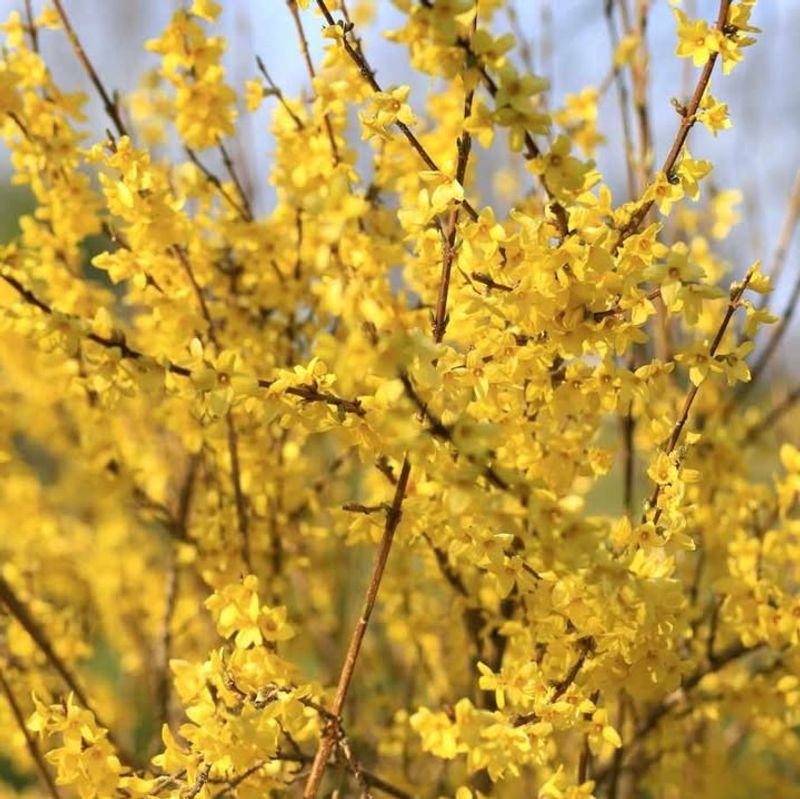
Planting a row of forsythia along a property line is one of the smartest moves a Georgia homeowner can make.
By the second or third year, those plants knit together into a dense, arching barrier that offers real visual separation without the stiff, formal look of a clipped boxwood hedge.
Unlike wooden fencing, a forsythia hedge does not rot, warp, or need painting. It just grows.
Each spring it announces itself with that golden bloom, and the rest of the year it stays green and leafy, filling in gaps and softening the edge between your yard and the neighbor’s.
Spacing matters when planting a hedge row. Setting plants about four to five feet apart gives them enough room to develop naturally while still growing together into a continuous screen within a few seasons.
Planting too close creates competition for resources; too far apart leaves permanent gaps.
In Georgia, forsythia hedges work especially well along driveways, back fence lines, and the edges of properties that border busy roads.
The dense branching muffles some noise and creates a natural visual buffer that feels softer and more welcoming than a solid fence.
One thing to keep in mind — forsythia is deciduous, which means it drops its leaves in winter. If year-round screening is the goal, pairing it with an evergreen like holly or wax myrtle on either side fills in that seasonal gap.
But for spring through fall coverage, forsythia does a solid job on its own in Georgia landscapes.
4. Early Flowers Support Bees Emerging From Winter
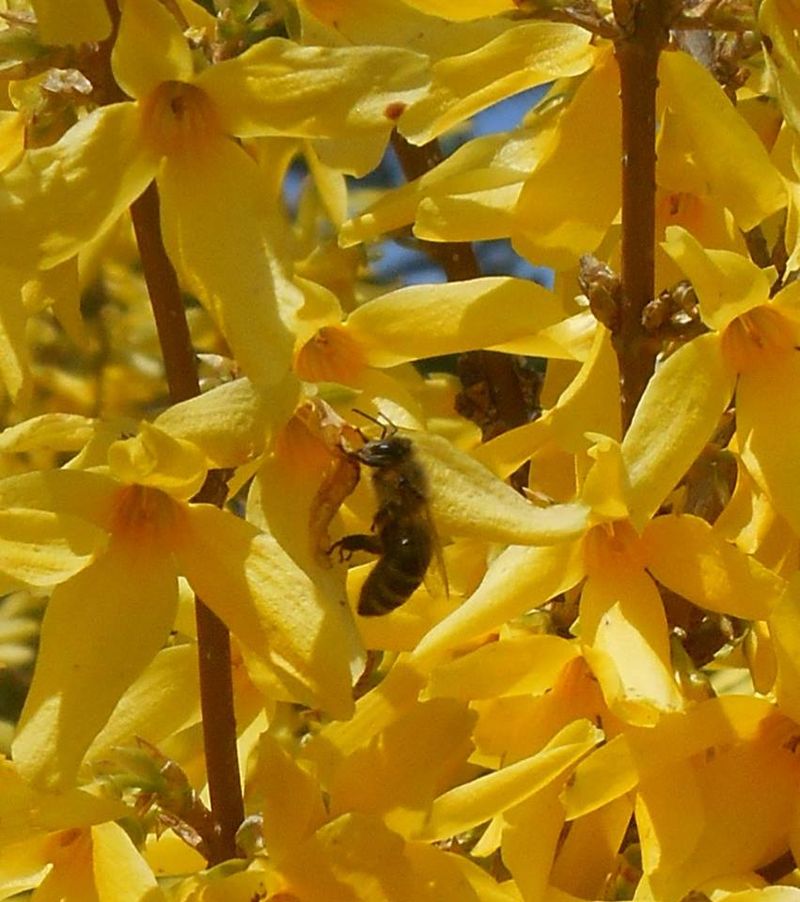
When forsythia blooms in March, most of Georgia’s garden is still quiet. Very few flowers are open, and the bees that survived winter are hungry and searching.
Forsythia does not produce large amounts of nectar, but it does offer early pollen at a time when almost nothing else is available.
Bumblebees in particular show up on forsythia early. You can watch them working through the flowers on a warm late-February or early-March afternoon, moving from branch to branch with that focused, deliberate energy.
It is one of the first signs that the yard is coming back to life.
Honeybees also visit forsythia when temperatures climb above 50 degrees.
Beekeepers in Georgia often note that forsythia bloom lines up with the time when colonies are starting to build back up after winter, and any pollen source during that stretch is genuinely valuable to the hive.
Beyond bees, forsythia flowers occasionally attract early butterflies on warmer days.
Native bees like mason bees and small mining bees also forage on it, making the shrub a quiet but meaningful part of the early-season pollinator landscape in Georgia yards.
Pairing forsythia with other early bloomers like native redbuds or winter honeysuckle creates a layered food source that supports more species across a longer stretch of time.
No single plant solves the early-season gap entirely, but forsythia reliably shows up year after year right when it is most needed, earning its place in any Georgia garden with pollinators in mind.
5. Pruning After Flowering Keeps Plants Dense And Balanced
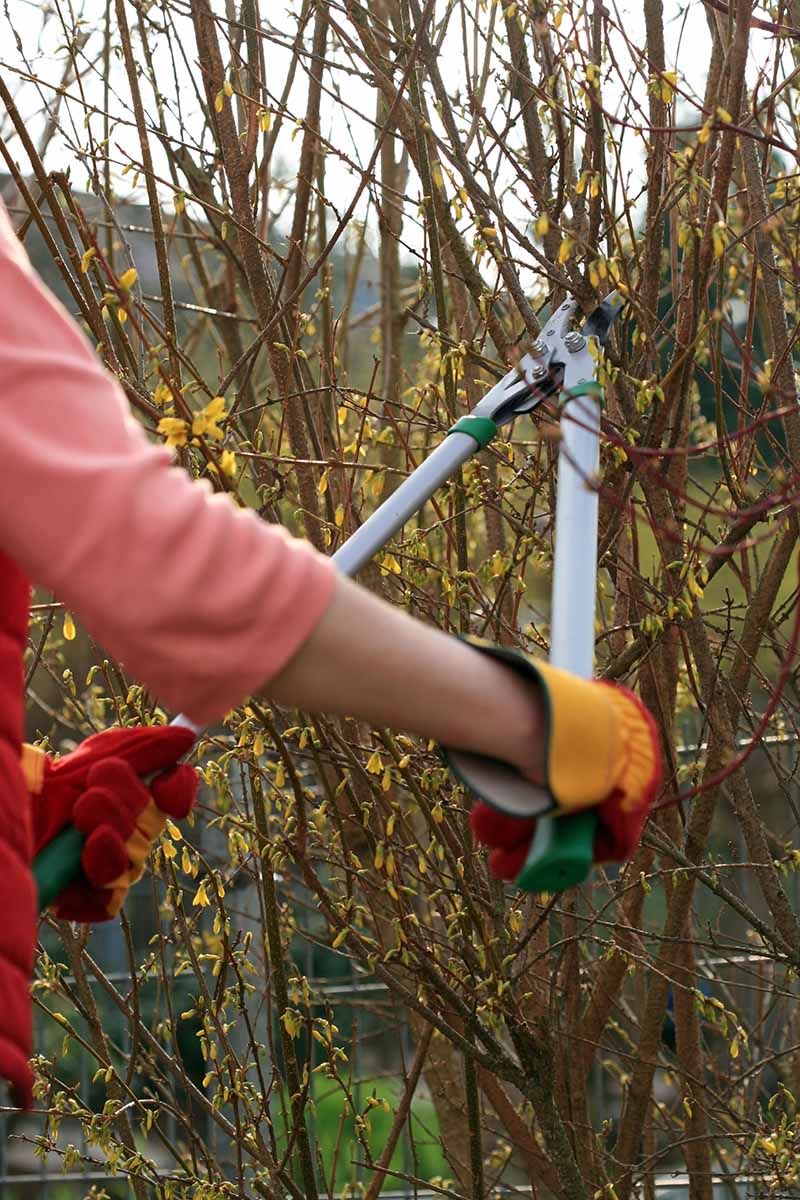
Timing is everything when it comes to pruning forsythia, and getting it wrong means waiting a full year to see flowers again.
Forsythia sets its flower buds on stems that grew the previous season, so cutting it back in late summer or fall removes exactly the wood that would have bloomed in spring.
Right after the flowers fade in March or early April is the ideal window in Georgia. That gives the plant the entire growing season to push out new stems, which will carry next year’s blooms.
Waiting even a few weeks past peak bloom is fine — just do not push it into summer.
Shaping is straightforward. Remove any stems that cross through the center of the plant, cut back branches that are growing in awkward directions, and reduce overall height if the shrub has gotten too tall for the space.
Clean cuts just above a leaf node or side branch encourage the plant to fill out rather than just grow longer stems.
Sharp tools matter more than people realize. Dull pruners crush stems rather than cutting cleanly, which slows healing and invites problems.
A quick sharpening before you start makes the whole job faster and cleaner.
For forsythia that has been neglected for several years in a Georgia yard, a more aggressive approach may be needed. Cutting the whole plant back hard to about twelve inches from the ground will not hurt it.
New growth comes back quickly, and within two seasons the plant often looks better than it did before the hard cutback.
6. Old Stems Can Be Removed To Encourage Fresh Growth
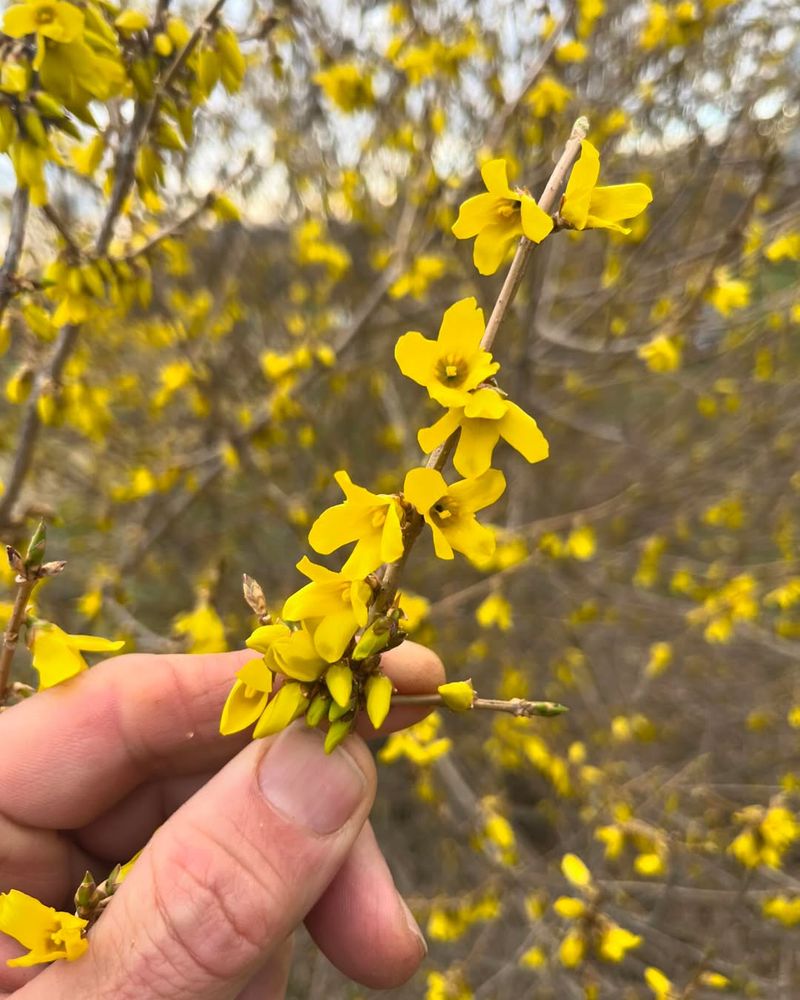
Over time, forsythia stems get thick, woody, and less productive. A shrub that has not been thinned in several years often looks like a tangle of old gray wood with only sparse blooming on the outer tips.
Removing those old stems from the base is one of the most effective things you can do to restore vigor to an aging plant.
Renewal pruning works differently from shaping. Instead of trimming the ends of branches, you cut entire stems down to the ground using loppers or a pruning saw.
Starting with the oldest and thickest stems — usually the ones with rough, grayish bark — removes the least productive wood and opens the interior to light and air.
In Georgia, doing this in the weeks right after bloom gives the plant the longest possible recovery window before fall. New shoots emerge quickly from the base, often reaching several feet by the end of the first growing season.
These young stems will carry the best flower display the following spring.
Removing one-third of the oldest stems each year over three seasons is a gentler approach that keeps the plant flowering throughout the process.
Going this route avoids the temporary gap in bloom that comes with a full cutback all at once.
Forsythia does not hold grudges. Even plants that look tired and overgrown in Georgia landscapes usually bounce back with strong new growth after this kind of thinning.
It is one of those shrubs that genuinely rewards the effort you put into it with better performance the very next season.
7. A Sunny Location Helps The Plant Perform At Its Best
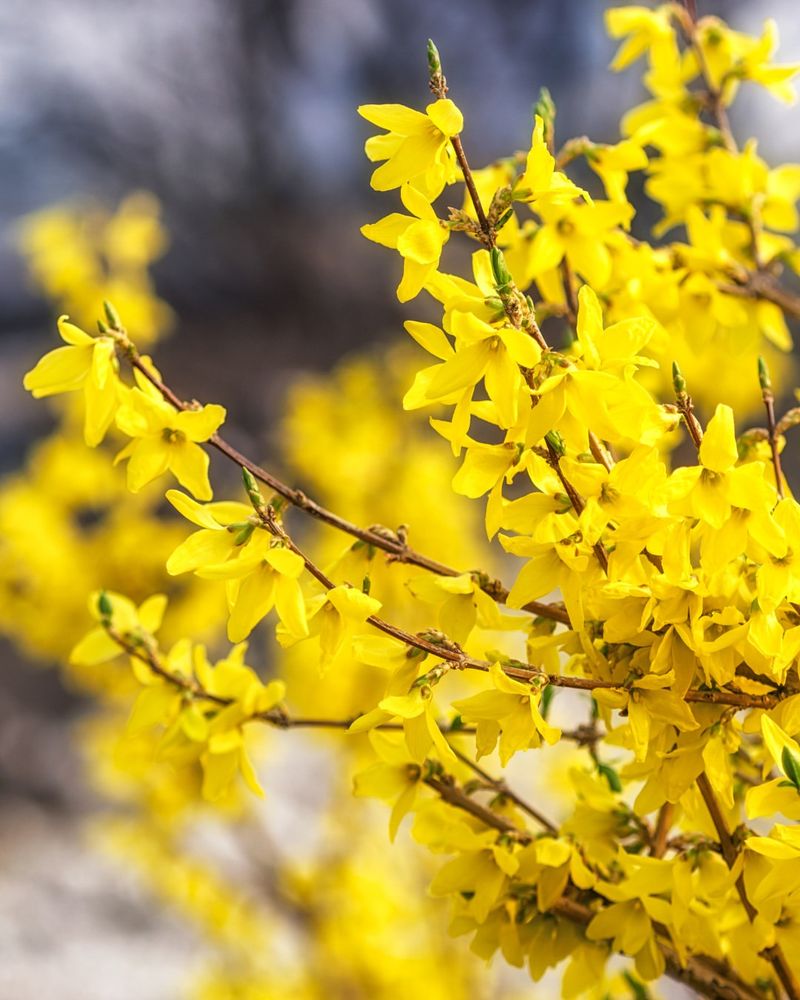
Put forsythia in the shade and it will survive, but you will not get much of a flower show. Full sun is where this plant truly performs.
Six or more hours of direct sunlight per day produces the densest branching and the heaviest bloom load, which is exactly what most Georgia gardeners are after in March.
Partial shade is workable, especially in spots that get morning sun and afternoon shade during Georgia’s hot summers.
Bloom counts drop noticeably in lower-light situations, and the plant tends to stretch and lean toward the light rather than developing that full, rounded shape that looks best in the landscape.
Soil type matters less than people expect. Forsythia handles clay, loam, and sandy soils reasonably well as long as drainage is decent.
Standing water around the roots is the one condition it genuinely struggles with, so low spots that collect water after heavy Georgia rains are not ideal planting locations.
Amending the soil at planting time with compost helps with drainage in heavier clay soils and improves moisture retention in sandier spots.
A layer of mulch two to three inches deep over the root zone keeps soil temperatures steady and reduces stress during Georgia’s summer heat spikes.
Planting near a south or east-facing wall captures extra warmth and light, which can push bloom time slightly earlier in the season.
For Georgia gardeners who want that first pop of yellow color as early as possible, a warm, sunny wall exposure is worth considering when choosing where to place the shrub.