This Hardy Perennial Is Worth Starting Indoors In Late Winter For Spring Color In Michigan

If you want early color in your Michigan garden, columbine is a flower worth starting ahead of the season.
These graceful perennials are known for their distinctive spurred blooms and soft, nodding flowers that appear just as spring gardens begin to wake up.
Starting columbine from seed indoors during late winter gives gardeners a valuable head start before outdoor conditions fully cooperate.
Across the Upper and Lower Peninsulas, Michigan weather can stay unpredictable well into spring.
By beginning seeds indoors, gardeners give young plants time to develop strong roots and healthy growth before they face the shifting temperatures outside.
Columbine also brings remarkable variety to the garden, with blooms that range from deep purple and red to soft yellow and pastel shades.
With a little early preparation, Michigan gardeners can enjoy a vibrant display of these unique flowers as the spring season begins.
1. Early Blooms For Spring Gardens
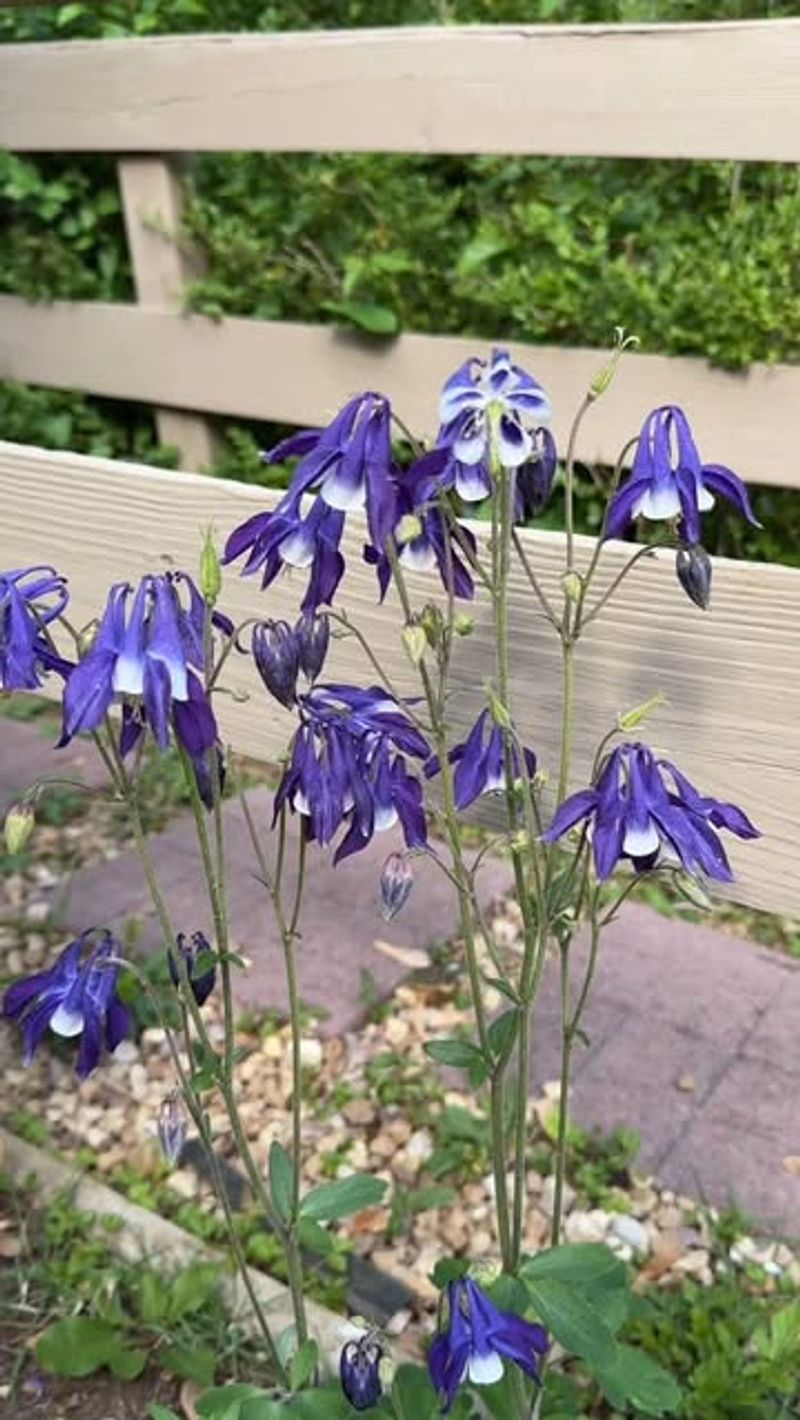
Picture your Michigan garden already glowing with color while your neighbors are still waiting for the ground to warm up.
Starting columbine seeds indoors in late winter, typically around late February or early March, gives your plants a six-to-eight-week head start over seeds sown directly outside.
That extra time makes an enormous difference when Michigan springs tend to arrive slowly and unpredictably.
Columbine seeds started indoors are already developing strong root systems and tiny leaves while outdoor soil temperatures are still too cold for reliable germination.
By the time you transplant them after the last frost, usually around mid-May in most parts of Michigan, they are ready to bloom almost immediately.
That means you get vivid spring color weeks sooner than you ever would from direct sowing.
Aquilegia varieties bloom in a spectacular range of colors, including red, pink, yellow, white, purple, and bicolors, so your garden becomes a genuine showpiece right when spring energy is at its highest.
Many Michigan gardeners are surprised by how quickly indoor-started columbine hits its stride once it goes into the ground.
Starting early is simply the smartest strategy for anyone who wants their outdoor space looking its absolute best as soon as the season turns warm and inviting.
2. Head Start Against Cool Spring Temperatures
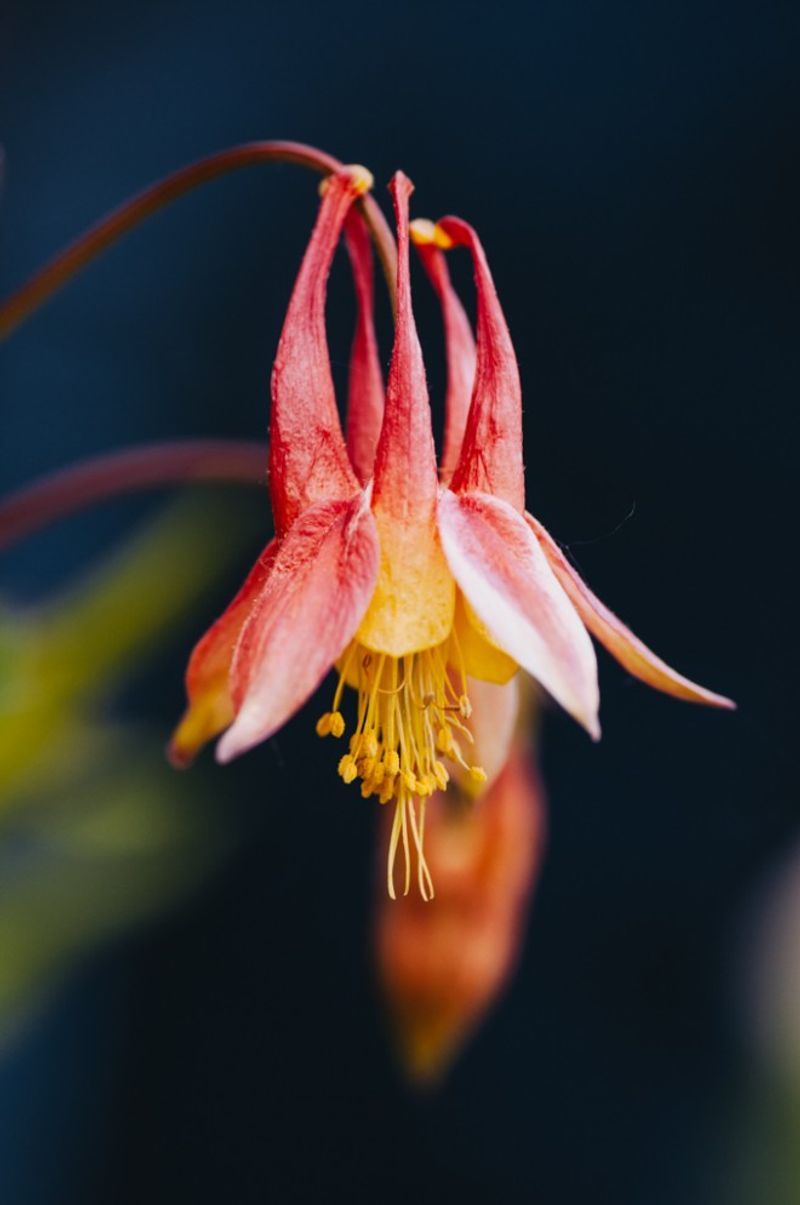
Michigan springs are notoriously unpredictable, and anyone who has gardened here knows that a warm April day can be followed by a surprise frost the very next morning.
Starting columbine indoors in late winter protects young seedlings from exactly that kind of cold-weather whiplash.
Seeds germinate best at around 65 to 70 degrees Fahrenheit, a temperature that is nearly impossible to guarantee outdoors in Michigan before late May.
When you start seeds inside, you control the warmth, the moisture, and the light without worrying about a sudden cold snap wiping out your hard work.
Columbine seedlings are surprisingly tough once established, but they are vulnerable during their earliest stages of growth.
Giving them a safe, warm indoor environment during those critical first weeks sets them up for real success when they eventually head outside.
Cold soil in March and April slows germination significantly and can cause seeds to rot before they even sprout.
Indoor starting completely sidesteps that problem, giving your plants a clean, reliable start every single time.
By the time outdoor temperatures stabilize in Michigan and nighttime lows stay consistently above freezing, your columbine plants are already several inches tall, hardened off, and genuinely ready to handle whatever the season throws at them next.
3. Produces Stronger Seedlings

There is something deeply satisfying about watching a tiny columbine seedling grow into a sturdy, well-rooted plant right on your kitchen counter or under a grow light in your basement.
Indoor growing conditions give you complete control over the three things seedlings need most: consistent warmth, steady moisture, and reliable light.
That level of control is simply not possible outdoors in Michigan during late winter and early spring.
Using a quality seed-starting mix indoors means columbine roots develop in loose, well-draining soil with no competition from weeds or established garden plants. You can monitor moisture levels closely, water gently, and adjust light exposure as needed.
Seedlings grown under these conditions develop thicker stems, deeper roots, and more vigorous foliage compared to seeds scattered directly into garden beds. Stronger seedlings also handle the transplant process much more smoothly.
When you move a robust, well-developed columbine plant into your Michigan garden after the last frost, it establishes quickly and begins putting energy into flower production almost right away.
Weak or underdeveloped seedlings, by contrast, spend their first weeks outdoors just trying to recover from the shock of transplanting.
Starting indoors with proper care eliminates that struggle entirely and gives every plant the strongest possible foundation for a beautiful, productive growing season ahead.
4. Extends The Bloom Season

One of the best-kept secrets among experienced Michigan gardeners is that indoor-started columbine plants bloom noticeably earlier and often more abundantly than those started outside.
When seedlings go into the garden already several weeks along in their development, they hit the ground running and transition straight into flowering mode.
That can mean four to six extra weeks of blooms compared to direct-sown seeds. Columbine typically blooms from late spring into early summer in Michigan, usually from May through June.
But when you start seeds indoors in late February, your plants can begin flowering as soon as they are settled into the garden, stretching that colorful display well into the season.
Some indoor-started plants even produce a second flush of blooms later in summer if spent flowers are removed regularly.
A longer bloom season means more enjoyment for you, more color in your yard, and more time for pollinators to visit your garden.
For Michigan gardeners who work hard to create beautiful outdoor spaces, every extra week of color matters.
Starting columbine indoors is one of the simplest and most effective ways to maximize the time your garden spends looking absolutely spectacular.
It is a small investment of effort in late winter that pays off with weeks of stunning, cheerful blooms right when your outdoor space needs them most.
5. Easier Pest And Disease Management

Slugs, snails, and early-season fungal problems are real challenges for Michigan gardeners who try to establish young plants directly in outdoor beds during spring.
The cool, damp conditions that define Michigan’s early spring create the perfect environment for these pests and diseases to thrive.
Starting columbine indoors removes your seedlings from that risky environment entirely during their most vulnerable stage.
Indoors, there are no slugs munching on tender leaves overnight and no standing moisture encouraging fungal issues like damping off.
You can use clean seed-starting mix, sterilized containers, and good air circulation to keep seedlings healthy from the very start.
Catching any problems early is also much easier when your plants are right in front of you on a shelf or windowsill rather than scattered across a garden bed.
By the time your indoor-started columbine plants head outside into your Michigan garden, they are large and sturdy enough to withstand minor pest pressure without serious damage.
A small slug nibbling on a mature columbine leaf is far less threatening than that same slug attacking a brand-new sprout barely poking above the soil.
This protective indoor period gives every plant a fighting chance to grow up healthy, full, and ready to show off its gorgeous blooms without the stress of early-season garden hazards slowing it down.
6. Allows For Succession Planting

Smart gardeners know that one big planting rarely gives you color all season long, and columbine is no exception to that rule.
Starting seeds indoors gives Michigan gardeners the flexibility to stagger their plantings over several weeks, creating what gardeners call succession planting.
Instead of one burst of blooms that fades all at once, you get a rolling display of color that keeps going well into summer.
For example, starting one tray of columbine seeds in late February and a second tray two or three weeks later means your transplants hit the garden at different stages of development.
The first batch blooms early, the second batch follows a few weeks behind, and your garden stays lively and colorful for a much longer stretch of the season.
This approach works especially well in Michigan, where the growing window between last frost and summer heat can feel frustratingly short.
Succession planting also gives you a chance to experiment with different columbine varieties at different times, mixing colors and heights for a layered, dynamic garden look.
You can plan your indoor seed-starting schedule around your garden layout and personal preferences, which is something direct outdoor sowing simply does not allow.
Taking control of your timing indoors transforms the way your Michigan garden performs from spring all the way through the warmest months of the year.
7. Supports Pollinators Early

Few garden plants do as much for pollinators as columbine, and getting those blooms open early in Michigan gives local wildlife a critical boost right when they need it most.
Native bees, ruby-throated hummingbirds, and various butterfly species all rely on early nectar sources after emerging from their winter rest.
Columbine’s distinctive long-spurred flowers are perfectly designed for these visitors, especially hummingbirds whose beaks are built to reach the nectar deep inside.
When you start columbine indoors and get it blooming weeks earlier than outdoor-sown plants would allow, you are essentially opening a restaurant for pollinators before most other flowers are even on the menu.
That early food source can make a meaningful difference for native bee populations that are just getting established in spring.
Michigan’s native bee diversity is rich and worth supporting, and a yard full of early-blooming columbine is one of the best ways to do exactly that.
Hummingbirds in particular show a strong preference for the tubular, red and orange columbine varieties, making Michigan gardens with early blooms a reliable stop on their spring migration route.
Watching a hummingbird hover at a columbine flower just feet from your window is one of those pure garden moments that never gets old.
Starting seeds indoors to earn those early blooms is absolutely worth every bit of effort involved.
8. Space-Saving Indoor Start
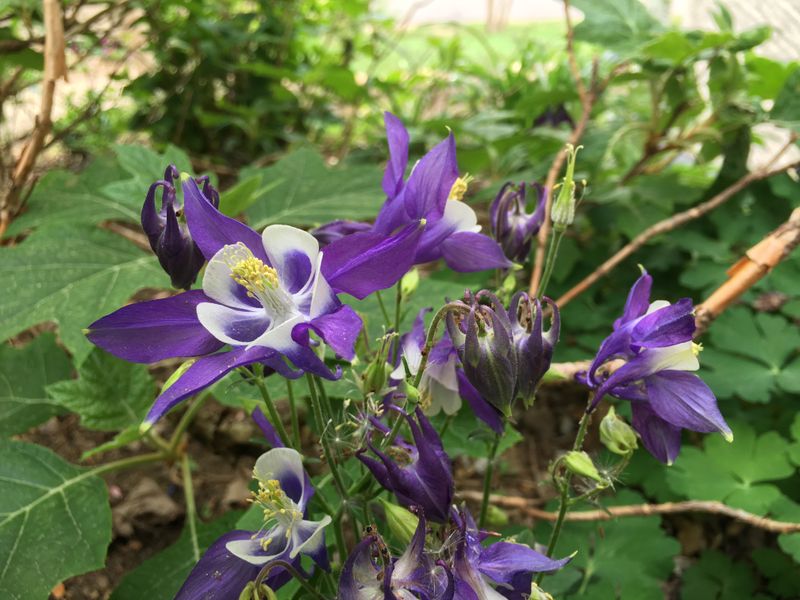
One of the biggest worries people have about starting seeds indoors is the space it takes up inside the house, but columbine is genuinely one of the easiest crops to start in a small footprint.
A single standard seed tray can hold dozens of columbine seeds in very little space, and the plants stay compact during their indoor phase, rarely needing more than a few inches of height before transplanting time arrives.
A sunny south-facing windowsill works well for columbine seedlings, though a simple, affordable grow light setup gives you even more reliable results in Michigan’s often-cloudy late-winter days.
You do not need a dedicated greenhouse or a large spare room to make this work. A small shelf, a few trays, and a basic grow light are genuinely all it takes to raise healthy, vigorous columbine plants ready for your spring garden.
Keeping your indoor seed-starting setup tidy and organized also makes the whole process more enjoyable.
Labeling your trays, tracking your watering schedule, and watching for the first tiny sprouts to appear becomes a fun late-winter ritual that makes the wait for spring feel much shorter.
Michigan winters are long, and having a little green life growing indoors does wonders for your mood while also setting up your outdoor garden for one of its best seasons yet.
9. Encourages Experimentation With Varieties
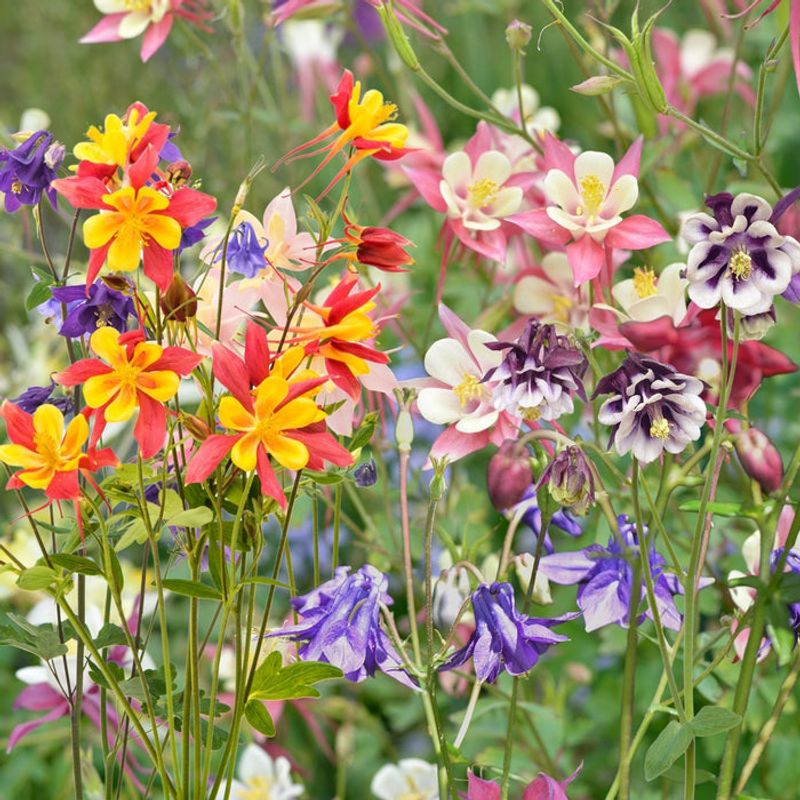
Walk into any seed catalog or garden website in late winter and you will quickly discover that columbine comes in an almost overwhelming number of varieties.
From the classic McKana Giants with their large, ruffled blooms to the compact Nora Barlow with its quirky, double pompom-style flowers, there is a columbine for every taste and garden style.
Starting seeds indoors gives Michigan gardeners the freedom to try multiple varieties at once without the unpredictability of direct outdoor sowing in tricky early-spring conditions.
Trying new cultivars outdoors from direct seed in Michigan’s April and May weather is genuinely risky.
Cold snaps, heavy rain, and fluctuating soil temperatures can wipe out expensive specialty seeds before they even sprout.
Indoors, you control every variable, which means even rare or unusual columbine varieties have a much better chance of establishing successfully and making it into your garden.
Growing several different columbine varieties together creates a layered, multi-colored spring display that looks like something straight out of a professional garden design.
You can mix tall varieties with shorter ones, experiment with complementary or contrasting color palettes, and discover which cultivars perform best in your specific Michigan microclimate.
Indoor starting turns columbine growing into a genuinely creative and rewarding hobby, giving you the confidence to push beyond the basics and build a garden that is truly your own unique expression every single year.