This Hydrangea Type Should Be Cut Back Before Spring In Michigan
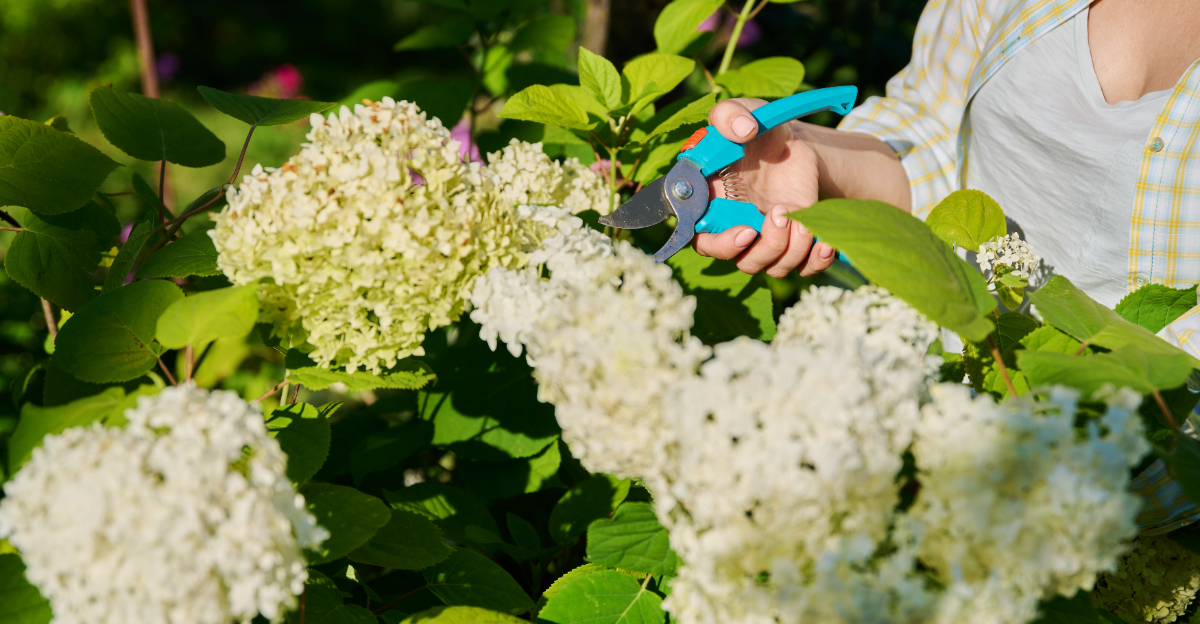
Late winter is one of the best times to give smooth hydrangeas a little attention in Michigan gardens.
Hydrangea arborescens is a dependable flowering shrub that grows well across much of the state, producing large white blooms that brighten landscapes from suburban yards to rural garden beds.
Yet many gardeners overlook the short window when a simple trim can make a noticeable difference in how the plant performs.
Unlike some hydrangeas that flower on old wood, smooth hydrangeas bloom on new growth each season.
Because of that, cutting them back before spring growth begins can encourage stronger stems and fuller flower heads once warmer weather arrives.
Even a quick pruning session in late winter can help shape the shrub and improve airflow around the base.
With the right timing, Michigan gardeners can set their smooth hydrangeas up for healthier growth and a much more impressive bloom display later in the season.
1. Cutting Back Promotes Stronger Stems
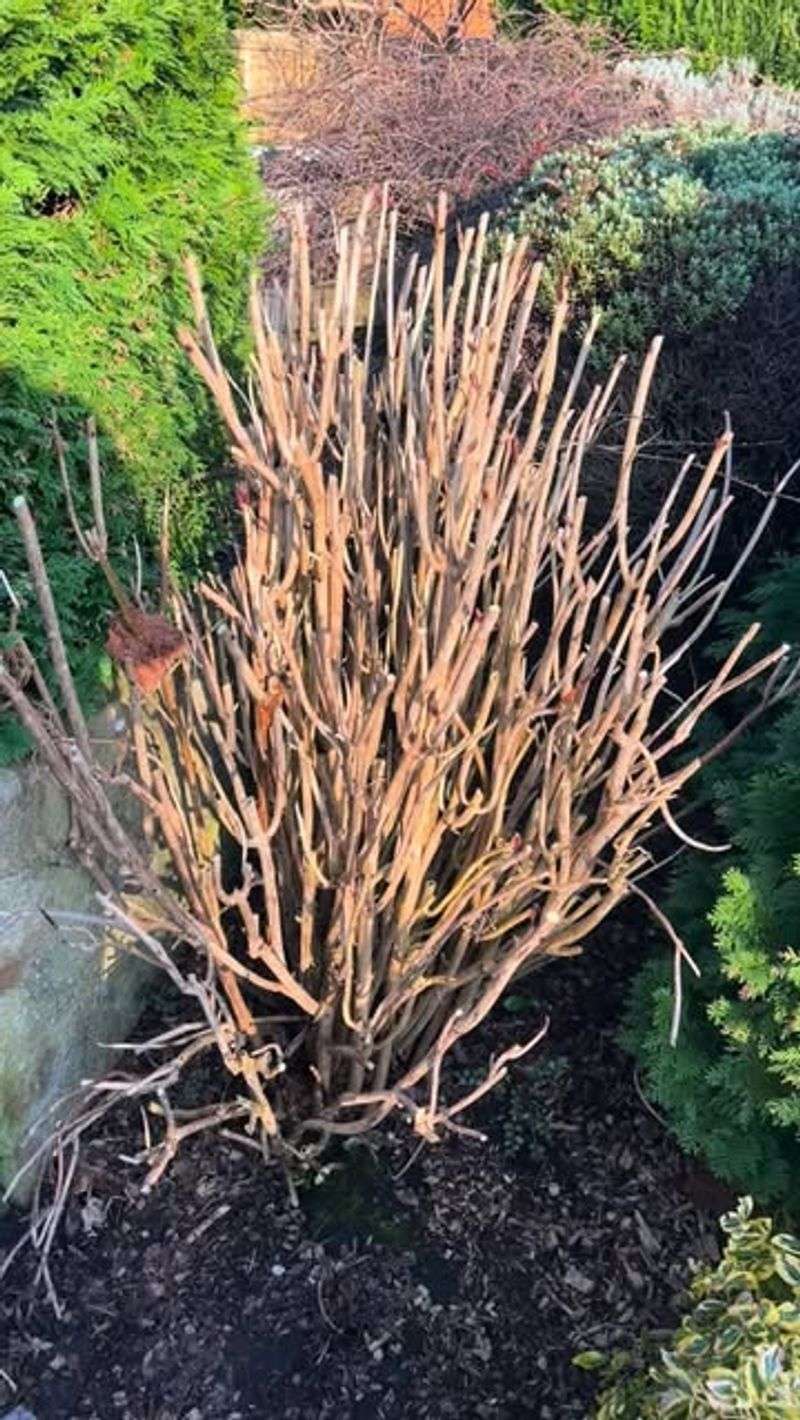
Thick, sturdy stems are what separate a thriving Smooth hydrangea from one that flops over the moment its flowers open.
When you cut back Hydrangea arborescens in late winter, you send a clear signal to the plant to push out fresh, robust new growth rather than wasting energy on old, weak wood.
Gardeners across Michigan have seen firsthand how a hard prune transforms a floppy shrub into a plant that stands tall all season long.
New stems that emerge after pruning tend to be noticeably thicker and more capable of holding up those famously large flower heads without bending.
Smooth hydrangeas bloom on new wood, so every fresh stem that grows after your late-winter cut is a potential bloom producer.
Skipping the prune often means thin, stretched-out stems that buckle under the weight of flowers by midsummer.
In Michigan gardens where humidity and heavy summer rains are common, strong stems matter even more. A well-pruned shrub can handle wind, rain, and heat without collapsing.
Taking twenty minutes to cut back your hydrangea before spring growth begins is one of the simplest investments you can make for a season full of upright, show-stopping blooms that your neighbors will definitely notice.
2. Encourages More Blooms
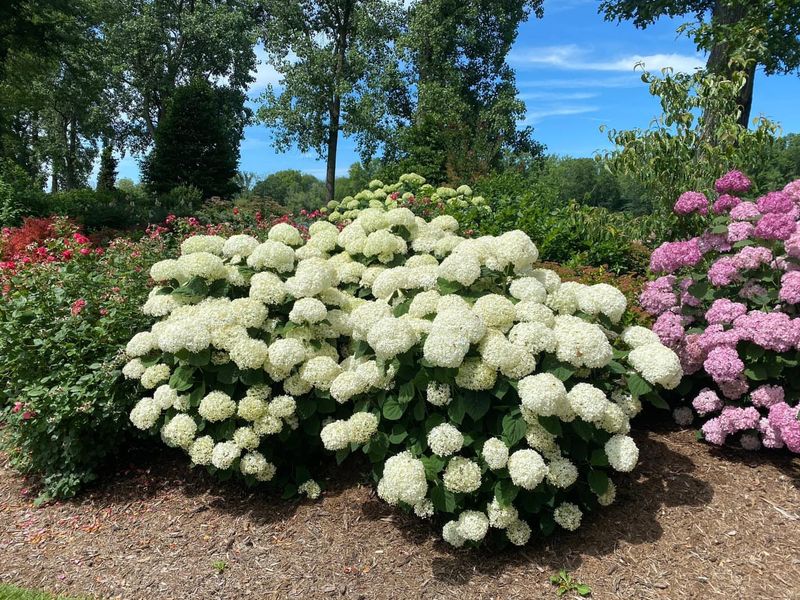
Bigger blooms and more of them are what every gardener wants, and pruning before spring is the most reliable way to get there.
Smooth hydrangeas bloom on new wood, meaning flowers form on stems that grew during the current season.
Removing old growth in late winter clears the way for a fresh flush of vigorous shoots that are primed and ready to produce flowers.
Without pruning, older stems compete with new shoots for nutrients and light, which can reduce the overall number of blooms your shrub produces.
Michigan gardeners who prune annually often report noticeably fuller flower displays compared to shrubs left unpruned for a season or two.
Popular varieties like Annabelle and Incrediball are especially responsive to a good cut-back, producing their signature giant white flower heads in impressive numbers when pruned correctly.
Cutting stems back to about six to twelve inches from the ground is a common recommendation for Hydrangea arborescens, though some gardeners prefer a lighter trim depending on the plant’s size and location in the yard.
Either way, the result is a wave of energized new growth that channels all its resources into producing flowers.
More blooms, bigger clusters, and a longer display window are the rewards waiting for anyone willing to prune before spring arrives in Michigan.
3. Maintains Compact Shape
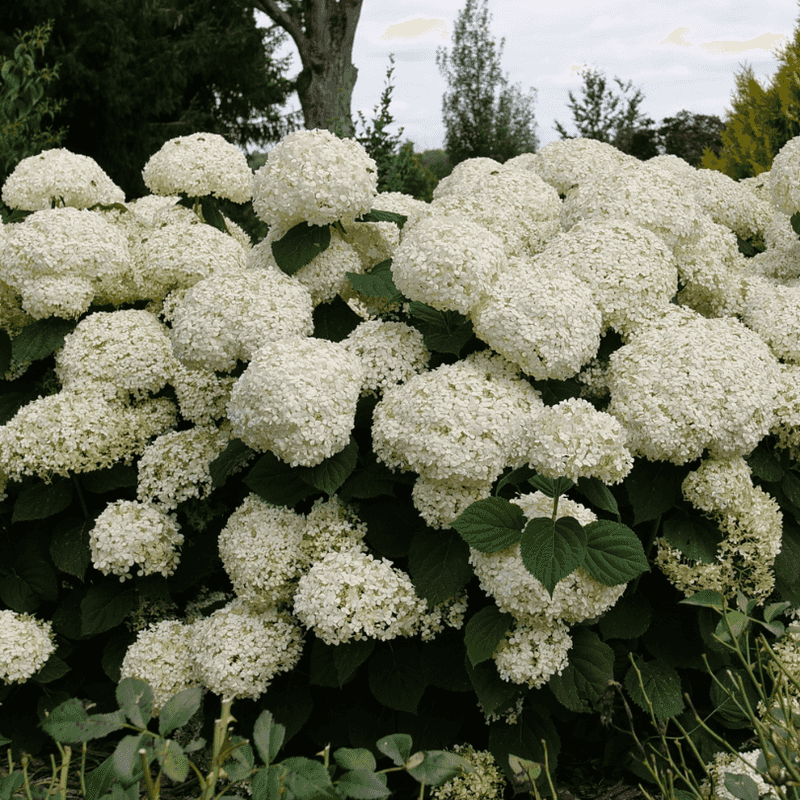
Smooth hydrangeas have a natural tendency to spread wide and grow tall if left to their own devices, and without regular pruning they can quickly outgrow their space.
Cutting back before spring is the most effective way to keep your shrub looking tidy, balanced, and proportionate within your Michigan landscape.
A compact, well-shaped plant is not only more attractive but also easier to manage throughout the growing season.
When old stems are left in place year after year, the shrub gradually becomes woody, open, and sprawling in a way that looks untidy and takes up far more space than intended.
Pruning resets the plant’s size annually, giving you control over how large the shrub grows and how it fits within your garden design.
Whether your hydrangea is planted along a fence, in a mixed border, or as a standalone feature, keeping its shape in check makes the whole yard look more polished.
For Michigan gardeners working with smaller yards or defined garden beds, this is especially valuable.
A shrub that stays compact and upright requires less staking, less corrective trimming mid-season, and causes fewer conflicts with neighboring plants.
Pruning before spring growth starts means you shape the plant while it is still dormant, making cuts clean and easy without disturbing any new growth that has already begun to emerge.
4. It Removes Winter-Damaged Wood
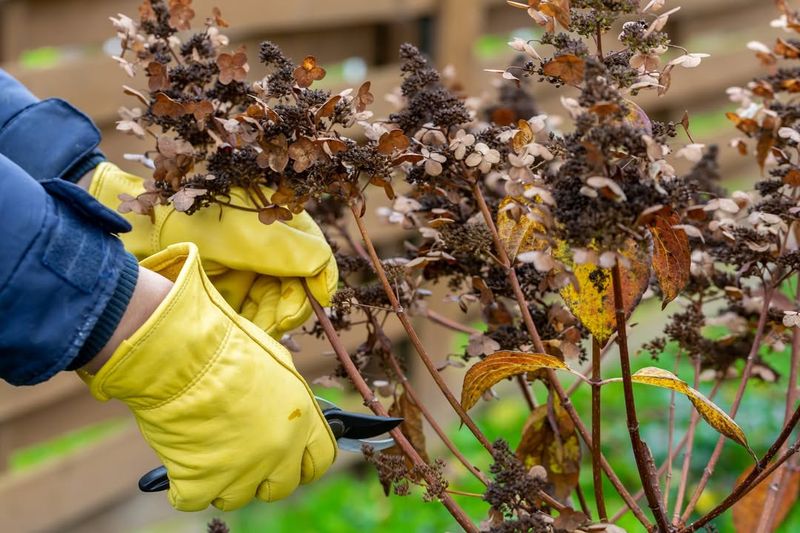
Michigan winters can be unpredictable, swinging between mild stretches and sharp cold snaps that catch plants off guard.
Removing that damaged wood before spring is one of the most practical things you can do for your shrub’s health.
Stems that have suffered frost damage are not just unattractive. They can become entry points for fungal issues and other plant problems if left in place as temperatures warm up.
Pruning them away eliminates that risk and directs the plant’s energy toward producing clean, healthy new growth rather than trying to recover compromised wood.
Fresh cuts on healthy stem tissue heal quickly once spring temperatures arrive. Identifying frost-damaged stems is usually straightforward.
They tend to feel hollow or mushy when pressed, snap easily without bending, and show brown or discolored tissue when cut.
Healthy wood, by contrast, is firm, slightly flexible, and reveals green or white tissue at the cut.
In Michigan’s variable winter climate, checking each stem individually before pruning ensures you remove only what needs to go, leaving the strongest wood to fuel a healthy and vigorous spring growing season.
5. Improves Air Circulation
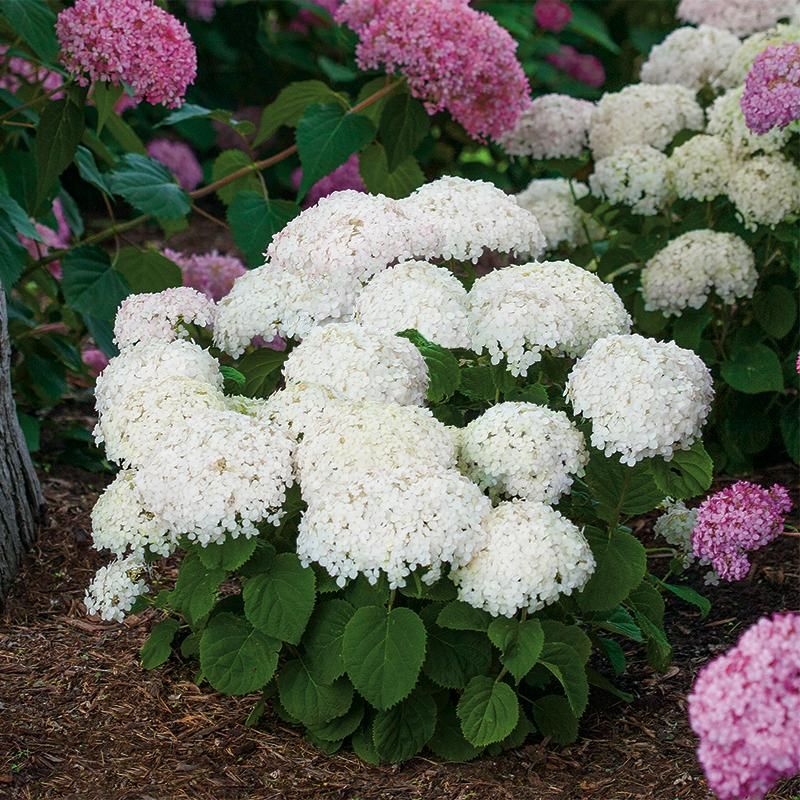
One of the most effective ways to reduce that risk is to thin out the shrub before spring, creating open space between stems so air can move freely through the plant.
Good airflow keeps foliage drier and makes it much harder for fungal spores to take hold and spread.
When stems are crowded and tangled together, moisture gets trapped inside the shrub after rain or heavy dew.
That damp environment is exactly what fungal problems need to develop and spread quickly.
Pruning removes the oldest and most crowded stems, opening up the interior of the plant and letting sunlight and air reach areas that were previously shaded and stagnant. The result is a healthier, cleaner plant from the inside out.
Thinning a Smooth hydrangea during late winter pruning does not require removing a large portion of the plant.
Selectively cutting out stems that cross over each other or grow toward the center of the shrub is often enough to dramatically improve airflow.
That small effort pays off throughout summer by keeping foliage looking clean, fresh, and free from the powdery coating that signals mildew trouble.
6. Prepares The Plant For Fertilization
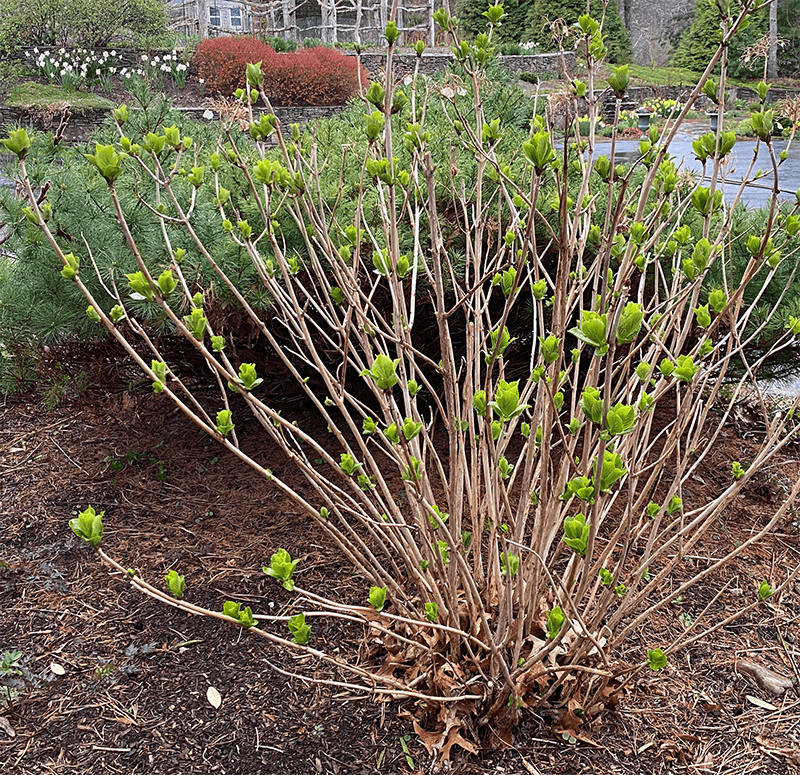
Pruning and fertilizing work best as a team, and timing them together before spring delivers outstanding results for Smooth hydrangeas in Michigan gardens.
When you cut back the shrub in late winter, you reduce the total number of stems competing for nutrients.
That means every bit of fertilizer you apply afterward goes straight into fueling new, productive growth rather than being spread thin across a tangle of old stems.
Hydrangea arborescens responds well to a balanced slow-release fertilizer applied in early spring, right as new shoots begin to emerge after pruning.
Without pruning first, fertilizer can encourage excessive leafy growth on weak or overcrowded stems, leading to a bushy but unproductive plant.
Pruning first ensures the plant’s energy and your fertilizer inputs are both focused on the stems most likely to produce flowers.
Michigan gardeners often find that the combination of a good late-winter prune followed by a spring fertilizer application produces noticeably larger and more vibrant blooms compared to fertilizing alone.
Starting with a clean, pruned plant makes the entire fertilization process more efficient, more targeted, and ultimately more rewarding when those massive white flower clusters open up across your garden in summer.
7. Simplifies Maintenance During Growing Season
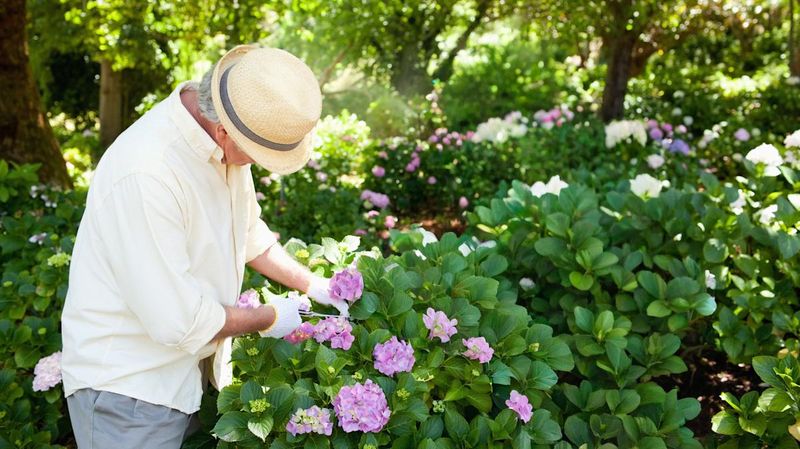
Gardening is a lot more enjoyable when your plants are easy to manage, and a well-pruned Smooth hydrangea is exactly that.
Cutting back Hydrangea arborescens before spring growth begins sets up the entire growing season to run more smoothly, with fewer surprises and less corrective work needed along the way.
Michigan gardeners who prune consistently often say it is the single habit that saves them the most time throughout summer.
When a shrub is pruned properly in late winter, it grows in a more predictable and organized way during the warmer months.
Stems emerge from a defined framework, making it easy to spot any unusual growth, spot potential issues early, and monitor the plant’s overall health with a quick visual check.
Without that early prune, shrubs can grow in multiple directions at once, creating a tangled mess that is much harder to evaluate or tidy up mid-season.
Corrective pruning done during summer, when a shrub is in full leaf and actively blooming, is far more disruptive and can actually reduce the number of flowers you see that season.
Getting the hard work done in late winter means you can spend spring and summer simply enjoying your garden rather than wrestling with an overgrown shrub.
For busy Michigan homeowners who want a beautiful yard without constant upkeep, early pruning is one of the smartest routines you can build into your gardening calendar.
8. Encourages Resiliency And Long-Term Health
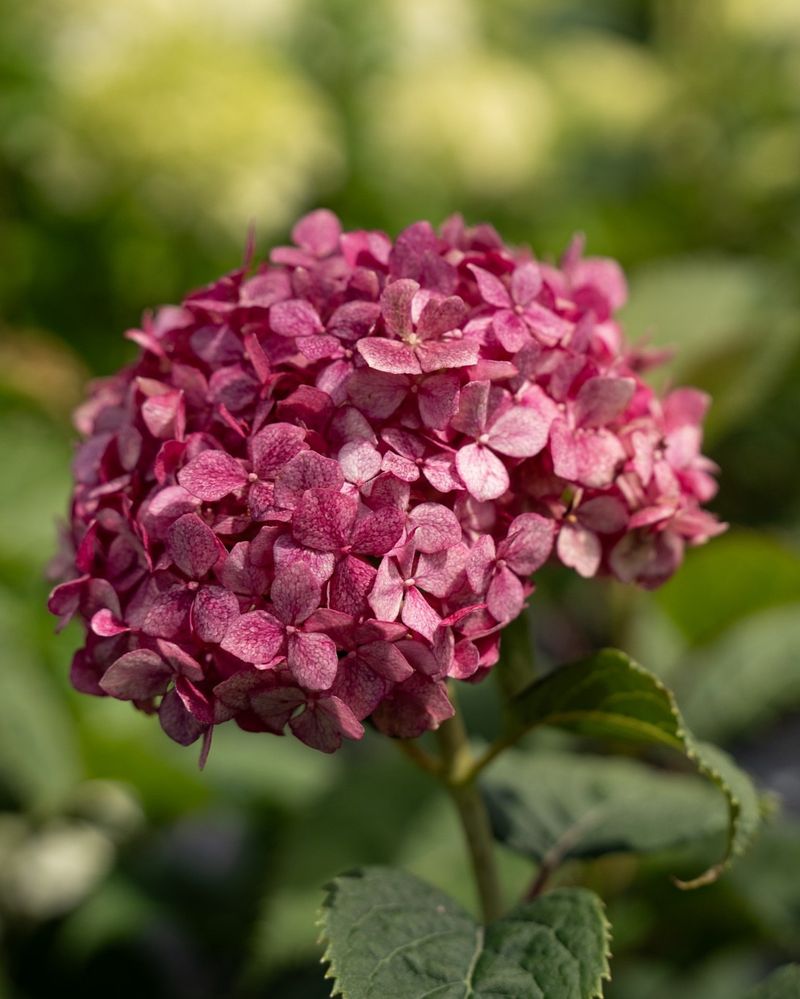
A Smooth hydrangea that gets pruned regularly year after year becomes a stronger, more resilient shrub over time.
Removing weak, overcrowded, or thin branches before spring allows the plant to put all its resources into the stems that are most capable of thriving.
Over multiple seasons, this consistent renewal process builds a shrub with a healthier root system, more vigorous growth, and better overall performance in your Michigan garden.
Plants that are never pruned tend to accumulate old, woody stems at their base that gradually reduce the shrub’s vitality.
That buildup makes it harder for the plant to respond well to seasonal changes, recover from weather stress, or produce the kind of lush growth that makes Smooth hydrangeas so popular in Michigan landscapes.
Annual pruning prevents that decline by continuously refreshing the plant from the ground up. Think of it like a reset button that you press every late winter.
Each pruning session gives the shrub a fresh start, encouraging it to grow with renewed energy and purpose.
Hydrangea arborescens is already a tough, adaptable plant that handles Michigan’s variable climate well, but regular pruning makes it even more capable of bouncing back from summer heat, heavy rainfall, or a surprise cold snap.
With consistent care, a well-pruned Smooth hydrangea can remain a stunning focal point in your garden for many seasons to come.