This Invasive Grass Is Quietly Taking Over Pennsylvania Woods
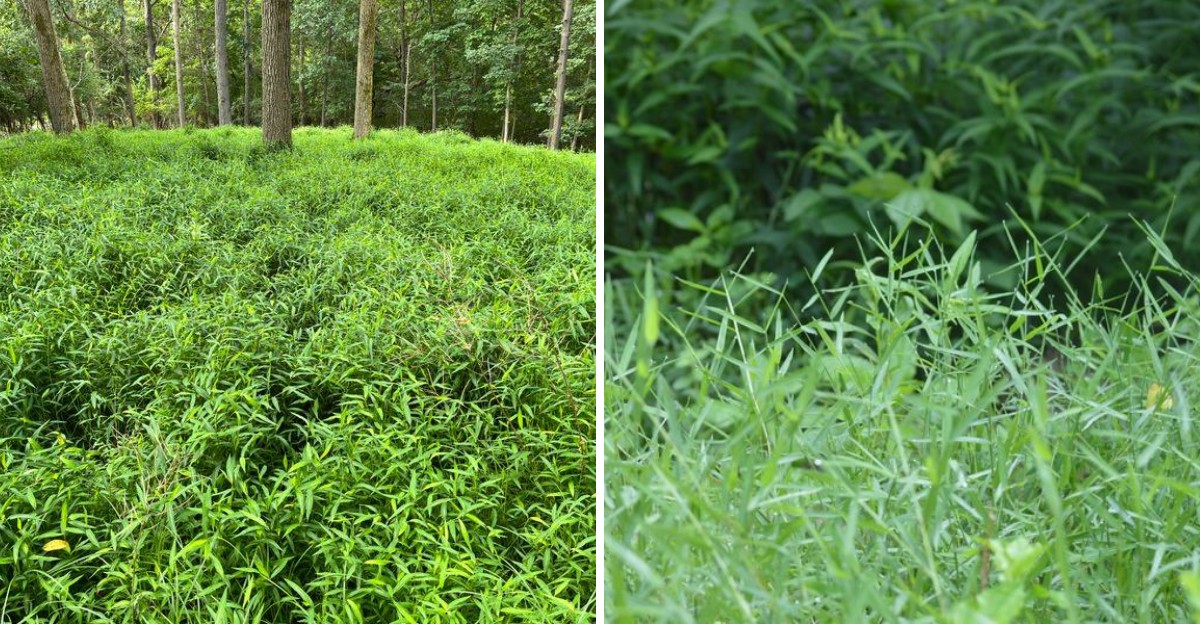
A grass that once arrived as packing material for porcelain is now carpeting forest floors across Pennsylvania. Nobody planned it. It simply hitched a ride in a shipping crate over a hundred years ago and kept going.
I used to walk right past it on wooded trails. It looked soft, green, and harmless, like a patch of lawn that wandered off into the shade. Then I noticed it was everywhere, from creek banks to the edge of my own backyard.
The most surprising part? Deer mostly skip it, so it grows unbothered while native wildflowers and tree seedlings get nibbled down. One plant can drop up to 1,000 seeds, and those seeds can wait in the soil for years.
Take a closer look at the shady spots near your yard. Could this sneaky green carpet already be moving in?
That Soft Green Carpet Under The Trees Isn’t Native Grass
On a summer hike, it is easy to admire that bright green layer under the trees. It looks lush and peaceful. Sadly, in many Pennsylvania woods, that carpet is Japanese stiltgrass, an annual grass from Asia.
Experts believe it reached the United States around 1919, likely as packing material for porcelain shipments.
Since then, it has spread through much of the eastern and midwestern states. It now shows up in forest understories, trail edges, floodplains, roadsides, and shady yards that border woods.
What makes it sneaky is how ordinary it looks. Most people see grass and think nothing of it. Stiltgrass is not a lawn grass, though, and it does not belong on a forest floor where ferns, wildflowers, and young trees should be growing.
Pennsylvania lists it as a Class B noxious weed. That label means the state recognizes it as a serious problem that is already widespread. Full removal from the whole state is not realistic, but local control still matters a lot.
So the next time you see a smooth green mat in the shade, slow down and look closer. Spotting it is the first step toward keeping your own patch of woods healthier.
Look For The Silvery Stripe On Each Stiltgrass Leaf
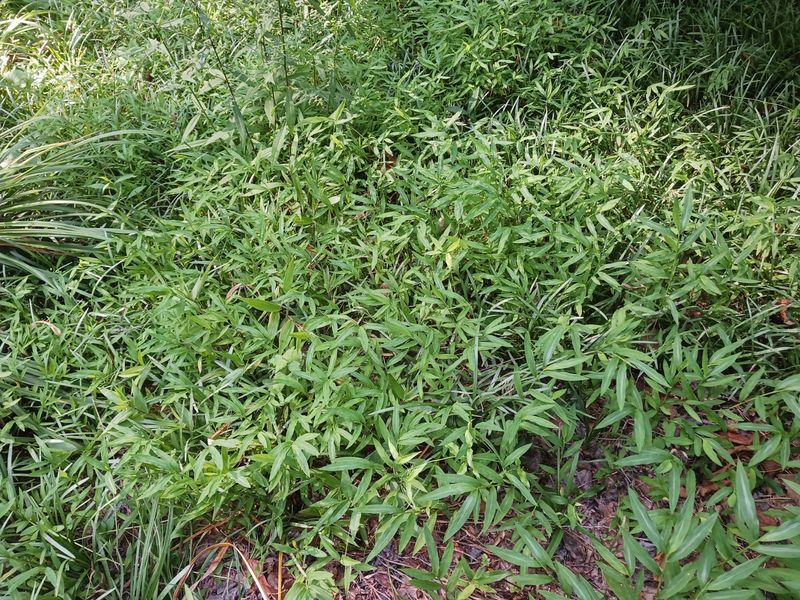
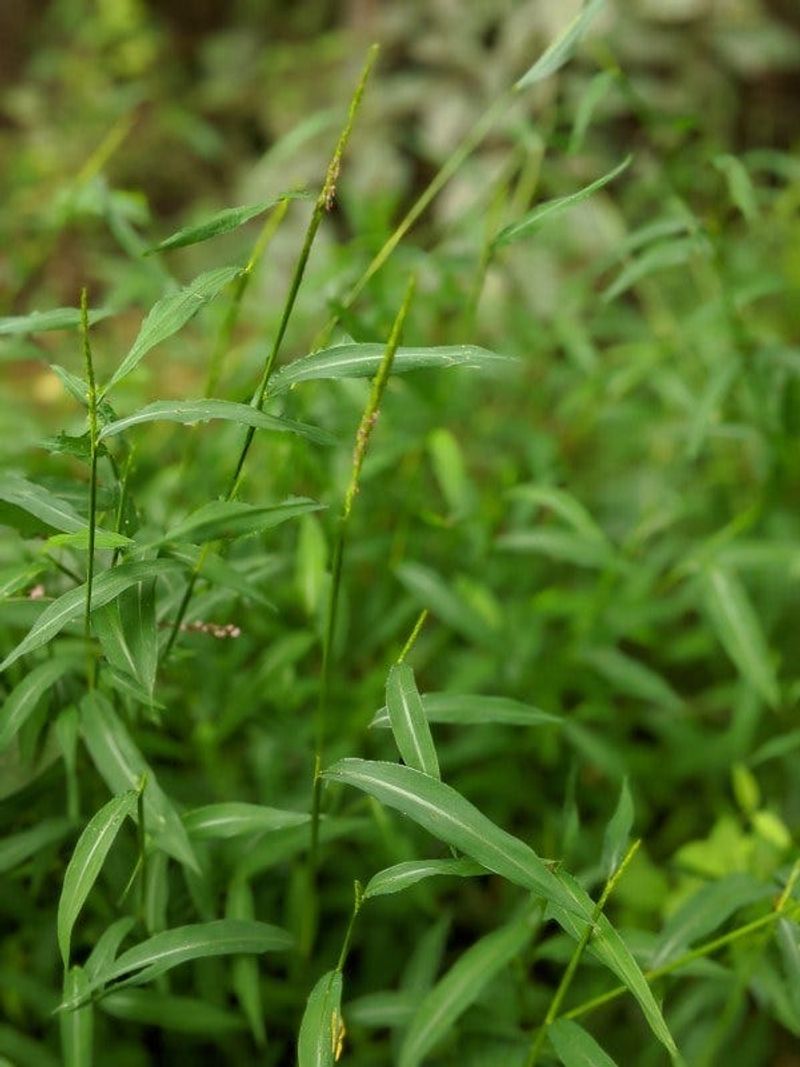
Here comes my favorite trick for identifying this plant. Pick a single leaf and tilt it toward the light. You should see a shiny, silvery stripe running down the blade, set slightly off center.
That shimmery line is the giveaway. The leaves themselves are pale green, lance-shaped, and usually 1 to 4 inches long and about half an inch wide. They sit along thin, sprawling stems that can reach 1 to 3 feet tall.
Check the lower stem, too. Small prop roots often grow from the joints near the ground, which gives the plant its stilt-like name. The root system is shallow and fibrous, so it does not dig deep.
A native lookalike called Virginia cutgrass can fool you. Cutgrass lacks that silver stripe and has hairy stem joints, so a quick check helps you avoid pulling a good plant.
Later in the season, tiny flower spikes appear in late summer. After the first frost, the plant turns brown or purplish and flops over.
Learning these clues takes just a minute, and once you know them, you will start spotting stiltgrass along trails, ditches, and driveways almost everywhere you go.
Pull Stiltgrass Before Those Seeds Drop In Late Summer
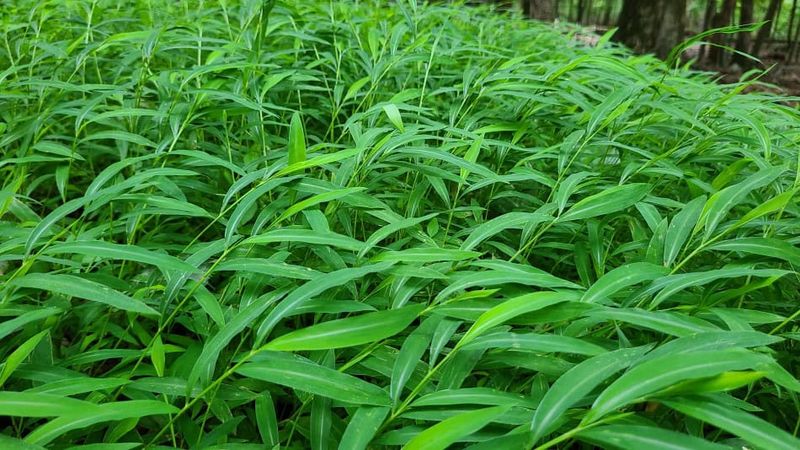
Timing is everything with this weed. Because it is an annual, each plant lives one season and depends on seeds to come back. Stop the seeds, and you slowly shrink the problem.
The best window is before seeds form, usually by August to early September in Pennsylvania. Hand-pulling works well for small patches. The shallow roots slide out easily, especially after a good rain when the soil is soft.
Personally, I like pulling it in mid to late summer. Earlier pulls are fine, but later-germinating seedlings may pop up, so a second pass helps. Make sure you get the whole root so stems cannot reroot.
For bigger areas, mowing or string-trimming right before flowering can stop seed production.
Be careful about mowing too early and too often, though. Stiltgrass can adapt by growing lower and still setting seed under the mower blade.
Bag the pulled plants and put them in the trash. Skip the compost pile, since seeds can survive and spread later.
A little effort each summer adds up fast, and many gardeners see thinner patches after a couple of steady seasons of pulling.
A Single Stiltgrass Plant Can Leave Behind Up To 1,000 Seeds
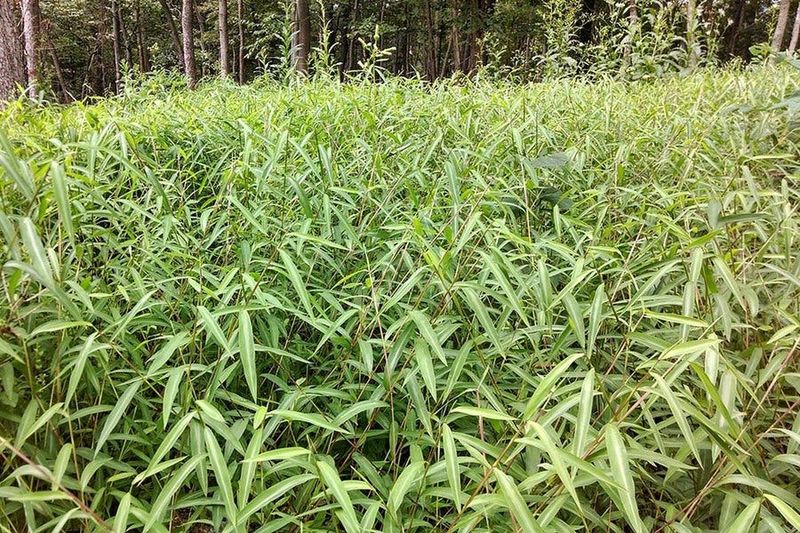
Numbers tell the story best. One stiltgrass plant can produce anywhere from about 10 to 1,000 seeds. Multiply that by a whole patch, and you get a seed bank that would make any squirrel jealous.
Those seeds are tough. They can stay alive in the soil for three to five years, and sometimes longer. That means even after you clear a patch, new sprouts may keep showing up for a few springs.
Do not let that discourage you. It simply means patience pays off. Each year you stop new seeds, the stored supply gets smaller.
The seeds travel in clever ways. Water carries them down creeks and across floodplains during storms. Animals, boots, bike tires, and mowers pick them up and drop them somewhere new.
Contaminated soil, hay, and mulch can move seeds into fresh areas, too. Stems that touch the ground can also root at the joints and form new plants.
I find it fascinating and a little alarming at the same time. This plant does not need fancy tricks. It just makes lots of seeds and lets the world carry them around for free.
Wildflowers And Tree Seedlings Get Crowded Out By Stiltgrass Mats
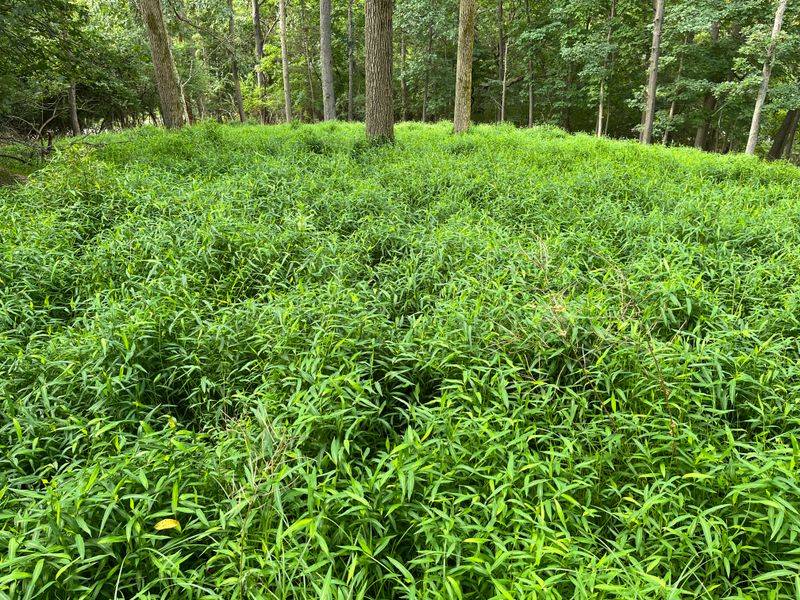
A healthy forest floor is busy with life. Trillium, ferns, violets, and baby oaks all need a little space and light to get started. Stiltgrass steals that space by forming thick mats.
Once those mats take hold, native plants struggle to sprout and grow. Fewer wildflowers means less food for pollinators. Fewer tree seedlings means fewer future trees to replace older ones.
Research also shows stiltgrass can change the soil itself. It can alter soil chemistry and microbial communities and speed up the carbon cycle. Those shifts can make the ground less welcoming for native species, even after the grass is gone.
Wildlife feels the change. Insects, birds, and small animals rely on a mix of native plants for food and shelter. A single grass species offers far less variety.
I truly believe this is the most important reason to care. Stiltgrass is not just an eyesore along a trail. It quietly changes how a forest works from the ground up.
Protecting even a small patch of native plants near your home helps. Every wildflower you save keeps a little piece of the local food web working.
Hungry Deer Give Stiltgrass A Free Pass
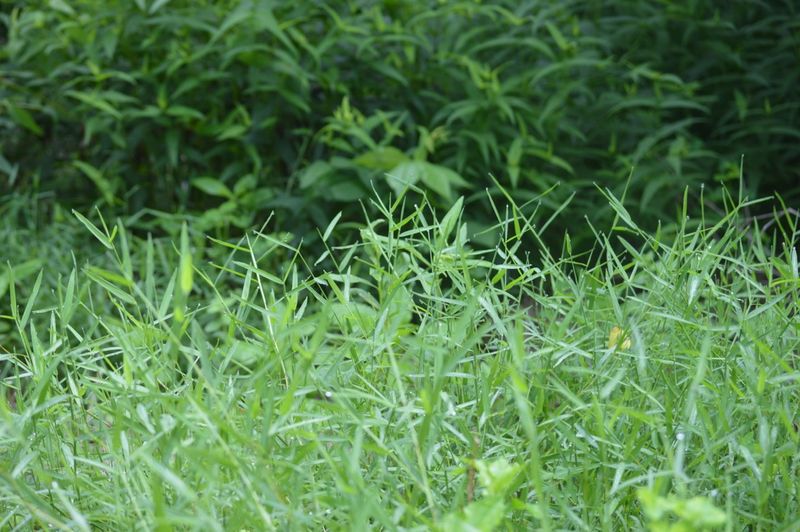
Deer are picky eaters in a way that helps this weed. They tend to avoid stiltgrass and munch on native plants instead. Anyone who has watched deer strip a hosta bed knows how much they can eat.
Pennsylvania has a large white-tailed deer population. In many woods, heavy browsing has already thinned out wildflowers and young trees. Stiltgrass fills the open gaps that deer leave behind.
It becomes a bit of a team effort, sadly. Deer remove the competition, and stiltgrass moves into the space. Over time, the forest floor can shift from mixed plants to mostly grass.
Disturbed areas give it an extra boost. Trail edges, logging roads, stream banks, and flooded areas often have bare soil where seeds settle fast. Stiltgrass likes moist shade, but it can handle full sun, too.
If you have land, fencing small areas can protect native plants while you remove the grass. Some landowners use deer exclosures to see how quickly wildflowers rebound.
The most interesting part is how clearly you can see the difference. Inside a fence, native plants often show up again. Outside, stiltgrass often keeps the upper hand.
Spring Is Your Chance To Stop Stiltgrass Seedlings Early
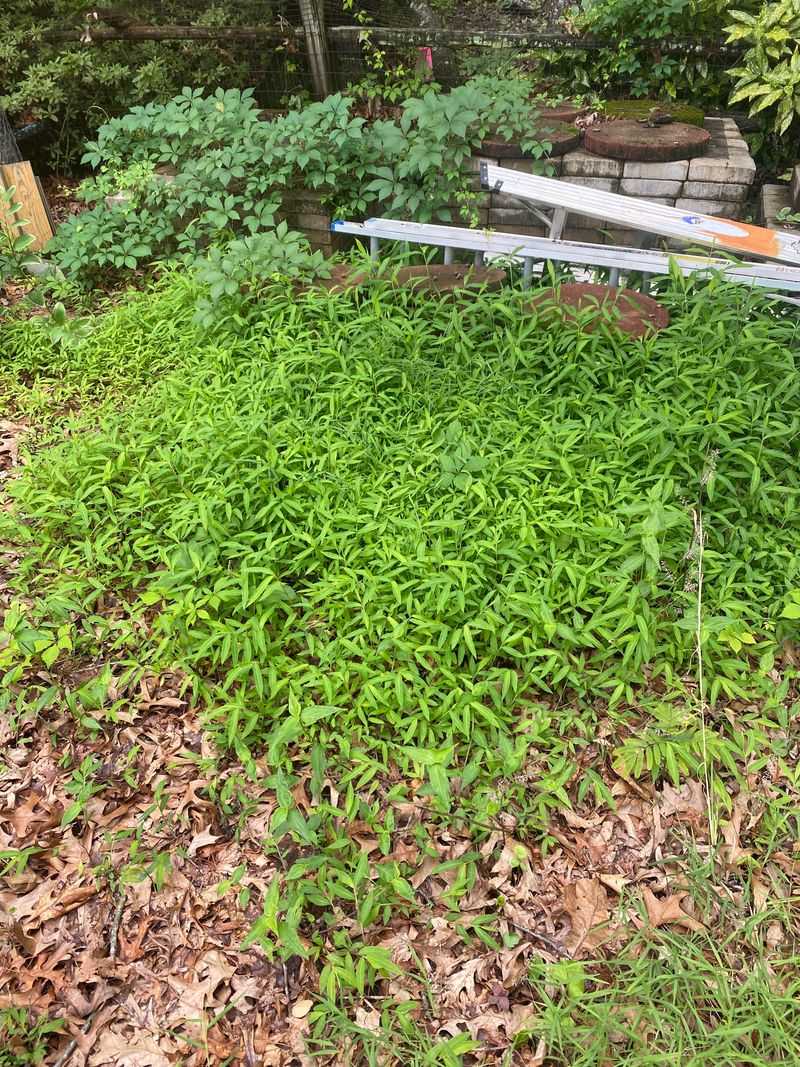
Stiltgrass seeds usually wake up in early spring, often before many other plants. That gives you an early window to act before the patch gets thick.
Some gardeners use pre-emergent herbicides in early spring, before seeds sprout. These products stop new seedlings from getting established.
Always read the label closely and follow local rules, especially near streams or wetlands.
For larger infestations, spot-spraying with a non-selective herbicide like glyphosate is an option from about mid-May through August.
Non-selective means it affects any green plant it touches. Aim carefully so your ferns and native flowers stay safe.
If you prefer to skip chemicals, that works too. Pulling seedlings by hand is easy when they are young and roots are tiny. A sharp eye in May and June makes summer work much lighter.
After clearing a spot, do not leave bare soil sitting open. Planting other vegetation can shade out new stiltgrass seedlings.
In yards, native groundcovers or a thick planting can help, while some managers reseed open areas with perennial cover.
You will love how much easier things get when you start early. Spring prevention often saves hours of pulling in August.
Clean Your Hiking Boots Before Stiltgrass Hitches A Ride
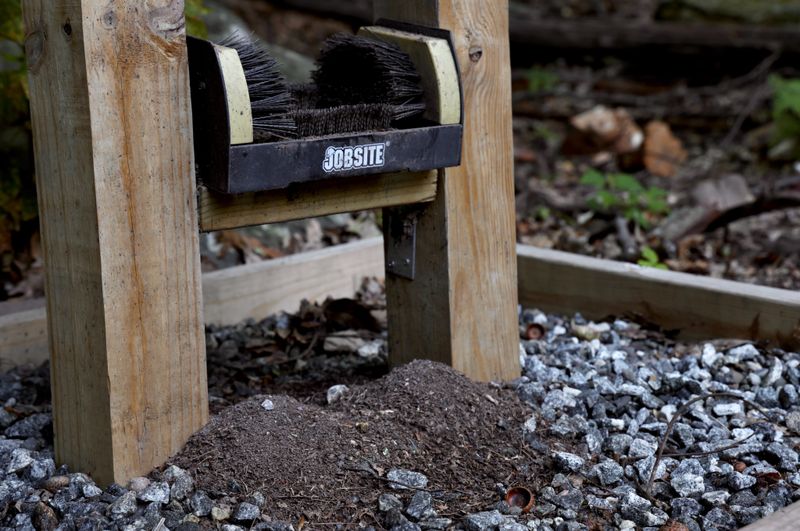
Grab a stiff brush and keep it by the door. That simple tool might be the best weapon against spreading stiltgrass to new places.
Seeds cling to boot treads, pant cuffs, dog fur, bike tires, and mower decks. After a walk through an infested trail, take a minute to brush off before heading somewhere new.
Many parks across Pennsylvania now have boot brush stations at trailheads for this reason.
Be choosy about soil, mulch, and hay. Bringing in contaminated material is one of the easiest ways to start a new patch. Ask suppliers where materials come from, and watch new deliveries for strange grass the following summer.
Clean your mower and string trimmer after working in a stiltgrass area. Doing the infested area last also keeps seeds from riding along to clean spots.
Want to learn more? Penn State Extension offers resources and workshops on identifying and managing invasive plants. Local parks and watershed groups often hold volunteer pull days, too.
I like how small habits make a real difference here. You cannot fix every forest alone, but you can keep your boots, yard, and favorite trail from becoming the next stop.