This Is Exactly When To Stop Pruning Roses In California For Maximum Blooms
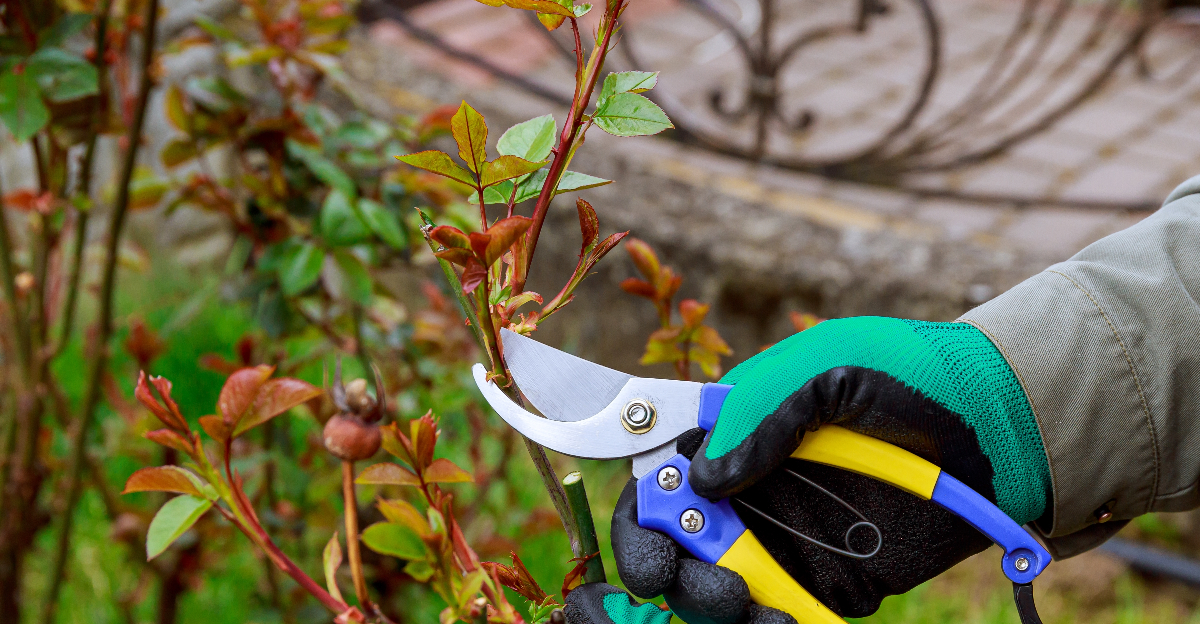
Rose lovers in California, this one matters more than you think. Prune too early and your roses sulk.
Prune too late and you can kiss those jaw dropping blooms goodbye. Thanks to California’s wildly different microclimates, the “right” time to stop pruning roses is not the same for everyone, and that is where a lot of gardeners go wrong.
Coastal gardens, inland valleys, and foothills all play by slightly different rules.
The good news is, there is a sweet spot, and once you know it, your roses will reward you with stronger growth, more buds, and longer lasting flowers.
In this guide, we will break down exactly when to put the pruners down, why timing matters so much, and how to tell if your roses are ready to take over from here. If maximum blooms are the goal, this is the timing trick you do not want to miss.
Why Timing Matters
Many gardeners circle January 15th or February 1st on their calendars and assume that’s their universal pruning deadline.
Unfortunately, roses don’t follow human calendars, they respond to temperature patterns, daylight length, and your specific microclimate.
Your neighbor three blocks away might have completely different timing than you if they’re in a frost pocket or on a south-facing slope.
Coastal gardens stay cooler longer, while inland areas warm up faster and trigger earlier bud break.
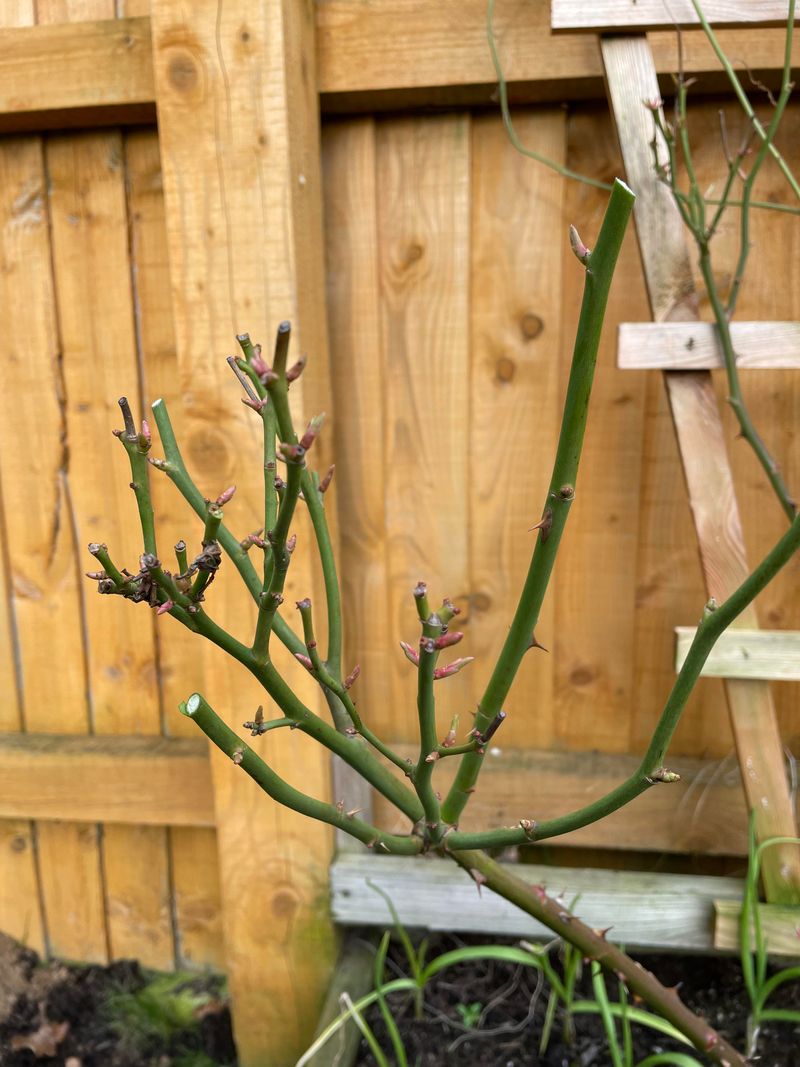
The real danger comes when you keep pruning after your roses have already started putting energy into new growth. Once those red or bronze leaf buds begin swelling and opening, every cut you make forces the plant to redirect resources away from bloom production.
This delay can push your first flush of flowers back by two to four weeks.
Instead of relying on fixed dates, learn to read your roses’ growth signals and understand your regional climate patterns. A rose in San Diego behaves very differently than one in Truckee, even though they’re both in California.
Temperature trends matter more than any date on a calendar ever will.
Coastal California: When To Stop Pruning Roses
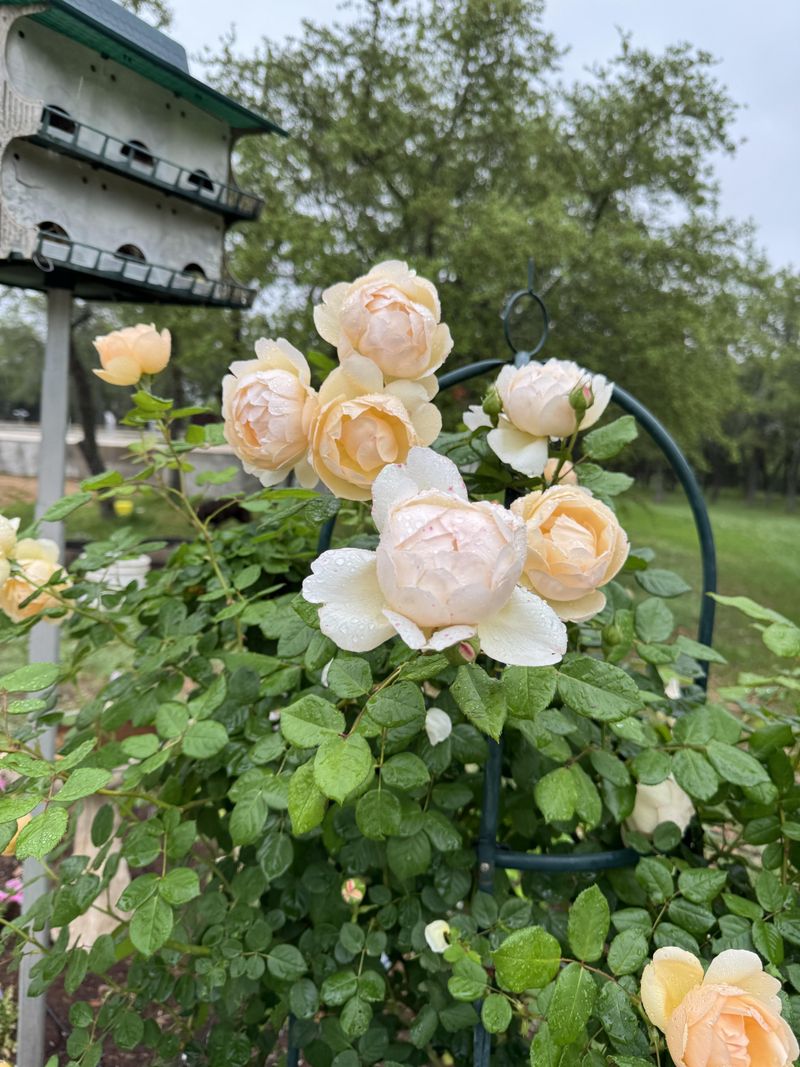
If you live within ten miles of the Pacific Ocean, your roses experience cool, moderate temperatures that delay spring growth compared to inland areas.
Coastal fog and marine layer conditions keep nighttime temperatures stable, which means your roses wake up later from winter dormancy.
For most coastal gardeners from San Diego to Mendocino, you should complete all major pruning by mid-February. After that point, stop making large structural cuts.
Your roses will begin showing new growth anywhere from late February through early March, depending on the specific year’s weather.
Watch for those first swelling buds at the tips of canes and along the main stems. Once you see that distinctive reddish new growth emerging, your pruning window has closed.
Any cuts after this point will remove developing bloom wood and delay your flowering.
You might notice neighbors inland are already seeing blooms while yours are just leafing out, this is completely normal for coastal conditions. The cooler spring temperatures actually benefit your roses by reducing disease pressure and extending the eventual bloom period once flowers do appear.
Don’t rush your timing trying to match inland gardens.
Central Valley And Inland Areas: The Safe Cutoff Window
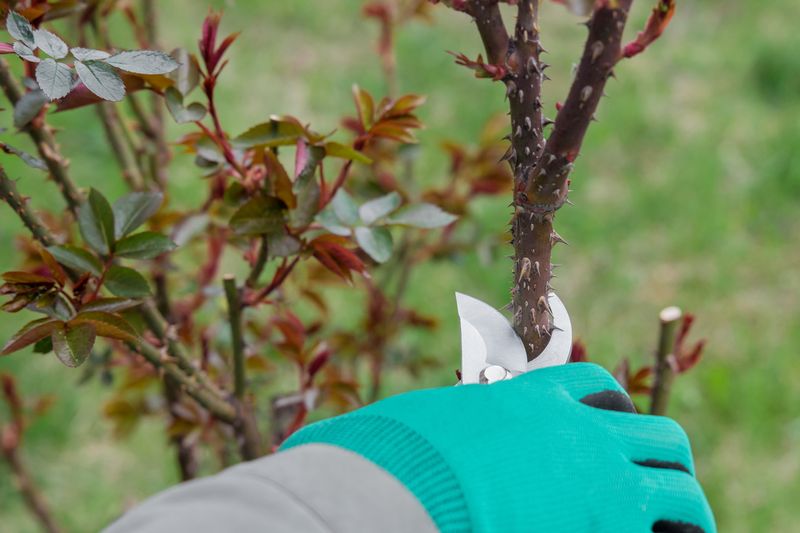
Gardeners in Sacramento, Fresno, Bakersfield, and other Central Valley locations face earlier springs and faster temperature swings than coastal areas. Your roses often break dormancy two to three weeks ahead of coastal gardens, which means your pruning deadline arrives sooner.
Plan to finish all significant pruning by early February at the latest in most Central Valley locations. Some warmer microclimates might see bud break even earlier, especially after mild winters.
Pay close attention to nighttime temperatures, once you’re consistently staying above 45 degrees at night, growth acceleration begins.
The Central Valley’s temperature extremes mean your roses can go from dormant to actively growing quite rapidly. You might have only a narrow window between safe pruning time and active growth.
Missing this window is common because the shift happens so quickly during warm spells.
After early February, limit yourself to only removing damaged wood or obviously damaged canes. Save any shaping or size reduction for next winter’s pruning season.
Your roses need every bit of energy focused on producing that spectacular spring bloom flush that Central Valley gardens are known for when timing is right.
Foothills And Higher Elevations: Why You Must Wait Longer
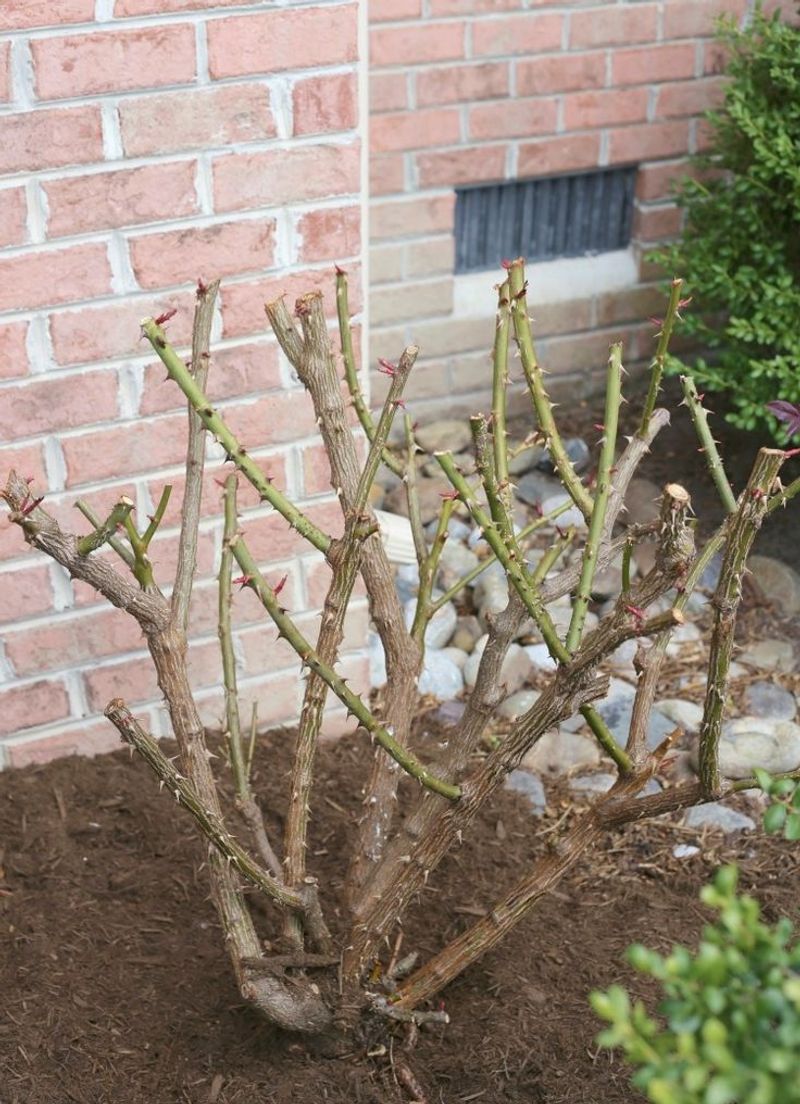
Gardeners in foothill communities and higher elevations face the opposite challenge, springs arrive late, and frost danger extends well into March or even April.
Your roses stay dormant longer, which actually gives you more pruning time than lower elevation gardens enjoy.
In areas above 1,500 feet elevation, you can often continue pruning safely into late February or early March. Some mountain communities at 3,000 feet or higher might not see bud break until April.
The key is watching for your last expected frost date and monitoring actual bud development.
However, don’t use this extended timeline as an excuse to procrastinate. You still want to finish pruning at least three weeks before you expect consistent warm weather and active growth.
This gives healing time for cut surfaces and allows the plant to organize its energy for bloom production.
Late spring frosts pose a real threat to tender new growth in foothill areas. If you prune too early and stimulate growth before frost danger passes, you risk losing that new wood to freeze damage.
Balance your timing between finishing pruning and avoiding triggering growth too soon for your microclimate’s conditions.
The Sign Pruning Season Is Over
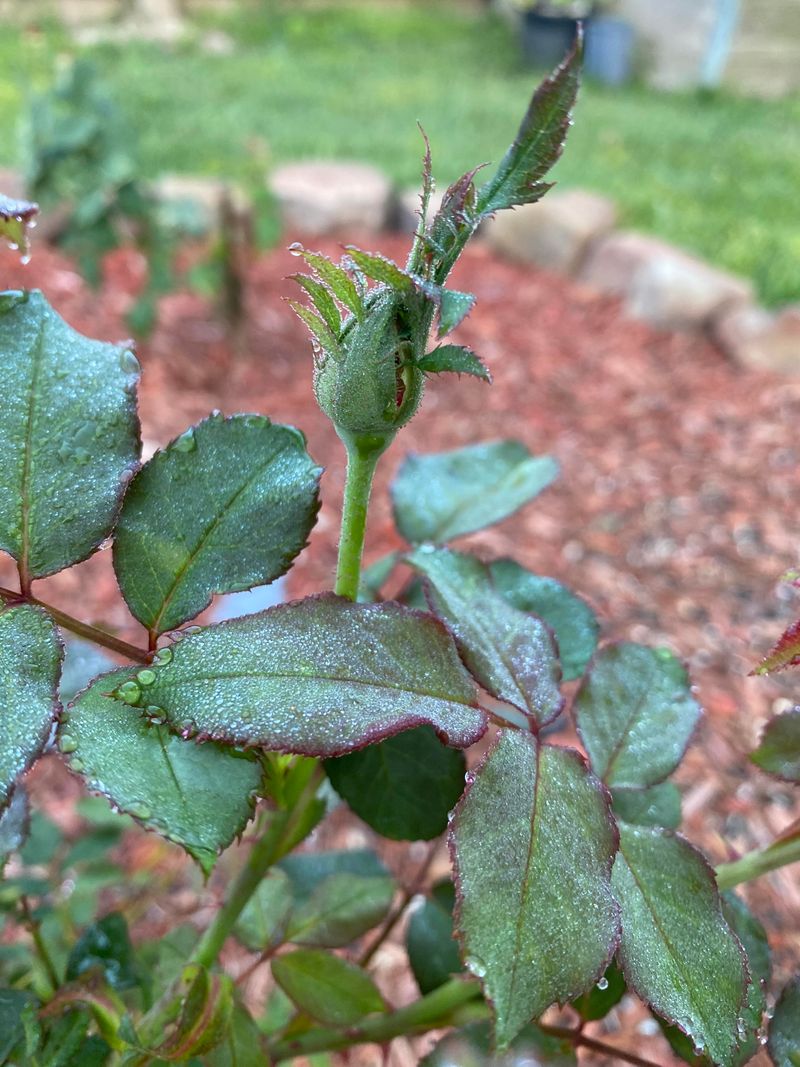
Your roses communicate clearly when they’re transitioning from dormancy to active growth, you just need to know what to look for.
The most obvious signal is bud swell, where the growth nodes along canes begin to plump up and change color from brown or tan to reddish or bronze.
Check the tips of canes first, as these typically show growth before lower nodes activate. You’ll notice the buds getting visibly larger and the protective scales starting to separate.
Within days of this initial swell, tiny leaves will begin emerging.
Once you see leaves actually unfurling, even if they’re still small and bronze-colored, your pruning season is definitively over. At this stage, the plant has committed significant energy to those new shoots.
Cutting them off wastes that investment and forces the rose to start over from lower nodes.
Also watch for root activity signs, sometimes you’ll notice new suckers or basal breaks emerging from the base of the plant before canes show growth. This underground activity means the entire plant is waking up.
Even if upper canes look dormant, stop major pruning once you see basal growth starting. Your roses are telling you they’re ready to grow, not be cut back further.
What Happens If You Prune Too Late
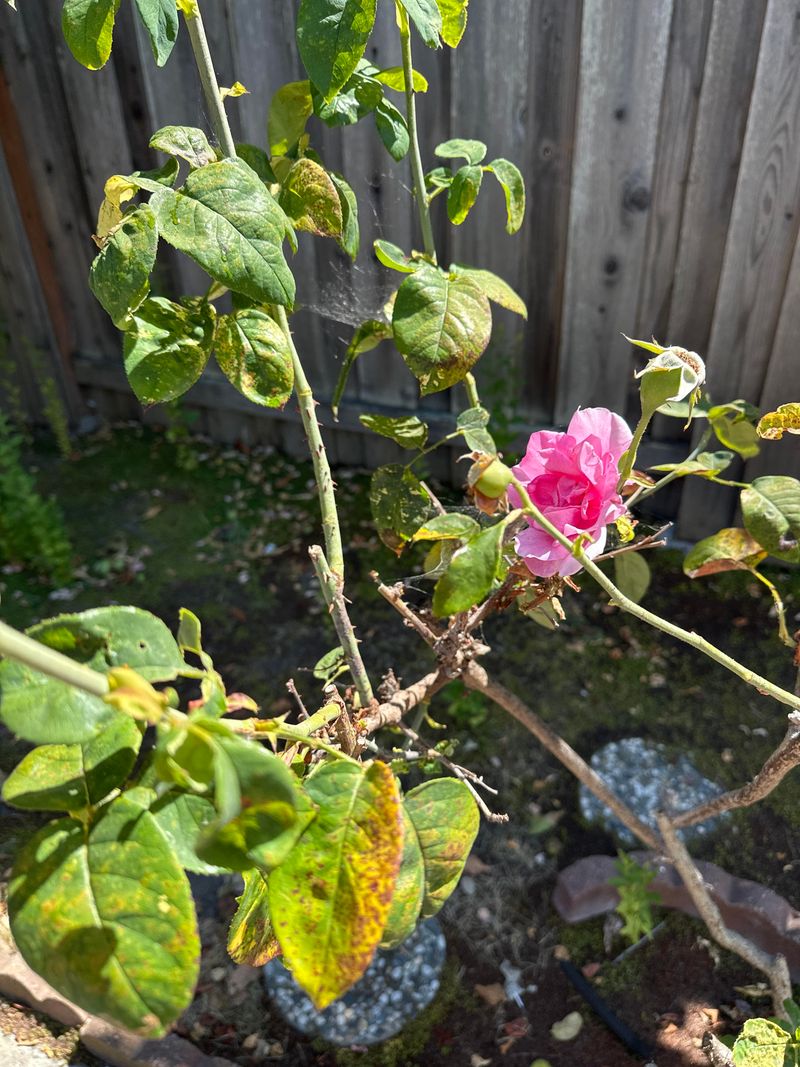
Pruning after active growth begins creates several problems that affect your entire bloom season. First, you’re removing developing flower buds that were already forming inside those swelling growth nodes.
Each cut literally throws away flowers that would have opened in your first spring flush.
The plant must then redirect energy to healing the fresh wounds and generating replacement growth from lower nodes. This recovery period delays blooming by anywhere from two to five weeks depending on how much actively growing wood you removed.
Your neighbors will be enjoying roses while you’re still waiting for buds.
Late pruning also creates larger wounds that take longer to heal in warm weather, increasing disease risk. Black spot, rust, and canker diseases more easily infect fresh cuts when temperatures are rising and humidity fluctuates.
Winter pruning wounds seal faster in cool conditions.
You might also notice weaker growth and smaller flowers in that first bloom cycle. The plant used its stored energy for the growth you cut off, and now it’s scrambling to produce flowers from secondary reserves.
Subsequent bloom cycles usually recover, but you’ve lost the strongest, most spectacular flush that comes from properly timed winter pruning. Timing errors cost you the best blooms of the season.
Final Cleanup Cuts To Finish The Season Right
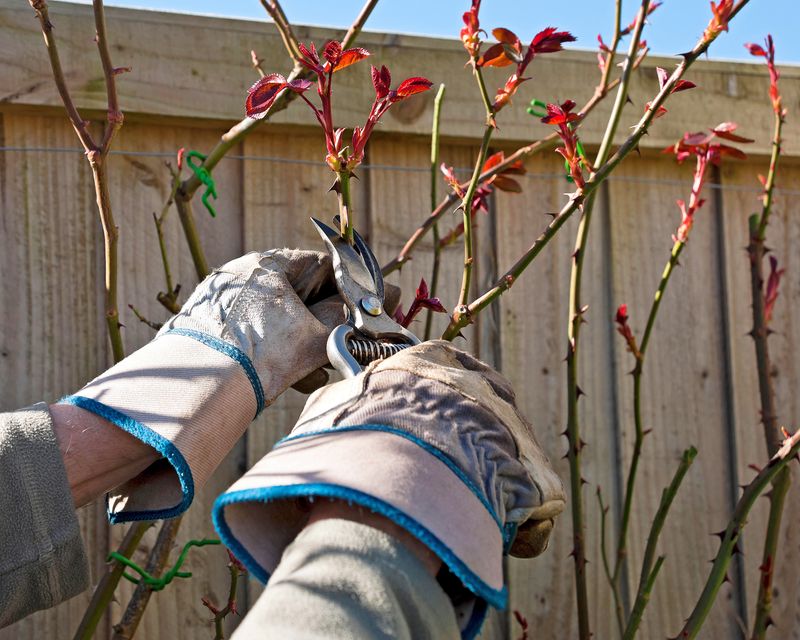
Even after your main pruning deadline passes, you can still make specific types of cuts without harming bloom production. Focus on true cleanup work rather than shaping or size reduction.
Remove any withered wood you missed earlier, completely brown, brittle canes with no green cambium layer underneath the bark.
You can also carefully remove damaged or broken cane tips that occurred after your main pruning session. Winter storms sometimes snap branches or leave ragged breaks that need cleaning up.
Make these cuts just above the nearest healthy growth node, using sharp, clean tools.
Thin out any crossing canes that are rubbing against each other, as these create wounds that invite disease. However, if removing a crossing cane means cutting off significant new growth, leave it alone until next winter.
The disease risk from rubbing is less than the bloom delay from removing active growth.
Stop removing suckers from the rootstock once new growth appears on the main plant. While suckers should normally be removed promptly, doing so after growth starts can stimulate even more sucker production.
Mark their location and deal with them during next winter’s pruning. Keep all cleanup cuts minimal and strategic, your goal now is protecting developing blooms, not perfecting plant structure.