This Is How California Gardeners Grow Big Strawberry Harvests In Containers
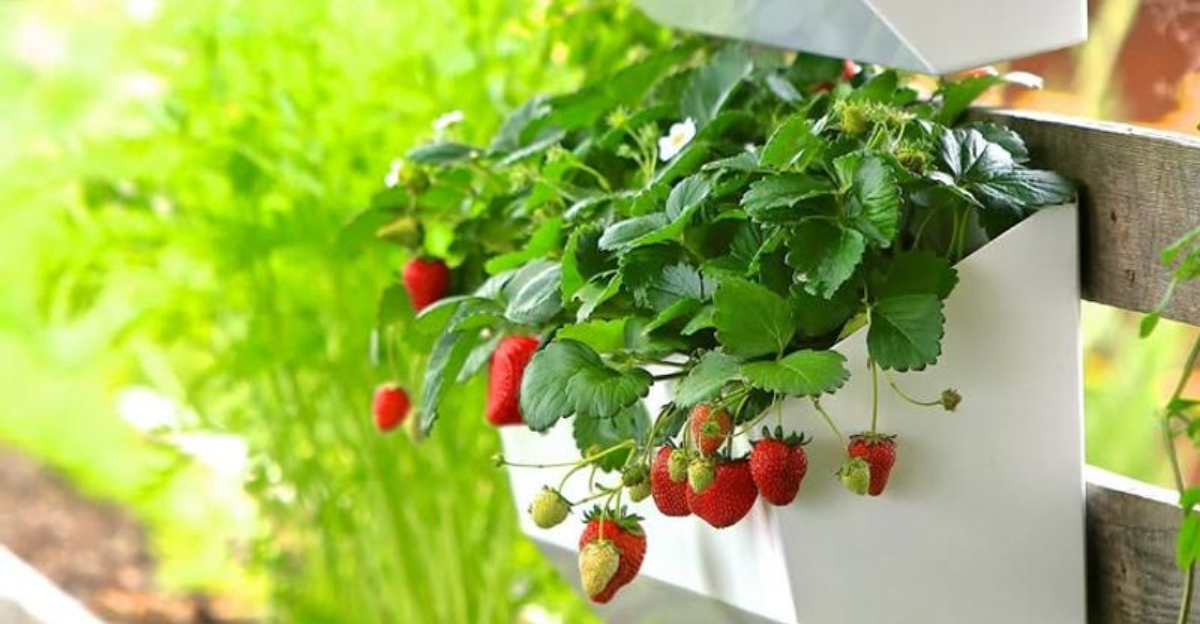
Growing strawberries in containers has become a favorite trick for California gardeners who want big harvests without needing a large yard. With the right setup, even balconies and patios can produce baskets of sweet, juicy berries.
Big harvests can come from small spaces. Containers give you more control over soil, water, and sunlight, which makes plants healthier and more productive.
Fresh strawberries taste better when you grow them yourself. Homegrown berries beat store-bought every time.
And yes, container strawberries really can produce nonstop fruit. California’s mild weather gives gardeners the perfect advantage to grow strong plants almost year-round.
From choosing the best containers to feeding plants the right way, small details make a huge difference. With smart care and simple techniques, strawberries grow faster, stay healthier, and produce more fruit.
If you want easy gardening wins and delicious rewards, container strawberries are the perfect place to start.
1. Choose The Right Container Size And Drainage System
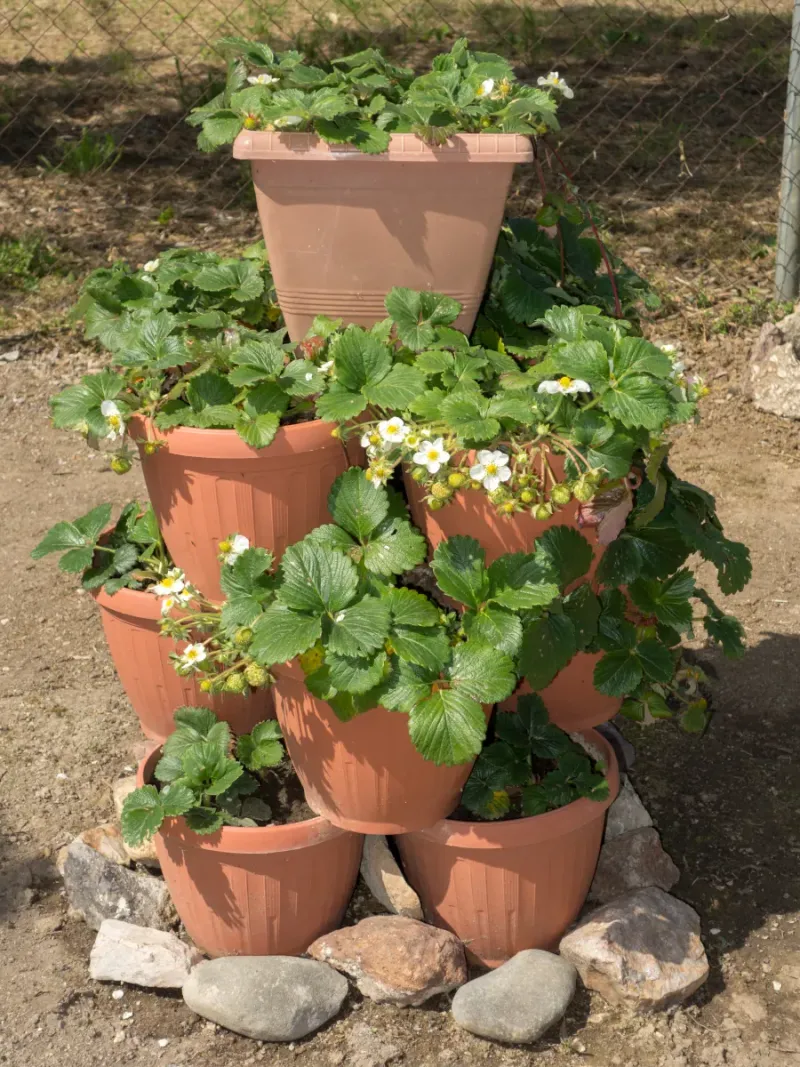
Container size makes all the difference when growing strawberries successfully in California.
Many beginners grab whatever pot they find in the garage, but experienced gardeners know that strawberry roots need adequate room to spread and establish themselves properly.
A container measuring at least 8 to 10 inches deep and 12 to 16 inches wide provides enough space for healthy root development. Wider containers work even better because they allow you to plant multiple strawberry crowns together, creating a fuller, more productive display.
Drainage holes are absolutely essential for container strawberries. Without proper drainage, water accumulates at the bottom of pots, creating soggy conditions that damage roots and reduce berry production.
California gardeners recommend containers with multiple drainage holes rather than just one central opening. Some creative growers even drill extra holes in plastic pots to ensure excess water escapes quickly after watering or rainfall.
Material choice affects how often you need to water your strawberry containers. Terracotta pots look beautiful but dry out faster in California’s warm climate, requiring more frequent watering.
Plastic containers retain moisture longer and work well for busy gardeners who cannot water daily. Fabric grow bags have become increasingly popular among California strawberry growers because they provide excellent drainage and air circulation to roots.
The container’s color also impacts soil temperature. Dark-colored pots absorb more heat, which can stress strawberry plants during hot California summers.
Light-colored containers reflect sunlight and keep roots cooler, promoting better growth and berry production. Many successful gardeners in Southern California specifically choose white or light tan pots for this reason.
Proper container selection sets the foundation for everything else you do to maximize your strawberry harvest throughout the growing season.
2. Select Day-Neutral Varieties Perfect For California Climate
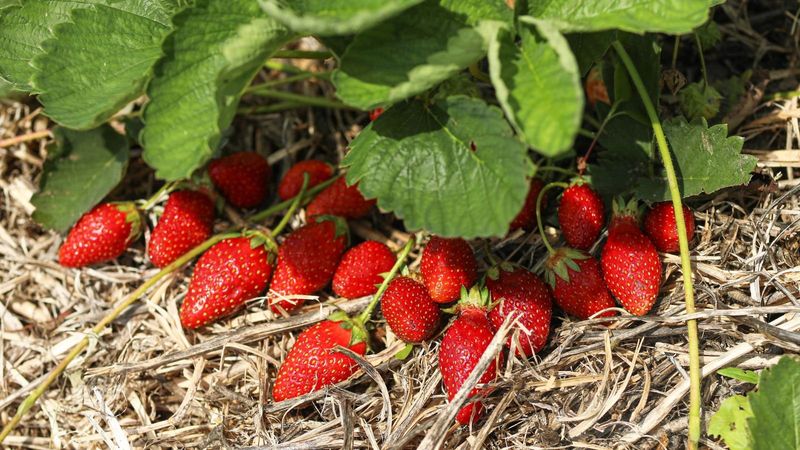
Not all strawberry varieties thrive in containers, and California’s unique climate demands specific cultivars for best results. Day-neutral strawberries produce fruit continuously throughout the growing season rather than in one big flush, making them ideal for container gardening.
These varieties keep producing berries from spring through fall, giving you multiple harvests instead of waiting for one brief period of abundance.
Popular day-neutral types like Albion, Seascape, and San Andreas were actually developed in California specifically for the state’s growing conditions.
June-bearing strawberries produce one large crop in late spring or early summer, which works well for gardeners who want lots of berries at once for jam-making or freezing.
However, container growers in California usually prefer day-neutral or everbearing varieties because they provide steady harvests over many months.
Everbearing types produce two to three smaller crops throughout the season, offering a middle ground between June-bearing and day-neutral varieties.
California gardeners also consider disease resistance when selecting strawberry varieties for containers. Verticillium wilt and other soil-borne diseases cause fewer problems in containers than in garden beds, but choosing resistant varieties adds extra protection.
Albion strawberries show excellent disease resistance along with outstanding flavor, making them a top choice for container growing throughout California.
Seascape handles heat better than many other varieties, performing well in inland valleys where summer temperatures soar.
Local nurseries in California typically stock varieties suited to regional conditions, so shopping locally helps you find plants that will thrive in your specific area. Coastal gardeners might choose varieties that tolerate fog and cooler temperatures, while those in warmer regions need heat-tolerant cultivars.
Starting with the right variety eliminates many potential problems and dramatically increases your chances of growing abundant strawberry harvests in containers year after year.
3. Use Premium Potting Mix With Proper Amendments
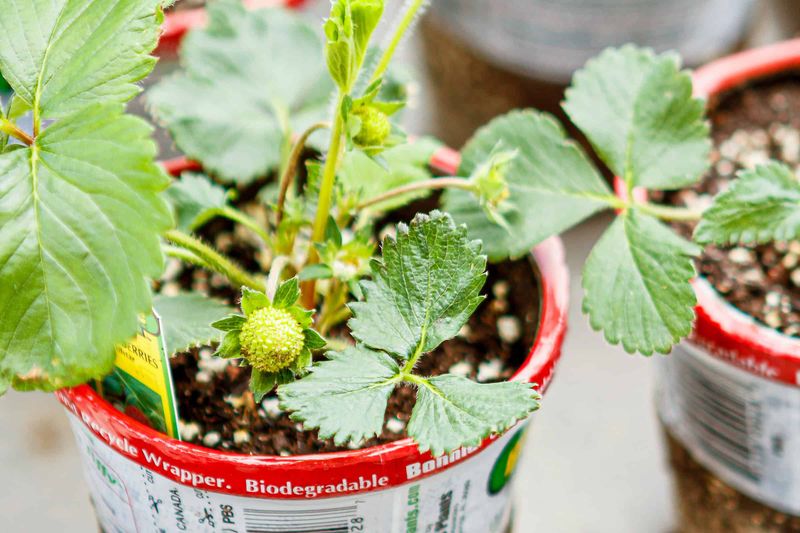
Garden soil seems like the obvious choice for filling containers, but it actually causes more problems than it solves. Regular garden dirt compacts heavily in pots, restricting airflow to roots and preventing proper drainage.
Strawberries need loose, well-draining growing medium to develop strong root systems and produce abundant berries. California gardeners achieve best results by using high-quality potting mix specifically formulated for container growing rather than digging up soil from their yards.
Commercial potting mixes contain ingredients like peat moss, coconut coir, perlite, and vermiculite that create the perfect texture for container strawberries. These materials hold moisture while allowing excess water to drain freely, preventing the soggy conditions that harm strawberry roots.
Many experienced growers in California blend their own custom potting mix by combining equal parts coconut coir, compost, and perlite. This homemade mixture provides excellent drainage while supplying nutrients that support healthy growth and berry production.
Strawberries prefer slightly acidic soil with a pH between 5.5 and 6.5, which most potting mixes naturally provide. Adding compost to your container mix supplies beneficial microorganisms and slow-release nutrients that feed plants throughout the growing season.
California gardeners often incorporate worm castings into their potting mix because they improve soil structure and provide gentle nutrition without burning tender strawberry roots.
Organic fertilizers like fish emulsion or kelp meal can be mixed into potting soil before planting. Some growers add a handful of bone meal to each container to supply phosphorus for strong root development and flower production.
Avoid using heavy clay-based soils or potting mixes with added chemical fertilizers that might be too strong for strawberries.
Fresh potting mix should be used each season because old, depleted soil lacks the nutrients and structure that strawberries need for maximum container productivity in California’s varied climate zones.
4. Master Consistent Watering And Moisture Management
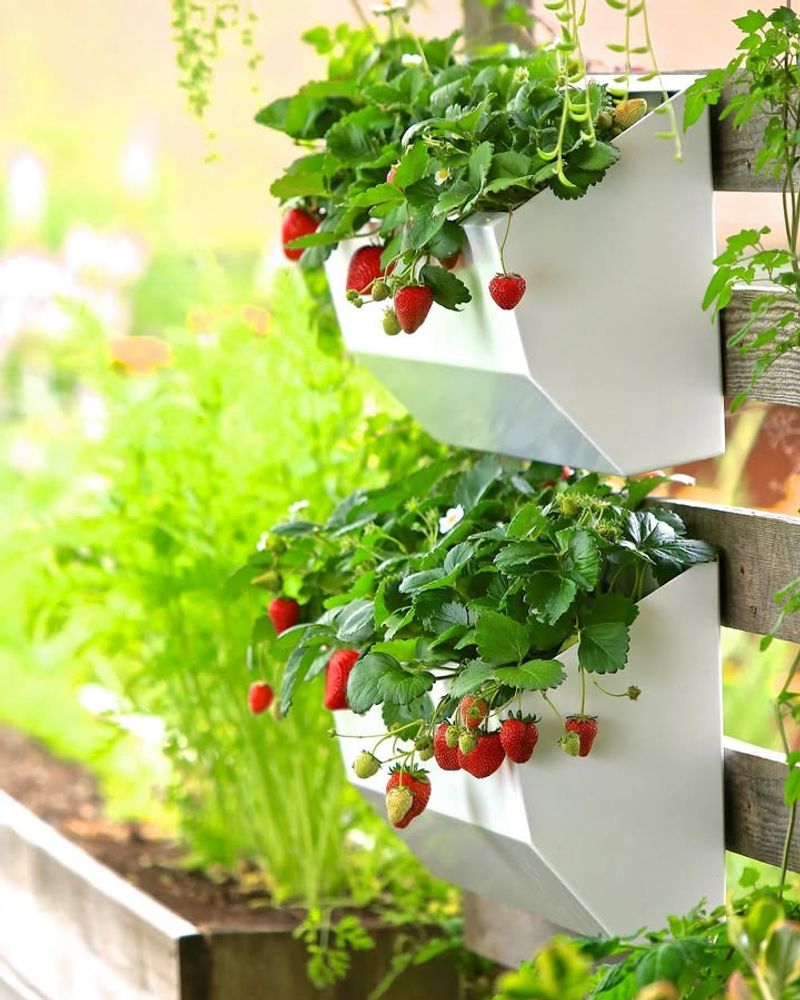
Watering might seem simple, but it represents one of the biggest challenges for container strawberry growers in California.
Containers dry out much faster than garden beds, especially during hot, dry California summers when temperatures climb and humidity drops.
Strawberry plants need consistently moist soil to produce sweet, juicy berries, but they absolutely hate sitting in waterlogged conditions. Finding the right balance between too wet and too dry determines whether your plants thrive or struggle throughout the growing season.
Experienced California gardeners check soil moisture daily by sticking their finger about two inches deep into the potting mix. If the soil feels dry at that depth, it needs watering.
During peak summer heat, containers may require watering twice daily, especially for plants growing in full sun or smaller pots.
Morning watering works best because it allows foliage to dry before evening, reducing disease problems. Many growers add a second light watering in late afternoon during the hottest months.
Drip irrigation systems or soaker hoses make consistent watering easier for busy gardeners. These systems deliver water directly to the soil surface, keeping foliage dry while ensuring roots receive adequate moisture.
Some California strawberry growers use self-watering containers that feature built-in reservoirs, reducing how often they need to water manually.
Mulching the soil surface with straw or shredded bark helps retain moisture and keeps soil temperatures cooler during California’s intense summer heat.
Inconsistent watering causes strawberries to develop poorly, resulting in small, seedy berries with disappointing flavor. Plants stressed by irregular moisture also become more susceptible to pests and diseases.
California’s Mediterranean climate means summer rainfall is rare, so container strawberries depend entirely on the water you provide.
Setting up a regular watering schedule and sticking to it produces the best harvests, with plump, sweet berries that make all your effort worthwhile throughout the entire growing season.
5. Position Containers For Optimal Sunlight Exposure
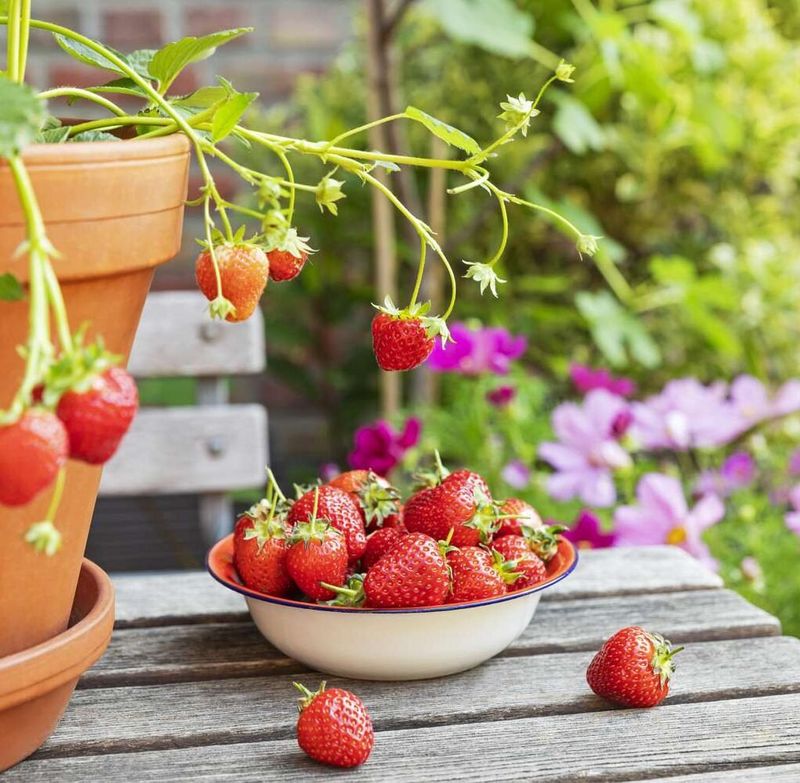
Sunlight powers strawberry production, and container growing gives you the flexibility to move plants to the perfect spot. Strawberries need at least six to eight hours of direct sunlight daily to produce abundant, flavorful berries.
California gardeners enjoy generally sunny weather, but finding the right balance of light exposure varies depending on your specific location within the state. Coastal areas with morning fog require different positioning than inland valleys with intense afternoon sun.
Southern California gardeners often provide afternoon shade during the hottest summer months to prevent stress and sunscald on berries.
Plants receiving morning sun and afternoon shade produce better quality fruit than those baking in full sun all day when temperatures exceed 90 degrees.
Northern California growers typically provide full sun exposure since temperatures remain more moderate throughout the growing season.
The beauty of container growing is that you can experiment with different locations until you find the spot where your strawberries perform best.
Watch how sunlight moves across your growing area throughout the day before deciding where to place containers. South-facing locations receive the most intense sunlight, while east-facing spots get gentler morning sun.
West-facing areas experience hot afternoon sun that might be too intense during California summers. Some creative gardeners use rolling plant caddies that allow them to move containers easily, following the sun or retreating to shade as needed throughout the day.
Balcony and patio gardeners sometimes deal with limited sunlight due to buildings or trees casting shadows. If you cannot provide six hours of direct sun, choose the brightest spot available and consider using reflective surfaces to bounce additional light onto your plants.
White walls or light-colored paving stones reflect sunlight upward, increasing the light your strawberries receive.
California’s long growing season means you have plenty of time to adjust container positions and find the sweet spot that produces the biggest, most abundant strawberry harvests possible in your unique growing space.
6. Feed Regularly With Balanced Organic Fertilizers
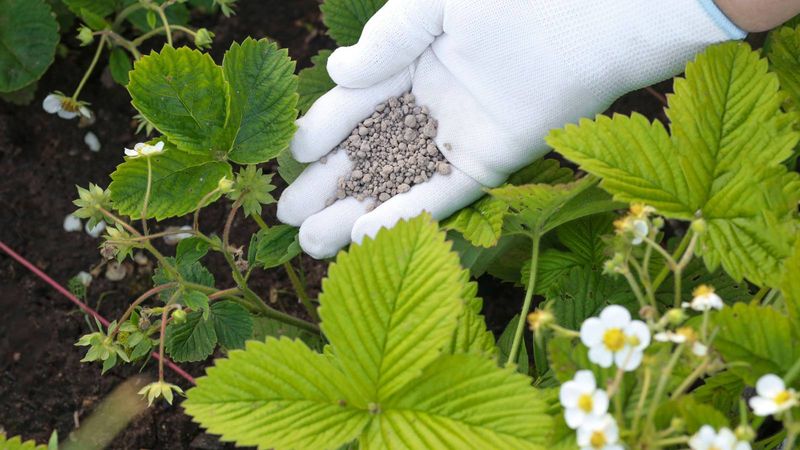
Container strawberries consume nutrients quickly because limited soil volume cannot store large nutrient reserves like garden beds do. Regular feeding throughout the growing season keeps plants healthy, productive, and loaded with developing berries.
California gardeners who fertilize consistently harvest significantly more strawberries than those who plant and forget. Strawberry plants are hungry feeders that reward proper nutrition with abundant crops of sweet, flavorful fruit from spring through fall.
Balanced organic fertilizers work wonderfully for container strawberries because they release nutrients gradually without causing the salt buildup that chemical fertilizers sometimes create.
Fish emulsion mixed at half strength and applied every two weeks provides nitrogen for leafy growth along with trace minerals that support overall plant health.
Many California growers alternate between fish emulsion and liquid kelp fertilizer to provide a broader range of nutrients. Kelp contains natural growth hormones that encourage flowering and fruit set while strengthening plants against stress.
Strawberries need extra phosphorus and potassium during flowering and fruiting stages to produce the biggest, sweetest berries. Organic options like bone meal supply phosphorus, while kelp meal and wood ash provide potassium.
Some experienced California gardeners make compost tea by steeping finished compost in water, creating a nutrient-rich liquid fertilizer that also introduces beneficial microorganisms to container soil.
This homemade fertilizer costs nothing and works amazingly well for boosting strawberry production naturally.
Slow-release organic granular fertilizers can be scratched into the soil surface every six to eight weeks, providing steady nutrition without frequent applications. Avoid over-fertilizing because too much nitrogen produces lots of leaves but fewer berries.
Yellow leaves often indicate nutrient deficiency, while dark green, lush foliage with few flowers suggests excess nitrogen.
California’s long growing season means your container strawberries keep producing for months, so maintaining a regular feeding schedule ensures plants have the energy to keep making delicious berries all season long.