This Is How Central Oregon Winters Impact Trees And Shrubs
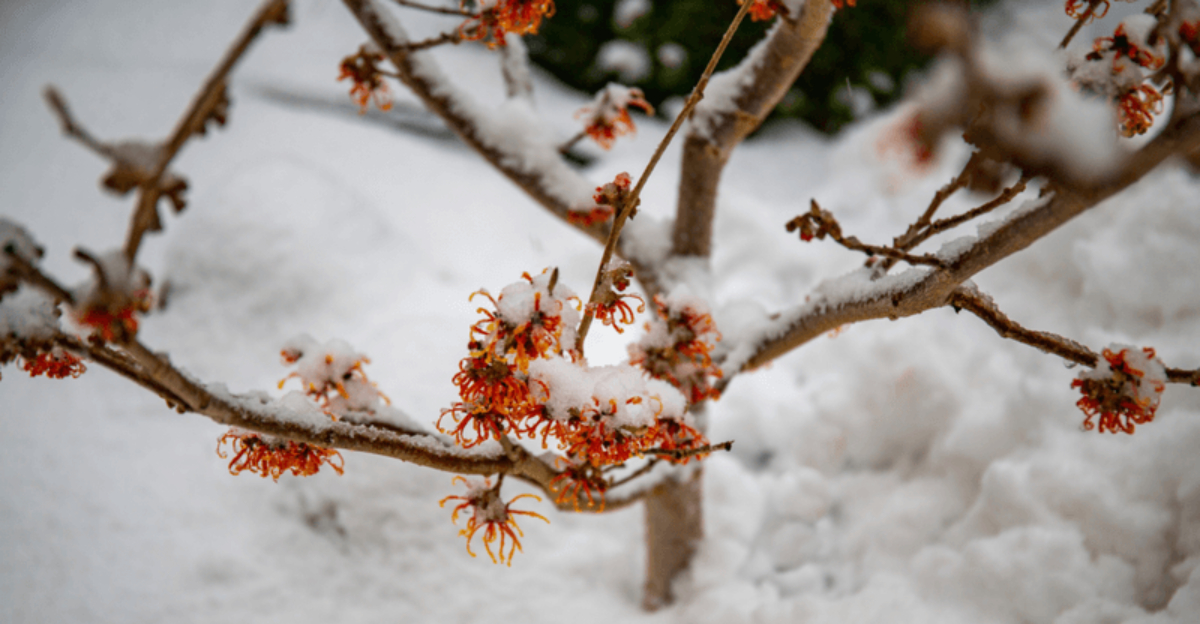
Central Oregon winters have a way of keeping gardens on their toes. Frosty mornings, icy winds, and surprise snow flurries leave trees and shrubs looking a little frazzled, like they just rolled out of bed.
Branches may sag under the weight of ice, leaves turn brown, and bark can show tiny cracks from the cold. It’s all part of the season’s drama, but most plants bounce back when spring arrives with a bit of care.
Even the hardiest trees and shrubs can show subtle signs of stress. Some branches may take longer to leaf out, while others might appear thinner or brittle.
Evergreens can look a little dull, and shrubs might drop leaves earlier than usual. Spotting these small changes early makes it easier to help plants recover quickly.
A little pruning to remove broken branches, clearing debris from around the base, and checking soil moisture during dry spells can make a big difference.
Winter may test a garden’s patience, but it’s also a time to observe and appreciate how resilient plants can be. With attention and simple care, trees and shrubs can survive the cold months and emerge healthy, ready to thrive when the sun returns.
1. Why Central Oregon Winters Are Different From Western Oregon
Step outside on a January morning in Bend or Redmond, and you’ll feel it instantly. The air is sharp and painfully dry, nothing like the damp chill that settles over Portland or Eugene.
Central Oregon sits in the rain shadow of the Cascade Mountains, which means winter storms drop most of their moisture on the west side before they reach you.
What arrives here is cold, clear, and relentless. Nighttime temperatures can plunge well below zero, and daytime highs might barely crack freezing for weeks at a time.
Your trees and shrubs don’t get the insulating blanket of rain or fog that western Oregon plants rely on.
Instead, they face extreme temperature swings, intense sun exposure, and wind that strips moisture from leaves and bark. This combination creates a kind of winter stress that’s unique to the high desert.
Plants that thrive in the Willamette Valley often struggle here because they’re simply not built for this kind of punishment.
Recognizing these differences helps you choose the right plants and protect the ones you already have.
Central Oregon winters demand a different approach to landscape care, and understanding your climate is the first step toward keeping your yard healthy year-round.
2. How Extreme Cold Affects Branches And Buds
When temperatures drop into the single digits or below zero, the water inside plant cells freezes. Ice crystals form, and as they expand, they can rupture cell walls and damage living tissue.
You might not see the harm right away, but come spring, certain branches won’t leaf out, and some buds will turn brown and fall off.
Younger branches are especially vulnerable because their bark is thinner and their cells hold more water. Fruit trees, ornamental cherries, and some flowering shrubs can lose an entire season’s bloom potential after a particularly brutal cold snap.
Even hardy evergreens can suffer when cold air settles in low spots or when plants haven’t had time to harden off properly before winter arrives.
The damage often shows up as split bark, damaged branch tips, or entire limbs that look fine until warm weather reveals they’re lifeless.
This is why you’ll sometimes see gardeners waiting until late spring to prune—they’re giving plants time to show which parts survived and which didn’t.
Protecting young or marginally hardy plants with burlap wraps or frost blankets can make a real difference. Watering deeply before the ground freezes also helps because hydrated plants are better equipped to handle extreme cold than drought-stressed ones.
3. The Hidden Impact Of Dry Winter Air
Most people think of winter as a wet season, but in Central Oregon, it’s often the driest time of year.
Humidity levels can drop into the teens or even single digits, and that parched air pulls moisture out of everything it touches.
Your skin cracks, your lips chap, and your plants suffer in ways that aren’t immediately obvious.
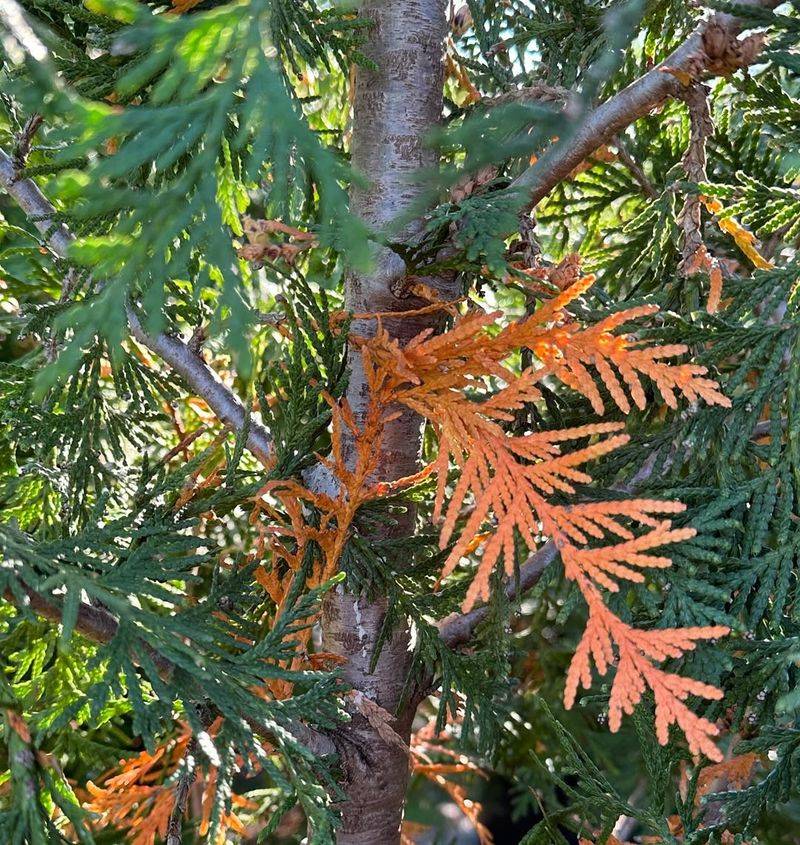
Evergreens like pines, spruces, and arborvitae keep their needles all winter, which means they’re still losing water through transpiration even when the ground is frozen solid. If roots can’t pull moisture from frozen soil, the plant can’t replace what it’s losing to the air.
This leads to a condition called winter desiccation, where needles turn brown and brittle.
Broadleaf evergreens like rhododendrons and Oregon grape face the same problem. You’ll notice their leaves curl inward or take on a bronze tint as they try to conserve moisture.
Some plants recover once spring rains arrive, but severe desiccation can kill entire branches or even whole shrubs.
Watering during warm spells in late fall and winter can help, especially for evergreens planted in exposed locations.
Anti-desiccant sprays also provide a temporary barrier that slows moisture loss, though they need to be reapplied throughout the season to stay effective.
4. Snow Load And Ice Stress On Shrubs
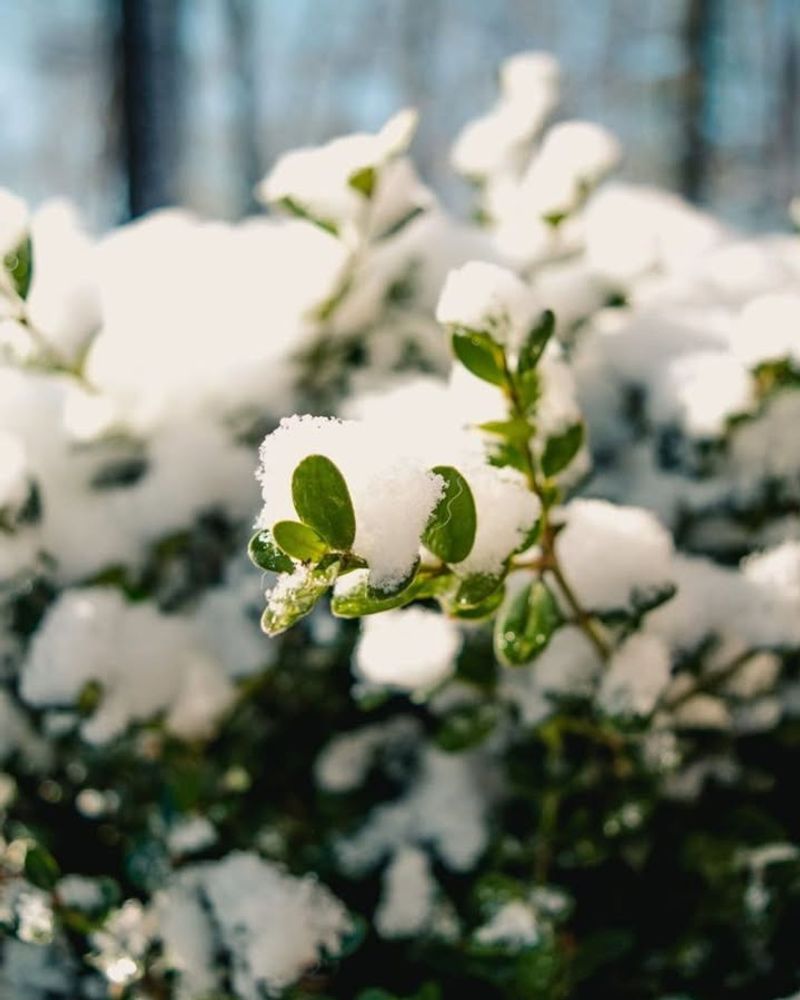
A fresh snowfall can make your yard look like a postcard, but all that beauty comes with weight. Wet, heavy snow piles up on branches, bending them downward and stressing the wood.
Shrubs with upright, narrow growth habits like arborvitae and Italian cypress are especially prone to damage because their branches naturally grow close together, creating pockets where snow accumulates.
If the snow freezes overnight, it turns into a solid mass that can snap branches outright. You’ll hear the crack echoing across your yard, and by morning, you’ll find broken limbs scattered on the ground.
Even if branches don’t break, the prolonged bending can weaken them, leaving permanent splits or deformities that affect the plant’s shape for years.
Ice storms are even worse. When freezing rain coats every surface with a thick glaze, the added weight can bring down entire sections of a shrub or small tree.
Multi-stemmed plants like lilacs and forsythias often split right down the middle under ice load.
Gently brushing snow off shrubs after a storm helps, but only if the snow is still soft and the branches are flexible. Never try to shake ice off—you’ll cause more harm than good.
For vulnerable plants, consider wrapping them loosely with twine in late fall to hold branches together and reduce snow accumulation.
5. Frozen Soil And Root Damage Risks
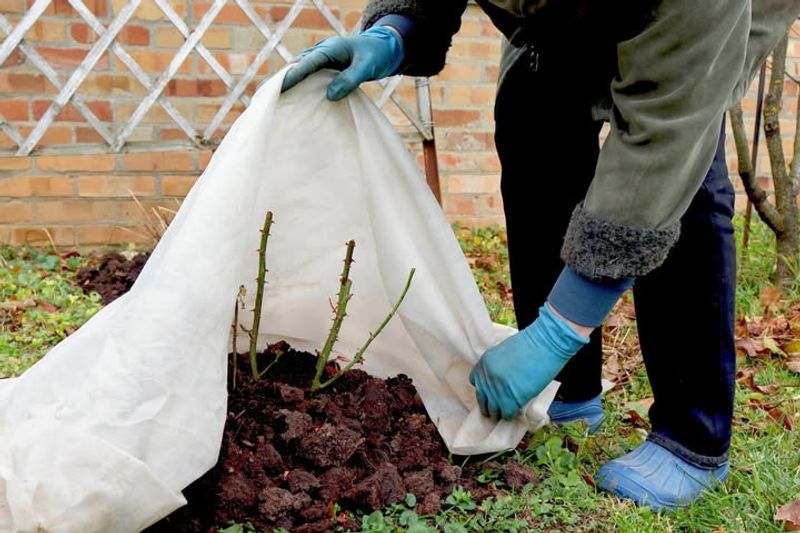
Once the ground freezes solid, roots stop absorbing water and nutrients. In Central Oregon, frost can penetrate a foot or more into the soil, especially in areas without snow cover to insulate the ground.
Trees and shrubs enter a kind of suspended animation, relying entirely on stored energy to survive until spring thaw.
Shallow-rooted plants and newly planted specimens are at the highest risk. Their root systems haven’t had time to establish deeply, so they’re more exposed to temperature swings and frost heaving.
Frost heaving happens when water in the soil freezes and expands, lifting plants right out of the ground and exposing tender roots to freezing air.
You’ll notice this most often with perennials and small shrubs. After a hard freeze-thaw cycle, you might find plants sitting higher in the soil than they were before, with roots visible and vulnerable.
If you don’t press them back down and cover the roots, they can dry out and die.
Mulching in late fall helps stabilize soil temperatures and reduces the risk of frost heaving. A three-to-four-inch layer of bark mulch, straw, or shredded leaves insulates roots and keeps the ground from freezing and thawing repeatedly.
Just keep mulch a few inches away from trunks and stems to prevent rot and pest problems.
6. Wind Exposure And Winter Burn
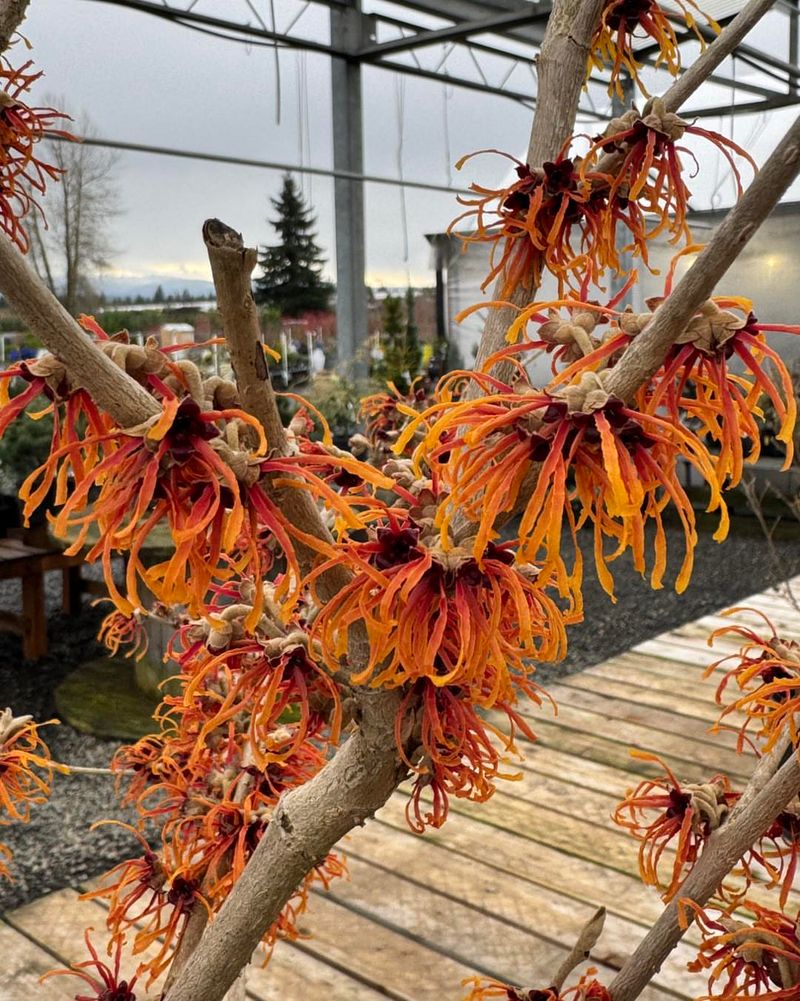
Central Oregon wind is legendary. It roars down from the mountains, sweeps across open fields, and batters everything in its path.
In winter, that wind is cold, dry, and unforgiving. Plants growing in exposed locations face constant assault from gusts that strip moisture from leaves and needles faster than roots can replace it.
Evergreens are particularly vulnerable to wind burn. You’ll see it as browning along the windward side of the plant, often starting at the tips and working inward.
Needles turn tan or rusty red, and once they’re damaged, they don’t recover. By spring, you’re left with a lopsided plant that looks half-withered.
Broadleaf evergreens and tender shrubs can suffer even more. Wind tears at leaves, shreds delicate tissue, and dries out stems.
Plants in open yards or near the corners of buildings where wind accelerates are hit hardest. Even deciduous plants can experience twig dieback when winter wind desiccates bark and buds.
Windbreaks make a huge difference. Fences, hedges, or strategically placed conifers can deflect wind and create calmer microclimates for vulnerable plants.
Burlap screens also work well for temporary protection. Just make sure screens are anchored securely so they don’t become projectiles in a storm.
7. Which Trees And Shrubs Are Most Vulnerable
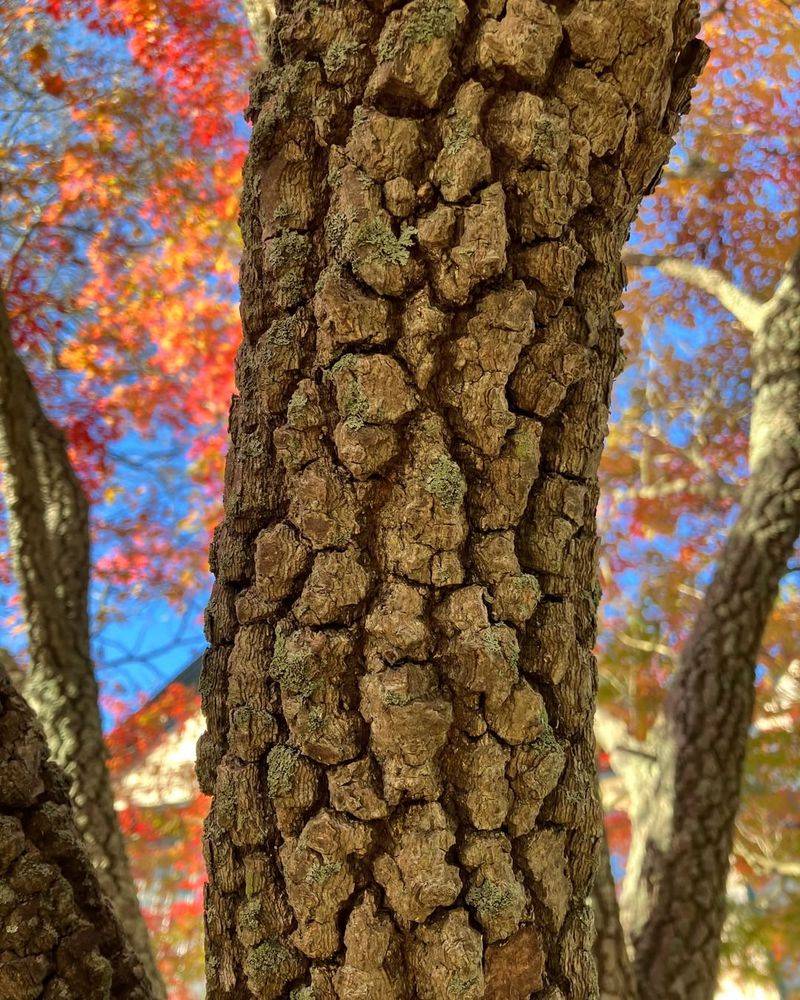
Not all plants are created equal when it comes to surviving Central Oregon winters. Some species shrug off cold, wind, and dryness without missing a beat, while others struggle from the first freeze to the last thaw.
Knowing which plants are at risk helps you focus your protection efforts where they’ll do the most good.
Fruit trees like apricots, peaches, and some cherry varieties often suffer bud damage from late frosts or extreme cold snaps.
Japanese maples, though beautiful, can experience twig dieback and sunscald on thin bark.
Boxwoods and hollies sometimes show winter burn, especially if they’re planted in windy, exposed spots.
Newly planted trees and shrubs of any species are automatically more vulnerable because their roots haven’t had time to establish. Even hardy natives like ponderosa pine can struggle in their first few winters if they’re not properly watered and mulched.
Tender ornamentals like camellias, gardenias, and non-hardy roses simply won’t make it through a typical Central Oregon winter without serious protection or greenhouse conditions.
On the flip side, plants like juniper, sagebrush, rabbitbrush, and native grasses are built for this climate. They’ve adapted to cold, wind, and drought over thousands of years.
Choosing regionally appropriate plants from the start saves you a lot of worry and work every winter.
8. What You Can Do To Reduce Winter Damage
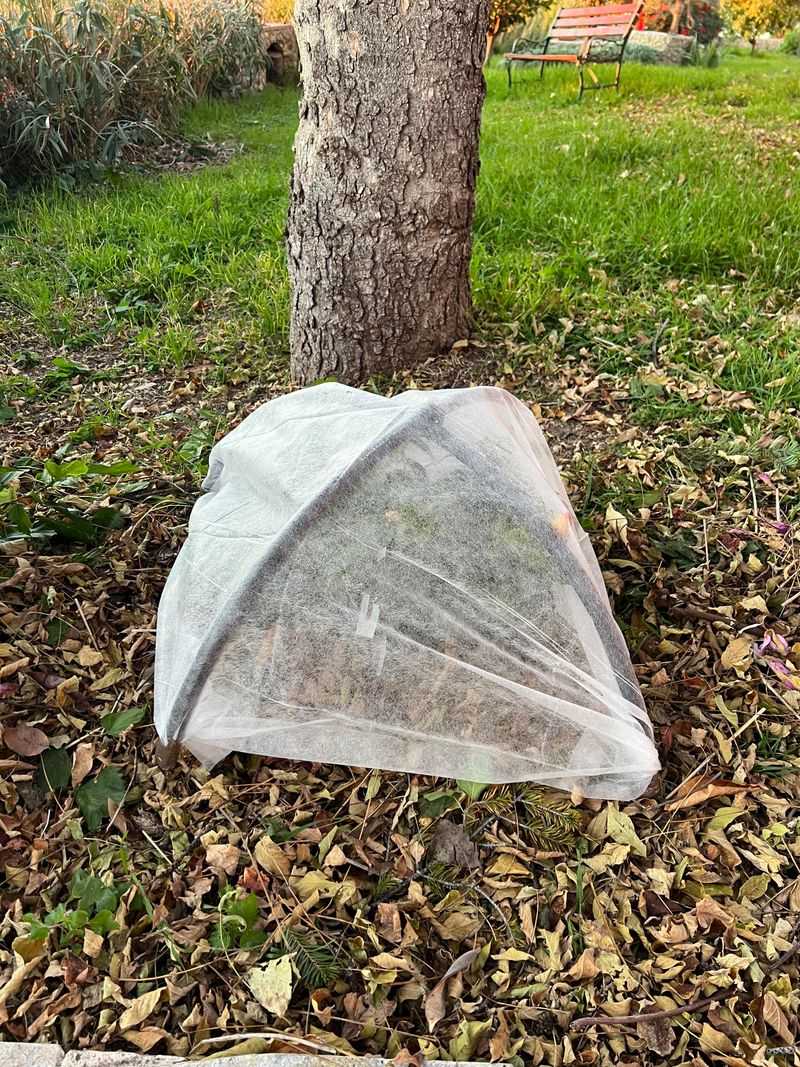
You can’t control the weather, but you can definitely help your plants handle it better. Start by watering deeply in late fall before the ground freezes.
Hydrated plants are far more resilient to cold and desiccation than those going into winter already stressed. Pay special attention to evergreens and anything planted within the last two years.
Mulch is your best friend. A thick layer around the base of trees and shrubs insulates roots, moderates soil temperature, and helps retain moisture.
Just keep it away from trunks to avoid rot. For vulnerable plants, consider wrapping trunks with tree wrap or burlap to prevent sunscald and frost cracks.
Windbreaks and burlap screens can shield plants from the worst of the wind. If you have young or marginally hardy shrubs, a simple three-sided burlap barrier can make the difference between survival and severe damage.
Anti-desiccant sprays also help evergreens hold onto moisture, though they need to be reapplied every few weeks.
Finally, resist the urge to prune too early. Wait until late spring when you can see which branches are truly gone.
Pruning too soon can stimulate new growth that’s vulnerable to late frosts. With a little planning and care, you can help your landscape come through winter strong and ready to thrive when warm weather returns.