This Is How Long It Takes To Grow Potatoes In Arizona And When To Harvest Them
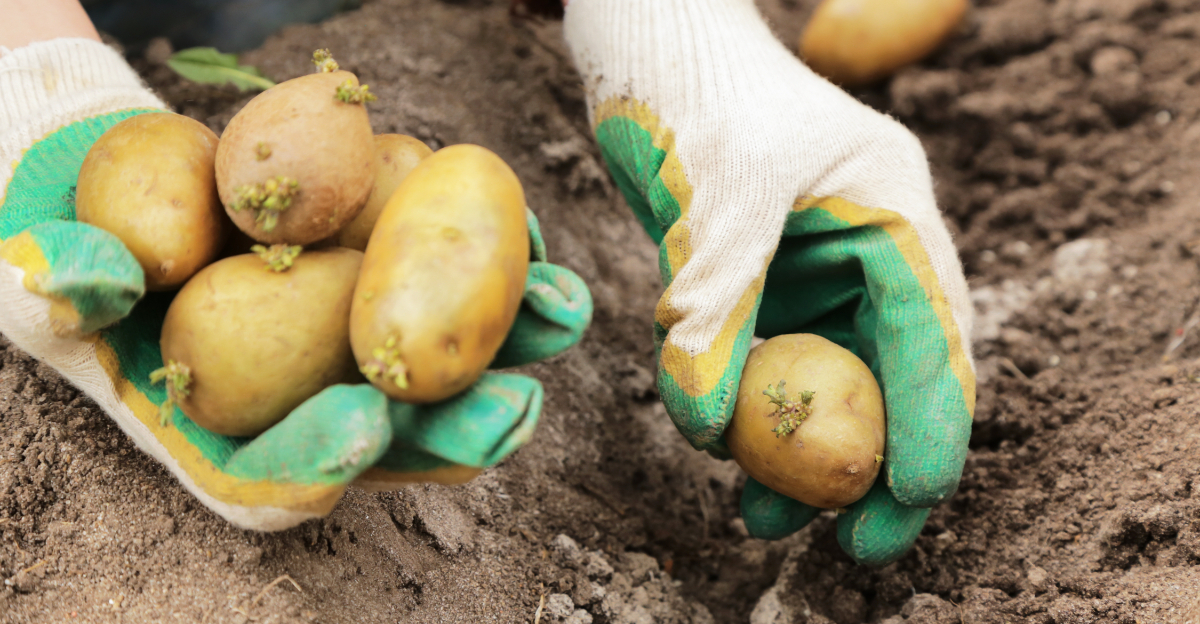
Growing potatoes in Arizona is a race against rising temperatures, and timing is what decides whether you harvest heavily or fall short.
The desert does not give potatoes endless weeks to mature, so planting at the right moment matters more here than in most states.
In most Arizona gardens, potatoes take about 70 to 120 days from planting to harvest, depending on the variety and how quickly spring heat moves in. A strong crop comes down to knowing exactly when to plant and when to dig.
Once you understand how fast soil warms in late spring, harvesting firm, flavorful potatoes feels far more controlled than risky.
1. Plant In Late Winter Or Potatoes Will Struggle In Arizona’s Heat
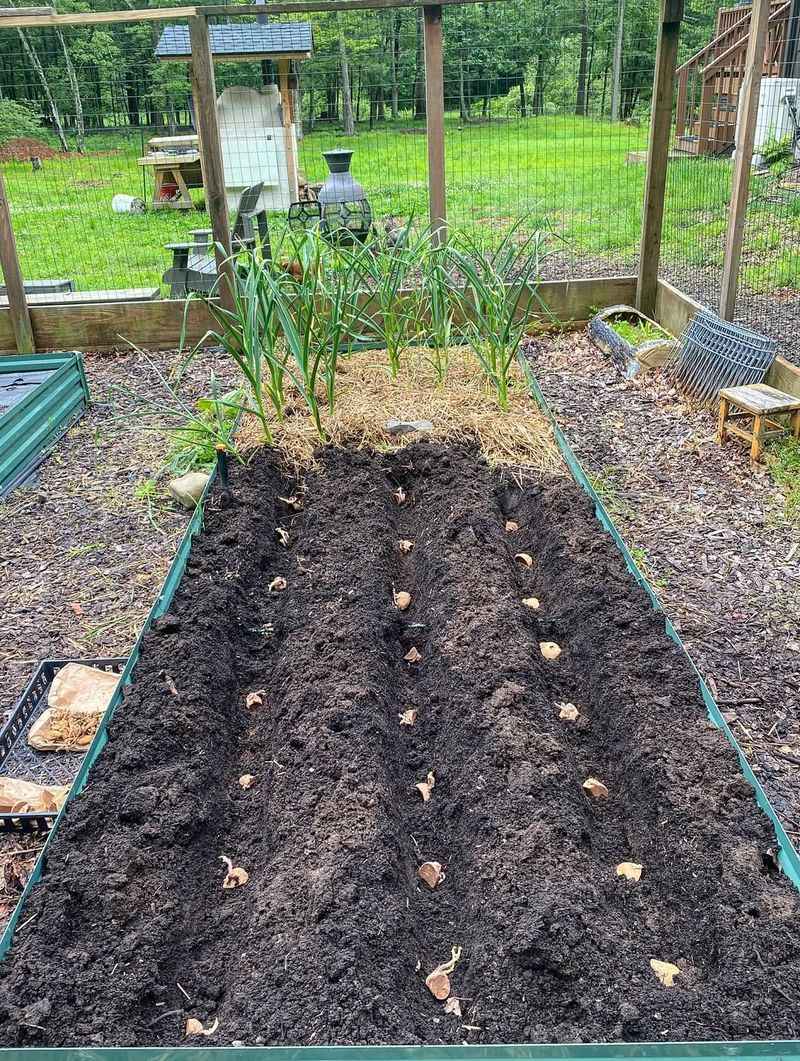
Late winter planting gives your potatoes the cool soil they need to develop strong roots before summer arrives. Arizona gardeners typically plant between mid-January and early March, depending on their specific location and elevation.
Tucson gardeners often start a bit earlier than those in Phoenix, while higher elevation areas might wait until late February.
Potatoes need soil temperatures between 45 and 55 degrees Fahrenheit to sprout properly. When you plant too late, the soil warms up too quickly and your plants never get that crucial cool growing period.
The tubers that form in hot soil often develop poorly and may even stop growing altogether.
Planning your planting date means watching your local weather patterns closely. Check soil temperature with a simple thermometer pushed two inches into the ground.
If the reading stays consistently above 45 degrees for several days, you can safely plant your seed potatoes.
Arizona’s intense heat arrives fast, sometimes jumping from pleasant spring weather to scorching temperatures in just a few weeks. This rapid temperature shift means your planting window is narrower than in other states.
Missing that window by even two weeks can reduce your harvest significantly.
Many experienced Arizona gardeners mark their calendars in December and prepare their garden beds early.
They amend the soil with compost and organic matter during January, so everything is ready when planting time arrives.
This preparation ensures you can plant immediately when conditions are perfect.
2. Potatoes Grow Fast In Cool Soil But Slow Down Once Temperatures Spike
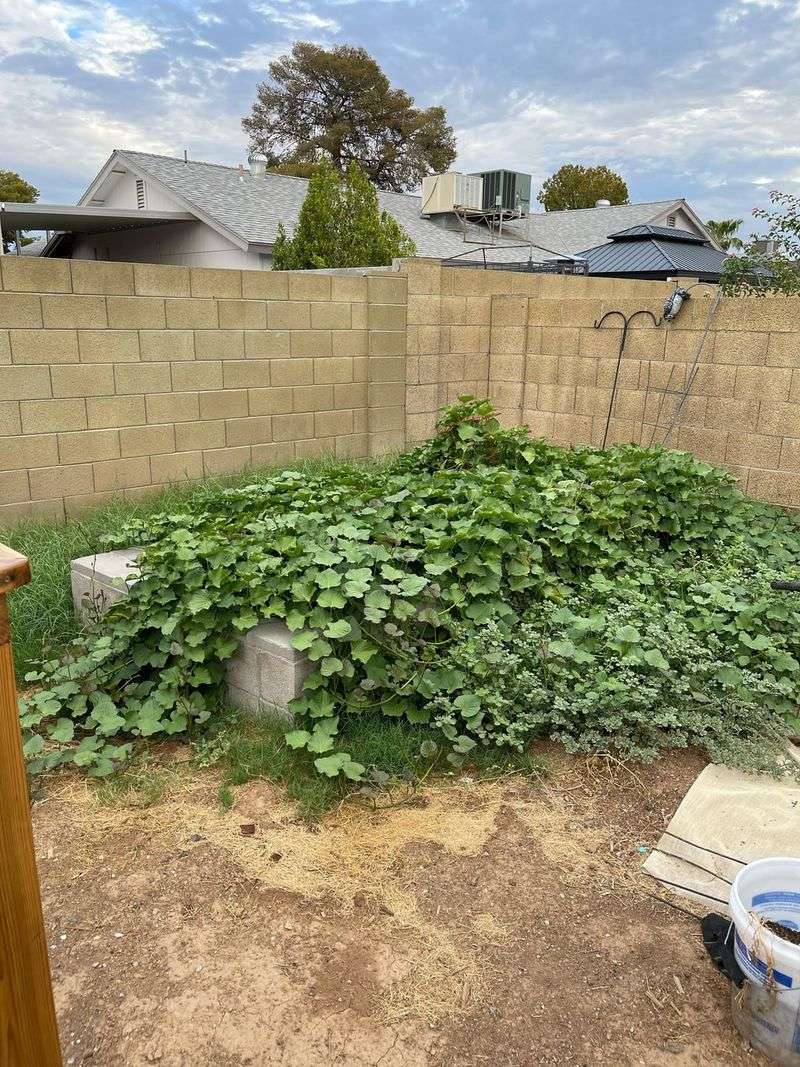
Cool soil acts like rocket fuel for potato plants during their early growth stages. When temperatures stay between 60 and 70 degrees Fahrenheit, your potato plants develop leaves, stems, and roots at an impressive rate.
Arizona gardeners often see their plants shoot up several inches each week during February and March.
Growth rate changes dramatically once daytime temperatures climb above 85 degrees. The plants shift their energy from producing new foliage to simply surviving the heat.
Root development slows down, and the formation of new tubers nearly stops when soil temperatures exceed 80 degrees.
This temperature sensitivity explains why Arizona potato growing is so different from other regions. While gardeners in cooler states enjoy a long, steady growing season, Arizona gardeners race against the calendar.
Your plants need to complete most of their growth before April ends in lower desert areas.
Monitoring your garden’s microclimate helps you understand exactly how your potatoes are performing. Shaded areas or spots with good mulch coverage often stay several degrees cooler than exposed soil.
These cooler zones can extend your growing season by a week or two.
Some Arizona gardeners use shade cloth once temperatures start climbing in April. This simple addition can lower soil temperature by five to ten degrees, giving your plants extra time to bulk up their tubers.
The cloth also protects the foliage from intense sun that can stress the plants.
3. Most Arizona Potatoes Are Ready In 70 To 120 Days
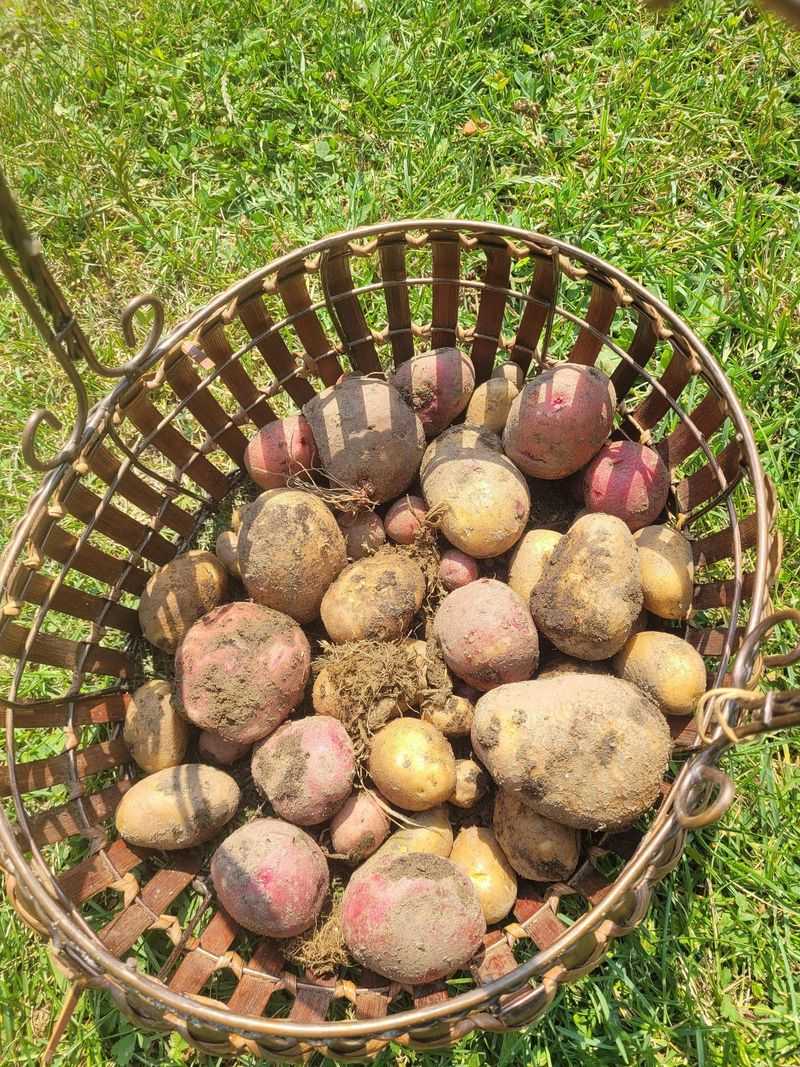
Timing your harvest correctly starts with understanding variety differences. Early season potatoes mature in just 70 to 90 days, making them perfect for Arizona’s compressed growing window.
Mid-season varieties need 90 to 110 days, while late season types require 110 to 120 days from planting to harvest.
Arizona’s climate favors early and mid-season varieties because they finish before extreme heat arrives. If you plant in late January, your early potatoes will be ready by mid-April, right before temperatures become unbearable.
Mid-season varieties planted at the same time will mature in early May.
Calculating your harvest date means counting forward from your planting day. Mark your calendar with the expected maturity range for your chosen variety.
This simple planning step helps you prepare for harvest and ensures you dig up your potatoes at the right time.
Weather variations affect timing more in Arizona than in most places. An unusually warm March can speed up maturity by a week, while a cool spring might delay it slightly.
Keeping notes each year helps you refine your timing for your specific garden location.
Different potato varieties also respond differently to Arizona conditions. Yukon Gold and Red Pontiac both perform well as mid-season choices, while varieties like Caribe and Irish Cobbler work great as early options.
Selecting varieties bred for warm climates gives you better results.
4. Early Varieties Finish Before Extreme Desert Heat Sets In
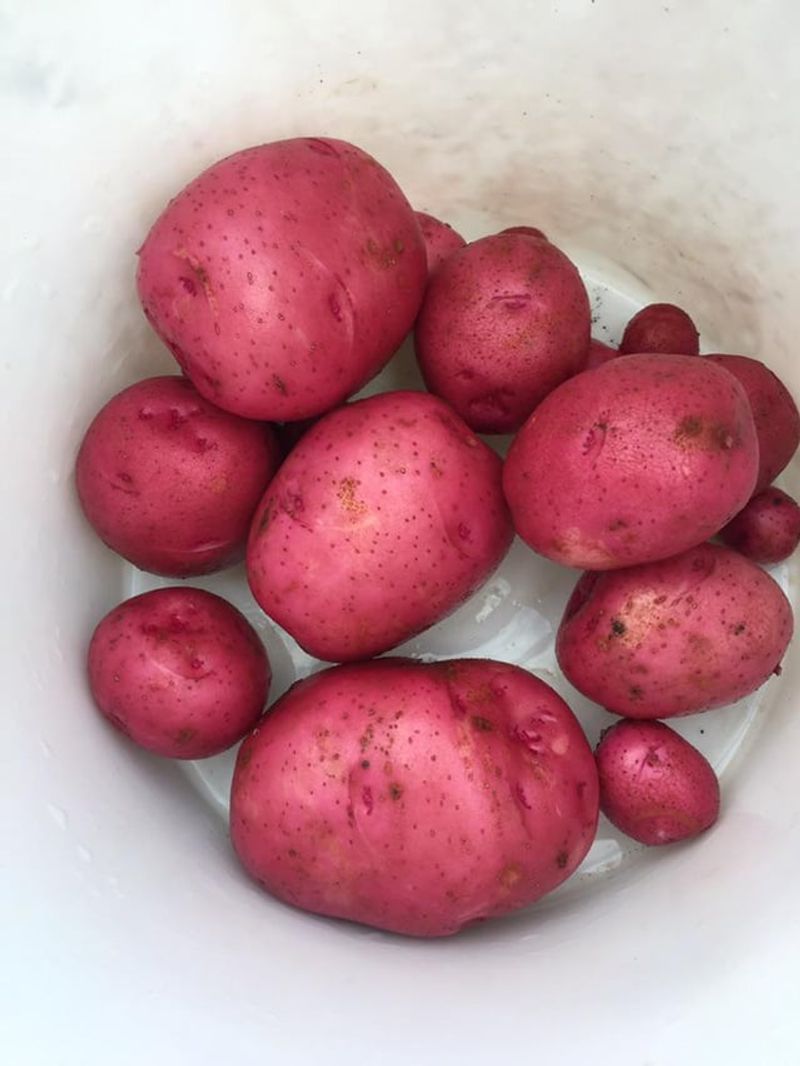
Beating the heat means choosing varieties specifically bred for quick maturity. Early potatoes complete their entire life cycle before Arizona’s punishing summer temperatures arrive.
These varieties produce smaller plants but develop tubers rapidly, giving you a harvest before May in most Arizona locations.
Popular early varieties include Yukon Gem, which matures in about 80 days, and Red Norland, ready in roughly 75 days. Both varieties produce excellent yields when planted in late January or early February across Arizona.
Their quick turnaround time makes them reliable choices for desert gardening.
Harvest timing for early varieties requires attention to plant signals rather than just counting days. When the lower leaves start turning yellow while upper growth remains green, your potatoes are approaching maturity.
This partial yellowing usually happens right around the 70-day mark for true early varieties.
Phoenix and Tucson gardeners particularly benefit from early varieties because heat arrives earlier in these low desert areas. By choosing quick-maturing potatoes, you can harvest in mid-April when temperatures are still manageable.
Waiting any longer means dealing with soil that is too hot to work comfortably.
Yield from early varieties might be slightly smaller than late season types, but the reliability makes up for it. A successful early harvest beats a failed late season crop any day.
Arizona conditions simply do not support the long growing seasons that late varieties need to reach their full potential.
5. Flowers Mean Tubers Are Growing Underground Right Now
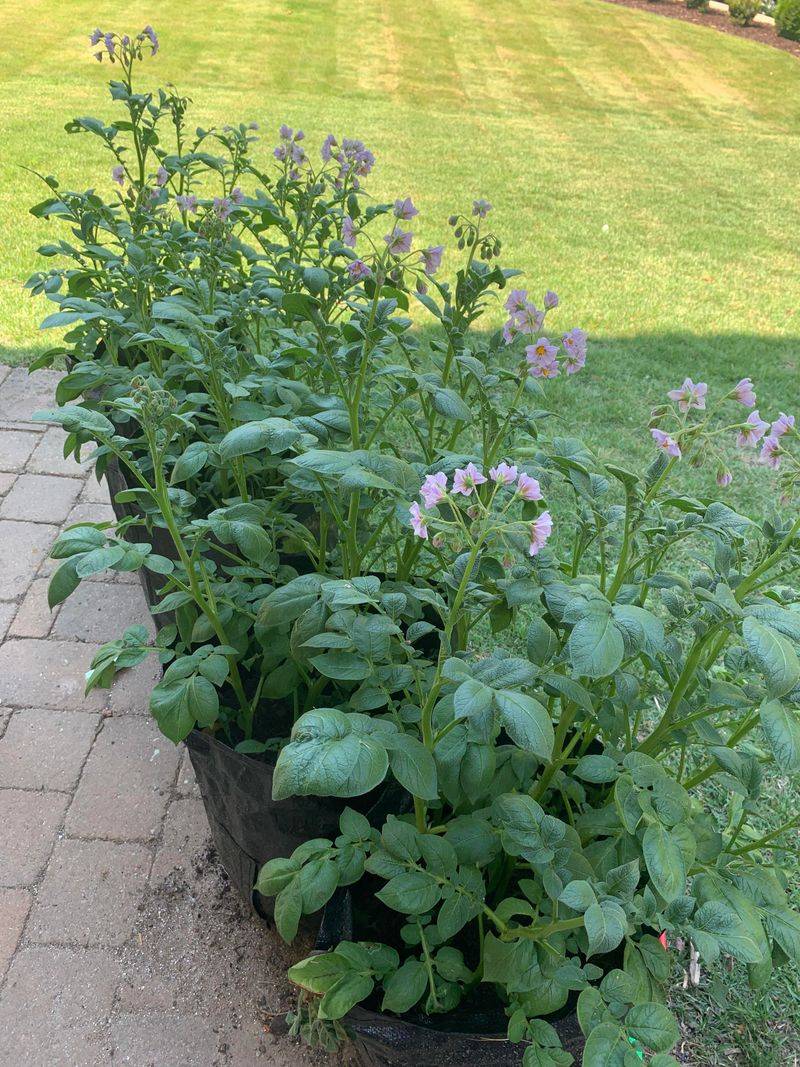
Flowering signals a critical shift in your potato plant’s development. Those delicate blooms appearing on your plants mean tubers are actively forming underground at that exact moment.
Arizona gardeners often see flowers appear between 50 and 70 days after planting, depending on variety and weather conditions.
Not all potato varieties flower reliably, but most common types grown in Arizona produce visible blooms. The flowers range from white to pink to purple depending on the variety you planted.
Some plants produce abundant flowers while others make just a few, but tuber formation happens regardless of flower quantity.
Underground changes happening during flowering are remarkable. Small tubers that started as tiny bumps on the roots suddenly begin swelling rapidly.
This growth surge continues for several weeks after flowering begins, with tubers gaining size each day as long as soil temperatures remain reasonable.
Checking for tuber development is tempting but resist digging around your plants too much during this stage. Carefully feeling near the base of one plant can give you an idea of tuber size without disturbing the whole crop.
Your fingers will find marble-sized or larger potatoes if development is progressing normally.
Flowering time also tells you when to increase watering slightly. Tuber development requires consistent moisture, so check your soil daily during this period.
Arizona’s dry air means water evaporates quickly, and stressed plants during flowering produce smaller potatoes. Keep the soil evenly moist but never waterlogged throughout the blooming period.
6. New Potatoes Can Be Dug Just Weeks After Blooming Starts
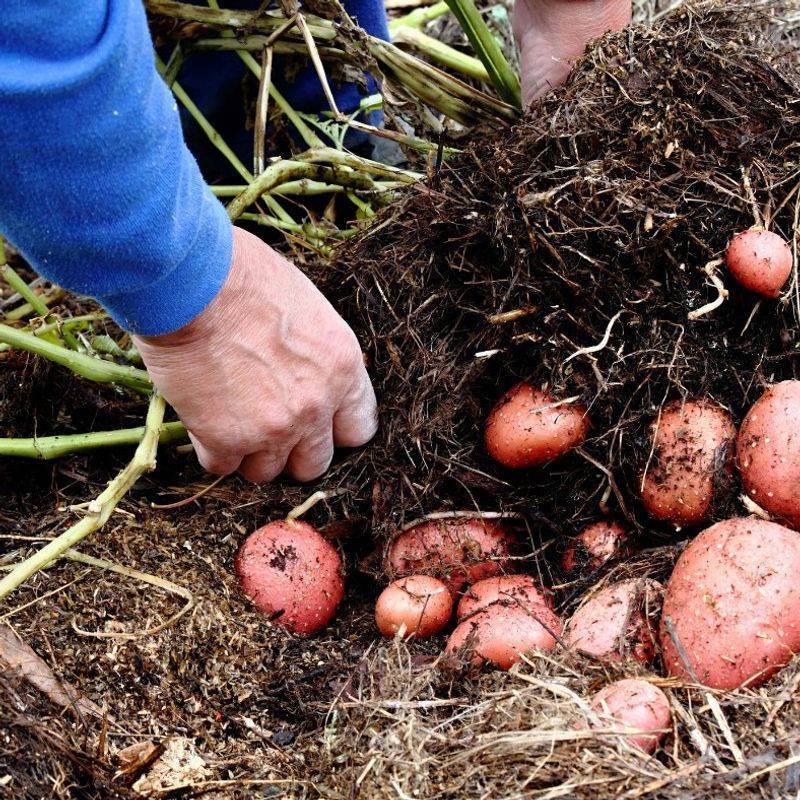
Harvesting new potatoes brings the reward of tender, thin-skinned spuds weeks before full maturity. Arizona gardeners can start sneaking new potatoes about two to three weeks after flowering begins.
These young tubers offer a delicate flavor and creamy texture that fully mature potatoes never quite match.
Technique matters when harvesting new potatoes. Carefully dig around the outside edges of your plant with your hands rather than a tool.
Feel for the largest tubers and gently twist them free, leaving smaller ones to continue growing. This selective harvest lets you enjoy some potatoes immediately while the rest of the crop matures.
New potato harvest works especially well in Arizona because it extends your eating season. Instead of waiting until all plants mature at once, you can enjoy fresh potatoes for several weeks.
Take just a few new potatoes from each plant every few days rather than harvesting entire plants.
Size expectations for new potatoes should be realistic. These young tubers typically range from golf ball to tennis ball size, much smaller than fully mature potatoes.
Their thin, papery skins rub off easily, and they should be eaten within a few days because they do not store well.
Timing your new potato harvest in Arizona often falls in late March or early April. This early harvest helps you make the most of your growing season before heat becomes intense.
Some gardeners harvest all their potatoes as new potatoes, accepting the smaller size in exchange for avoiding late season heat stress.
7. Wait For Yellowing Vines If You Want Potatoes That Store Well
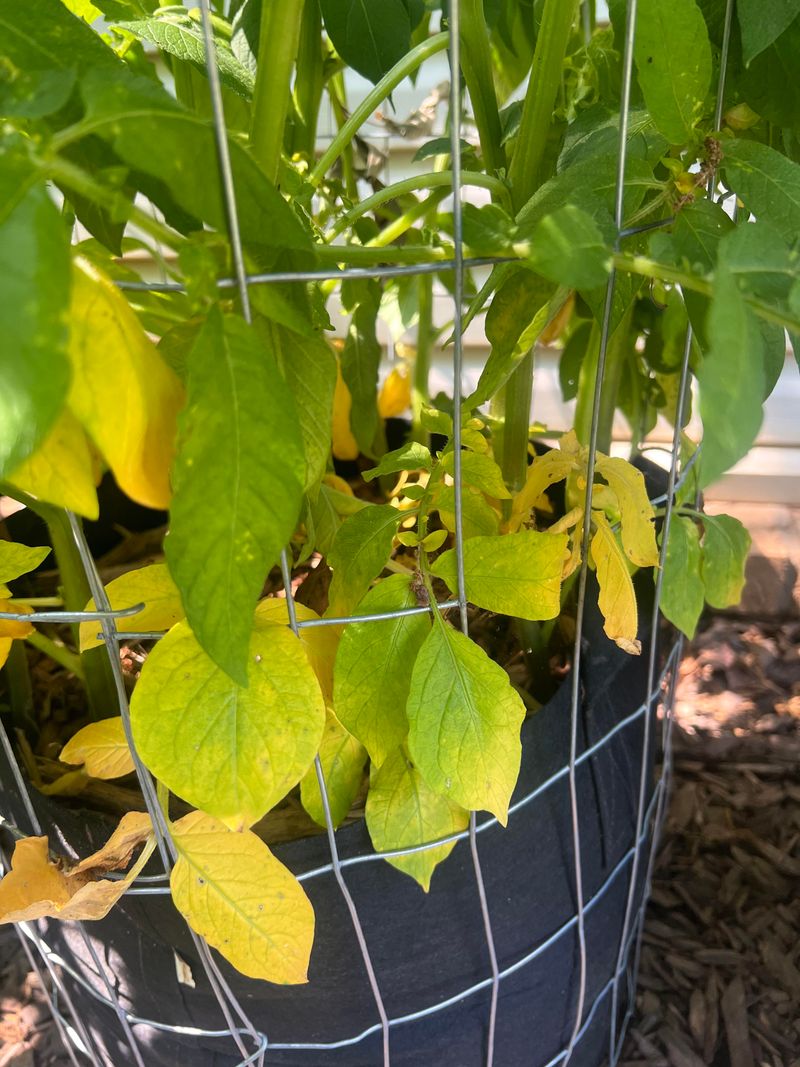
Storage quality depends entirely on letting your potatoes fully mature before harvest. When you want potatoes that last for months rather than days, you must wait until the vines turn yellow and start withering.
This natural senescence allows the potato skins to thicken and cure properly, creating that tough outer layer necessary for long-term storage.
Arizona timing for full maturity usually falls in late April or early May for most varieties. Your plants will look tired and yellow, with many leaves dropping off and stems flopping over.
This appearance worries some new gardeners, but it is exactly what you want to see before digging storage potatoes.
Waiting an extra week or two after vines yellow helps even more. This curing period in the ground allows skins to set firmly on the tubers.
When you dig too early, the skins rub off easily during harvest and washing, creating entry points for rot during storage.
Harvest day should be dry with moderate temperatures if possible. Arizona’s low humidity actually helps with potato harvest because excess moisture is rarely a problem.
Dig carefully with a fork, working from the outside of each plant inward to avoid spearing tubers accidentally.
After digging, let your potatoes sit on the soil surface for just an hour or two to dry. Arizona’s intense sun can sunburn potatoes quickly, turning them green and bitter, so do not leave them out long.
Brush off excess dirt gently but do not wash them until you are ready to use them. Proper curing and storage can keep Arizona-grown potatoes fresh for three to four months in a cool, dark location.