This Is How Ohioans Reuse Fallen Winter Branches In Raised Beds
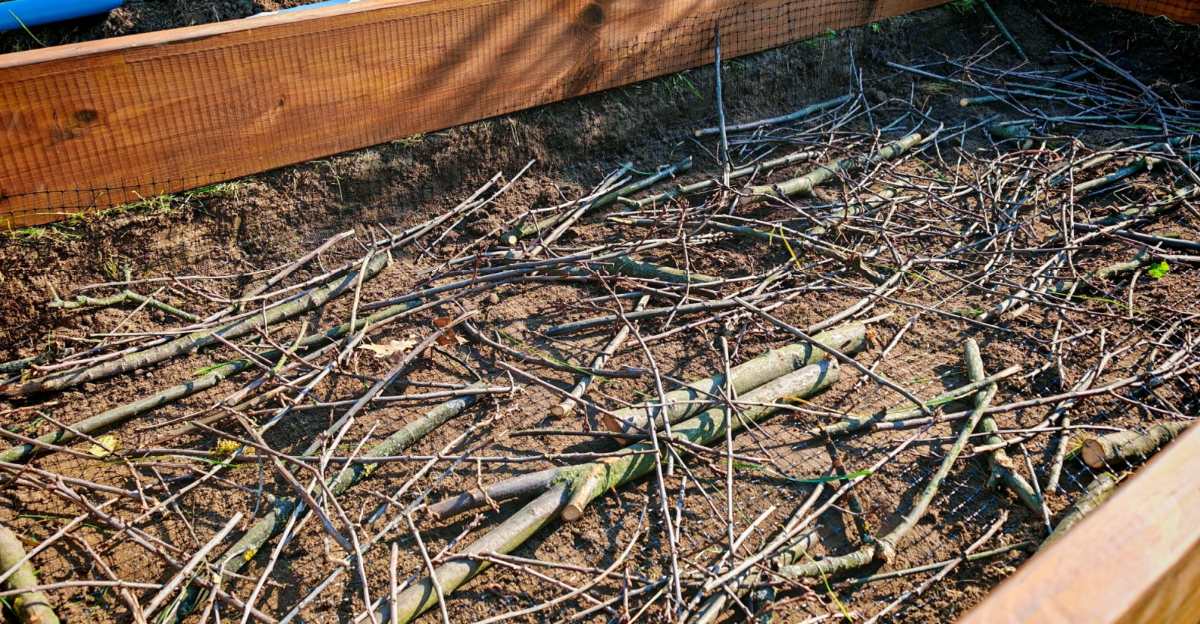
After every Ohio winter, the yard looks like nature left a mess behind. Fallen branches scattered across the ground, brittle, bare, and forgotten.
Most people drag them away or burn them, never realizing they hold hidden value for the garden. Those rough, weathered limbs can become the secret ingredient to richer soil, healthier roots, and stronger raised beds.
Gardeners who know this simple trick turn winter debris into a natural boost for spring growth. Instead of waste, think structure, moisture control, and slow-release nourishment working quietly beneath your plants.
The transformation feels almost magical, yet it follows one of the oldest, smartest gardening methods around. Before you toss those branches aside, take a closer look.
This simple approach can warm your soil, improve drainage, and power your Ohio raised beds all season long with nothing more than what winter already gave you.
1. Create Natural Bed Borders With Sturdy Branches
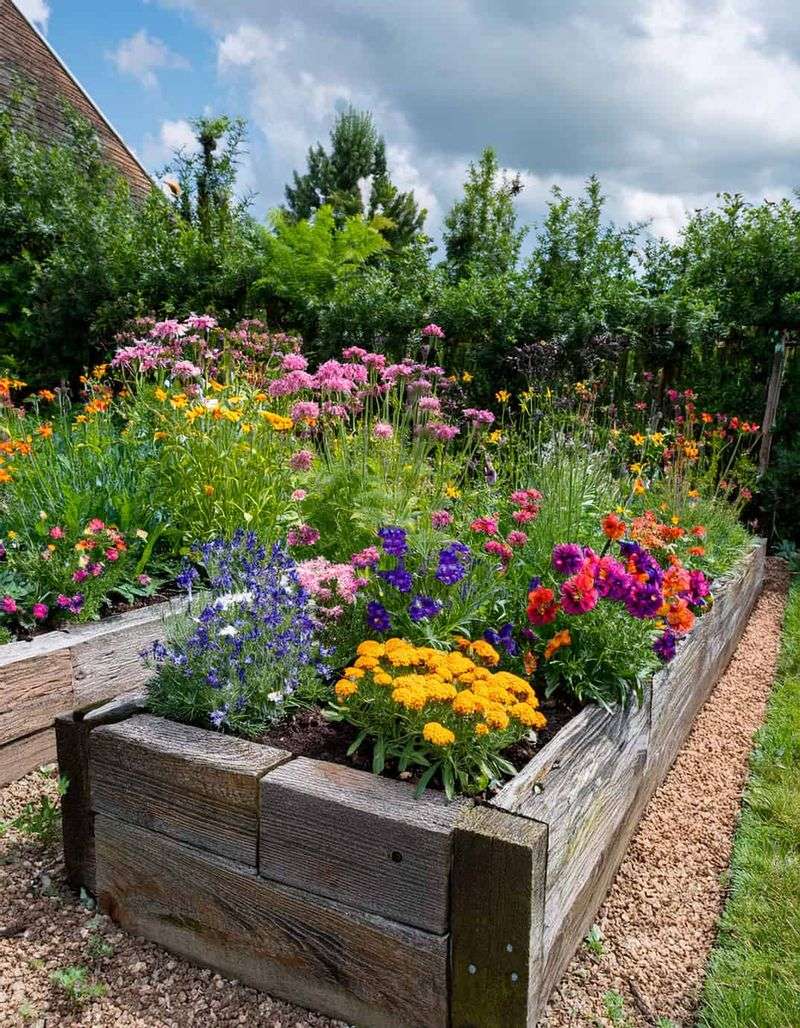
Hardwood branches make excellent borders that keep soil where it belongs. Oak, maple, and ash limbs work especially well because they resist decay for several seasons.
Placing them along the edges of your raised beds creates a defined boundary that prevents soil erosion during heavy spring rains common throughout Ohio.
Select branches that are relatively straight and at least two inches in diameter. Lay them end to end around the perimeter of your bed, slightly overlapping at the corners for stability.
You can secure them with landscape staples or simply let their weight hold them in place.
This method works particularly well for beds built at ground level or only slightly raised. The branches act as a visual guide when you’re working in the garden, helping you avoid stepping on bed edges and compacting soil.
According to Ohio State University Extension guidance on raised bed management, maintaining clear bed boundaries helps preserve soil structure and prevents root zone damage.
The rustic appearance blends naturally with garden surroundings while serving a practical purpose. As branches gradually break down over two to three years, they add small amounts of organic matter to bed edges.
Replace them as needed to maintain clean borders throughout the growing season.
2. Build A Rustic Trellis For Spring Climbers
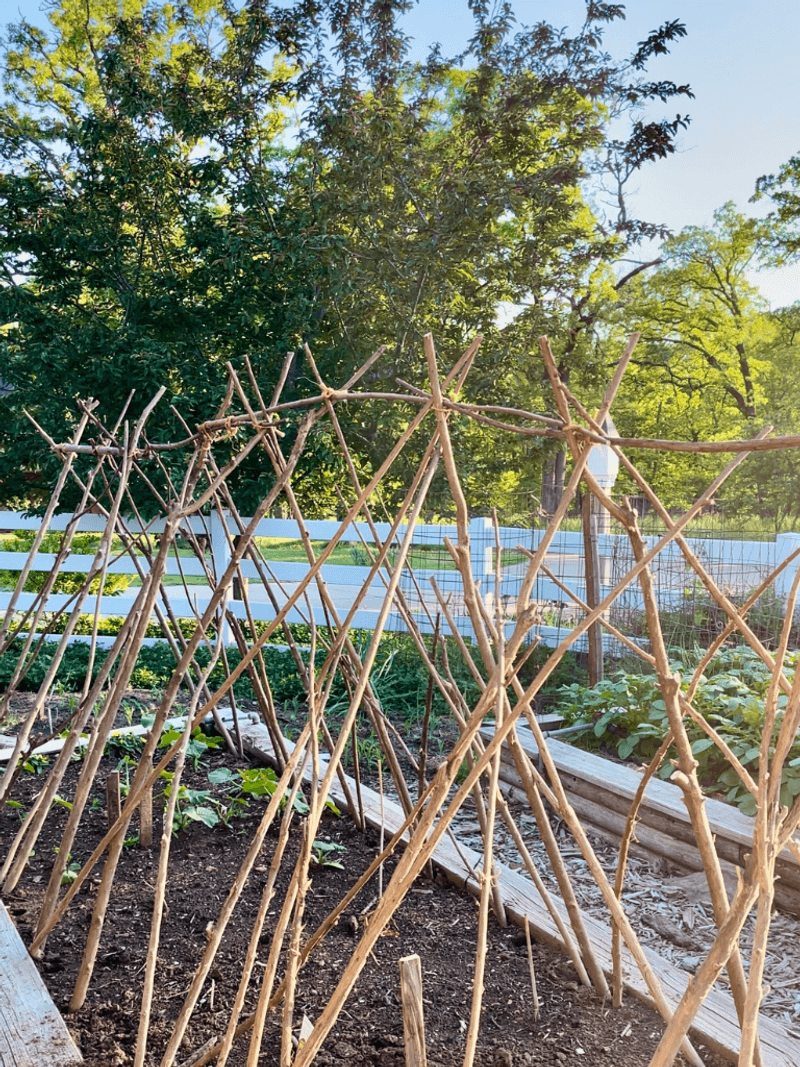
Strong branches become sturdy supports for peas, beans, and other climbing crops. Constructing a simple trellis from fallen limbs costs nothing and provides exactly what spring vegetables need.
Choose branches with some flexibility but enough thickness to handle the weight of mature plants laden with pods.
Drive two or three sturdy vertical posts into opposite sides of your raised bed, spacing them about three feet apart. Weave thinner branches horizontally between the posts, creating a lattice pattern.
Secure intersections with twine or wire if needed, though many branch trellises hold together through natural friction and weight.
Position your trellis on the north side of beds to prevent shading shorter plants. In Ohio’s climate, peas planted in early April will climb eagerly once temperatures warm.
Beans follow later in May when soil reaches consistent warmth.
Branch trellises offer texture and grip that plastic or metal alternatives lack. Tendrils wrap easily around irregular surfaces, and the natural material doesn’t heat up in summer sun.
Research from university extension programs confirms that proper vertical support increases yields by improving air circulation and reducing disease pressure. Your trellis will last one full season and can be composted afterward as it begins to break down.
3. Lay Branches At The Base For Weed Suppression
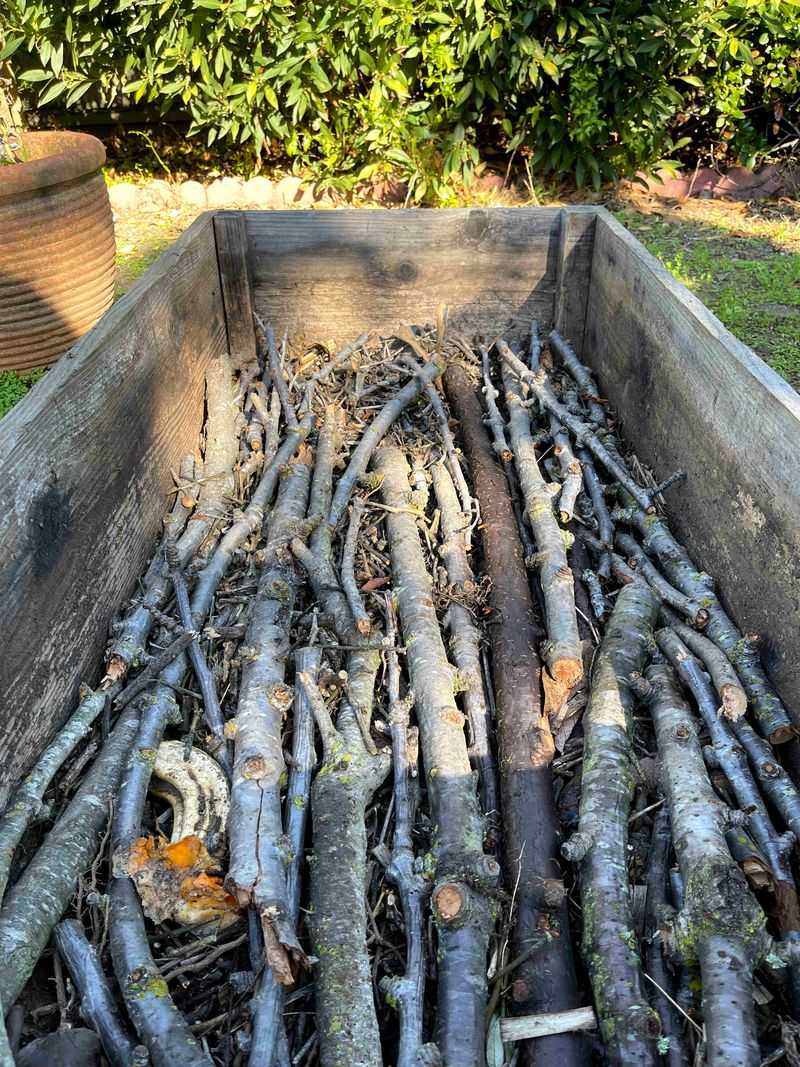
A layer of branches spread across bed bottoms blocks light and discourages weed seeds from sprouting. This technique works best when establishing new beds or preparing existing ones for the season.
Smaller branches and twigs between half an inch and two inches thick create an effective barrier without taking up excessive space.
Lay branches in a crisscross pattern directly on the soil surface or existing bed bottom. Aim for coverage that blocks most light while still allowing water to filter through.
You’ll need a layer roughly three to four inches deep for reliable weed suppression.
Top the branch layer with compost, aged manure, or quality garden soil to create your planting medium. The branches underneath continue working for months, slowly decomposing while preventing persistent weeds from pushing through.
This approach proves especially valuable in Ohio gardens where creeping charlie, dandelions, and crabgrass pressure beds from below.
The branch layer also helps retain soil moisture during dry spells. Wood absorbs water during rain events and releases it gradually as conditions dry out.
USDA research on organic mulches confirms that woody materials improve moisture management in garden beds. As branches break down over one to two years, they contribute carbon-rich organic matter that feeds beneficial soil organisms and improves overall soil structure.
4. Use Smaller Twigs To Improve Soil Structure
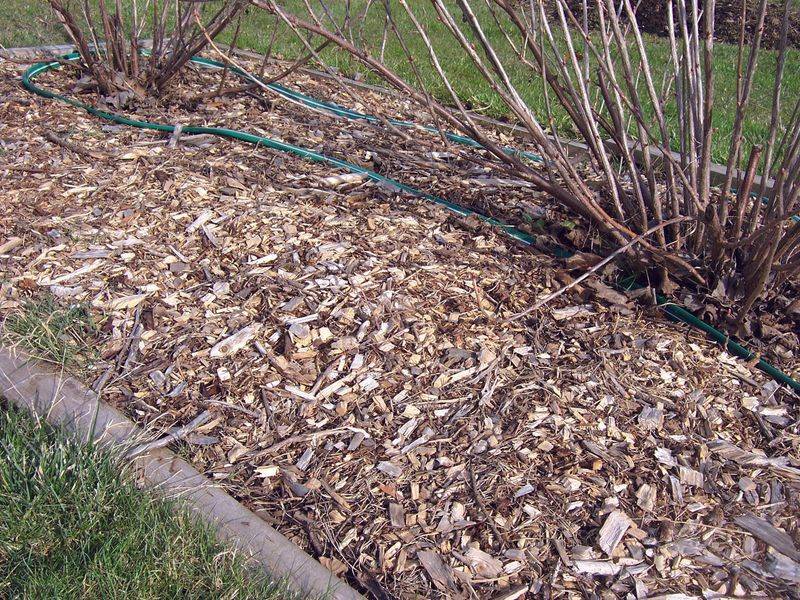
Breaking twigs into small pieces and working them into soil creates air pockets and supports healthy microbial communities. This practice particularly benefits heavy clay soils common in many Ohio regions.
Pencil-thin twigs and smaller branches work best because they break down at a manageable pace while immediately improving soil texture.
Chop or break twigs into pieces between two and six inches long. Scatter them across your bed surface and use a garden fork to work them into the top six to eight inches of soil.
Mix them thoroughly rather than leaving them in clumps.
The woody material creates spaces that allow roots to penetrate more easily and water to drain properly. As microorganisms begin decomposing the twigs, they release nutrients slowly and build soil organic matter content.
Ohio State University Extension emphasizes that increasing organic matter improves almost every aspect of soil health, from nutrient retention to beneficial organism populations.
This amendment works best when done in fall or very early spring, giving twigs time to begin breaking down before planting. In beds with good fertility, the temporary nitrogen tie-up during decomposition causes minimal issues.
Adding a nitrogen source like blood meal or composted manure alongside the twigs helps balance the process and keeps plants growing vigorously throughout the season.
5. Create Wildlife Friendly Brush Piles In Corners
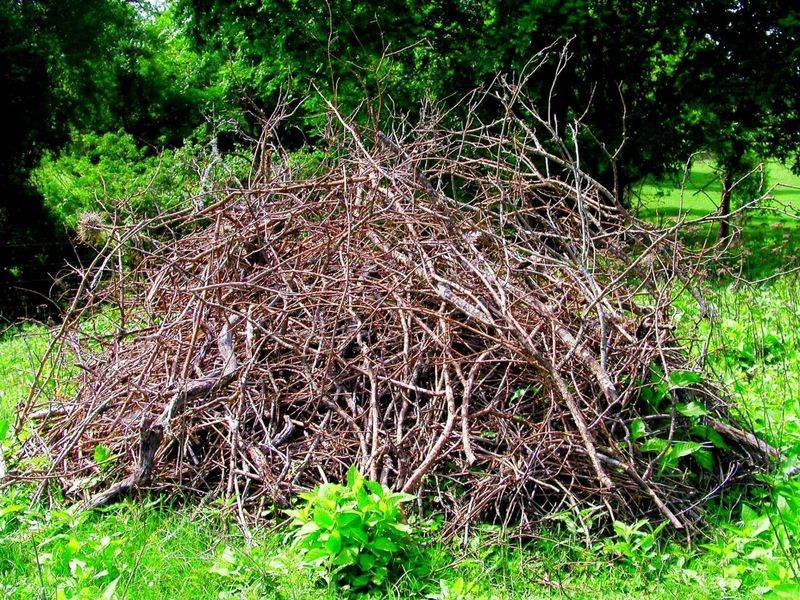
Stacking branches loosely in bed corners provides shelter for beneficial insects that help control pests naturally. Ground beetles, spiders, and native bees all appreciate protected spaces near garden plants.
A small brush pile measuring just one to two feet across offers enough habitat without taking up valuable planting space.
Choose a corner that receives partial shade and won’t interfere with garden access. Stack larger branches on the bottom and smaller twigs on top, creating a loose structure with plenty of gaps and openings.
The irregular spaces become homes for creatures that hunt aphids, caterpillars, and other plant-damaging insects.
These habitat features work year-round but prove especially valuable during Ohio’s cold months. Beneficial insects overwinter in protected spots and emerge in spring ready to patrol your garden.
Research from university entomology departments shows that supporting predator and parasitoid populations reduces the need for pest interventions.
Keep brush piles relatively small and tidy to avoid creating rodent habitat. A compact structure focused on insect-sized spaces serves your garden without attracting unwanted visitors.
You can refresh the pile annually, moving partially decomposed material to compost and adding fresh branches. This rotation maintains the habitat while preventing the pile from becoming too dense or collapsing into an unusable mass.
6. Line Garden Paths With Trimmed Limbs
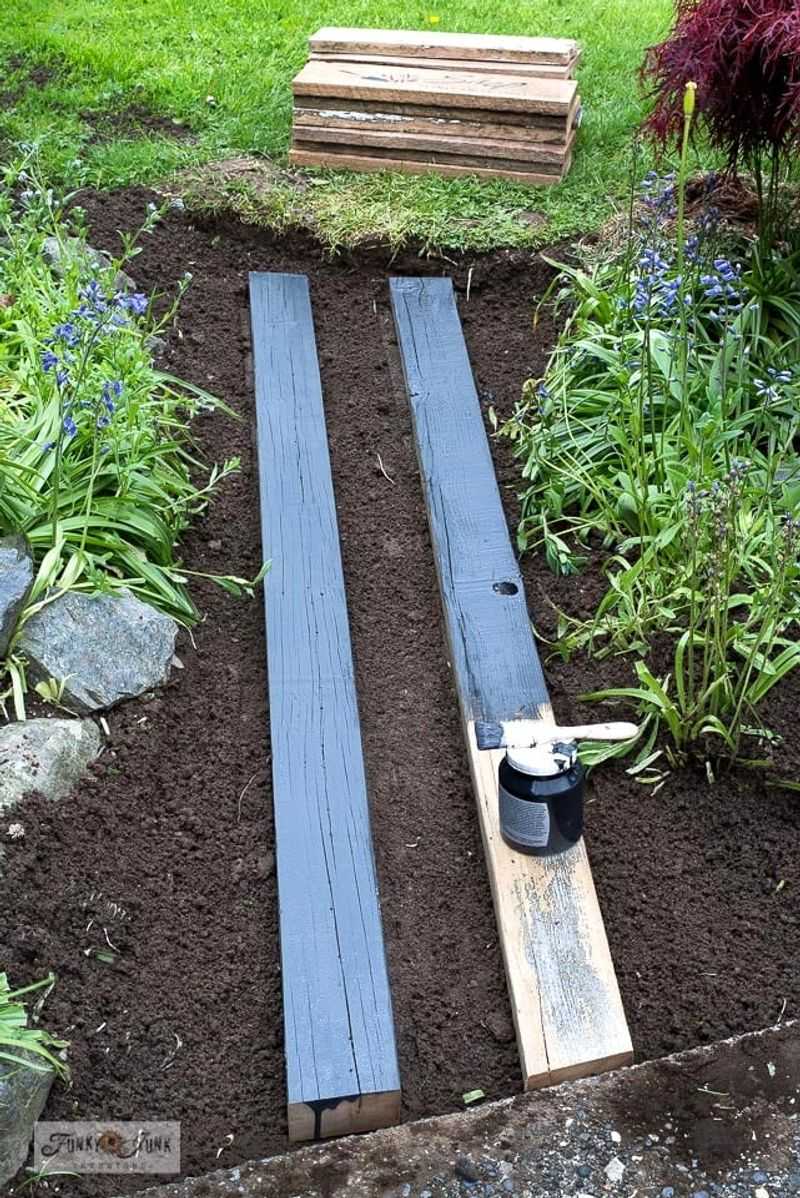
Branches placed along pathways create clear traffic patterns and reduce mud during wet weather. Ohio springs often bring extended rainy periods that turn garden paths into soggy messes.
A simple border of branches defines where to walk and provides a slightly elevated, drier surface.
Trim branches to similar lengths for a neater appearance, though perfect uniformity isn’t necessary. Lay them parallel along both sides of paths, creating a channel that guides foot traffic.
For extra stability, place larger branches on the bottom and add smaller ones on top.
The branch lining helps water drain away from walking areas and into beds where plants can use it. This simple adjustment improves garden organization and makes maintenance tasks easier.
You’ll spend less time dealing with muddy shoes and compacted path soil.
Branches also provide slight cushioning underfoot, making extended garden sessions more comfortable. As they age and soften, they become even more pleasant to walk on.
Replace deteriorating branches every year or two to maintain path definition and function.
This approach works equally well for temporary paths between seasonal beds and permanent walkways in established gardens. The natural material costs nothing, installs quickly, and can be moved or reconfigured as your garden layout evolves over time.
7. Build A Simple Cold Frame Support Structure
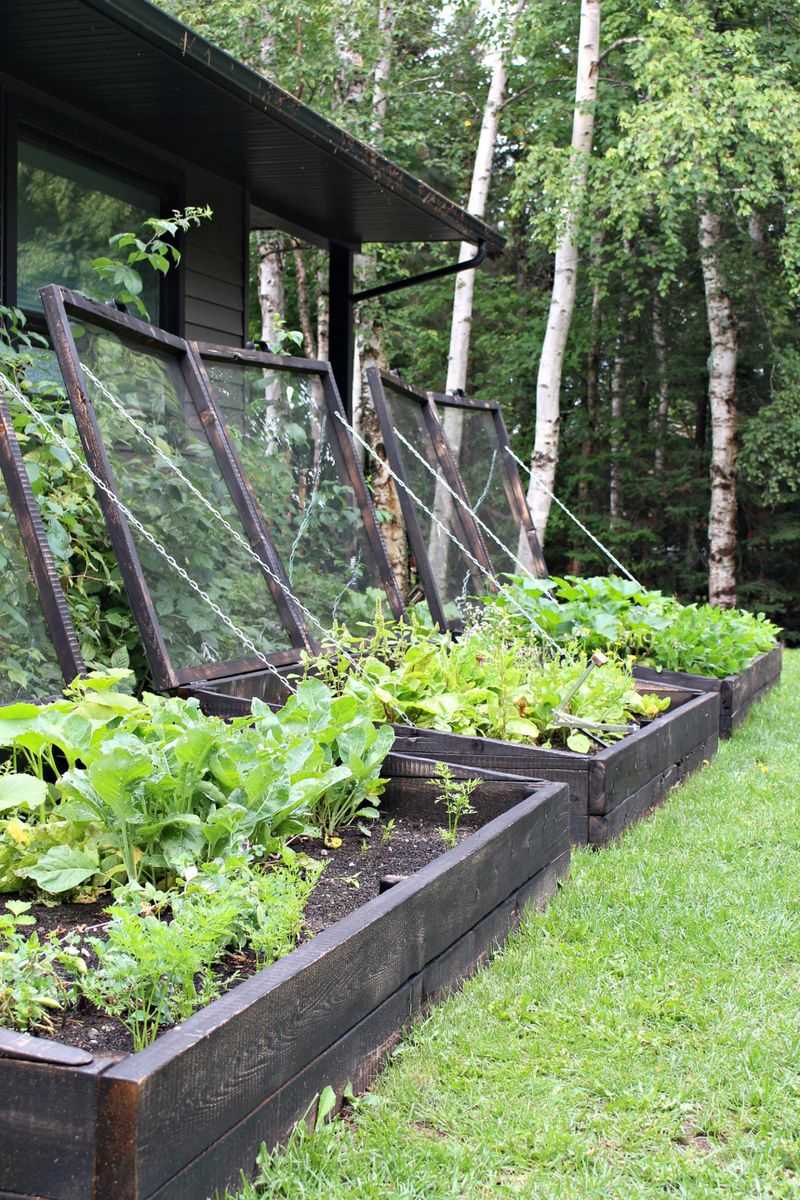
Sturdy branches form the framework for a protective cold frame that extends your growing season on both ends. In Ohio, late frosts threaten early plantings, and fall cold snaps can damage crops before harvest.
A branch-supported cover provides several degrees of frost protection without expensive materials.
Select four corner posts from thick, relatively straight branches. Drive them into the corners of your raised bed, leaving about two feet above the soil surface.
Connect the posts with horizontal branches secured with screws, wire, or strong twine, creating a rectangular frame.
Drape clear plastic sheeting or old windows over the frame to trap heat and block cold wind. The structure doesn’t need to be perfectly airtight.
Even a simple cover raises temperatures enough to protect lettuce, spinach, and other cool-season crops from light freezes.
Position your cold frame over beds facing south for maximum sun exposure. Open or remove the covering on warm days to prevent overheating, and close it before temperatures drop at night.
Research from Ohio State University Extension on season extension confirms that even basic protection significantly impacts early spring and late fall production.
This temporary structure can be dismantled and stored when not needed, then reassembled quickly when weather threatens. The branches will last several seasons before needing replacement.
8. Layer Branches For Hugelkultur Style Raised Beds
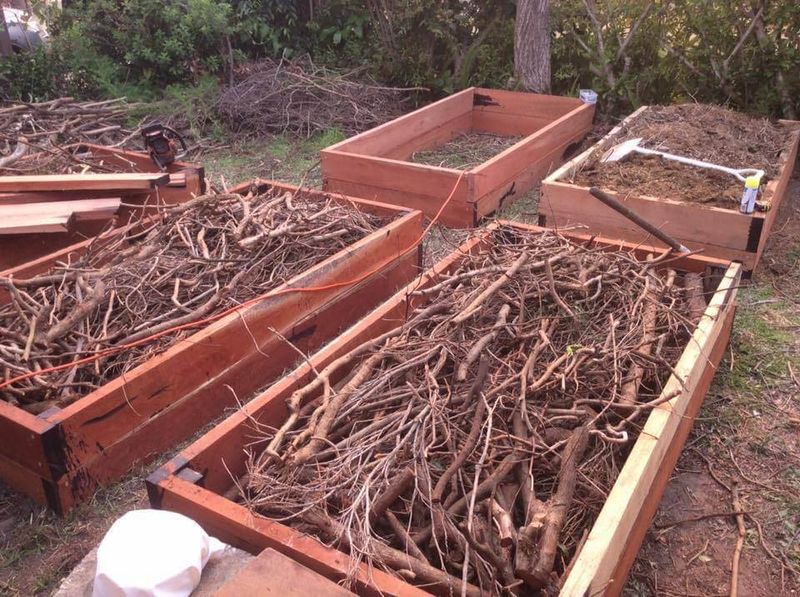
Burying branches at the bottom of raised beds creates a long-term reservoir of moisture and nutrients. This hugelkultur approach, developed in Central European gardens, works beautifully in Ohio’s climate.
The decomposing wood acts like a sponge, absorbing water during wet periods and releasing it slowly during dry spells.
Start with larger branches and logs at the very bottom of your bed, filling the lowest six to twelve inches. Cover them with smaller branches, twigs, and woody debris.
Top everything with several inches of compost, aged manure, and quality soil to create your planting surface.
The buried wood begins breaking down immediately, though larger pieces may take five to ten years to fully decompose. As decomposition progresses, the wood releases nutrients and creates air pockets that improve drainage and root growth.
Soil organisms thrive in the moist, carbon-rich environment.
This method works especially well for permanent raised beds that will remain in place for many years. The initial investment of materials and effort pays off through reduced watering needs and steadily improving soil fertility.
USDA guidance on organic matter management supports the principle that long-term carbon sources build resilient, productive soils.
Your hugelkultur bed may sink slightly as materials compress and decompose. Simply top it off with fresh compost annually to maintain depth and continue feeding soil life.