This Is How Oregon Gardeners Decorate Yards For Christmas Using Fresh Evergreens
When December rolls into Oregon, gardens do not fade into the background, they step into the spotlight.
As temperatures drop and days grow short, fresh evergreens take center stage in yards across the state.
Pine, fir, cedar, and spruce bring color and life when most plants call it quits.
Oregon gardeners know these greens are worth their weight in gold, especially during the holiday season.
Fresh evergreens turn ordinary yards into warm, welcoming scenes straight out of a postcard.
Garlands drape fences, wreaths dress up gates, and bundled branches fill planters with rich texture and forest scent.
These natural touches feel timeless and grounded, adding charm without going overboard.
Nothing looks stiff or store-bought, and that is part of the magic.
Using fresh greens also taps into Oregon’s deep connection to the land.
Many gardeners trim branches from their own yards or nearby forests, keeping things simple and meaningful.
The result feels cozy, thoughtful, and full of heart.
Through rain, frost, and early sunsets, evergreens keep spirits bright and yards looking alive, proving that a little greenery goes a long way during the holidays.
1. Creating Layered Evergreen Garlands For Fences And Railings

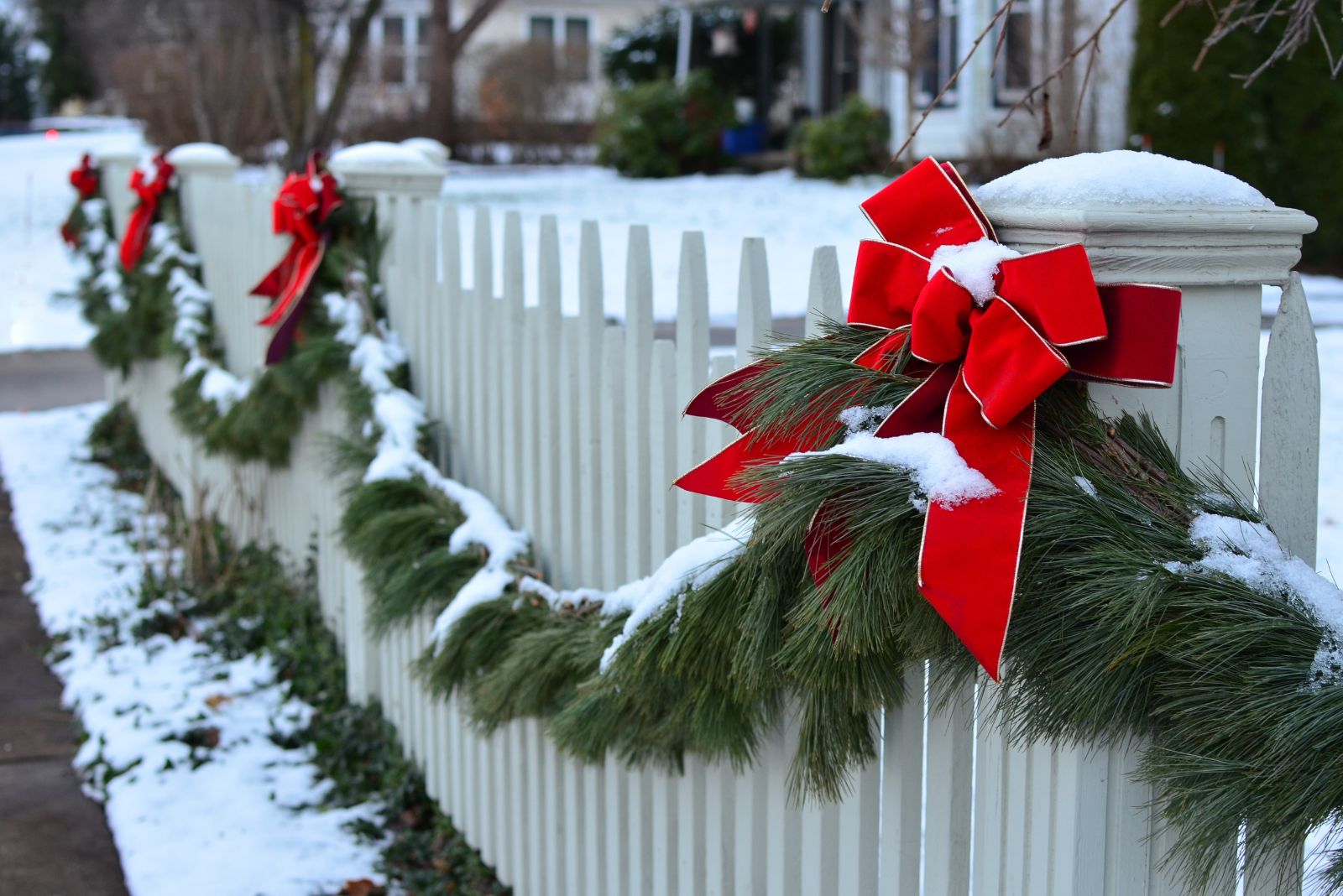
Garlands made from fresh evergreen branches transform ordinary fences and porch railings into festive focal points.
Oregon gardeners often combine different types of branches to create texture and visual interest.
Douglas fir provides a classic Christmas tree look, while cedar adds feathery softness and a stronger scent.
Noble fir contributes sturdy branches that hold their needles well throughout the season.
The process starts by gathering branches of varying lengths, typically between twelve and eighteen inches long.
Gardeners in Oregon often collect these after pruning their own trees or from local tree farms that offer trimmings.
Using floral wire or sturdy twine, they bind small bundles together, overlapping each bunch to hide the stems.
This layering technique creates a full, lush appearance that looks professionally made.
Many Portland-area gardeners enhance their garlands with red berries from holly bushes or clusters of pinecones collected from nearby forests.
Some add battery-operated string lights that twinkle through the greenery after dark.
The garlands can stretch across entire fence lines or wrap around porch columns for dramatic effect.
One popular approach involves draping them in swooping curves rather than straight lines, which adds movement and elegance.
Fresh garlands typically last four to six weeks in Oregon’s cool, moist winter climate.
Misting them occasionally with water helps maintain their freshness and intensifies the pine fragrance.
As Christmas approaches, these handmade decorations fill yards with natural beauty and the unmistakable scent of the forest.
Neighbors often stop to admire the craftsmanship and ask for tips on creating their own versions.
2. Building Evergreen Swags For Mailboxes And Lamp Posts

Swags offer a simpler alternative to full wreaths while still delivering impressive curb appeal.
These vertical arrangements work perfectly for mailboxes, lamp posts, and fence posts throughout Oregon yards.
The beauty of swags lies in their straightforward construction and their ability to withstand winter weather conditions.
Unlike circular wreaths, swags hang naturally and require less structural support.
Gardeners typically start with three to five substantial branches, each about two feet long.
Western red cedar works wonderfully because its flat, fan-like branches create instant fullness.
Some Oregon decorators mix in sprigs of incense cedar for its bright green color and pleasant aroma.
The branches get arranged with the longest in the center and shorter ones flanking the sides, creating a tapered shape.
Securing the bundle requires heavy-duty floral wire wrapped tightly around the stems, leaving enough wire to attach the swag to its destination.
Many people in Eugene and surrounding areas add decorative elements before hanging their creations.
Red velvet bows provide traditional elegance, while burlap ribbons offer a more rustic farmhouse style.
Small ornaments, jingle bells, or dried orange slices can be tucked into the branches for extra personality.
The installation process takes just minutes with wire or outdoor command hooks.
Mailbox swags greet mail carriers and passersby with festive cheer, while lamp post decorations cast beautiful shadows when lights shine through them at night.
These decorations hold up remarkably well in Oregon’s rainy December weather.
The moisture actually helps keep the branches fresh and fragrant, requiring minimal maintenance throughout the holiday season.
3. Designing Evergreen Pathway Borders And Garden Bed Edges

Lining pathways and garden beds with evergreen branches creates a magical entrance to homes across Oregon.
This technique guides visitors along walkways while adding seasonal charm to landscape features.
The method works especially well for properties with winding paths or multiple garden beds that need definition during winter months when perennials have gone dormant.
Branches are laid flat along pathway edges, slightly overlapping to form a continuous green border.
Some gardeners in Bend and other central Oregon communities secure them with landscape staples to prevent wind from scattering them.
Others simply tuck the cut ends into the soil, which works well in Oregon’s soft, moist winter ground.
The branches create a natural-looking frame that separates lawn areas from walkways.
This approach uses shorter branches than garlands or swags, typically ten to fourteen inches long.
Mixed evergreens provide the most appealing results, combining different shades of green and varied needle textures.
Adding small white lights along these borders transforms evening landscapes into enchanting winter scenes.
The lights peek through the branches, creating a soft glow that illuminates paths for safe navigation while adding ambiance.
Garden bed edges benefit from this treatment too, especially raised beds or prominent flower borders visible from the street.
The evergreen borders make empty winter beds look intentionally decorated rather than neglected.
Some creative Oregon gardeners insert birch branches or red twig dogwood stems among the evergreens for contrasting colors and heights.
This layering technique adds dimension and makes the borders look more sophisticated and thoughtfully designed.
4. Arranging Evergreen Branch Bundles In Outdoor Planters

Empty planters that held summer flowers find new purpose when filled with evergreen branches for the holidays.
This decorating method works beautifully for front porches, patios, and entryways throughout Oregon neighborhoods.
Large ceramic or wooden planters become instant focal points when stuffed with fresh greenery, creating vertical interest and welcoming displays.
The technique requires enough branches to fill the planter generously without looking sparse.
Gardeners often cut branches at varying heights to create a naturally tiered appearance.
Taller branches go in the center, with shorter ones around the edges, mimicking how a bouquet is arranged.
Some Portland residents add decorative elements like birch poles or curly willow branches for added height and architectural interest.
Securing the branches properly ensures they stay upright through Oregon’s winter storms.
Many gardeners fill the bottom of planters with sand or gravel for weight and stability.
The branch stems get pushed into this base material, holding them firmly in place.
Floral foam designed for fresh greenery also works well, especially for smaller containers.
It holds moisture and keeps branches fresh longer while providing excellent support.
Decorative touches transform simple branch arrangements into showstopping displays.
Strings of cranberries draped through the greenery add pops of red color.
Oversized ornaments on waterproof ribbon bring sparkle and whimsy.
Some Oregon gardeners tuck in branches with natural berries, like holly or winterberry, which birds appreciate as food sources.
Battery-operated fairy lights woven throughout the branches create evening magic without requiring outdoor electrical outlets.
These planter arrangements typically last the entire holiday season with occasional misting to maintain freshness.
5. Crafting Evergreen Wreaths For Doors, Gates, And Walls

Nothing says Christmas quite like a fresh evergreen wreath adorning a front door.
Oregon gardeners take pride in crafting their own wreaths using locally sourced branches rather than buying mass-produced versions.
The process has become a cherished tradition for many families, with techniques passed down through generations.
Homemade wreaths carry a personal touch and showcase the natural beauty of Pacific Northwest forests.
Wire wreath frames provide the foundation, available at craft stores in various sizes.
Gardeners cut branches into six to eight-inch pieces, preparing enough to completely cover the frame.
The branches get attached in overlapping bunches, all facing the same direction to create a uniform, professional appearance.
Floral wire secures each bundle tightly to the frame, with stems hidden beneath the next layer of greenery.
Oregon’s diverse evergreen species allow for creative combinations within a single wreath.
Noble fir branches form sturdy bases, while delicate cedar sprigs add softness and fragrance.
Some Salem-area gardeners incorporate variegated holly leaves for color contrast, or juniper branches with their blue-tinted berries.
The back of the wreath gets finished as carefully as the front, ensuring it looks attractive from all angles.
Embellishments reflect personal style and neighborhood traditions.
Classic red velvet bows remain popular, while some prefer natural jute twine or plaid ribbons for farmhouse aesthetics.
Pinecones, cinnamon sticks, and dried citrus slices add texture and complementary scents.
Outdoor wreaths can handle Oregon’s rain, but many gardeners apply a light mist of hairspray to help needles stay attached longer.
These handcrafted creations welcome guests with authentic holiday spirit and the fresh scent of the forest.
6. Constructing Evergreen Topiaries And Cone Shapes For Entryways
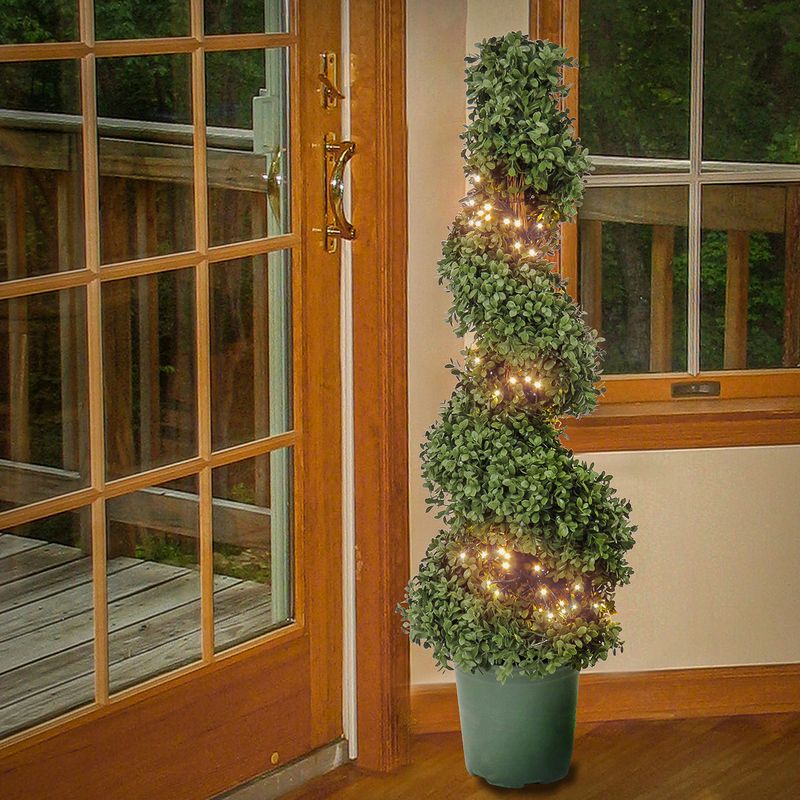
Topiary-style evergreen decorations bring elegant symmetry to front entrances across Oregon.
These structured arrangements typically appear in matching pairs flanking doorways, creating a formal and welcoming entrance.
The cone or pyramid shape is most popular, though creative gardeners also fashion spheres and spirals.
These living sculptures make powerful first impressions and photograph beautifully for holiday cards.
Creating these shapes requires wire tomato cages or specially designed topiary frames as foundations.
Gardeners insert the frames into large planters filled with sand or soil for stability.
Fresh evergreen branches get tucked into the frame openings, working from bottom to top.
Each layer overlaps the one below, hiding the wire structure completely.
The branches angle slightly downward to shed rain, which helps them stay fresh in Oregon’s wet December weather.
Achieving the perfect cone shape demands patience and a critical eye.
Gardeners step back frequently to assess symmetry and fullness, adding branches where gaps appear.
Some people in Corvallis and nearby communities use a combination of branch sizes, with thicker stems at the base tapering to delicate tips at the top.
This creates a more natural gradation and prevents the top from looking sparse compared to the fuller bottom sections.
Decorating options range from minimal to elaborate depending on personal taste.
Simple white lights spiraling around the cone create classic elegance for evening display.
Others prefer a single large bow at the top or a star ornament as a finishing touch.
Some adventurous Oregon decorators add small ornaments throughout the greenery, creating a tree-like appearance.
These topiaries typically maintain their beauty for six to eight weeks, especially when misted regularly to preserve freshness and enhance the wonderful evergreen fragrance.
7. Decorating Outdoor Trees And Shrubs With Evergreen Branch Additions

Bare deciduous trees and sparse shrubs get a holiday makeover when Oregon gardeners attach fresh evergreen branches to their limbs.
This creative technique adds fullness and festive greenery to plants that have lost their leaves for winter.
The method works particularly well for smaller ornamental trees near entryways or in front yards where they serve as focal points during the holiday season.
Gardeners select sturdy deciduous branches that can support the added weight of evergreen boughs.
Using floral wire or zip ties, they secure fresh-cut evergreen branches directly to the existing tree limbs.
The evergreen branches get positioned to look natural, as if they are growing from the tree itself.
Multiple attachment points ensure the decorations stay secure during windy Oregon weather that frequently sweeps through valleys and coastal areas.
This approach transforms otherwise bare trees into lush green specimens that resemble Christmas trees.
Some gardeners in Medford and southern Oregon communities take this further by adding strings of outdoor lights throughout the enhanced branches.
The combination of natural greenery and twinkling lights creates stunning nighttime displays that brighten neighborhoods.
Red bows or ornaments can be wired onto branches for additional color and festive flair.
Shrubs receive similar treatment, with evergreen branches tucked into their centers to add volume and holiday spirit.
Boxwoods, hydrangeas, and other foundation plantings benefit from this temporary enhancement.
The technique works especially well for properties where installing permanent outdoor decorations is difficult or prohibited.
When the season ends, the added branches simply get removed, leaving the host plants unharmed.
This sustainable approach uses natural materials that can be composted afterward, appealing to environmentally conscious Oregon residents who value green living practices.