This Is How Roadside Salt Can Damage Your Plant Life In Minnesota
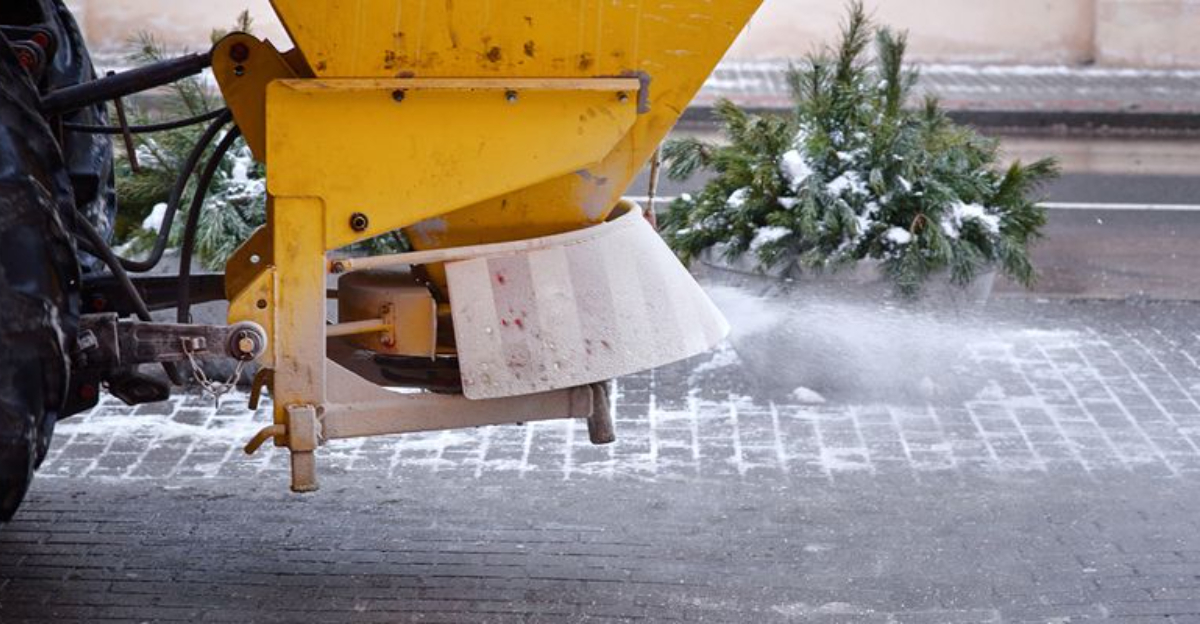
When snow piles up in Minnesota, so does something else – roadside salt.
While it’s essential for melting ice and keeping roads safe during the long winter months, that same salt can quietly cause serious trouble for your yard and garden.
Many homeowners don’t realize that what helps cars and sidewalks stay clear can actually harm soil, damage plant roots, and leave behind long-lasting effects that show up when spring finally arrives.
If you’ve ever noticed brown patches on your lawn, stunted plants, or bare spots near the road, salt may be the hidden culprit.
Salt doesn’t just stay where it’s dropped.
It washes off roads and sidewalks with melting snow and finds its way into your garden beds, lawn edges, and tree roots.
Once there, it draws moisture away from plant roots and changes the soil’s balance, making it harder for plants to absorb nutrients.
Over time, this leads to poor growth, leaf burn, or even plant destroyment.
The more you know about how roadside salt affects your landscape, the better prepared you’ll be to protect it.
Winter might be unavoidable in Minnesota, but salt damage doesn’t have to be.
1. Salt Burns The Leaves And Needles Of Plants
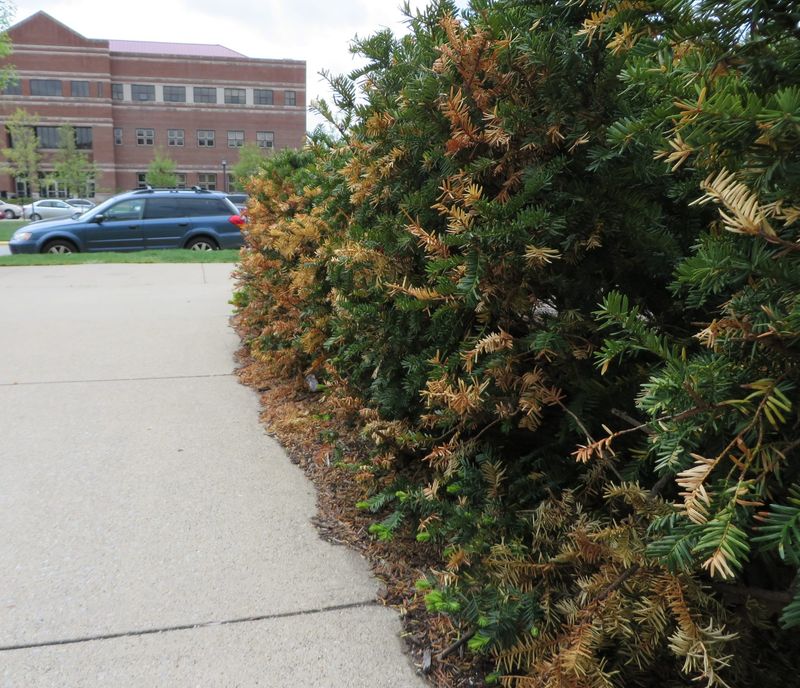
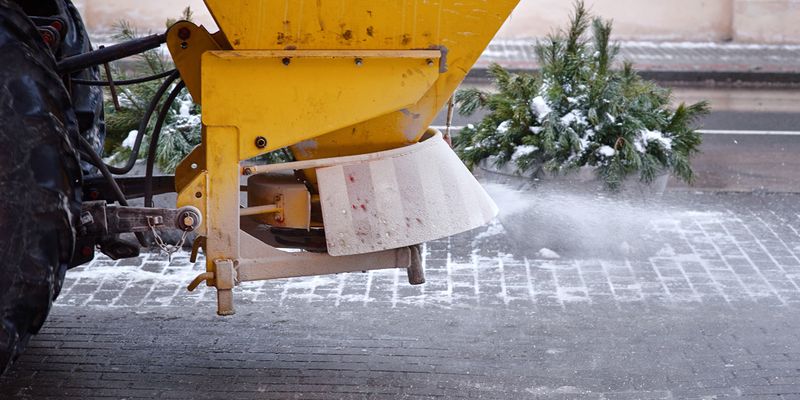
When salt trucks spray roads during Minnesota snowstorms, tiny droplets fly through the air and land directly on plant leaves and evergreen needles.
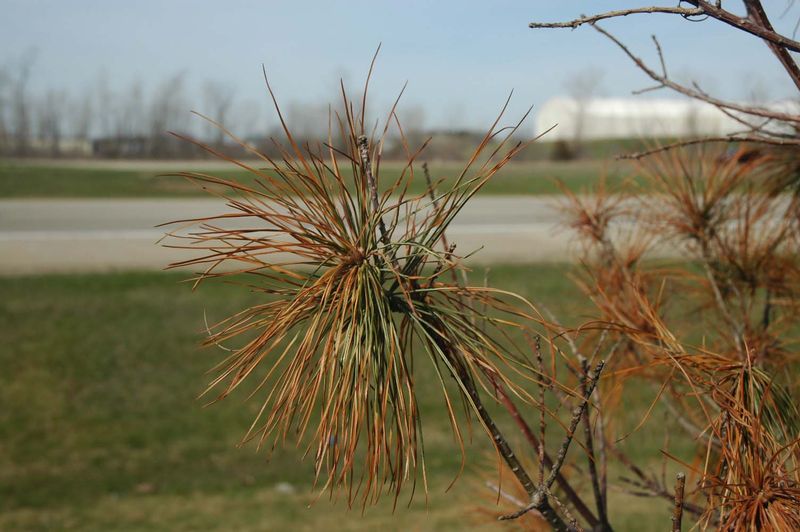
This direct contact causes what experts call foliar damage, which shows up as brown, crispy edges that look like someone took a lighter to your plants.
The salt crystals pull moisture right out of plant tissue, leaving behind the spots that can’t recover.
You’ll notice this damage most on plants close to busy roads or driveways where salt spray is heaviest.
Evergreens like pine, spruce, and juniper suffer especially badly because they keep their needles all winter long.
While deciduous trees drop their leaves before winter salt season begins, evergreens take the full hit of salt exposure for months.
The needles turn brown starting at the tips and eventually the whole needle might become discolored.
Once this damage happens, those needles won’t turn green again and the plant has to grow new ones to replace them.
Plants near intersections or curves where cars slow down get hit with even more salt because drivers brake and accelerate, kicking up extra spray.
Shrubs planted within ten feet of roads in Minnesota communities face constant bombardment throughout winter.
The damage might not show up right away either, sometimes taking until spring to become fully visible when you expect plants to look their best.
Protecting plants from salt spray requires physical barriers like burlap screens or snow fencing placed between the road and your landscape.
Some gardeners also rinse their plants with fresh water during winter thaws to wash away accumulated salt before it causes permanent harm.
Choosing salt-tolerant species for roadside planting also helps reduce this type of damage in Minnesota yards.
2. Salt Builds Up In The Soil And Hurts Root Systems
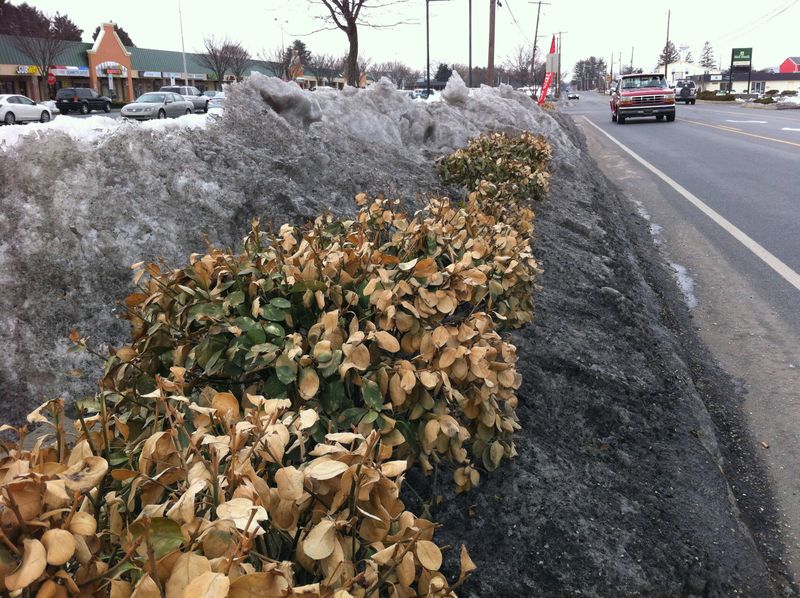
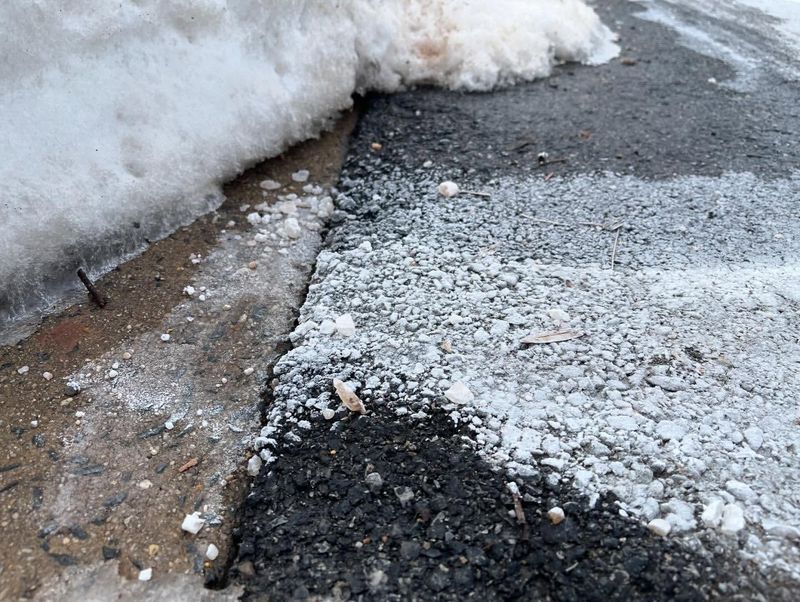
Road salt doesn’t just disappear after it melts snow and ice.
Instead, it soaks into the ground where it accumulates in the soil surrounding plant roots.
Over time, salt concentration increases with each winter application, creating a toxic environment that roots can’t escape.
Minnesota soils near heavily salted roads often contain sodium levels many times higher than what plants can tolerate.
This buildup happens gradually, which means damage might not be obvious for a year or two.
Roots need to absorb water and nutrients from soil to keep plants healthy, but salt interferes with this natural process.
High salt levels in soil actually reverse the flow of water, pulling moisture out of roots instead of letting roots take it in.
Plants essentially become dehydrated even when soil appears wet.
Root tips, which are the most delicate and important parts for absorbing nutrients, get damaged first and may stop growing entirely.
Clay soils common in many Minnesota yards hold onto salt longer than sandy soils, making the problem worse.
Poor drainage compounds the issue because salt can’t wash away naturally with rain and snowmelt.
Plants growing in these conditions show symptoms like wilting, stunted growth, and yellowing leaves even though they’re getting watered regularly.
The roots simply can’t function properly in salty soil.
Fixing salt-damaged soil takes time and effort.
Flushing the area with lots of fresh water helps dissolve and move salt deeper into the ground away from root zones.
Adding gypsum to soil can also help by replacing sodium with calcium, which is less harmful to plants.
Some Minnesota gardeners choose raised beds near roads to give plants fresh soil that isn’t contaminated with road salt buildup.
3. Salt Prevents Plants From Absorbing Important Nutrients
Even when soil contains plenty of nutrients, salt interferes with a plant’s ability to actually use them.
Sodium and chloride from road salt compete with essential nutrients like nitrogen, potassium, calcium, and magnesium for space in the soil and access to root surfaces.
Plants need these nutrients to grow leaves, make flowers, and stay healthy, but salt blocks the pathways that normally deliver them.
Minnesota gardeners often find that fertilizing doesn’t help plants near roads because the salt problem needs to be addressed first.
Calcium is particularly important for cell wall strength and overall plant structure, but sodium from salt takes its place in the soil.
When plants absorb sodium instead of calcium, their tissues become weak and more susceptible to disease and pest damage.
Leaves might develop unusual patterns of yellowing between the veins while veins stay green, a sign of nutrient deficiency caused by salt interference.
This symptom confuses many homeowners who assume their plants need more fertilizer when the real problem is salt blocking nutrient uptake.
Potassium helps plants regulate water use and stay strong during stress, but it too gets pushed aside by sodium.
Without adequate potassium, plants growing along Minnesota roadsides can’t handle temperature swings or drought as well as they should.
They become weaker and more vulnerable to other environmental challenges.
Magnesium, which is essential for photosynthesis and the green color in leaves, also becomes unavailable when salt levels are high.
Testing your soil can reveal both salt levels and nutrient deficiencies so you know exactly what your plants are dealing with.
Many Minnesota extension offices offer soil testing services that include salt measurements.
Once you know what’s happening underground, you can make informed decisions about whether to amend soil, relocate plants, or choose different species better suited to salty conditions near roads.
4. Salt Changes Soil Structure And Reduces Air Flow
Healthy soil has a crumbly texture with lots of tiny spaces between particles where air and water can move freely.
Roots need oxygen just like we do, and good soil structure provides it.
Sodium from road salt destroys this structure by causing clay particles to swell and stick together in a process called dispersion.
What was once loose, workable soil becomes hard, compacted, and almost cement-like.
Minnesota gardeners near busy roads often struggle with soil that’s difficult to dig and doesn’t drain properly because of salt-induced compaction.
When soil particles stick together, the spaces that normally hold air collapse and disappear.
Roots suffocate in this oxygen-poor environment, and beneficial soil organisms like earthworms and helpful bacteria can’t survive.
These organisms are crucial for breaking down organic matter and making nutrients available to plants.
Without them, soil becomes lifeless and unable to support healthy plant growth.
The problem gets worse each winter as more salt gets added to already damaged soil.
Poor soil structure also affects water movement.
Instead of soaking in gradually, water either runs off the surface or puddles in low spots because it can’t penetrate compacted soil.
This creates drought conditions even after rain or watering.
Plants show symptoms of both overwatering and underwatering at the same time because their roots are sitting in airless, waterlogged soil at some depths while other areas stay bone dry.
Improving soil structure damaged by salt requires adding organic matter like compost, which helps separate clay particles and create space for air.
Core aeration, where machines pull small plugs of soil out of the ground, also helps break up compaction.
These treatments need to be repeated regularly in areas near Minnesota roads where salt exposure continues year after year.
Some homeowners install drainage systems to help move salty water away from planting areas more quickly.
5. Salt Makes Plants More Vulnerable To Disease And Pests
Stress weakens plants just like it weakens people, and salt stress opens the door for all kinds of problems.
Insects and diseases naturally target plants that are already struggling because they’re easier to attack.
Minnesota plants dealing with salt damage can’t produce the protective chemicals they normally use to fight off threats.
Their weakened state makes them sitting ducks for everything from fungal infections to insect infestations that healthy plants would easily resist.
Fungal diseases like root rot thrive in the poor drainage conditions that salt-damaged soil creates.
When roots sit in waterlogged, airless soil, they become soft and vulnerable to infection.
Fungi move in and spread through the root system, causing even more damage on top of what salt already did.
Above ground, stressed leaves are more susceptible to leaf spot diseases and powdery mildew.
These infections spread faster on plants that lack the energy to defend themselves.
Insects seem to have a sixth sense for finding weak plants.
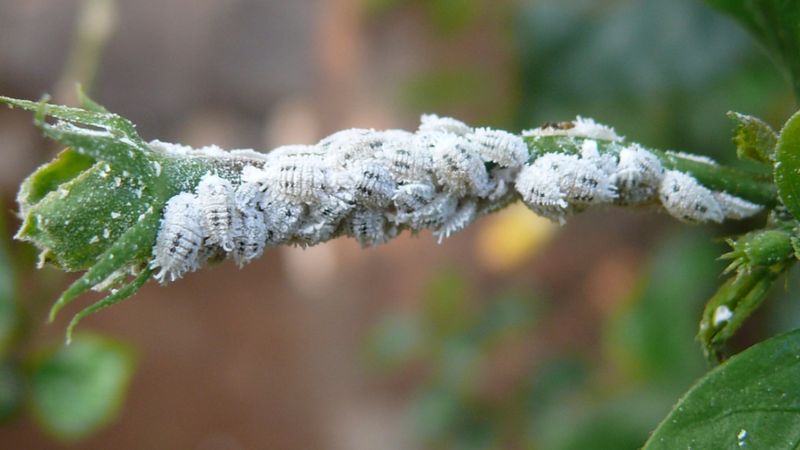
Aphids, scale insects, and spider mites all prefer to feed on stressed plants because the sap is easier to extract and the plants can’t fight back as effectively.
A healthy plant produces compounds that taste bad to insects or trigger defensive responses, but salt-stressed plants in Minnesota can’t spare the resources for these protections.
Once pests establish themselves, they multiply quickly and cause additional damage that compounds the salt problem.
Keeping plants as healthy as possible despite salt exposure is the best defense against secondary problems.
This means watering appropriately, avoiding additional stresses like improper pruning or fertilizing at the wrong time, and monitoring regularly for early signs of pest or disease issues.
Catching problems early makes them much easier to manage.
Some gardeners in Minnesota apply protective fungicides or insecticidal soaps preventively on valuable plants near roads during the growing season following a harsh winter.
6. Salt Causes Long-Term Decline And Shortened Plant Lifespan
A single winter of salt exposure might not end a plant’s life, but repeated exposure year after year takes a cumulative toll that eventually becomes too much to overcome.
Trees and shrubs that should live for decades start declining after just a few years near heavily salted Minnesota roads.
Growth slows down, fewer leaves appear each spring, and branches start showing more dry wood.
The plant is slowly losing its battle against constant salt stress, and eventually it reaches a point where recovery isn’t possible.
Mature trees are particularly valuable in landscapes, providing shade, beauty, and environmental benefits that take decades to replace.
When these trees decline from salt damage, property values can drop and neighborhoods lose their character.
Many Minnesota communities have lost significant street tree populations in areas where winter salt use is heavy.
The cost of removing and replacing these trees runs into thousands of dollars per property, not counting the years it takes for new trees to reach a useful size.
Shrubs and perennial plants also show long-term decline from salt exposure.
They might come back smaller each year, produce fewer flowers, or develop increasingly severe symptoms as salt accumulates in soil.
What started as minor tip burn in year one becomes extensive branch loss by year three or four.
Eventually, the plant becomes so unsightly or unhealthy that replacement is the only option.
Homeowners end up in a frustrating cycle of planting, watching plants decline, and replanting.
Breaking this cycle requires either reducing salt exposure through barriers and careful application practices or choosing plant species specifically known to tolerate salt.
Many native Minnesota plants evolved without salt exposure and simply can’t adapt to roadside conditions.
Salt-tolerant alternatives exist, including species like serviceberry, red oak, and switchgrass that handle sodium better than traditional landscape plants.
Consulting with local nurseries familiar with Minnesota conditions helps identify the best choices for challenging roadside locations.