This Is How Smart Pennsylvania Gardeners Deal With Snow On Garden Beds
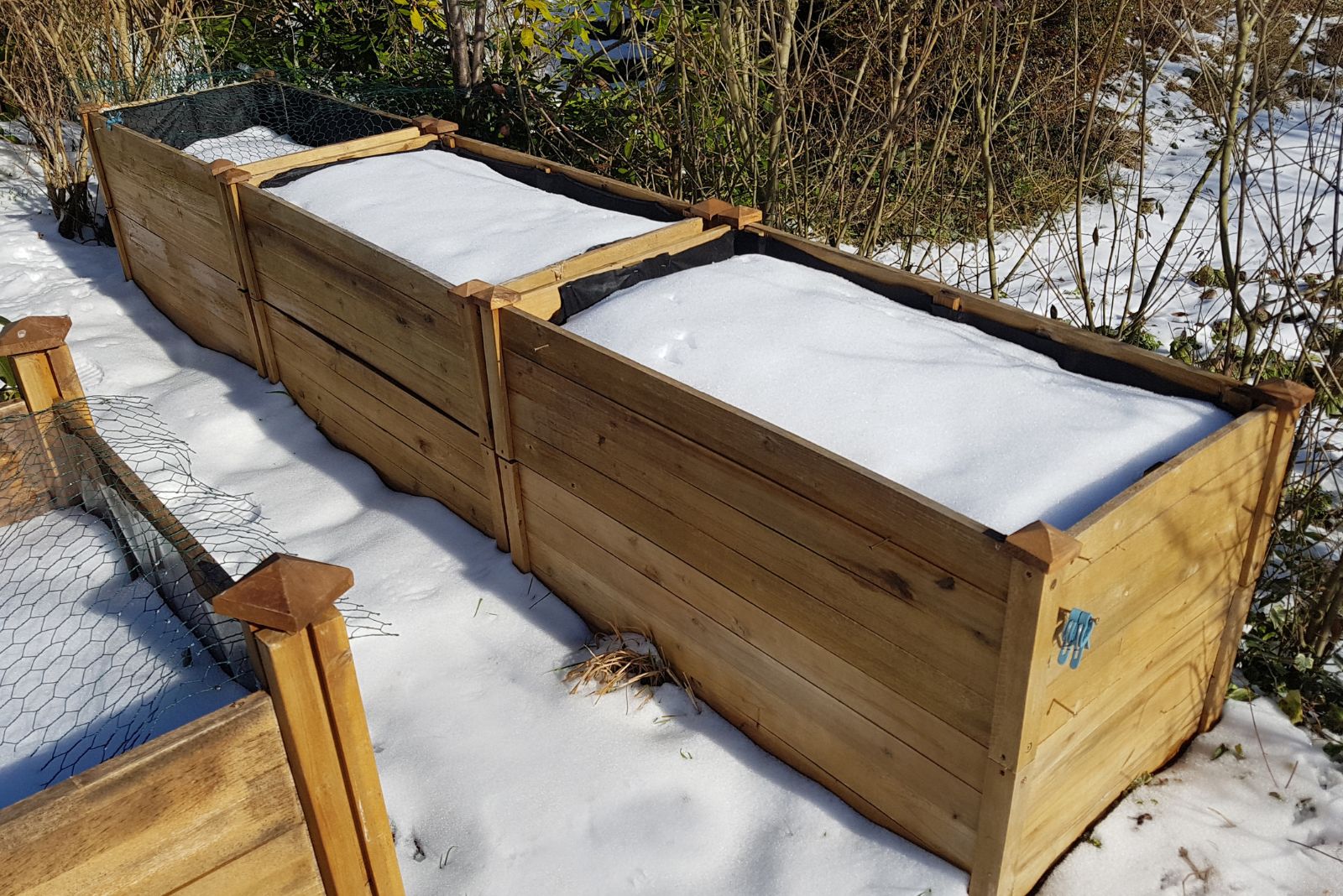
Snow on garden beds might look like a quiet winter scene, but experienced Pennsylvania gardeners know there is more going on beneath that white layer.
Instead of rushing outside to clear it away, smart gardeners take a thoughtful approach that protects soil, roots, and future growth.
Snow can actually act as a natural blanket, insulating plants from harsh temperature swings and helping preserve moisture in the soil. The key is knowing when to leave it alone and when gentle action makes sense.
From avoiding soil compaction to protecting delicate plants and planning ahead for freeze thaw cycles, a few simple habits can make a big difference once spring arrives.
If you want healthier beds and stronger plants when the snow finally melts, here is how savvy Pennsylvania gardeners handle snow without harming the garden they worked so hard to build.
1. Snow Isn’t Always The Enemy
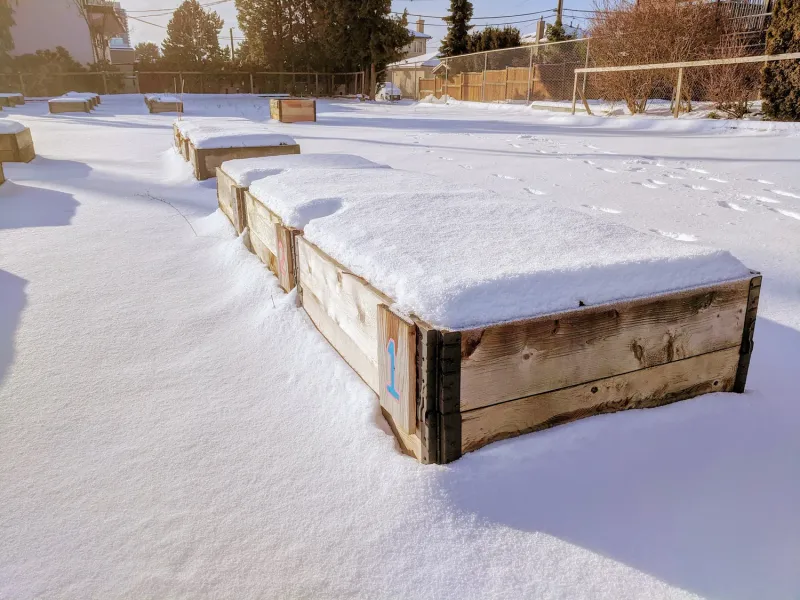
Most people see snow piling up on their garden beds and immediately want to grab a shovel. It feels wrong to leave plants buried under all that white stuff.
But experienced Pennsylvania gardeners know something the rest of us often forget: snow is actually one of nature’s best insulators.
Think of snow like a cozy blanket wrapped around your plants. When temperatures outside drop to single digits, the soil underneath a layer of snow stays much warmer.
Studies show that a 12-inch layer of snow can keep soil temperatures close to 32 degrees Fahrenheit, even when the air above is far colder. That difference matters enormously for plant roots trying to survive a Pennsylvania winter.
Snow also shields garden beds from harsh, drying winds that sweep across the region from November through March. Those winds can pull moisture right out of the soil and damage dormant plant tissue.
A natural snow cover acts like a windbreak at ground level, keeping conditions stable.
Another big benefit is temperature stabilization. Pennsylvania winters are famous for wild swings, where a warm spell in January is followed by a sudden deep freeze.
Those freeze-thaw cycles are actually more damaging to plants than steady cold. Snow cover slows those swings down, keeping the ground from repeatedly freezing and thawing.
So before you reach for that shovel, take a breath. Removing snow from garden beds is often unnecessary and can sometimes do more harm than good.
Nature has been protecting plants through Pennsylvania winters long before gardeners started worrying about it.
2. When You Should Leave Snow On Garden Beds?
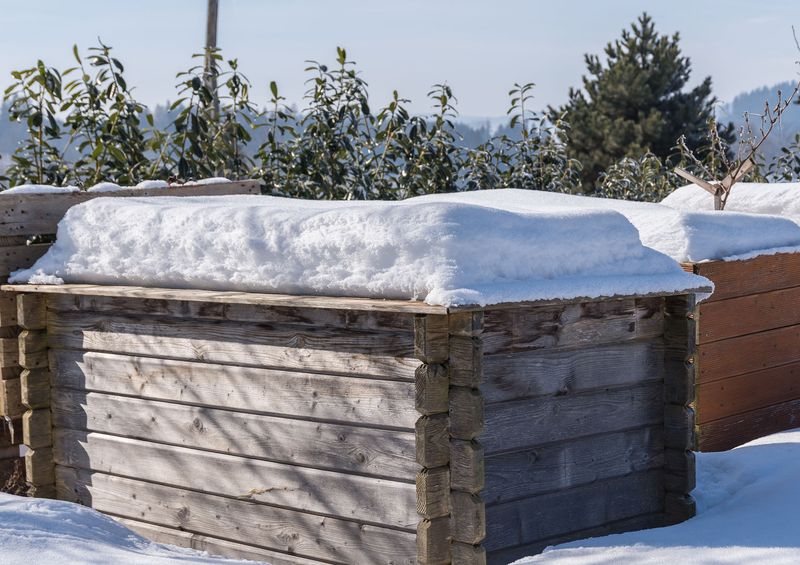
Knowing when to leave snow alone is one of the most valuable skills a Pennsylvania gardener can develop. The good news is that in most situations, leaving snow right where it falls is absolutely the right call.
Light to moderate snowfall is almost always beneficial for dormant garden beds.
Perennial beds love a good snow cover. Plants like coneflowers, black-eyed Susans, and ornamental grasses are tough, but their roots still need protection from the deep cold.
Snow keeps those roots cozy and helps them store energy for a strong spring comeback. Pennsylvania gardeners who leave their perennial beds undisturbed through winter almost always see better results come April and May.
Bulbs are another category where snow is a true friend. Tulips, daffodils, hyacinths, and other spring-blooming bulbs sit just a few inches below the soil surface all winter long.
They need consistent soil temperatures to stay dormant and healthy. A natural snow cover does exactly that, preventing the freeze-thaw damage that can rot bulbs or trigger premature sprouting during a warm spell.
Hardy shrubs also benefit from snow coverage at their base. Shrubs like spirea, forsythia, and native viburnums are tough, but protecting their root zones through a hard Pennsylvania winter helps them burst back with full vigor in spring.
Natural snow cover is almost always best left undisturbed. Every time you disturb the snow on a garden bed, you risk exposing roots and plant crowns to sudden temperature drops.
Trust the process and let nature handle the heavy lifting through the cold months.
3. When Snow Might Need Attention?
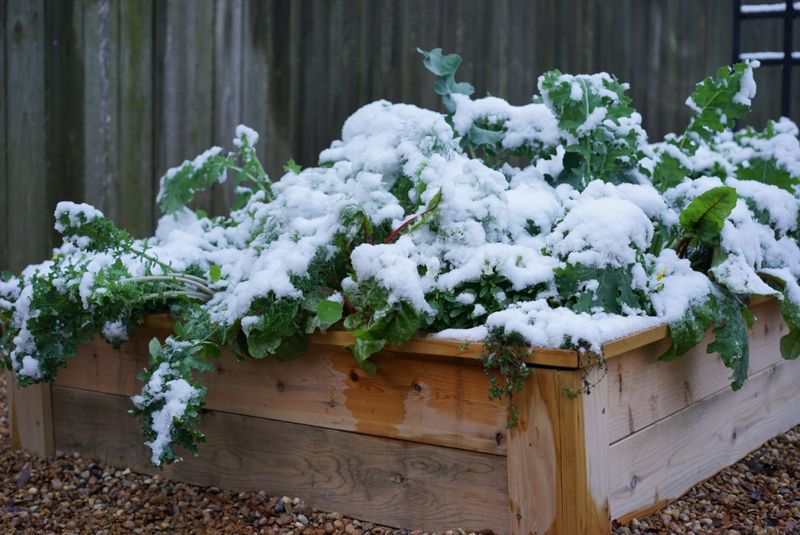
Not every snowfall in Pennsylvania is light and fluffy. Some winters bring heavy, wet snow that piles up fast and gets dense quickly.
That kind of snow is a different story, and smart gardeners know when it is time to pay a little closer attention to their garden beds.
Extremely heavy, compacted snow can block airflow to evergreen groundcovers like pachysandra, ivy, and creeping juniper. These plants stay green all winter and need some air circulation to stay healthy.
When a thick slab of wet snow sits on top of them for weeks, it can create conditions that weaken the foliage over time.
Low-growing shrubs are another concern. A heavy snow load can bend branches to the point of damage, especially on plants with a naturally rounded or spreading shape.
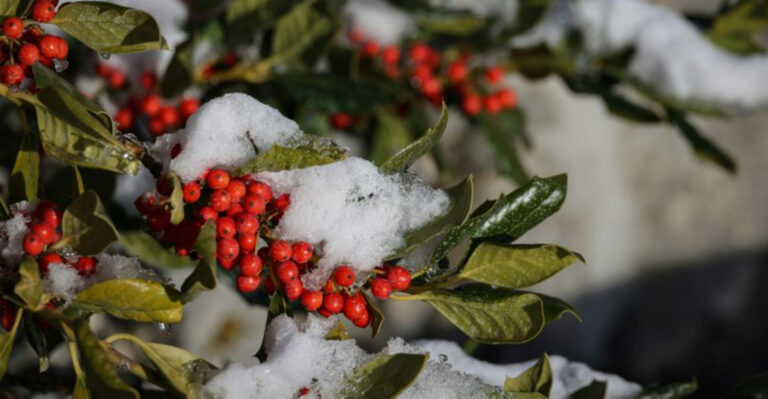
Boxwoods, dwarf hollies, and compact junipers are common examples in Pennsylvania gardens. If you see branches pressing hard against the ground under heavy snow, gently brushing some of it away can help.
Ice crust is actually more problematic than soft snow. When rain falls on existing snow and then freezes overnight, it creates a hard shell that can trap gases near the soil surface and prevent any moisture movement.
If you notice an ice crust forming over your beds, gently breaking it up along the edges can help without disturbing the protective snow layer underneath.
The goal here is always about relieving pressure, not clearing the bed completely. A light touch and careful observation go a long way during a tough Pennsylvania winter.
Always work gently and avoid digging down to bare soil.
4. The Right Way To Handle Snow Without Hurting Plants
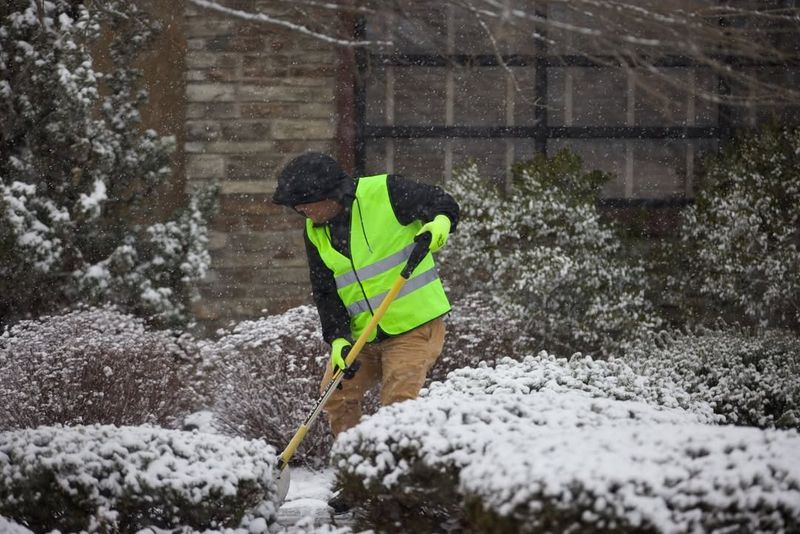
When snow does need some attention, how you handle it matters just as much as whether you handle it at all.
Pennsylvania gardeners who take the wrong approach can accidentally cause more damage than the snow itself would have created. A little know-how goes a long way here.
First, avoid shoveling snow directly onto garden beds. When you clear your walkways and driveway, it is tempting to toss shovelfuls of snow over to the side where your beds are.
But piling heavy, compacted snow on top of plants can crush them or create an ice-heavy mass that smothers groundcovers. Try to direct shoveled snow toward open lawn areas instead.
Never scrape snow all the way down to bare soil. Gardeners sometimes get a little overzealous and remove every flake, thinking they are helping.
Bare soil in January or February is exposed to wind and hard freezing, which can damage shallow roots and dry out the top layer of soil where many plant crowns sit.
If you have a spot where snow has piled up in a particularly heavy mound, gently redistribute it rather than removing it entirely.
Spreading it out more evenly keeps the insulating benefits while reducing the pressure on any one area. Use a soft-bristled broom or your gloved hands for this task.
One of the most important rules in Pennsylvania winter gardening is never dumping salty roadside snow onto planting areas. Salt is incredibly damaging to soil chemistry and plant roots.
Even small amounts of salt can linger in garden soil and cause problems well into the growing season. Keep salty snow far away from your beds.
5. What NOT To Do With Snow On Garden Beds?
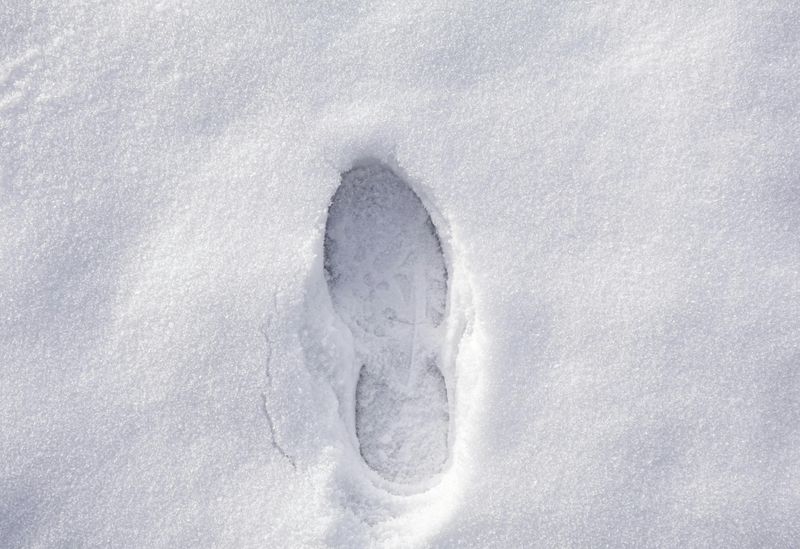
Sometimes the best gardening advice is a list of things to stop doing. Pennsylvania winters can make people anxious about their gardens, and that anxiety leads to some common mistakes that actually set plants back rather than helping them.
Walking on snow-covered garden beds is one of the biggest mistakes you can make. Every step compacts the soil underneath, squeezing out the air pockets that plant roots need to breathe.
Compacted soil also drains poorly, which can lead to waterlogged roots when the snow melts in spring. Stay off your beds all winter, no exceptions.
Do not remove the protective mulch layer that sits underneath the snow. Some gardeners pull back mulch thinking the plants need more air or light.
In reality, that mulch is working together with the snow to keep soil temperatures stable. Removing it mid-winter exposes roots to temperature extremes they were never meant to face.
Clearing snow too early is another common error. A warm weekend in February can tempt Pennsylvania gardeners to start tidying up their beds.
But pulling snow back exposes plant crowns and soil to another cold snap that is almost certainly coming. Patience really is a virtue in winter gardening.
Finally, do not panic over plants that look completely buried or dormant under the snow. Dormancy is normal and healthy.
Plants are not struggling under there; they are resting. Dormant perennials, bulbs, and shrubs are designed to survive exactly these conditions.
Overreacting and disturbing them does far more harm than simply letting them sleep through the cold Pennsylvania winter undisturbed.
6. What Smart Gardeners Know By Spring?
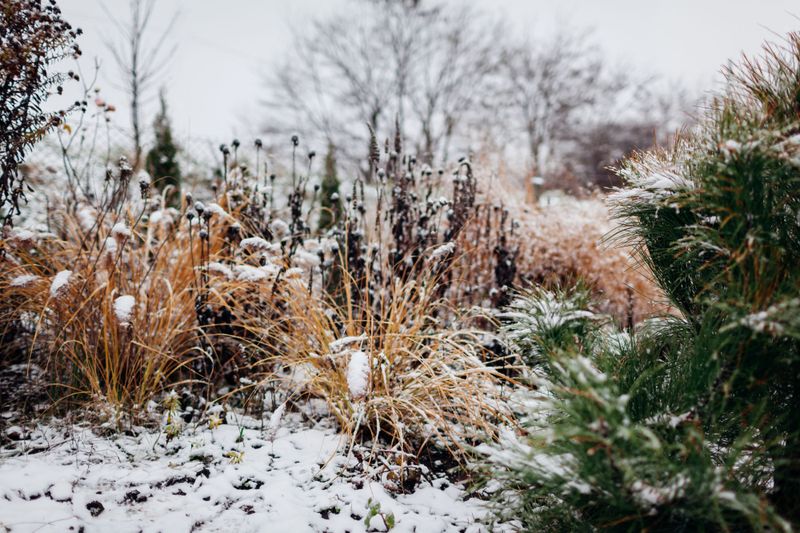
By the time the snow starts melting across Pennsylvania in late February and March, experienced gardeners have a quiet confidence that less seasoned growers are still working to develop.
That confidence comes from understanding one simple truth: snow almost always helps more than it hurts.
Nature has been running this operation for a very long time. Long before raised beds, garden centers, and frost cloth existed, plants survived Pennsylvania winters under nothing but natural snow cover.
The instinct to protect and intervene is understandable, but observation and patience almost always beat overreaction.
Most garden beds recover beautifully when the snow melts on its own schedule. The first green shoots pushing up through softening soil in early spring are one of the most rewarding sights a gardener can witness.
Those shoots are proof that the system worked, that the snow did its job, and that the plants were tougher than they looked all winter long.
Smart Pennsylvania gardeners use winter as a time to observe rather than act. They notice which areas of their yard hold snow longest, which beds drain quickly when snow melts, and which plants emerge strongest after a cold season.
That knowledge shapes better planting decisions for the years ahead.
The closing lesson of every Pennsylvania winter is a simple one: sometimes the smartest move in the garden is doing absolutely nothing.
Letting nature handle the heavy lifting, trusting in the insulating power of snow, and resisting the urge to interfere will reward you with a thriving, vibrant garden when warmer days finally return. Work with winter, not against it.