This Is How To Break Up Hard Clay Soil In Ohio Without Tilling
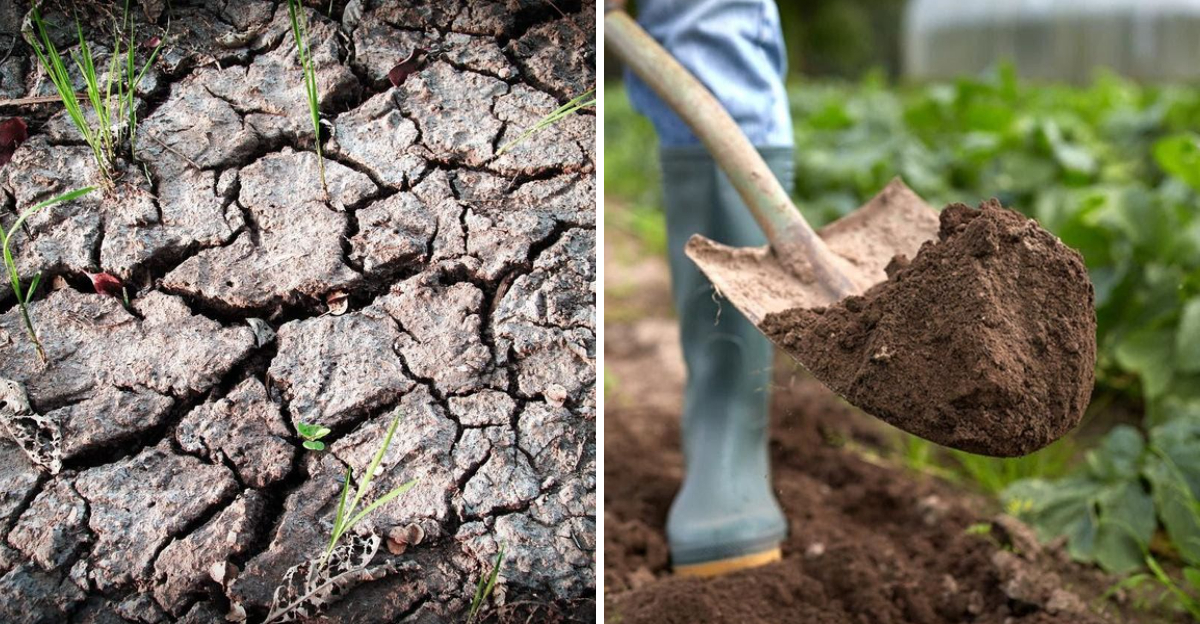
Clay soil across Ohio tricks many gardeners every year. Spring rain turns garden beds into thick, sticky mud.
Then summer heat dries it into ground as hard as rock. Shovels struggle, roots stop growing, and water runs away instead of soaking in.
Many gardeners try tilling and heavy digging, but the soil often comes back even harder. Real change starts with simple, natural steps that slowly rebuild the soil from below.
Healthy soil life, steady moisture, and deep channels can turn dense clay into loose, dark, fertile earth. Plants grow stronger, watering becomes easier, and the ground stays softer after rain and heat.
The first season shows small progress, but each year the soil improves more. That rock-hard clay in your garden can become soft, dark, living soil.
A few steady changes can wake up the ground beneath your feet and rebuild it into something plants truly love.
1. The Real Reason Ohio Clay Gets Tough
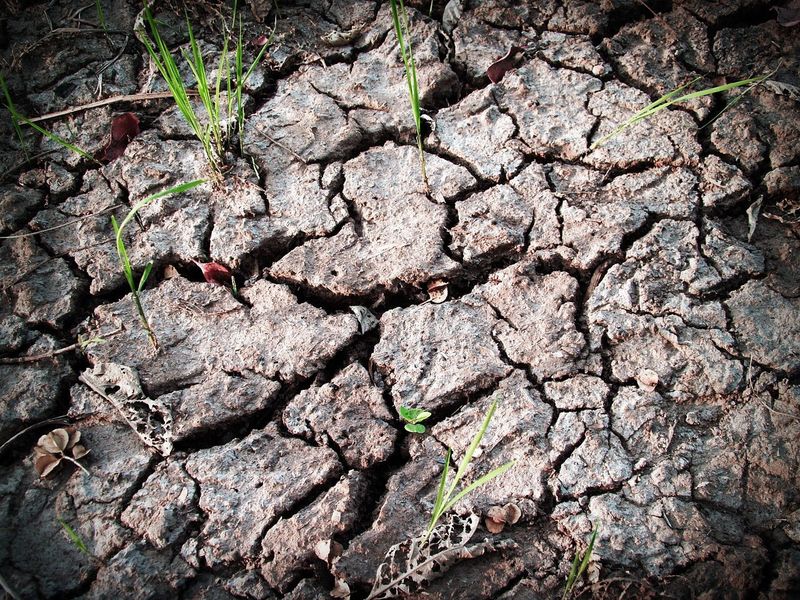
Clay particles are incredibly small, much tinier than sand or silt, which means they pack together tightly with very little air space between them. When water fills those tiny gaps during rainy periods, the clay swells and becomes sticky and heavy.
As temperatures rise and moisture evaporates, those same particles bind together like natural cement, creating a surface so hard that water runs off instead of soaking in.
Ohio’s weather patterns make this cycle especially challenging. Spring brings heavy rainfall that saturates clay soil, followed by hot, dry summers that bake it solid.
The freeze-thaw cycles of winter add another layer of stress, expanding and contracting the soil repeatedly. This constant shifting leaves clay dense and difficult to work with by the time planting season arrives.
Understanding this behavior is the first step toward fixing it. Clay soil isn’t bad soil, it just needs help.
The minerals in clay are actually quite rich, and once you improve its structure, it can support healthy plant growth better than sandy soils that drain too quickly and lose nutrients easily.
2. Open The Surface Without Heavy Digging
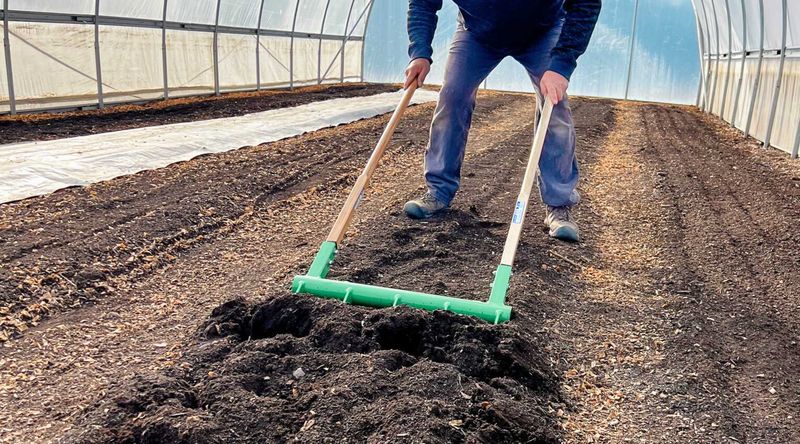
A broadfork looks like a giant comb with long metal tines attached to two handles. You push it into the soil with your foot, then pull back on the handles to lift and fracture the clay without flipping it over.
This creates vertical channels that allow air, water, and roots to penetrate deeper while keeping the soil structure mostly intact. The soil layers stay where they belong, which protects beneficial microorganisms that live at specific depths.
Using a broadfork takes some effort, but it’s far less exhausting than traditional digging and much gentler on your back. Work when the soil has some moisture in it, not when it’s completely dry and rock-hard or soaking wet and sticky.
Early spring or fall in Ohio typically offers the best conditions. Space your insertions about six inches apart across the entire garden bed.
This method works especially well because it doesn’t destroy soil structure the way tilling does. Tilling chops everything up and can actually make clay worse over time by breaking down aggregates and creating a hardpan layer below the surface.
The broadfork respects what’s already there while gently opening pathways for improvement.
3. Feed The Soil With Rich Organic Matter
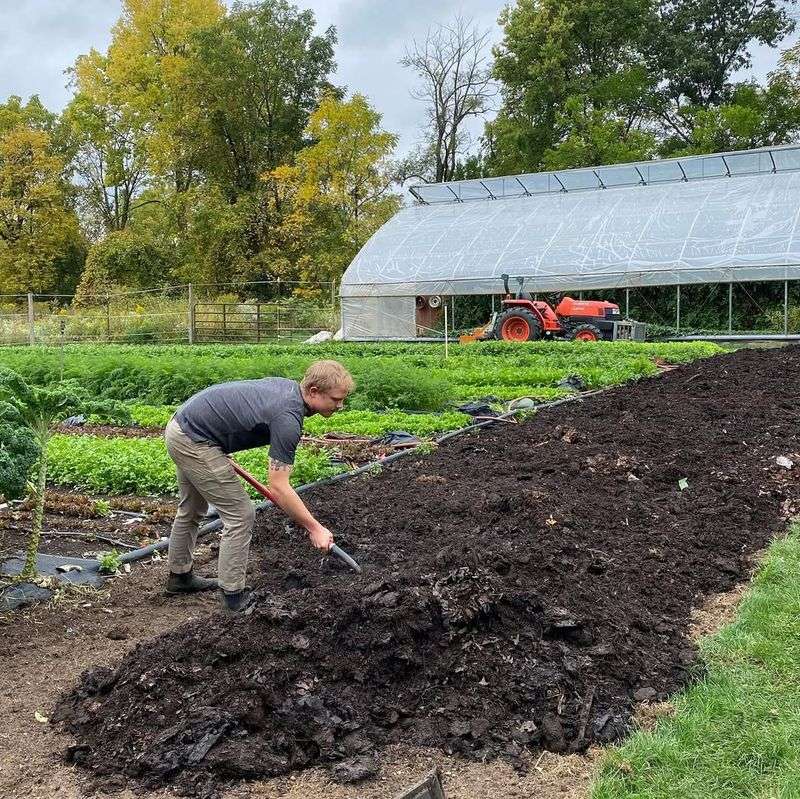
Compost acts like a miracle worker for clay soil. When you spread a thick layer of finished compost on the surface, earthworms and other soil creatures gradually pull it down into the clay, mixing it naturally without any digging required.
The organic matter separates those tightly packed clay particles, creating space for air and water to move through. Over time, this transforms dense clay into crumbly, workable soil that feels completely different under your hands.
Apply at least two to three inches of compost to your garden beds twice a year if possible. Fall application gives it time to integrate over winter, while spring feeding supports the growing season.
You can make your own compost from kitchen scraps, grass clippings, and fall leaves, or purchase it from local suppliers. Either way, the investment pays off quickly in improved soil quality.
Besides improving structure, compost feeds beneficial microbes that produce natural glues holding soil particles together in stable aggregates. These aggregates resist compaction much better than raw clay.
The organic matter also increases the soil’s ability to hold nutrients and moisture, which means less watering and fertilizing once your clay transforms into healthy garden soil.
4. Use Gypsum To Loosen Dense Clay
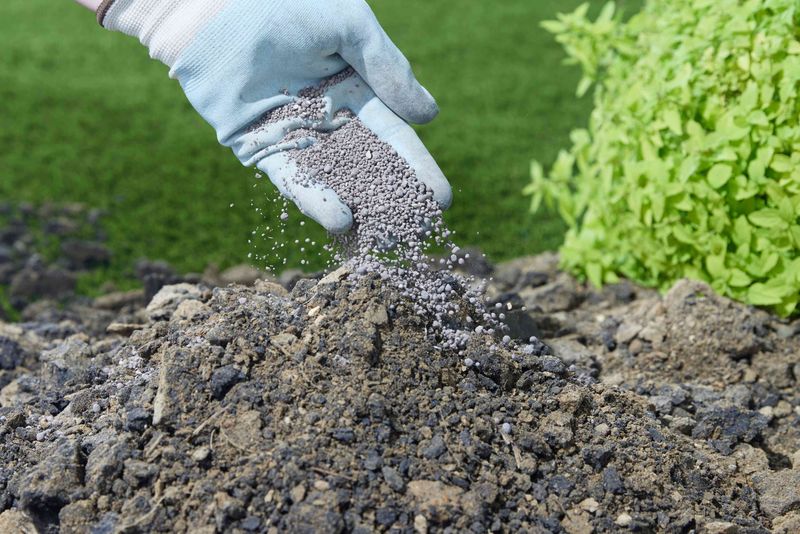
Gypsum works through chemistry rather than physical force. It contains calcium and sulfate, which react with the sodium in clay particles.
Sodium causes clay to bind tightly, but when calcium replaces it, the particles relax and separate slightly. This creates better drainage and makes the soil easier for roots to penetrate.
The change happens gradually over several weeks as rain or irrigation water carries the gypsum down into the clay.
Apply gypsum in early spring or fall when Ohio typically receives regular rainfall to help it move into the soil. Spread it evenly across the surface at the rate recommended on the package, usually around 40 pounds per 1,000 square feet for heavy clay.
You can walk it in lightly with a rake, but there’s no need for deep incorporation. Nature will handle the rest as water carries it downward.
One important note about gypsum is that it won’t change your soil’s pH, which makes it safe to use even if your pH is already balanced. It’s also inexpensive and widely available at garden centers throughout Ohio.
While it’s not a complete solution by itself, gypsum works wonderfully alongside organic matter to speed up the transformation of stubborn clay.
5. Let Earthworms Work Their Magic
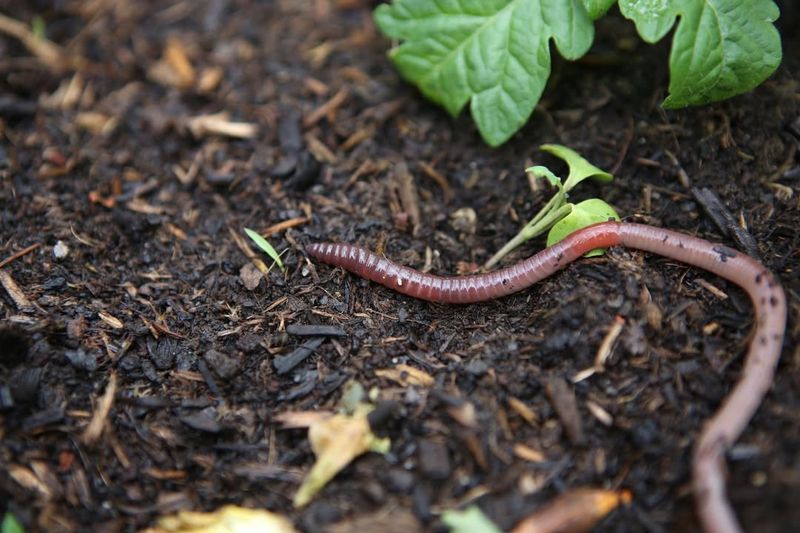
Earthworms are nature’s tillers, and they work for free around the clock. As they tunnel through clay soil, they create permanent channels that improve drainage and aeration.
Their digestive systems process organic matter and soil particles, producing castings that are incredibly rich in nutrients and beneficial microbes. These castings also help bind soil particles into stable aggregates that resist compaction.
Essentially, earthworms do all the heavy work of improving clay soil structure without any effort on your part.
To attract and support earthworms, keep the soil covered with organic matter. A layer of compost, shredded leaves, or other mulch provides food and maintains the moist conditions earthworms prefer.
Avoid using harsh chemicals that harm worm populations. The more earthworms you have, the faster your clay soil will improve.
In healthy Ohio garden soil, you might find dozens of earthworms in a single shovelful of earth.
Building a strong earthworm population takes time, but the results last indefinitely. Once established, these hardworking creatures maintain soil quality year after year.
Their tunnels remain open even after the worms move on, providing lasting pathways for water and roots that make clay soil function more like loam.
6. Lock In Moisture With Smart Mulching
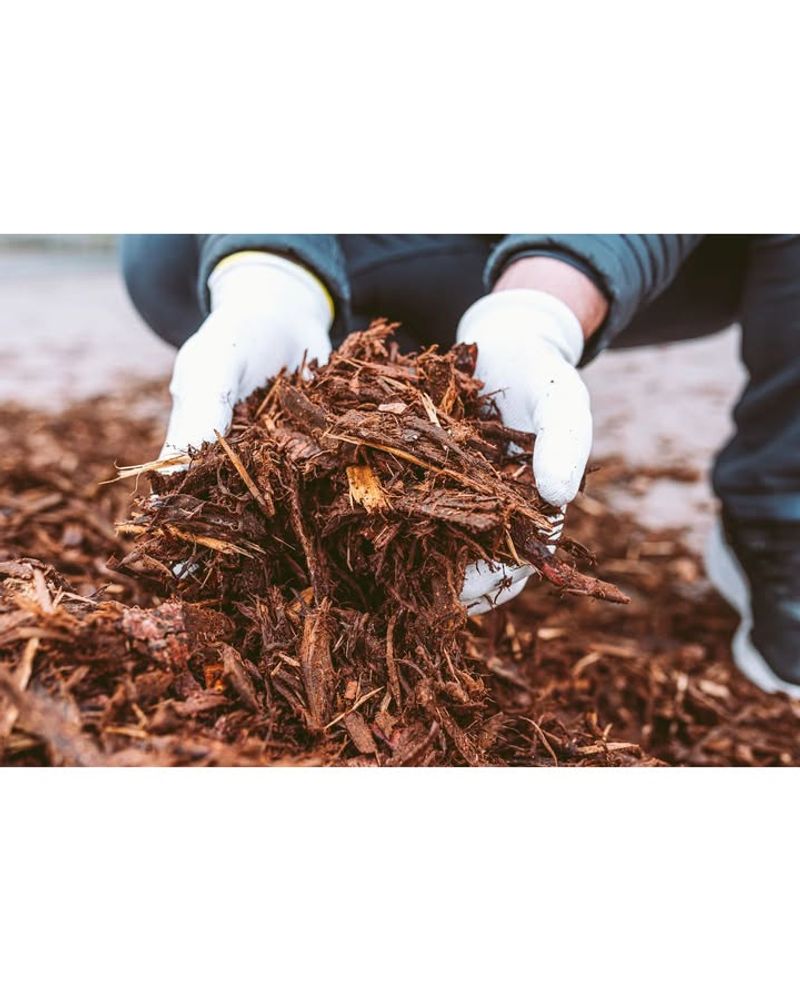
Mulch does much more than make your garden look neat. A thick layer of organic mulch protects clay soil from the harsh sun that bakes it into concrete during Ohio summers.
It keeps the surface moist and cool, which encourages earthworm activity near the top and prevents that rock-hard crust from forming. As the mulch slowly decomposes, it feeds the soil from above, adding organic matter that gradually works its way down into the clay.
Apply three to four inches of mulch around plants and across bare soil. Wood chips, shredded bark, straw, and shredded leaves all work well.
Avoid piling mulch directly against plant stems, which can cause rot. Leave a small gap around the base of each plant while covering everything else thoroughly.
The moisture-holding benefit of mulch is especially valuable in clay soil because it helps prevent the extreme wet-to-dry cycles that cause cracking and hardening. By keeping moisture levels more consistent, mulch reduces stress on the soil structure.
It also suppresses weeds that would otherwise compete with your garden plants and makes the garden easier to maintain overall. Fresh mulch once or twice a year keeps these benefits going strong.
7. Grow Deep Roots To Break Hard Clay
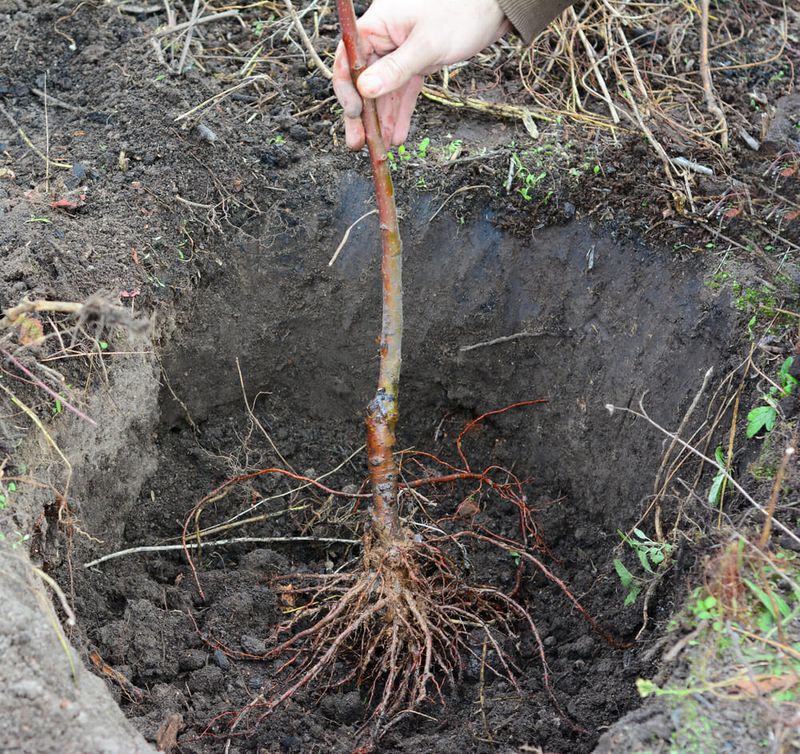
Plants with deep, vigorous root systems act as living tools that break up clay from the inside. Roots push through the soil as they grow, creating channels and cracks that allow water and air to penetrate deeper.
When roots eventually decompose, they leave behind organic matter and hollow tubes that remain as permanent pathways. Planting cover crops like daikon radish, which develops a thick taproot that can penetrate several feet deep, is especially effective for opening up compacted clay layers.
In vegetable gardens, consider planting deep-rooted crops like tomatoes, squash, and beans. Perennial flowers and herbs with substantial root systems also help.
The key is keeping something growing in the soil as much as possible throughout the year. Even in Ohio’s colder months, roots from fall-planted cover crops continue working underground, slowly fracturing the clay and improving structure.
This approach works best as part of a long-term strategy. The first year shows modest improvement, but by the second and third seasons, the cumulative effect of all those roots becomes obvious.
The soil becomes easier to work, drains better, and supports healthier plant growth, creating a positive cycle where better soil grows stronger plants with even more effective root systems.
8. Turn Heavy Clay Into Living Soil
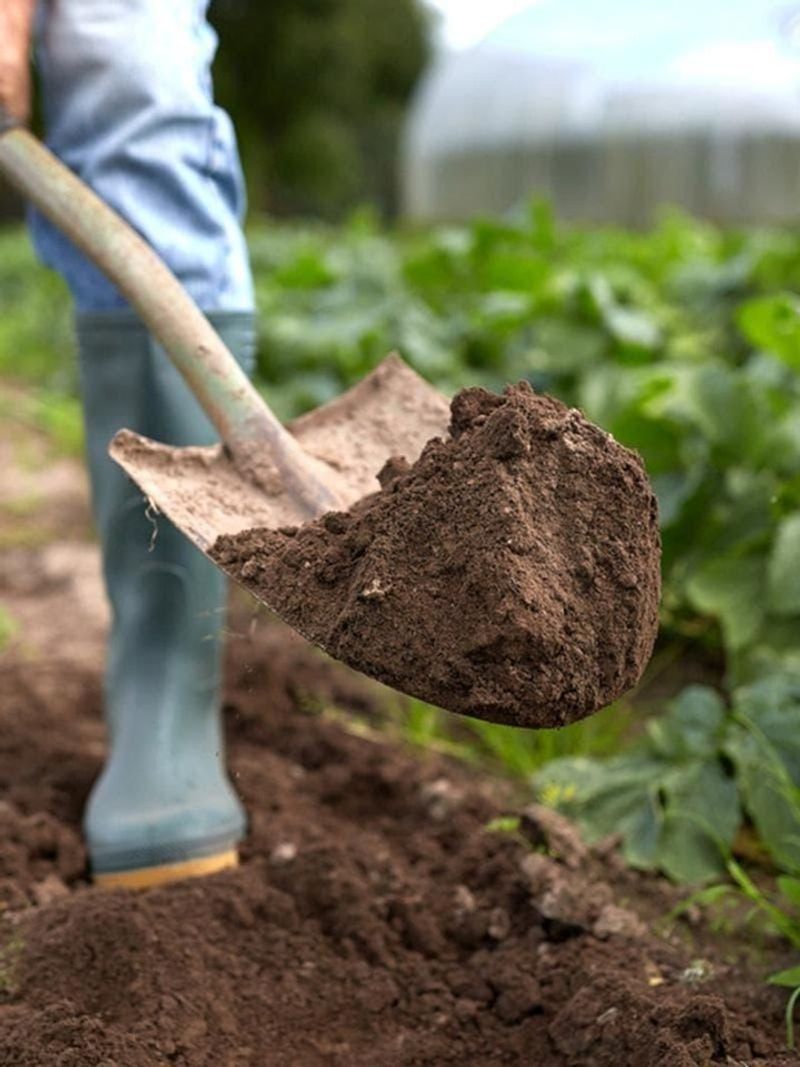
Transforming clay soil isn’t a quick weekend project, but every step you take moves you closer to the kind of rich, living soil that makes gardening a joy instead of a struggle. The secret is combining several methods rather than relying on just one.
Add compost regularly, use gypsum when needed, protect the surface with mulch, and let earthworms and plant roots do their natural work. Each technique supports the others, creating compound benefits that accelerate improvement.
Most Ohio gardeners notice significant changes within one growing season, with dramatic transformation happening over two to three years. The soil becomes darker, crumbles easily in your hand, and smells earthy and fresh.
Plants grow stronger root systems, need less water, and show fewer signs of stress during summer heat. The hard, lifeless clay becomes a thriving ecosystem full of beneficial organisms working together to support your garden.
Patience pays off because the improvements last. Once you’ve built healthy soil structure, maintaining it requires much less effort than creating it.
Annual additions of compost and mulch keep everything balanced. Your garden becomes more productive and enjoyable year after year, proving that working with nature instead of against it always produces the best results.